Wer kann die "Sterbegrenze" der Prominenten auf dem Internet-Elektromobilen überwinden?
In the past year, dozens of new electric models entered the market every month. However, the public usually only focuses on two moments: the order numbers right after the launch and the ranking in the annual sales statistics. These two sets of numbers tell most of the stories about "success" and "failure".
An elaborate presentation, a "groundbreaking" price, an impressive tech specification, or a catchy slogan are enough to create an "Internet sensation" car on social media.
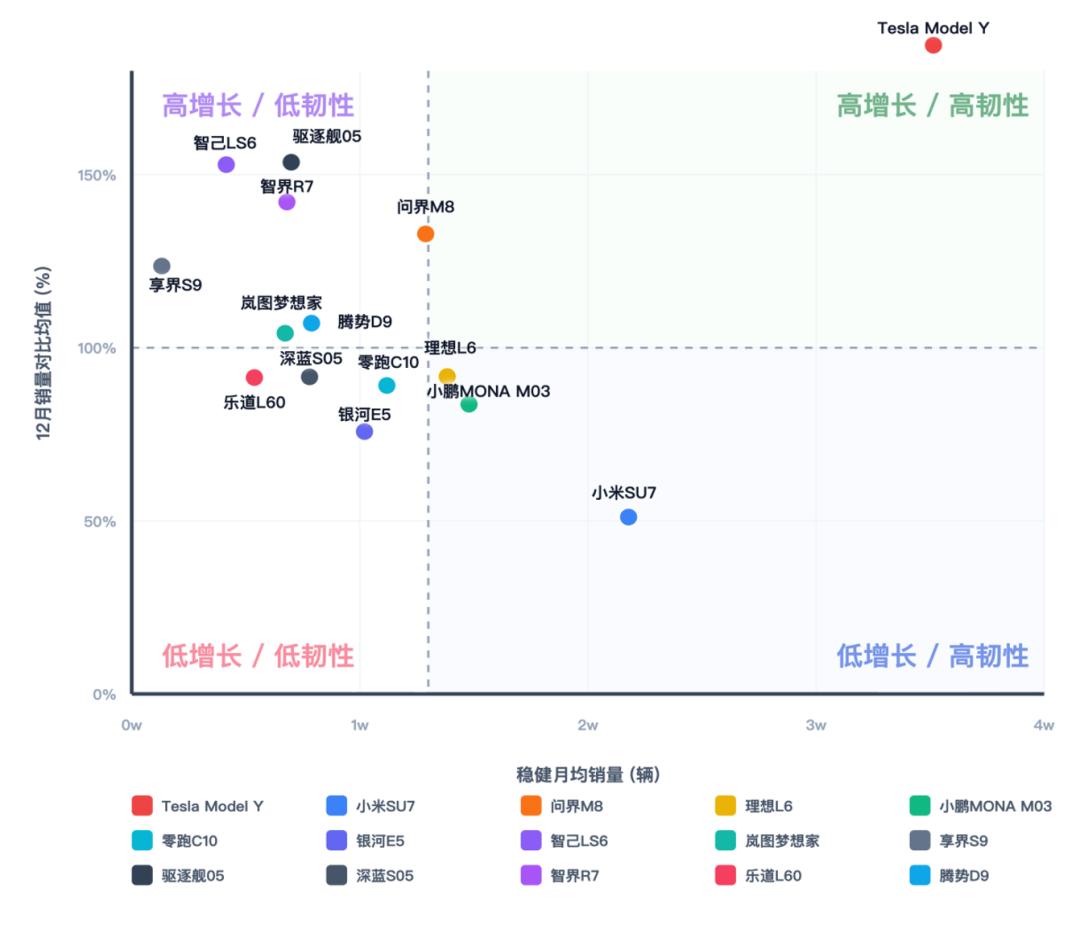
However, if we take a closer look at the monthly sales curves of the most popular models from 2025, a more complex and realistic business narrative unfolds. A successful model must prove itself: even months or years after its market launch, when there are numerous "comparable" alternatives on the market, consumers must still be willing to pay for it. Why?
The Fate of "Internet Sensation" Cars
As we look back at the beginning of 2026 and wonder which vehicles can withstand the test of time and become a symbol for an automotive company in a world where cars are constantly entering the market like "fast-moving consumer goods". To this end, we have selected the "annual sales champions" of leading new brands and independent electric brands and tracked their sales trends throughout the year.
Based on the fluctuating curves, we try to understand the underlying logic that enables an electric model to be successful over a longer period.
▲ Graph / Mei Ren Auto
The sales curve of traditional "Internet sensation" cars is a parabola. It rises sharply right after the market launch, reaches its peak in the third month, and then slowly declines. This curve is based on strong media presence, large order volume, and unique product performance that cannot be replaced in the short term. Most star models between 2020 and 2022 followed this pattern.
Today, the market presents three new and very interesting examples to study.
· Xiaomi SU7: How to become the new "top seller"?
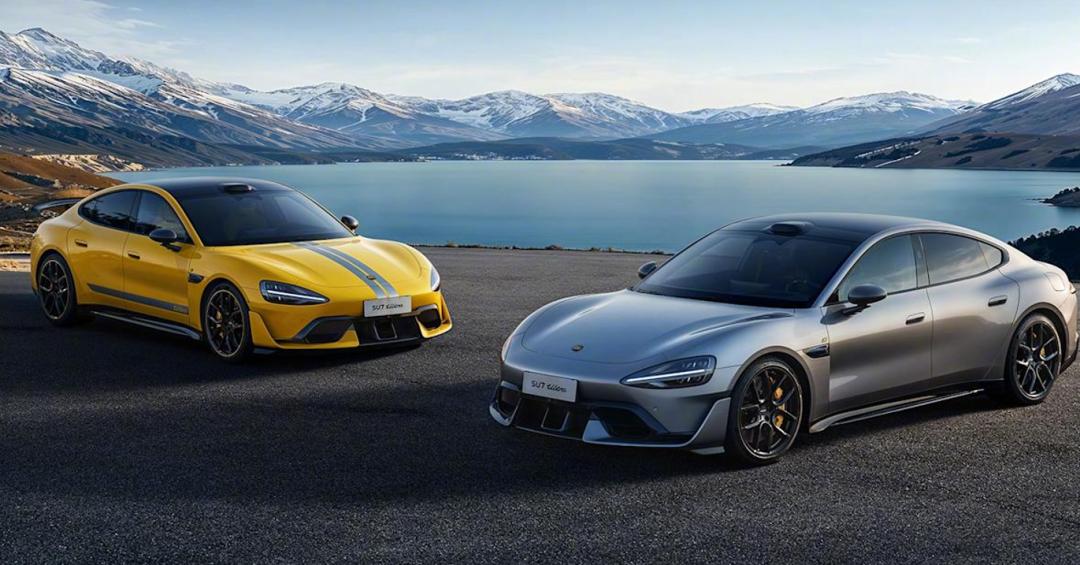
According to statistics from the China Automotive Technology and Research Center, Xiaomi occupied two spots in the top 5 best-selling models of new brands in 2025. The first-ranked Xiaomi SU7 delivered a typical result: from 7,000 units in the first month in April 2024 to nearly 30,000 in March 2025, before stabilizing at about 12,000 per month by the end of the year.
This curve shows the entire process of a "top seller", from the creation of the hype to the return to normal. As a sports sedan, the target audience is traditionally considered to be smaller than that of SUVs. The key to the sales peak was the "fascination" of consumers - Xiaomi uniquely transferred its huge user base and efficient online marketing ability to the automotive sector.
However, the most important support came after the market launch. Data shows that the SU7 consistently ranked among the top 3 in the mid - and large - sedan segment from the end of 2024 to the beginning of 2025 and even took the first place more often. It has achieved the largest share of sales in a relatively small market segment.
But the market poses a central question to the new brand: When the attention of fans and the media hype are over, what will support Xiaomi in the next phase? Xiaomi's answer is the ecosystem and continuous improvement, but this still needs to be proven.
· XPeng MONA M03: The technological solution in price comparison
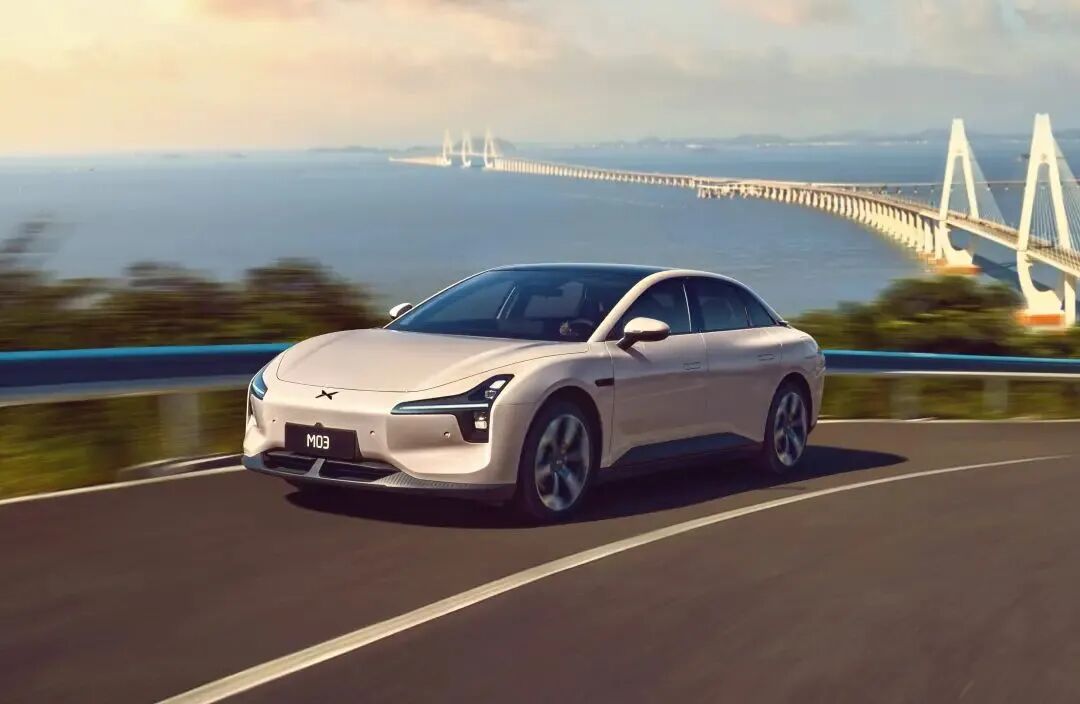
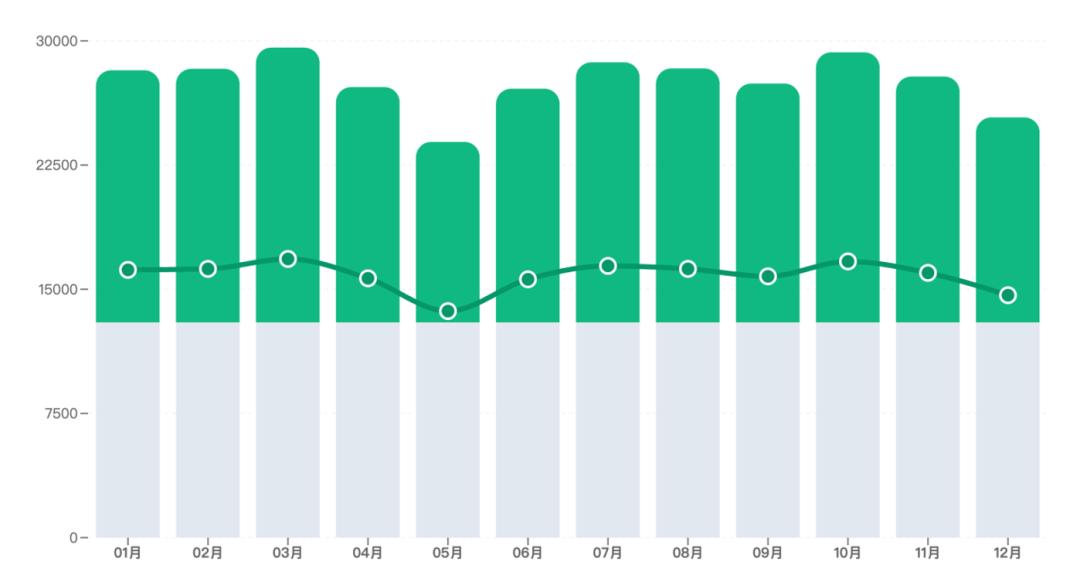
The market result of the XPeng MONA M03 tells a story about "positioning". From its market launch in August 2024 to over 10,000 units sold in November, it only took one season to overcome the "cold start phase".
Subsequently, the monthly sales remained stable between 10,000 and 16,000 units for over a year. In 2025, a total of over 175,000 vehicles were sold.
Behind this stability is the precise positioning of the XPeng MONA M03 in the core market. It has firmly positioned itself in the price segment between 100,000 and 150,000 yuan, which is the most important for Chinese families. At the same time, it has made high - quality, intelligent driver assistance, which was previously only available in premium models, a standard feature, which means an "equalization of intelligence" and a "reduction of dimensions" in competition.
▲ Graph / Mei Ren Auto
Data shows that this model accounts for over 40% of XPeng's total sales and thus makes a valuable contribution. On the other hand, the question arises how XPeng can continue to prove its innovation ability in higher - priced segments when a vehicle in the 150,000 - yuan segment becomes the "absolute main model".
· AITO M8: The art of being the "oldest"
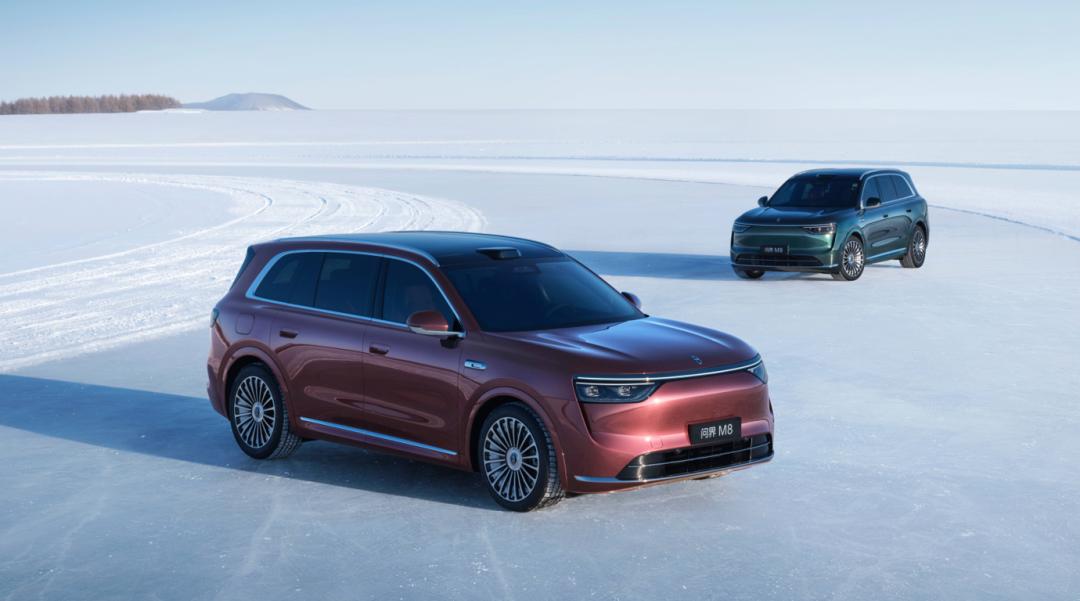
The curve of the AITO M8 is a typical example of "squat and jump". After an initial phase of increase and waiting time, there was an explosion in sales in the summer of 2025. The monthly sales stabilized at over 20,000 units. Although it declined slightly by the end of the year, it has strengthened its position in the premium market.
The success of the M8 is the resulting force from the in - depth integration of Huawei's top - notch technology and Seres' manufacturing ability. It proves that consumers in the premium market are willing to pay extra for a systematic, first - class technology experience. This leads to the most interesting question within the "Huawei family": Why do AITO and other "Jie" models, all of which benefit from Huawei's technology, have such different fates?
The key to AITO's success lies in its pioneer position as the only "Huawei - supported automobile model". It first created a strong brand awareness in the niche of "family SUVs with technology" with the M5/M7 and directly converted Huawei's familiar brand image into sales through its wide presence in Huawei branches.
When other "Jie" models such as Zhijie and Xiangjie entered the market, the curiosity about "Huawei - supported" vehicles had already faded. They now face the dual nature of "internal competition" and "external red ocean". They not only have to compete for the limited exhibition spaces in Huawei branches and the attention of consumers but also face strong competitors such as Tesla, Xiaomi, and BYD in the already crowded market of sedans and premium vehicles.
· Tesla Model Y: Why is it a benchmark?
The Tesla Model Y also had stable sales throughout 2025.
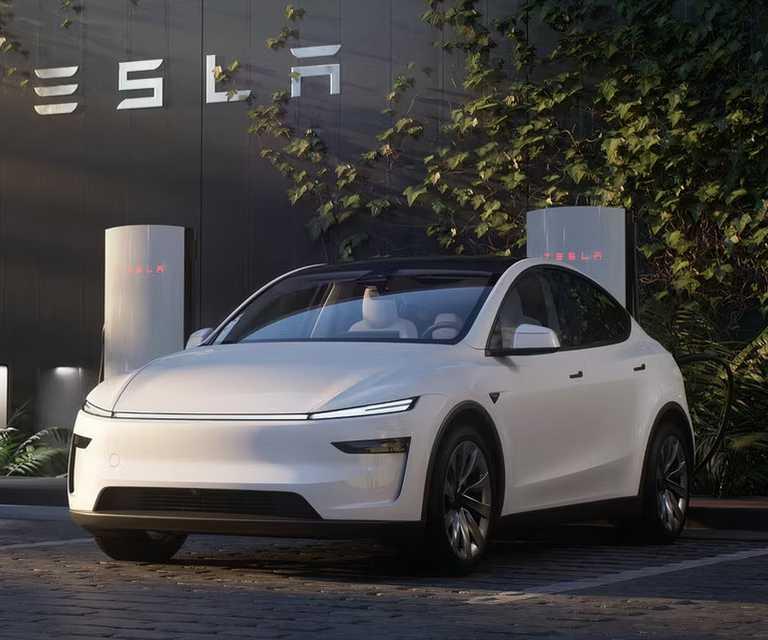
In the SUV segment between 250,000 and 350,000 yuan, it has not lost its position as a benchmark. The long - term success of the Model Y is based on a unique combination: a global brand symbol, an efficient electric drive system, continuously improved intelligent driver assistance, and a network of super - charging stations, which offer an unparalleled driving experience.
Even when competitors "outperform" in technical specifications more often, the Model Y still represents stable appreciation and a global product image. In an era of information overload, it is like a "correct answer" that simplifies consumers' decision - making. It stands for trust in a system based on global market experience that goes beyond pure parameter comparison.
When the Glitter of "Hits" Fades
When we compare the "sustainability" of models in different price segments and with different positionings, a central pattern becomes clear: Products that withstand the test of time have all established an unshakable "value anchor" in consumers' minds. It doesn't matter whether it was once an "Internet sensation" or not, but whether it has dominated a certain niche market.
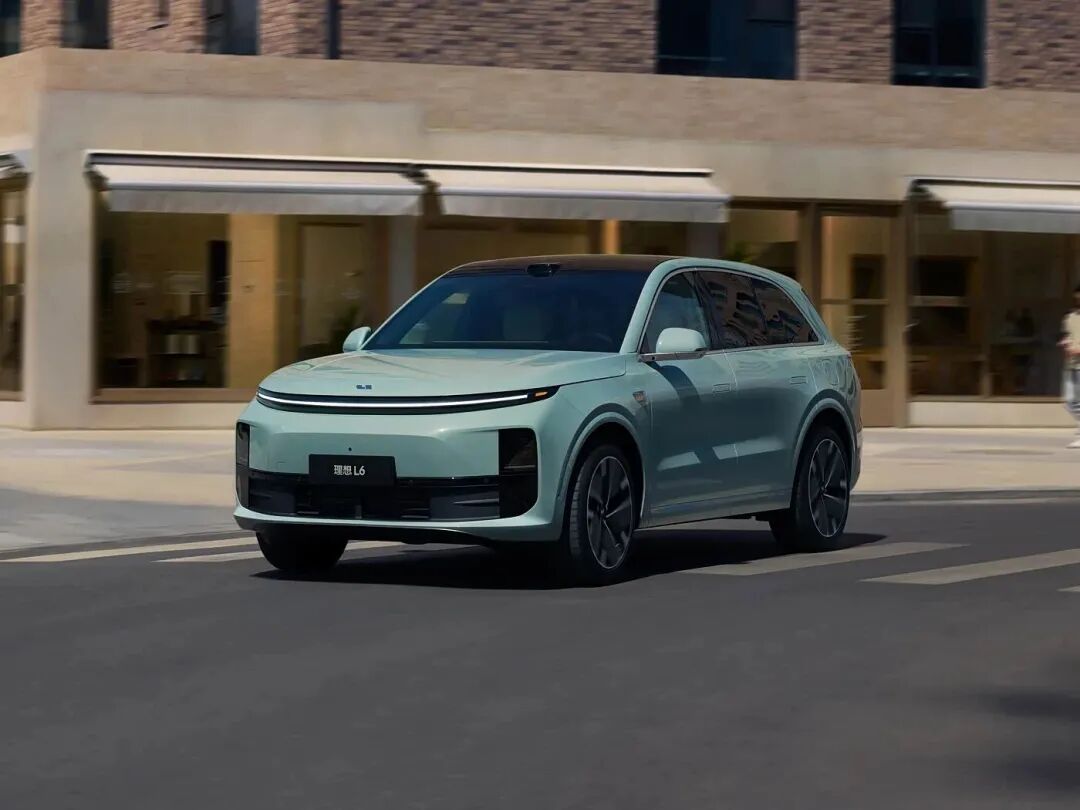
Take the Li L6 as an example. The monthly sales have declined from a peak of 25,000 units in the second half of 2024 to about 10,000 in December 2025. This can be interpreted as a sign of exhausted growth potential in competition.
Nevertheless, the L6 is still among the best - selling models of new brands. This proves its strong foundation. Li's early and precise definition of the "family vehicle" has taken deep root among consumers. The current challenge is that after establishing "refrigerator, TV, and sofa" as standards in the industry, Li must incorporate new, exclusive technologies or driving experiences into the "family" label.
On the other hand, models "trapped" in the price segment between 200,000 and 300,000 yuan face more difficulties. This price range is the most fiercely contested "red ocean", where there are both global benchmarks like the Tesla Model Y and pressure from products in higher and lower price segments.
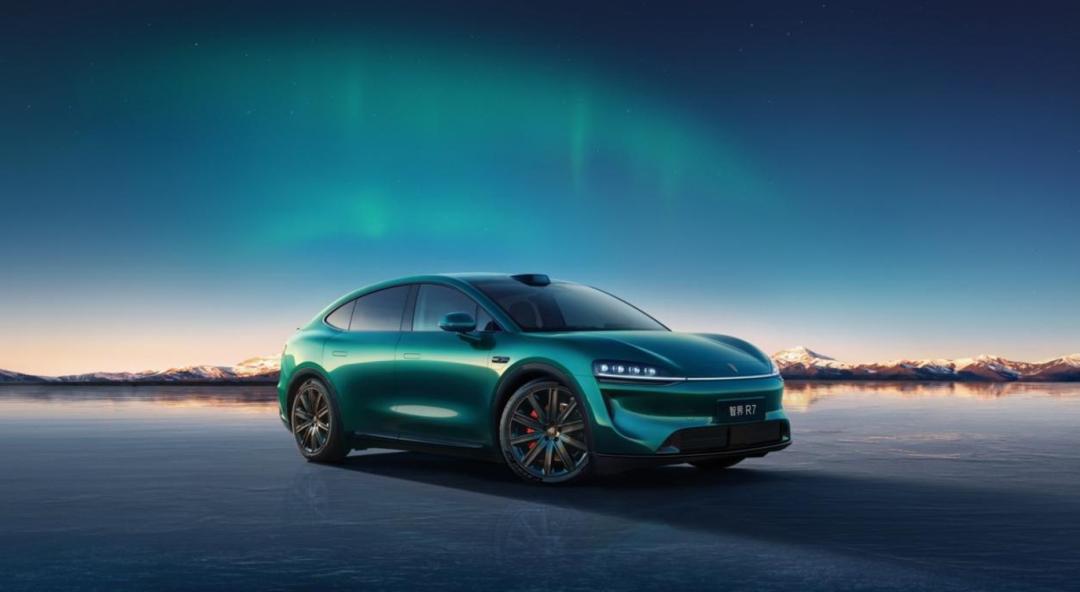
The sales curve of the Zhijie R7, which first rises, then falls, and finally slowly rises again, is a typical example of these difficulties.
As part of the HarmonyOS Auto ecosystem, it has the support of Huawei's technology. It initially sold over 10,000 units. But the subsequent decline and slow recovery by the end of the year show that under the double pressure of overlapping positioning with the AITO series and many competitors in the same price segment, it was unable to establish a clear product positioning and a strong brand image.
The Xiangjie S9 also faces challenges in the premium market. As a premium sedan with Huawei support, the monthly sales have declined from a peak of over 4,215 units to about 1,600 in December 2025. It has not been able to overcome the recognition threshold in the premium sedan market, which shows that even with technological support, the competition for brand height and consumer brand awareness is very fierce.
