MacBook starts from just 3000 yuan. The first wave of Apple's new products for the new year is coming soon. The PC business is about to have a big breakout.
The first wave of new Apple products this year will be released as early as the end of the month.
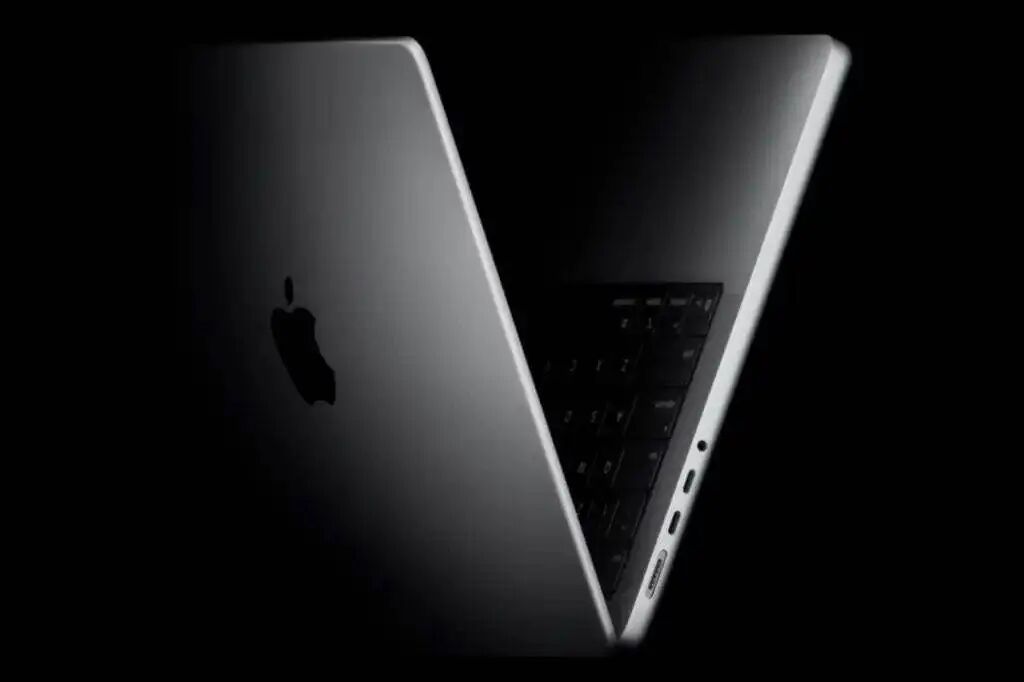
Apple has a tradition of releasing new products such as Macs in the spring. Mac World predicts that on January 28th, there will be new MacBook Pro products with M5 Pro and M5 Max chips, as well as the long - rumored "budget MacBook".
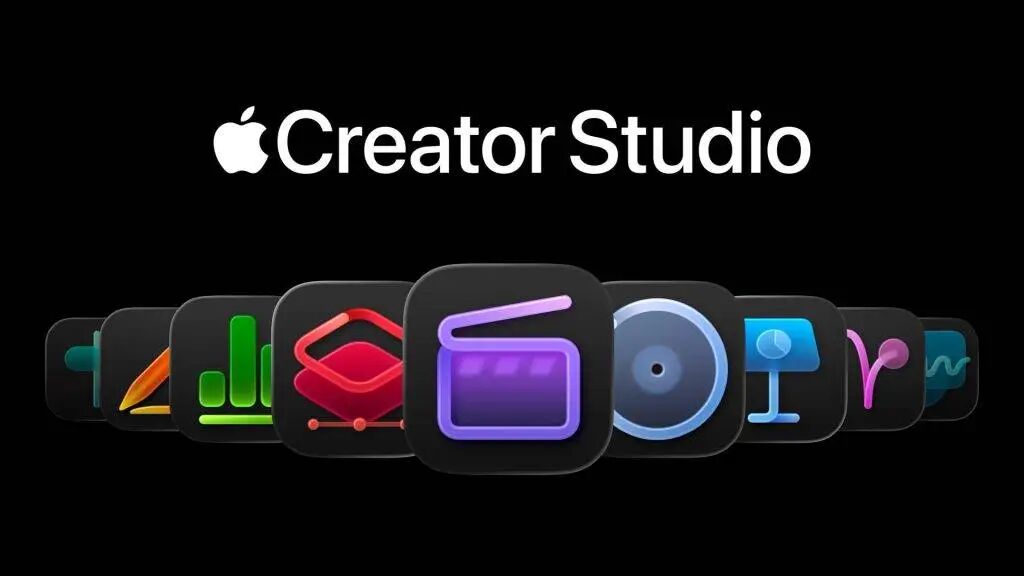
Why the 28th? On that day, Apple will officially launch the Apple Creator Studio kit - a "creation + productivity suite" that bundles video editing, photo editing, music creation, and the original iWorks together. New MacBook Pro users can just subscribe, as the monthly fee is only $38.
In addition, the 28th is also a Wednesday. In the past two years, new MacBook and iPad products have all been released on Wednesdays.
M5 Pro and M5 Max: The biggest change in the six - year history of the M chip
The new MacBook Pro is expected to use the same mold, so the appearance won't change. The sizes will still be 14 - inch and 16 - inch, and the main upgrade will be in the chip.
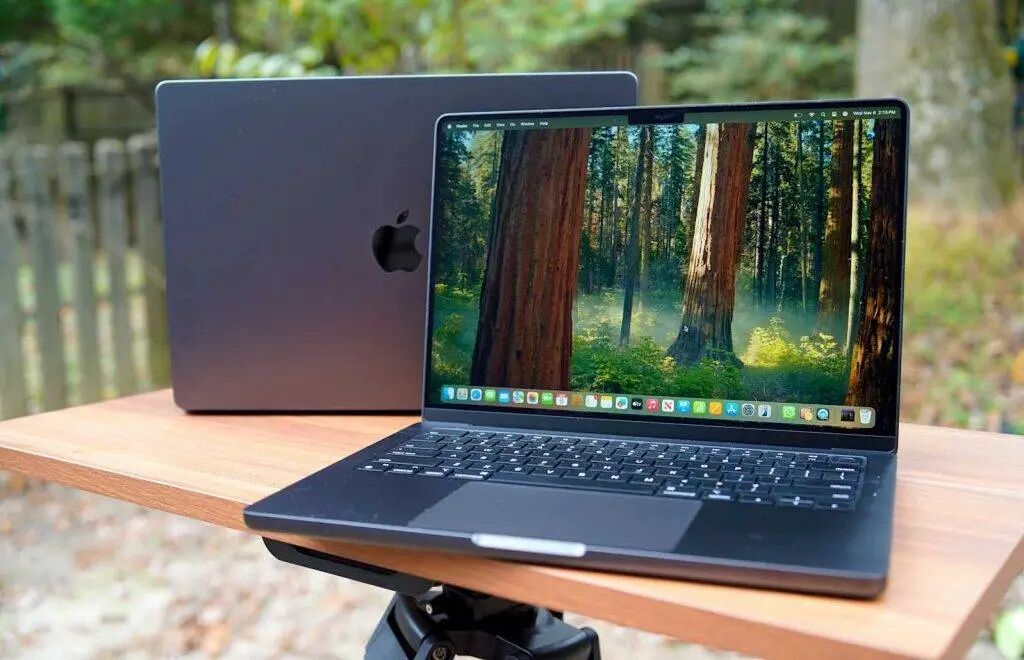
Image source: Engadget
Judging from the previously released M5 chip, the most prominent feature of the entire series is the GPU's graphics capabilities. With the same configuration of a 10 - core CPU and a 10 - core GPU, the M5 has a 35% - 50% improvement in graphics performance compared to the M4. Ifanr believes that this might be the closest the MacBook Pro has ever come to a gaming laptop.
MacWorld predicts that if the M5 Max also has a similar improvement, its Geekbench 6 GPU score will exceed that of the M3 Ultra with an 80 - core GPU.
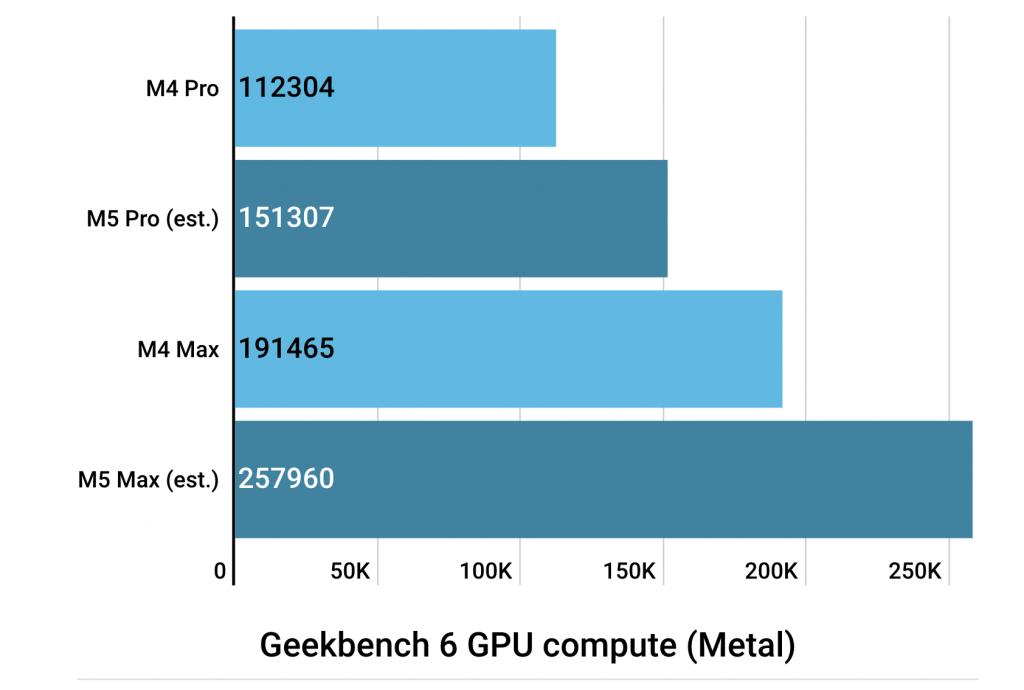
Speculations about the scores of the M5 Pro and M5 Max. Image source: MacWorld
Beyond the change in the manufacturing process, the more important thing is the change in the chip design. According to analyst Ming - Chi Kuo, the M5 Pro and M5 Max will use TSMC's new "SoIC - MH", or "System - Integrated Chip Horizontal Molding Technology" in Chinese. This is a technology that can pack different chips into one package.
Simply put, the CPU and GPU no longer need to be as closely integrated as before. Instead, they can be designed separately and then packaged together. This allows Apple to combine the number of cores more flexibly. Although it's unlikely that users will be able to customize it themselves to avoid unnecessary SKUs, there should be more options than in previous years. For example, a configuration with fewer CPU cores but more GPU cores can maximize the GPU advantages of the M5 generation.
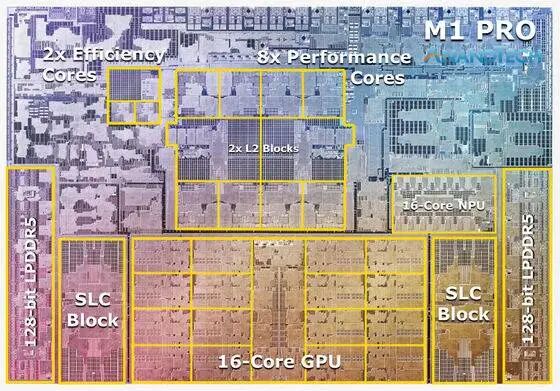
The current M chips integrate both the CPU and GPU parts together
This separate design is beneficial for both the chip yield rate and heat dissipation. The memory can also be more closely integrated to increase the bandwidth, further enhancing the efficiency of Apple's "unified memory architecture". The media speculates that it's precisely because of the use of the new packaging technology in the M5 Pro/Max that these two models weren't released together with the basic M5 in October last year.
In terms of expandability, the M5 chip supports two external monitors. The M5 Pro is expected to support at least two 6K displays, and the M5 Max supports four. The new MacBook will also have an N1 chip built - in to support Wi - Fi 7 and Bluetooth 6.
As for those who want a MacBook Pro with more significant appearance changes - thinner, lighter, with a punch - hole screen and touch support - they can wait for the M6 version later this year or early next year.
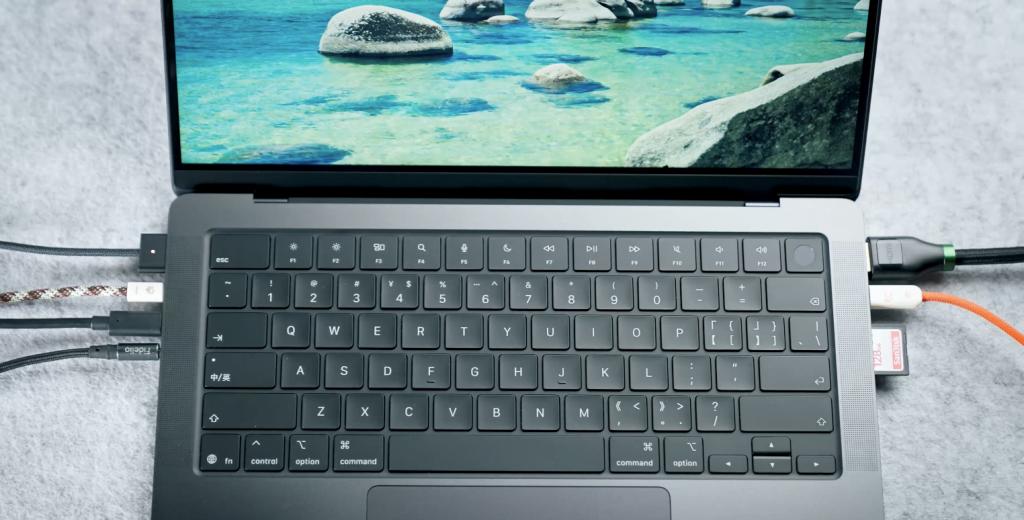
Budget MacBook: When Apple computers are more cost - effective
Here comes the real highlight: The budget MacBook that wasn't released last year should arrive early this year, possibly together with the new MacBook Pro.
This MacBook will be equipped with the same A18 Pro chip as the iPhone, and the price will be controlled at around $600, similar to the iPhone 16e.
Considering Apple's regular education discounts on computers and the continued government subsidies in 2026, the actual purchase price may be even cheaper than the cheapest iPhone - what a reversal!
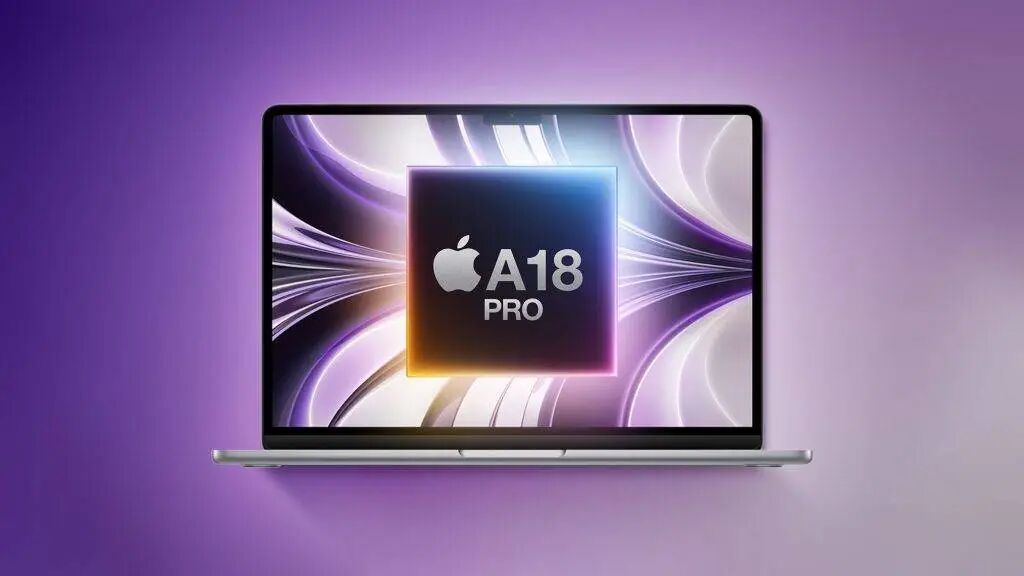
Bloomberg previously reported that the screen of the new MacBook will be slightly smaller than the 13.6 - inch screen of the current MacBook Air, possibly 12.9 inches, making it the smallest Apple laptop. The appearance will be similar to the current MacBook Air.
The report at that time mentioned the results of Apple's internal testing: Although the chip is not as powerful as the latest iPhone, with the large body and macOS support, the performance of the new computer with the A18 Pro chip should be stronger than that of the old M1 models.
This product is meant to replace the M1 MacBook Air, the "most unreplaceable model". It's suitable for light office work, study, and even some light creative work such as video and photo editing.
Imagine this: A MacBook originally priced at around $4000, after the government subsidy and education discount, costs around $3000. Then, subscribe to the Apple Creator Studio kit for a year at $380. For less than $4000, you can get a set of quasi - professional software and hardware creation tools. It's as cost - effective as the Mac Mini that can be bought for more than $2000 through channels in recent years, but this time it's portable!
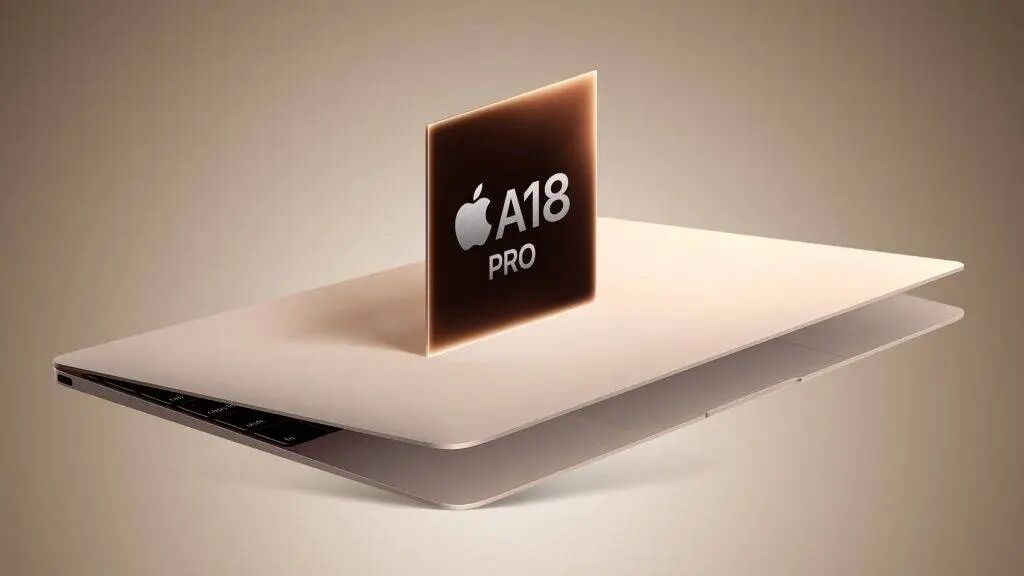
Of course, it's not designed for real professional creators. But for the larger number of ordinary users, this MacBook can meet their academic and office needs, and they can also do a decent job of creating on Xiaohongshu. Moreover, the price is low.
We have to admit that the word "Mac" has a certain allure around the world. A considerable number of Windows users are actually curious about the Mac ecosystem - especially when the Windows user experience has been getting worse in recent years.
The government subsidies last year have proven that when Macs are truly "affordable", a large number of potential consumers will be converted. Now, the price of the budget MacBook is even close to that of an iPad, making it very suitable to be more people's "first Mac".
Even for users whose work and entertainment are inseparable from Windows, buying a MacBook for fun or light work isn't much of a burden.
Apple monitors: High refresh rate and iPhone 17 performance
It's not just the MacBook. Apple's monitor products are also about to be updated.
This week, an unreleased Apple monitor with the model number "A3350" and the type "Monitor 2023 Edition" appeared in the database of the China Energy Efficiency Labeling Center. This is an LCD monitor with a power consumption of 0.35W in the off state and 0.38W in the sleep state.
The industry estimates that this monitor is likely to be the upcoming Studio Display 2 or Pro Display XDR 2, but it's not yet certain which one.
Bloomberg previously said that the new Studio Display will be launched together with the Mac computers with the M5 Pro/Max. Mac Rumors, referring to the release time of the previous generation, believes that the product will be launched three months after the certification, and it will be unveiled together with the brand - new Mac Studio.
At the just - ended CES, LG showcased a 27 - inch Mini - LED display that supports a 5K resolution at 165Hz and is equipped with 2304 dimming zones. Considering that all Apple monitors are made by LG, this screen will most likely be used in the new Studio Display.

According to the internal code seen by Macworld, Apple's new display supports a "ProMotion" variable refresh rate of up to 120Hz and supports HDR content.
The new Studio Display is expected to use a 27 - inch Mini - LED panel, which is the same type of screen currently used on the MacBook Pro. It has better brightness, color accuracy, and contrast.
Both monitors will be equipped with the same A19 processor as the iPhone 17. The camera supports Central Stage, and the speakers support spatial audio.
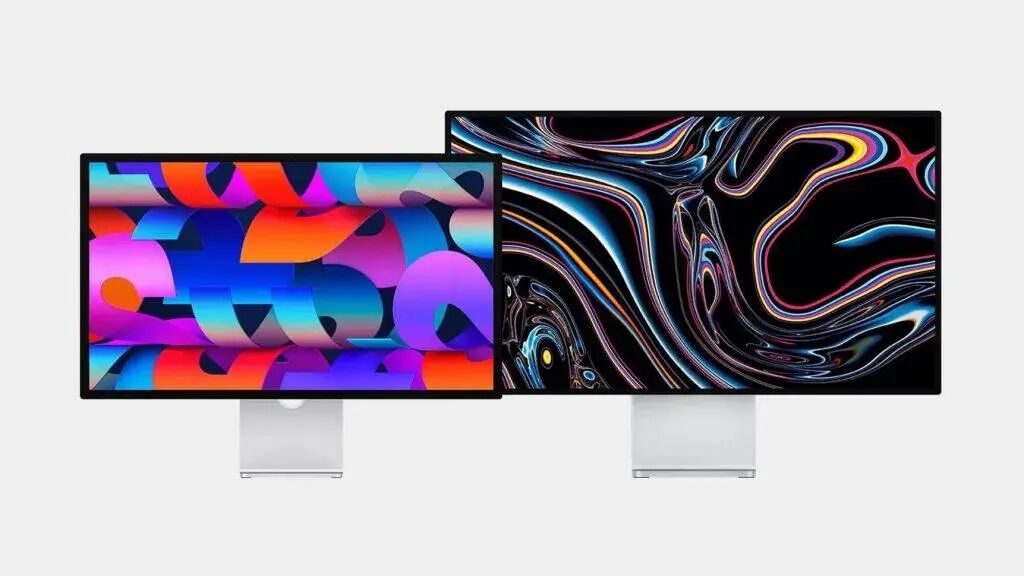
Interestingly, Apple may embed a lightweight smart home system in the Studio Display 2, allowing it to play music independently without being connected to a computer or to display photos in a slideshow like a smart photo frame. This design is a bit like the Redmi G Pro 27 monitor last year, which has the Xiaomi TV system built - in and can be used as a TV independently and can also wake up Xiaoai Tongxue.
As for the possible Pro Display XDR, in addition to standard features like ProMotion, it will also have the speakers, microphone, camera, A19 chip, etc. mentioned earlier.
Other spring new products
According to multiple predictions, the products released at the end of January will mainly be the MacBook Pro, but there will be a large wave of new products after the Spring Festival.
iPhone 17e
The iPhone 16e, which didn't sell well only in China, is about to have an upgraded version.
The iPhone 17e, codenamed V159, will add some features that were missing in the previous generation: the Dynamic Island, MagSafe, the same A19 processor as the iPhone 17, and an 18 - megapixel front - facing camera. As for the baseband chip, it may be upgraded to C1X, but it's not certain and may still be the old C1.
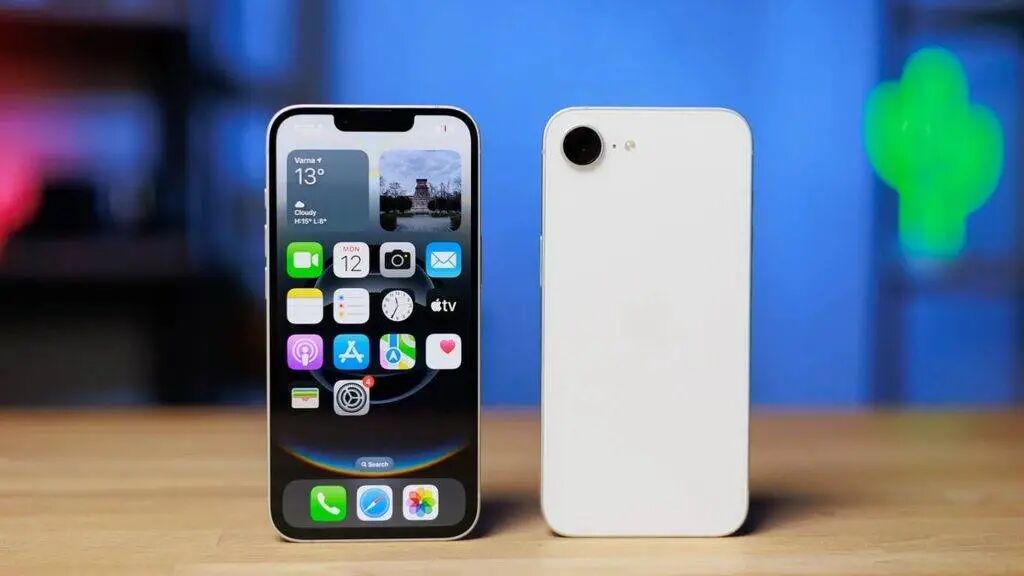
iPhone 16e. Image source: Khogendra Rupini
However, the screen refresh rate may still be 60Hz, creating a difference from the standard iPhone 17. The product will continue to focus on "excellent battery life".
Based on the current leaks, this is still a very unworthy entry - level iPhone. Only consider it if you really need an iPhone as a backup phone and don't care about the configuration at all.
M5 MacBook Air
After all the M5 MacBook Pro models are released, the MacBook Air will also be updated. There isn't much information yet, but it's expected to be a minor upgrade, mainly focusing on the M5 chip.
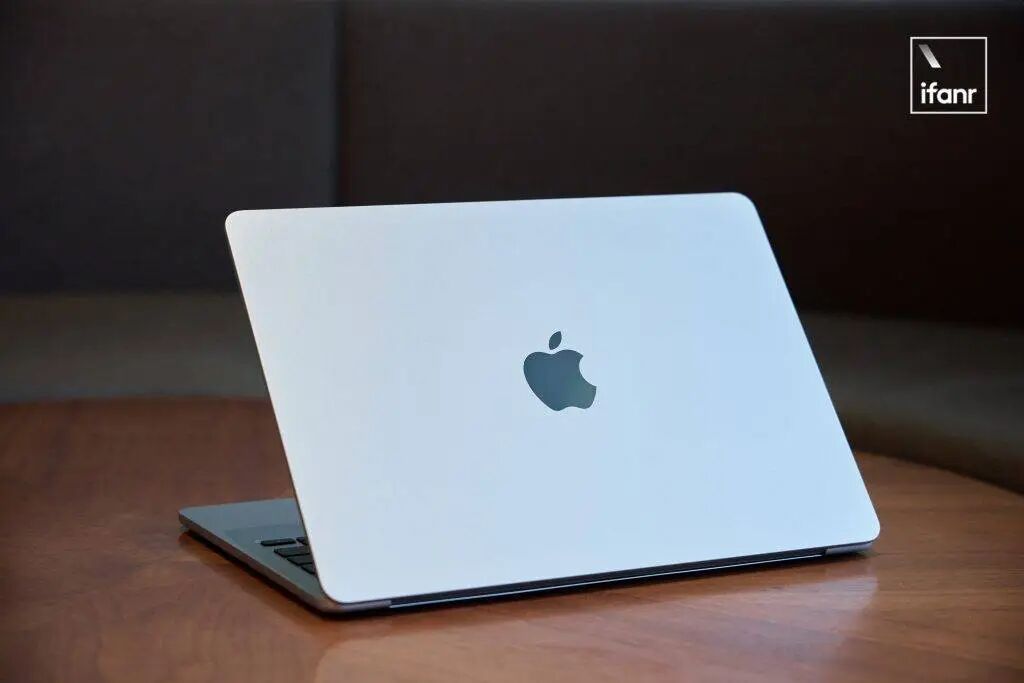
M4 MacBook Air
M5 Ultra Mac Studio
Apple should skip the M4 Ultra and directly equip the new Mac Studio with the M5 Ultra processor.
Some friends may know that the M - series Ultra chips are made by splicing two Max chips together. However, the industry previously found that there were no