A "private helicopter" for 399,000 yuan? This is going to send young people to the sky.
Normally, on weekdays, Lao Hu would be stuck in traffic, staring at the dark red lines on the navigation map. No matter how advanced the intelligent driving system is, it's useless. All he can do is contemplate the meaning of life.
But wait! In just a few years, the traffic jams might move from the roads to the skies!
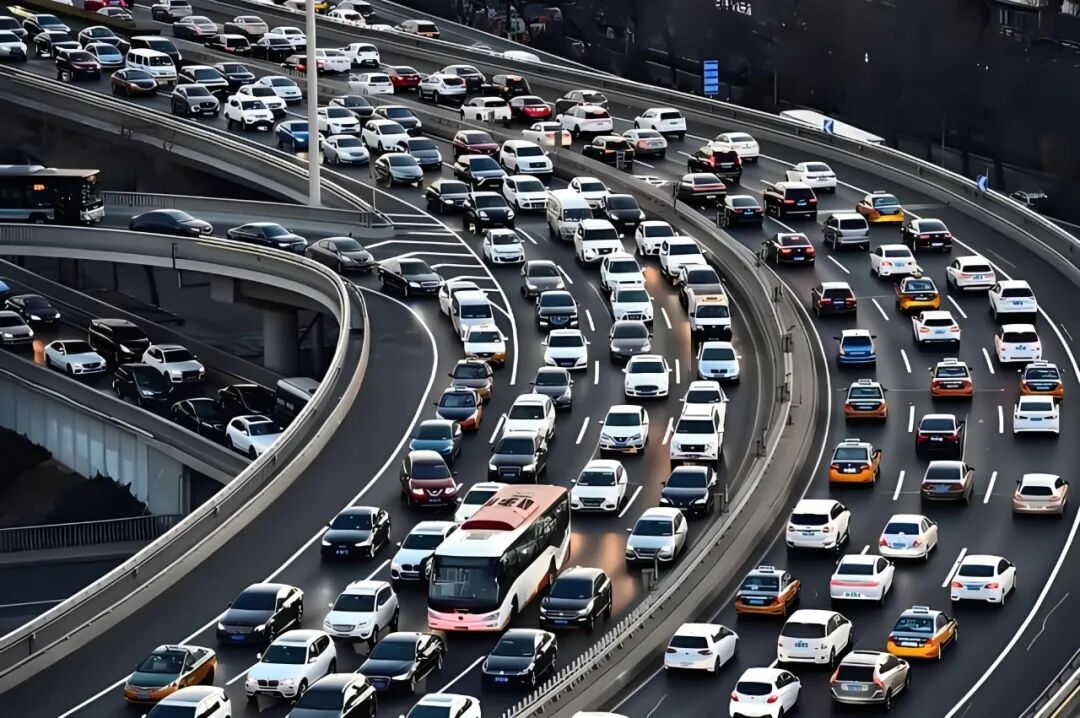
Because the young people's first "helicopter" has truly arrived.
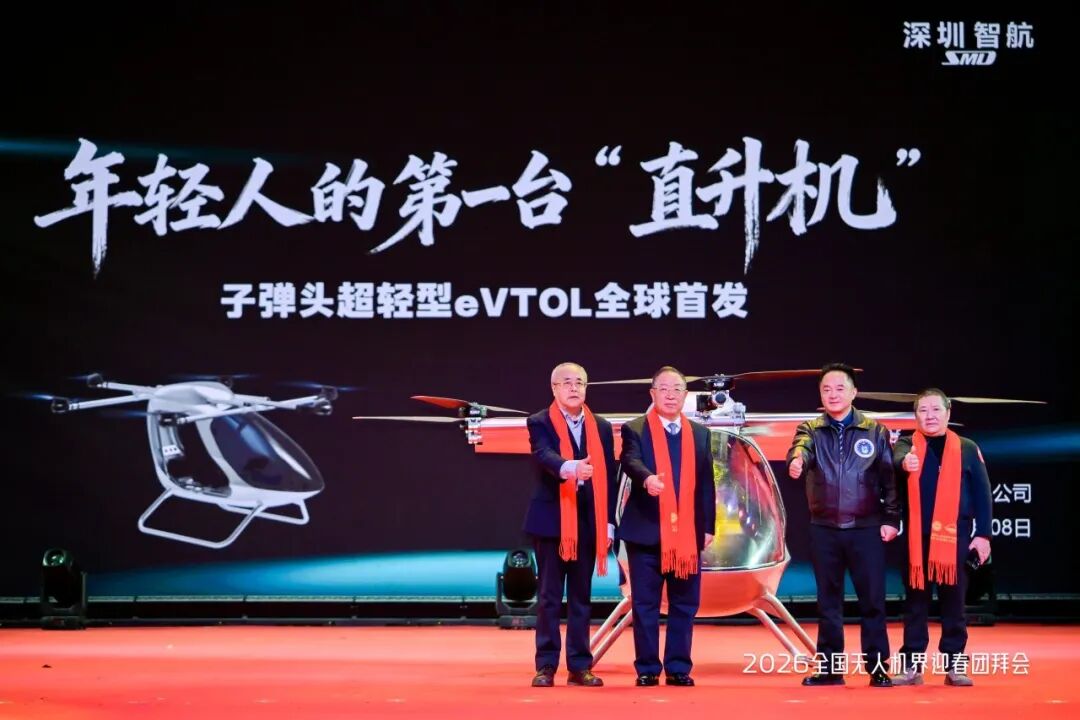
A few days ago, a Shenzhen-based drone company called "ZhiHang" launched a super-light eVTOL named "Bullet". The standard version is priced at 399,000 yuan.
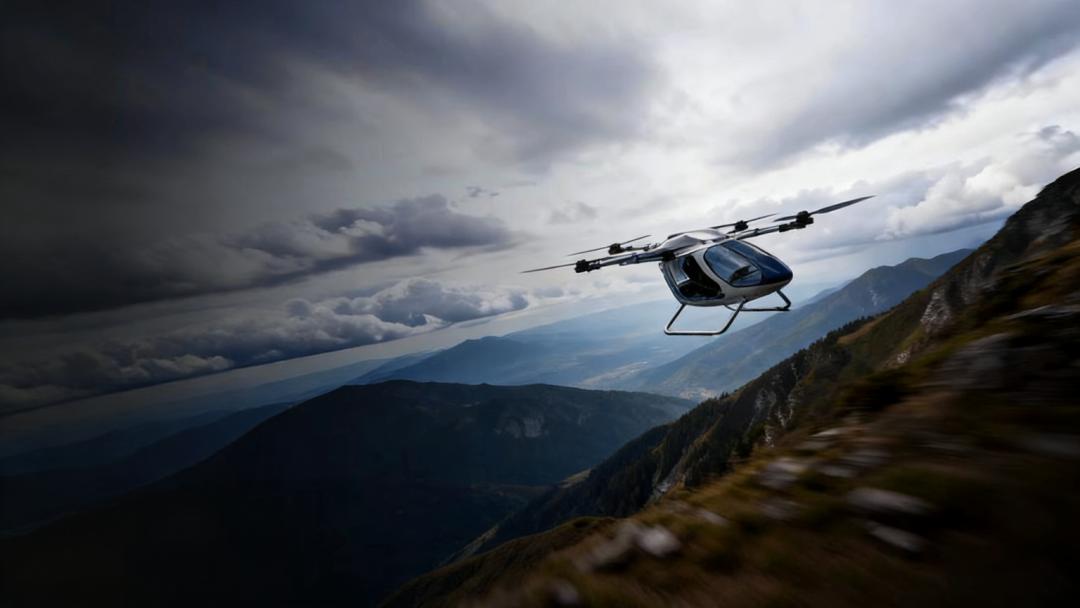
Yes, for about the same price as an Ideal L or a Wenjie M8, you can own a manned aircraft.
Buy a car or an "airplane"? This used to be a pipe dream, but now it's a real choice for us. Before making a decision, let's first figure out what this thing is.
What is a Flying Electric Scooter?
In recent years, you may have often heard a very cyberpunk term: eVTOL.
This term sounds very high - end, but when broken down, it's actually not that complicated. e - V - T - O - L stands for "electric Vertical Take - off and Landing".
Basically, it's an electric, manned, and upgraded version of a DJI drone. One of its major features is "vertical take - off and landing", just like a helicopter.
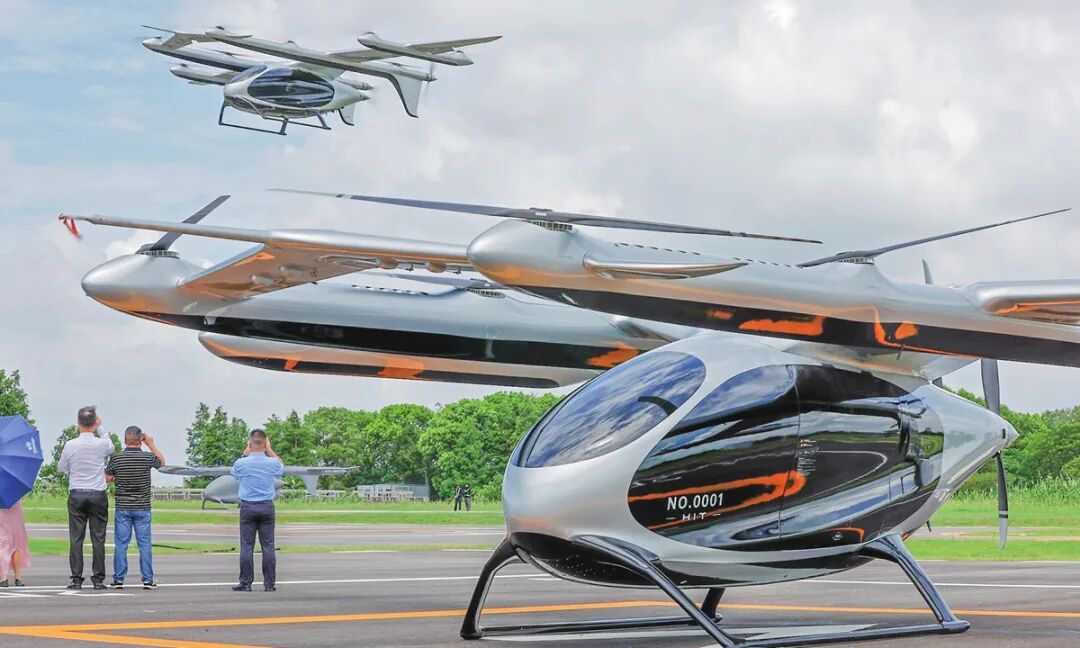
It doesn't need a long runway. It can take off from the rooftop of your residential complex, the helipad of a shopping mall, or even a slightly larger yard. As long as there's an open space, it can take off right on the spot.
Moreover, since it's electric, it's much quieter and more environmentally friendly than a fuel - powered helicopter. So, you can think of it as a new - energy vehicle flying in the sky.
A New Toy for 399,000 Yuan?
Let's get back to the "Bullet" that has caught the attention of the tech circle.
It's from Shenzhen ZhiHang, and it's positioned as "the young people's first helicopter".
To live up to this title, it has to be said that they've really put in some effort.
First, look at its appearance. At first glance, it looks like a helicopter. It has a panoramic front - view windshield, providing a wide field of vision. The whole body is made of aviation - grade titanium alloy and carbon fiber, making the overall structure both light and strong.
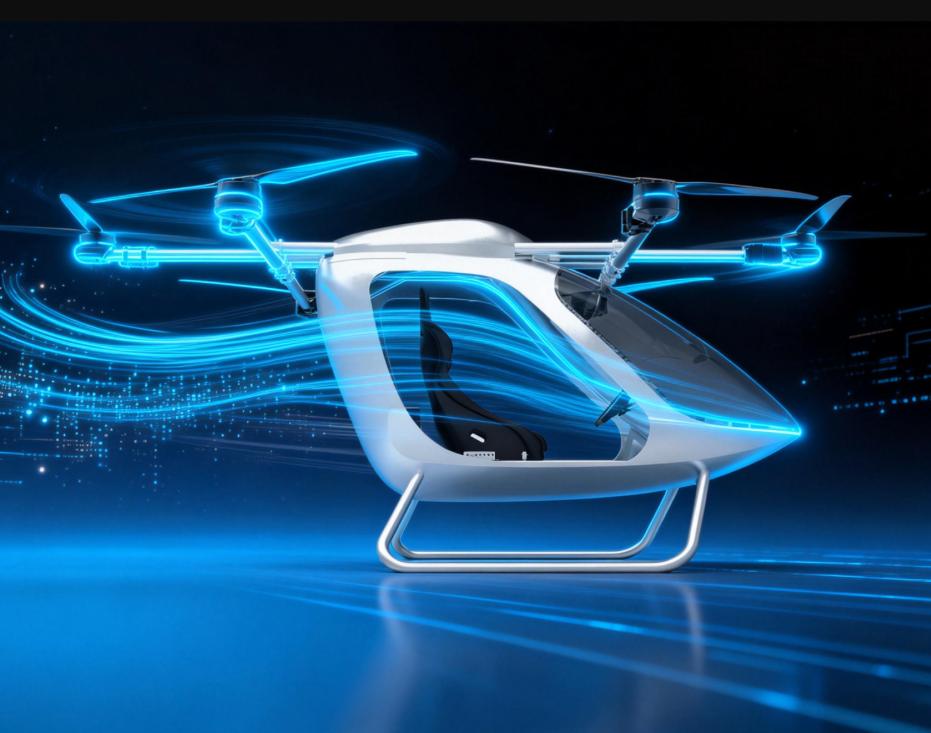
At the same time, the propellers on top and the landing supports at the bottom are very similar to those of a helicopter.
In terms of operation, it's extremely easy to learn. It uses a dual - stick control system and they claim you can master it in just 10 minutes. This is much simpler than getting a driver's license.
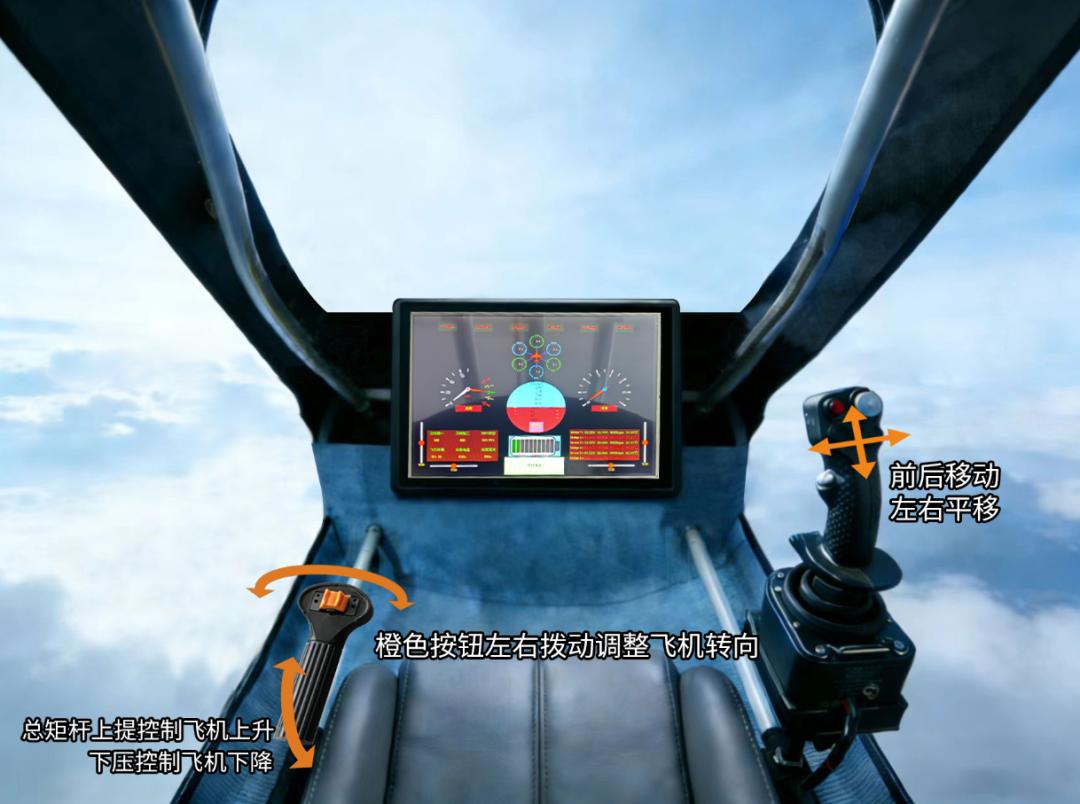
It only takes 2 minutes to replace the battery, which is even faster than charging your car.
Most importantly, the price of this "airplane" is quite affordable. The standard version is priced at 399,000 yuan, and the luxury version is 499,000 yuan (with a safety parachute and two extra batteries).
Easy to operate, safe, and you can own this "aerial vehicle" at a car - like price. No wonder ZhiHang calls it "the young people's first helicopter".
Maybe by now, some friends are already imagining flying it to work and leaving their bosses stuck in traffic far behind.
But hold your horses. According to the official statement, this aircraft has a small drawback: it can fly for 15 minutes, with a recommended altitude of 20 meters.
That means our dream of flying at high altitudes is almost impossible. And for most people with "range anxiety", this thing consumes even more power than your electric car.
So, rather than calling it the young people's first helicopter, it's more like their first "big toy".
How Far Are We from "Flying" to Work?
Although the "Bullet" has a poor battery life, the "low - altitude economy" it represents is no longer just a concept on paper.
While many people think the sky is still empty, in fact, it has been bustling in the past two years.
In the past two years, the low - altitude economy has developed rapidly. The most mature area is low - altitude logistics. Now, using drones to deliver takeaways and express deliveries is no longer news. Companies like Meituan and SF Express have been using this method for a long time.
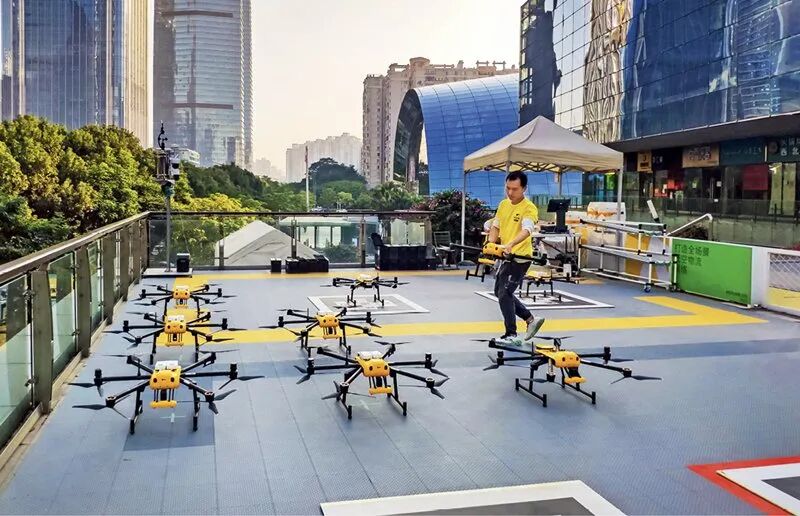
For example, in Dalian, using drones to transport cherries results in lower losses and higher efficiency. In Nanjing, emergency medical blood can be quickly delivered via air routes.
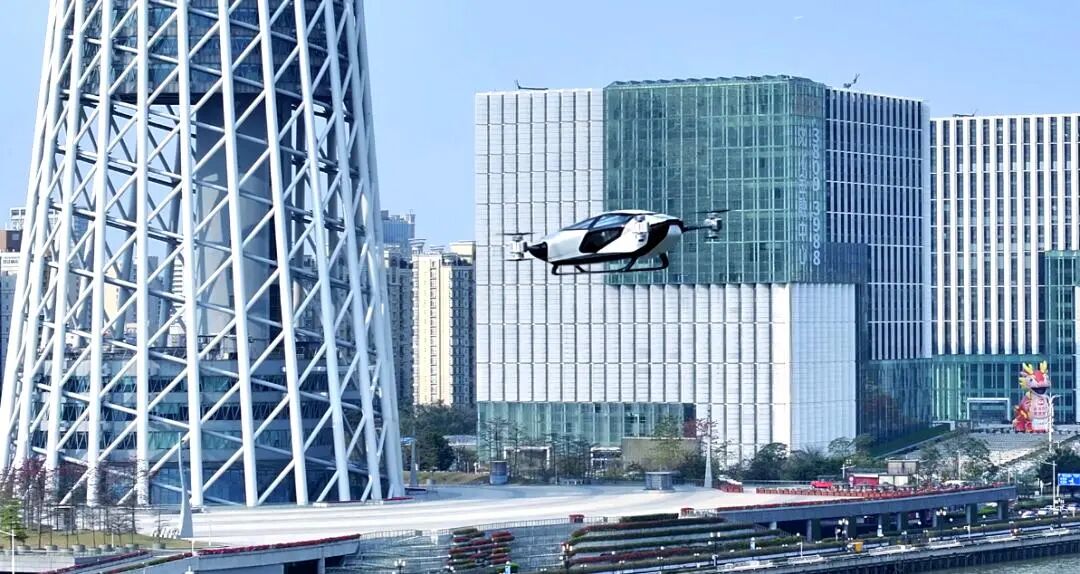
Secondly, in places like Guangzhou and Shenzhen, trial operations of tourism sightseeing flights have started. Flying from the Canton Tower to Tiande Plaza and experiencing a bird's - eye view sounds really exciting.
Does it sound like everything is going well and we're about to achieve "flying" freedom?
As the saying goes, don't get too excited. The current low - altitude economy still faces three major challenges:
First, there are technological bottlenecks. The energy density of the battery remains the core issue. Before a breakthrough in new battery technologies, "aerial range anxiety" will persist for a long time.
Second, there are regulations and airspace management issues. The sky has limited space. Who can fly? How high can they fly? How should flight routes be planned? Who is responsible in case of an accident? These problems are a hundred times more complex than ground traffic. Currently, airspace management and relevant regulations are still in the exploratory stage.
Finally, there are infrastructure problems. Aircraft need take - off and landing points, and charging stations (or battery - swapping stations) are also necessary. The construction of these "aerial parking lots" and "aerial gas stations" has just begun. Shenzhen plans to build 1,200 take - off and landing points by 2026, but this is still far from enough.
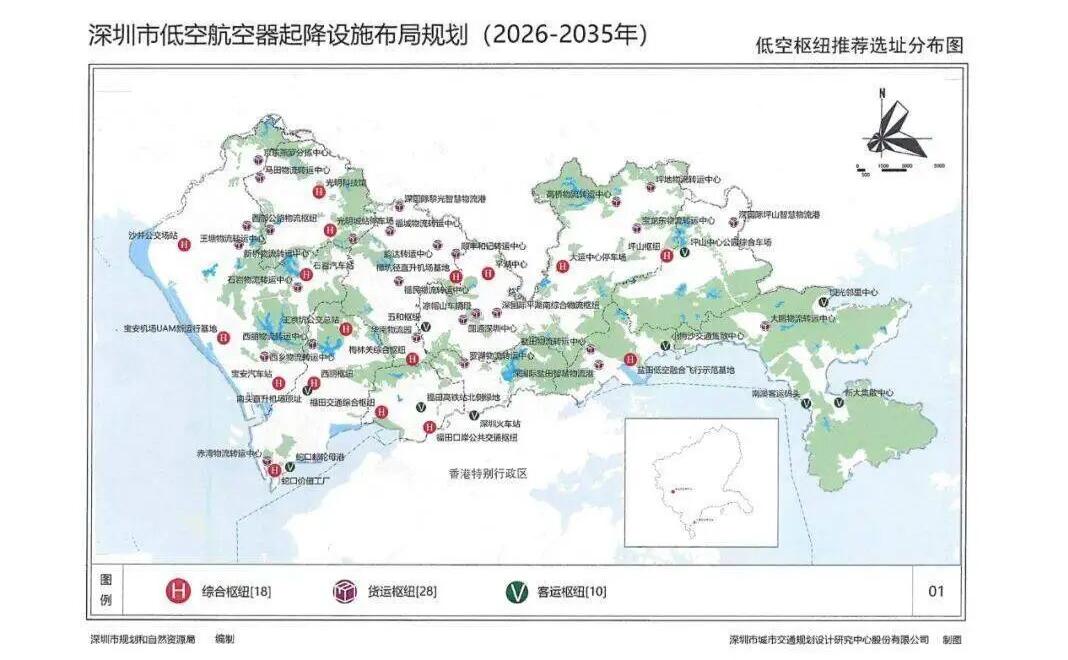
So, although the dream is becoming a reality, there's still a thick bulletproof glass in between. Not to mention the distance, even a bullet can't penetrate it.
Overall, this 399,000 - yuan "big toy" for young people can be seen as a declaration of a breakthrough era.
It has brought the dream of a "private aircraft", which was once only for billionaires, to a price range that the middle class can almost reach. This in itself is a huge step forward.
Maybe in three to five years, we still can't use it for commuting. But what about in ten years? When battery technology makes a breakthrough, airspace management matures, and take - off and landing points are everywhere in the city, flying a small aircraft to a neighboring city for a meal and then flying back might be as common as driving to the suburbs today.
However, by that time, what we complain about may not be "traffic jams" but "flight jams".
References
1. Just now! The young people's first "helicopter" was shockingly launched, from the official website of ZhiHang Drones;
2. EHang Smart expands the new business form of unmanned eVTOL + cultural tourism in Luohu District, Shenzhen, from EHang Smart;
3. The case of cherry transportation by drones in Dalian for low - altitude logistics was selected as a national typical case, from the Liaoning Provincial Postal Administration.
This article is from the WeChat official account "Tech Fox" (ID: kejihutv), written by Lao Hu and reprinted by 36Kr with authorization.