ChatGPT sent a "Google Translate" message, but I just find it redundant...
Is OpenAI going to revolutionize Google Translate?
According to a report by Zhidongxi on January 15th, today, OpenAI quietly launched an independent translation function on the ChatGPT web - based version, namely ChatGPT Translate. At first glance, it is quite similar to traditional translation tools like Google Translate. What truly sets them apart may be the interaction and personalized adjustment capabilities provided by ChatGPT Translate after translation.
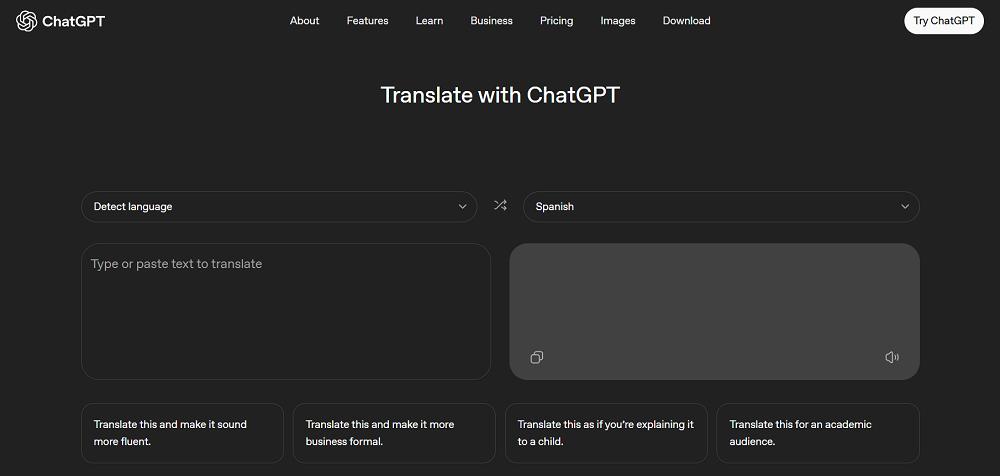
After its launch, Zhidongxi immediately conducted a comparative test between ChatGPT Translate and traditional translation tools like Google Translate.
Currently, ChatGPT Translate supports mutual translation between more than 50 languages, as well as three modalities: text, voice, and image. However, in our actual experience, the PC web - based version does not support multi - modal input for the time being, while the mobile web - based version only supports text and voice.
After translation, users can also request modifications to the translated content or inquire about certain details on the same interface. After making these requests, users will be directly redirected to the ChatGPT main website.
From the perspective of translation quality, ChatGPT Translate actually does not have a significant advantage over Google Translate. The "machine - translation flavor" may be slightly weaker, but it is still quite noticeable. Compared with ChatGPT, ChatGPT Translate has a faster translation speed but lower quality, and it may not use the same model.
Experience link:
https://chatgpt.com/translate/
01.
The translation still has a "machine - translation feel"
It fails to handle technical terms accurately
In terms of UI design, ChatGPT Translate has basically no innovation. It still adheres to the design language of Google Translate. The source language is on the left, and the target language is on the right.
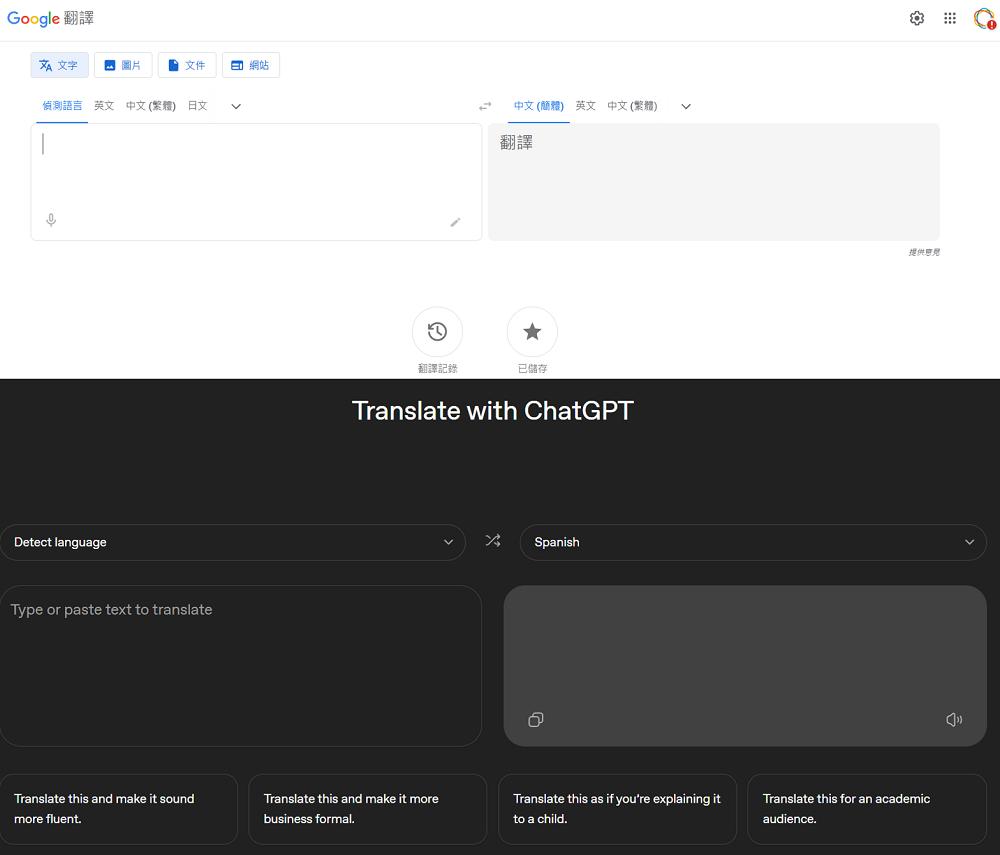
Currently, ChatGPT Translate is inferior to Google Translate in terms of the number of supported languages and the types of input files. In terms of languages, Google Translate currently supports the translation of 243 languages, while ChatGPT Translate supports more than 50. ChatGPT Translate does not support the translation of pictures, files, and websites for the time being, which Google Translate can handle.
However, the translation quality of common languages may be a concern for more people. We first tested the Chinese - English translation capabilities of the two products.
The following text is from a recent press release by OpenAI, which is about the establishment of a partnership between OpenAI and the AI chip unicorn Cerebras. After inputting the English original text, ChatGPT Translate gave the translation result in less than 5 seconds.
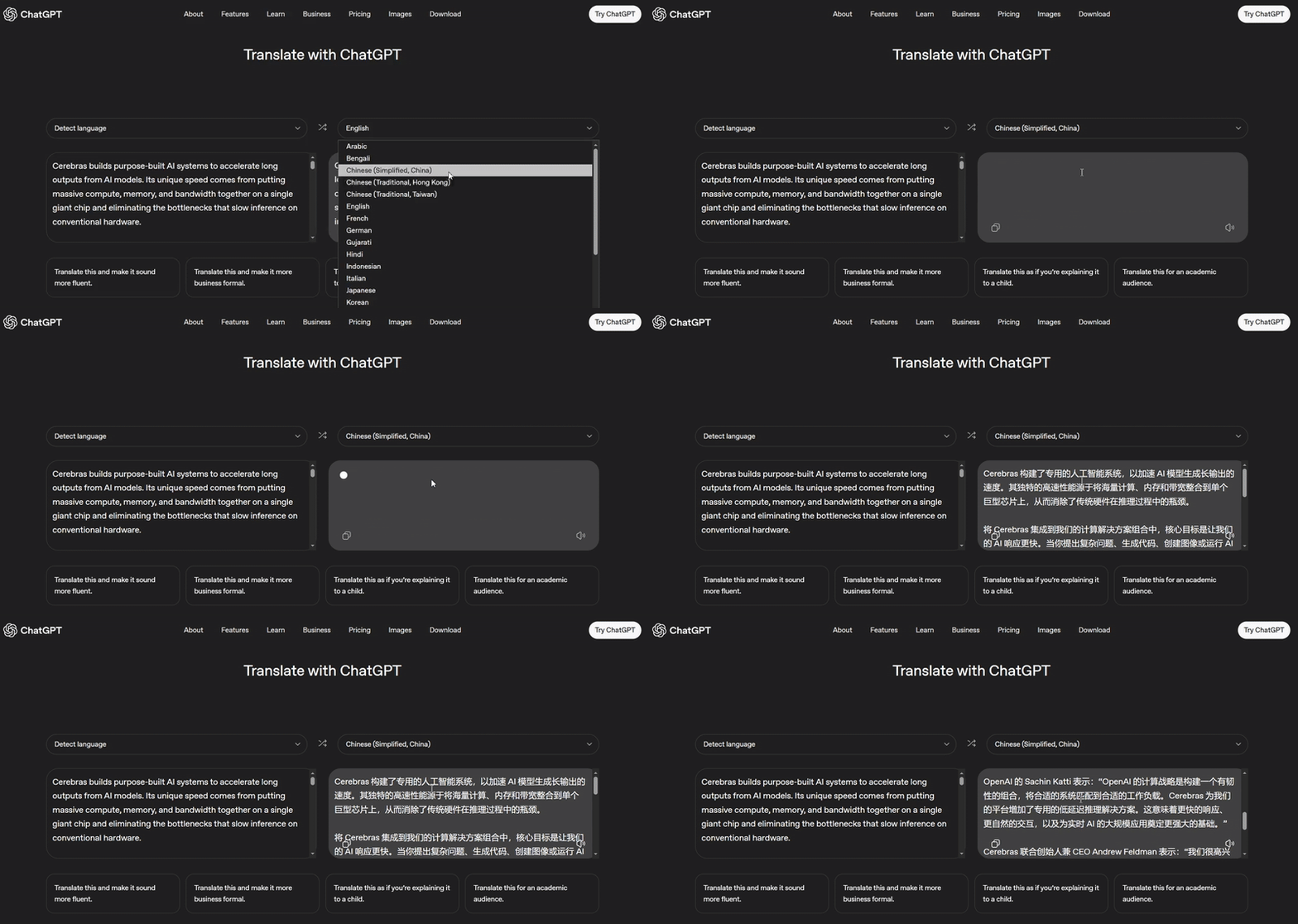
▲ The translation speed of ChatGPT Translate (not accelerated)
It is obvious that this speed is completely different from that of the ChatGPT we usually use for conversations. In our test, it took ChatGPT more than ten seconds to translate the same text. This means that ChatGPT Translate may use a dedicated model.
The following is the translation result of ChatGPT Translate. From the perspective of accuracy, ChatGPT Translate faithfully restored the semantics of the original text, and the translation of key terms and information was basically correct. At the same time, ChatGPT Translate adjusted some English word orders to make them more in line with Chinese language habits.
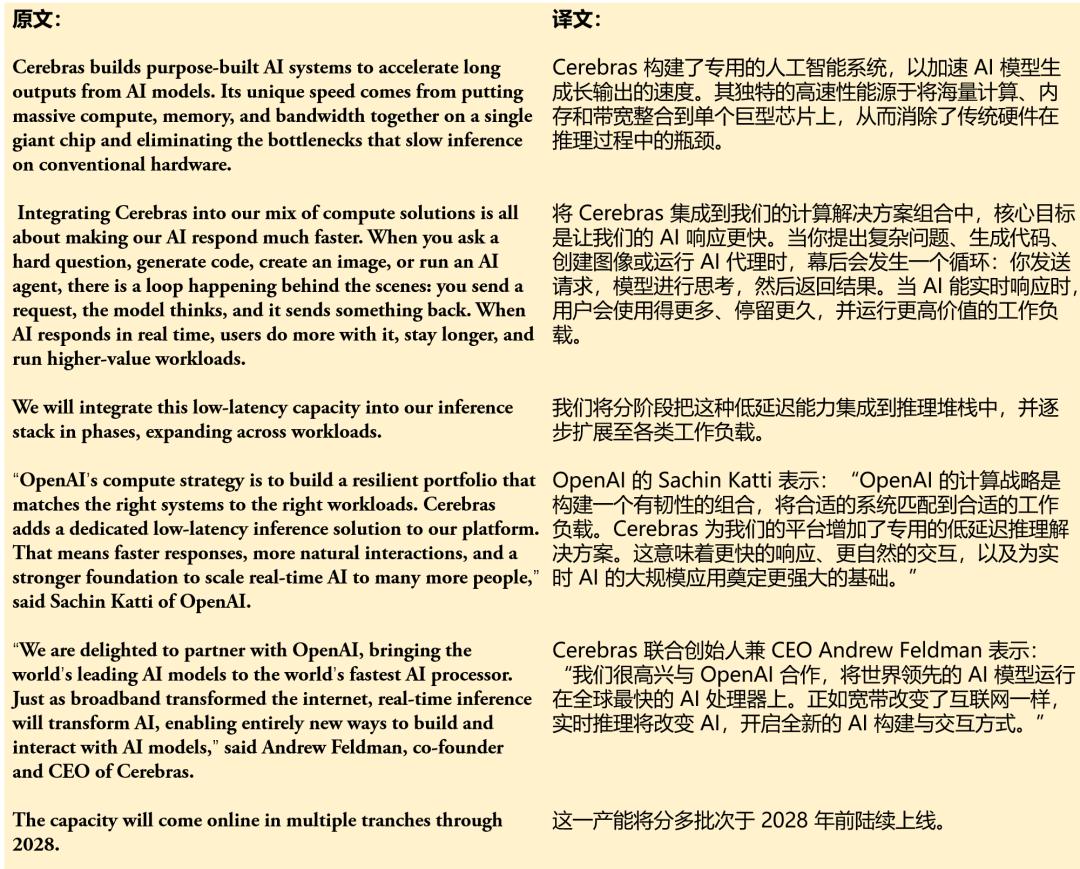
▲ The translation result of ChatGPT Translate (Charted by Zhidongxi)
However, the translation of ChatGPT Translate is not flawless. Its understanding of context is not very accurate. For example, the translation of "this production capacity" in the last sentence is a literal translation of the original "The capacity", which cannot accurately restore its meaning. Some translations are more like literal translations, with a certain machine - translation feel.
ChatGPT's current default model GPT - 5.2 handles this sentence much better. Its translation result is: "The relevant computing power will be gradually launched in multiple stages, and the plan will last until 2028."
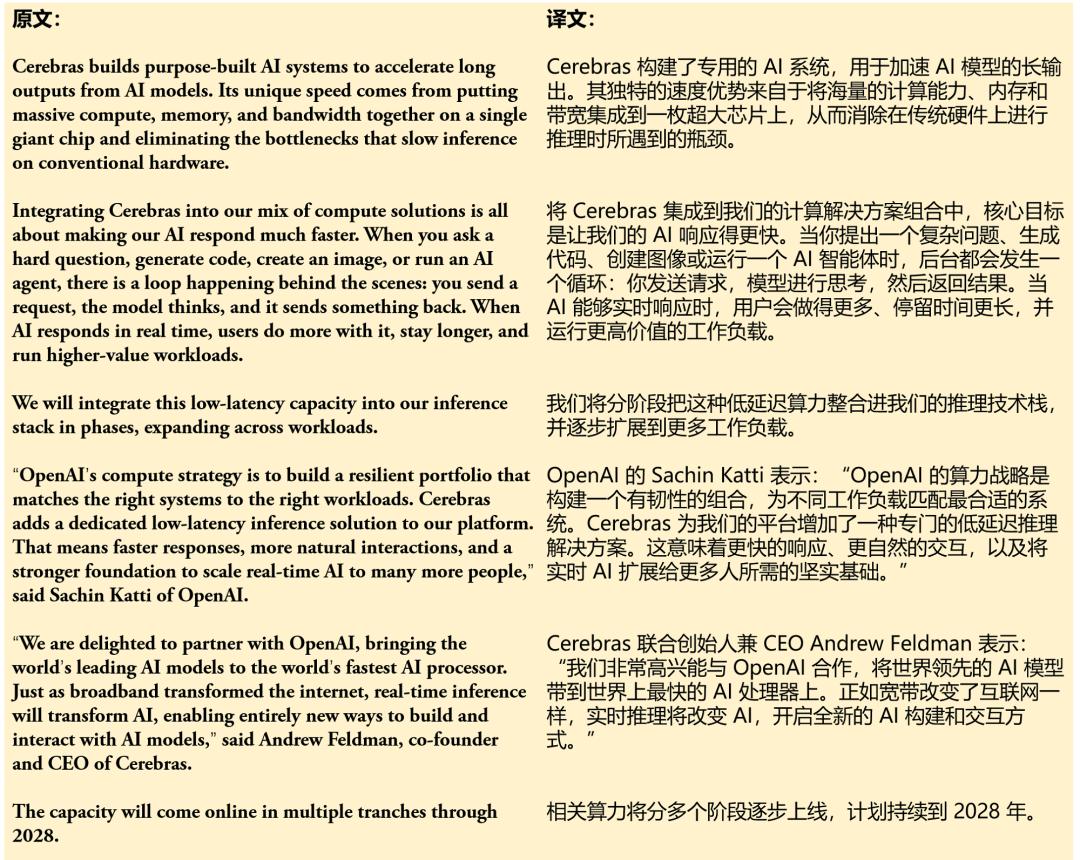
▲ The translation result of ChatGPT (GPT - 5.2) (Charted by Zhidongxi)
Let's take a look at Google Translate's performance. Its overall translation level is similar to that of ChatGPT Translate. Google Translate makes the same mistakes as ChatGPT Translate, and its machine - translation feel is more obvious. Google Translate also retains all English word orders. For example, it places the source of the quotation at the end, while in Chinese language habits, placing the source of the quotation at the beginning is more common.
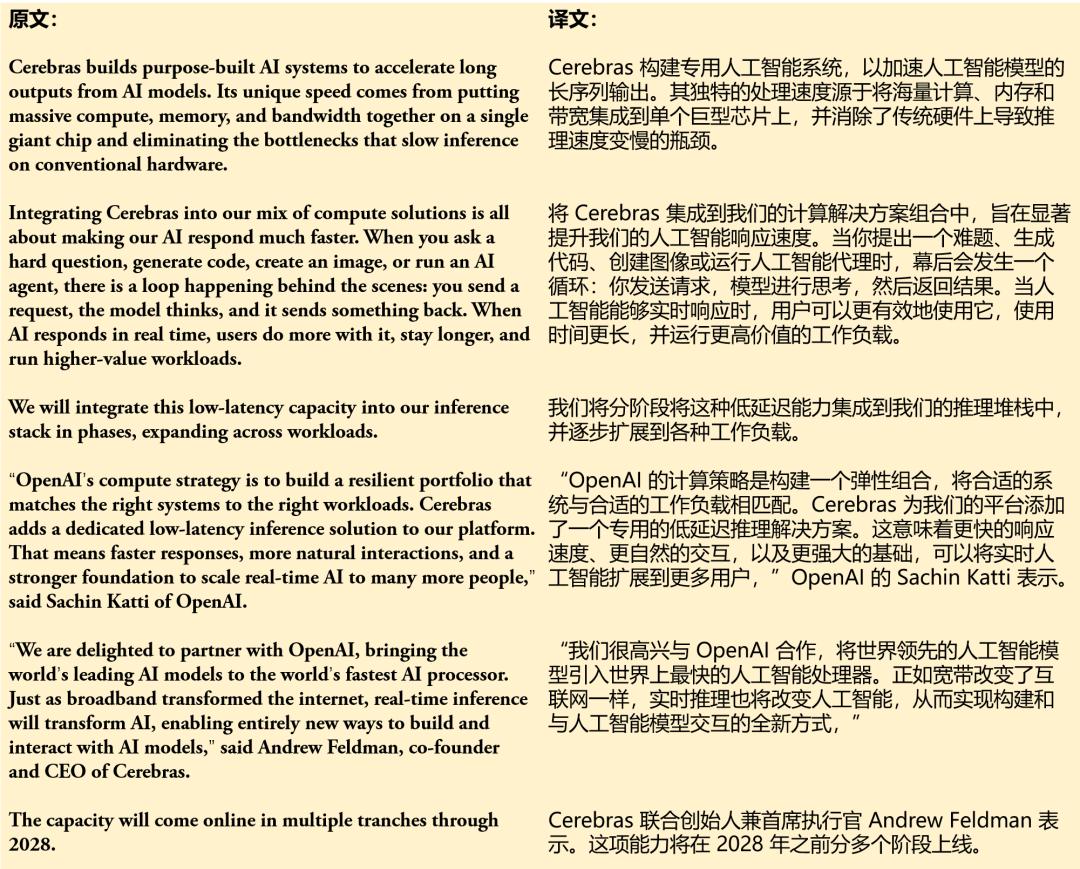
▲ The translation result of Google Translate (Charted by Zhidongxi)
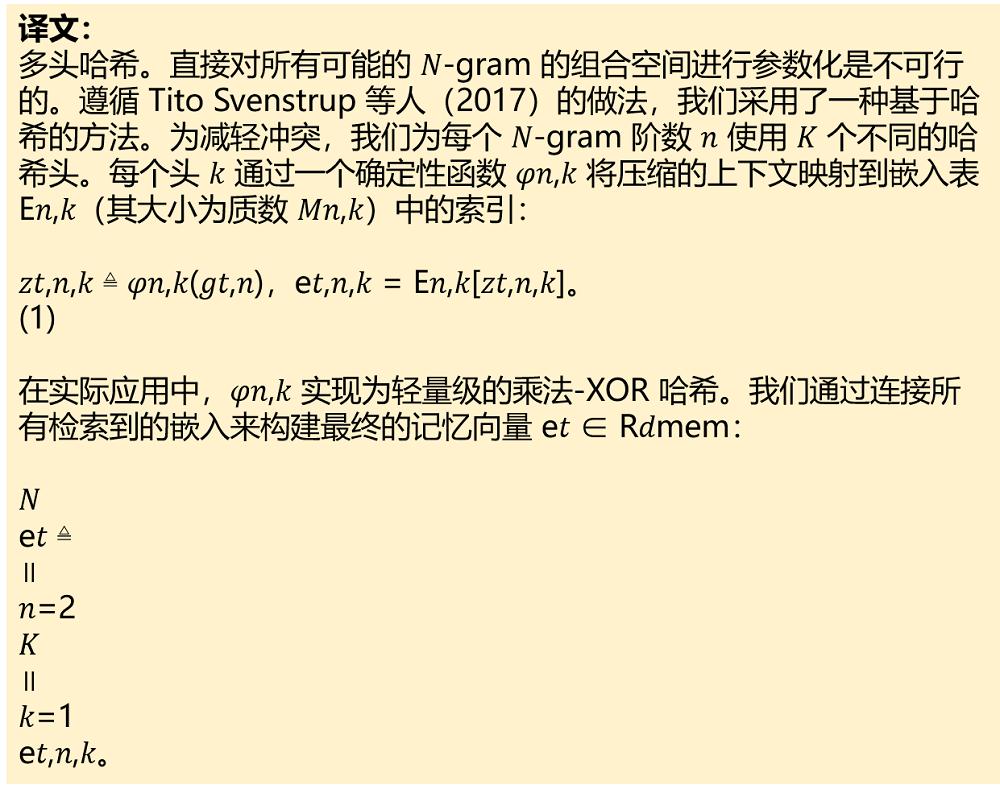
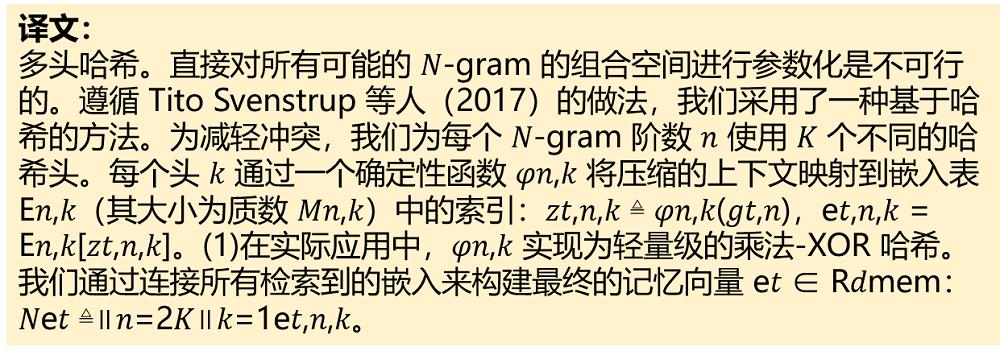
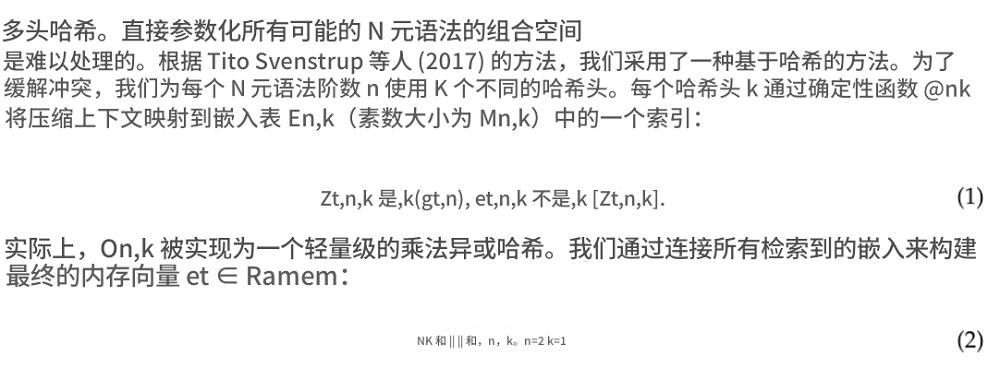
We also asked ChatGPT (GPT - 5.2), ChatGPT Translate, and Google Translate to translate a passage from the Engram paper recently published by DeepSeek. Since not all tools support file translation, for the sake of fairness, we copied the content directly as text and pasted it for translation.
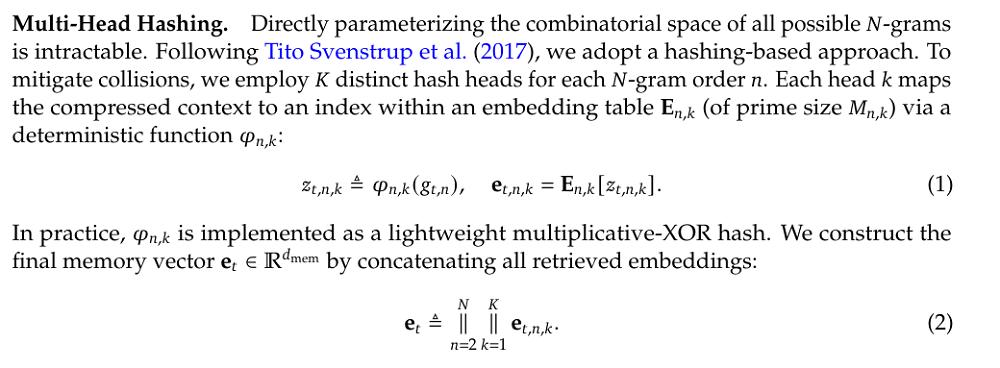
The difficulty of translating this text lies in professional terms and formulas. The following is the translation result of ChatGPT (GPT - 5.2). The formulas in the text were accurately restored without garbled characters, the terms were accurate, and the text was smooth and natural.
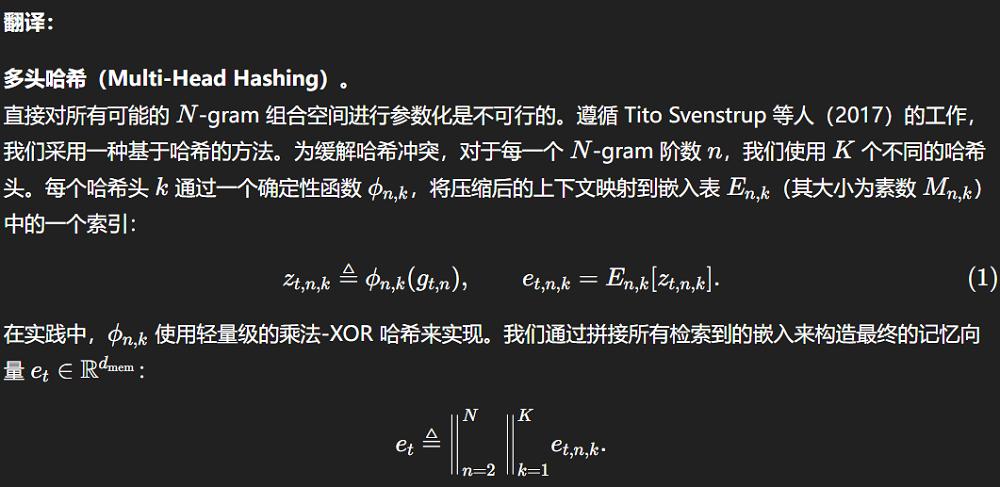
ChatGPT Translate failed. The formulas converted into text were not restored, and the readability became poor. However, the translation of the text was still basically accurate.
The translation result of Google Translate is as follows. It can be seen that the quality is basically the same as that of ChatGPT Translate.
We also tried Google's image translation, and the effect was not good. Even the original formulas were translated into Chinese, making them completely unreadable.
02.
It provides four translation templates
It still requires jumping to the ChatGPT main website for use
Since ChatGPT Translate fails to outperform Google Translate in basic translation capabilities, can the post - translation editing function it provides bring any surprises?
Currently, ChatGPT Translate provides four post - translation editing templates on its interface, namely "Translate the original text and make it more fluent", "Translate the original text and make it more business - like and formal", "Translate the original text as if you are explaining a problem to a child", and "Translate the original text for an academic audience".
We first tried the first template. This template is actually a formatted prompt. After clicking, it directly jumps to ChatGPT. We tried to ask the AI to write a non - fluent Chinese text and translate it into fluent English, and the result was basically accurate.
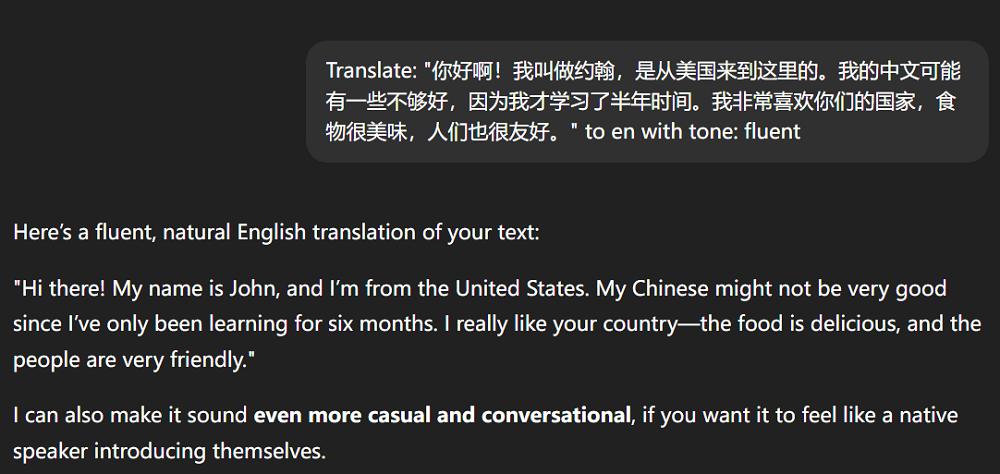
Actually, this template is a bit useless. A person is surely more proficient in their native language. If the user inputs a fluent native - language text, there is no need to make it more fluent. They just need an accurate translation.
The only usage scenario I can think of at present is when a person communicates with others in broken English and needs to do English - to - English translation.
The following template for more business - like and formal translation is actually more practical. For example, after translating the previous text into English, the English wording is obviously more formal than the Chinese.
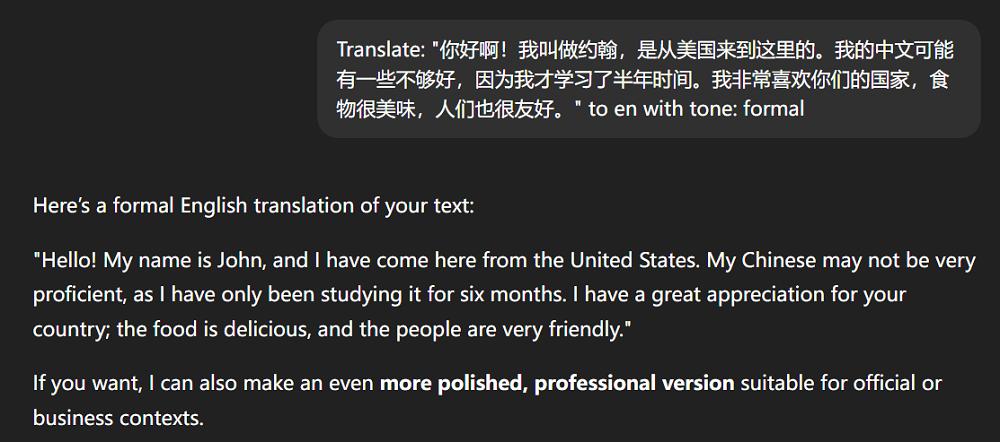
Overall, the post - translation editing function provided by ChatGPT Translate is not amazing. For ordinary users, directly translating and editing in ChatGPT may provide a more coherent and natural experience.
03.
Conclusion: ChatGPT Translate
It still takes time to replace Google Translate
After a complete experience, ChatGPT Translate did not leave a deep impression on us. Although its translation speed is faster than that of ChatGPT, it fails to outperform Google Translate, and its quality is basically the same as that of Google Translate.
In addition, Google Translate does not solely rely on translation quality to succeed. Its popular features such as image and voice translation provide an irreplaceable product experience. Although in our test, its image translation cannot handle complex technical documents, it can still handle common translation objects such as road signs and signage relatively accurately.
The Google Translate App also supports the model selection function for users in some regions. Users can let Gemini do the translation, and in this case, the translation quality of Google Translate may be better than that of ChatGPT Translate.
Judging from the current PC web - based experience, ChatGPT Translate may not be a revolutionary product. Whether OpenAI can improve the experience by leveraging its model capabilities in the future remains to be seen.
This article is from the WeChat official account "Zhidongxi". Author: Chen Junda. Editor: Xinyuan. Republished by 36Kr with authorization.