The Oura smart ring is selling like hotcakes. Will it become the new trend in health wearables?
If sports watches and sports headphones are considered standard equipment for sports enthusiasts, then the current favorite among Silicon Valley sports and trendy tech enthusiasts is the smart ring.
Like watches, rings are no less trendy as accessories. Moreover, similar to smart watches, they can monitor health data such as sleep, exercise, and heart rate. For example, wearing a ring during daily work and sleep seems more like having a stress manager. And when engaging in certain sports, wearing a ring is far more lightweight than wearing a watch.
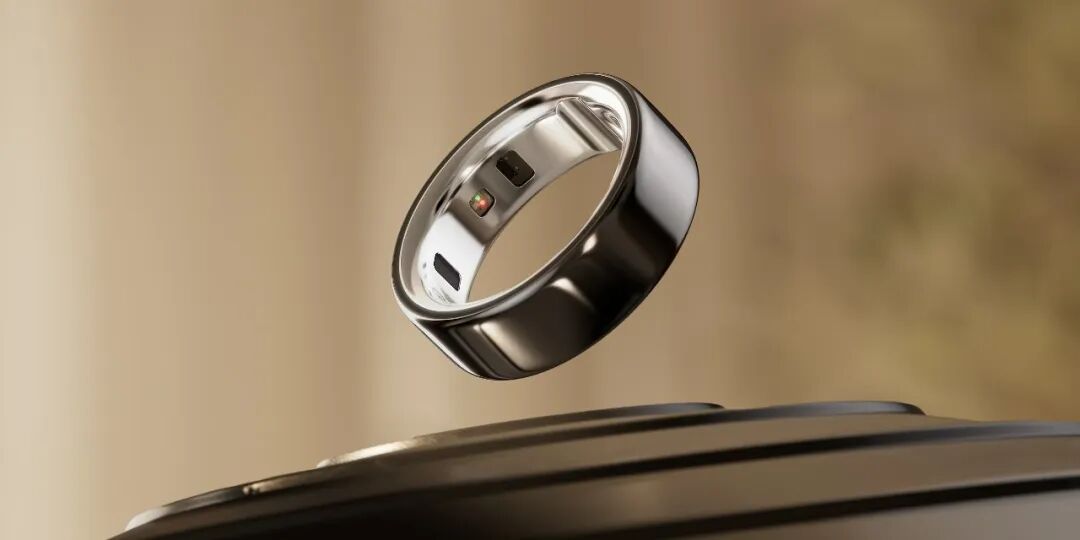
The leading brand in this industry, Oura, is emerging from the long market cultivation stage. At the ongoing Consumer Electronics Show (CES) in the United States, it is estimated that Oura will sell over 3 million smart rings in 2025, with an expected revenue of over $1 billion.
This health technology company, founded in the Netherlands in 2013, seems to be rapidly catching up with the progress of wearable devices from "big players" such as Apple, Samsung, and Huawei.
Source: Oura
The smart ring is truly opening up the market. According to IDC data, the shipment volume of smart rings is expected to increase by 49% in 2025, far exceeding the expected 6% growth of smart watches. Even though the shipment volume of smart watches still far exceeds that of smart rings. Also according to IDC data, by 2025, the shipment volume of smart watches is expected to reach 163.5 million units, while that of smart rings is approximately 4.3 million units.
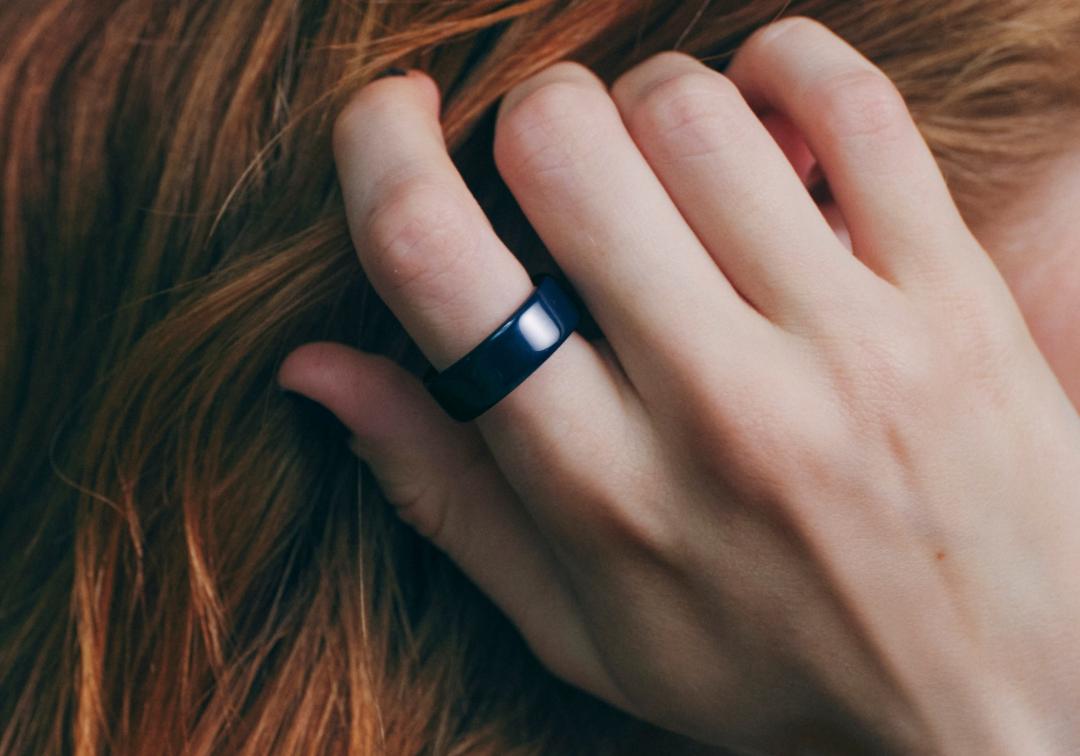
Analysts believe that many sports enthusiasts are wearing both watches and rings simultaneously. After all, the watch screen can receive and display information, while the long battery life of the ring and its more accurate data in some aspects have rapidly stimulated the demand in this niche market.
That is to say, people who love sports watches are also starting to wear smart rings. If we add sports headphones, the combination of a watch, headphones, and a ring has become the "trendy trio" for tech and sports enthusiasts.
Source: Oura
Smart Rings: Health Tech Products in a Niche Market
Similar to sports watches, smart rings obtain data such as heart rate, blood pressure, and blood oxygen through built - in sensors, and combine algorithms to acquire people's health data.
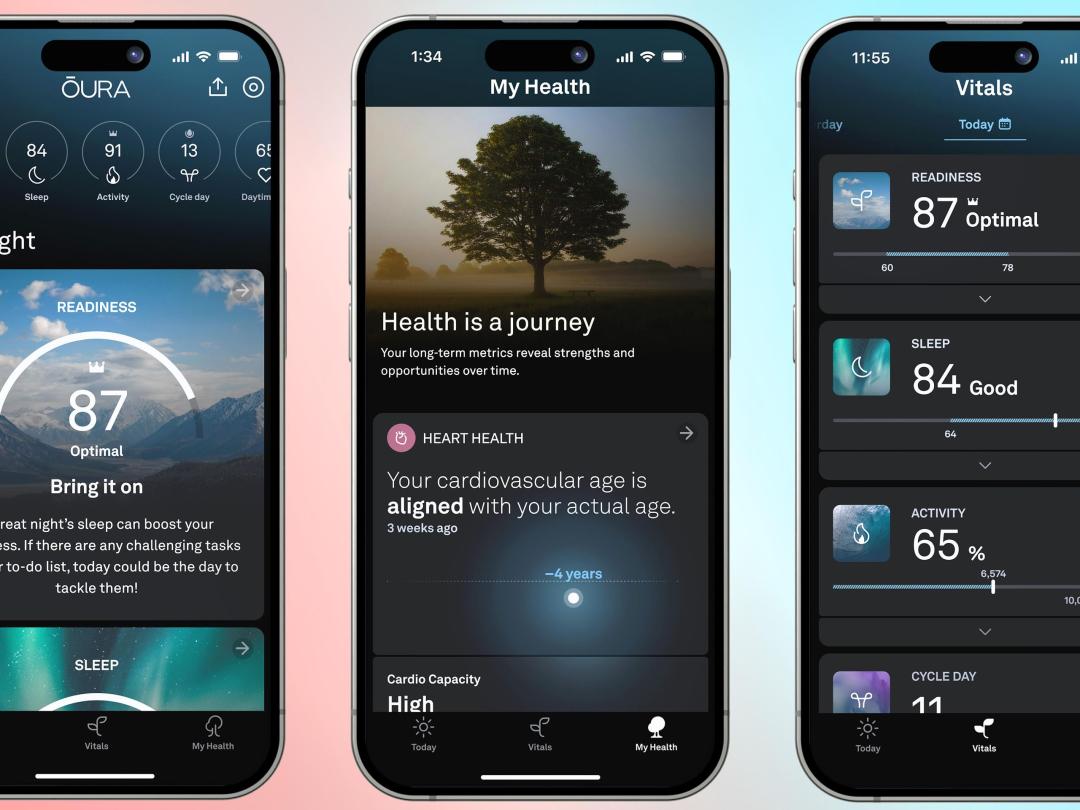
Taking the leading brand Oura as an example, by connecting with a mobile app, it can analyze your emotions, sleep, and activity patterns. Of course, functions like predicting a woman's menstrual cycle and even the early symptoms of COVID - 19 are important features that have made Oura stand out time and time again.
Like Peloton and even the Apple Watch, the app - based health service that Oura offers is a paid product, which gives Oura a more advanced business model.
Source: Oura APP
Compared with sports watches, the health functions of Oura smart rings are indeed more widely recognized. Oura has even obtained the US FDA medical device certification and is collaborating with blood glucose monitoring companies to enter the medical and health field.
The reason is that although the monitoring principle is similar to that of watches, since smart rings do not have a smart screen, the function of real - time feedback is weakened. However, the advantage is that the ring's lightweight and compact design makes it suitable for long - term wear, enabling all - day health monitoring.

Oura
Even so, compared with the annual shipment volume of watches and headphones in the hundreds of millions, the smart ring field where Oura operates is truly a niche market.
According to official information, Oura, founded in 2013, only sold over 100,000 units globally in 2019, and it wasn't until 2023 that its sales exceeded one million units. It should be noted that the main products of Oura are priced at around $500, and other smart rings are priced at around $300, which is much lower than the price of watches.
The pandemic seems to be one of the external factors that activated Oura as a health product. Oura's body temperature monitoring function was quickly used for early symptom screening of COVID - 19. And the functions of emotion and sleep monitoring quickly met the rapidly growing demand for public mental health during the pandemic.
Also in 2023, Oura quickly completed a $100 million Series C financing and partnered with the NBA. In 2024, the company launched the Oura Ring 4 and completed Series D + E financing, with a valuation of over $10 billion.
By the time it appeared at CES again, Oura's shipment volume had reached over 3 million units, and the company's annual revenue exceeded $1 billion. This almost means that the smart ring market has moved from a niche to a popular market.
Oura and Smart Rings: Health Tech Hardware Going Mainstream
There aren't many smart ring companies besides Oura that are moving towards the mass market.
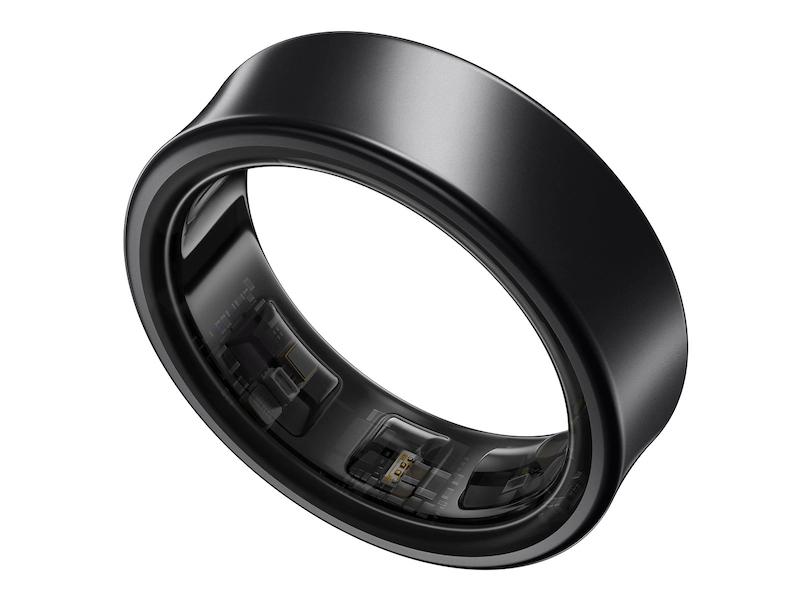
Samsung's Galaxy Ring ($399) is priced slightly lower than Oura. The Indian Ultrahuman Ring enters the market with an even lower price ($349), and RingConn from Shenzhen, China, enters the market with similar functions but at a lower price ($199). Moreover, none of these three charge for additional health services.
Galaxy Ring
Even though many smart rings stood out at this year's CES, Oura alone accounts for over 70% of the market's shipment volume. That is to say, out of the annual shipment volume of over 4 million smart rings globally, Oura accounts for 3 million.
Oura believes that its core advantages lie in sensor technology and algorithm technology. The 15 billion hours of monitoring data of Oura is considered the moat of its products.
That is to say, the smart ring business is not just about smart hardware. The vast amount of health data behind it is an important barrier to maintaining the accuracy of health monitoring.

Oura
This has almost become a common rule for health tech product startups. For example, smart health toilets need a large amount of user urine test health data as samples for health monitoring. The hardware of smart health headphones also relies on a large number of individual data samples. Even the accurate feedback of many fitness smart hardware depends on a large number of fitness population samples.
The smart ring field where Oura operates has become a major example of health tech hardware. Niche markets require a very long user education process. Moreover, the moat of products may not be completely built on hardware but on a vast amount of user data and extended health services.
A similar logic also applies to the current AI sports and health field. The entry of Ant Aifu is quickly opening up the market, and the core competitiveness of Keep's AI coach may also be its core user fitness data. Even for more entrepreneurs entering this market, data itself may be the biggest moat.
Oura and the Imagination of the Health Tech Industry
The health tech field opened up by Oura has begun to become a core entrepreneurial direction in the global sports and health sectors.
For example, in the field of home and gym equipment, AI has almost become the direction of functional innovation. Technogym and others are increasing their investment in AI fitness, and domestic companies such as Keep, Shu Hua, and Merach are also actively deploying AI. However, compared with starting from hardware, the reconstruction of the AI industry may come from the outside with a large number of users and data.
Products like Ant Aifu, from health data analysis to health and sports guidance, have begun to replace basic doctor and coach consultations. And more products with vertical deepseek - like functions combined with hardware are on the way to product innovation.

That is to say, the competition in today's fitness and health tech products has long gone beyond the hardware itself. A vast amount of data and rapidly iterating AI capabilities are expected to create more new products in the sports and health fields.
For fitness, the "human" element and offline experience may be the things that cannot be replaced by technology and AI.
Oura is quickly expanding the imagination of the global health tech industry, and the next explosive product may come from unexpected external innovation.
This article is from the WeChat official account "Jinglian GymSquare" (ID: GymSquare), author: Qili. It is published by 36Kr with authorization.