For Polestar, Li Shufu has lent out another 4.2 billion yuan.
Li Shufu has infused more capital into Polestar.
Polestar announced that to address its funding shortage, it has signed a loan agreement with its controlling shareholder, China's Geely Holding Group, for up to $600 million (equivalent to approximately 4.22 billion RMB).
Just five months ago, Polestar received a $200 million equity investment from PSD Investment Limited, which is actually controlled by Li Shufu. In less than half a year, additional capital has been injected.
Despite being an electric vehicle brand jointly created by Geely and Volvo, Polestar has closed its last direct - sales store in China, with monthly sales in the domestic market falling below 100 units. Its stock price has also plummeted by over 95% since its listing in 2022. It has received a delisting warning from NASDAQ and was even given a valuation of "0 kronor" by Sweden's SEB.
However, various signs seem to indicate that Geely has not given up on this brand that has almost lost its voice in the Chinese market.
One can't help but ask Li Shufu with an old and popular catchphrase: "Who on earth is buying Polestar?"
01
Over 5.6 billion RMB infused in a year
Although this time the capital is provided in the form of a loan, different from an equity investment, in essence, it is still funded by the shareholder. This money will be provided by a wholly - owned subsidiary of Geely Sweden Holdings AB, with a maximum limit of $600 million. It is a subordinated term loan, and Polestar has not disclosed the specific term.
However, a subordinated loan means that this loan is not included in Polestar's debt covenant limit. Otherwise, a $600 million loan would be a drop in the bucket compared to Polestar's debt of over $5.5 billion.
According to Polestar's mid - year financial report in 2025, its operating income was $1.423 billion, and its net profit attributable to the parent company was - $1.193 billion, a year - on - year decline of 119.37%. Its asset - liability ratio was as high as 217.11%.
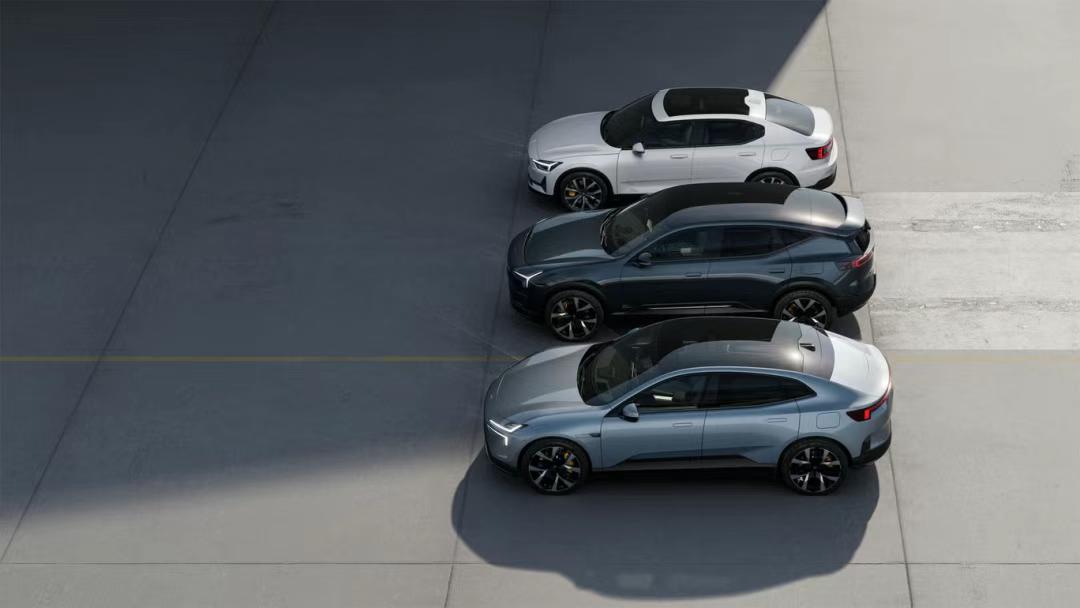
Moreover, this loan will not be provided all at once. According to Polestar, the final disbursement of $300 million will be made based on Polestar's future liquidity needs and only after obtaining the lender's consent.
From the current situation, Polestar has accumulated a net loss of over 40 billion RMB in the past four years. By the first half of 2025, its net assets were - $3.329 billion, and its liabilities were as high as $7.383 billion.
It is worth mentioning that in December 2024, Polestar obtained a one - year term loan of over $800 million from several banks, and part of the funds was used to repay old debts. At the end of this year, Polestar will also need to repay this $800 million matured loan.
In total, Li Shufu has provided a capital quota of up to $800 million for Polestar this year, equivalent to approximately 5.64 billion RMB.
In June this year, Polestar announced that it had received a $200 million equity financing from PSD Investment. PSD Investment is an existing investor in Polestar, and this institution is actually controlled by Li Shufu, the founder of Geely Holding Group. Currently, PSD Investment holds 44% of Polestar's shares. After the transaction is completed, the company's shareholding ratio in Polestar will reach 66%.
In addition, PSD Investment also plans to convert its 20 million Class B ADS shares into Class A ADS shares to keep its total voting rights in Polestar below 50%. In this dual - class stock structure, each Class A share corresponds to one vote, while each Class B share corresponds to ten votes.
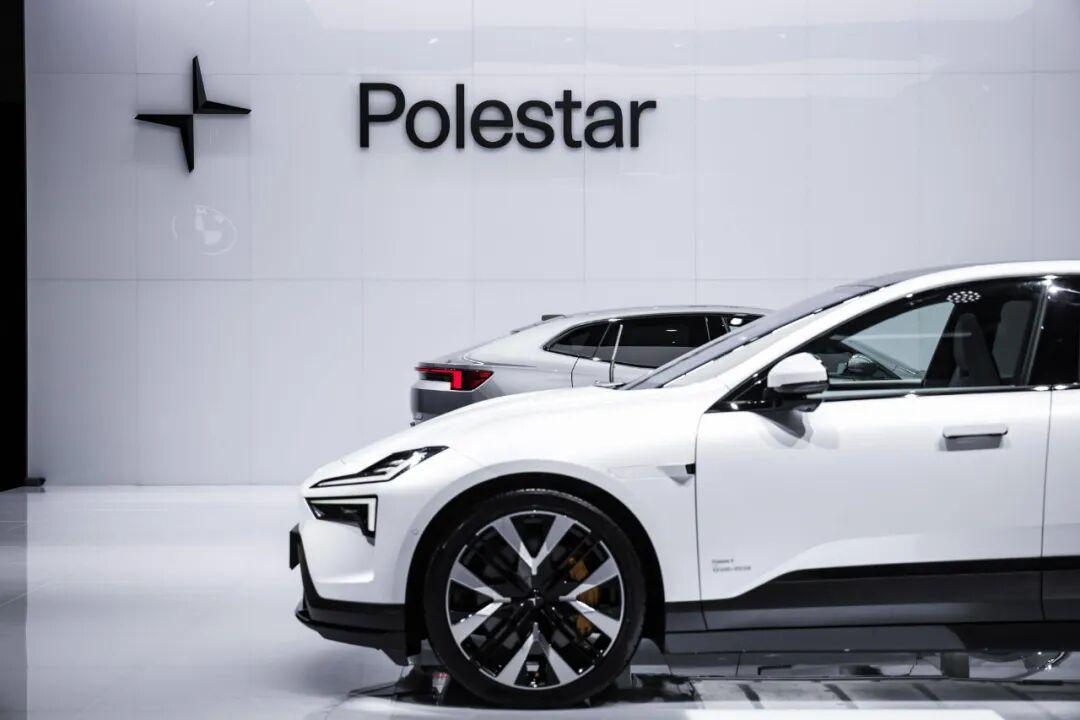
However, despite the substantial capital injection, the result has been heavy losses. As of the close of the U.S. stock market, Polestar's stock price is $12.3.
It should be noted that the $12.3 stock price is due to the effect of Polestar's ADS (American Depositary Shares) reverse stock split, which officially took effect on December 9. It adjusted the ADS ratio from 1:1 to 1:30, significantly increasing the share price by reducing the number of shares through a "reverse stock split".
If calculated based on the pre - split stock price, Polestar's stock price has fallen below $0.6 per share. When Li Shufu participated in the private placement, the subscription price per share was $1.05. In just five months, the floating loss has exceeded 50%.
Because Polestar's stock price has been below $1 for a long time, NASDAQ issued a delisting warning to Polestar. If it fails to complete the rectification before April 29, 2026, it will be forced to delist. Therefore, Polestar had to restore its listing status through a "reverse stock split".
Now, one of Polestar's two major financial backers, Volvo, decided last year to stop investing in Polestar and significantly reduced its shareholding ratio from the original 48.3% to 18%. After Li Shufu's additional investment in June this year, Volvo's shareholding ratio was further reduced to 16%.
The state of "insolvency" and being a "penny stock" is already an extremely dangerous signal in business logic, not to mention its business performance.
Last month, Polestar closed its last direct - sales store in Shanghai. Although Polestar used "strategic adjustment" and "transition to online" to downplay the impact of this news, it cannot conceal its completely marginalized status in the domestic market.
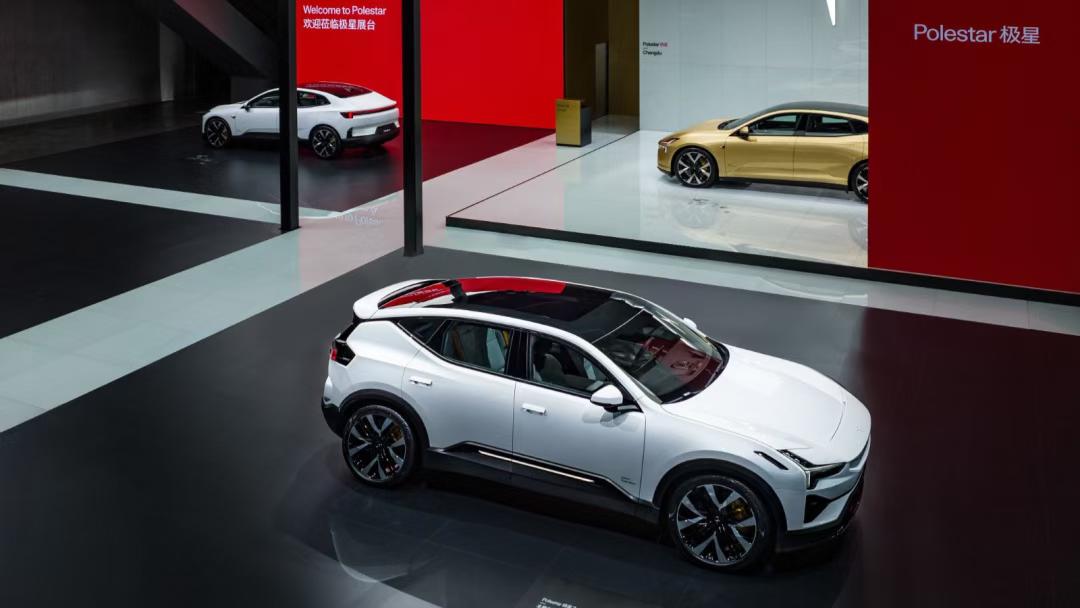
Since entering the Chinese market in 2017, Polestar's sales have never improved. From 2021 to 2023, Polestar's sales in China were 2,048, 1,717, and 1,100 units respectively. Even after the establishment of Polestar Tech, the sales situation did not improve significantly. In 2024, Polestar's total retail sales were only 1,864 units.
Since 2025, its domestic business has almost come to a standstill. In many months, the sales volume was only in single - digits, and the cumulative sales in the first ten months were only 163 units.
02
The best choice for going global
Despite this, Li Shufu still has not given up on Polestar.
In August last year, Li Donghui, the CEO of Geely Holding Group, once explained the reason for continuously injecting capital into Polestar. It is because Polestar is the bridgehead for Geely's global layout and has important strategic significance for the group's global development.
Backed by Volvo's technological endorsement, at that time, it was the only brand in the top ten European electric vehicle sales list controlled by Chinese capital. It was once the most prominent symbol of Geely's "internationalization" strategy.
Li Shufu has also clearly stated that for Chinese brands to enter the mainstream markets in Europe and the United States, they must find a brand approach that Western consumers can identify with. Polestar is that path. Especially in the face of the increasingly complex trade barriers in Europe and the United States, the value of a brand with a "European identity, global production lines, and neutral technology" is more strategically significant than the book figures.
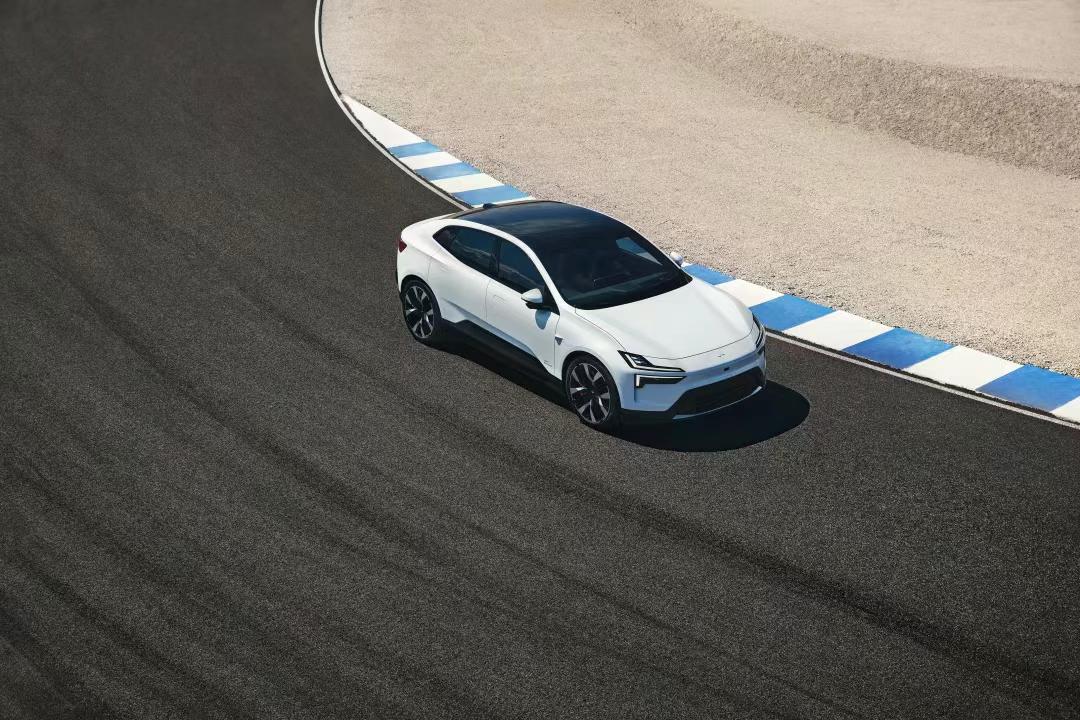
Even today, Polestar remains a key part of Geely's "globalization strategy". Looking at all the brands within the Geely Group, Polestar may have the lowest threshold for going global.
Against the background of the United States and Europe imposing additional tariffs on Chinese electric vehicles, Polestar's pure European origin and global production layout, including factories in the United States, South Korea, and Europe, will become a detour for Geely to avoid trade barriers.
In order to avoid U.S. restrictions and high tariffs on imported cars, Polestar moved the production line of the Polestar 3 to South Carolina, the United States, as early as 2024. To minimize trade conflicts, the production location of the 2026 Polestar 4 has also been shifted from China to South Korea, where it will be produced by Renault Korea Motors. The Polestar 7 will also be produced in Europe.
These two factors have made Polestar one of the very few "Chinese - backed" brands that can bypass trade barriers and achieve large - scale deliveries in the European and American markets.
The most crucial thing is that compared with the domestic market, Polestar's overseas performance shows a significant contrast. It's not that it's selling extremely well globally, but it's much better than its performance in China. In the first half of this year alone, Polestar delivered 30,319 vehicles globally, a year - on - year increase of 51%.
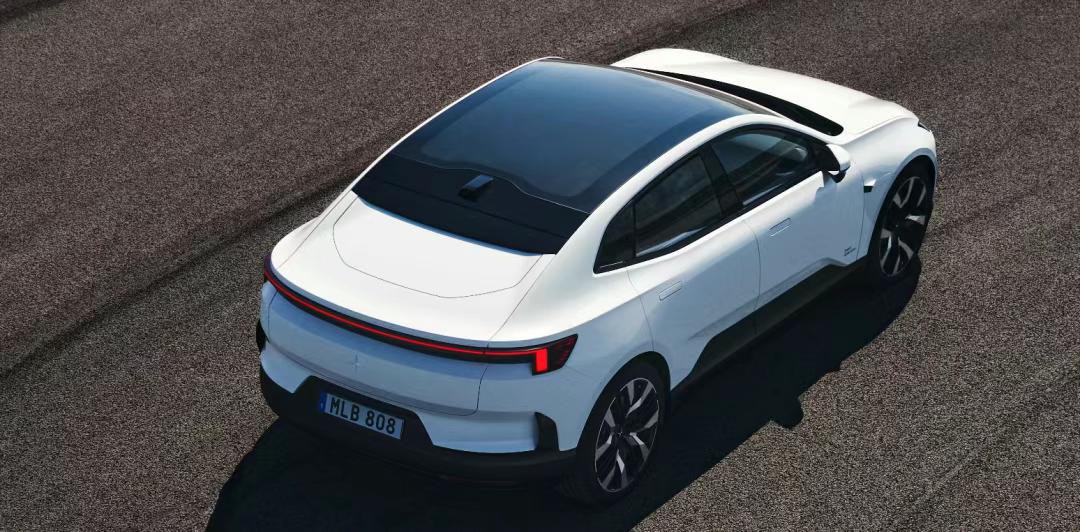
In the first three quarters of this year, Polestar's global retail sales reached approximately 44,482 units, a year - on - year increase of 36%. In the third quarter, it delivered approximately 14,192 vehicles, an increase of 13% compared to the same period last year. CEO Michael Lohscheller said: "Sales continued to grow in the third quarter, and we have now sold as many cars as we did in the whole of 2024."
Moreover, Polestar is attracting Tesla owners at a relatively high speed. Matt Galvin, the general manager of Polestar UK, once said in an interview that nearly half of the sales of the Polestar 3 in the United States in the first quarter came from the Tesla customer group.
In China, this brand that has "failed to adapt to the local environment" due to design concepts and positioning issues, finds the overseas market to be its comfort zone. From the discussions about Polestar on overseas forums, many people have affirmed Polestar's driving experience, appearance, and the brand recognition brought by Volvo.
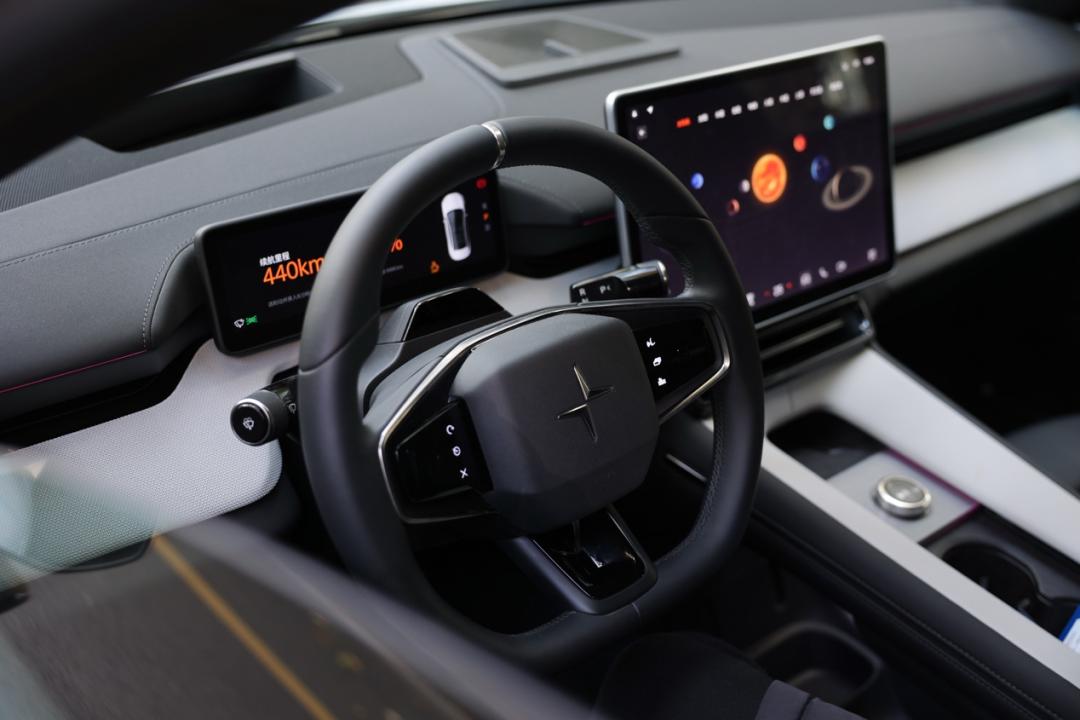
Moreover, in the sales data of the Geely Group in the first three quarters of 2025, the group's total exports were nearly 300,000 vehicles, of which Polestar alone contributed 40,000 vehicles, accounting for 13%. Considering Polestar's scale, its contribution to Geely's overseas expansion is by no means small, which further indicates that Polestar is still an important part of Geely's overseas expansion strategy.
In the Chinese new - energy vehicle market that pursues extreme cost - effectiveness, Polestar may not be as competitive as local brands. However, in the global market, Polestar can serve as an anchor point for Geely to charge into the high - end new - energy market. This may also be the reason why Geely continues to "infuse capital" into Polestar.
As for how long it will take for Polestar to achieve "self - sufficiency in capital", Li Shufu should be more eager to know the answer than anyone else.
This article is from the WeChat official account "Super Electric Laboratory", author: Wang Lei, editor: Qin Zhangyong. It is published by 36Kr with authorization.