Robotaxi God-making: Tesla reaches a record high of $1.63 trillion, and Waymo gets a new valuation of $110 billion
On December 17th Beijing Time, after the U.S. stock market closed overnight, Tesla's stock price rose again by 3.07%, closing at $489.88. The stock price had three consecutive days of gains, breaking through the historical high. During the session, it once reached as high as $491.5, and its market value reached $1.63 trillion.
The direct reason for this wave of Tesla's stock price increase is that Tesla recently launched a fully driverless Robotaxi test in Austin, Texas, in the United States. The specific details are that it uses Tesla's mass - produced models on sale and removes the safety driver who previously sat in the front passenger seat.
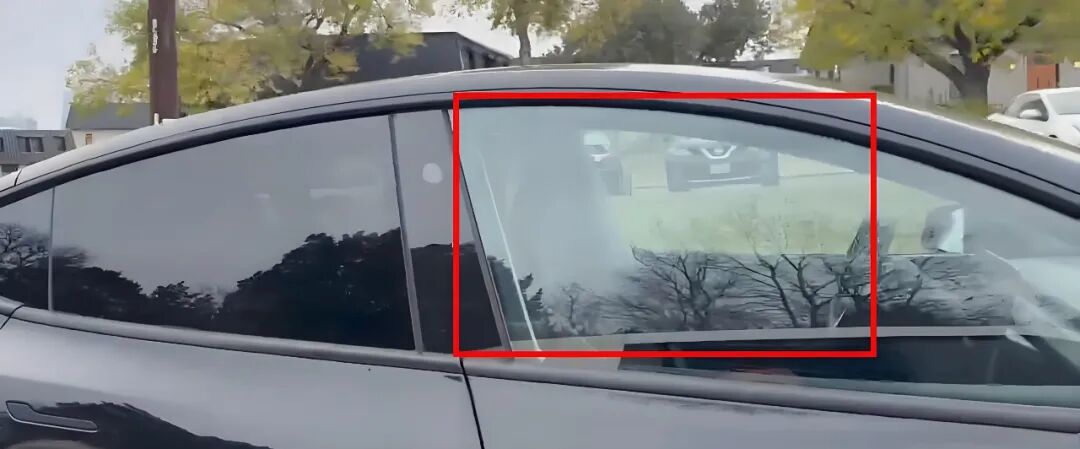
It has only been a little over half a year since Tesla launched the trial operation of Robotaxi with a safety driver.
This shows that Tesla has made rapid progress in the field of Robotaxi (perhaps it's just bold).
Once Tesla's mass - produced models on sale are verified to be able to achieve fully driverless Robotaxi, then the long - boasted claims of Elon Musk will finally come true. —— Tesla's vehicles can operate ride - hailing services on their own to make money (however, some Chinese Tesla owners have sued Tesla because they paid a high price for Full Self - Driving (FSD) but did not experience the corresponding functions).
The vision is indeed grand. This is why Tesla's stock price can break through the historical high even when its automotive business is sluggish or even declining. The grand narrative of Robotaxi is attractive enough, and the market scale is large enough. Moreover, Elon Musk is the strong - willed person who often turns his boasted claims into reality.
While Tesla's stock price hit a historical high due to Robotaxi, its competitors are also taking the opportunity to strengthen themselves.
The latest news shows that Waymo is seeking a new round of financing. It is rumored that its valuation will exceed $110 billion, and the financing amount will exceed $15 billion. Compared with the valuation of $45 billion in the previous round of financing, it has more than doubled.
This is also the high valuation that the currently booming primary market in the United States can offer.
OpenAI opened up the imagination space for primary market valuations with a valuation of $500 billion. Then, SpaceX announced that it is conducting a financing and stock repurchase with a valuation of $800 billion. It even claims that it will conduct an IPO with a valuation of $1.5 trillion in 2026, second only to Saudi Aramco's IPO valuation of $1.7 trillion in 2019.
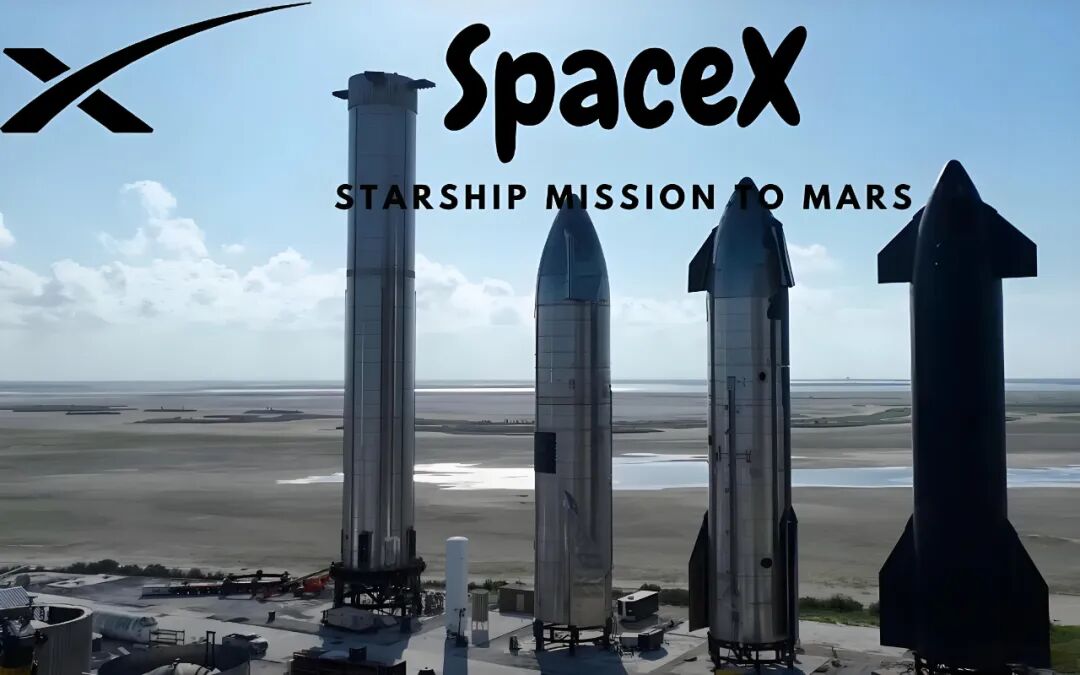
However, the market is currently speculating that SpaceX's financing scale will far exceed $30 billion, higher than Saudi Aramco's total financing of $25.6 billion at that time.
But Saudi Aramco could earn about $300 million per day during its IPO, while SpaceX's revenue in 2025 is expected to reach $15 billion.
Obviously, the market is willing to give a higher valuation to SpaceX, which carries the dream of exploring the universe.
SpaceX's story is really alluring: ultra - low - cost rocket launch services, the cash - cow Starlink satellite internet, promising manned spaceflight and deep - space exploration, and the latest concept of a space AI computing power center.
SpaceX has also directly boosted the popularity of commercial spaceflight, commercial satellites and other sectors. China and the United States are now engaged in fierce competition for this new high - ground.
This is the crazy secondary market in the United States, which has brought about an even crazier primary market.
Back to Robotaxi, U.S. investors have already started to factor in the potential. Whether it is the primary market or the secondary market.
In the secondary market, investors buy Tesla's stocks, and in the primary market, they chase after Waymo. (I wonder if GM regrets shutting down Cruise. It should be regretting it. There were previous news indicating that it would restart, but no more news has been noticed yet)
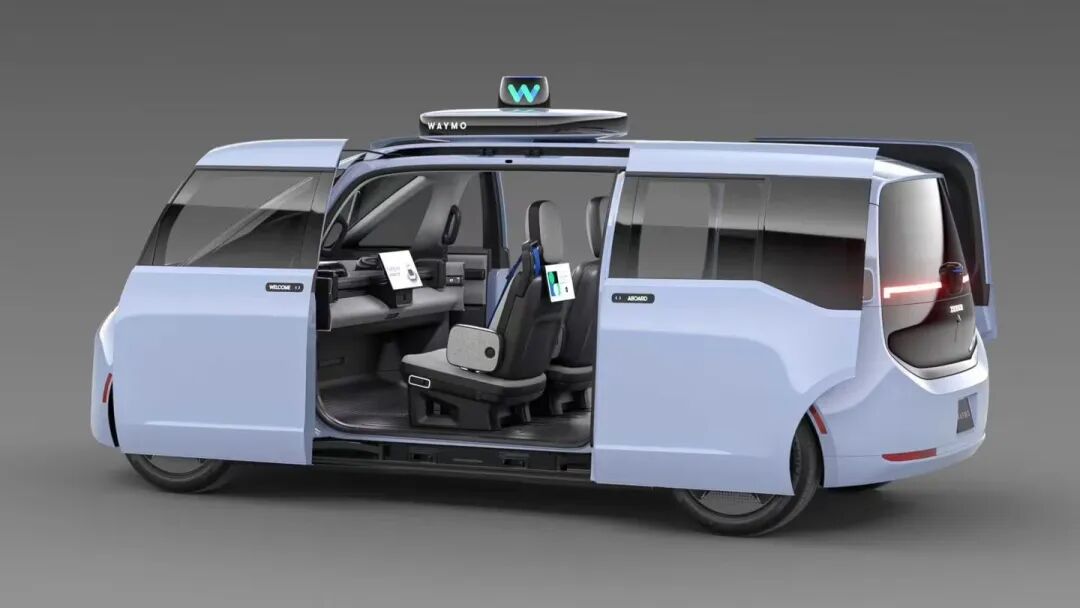
After all, even though Waymo's valuation is $110 billion, it is still cheaper than Tesla. More importantly, Waymo's Robotaxi business currently has a larger scale than Tesla's, completing 450,000 orders per week.
However, once Tesla completes the verification, it may instantly reach a fleet size of one million. Of course, this also requires the permission of U.S. policies.
This is the biggest gap between Waymo and Tesla, and it is also the problem that Waymo needs to solve - mass - produced vehicles. Should it stick to a model similar to Android or adopt an iOS - like model? This may also be related to Waymo's genetic background of being born from Google.
Such market expectations have, of course, driven U.S. stock investors crazy. How high will Tesla's market value soar in this wave? Will it reach $2 trillion? $3 trillion? Or will it surpass Apple and NVIDIA to become the world's most valuable company with a market value exceeding $5 trillion?
The market values and valuations of Robotaxi - related stocks in the U.S. stock market are rising rapidly.
So, what about the related stocks in China's Robotaxi sector?
Currently, the relevant players in China's Robotaxi sector include WeRide and Pony.ai, Baidu which owns Luobo Kuaipao, and XPeng Motors among the automakers. There are also startups like Hello Inc.'s Robotaxi business and Momenta. In addition, ride - hailing technology platforms such as Didi Chuxing, Caocao Chuxing, Ruqi Chuxing, T3 Chuxing, and Xiangdao Chuxing have all involved in the Robotaxi business to some extent.
Let's see which of the above - mentioned stocks will benefit from this wave of rising valuations of U.S. Robotaxi stocks. Will the stocks that benefited from the Robotaxi concept in the previous wave of speculation perform well in the next wave?
The risk lies in whether Tesla's Robotaxi can be successfully commercialized and its scale can be expanded smoothly. This may also be a relatively long - term process rather than an overnight success. After all, Waymo has been working on it for 15 years.
This article is from the WeChat official account "Automotive Intelligence" (ID: invehc), written by Michael Yuan, and is published by 36Kr with permission.