The pattern of "four major players" in the luxury car market is beginning to take shape. What enables Chinese brands to join the core camp?
In the Chinese luxury car market, there used to be an unspoken "brand rule".
In that era, luxury was defined by the brand. Consumers were willing to pay for a badge on the hood, and what they spent their hard - earned money on might be an "identity contract".
However, when the wave of intelligentization evolved at a speed that covered in a decade what the fuel - powered era took a century to achieve, the market fired the starting gun for a new round of competition in the luxury car market.
On one hand, entry - level family cars in the 100,000 - yuan range have entered the battle for the popularization of assisted driving; on the other hand, some luxury cars worth millions still have in - car systems stuck in the non - intelligent era.
This is no longer a gap in configuration but a fault in the logic of the times. As the soul of cars shifts from "mechanical performance" to "intelligent experience", the technological moats built by traditional luxury brands with precision machinery are being quickly "filled" by intelligent chips and lidars.
The cracks in the old order are the ladders for new kings. The answer to the question that the Chinese automotive industry has been waiting for for years has emerged: In an era when electrification has leveled the power threshold, what is the ultimate chip for defining "new luxury"?
In September this year, among the best - selling new - energy mid - to large - sized sedans priced over 300,000 yuan in China, the domestic models, the Xiangjie S9 and S9T, strongly occupied the first and third places. The Xiangjie is like a precise key inserted into the lock of this era.
Its achievement of "high sales upon launch" proves that consumers of luxury cars in the new era are no longer willing to pay for the "premium" of historical sentiment. They only vote for the "value" of ultimate experiences.
The drama of "reshaping luxury value" led by Chinese brands has already begun, and the core of its script lies not in simply piling up configurations but in a systematic reconstruction of intelligentization, user experience, and emotional connection.
The Chinese automotive market is looking forward to a new - era luxury car
In the early days of the automotive industry, consumers highly trusted the brand aura and flocked to even the entry - level models of luxury brands.
With the rapid rise of domestic technology, consumers began to re - evaluate the value of luxury cars. Chinese automotive consumption is gradually shifting from "symbolic consumption" to "meaningful consumption".
Traditional luxury brands do have a profound history and are proficient in chassis and mechanical quality. However, the technological core of the current automotive market has shifted from mechanics to intelligentization. When the 100,000 - yuan market has moved towards the popularization of assisted driving, luxury cars must offer more advanced intelligent experiences. This is an important opportunity for Chinese brands to overtake on the curve.
The change in the trend of the automotive market has also completely changed consumers' understanding of car - buying needs. In the past, luxury car consumption was, to some extent, consumers' accommodation to the "brand". Consumers were willing to sacrifice some experiences for the sake of the logo.
But this rule of brand - defined market has become outdated. When the optional configurations of million - yuan fuel - powered luxury cars start to enter the 300,000 - yuan market on a large scale, the logo can no longer be the "immunity card" for automotive consumption. Therefore, most electric models launched by traditional luxury brands have difficulty inheriting their market advantages from the fuel - powered era directly.
The cruelty of the competition in the new - energy luxury car market also lies in the fact that these consumers generally used to own fuel - powered luxury cars and have a more rational and professional understanding of car - buying and car - using. To win over this group of users, brands must achieve a delicate balance among technological strength, luxury attributes, practical value, and emotional experience.
When the brand aura gives way to technological edge, Chinese cars have finally gained the right to define their own value.
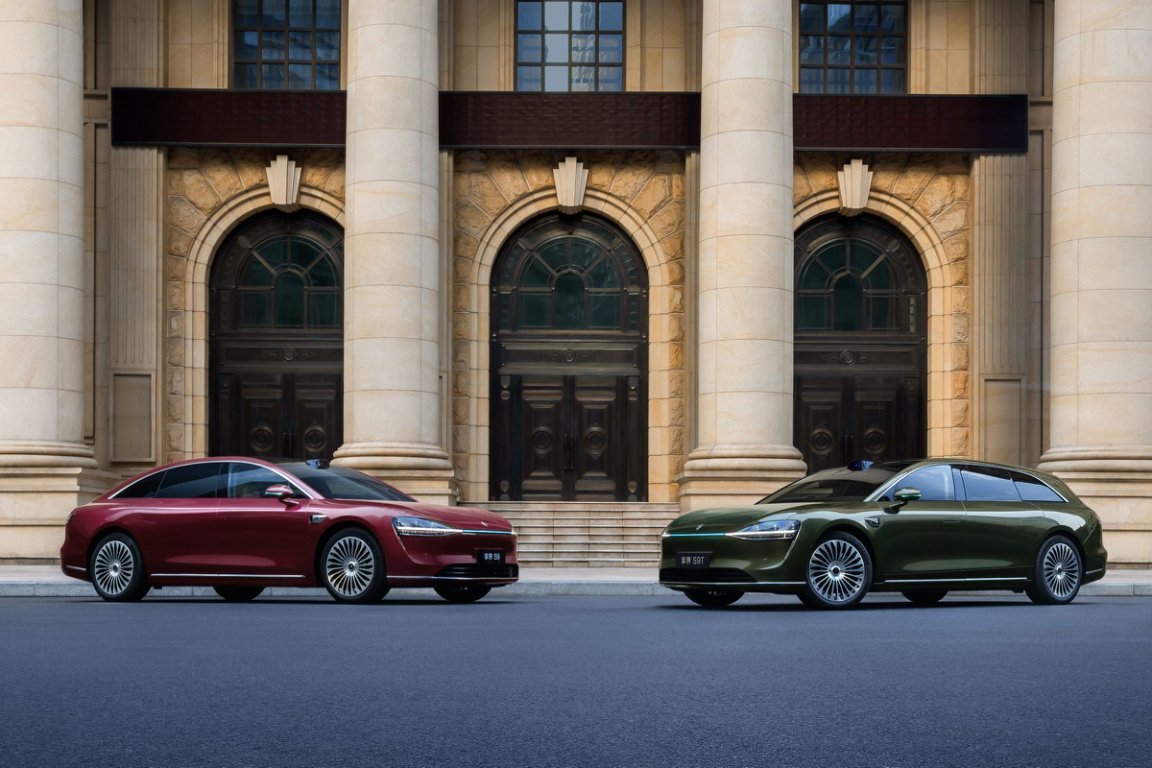
Experience is king in the new luxury market
Although many Chinese new - energy brands have entered the luxury market, few have truly achieved phased breakthroughs. The market performance of the Xiangjie provides a clear footnote for this "value reshaping".
The Xiangjie S9T was quickly recognized by the market after its launch. The number of firm orders exceeded 30,000 within 66 days of its launch.
In September this year, the Xiangjie S9T and S9 strongly took the first and third places in the sales of new - energy mid - to large - sized sedans, breaking the long - standing monopoly of traditional luxury brands in this segment; by November, the sales of the Xiangjie in the overall luxury sedan market were right behind the first camp of traditional luxury brands, firmly ranking among the top in the industry. It is reported that the single - month delivery target of the Xiangjie in December is set at 10,000 units.
The Xiangjie's performance of "high sales upon launch" is no accident. Behind this is the key leap of the Chinese automotive industry from "manufacturing" to "creating" high - end brands. Facing the long - term absence in the luxury market, the Xiangjie completed a deep reconstruction of intelligent experience, user needs, and emotional value with a systematic mindset, thus winning the market.
In the luxury segment above 300,000 yuan, simple functional configurations are no longer sufficient to form a competitive edge. The Xiangjie has established the value anchor for new luxury products through three dimensions: technological leadership, scenario accuracy, and experience resonance.
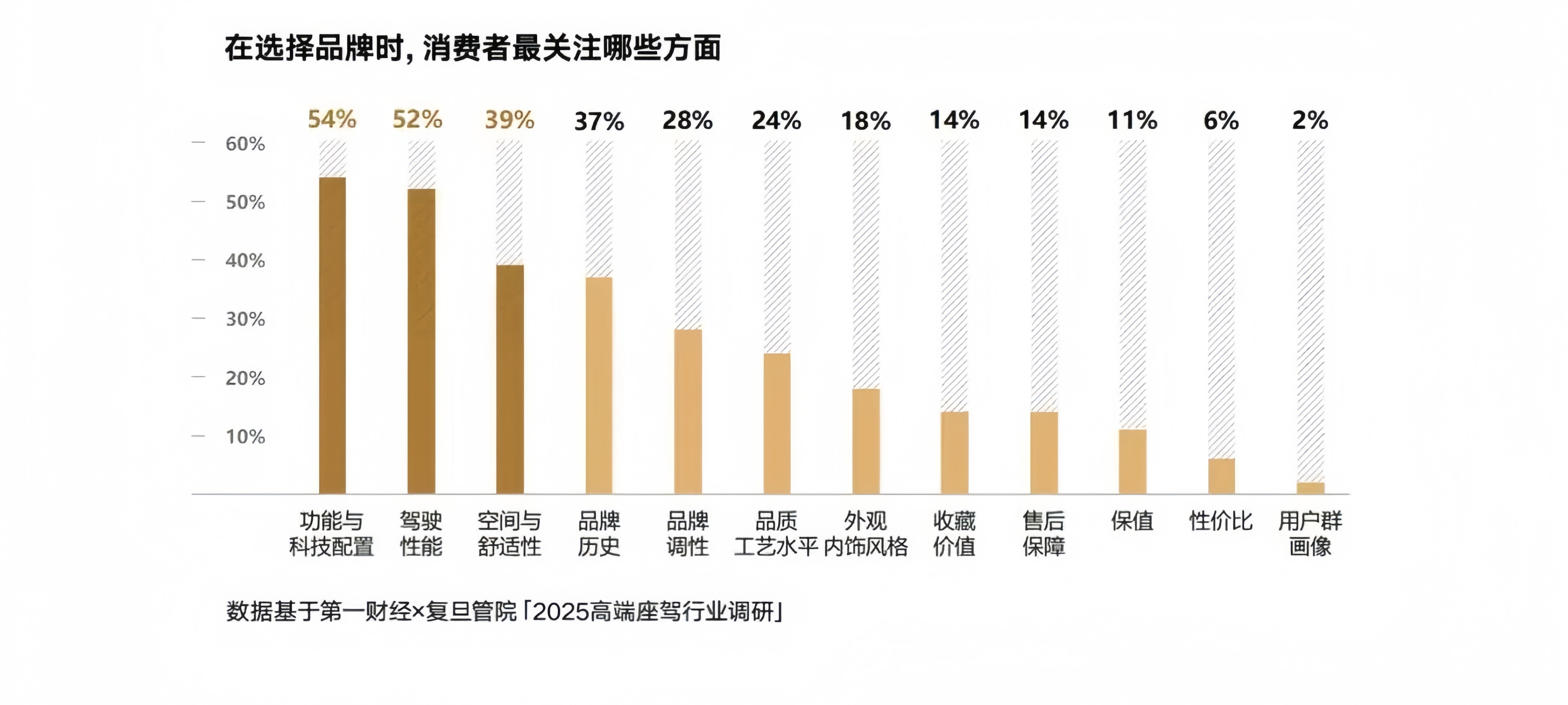
Source: Auto Report
Traditional luxury is judged by the car logo, while new - energy luxury is judged by technology. On the basis of the electrified platform, the Xiangjie regards intelligentization as an essential element of high - end products. All models of the new - generation Xiangjie S9 and Xiangjie S9T are equipped with the Huawei Qiankun Intelligent Driving ADS 4 system, which supports full - scenario navigation assistance from parking space to parking space and already has the hardware pre - installation capacity for L3 - level autonomous driving.
Based on the new Huawei Tuling platform, its chassis control system can sense the road surface condition in real - time and make pre - emptive adjustments through the six - in - one global fusion architecture and multi - sensor collaboration. While improving handling stability, it significantly optimizes passability and safety redundancy on complex road conditions.
This means that the Xiangjie not only leads in intelligent driving ability but also upgrades the mechanical qualities emphasized by traditional luxury brands to an "evolvable" intelligent driving and control experience through the deep integration of software and hardware.
Facing mature users who have long been immersed in traditional luxury brands, the Xiangjie adopts a configuration strategy of "offering what others don't and excelling in what others have".
In terms of materials, high - end materials such as Nappa leather and solid wood trim panels have become standard; in terms of functions, configurations such as zero - gravity seats and welcome light carpets, which are optional in traditional luxury brands, are also standard across all Xiangjie models. In addition, technological configurations such as smart electric doors and a super ten - screen interactive system provide an intelligent interaction experience that traditional fuel - powered luxury cars can hardly match.
This "all - in - one" configuration concept precisely hits the psychology of mature users who are no longer willing to sacrifice the authenticity of experience for brand premium.
The deeper reason for the Xiangjie to be favored by the market is that it is going beyond the scope of luxury car brands. It not only focuses on building a good car but also pays attention to the lifestyle of luxury - oriented people, evolving from a simple car manufacturer to a "lifestyle brand".
A research report shows that more than 70% of the users of the Xiangjie S9 are those who upgrade or replace their traditional luxury cars, and 70% are family users. For this group, the Xiangjie S9 model deeply integrates multi - scenario adaptability in its design. The Shuyun seats and the intelligent projection giant - screen system 2.0 not only meet the sense of ceremony for business receptions but also become a medium for emotional connection during family trips.
The Xiangjie S9T, by integrating the handling of a sedan, the space of an SUV, and the functionality of a station wagon, precisely targets elite users who pursue a lifestyle. A market survey shows that the proportion of female users of the Xiangjie S9T model is as high as 36%, which undoubtedly confirms the balance between aesthetics and practical value of the product.
This positioning of redefining the car from a "means of transportation" to a "life partner" enables the Xiangjie to form a distinct differential perception in the highly homogeneous market.
The new - generation Xiangjie S9 is suitable for both business and family use, while the Xiangjie S9T is for self - enjoyment and pleasing others. The Xiangjie's ingenious "value - bifurcation" strategy provides users with two choices. This manifestation and pursuit of personalization are exactly the core emotional demands of the current luxury - oriented group.
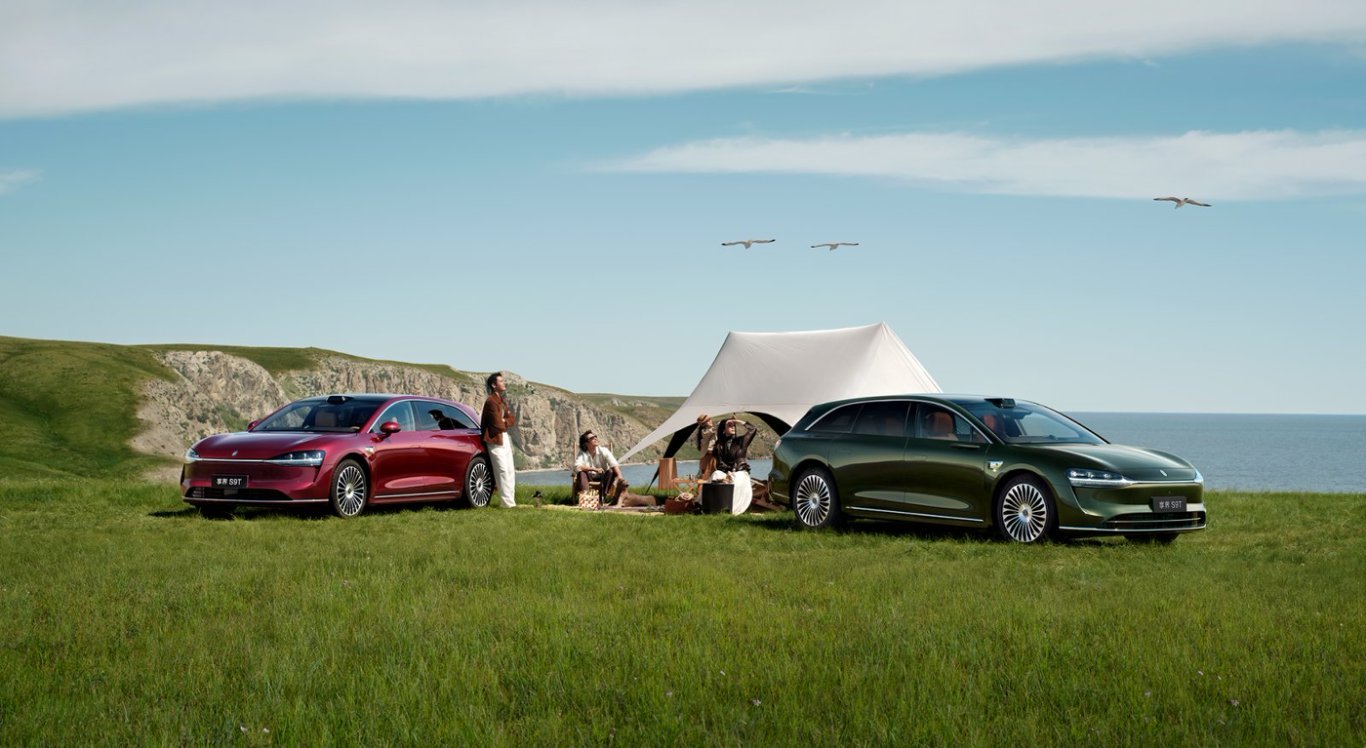
Consumers have already voted with their actions for the ultimate answer of new luxury: true luxury is to make every journey a memorable experience.
The upgrading of automotive competition: from "product design" to "full - link value"
In the competition of the luxury car market, product strength is the ticket to enter, while a complete service experience is the key to building a long - term brand moat. The Xiangjie understands this well, and its channel construction is rapidly expanding.
Currently, the Xiangjie has covered nearly 300 HarmonyOS Smart Mobility user centers and nearly 600 Huawei - authorized experience stores, initially forming extensive user touchpoints.
More symbolically, its exclusive sales and service network has been officially launched. About 90% of the first - batch applicants are from the dealer networks of the three major traditional luxury brands. These partners with in - depth experience in luxury market operations "vote with their feet", not only being optimistic about the brand prospects of the Xiangjie but also indicating that the market channel pattern is about to undergo profound changes.
The dedicated network means exclusive store space, professional service teams, and standardized service processes, which are the foundation for shaping a distinct brand image and ensuring the consistency of user experience.
An independent channel system gives the Xiangjie stronger control and operational efficiency, enabling it to quickly respond to user needs and directly feed back front - line insights to the R & D department, providing the possibility to iterate products that are more precisely tailored to the market.
The cornerstone for achieving this series of complex experiences is the strategic community built by Huawei and BAIC behind the Xiangjie.
The cooperation between the two parties has been upgraded to the "automobile enterprise + Huawei's full - technology ecosystem" model, with a plan to invest 20 billion yuan in special funds over three years and conduct in - depth collaboration in five major systems: R & D, teams, supply chain, quality inspection, and channels.
Huawei contributes its cutting - edge technologies in assisted driving, intelligent cockpits, and strict quality control standards, laying the core competitiveness of the Xiangjie's electrification and intelligentization technologies.
BAIC fully commits to the Xiangjie. Relying on its decades of vehicle manufacturing heritage, international supply chain management experience, and substantial capital investment, it provides solid manufacturing and resource support for the brand.
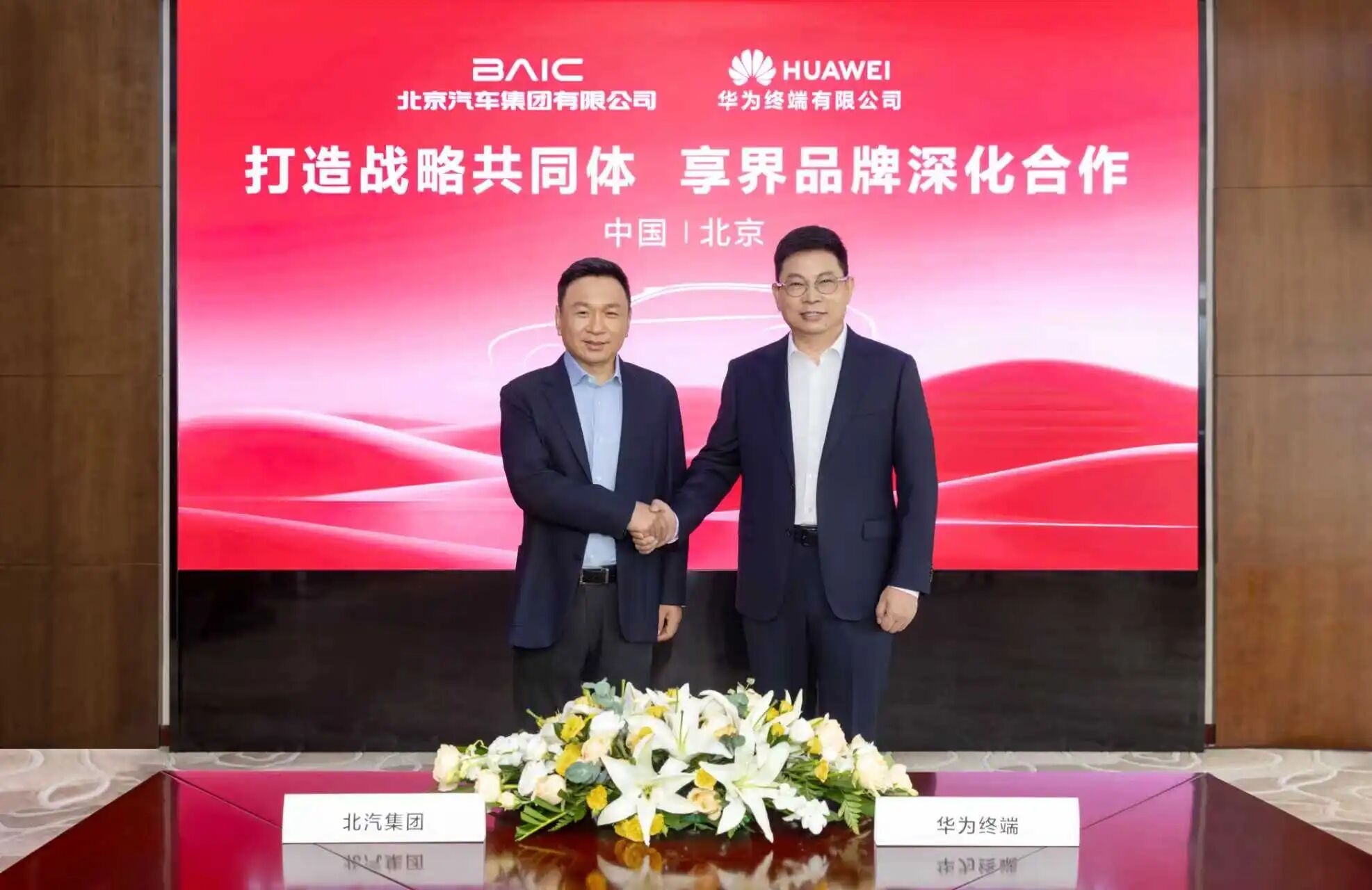
This deep integration of "technology + manufacturing" and full - link collaboration from product design to terminal service will comprehensively improve the efficiency and prospects of the Xiangjie brand.
With the strong cooperation of the two parties, the Xiangjie plans to launch new SUV and MPV models in 2026 to further improve its product matrix. Along with the continuously improving sales momentum, the expansion of the product matrix and the maturity of the exclusive channel network will further promote the Xiangjie to transform its strategic blueprint into market influence.
The success of the Xiangjie is far more than a market breakthrough for a single brand.
It marks that after decades of technological accumulation and market precipitation, the Chinese automotive industry has finally completed the key leap from "manufacturing" to "creating" high - end brands. The core of this transformation is not simply piling up configurations or price competition but a systematic value reconstruction centered around intelligent experience, real user needs, and emotional resonance.
When more than 70% of Xiangjie owners are from the group upgrading or replacing traditional luxury cars, and when dealers well - versed in traditional luxury actively "vote with their feet" to join its network, the market has already proven that a new luxury standard based on technological leadership, experience - first, and full - link service is being widely accepted, and the market has entered a new era of "SBBA" sharing the market.
In the future, the competition in the luxury car market will no longer be a battle of single products but a comprehensive competition of the entire ecological system, value concept, and user - relationship operation ability. In this process, Chinese brands are gradually changing from rule - followers in the past to participants in formulating new value standards.
Although the path of upward breakthrough is not smooth, the direction is clear, and the journey cannot be stopped.