Buying a car next year will be a great deal as the brakes have been secretly upgraded.
As the "last line of defense" for automotive safety, the automobile braking system has always been controversial. In recent years, the "single-pedal debate" has also revolved around the issue of safety. After all, the safety of the braking system directly determines whether certain accidents can be avoided and the safety of drivers and passengers can be protected.
However, starting next year, people may no longer need to worry about braking safety. This is because the new national standard has given the "green light" to the brake-by-wire technology, and it may be installed in vehicles. If so, there may really be an epic upgrade for brakes next year.
So, what exactly is EMB? If this brake-by-wire technology is widely used in automobiles, will it be a safety upgrade for ordinary people? Next, Lao Hu will talk to you about this matter.
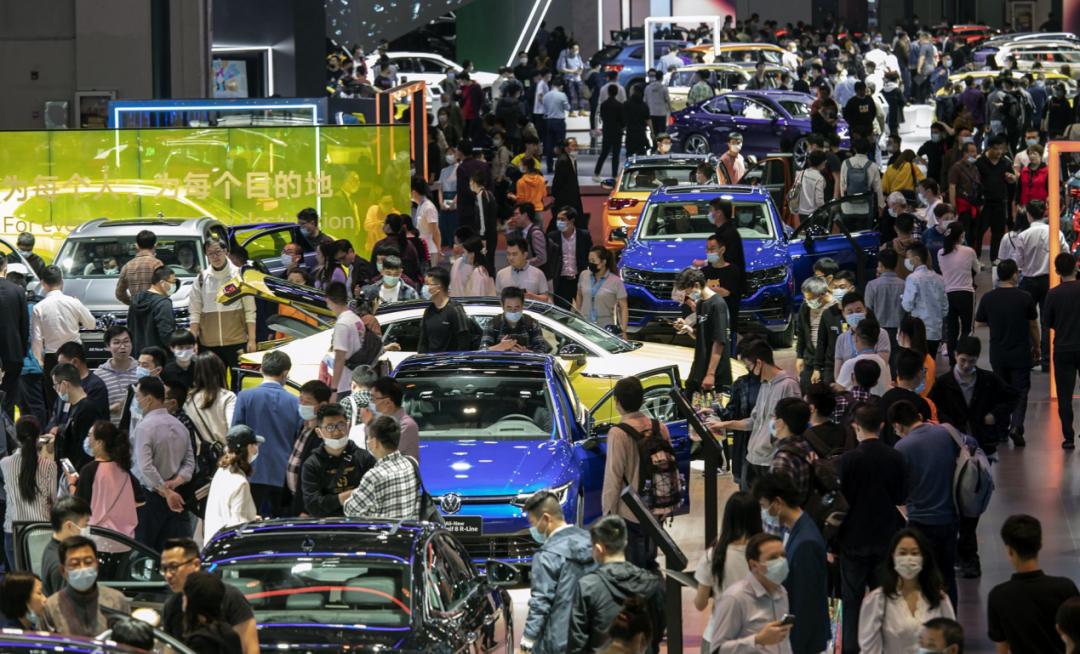
What is EMB?
Before talking about EMB, let's review the more common braking technology solutions. That is the traditional hydraulic braking system that has been popular for many years and EHB (electro-hydraulic braking system). The transmission logic of the traditional hydraulic braking system is "pedal - brake fluid - wheel cylinder". The pedal force is transmitted through the brake fluid, which pushes the brake pads to rub against the brake disc to generate braking force.
Although this solution was quite reliable before, its limitations have begun to appear in the era of intelligent electric vehicles. For example, during high-speed emergency braking, the force transmission delay in the hydraulic pipeline will increase the braking distance. On slippery roads, the wheels are also prone to lock up, resulting in a loss of handling stability. These shortcomings have become more and more obvious.

EHB (electro-hydraulic braking system), as a "transitional solution", is more secure in logic than the traditional one. After all, with an electronic control unit, it can achieve precise distribution of braking force for each wheel. After integrating active safety functions such as ABS and ESP, the braking stability under complex road conditions has been improved.
However, EHB is still within the scope of the hydraulic system. High pipeline maintenance costs and limited lightweighting effects are just some of the issues. Moreover, it has to be equipped with a redundant backup system to deal with electronic control failures, so there are still relatively large safety hazards.
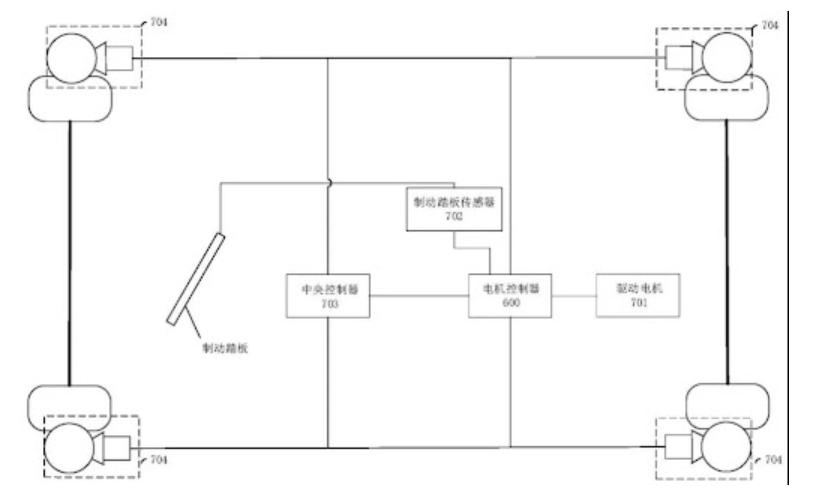
EMB is different. This technology is actually a full brake-by-wire technology. It completely abandons the traditional hydraulic pipeline, and its core logic is "direct motor drive". That is, each wheel is equipped with an independent drive motor. After the pedal signal is processed by the electronic control unit, it directly instructs the motor to drive the brake caliper through a reduction mechanism to complete the output of braking force.
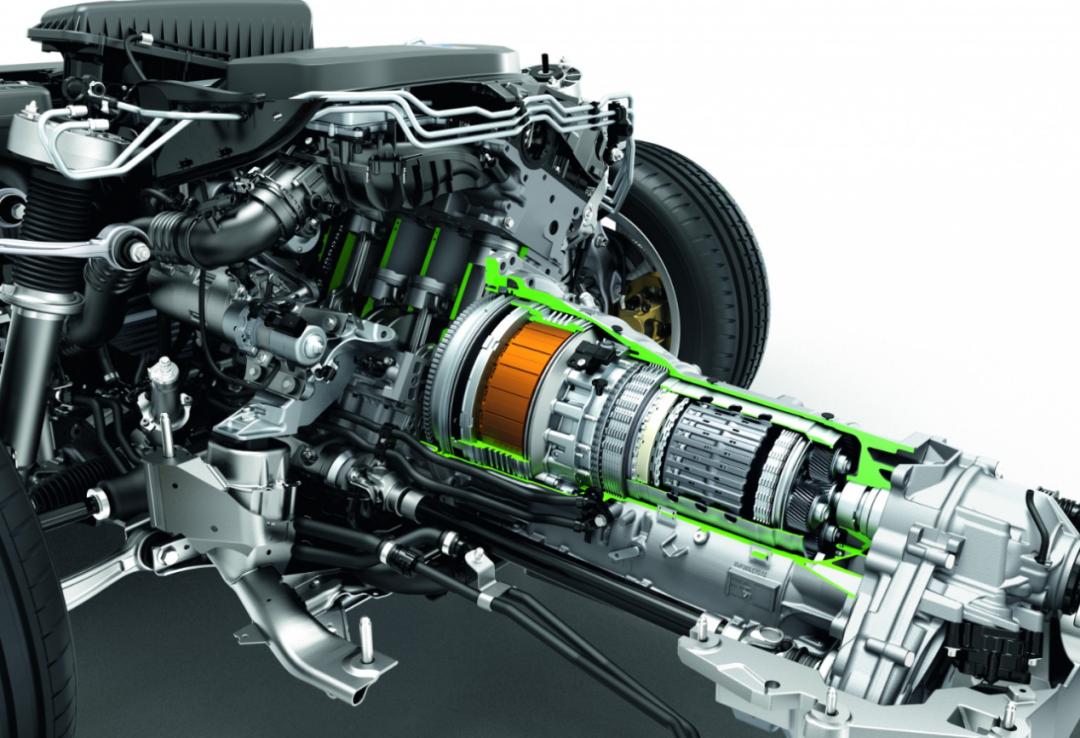
Structurally, this is a "medium-free transmission" structure, and the advantages are obvious. By directly controlling the caliper with the motor, it can respond within 100ms, achieve precise wheel-end control, reduce weight, and save space. It can be seen that this may really bring a qualitative leap to braking safety.
The evolution of automotive braking technology has always been driven by safety. From mechanical braking to the mainstream hydraulic braking, and now to the brake-by-wire technology, we can find that each iteration has broken through the safety boundaries. In essence, the application of EMB technology in vehicles is another upgrade of automotive safety.
Will it increase the cost?
EMB has many technological highlights. Against the backdrop of the higher requirements of new energy vehicles and intelligent driving for the braking system, the new Chinese national standard GB21670 - 2025 has also given the "green light" to the brake-by-wire technology. Now, companies such as Bosch, Continental, and Jingxi Group are also accelerating their layout. EMB is expected to be quickly installed in vehicles, promoting the upgrading of domestic chassis technology.
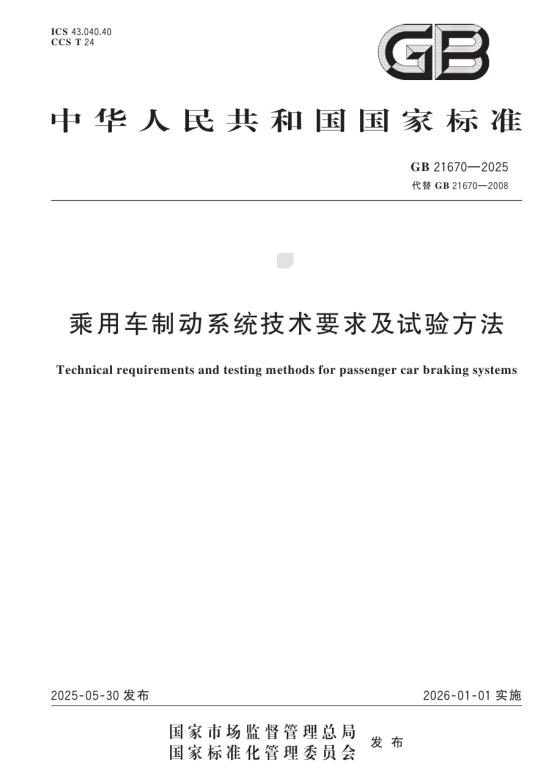
However, there is an inevitable problem, that is, whether the new technology will increase people's car - buying costs. From what we know so far, the answer is yes. As for the reason, you'll understand after looking at the relevant requirements of the new national standard.
The core requirements of the new national standard are concentrated in two major dimensions: safety redundancy and functional safety level. In terms of power supply redundancy, the standard clearly states that when the main power supply fails, the backup power supply must seamlessly take over the power supply within 5 seconds to ensure that the braking system continues to work without interruption.
The fault alarm mechanism requires that after the system detects an abnormality, it must issue an audible and visual alarm within 60 seconds to reserve emergency handling time for the driver.
At the same time, the standard also mandates that EMB reach the highest ASIL D safety level in the automotive electronics field, which means that the system failure probability must be lower than 1 FIT (the number of failures per billion hours ≤ 1).

What does this mean? It means that to achieve this, EMB needs to adopt a redundant design of dual motors and dual controllers at the hardware level. At the software level, it needs to go through multiple rounds of code reviews and extreme - condition tests to eliminate system failures caused by loopholes.
In addition, to ensure safety, it also has to complete bench tests under extreme environments such as high temperature, low temperature, and high humidity, as well as real - vehicle road tests for millions of kilometers to verify reliability. With so much safety redundancy and strict standards, the initial R & D and production costs will naturally increase.
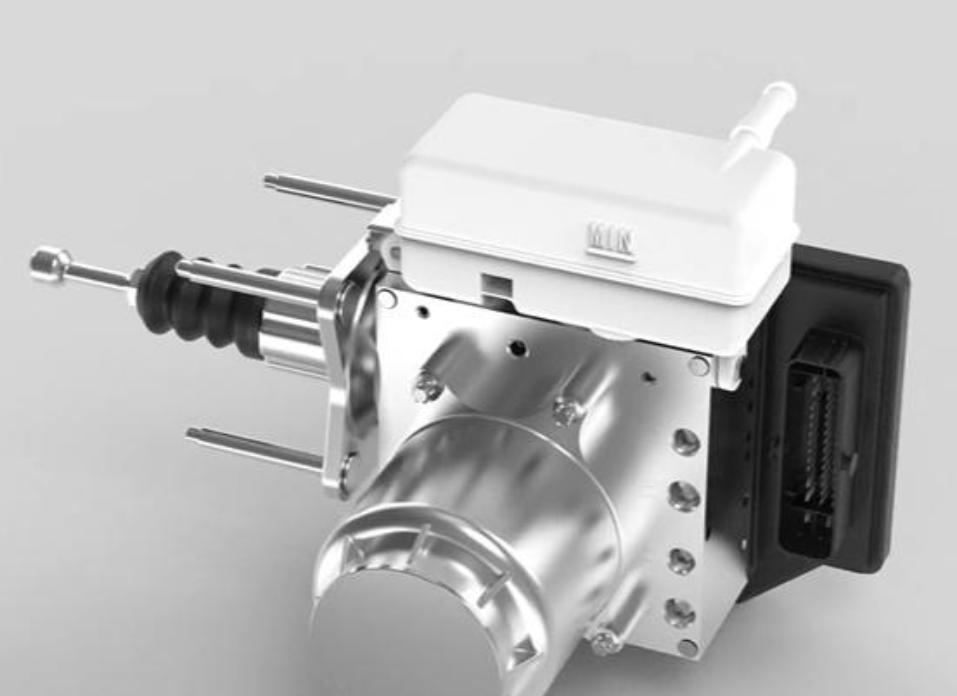
All in all, the cost of EMB may be 30% - 50% higher than that of EHB. And it's hard for most consumers to bear such high costs. Fortunately, there are already cost - reduction paths.
Next, if companies can reduce the number of components through integrated design at the technical level, the hardware cost can be significantly reduced. At the industrial level, vehicle manufacturers and suppliers can further reduce costs through large - scale production, including local procurement. Once the scale effect is formed, cost reduction is just around the corner.
Can it be commercialized?
The advantages of EMB technology are obvious, but in recent years, we haven't seen many car companies implementing it. Even for the NIO ET9 with a full - by - wire chassis and the Cybertruck with full - wheel steer - by - wire, they still use the EHB solution. The core reasons are mainly the cost and safety concerns of EMB.
On the one hand, the safety of EMB technology is only theoretical. There were no standard requirements before, and car companies had different ideas. It's actually hard to say whether applying it to vehicles can really improve safety.

On the other hand, as mentioned above, cost is a must - consider issue if this solution is to be truly safe. When this technology is not widely applied, large - scale production is out of the question. So, high cost is a very big hurdle.
So, the question is, can EMB be commercially launched in the future?
Currently, the possibility of EMB being commercially launched is very high. The new national standard GB 21670 - 2025 has formulated strict technical specifications for EMB, and it will be implemented next year. This is already a very powerful "push".
In addition, since this year, the slogan of "quality competition" in the industry has been very strong. Safety will be a key factor in future product competitiveness. Under the technological competition, EMB technology will probably be rapidly promoted.
Moreover, EMB can achieve millisecond - level linkage with the autonomous driving system, supporting the precise implementation of functions such as automatic emergency braking and lane - keeping assist. It is a key prerequisite for the commercialization of L4 - level autonomous driving. Now is a period of fierce competition for intelligent driving systems, and EMB has a good growth environment.
However, the popularization of EMB may still take some time. Judging from the market penetration path, EMB is likely to be first applied in new energy vehicles and high - end models. After all, the requirements of new energy vehicles for lightweight and low - energy consumption are highly consistent with EMB technology, and high - end models also need these new technologies to enhance product competitiveness.
Of course, with the continuous increase in the penetration rate of new energy vehicles, this technology will eventually become popular. Its precise braking ability may also be widely used in commercial vehicles.
Conclusion
From hydraulic braking to EMB electro - mechanical braking, this is a technological revolution related to safety. Its significance is not only an upgrade of the braking method but also means that automobiles have begun to transform from "mechanical products" to "intelligent terminals". Of course, the popularization of new technologies is not an overnight thing. To truly benefit users comprehensively, vehicle manufacturers, suppliers, research institutions, and regulatory authorities need to work together. Judging from its technological advantages, if the cost is further reduced and the reliability is improved in the future, this technological solution will be an important line of defense for automotive safety. Generally speaking, a braking revolution regulated by the new national standard is worth looking forward to.
This article is from the WeChat public account "Tech Fox" (ID: kejihutv), author: Lao Hu, published by 36Kr with authorization.