The decline of curved-screen mobile phones is not entirely a technical issue.
With the recent launch of Huawei's Mate 80 series of new phones, all major mobile phone manufacturers have introduced their "annual flagships" this year.
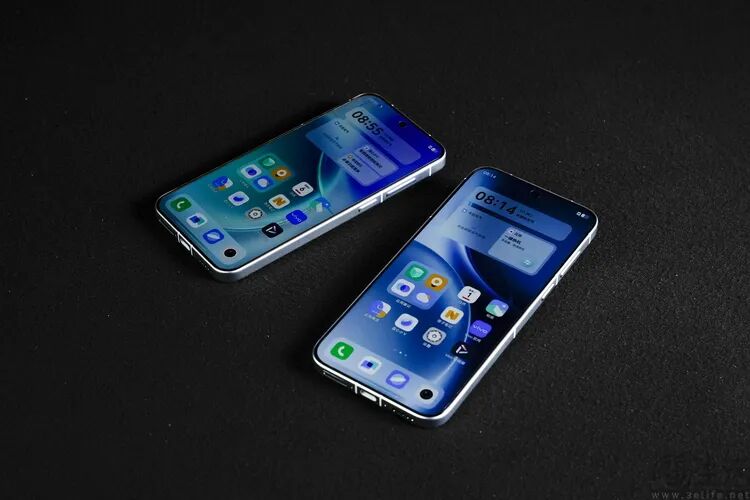
Looking at these models, it's not hard to find that they all have a prominent common feature, that is, almost all the new flagship phones in this batch have chosen the "flat - screen" solution.
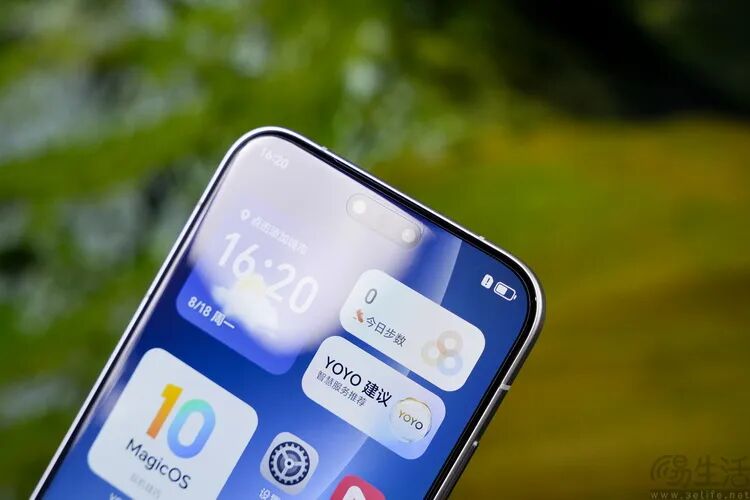
In fact, even the Honor Magic 8 Pro, which still uses a "curved screen", actually only has a very small "curved" area at the screen edge. The whole screen is still visually and tactilely similar to a flat screen.
However, in the second - hand market today, those once "waterfall - screen" models generally still have a relatively high residual value. This seems to indicate that there are still some consumers who are chasing the "curved - screen" design.
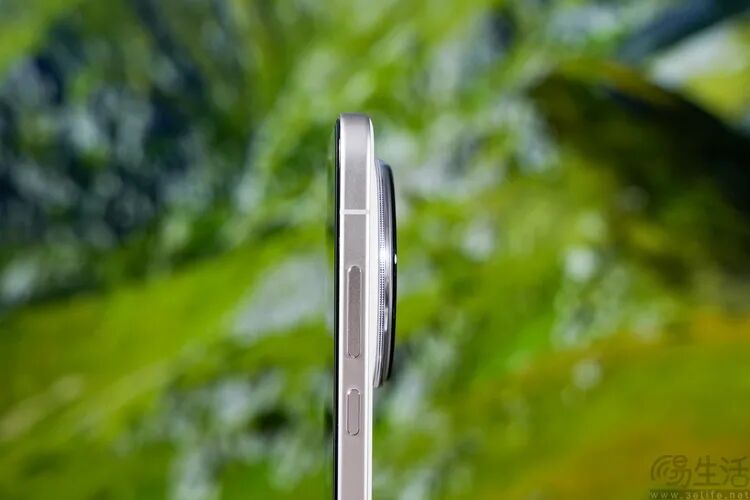
Since this is the case, why do mobile phone manufacturers generally not produce curved - screen phones, especially those with a "highly curved" screen, nowadays? Today, we'll discuss this issue in an easy - to - understand way.
The emergence of the curved screen is actually a bit "forced"
First of all, you need to know that the concept of the "curved screen" originated not from mobile phones, but from the TV and movie industries. When the screen of a display device becomes large enough, there will be a significant difference in the distance between the center and the edge of the screen relative to the viewer. For the human eye, this may cause an illusion of "image distortion". Making the screen concave can reduce this distance difference and make the picture look more immersive. This is the earliest logic behind the birth of the "curved screen".
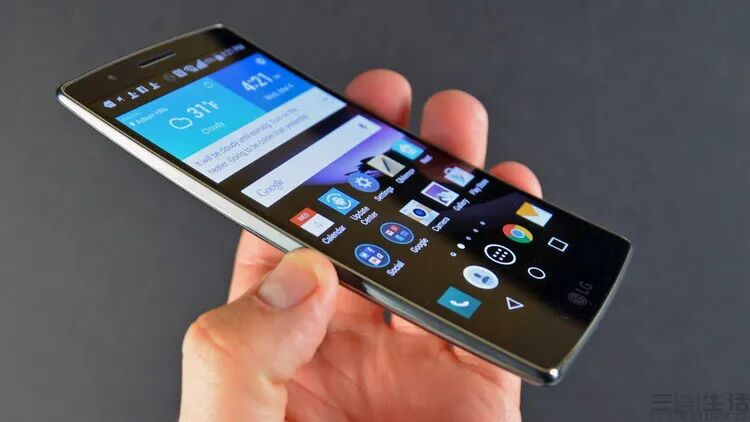
Obviously, the basis for this theory to hold is that "the screen should be large". However, for the small screens of mobile phones, such a premise clearly does not exist. This is why when LG and Samsung launched their earliest concave - screen "curved - screen mobile phones", both models failed in the market without exception.
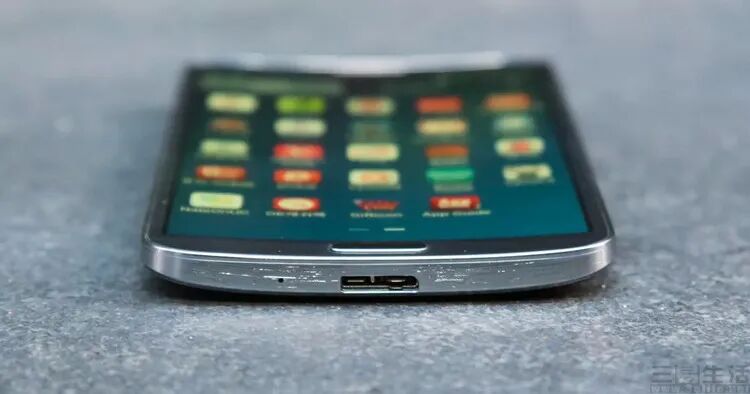
But in this process, some manufacturers realized that although the earliest curved screens were not suitable for mobile phones, they were indeed eye - catching. And most importantly, only flexible OLED panels can be used to make curved screens. In other words, curved screens are "naturally" suitable for screen manufacturers to promote their (at that time) latest and most expensive flexible OLED technology. So this may be the reason why Samsung and LG, which both make mobile phones and screens, vigorously promoted "curved - screen mobile phones" from the beginning.
However, for the mobile phone industry at that time, the emergence of the "curved screen" was objectively too eye - catching. Coupled with the fact that mobile phone manufacturers knew that curved OLED panels were expensive, they would only use them in various "top - of - the - line flagships". This naturally gave the curved screen a kind of "status value" and made it a reason for product premium.
The structural advantages of the curved screen are no longer important today
However, by the end of 2019, the curved screen found some new "values of existence" in the smartphone industry.
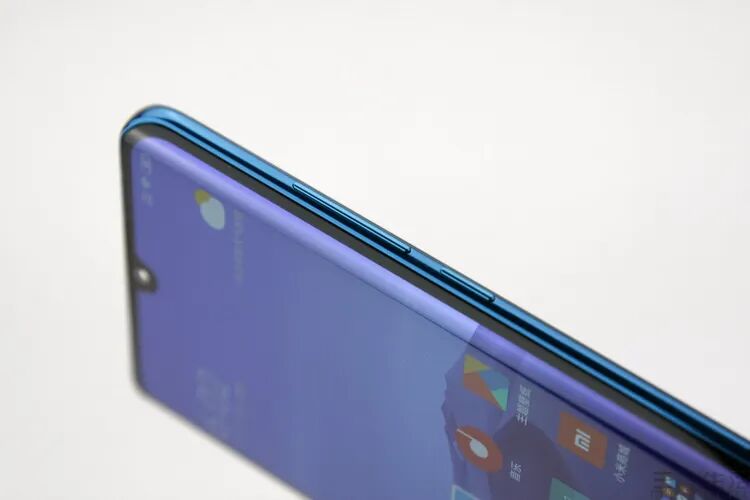
For example, you may remember that at the launch event of Xiaomi's first imaging flagship model, the CC9 Pro, Lei Jun admitted that without the curved - screen technology, it would have been almost impossible to fit a 1 - inch sensor and five cameras into a mobile phone while maintaining a good feel and aesthetic.
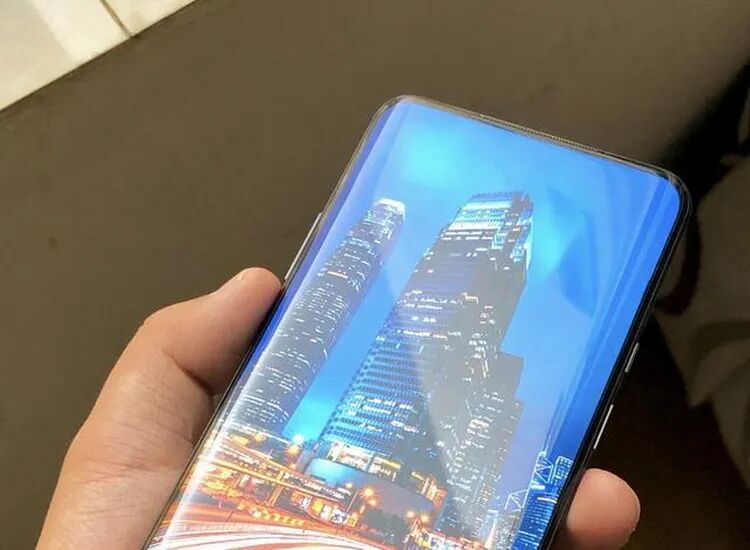
Almost at the same time, as the first batch of 5G mobile phones were launched into the market, it was also obvious that the curved screen played a crucial role in optimizing the feel and making the phone body look less thick in these models.
However, when talking about the significance of the curved screen for "imaging flagships" and "5G mobile phones", many friends may have already begun to realize something is wrong. Yes, now that imaging flagships use larger sensors and more complex lenses, why don't they need curved screens anymore? Is it because consumers can generally accept a thicker phone body design?
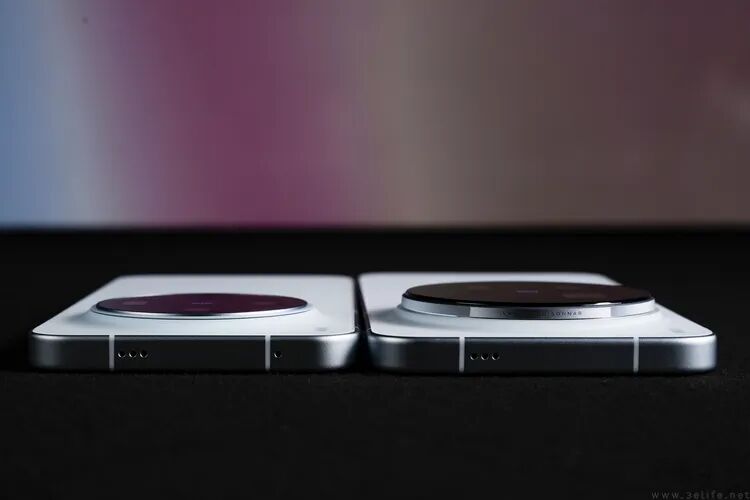
Of course not. The real key is that the imaging flagships in 2019 and 2020 did not have a large rear - camera bump. So they actually "buried" the thickness of the camera inside the phone body.
But for current models of this kind, the protruding rear - camera Deco, more energy - efficient chips, and batteries with much higher energy density all mean that the "main" part of the phone body can easily be made ultra - thin. As for the larger and thicker rear - camera part? At least they really don't need a curved screen to improve the feel.
The rise of pragmatism and the "fall from grace" of the curved screen
Moreover, since OLED screens have objectively become popular in the mobile phone industry, the early selling point of "using a curved screen to make people immediately recognize it as an OLED screen" has actually lost its meaning. Instead, the current competition direction of mobile phone screens is obviously more inclined to "pragmatism". The focus of the competition is no longer on how thin the screen is or how many times it can be bent, but more on aspects such as whether the color is accurate, whether the brightness is high enough, and whether it is power - saving in use.
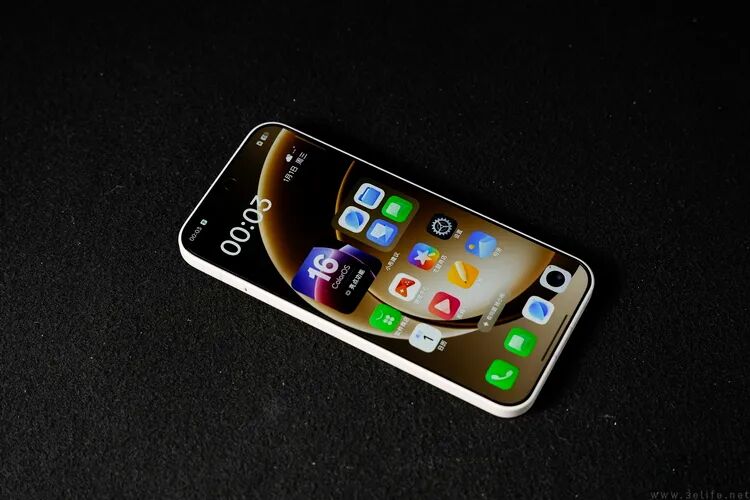
Obviously, the relevant technologies in the mobile phone industry are still advancing, but the way most consumers view products has changed compared with the past.
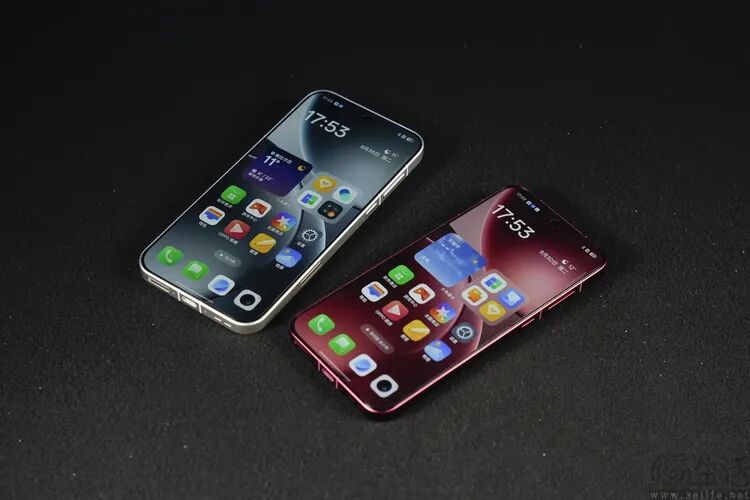
On the one hand, the emotional - value narrative of "high - end models" is rapidly dissipating. Young consumers now generally dislike the so - called "prestigious design", which makes the curved screen, which was long associated with the image of "top - level flagships" in the past, now seem "politically incorrect".
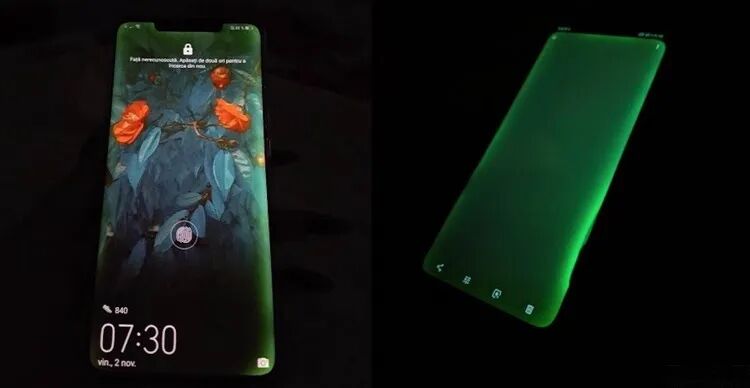
On the other hand, when the "high - end story" of the curved screen is no longer accepted, its various drawbacks have begun to be increasingly criticized and even deliberately satirized. For example, the problem of accidental touches at the curved - screen edge, the color - cast phenomenon at the curved - screen edge, and the fact that curved screens are more likely to break than flat screens and often have higher repair costs.
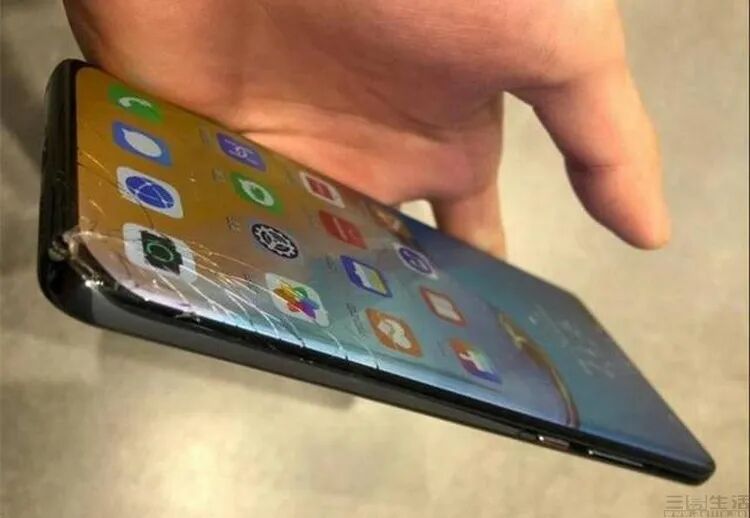
These criticisms have actually further shattered the "authority" of the curved screen in the minds of consumers, making it finally receive a completely opposite reputation from the initial one. It has become a "clown" that most consumers and manufacturers avoid, and only a few people still insist on loving it.
This article is from the WeChat public account "Three - Easy Life" (ID: IT - 3eLife). Author: San Yi Jun. Republished by 36Kr with permission.