Those inhumane tram innovations. Is it really that hard to build a normal car?
It's well - known that the current automotive products are highly competitive, with an endless stream of new features. Some automakers create innovative features to meet more personalized needs. However, these features can easily be labeled as anti - human designs.
Examples include hidden door handles, a variety of in - door switches, oddly - shaped steering wheels, screen - based gear shifting, single - pedal driving, and cars that can "dance" - the list goes on. Especially in the fierce competition, some automakers fall into the trap of piling up configurations and comparing parameters just for the sake of competition.
For consumers, what used to be just gimmicks like "refrigerators, TVs, and big sofas" in cars have increasingly become real necessities. But they also care more about "Can I really use this configuration? Is it really worth the money?"
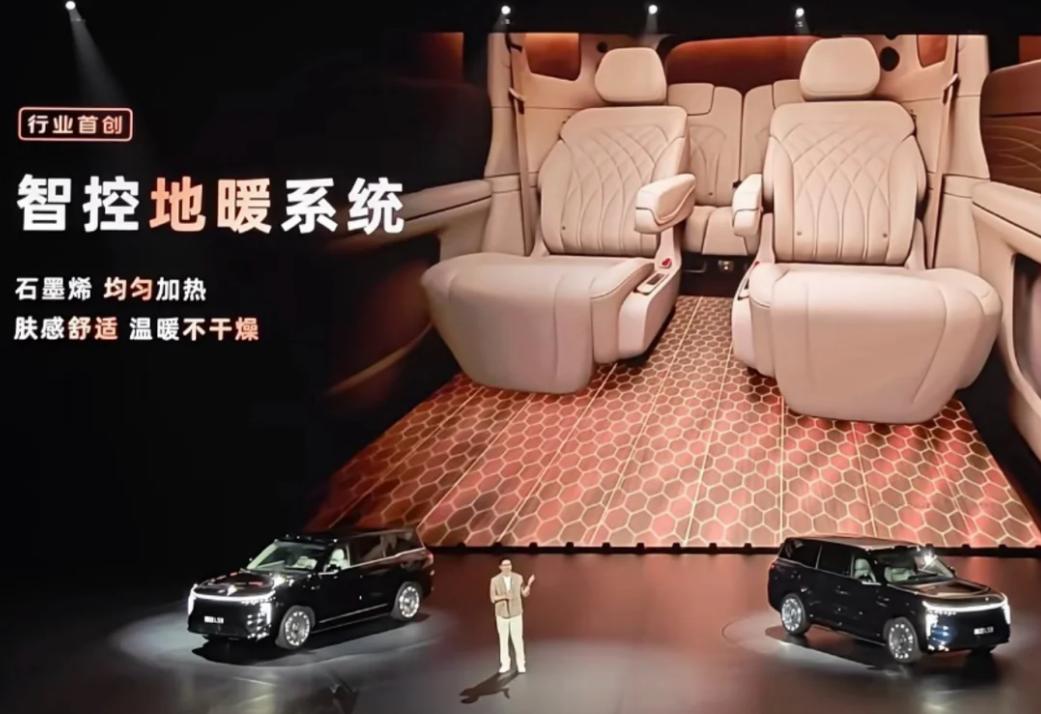
Automotive product managers and R & D departments of automakers are more troubled by the current market. With such a large Chinese market and diverse demands, what exactly are the real needs of consumers? Should they follow the example of Jishi and put a kitchen and a toilet in the car? Or should they be more like IM LS9, which is more like a home decoration, with floor heating and a shower installed in the car?
Especially when the competition becomes more intense and the homogenization is more obvious, where exactly are the logic and opportunities for automakers to stand out in their products? This is not only a problem for each automaker but also a difficult issue for the development and direction of the entire automotive industry.
The ultimate goal of product innovation may have nothing to do with the number of configurations, nor is it about continuously competing in computing power, piling up configurations, making the cars bigger, and putting more household items in the car. The most crucial thing should be the accurate insight and continuous response to user needs. Only by rooting in real needs, returning to the essence of life, and considering the full - cycle value can a real brand moat be built in the stock competition.
Taobao and car modification are the "folk inspiration libraries" for innovation
Friends who often browse automotive forums may notice that whenever someone is about to pick up a new car or has just picked one up, they always go to Taobao stores to search for in - car accessories to meet some post - pickup needs. For commercial vehicles, the first thing after picking up the car is to go to a modification shop to customize some configurations and functions.
Obviously, the aftermarket and the car modification track hold the keys to the most real user needs. Products that consumers are willing to pay for voluntarily and repurchase repeatedly, as well as popular projects in commercial vehicle modification shops, all hide the trends in automotive configurations and functions. The transformation from the aftermarket to the pre - installation is the most reliable and efficient path for automotive product innovation. The popularization of numerous classic configurations has confirmed this.
For example, the popularization of dash cams is a typical case. Once upon a time, "installing a dash cam immediately after buying a car" was the consensus of the majority of car owners. To handle the determination of traffic accident liability, this accessory was almost a "necessity".
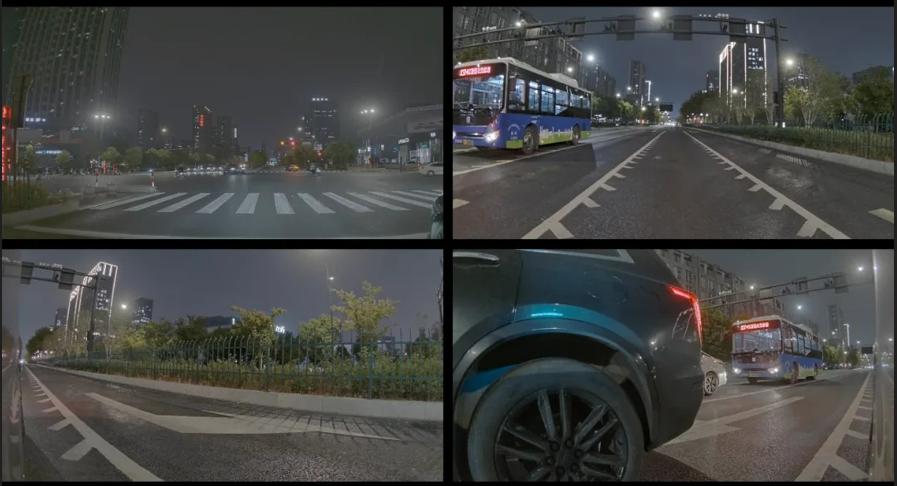
The booming aftermarket made automakers realize its importance. Now, factory - installed dash cams have become standard equipment in most car models. They are more aesthetically installed and can be deeply integrated with the vehicle system, solving the problems of messy wiring and poor compatibility of aftermarket products.
For example, the small - sized screens in early joint - venture cars could not meet user needs. Many car owners paid to install large screens, navigation, and music systems. This trend directly led new energy vehicles to list large central control screens as standard equipment, and even gave rise to innovative forms such as multi - connected screens, rotating screens, and large - screen TVs. Intelligent in - car systems and high - end audio systems are increasingly becoming pre - installed configurations.
The modification trend of commercial vehicles also provides rich references for pre - installation R & D, especially in mid - to high - end models. In the past, users who bought commercial vehicles often spent a lot of money on aftermarket upgrades, mainly focusing on three major areas: seats, floors, and lighting.
Automakers have adopted the trend of floor modification. For example, the IM LS9 is equipped with a graphene hard floor, which has a high - end texture and is wear - resistant and easy to clean compared with conventional flocked floors. Many commercial vehicles have their in - car lighting systems modified to solve the problem of dim interior lights in factory - original cars, but this aspect has not been fully explored by automakers yet.
The "must - buy list for car purchases" on the Taobao platform is an accurate indicator of user needs. Small items such as under - seat storage boxes, door - panel umbrella slots, flat - shoe racks, and trunk partition boards have always been at the top of the sales list. These seemingly insignificant products precisely solve the core pain points of users. Whether these functions are considered during development or realized through the expansion of accessory items, they are responses to user pain points.
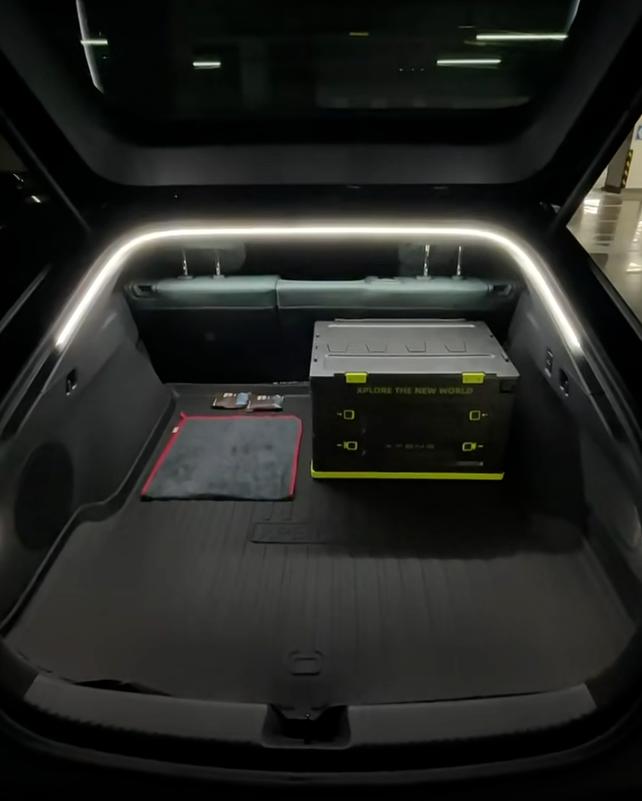
When traveling as a family, items in the trunk are often messy and prone to collision. Removable partition boards can keep camping equipment, children's toys, and daily necessities in order. These small configurations that have been verified by the market can significantly improve user satisfaction without significantly increasing R & D costs and have great potential for pre - installation.
The popularization of new energy vehicles has made the parking and leisure scenario a new growth point of demand. People take naps in the car during weekend camping, handle work in the parking lot at night, or watch movies in the car with their children. These scenarios put forward new requirements for the comfort and functionality of vehicles.
Traditional fuel - powered vehicles are limited by power supply, and their interior lighting is mostly dim small LED lights. Cars with dark - colored interiors are even more depressing. The sufficient power of new energy vehicles has broken this limitation.
Can automakers upgrade the in - car lighting system, using a combination of multi - zone ambient lights and high - brightness main lighting? This can provide sufficient light for parking and working while creating a warm atmosphere during leisure. Can the lighting in the trunk also be upgraded? Bright lights can avoid the embarrassment of "searching in the dark" when taking out or putting in luggage on the roadside at night or organizing items in the basement. This improvement in experience is revolutionary.
Engineers without real - life experience can't build cars that understand life
As new energy vehicles increasingly become "mobile living spaces", whether automotive products and configurations are useful or not needs to be verified in real - life scenarios.
In fact, the current intense competition among some automakers has stifled the creativity of product managers and engineers. R & D teams are buried in KPI assessments and stay in R & D centers all year round, lacking diverse and real - life car - using experiences. The configurations they design are either out of touch with life or just simple parameter piling.
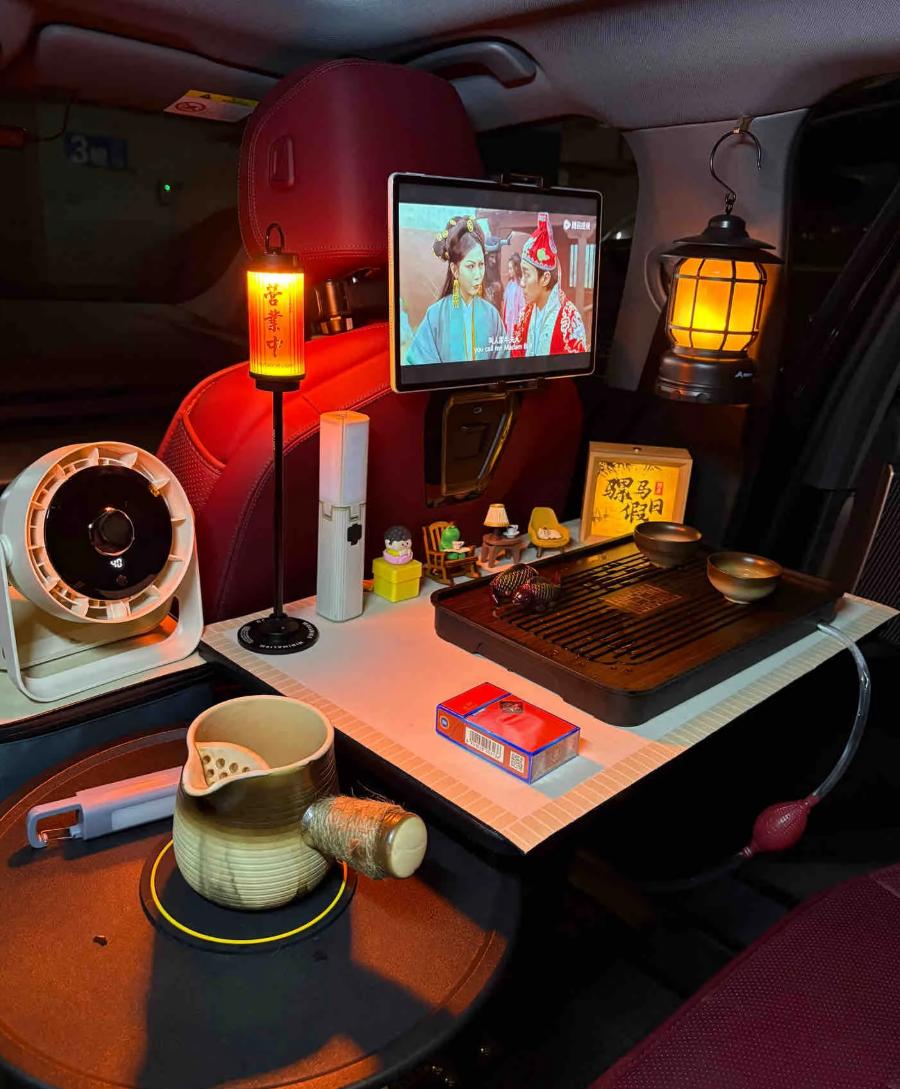
To build cars that understand users, the creators must first "have real - life experience". They should be able to identify hidden pain points from scenarios such as daily commuting, family trips, and outdoor camping. For example, in the daily commuting scenario, "mobile office" has become the norm for many office workers. It's hard to understand why many automakers still only offer in - car small tables in high - end or more expensive models.
Previously, the author communicated with many car owners and found that in - car small tables have become a necessity for new energy vehicles with more parking - use scenarios. This seemingly niche demand actually covers a large number of business people, freelancers, and other groups.
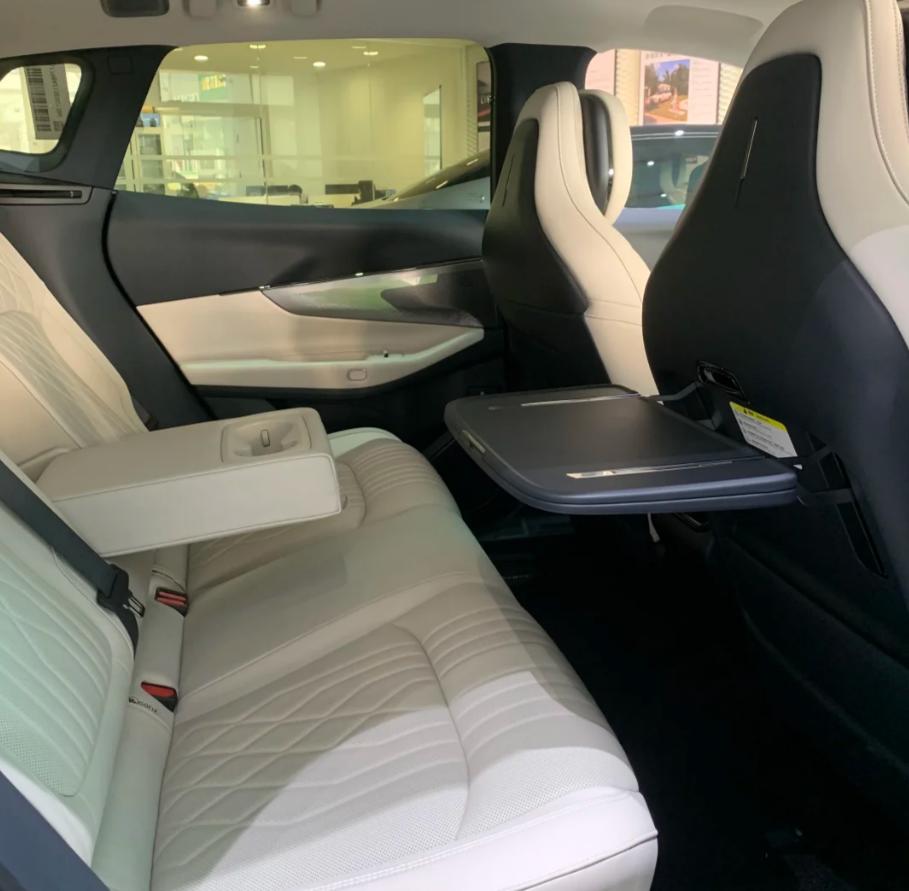
The rear - seat small table may not be a frequently used configuration, but when users need it, it can instantly improve the car - using experience. You can put a takeaway on it without worrying about spills, set up a laptop to handle work efficiently, or even build a temporary study desk for children. The author believes that whoever can make this "scenario - based necessity" a standard configuration across the board will gain more user recognition.
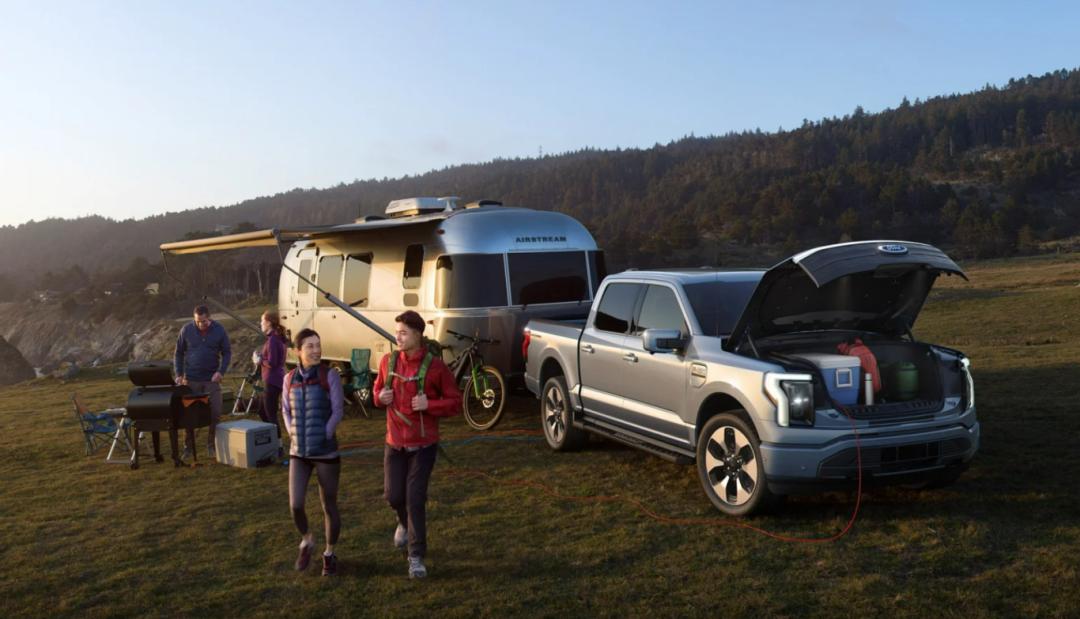
Solving the pain points of family trips and storage can better reflect the "warmth of life" in products. Currently, many automakers have been well - received by consumers in this regard. For example, the very popular frunks in electric vehicles not only expand the storage space but also make it more convenient to place and retrieve items. Models like the LeDao L90 and NIO ES8 with larger frunks have indeed become very attractive selling points.
Storage inside the car is sometimes even more important than the frunk. For example, the Galaxy E5, Xingyuan, and Zhijie R7 have drawer - type storage boxes under the second - row seats, making the most of the space. Items such as blankets, slippers, and tissues can be neatly stored. They don't take up seating space and can be easily accessed when needed.
The design of the center console armrest box in the Xiaomi YU7 is a clever idea. The large open - style storage space below can hold a lady's backpack and a pair of high - heeled or flat shoes. It can also be paired with a detachable storage rack for partitioned storage. These designs are popular because they precisely address users' storage anxiety.
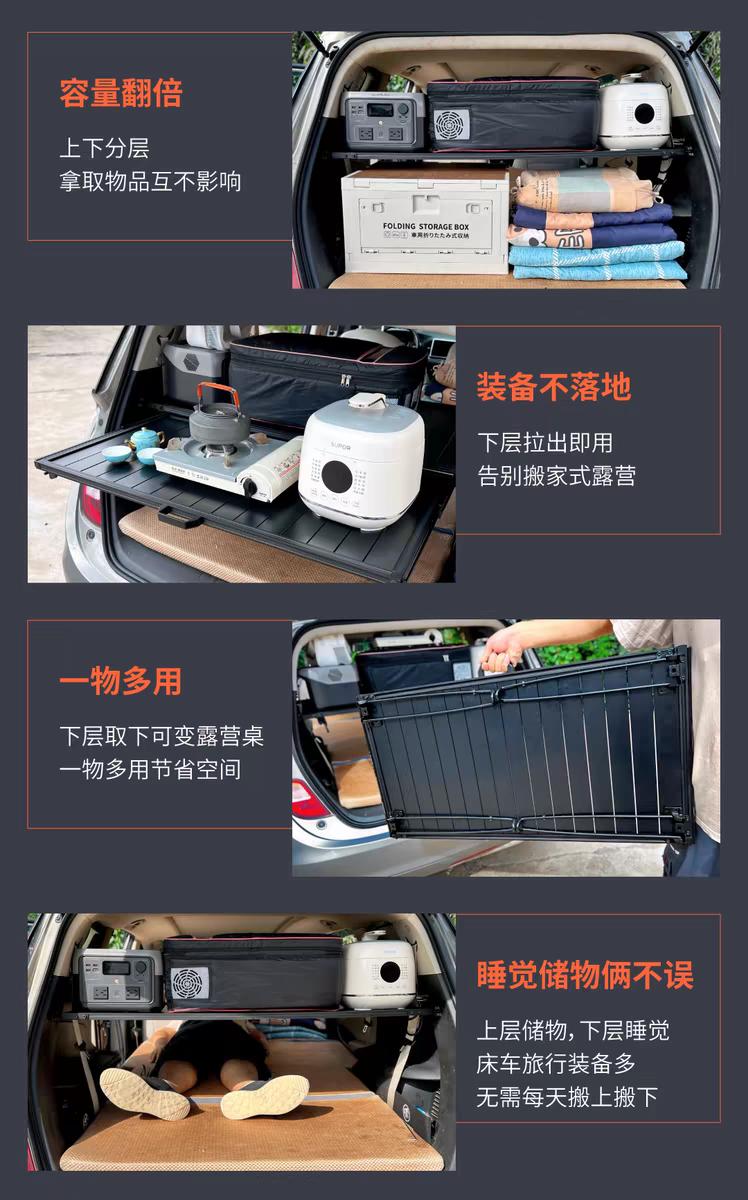
In the outdoor travel scenario, the modular design of the trunk is the key to improving practicality. In the past, the trunk space of many cars was occupied by spare tires, exhaust systems, and 12 - volt power supplies. Now, with the improvement of integration and modularization capabilities and the reduction of electric vehicle accessories, the sunken space in the trunk can be fully utilized.
With the addition of partition boards and movable storage boxes, items can be placed more orderly. The trunk can even refer to the storage system of home cabinets to meet the storage needs of different users. This "customizable combination" design turns the trunk from a simple "storage bin" into a flexible "storage system", perfectly adapting to diverse travel needs such as family camping and outdoor exploration.
Who will save the old car owners?
In the market with an endless stream of new cars, most automakers focus their main energy on attracting new users. Updating and replacing models every one or two years directly makes old car owners feel like they've been taken advantage of.
A car is not a fast - moving consumer good. The car - using cycle of users often lasts 5 - 10 years. During this period, life scenarios and car - using needs will change continuously, and the expectations for vehicle configurations will also evolve. Providing good upgrade services for old car owners can not only fulfill the full - cycle value of the product but also activate word - of - mouth dissemination and become the core competitiveness of the brand.
Actually, the "upgrade anxiety" of old car owners in many automakers is widespread. Complaints like "I bought the car less than a year ago, and the new model already has a rear - seat small table, a more intelligent cockpit, and intelligent driving. I can only watch enviously" and "I didn't have an in - car refrigerator when I bought the car. Now I want to install one, but there is no factory - original solution. I can only choose third - party accessories, and the compatibility is poor" reveal the common shortcomings in the industry.
The root of this problem lies, on the one hand, in the automakers' mindset of "emphasizing new cars and neglecting old cars", thinking that the value of old car owners has been fully realized, which is a very short - sighted view. On the other hand, the early product designs lacked modular thinking, resulting in high difficulty and cost in aftermarket upgrades.
The practices of leading brands have proven that upgrade services for old car owners are completely feasible and can achieve a win - win situation for users and the brand. For example, several years ago, Lynk & Co launched a service to upgrade the in - car chip for users of old models, allowing old car owners to enjoy the benefits of technological progress. Even now, Lynk & Co's Flyme Auto system is still benefiting users of cars bought five years ago.
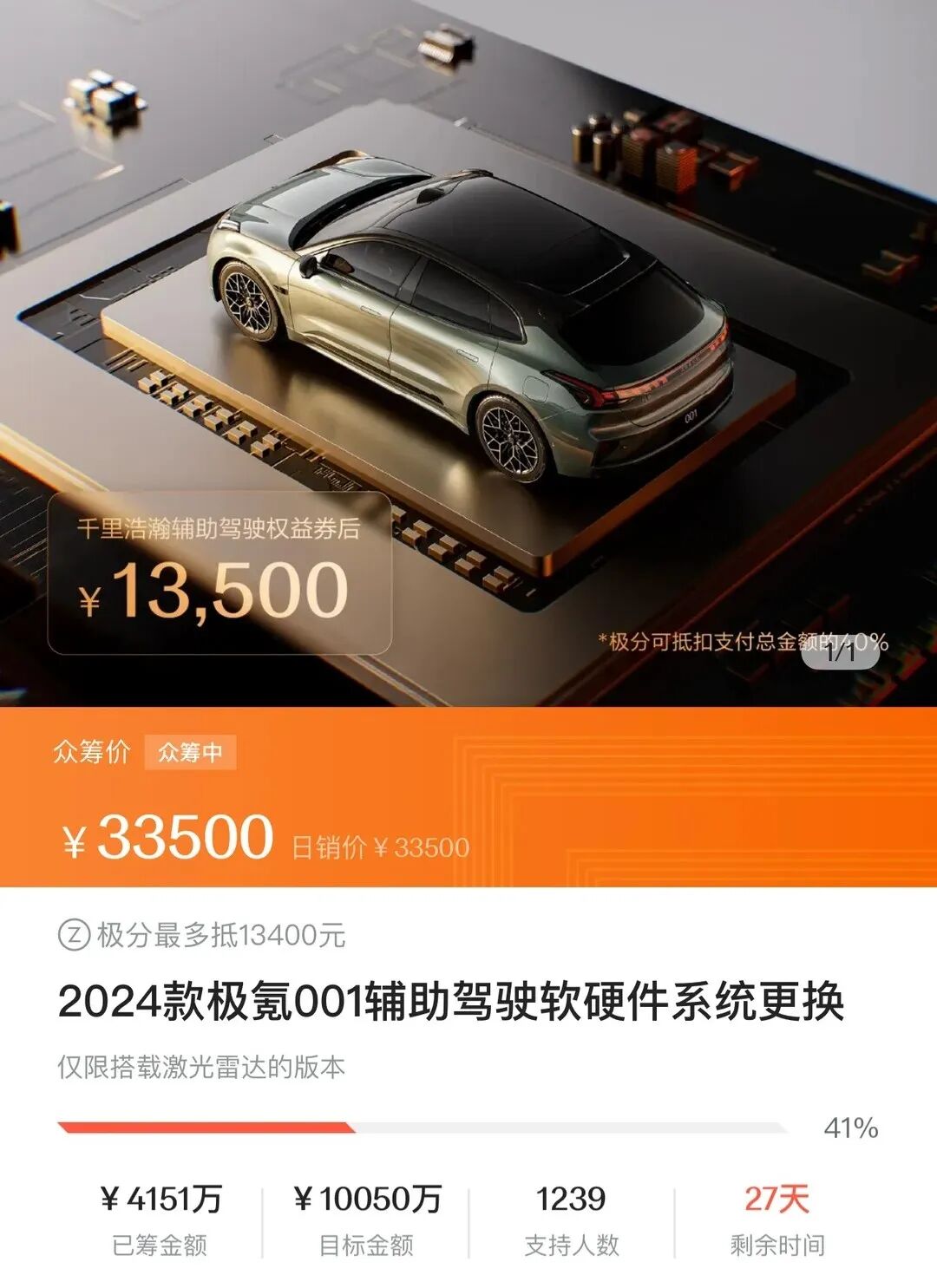
Not long ago, ZEEKR also launched a crowdfunding plan for the "Thousand - mile Haohan H7 intelligent driving upgrade", allowing users of old models to upgrade to high - level assisted driving functions through aftermarket installation. They can get the latest intelligent driving experience without changing their cars.
The key to the implementation of these upgrade plans is that the products adopt a modular design. The hardware interfaces and circuit systems of the vehicles reserve upgrade space during the R & D stage, and the software system also supports subsequent OTA updates, laying the foundation for aftermarket upgrades. This design concept of "reserving upgrade space" can not only reduce the technical threshold for subsequent upgrades but also keep the vehicles competitive in long - term use.
For users, upgrading old cars can continuously realize the remaining value of the product and relieve the anxiety of "becoming outdated as soon as you buy". As an old owner of a Lynk & Co 08 said, "If the manufacturer can launch an official aftermarket kit for the small table, I will definitely buy it. It can meet my daily mobile office needs, and I don't have to change the car just for one configuration. It's very cost - effective."
For the brand, the satisfaction of old car owners is the key to word - of - mouth dissemination. Data shows that the referral conversion rate of old car owners is 3 - 5 times that of new customers. Continuous upgrade services can significantly improve user loyalty. At the same time, the sales of official aftermarket accessories can also bring additional revenue to the brand, building a two - way revenue closed - loop of "pre - installation sales + aftermarket services".
The ultimate goal of competition is the return to the value of "understanding users"
The intense competition in the Chinese automotive market will ultimately shift from quantity competition to quality competition and from piling up configurations to accurately meeting user needs.
When the competition reaches a certain stage, consumers will also shift from impulsive car - buying to rational choices. Configurations that are out of touch with life and lack market verification will eventually be eliminated. Only