The mobile phone market ushers in the final battle in December: The high-end market competes on differentiation, while the mid-range market competes on configuration.
December is approaching, and 2025 is also drawing to a close. Looking back at this year's mobile phone market, there have been frequent dark horses. Almost every (still - alive) manufacturer has delivered a good report card.
In the last month, mobile phone manufacturers are still going all out, vowing to draw a perfect ending for themselves in 2025. This year - end "ultimate showdown" not only concerns the manufacturers' annual performance but also allows us to glimpse the new development trend of the industry in 2026.
Annual flagships are released earlier again. Is a fierce battle coming to the mobile phone market?
1. Xiaomi 17 Ultra: Xiaomi's annual flagship, leading the imaging trend?
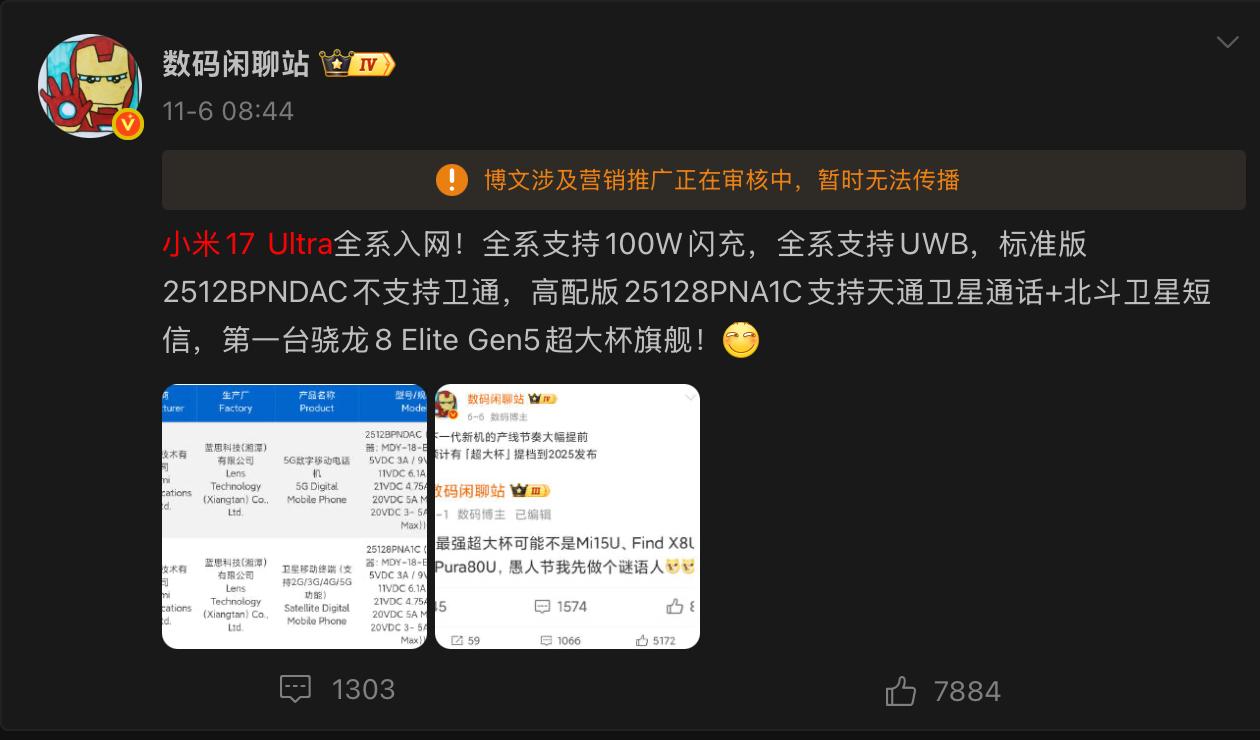
Perhaps sensing the fierce competition in the mobile phone market in 2026 in advance, the release date of Xiaomi's digital Ultra series has been advanced again. Recently, the digital blogger @Digital Chat Station has confirmed that all models of the Xiaomi 17 Ultra have been registered for network access. It supports 100W fast charging, and all models support UWB. The standard - version 2512BPNDAC does not support satellite communication, while the high - end version 25128PNA1C supports Tiantong satellite calls + Beidou satellite messages. This is also the first super - large - cup flagship phone this year to be equipped with the fifth - generation Snapdragon 8 Extreme Edition processor.
(Image source: @Digital Chat Station)
Of course, what everyone is most concerned about is naturally the imaging configuration of the Xiaomi 17 Ultra. First of all, it is equipped with a brand - new 50 - megapixel one - inch super - large - sensor main camera, supporting the more advanced ISZ technology. Simply put, the ISZ technology enables the Xiaomi 17 Ultra to "seamlessly connect" between different focal lengths, and there will be no loss of image quality when zooming from 1x to 5x focal length.
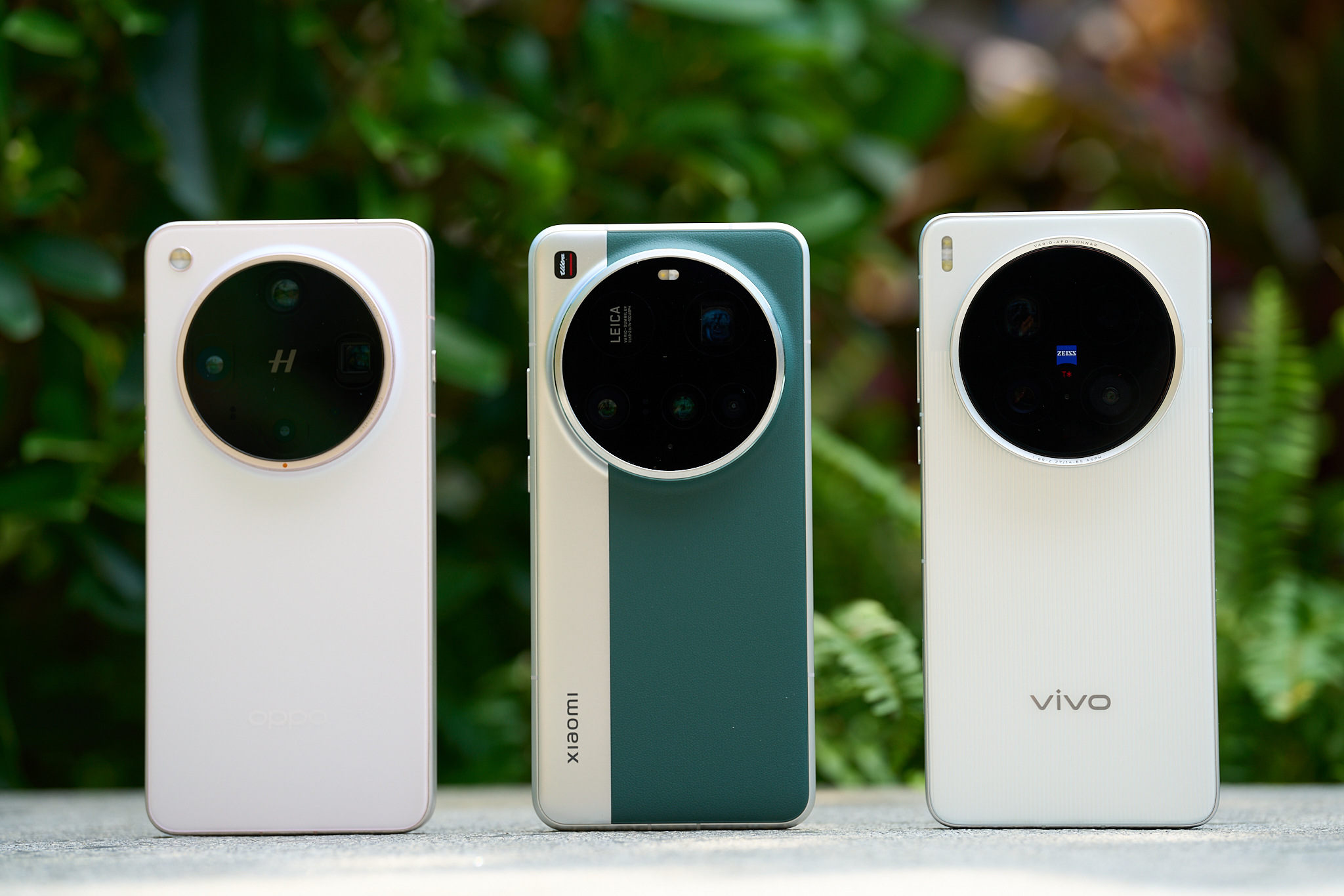
Secondly, it is equipped with a 200 - megapixel periscope telephoto lens. According to the rumors, this sensor should be the same as that of the vivo X300 Pro and OPPO Find X9 Pro, but it supports the latest 4×4 RMSC technology. In essence, it uses denser pixel sampling to enhance the telephoto resolution and can also take macro photos.
In other words, you can not only take pictures of distant objects but also get close to flowers, pets, and watches to capture details. The advantage of this combination is that it truly achieves "high - pixel coverage across all focal lengths", providing a balanced and unified experience from ultra - wide - angle to high - magnification telephoto. Obviously, Xiaomi really wants to bring the "shooting experience" of professional cameras to mobile phone photography this time.
With the new technology - enhanced one - inch main camera + 200 - megapixel periscope telephoto lens and other configurations, it is foreseeable that the biggest challenge for the Xiaomi 17 Ultra is not its imaging performance but how to balance the feel, heat dissipation, and battery life.
As for other configurations, here is a brief mention: The specifications of the screen, processor, speaker, motor, fingerprint sensor, etc. all refer to those of the Xiaomi 17 Pro Max. In terms of appearance, it continues the consistent "round - cake" design of the Ultra series. By the way, it is highly likely that the Xiaomi 17 Ultra will be available in two versions this time. One is the standard version we just mentioned, and the other is the "professional version" with an exclusive physical zoom feature. We'll have to wait until the release to know if it's true.
(Image source: Shot by Lei Technology)
To put it simply, the evolution direction and product positioning of the Xiaomi 17 Ultra are very clear. It has abandoned the previous style of simply piling up specifications, aiming to make flagship imaging not just about who has higher pixels but to truly solve the pain points in the shooting process. If Xiaomi can really coordinate the algorithm, hardware, and heat dissipation well, the imaging experience of this phone may really raise the bar for the Android camp.
2. Samsung Galaxy Z TriFold: Not a follower of the triple - fold screen phones
When it comes to triple - fold screen phones, the first brand that comes to mind is definitely Huawei. As a manufacturer that has launched two generations of triple - fold phones and both have achieved good word - of - mouth and sales, Huawei has almost become synonymous with triple - fold screen phones. However, as a pioneer in the foldable screen field, Samsung is also about to release its first triple - fold screen phone, the Galaxy Z Trifold, and it has been confirmed that it will be officially launched in early December.
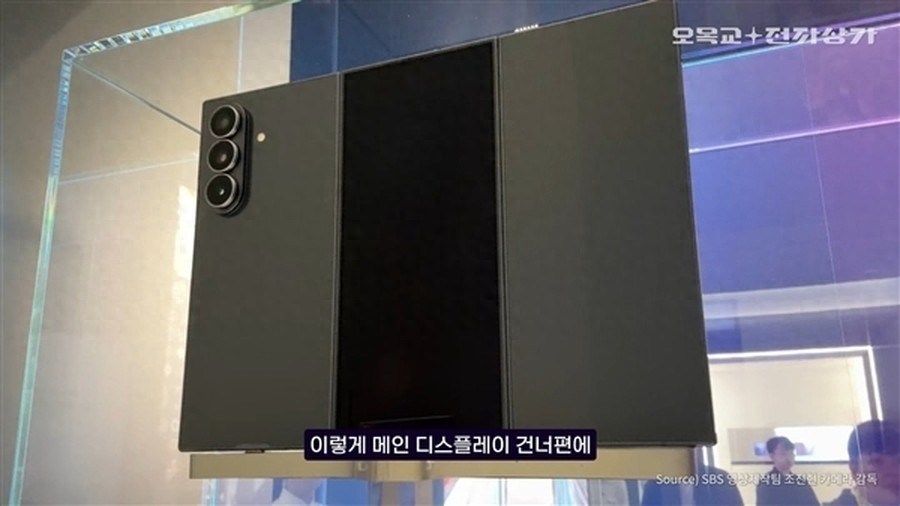
Different from Huawei's triple - fold screen phones, Samsung's folding logic is more conservative. It is equipped with two hinges, one of which has a tighter radius, allowing the inward - folding screens to overlap each other, enabling both side screens to fold inward, forming a "triple - stacked" structure. The advantage of this design is that it is stronger than Huawei's in terms of screen protection and overall reliability, but the drawback is that the thickness and weight of the phone will inevitably increase significantly.
(Image source: Foreign netizens)
Moreover, to solve the energy consumption problem of triple - fold screen phones, the Samsung Galaxy Z TriFold is innovatively equipped with three independent batteries, that is, one battery is installed in each folding area. However, this also poses a greater challenge to the manufacturer's internal stacking design ability.
According to data exposed by foreign media, the external screen of the Samsung Galaxy Z TriFold in the folded state is 6.5 inches, and when fully unfolded, it becomes a 10 - inch "tablet". Coupled with the new CPI + UTG composite cover solution, its hardware foundation truly justifies the positioning of the Samsung Galaxy Z TriFold as a high - end flagship phone.
In terms of the system, Samsung has deeply adapted One UI to this new form, including optimization schemes such as a multi - task triple - screen layout, synchronized connection of content between the cover and the inner screen, and parallel operation of multiple windows; in terms of configuration, the Samsung Galaxy Z TriFold is equipped with the Snapdragon 8 Extreme Edition processor, a 20 - megapixel under - screen camera, and supports the S Pen stylus and the DeX desktop mode.
As for the price, according to supply - chain information, the starting price of the Samsung Galaxy Z TriFold is expected to be between $2,500 and $3,000 (equivalent to RMB 17,696 to 21,235). The initial production volume is expected to be only 50,000 to 100,000 units, still a toy for the wealthy.
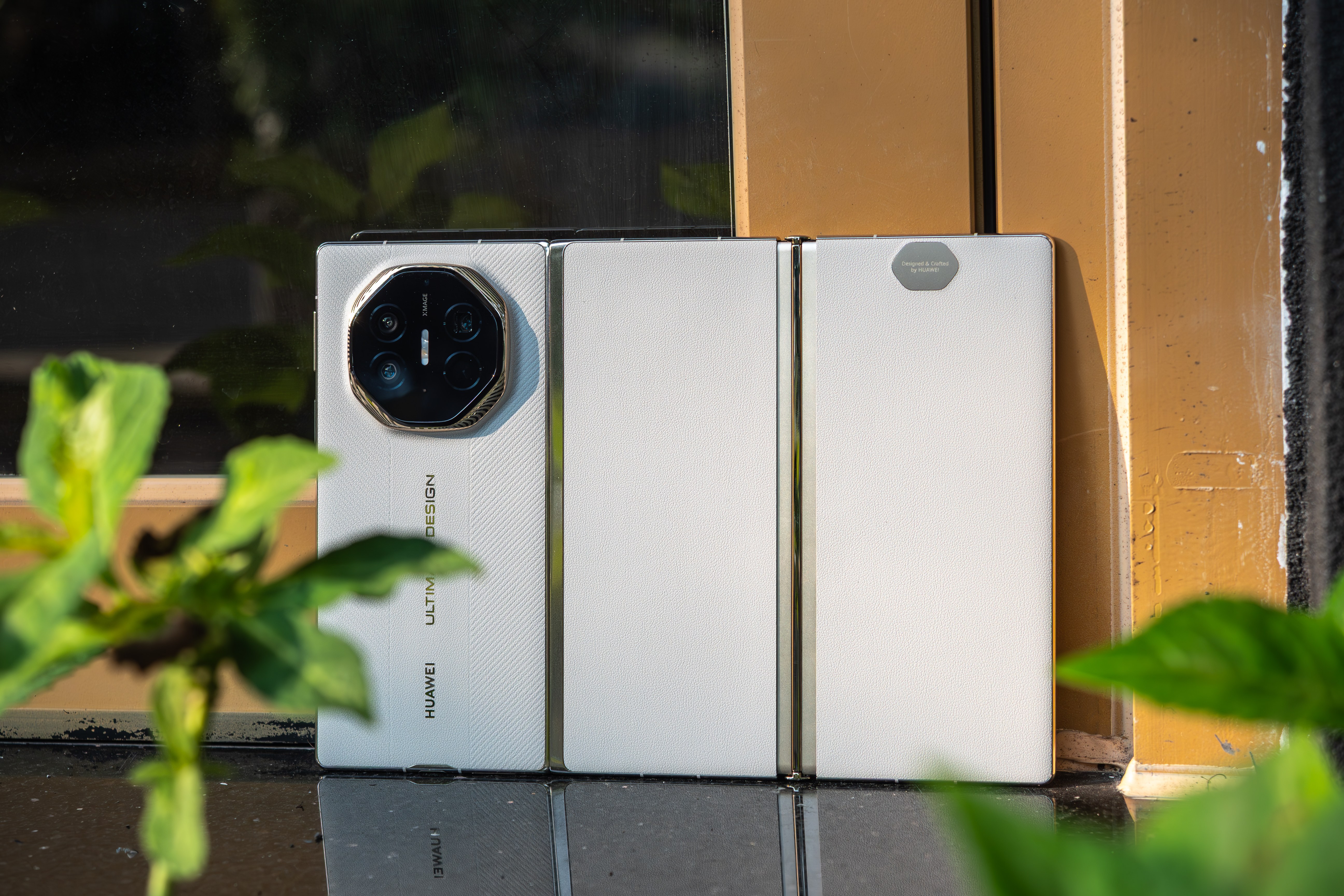
(Image source: Shot by Lei Technology)
Although it can be seen from the initial production volume that Samsung is still a bit cautious about the triple - fold phone market, this also means that the foldable screen phone market has completely entered the "differentiation era". Traditional double - fold screen phones can no longer come up with new tricks, and the triple - fold form may become the new focus of the flagship foldable screen phone market.
The battle in the mid - end market is heating up. Who can take the lead?
Compared with the high - end market, the competition in the mid - end market is much more intense than we imagined. Configurations that were only available on flagship models in the past two years are now gradually being introduced to mid - end models. The mid - end models to be released in December may once again refresh our traditional impression of mid - end phones.
1. vivo S50 series: The new generation of battle angels?
Han Boxiao, the product manager of vivo, once said on Weibo that the vivo S50 series is the "SSS - level battle angel". From this somewhat childish code - name, it's not hard to see that vivo has put a lot of effort into this model.
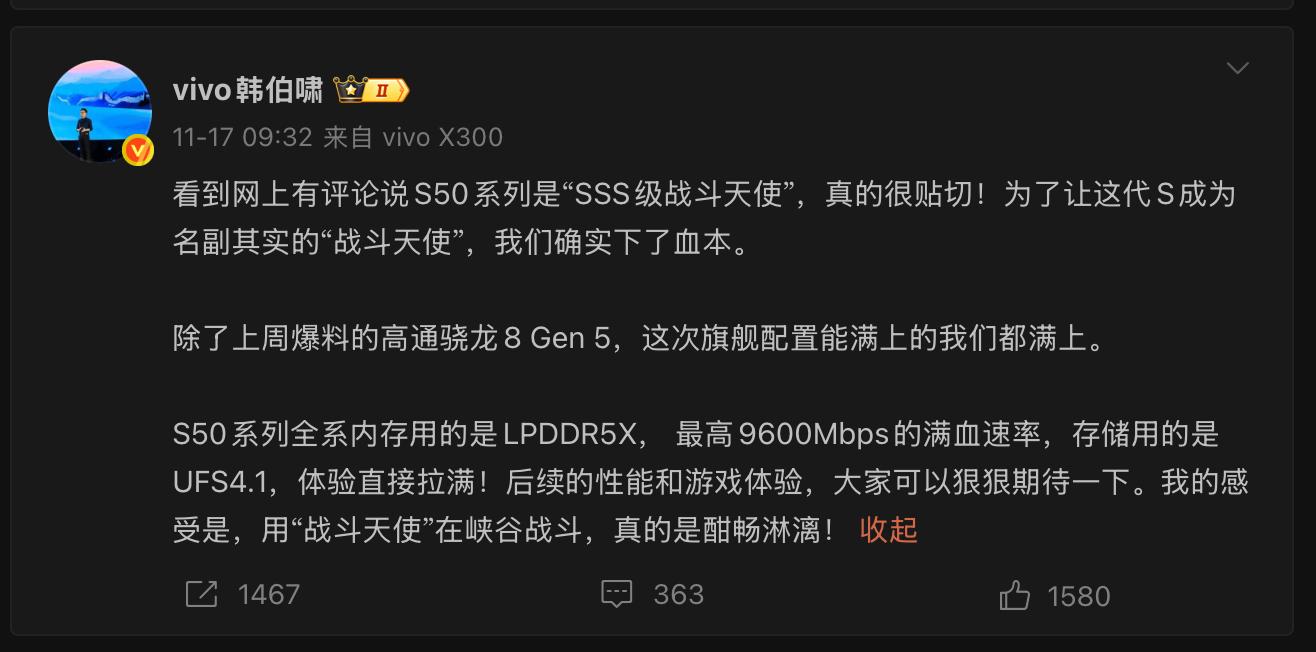
(Image source: @Han Boxiao)
According to the rumors, the S50 series continues the product layout of the S30 series, that is, there are only two versions: the S50 and the S50 Pro mini (the former is the standard version, and the latter is the small - screen Pro version). The whole series will be equipped with the newly released Qualcomm Snapdragon 8 Gen 5 processor, making it the first small - screen phone in the industry to be equipped with the 8G5.
Here is a brief introduction to this processor: It uses TSMC's N3P process, is equipped with the Oryon CPU architecture, including 2 super - large cores at 3.8GHz and 6 large cores at 3.32GHz, and is equipped with the Adreno 840 GPU. Its AnTuTu score is probably over 3.3 million, and its overall performance is comparable to that of the Snapdragon 8 Extreme Edition processor released last year.
In addition, the vivo S50 series also comes standard with 9600Mbps full - speed LPDDR5X memory and UFS4.1 storage across the board, which means it is fully comparable to flagship models.
In addition to the "over - class" performance, the vivo S50 series also comes standard with a periscope telephoto lens and the S series' consistent excellent portrait performance. What's more interesting is that the vivo S50 series will also debut two new features: "highlight slow - motion panning" and "zoom panning". The former can slow down the highlight moments in live photos to highlight the subject, and the latter can connect multiple zoom panning shots into a video to create a special check - in Vlog.

(Image source: vivo official)
Of course, both of these features support fool - proof operation, and users can start taking great photos without any learning.
In terms of other configurations, the vivo S50 series features 1.5K resolution straight screens of 6.59 inches and 6.31 inches respectively, both supporting 4320Hz high - frequency PWM dimming technology, a peak brightness of 5000 nits. In terms of design, it continues the previous simple, lightweight, and dopamine - colored style and supports 90W wired fast - charging technology.
As an aside, the last phone called the "battle angel" was the Xiaomi 9 released in 2019, and its performance was just average. I wonder if the vivo S50 series, the SSS - level battle angel, can break this curse?
2. REDMI vs OnePlus: Who is the real cost - performance king?
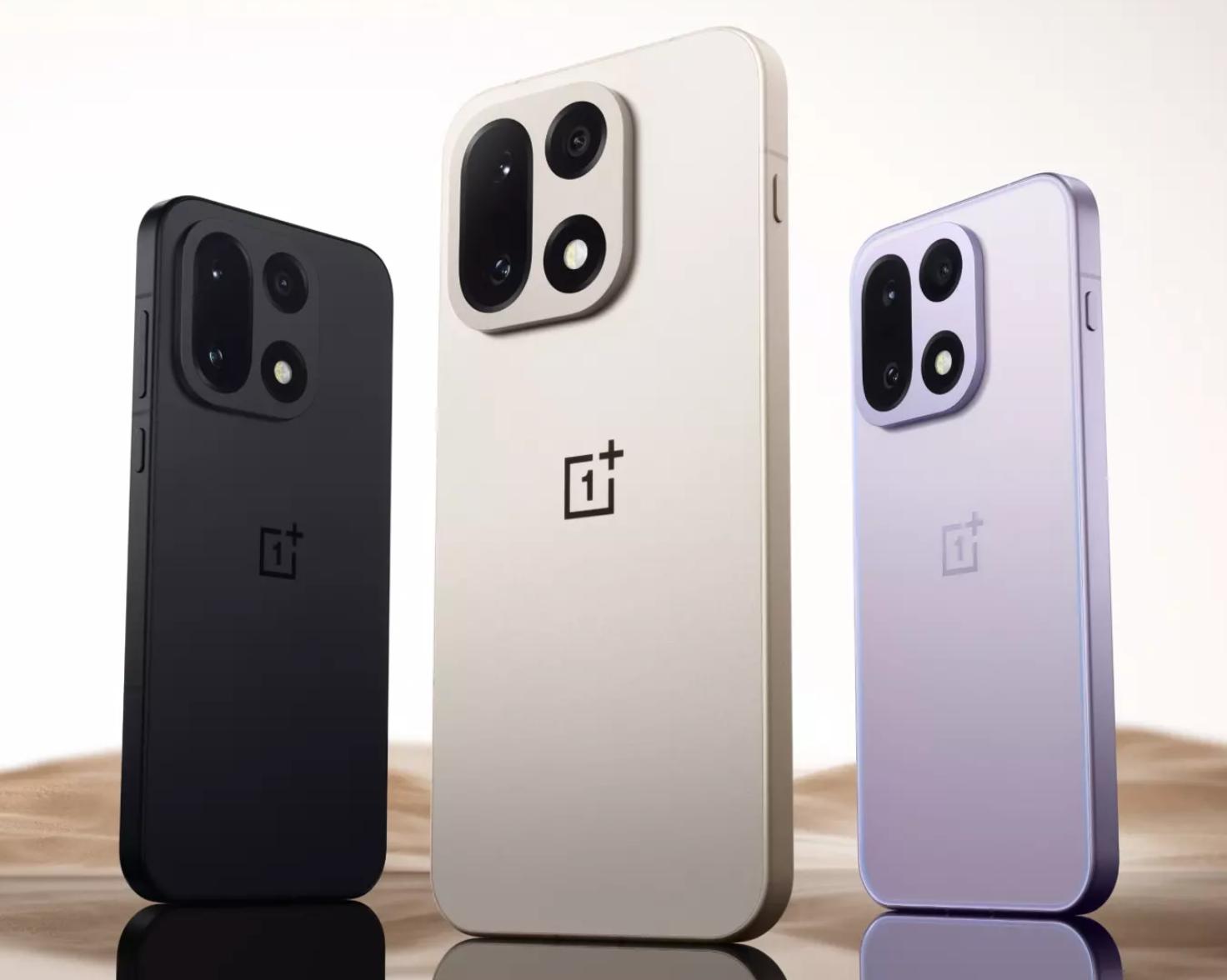
REDMI and OnePlus have always been rivals in the cost - performance mobile phone market. Their product positioning, planning, pricing, and user groups highly overlap. Just as REDMI was reported to be about to release the Turbo 5 Pro, OnePlus also revealed a new Turbo product line. Judging from the names, it's highly likely that they will be going head - to - head again.
Let's start with REDMI. According to the information from @Digital Chat Station, the REDMI Turbo 5 Pro will be equipped with a super - large 10,000 + mAh battery. Based on the current standard that an 8000mAh phone can last for 8 hours, the REDMI Turbo 5 Pro's battery life can at least reach 9 - 10 hours. Even for some heavy mobile phone users, this battery life allows for one - charge - a - day use.
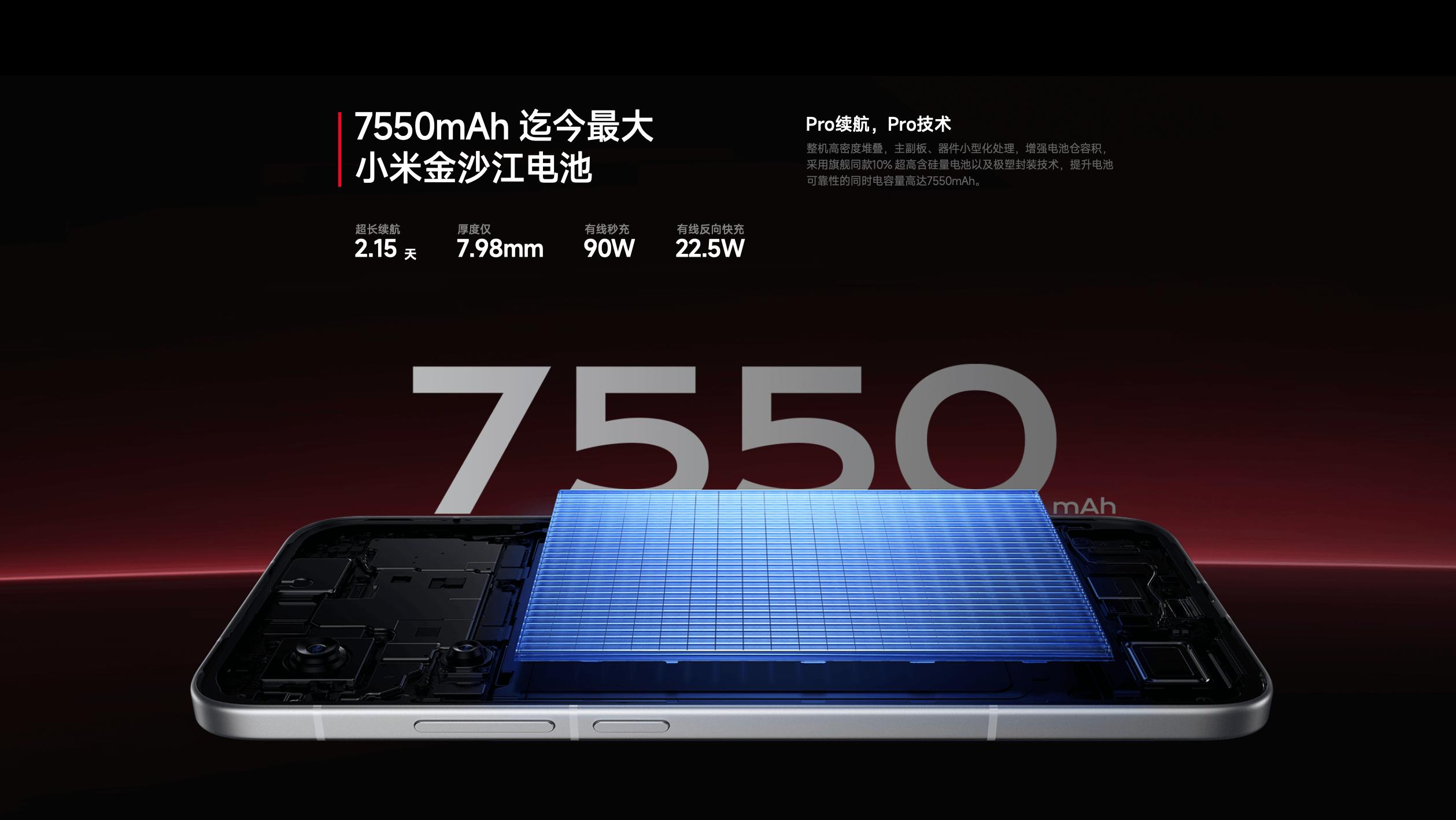
(Image source: Xiaomi official)
Secondly, the REDMI Turbo 5 Pro also supports the new - generation 100W wired fast - charging technology, which can charge the battery from 1% to 80% in 40 minutes.
In terms of core configuration, the REDMI Turbo 5 Pro will be equipped with a Dimensity 9 series flagship - level processor, offering a maximum storage combination of 16GB + 1TB, a 1.5K LTPS large - R - corner large straight screen, a metal middle frame and a glass back cover, 3D ultrasonic fingerprint recognition, a rear - camera combination of a 50 - megapixel main camera + an 8 - megapixel ultra - wide - angle lens, and IP68 full - level dust and water resistance.
The configuration of OnePlus' Turbo 6 is also quite similar to that of the REDMI Turbo 5 series. First of all, it has a super - large 9000mAh battery. Although it is smaller than REDMI's, it can still be considered a "battery beast". Secondly, it is equipped with the Qualcomm Snapdragon 8s Gen 4 processor. The biggest advantage of this processor is its extremely high energy - efficiency ratio, and its battery life should also be comparable to that of the REDMI Turbo 5 Pro.