Don't buy a car just yet. Those who wait have won again. Solid-state batteries are about to go into mass production.
In recent days, the solid-state battery industry has witnessed a new wave of positive developments.
Last week, both GAC and SAIC clarified the mass production time of solid-state batteries.
On November 24, Feng Xingya, the chairman of GAC Group, revealed at the 2025 Guangzhou Auto Show that the pilot production line for all-solid-state batteries in Panyu, Guangzhou, has been completed and put into operation.
On November 21, SAIC Group stated on its interactive platform that the production line for all-solid-state batteries jointly built with Qingtao Energy in Anting, Shanghai, has been fully connected. Sample products will be available by the end of this year, vehicle testing will be conducted next year, and formal mass production and delivery will start in 2027.
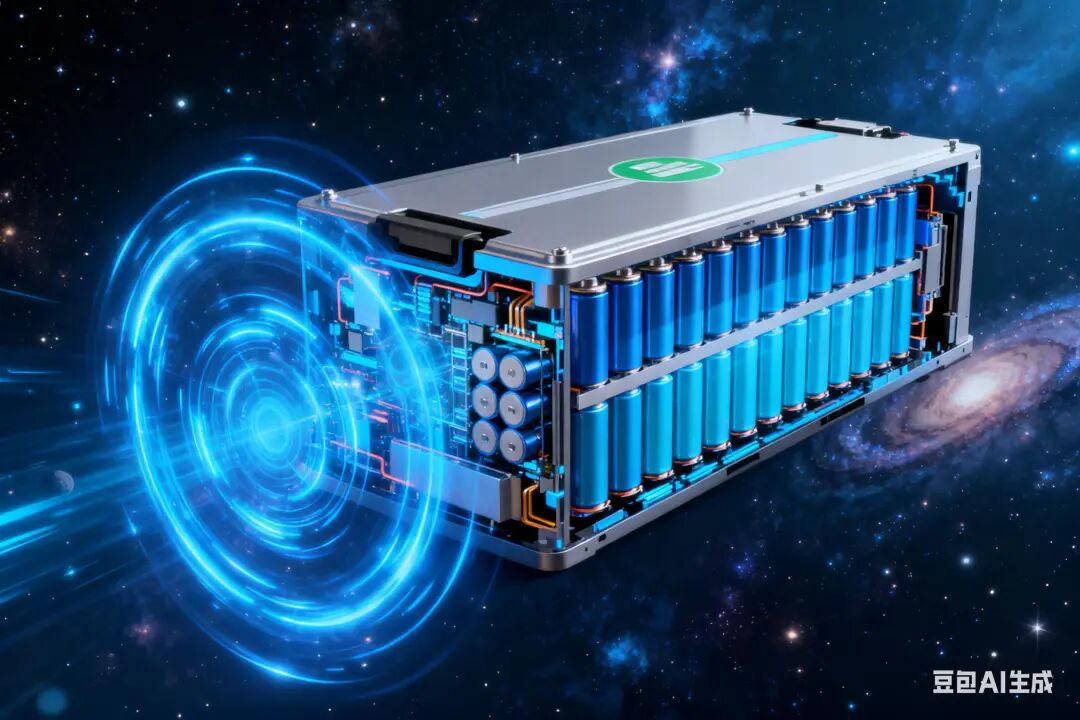
The implementation of relevant production lines undoubtedly signals that solid-state batteries are about to make further breakthroughs.
All-solid-state batteries are recognized as the next-generation battery technology with disruptive advantages and are regarded by the industry as the "ultimate solution" to address the anxieties in the electric vehicle industry.
Now, it seems that the eve of their explosion has finally arrived.
Aiming for 2027: A Thousand-Kilometer Range Is No Longer a Dream
The importance of solid-state batteries is self-evident.
In terms of market size, the global solid-state battery market volume was approximately 50 GWh in 2024 and is expected to soar to 500 GWh by 2030, with an average annual growth rate of over 45%. The demand for supporting equipment will unlock a trillion-yuan RMB market.
There are simply too many industries in need of solid-state batteries.
Without exaggeration, solid-state batteries represent a new round of power revolution for industries such as new energy vehicles, humanoid robots, and low-altitude aircraft.
Currently, the development needs of the new energy vehicle industry are the driving force behind the explosion of solid-state batteries.
Currently, the global penetration rate of new energy vehicles has exceeded 35%. Last month, the penetration rate of electric vehicles in China even surpassed that of fuel vehicles.
The development of the market has also pushed users' expectations for range and safety to the extreme.
From the perspective of consumers, the biggest concern when buying an electric vehicle is running out of power. This is why extended-range vehicles have emerged. Moreover, the consecutive battery fire incidents have made "zero risks" a red line that the industry must cross.
Solid-state batteries replace the liquid electrolyte and separator in traditional lithium batteries with a solid electrolyte, solving these two major pain points at once:
Firstly, they are non-flammable, resistant to high temperatures, and puncture-proof, eliminating the root cause of thermal runaway. Electric vehicle spontaneous combustion may become a thing of the past.
Secondly, they can be paired with a lithium metal anode, and their energy density can exceed 500 Wh/kg, more than twice that of traditional lithium batteries.
This means that for batteries of the same weight, solid-state batteries can store more electricity, enabling electric vehicles to easily achieve a range of over 1000 kilometers.
At the same time, they can significantly reduce the frequency of charging, achieving an 80% charge in 10 minutes and doubling the range to 1000 km. The charging anxiety of electric vehicles will be completely eliminated.
However, the concept of solid-state batteries has been hyped for a long time. This year, the relevant index in the capital market has even doubled. So, when will large-scale mass production and implementation actually occur?
Multiple parties have clearly stated that 2027 will be a crucial turning point.
Similar to GAC, many automobile manufacturers have designated 2027 as the key time node for the verification of all-solid-state battery installation in vehicles or small-scale production.
Many automobile manufacturers have announced the timelines for "installing solid-state batteries in vehicles": SAIC, Changan, Chery, etc. plan to conduct small-scale mass production and vehicle installation in 2027. BYD has also clearly stated that it will start the demonstration operation of all-solid-state batteries around 2027 and fully expand after 2030.
Wu Kai, the chief scientist of CATL, has also stated that the goal is to reach a level of 7 - 8 points by 2027, at which time small-scale production of all-solid-state batteries will be possible.
The domestic solid-state battery track can be divided into three tiers:
The first tier consists of vehicle manufacturers such as GAC, SAIC, and Changan, which have built their own production lines.
The second tier includes battery giants such as CATL, BYD, Guoxuan, and Sunwoda, which are accelerating production.
The third tier comprises innovative companies such as Qingtao, Weilan, and Funeng, which have broken through with their technologies.
The technical routes and mass production rhythms of the three tiers differ significantly.
It is worth noting that some people may wonder why, although CATL is the leader in the battery industry, it is the vehicle manufacturers that are at the forefront.
Moreover, CATL has occasionally poured cold water on the hype. For example, at this year's mid-year performance communication meeting, a CATL representative stated that the current capital enthusiasm for solid-state batteries far exceeds the industry's actual development.
This statement has sparked discussions in the battery industry about solid-state batteries.
Actually, it boils down to the different stances.
The core goal of vehicle manufacturers is to sell cars. The faster they develop and mass-produce solid-state batteries, the faster they can sell cars.
Currently, many consumers have postponed their purchases of new energy vehicles, waiting for the arrival of solid-state battery-powered cars.
In today's highly competitive new energy market, those who wait will not lose out.
During the era of liquid lithium batteries, the intense competition among new energy vehicle manufacturers contributed to CATL's success. These vehicle manufacturers aim to regain control of the core battery cell technology, reduce their dependence on third-party suppliers, and regain the right to speak in the industrial chain.
From the perspective of battery manufacturers like CATL, they have already made huge profits from liquid batteries and are at the top of the world. Maintaining the current situation seems like a good option.
After all, in the power battery market, scale and market share are the keys to a company's survival.
This is similar to the situation where the internal combustion engine first appeared in the UK but was further developed in France and Germany.
It was mainly due to path dependence. The success of the steam engine in the UK made Great Britain the "empire on which the sun never sets." The deep entanglement of interests made it difficult for the UK to break free.
Today, this kind of path dependence exists in all aspects of human life, including business.
Moreover, technological updates can cause changes in the industry.
Currently, solid-state battery technology is divided into three types: oxide systems, sulfide systems, and polymer systems. Each has its own advantages and disadvantages, and it is uncertain which will become the mainstream in the future.
One of the reasons for CATL's rise was its accurate technological choice. It abandoned lithium iron phosphate and focused on ternary batteries, enjoying the highest subsidy coefficient and experiencing a significant increase in sales volume.
According to Tianyancha APP, CATL's revenue in the first three quarters of this year was 283 billion yuan, and its net profit was 52.297 billion yuan. It is undoubtedly an industry giant.
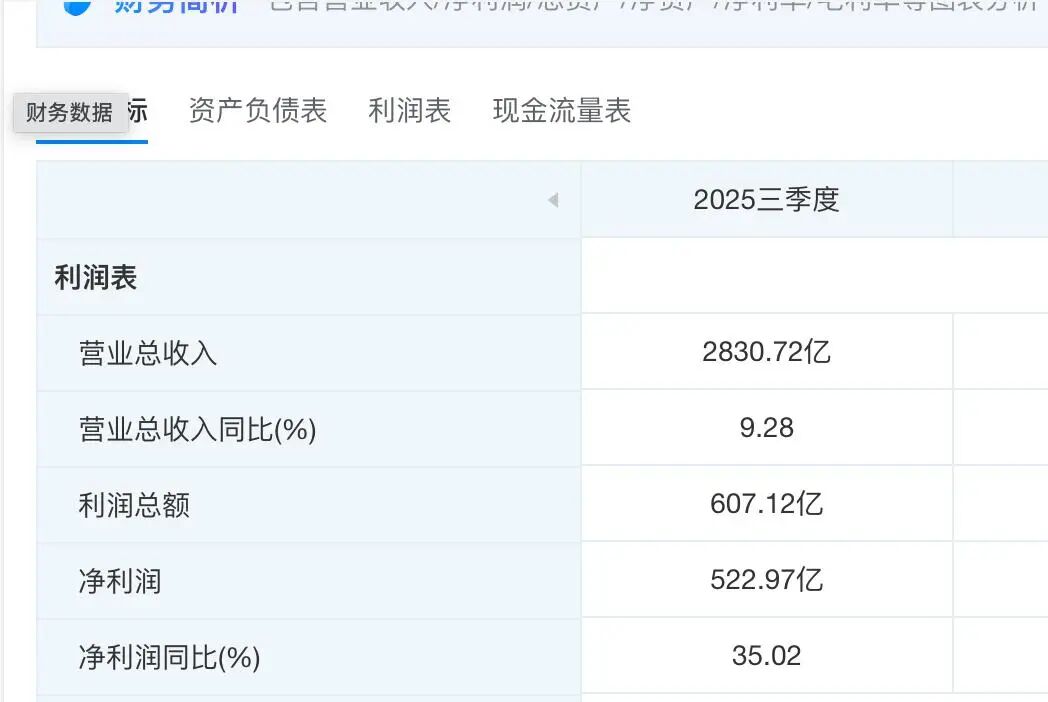
Even though the shadow of overcapacity has loomed over the industry, CATL remains unaffected.
Except for CATL, most second-tier battery manufacturers are currently facing overcapacity.
In 2025, the planned production capacity of power batteries in China exceeded 4800 GWh, while the actual demand was only 1200 GWh. The crisis of structural overcapacity is imminent.
For example, despite being supported by its consumer battery business, Sunwoda's utilization rate of power battery production capacity has dropped from 83.5% in 2022 to around 50% currently.
Therefore, second-tier and small and medium-sized manufacturers, as well as Japanese and Korean battery manufacturers, regard solid-state batteries as an opportunity to catch up with CATL. They are more motivated.
Sunwoda plans to launch its first-generation all-solid-state battery products in 2026.
In addition, the emergence of solid-state batteries will affect the production capacity of liquid batteries in the industry. Eventually, CATL will have to make a transformation.
As the saying goes, "A big ship turns slowly." This is why CATL often pours cold water on the hype, claiming that solid-state batteries will not be mass-produced until 2030. In fact, CATL has the largest production capacity of liquid batteries.
Recently, CATL also officially announced that it will mass-produce solid-state batteries in 2027. This is actually a result of being forced to speed up by the industry's rhythm. The combined demands of battery manufacturers and vehicle manufacturers have pushed the timeline forward. When the industry reaches a consensus on mass production in 2027, the final determination and large-scale deployment of equipment, materials, and processes must be completed in 2026. This upgrade is no longer a matter of "willingness" but a race that everyone must participate in.
Is It Worth Waiting for Solid-State Batteries?
After reading this, are those who are waiting thinking that they can wait for another year?
However, I have to pour some cold water on this idea.
Although solid-state batteries are widely regarded as a revolutionary technology that will be installed in vehicles in 2027, it will still take time for them to be widely adopted.
If you plan to buy a new car in the next two or three years, you can keep an eye on solid-state batteries, but there is no need to rush into a purchase.
As a new technology, like intelligent driving, solid-state batteries will first be installed in high-end pure electric vehicles in 2027.
The first batch of vehicles equipped with solid-state batteries in 2027 will most likely be high-end pure electric vehicles. For example, GAC's Haobo brand has clearly stated that "1000-kilometer range + 10-minute fast charging" will be its core selling points in the future.
Currently, the price of the Haobo HL ranges from 270,000 to 320,000 yuan. After being equipped with solid-state batteries in the future, the price will only increase.
Although 2027 is a turning point, there is still a gap between being able to buy and being able to afford.
If you are a high-end consumer willing to pay a premium for high-end batteries, then it doesn't matter.
Alternatively, if you are part of a group that is extremely sensitive to safety or has a strong preference for it, such as families with children or government and corporate executives who commute, and have a rigid demand for "zero spontaneous combustion," you can buy early and enjoy the benefits.
However, for those who mainly use cars for commuting and are looking for cost-effective options, they may have to wait longer.
According to Yang Chaoxing, a battery analyst at Shanghai Nonferrous Metals Network, as reported by Shanghai Securities News, "The pilot production line is a necessary step between the R & D experimental samples and large-scale commercial production. Its core function is to verify the feasibility of mass production, cost control ability, batch stability, performance, and whether it meets the downstream application requirements."
From the experimental line to the pilot production line and then to the mass production line, the production capacity needs to increase by dozens or even hundreds of times. The transition from the pilot production to mass production takes at least two years and at most five years. All in all, it won't be until after 2030, when the competition among vehicle manufacturers intensifies, that the prices will gradually come down.
Another point is that the high price is mainly due to the high cost of solid-state batteries at present. Only high-end models can absorb the price premium.
According to industry data, the cost of liquid lithium batteries is 100 - 150 US dollars per kWh, while the cost of all-solid-state batteries is 400 - 800 US dollars per kWh, 3 - 5 times that of liquid batteries.
Currently, even if the cost of solid-state batteries is calculated at the lowest rate of 1.5 yuan per Wh, one kilowatt-hour of electricity will cost 1500 yuan. The high-end solution costs up to 5 yuan per Wh, meaning one kilowatt-hour of electricity will cost 5000 yuan.
Taking a 50 kWh battery pack as an example, the total material cost of a liquid battery is approximately 40,000 - 50,000 yuan, and the vehicle can be priced in the 120,000 - 150,000 yuan household range. If replaced with a solid-state battery, the battery alone will cost 70,000 - 80,000 yuan, and the vehicle's selling price will inevitably exceed 200,000 yuan. Therefore, in the early stage, only high-end pure electric vehicles can absorb this cost.
To be honest, spending an extra few thousand yuan on a battery might be better spent on a vehicle with a higher configuration...
Specifically, there are three major obstacles to reducing the cost of solid-state batteries.
Firstly, the key materials are expensive. For example, as one of the mainstream technical routes, the raw material lithium sulfide for sulfide electrolytes is extremely costly. In 2025, it cost approximately 6000 - 50,000 yuan per kilogram, accounting for 82% of the electrolyte cost.
Secondly, the manufacturing process is complex, and the equipment investment is large.
The compatibility between the production line of all-solid-state batteries and the existing liquid battery production line is less than 50%. New dry electrodes and isostatic pressing equipment are required, resulting in a huge investment.
Thirdly, the yield rate is low, and the unit cost is high.
An industry insider once revealed that the current yield rate of solid-state batteries is around 30%, far lower than the 95% of liquid batteries, leading to a further increase in the unit cost.
At the same time, the process stability is poor, making it difficult to achieve economies of scale.
These problems cannot be solved overnight and all require time.
The most important thing is to expand the market demand and use the market to reduce the overall cost.
The industry has rich experience in this regard.
In 2010, the cost of liquid batteries was 1.2 US dollars per Wh, equivalent to more than 8000 yuan per kilowatt-hour, more than ten times the current price. The price was brought down by the large-scale orders from consumer electronics products such as mobile phones and tablets. By 2021, the price had dropped to 130 US dollars per Wh, a decrease of an order of magnitude.
Will a similar "curve to save the nation" path emerge this time?
Can the cost of solid-state batteries be reduced by targeting products such as drones and mobile phones, which are less sensitive to battery prices, and using their sales volume to spread the cost?
As mentioned earlier, in addition to the automotive industry, the low-altitude flight field, humanoid robots, and other industries also have an urgent need for solid-state batteries.
Especially in the low-altitude flight field, when a car's lithium battery catches fire, people can still escape. However, when a low-altitude drone catches fire, the danger is much greater.
These markets have high value and are less price-sensitive, unlike the automotive market, which is very price-conscious. If the demand for low-altitude aircraft and humanoid robots explodes, the cost of solid-state batteries may be reduced more quickly