Das Geheimnis der Spielewirtschaft hinter Spielesalons
This year, the quantity and scale of offline gaming-themed events have significantly increased, exerting extensive economic and social influence. At the ChinaJoy event, which attracted over 400,000 visitors, nearly 800 enterprises from more than ten sectors gathered. Traditional brands like Lao Feng Xiang and Yadea donned a "second - dimension" look to connect with the young market. In 2025, the tenth - anniversary city party of Honor of Kings ignited the business districts in Beijing. The co - branded products in the KPL Dream Team pop - up store were in short supply. Among the 4,100 booths at the Tokyo Game Show (TGS), players from different national and cultural backgrounds stopped in front of the booths of domestic games, experiencing the shared emotional language. In Cologne, Germany, 357,000 gaming enthusiasts from 128 countries and regions gathered. They stayed at Europe's largest gaming fan campsite in the riverside park and enjoyed the music night of the Cologne City Cultural Festival. From Shanghai to Cologne, from indoor exhibition halls to open parks, these bustling scenes around the world are vivid snapshots of the booming gaming economy.
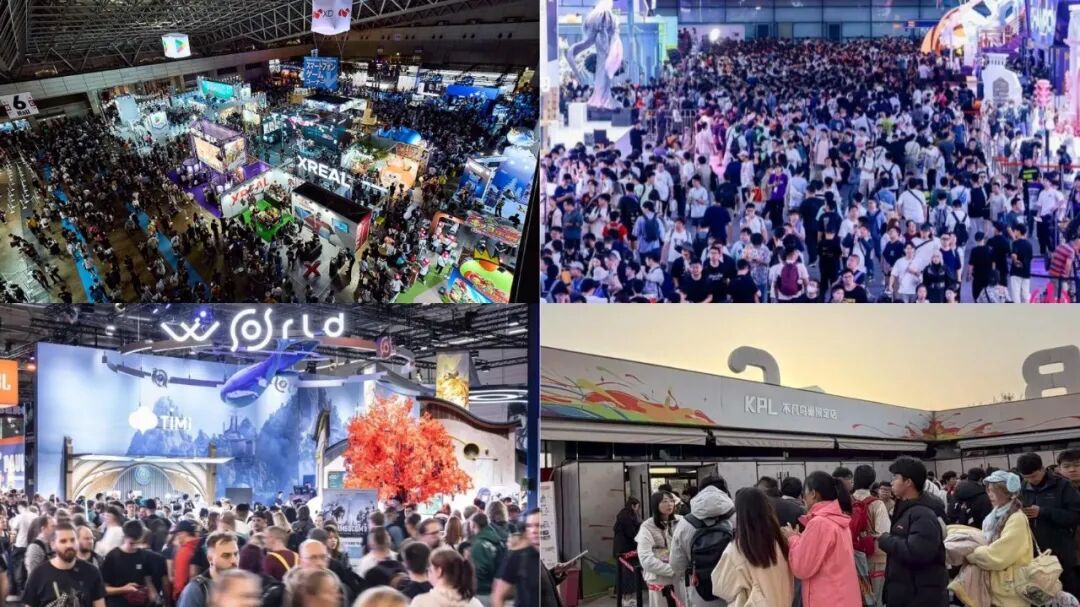
The panorama of gaming exhibitions: What are people "playing"?
Gaming exhibitions are no longer just private gatherings for the gaming industry and enthusiasts. Instead, they are like a miniature economy that encompasses everything and drives new - quality productivity. Here, technology releases guide the hardware market worth hundreds of billions. Cross - border integration gives rise to new consumption scenarios and brand growth poles. The enthusiasm of players is directly translated into consumption power for tickets, merchandise, and urban cultural and tourism, creating infinite possibilities for the digital entertainment industry.
For global gaming hardware and software manufacturers and developers, gaming exhibitions have always been the core stage to showcase their strength, attracting a large number of long - standing games and industry players to be active here. At this year's Gamescom in Cologne, established well - known manufacturers such as Xbox, Nintendo, Capcom, and Tencent, along with emerging domestic manufacturers like miHoYo, Papergames, and Hypergryph, brought a vast amount of gaming products. NVIDIA, a leading GPU manufacturer, demonstrated the multi - frame generation ability of DLSS 4 and launched an upgraded ray - tracing technology. Games like Infinity, Strange Loop, Arknights: Endfield, and Monster Hunter: Legends that appeared at the Tokyo Game Show staged a "collision of blockbusters", and creative promotional forms such as customized gaming - themed trains and naked - eye 3D large screens emerged one after another. The voice of small independent games is growing. Taking BW as an example, the number of independent games exhibited this year is more than three times that of four years ago, reflecting the three - dimensional ecosystem and diverse vitality of the gaming industry.

The booth of Monster Hunter: Legends at Gamescom 2025
Gaming exhibitions are increasingly becoming a high - ground for showcasing future digital technologies such as AI, XR, cloud technology, brain - computer interfaces, and the metaverse. After twenty years of development, the theme of ChinaJoy has been continuously focusing on digital entertainment technology innovation. It not only added a booth for intelligent entertainment robots but also provided next - generation entertainment experiences such as bionic manipulators, intelligent cockpit operating systems, and "brain language evaluation" analysis of brain - computer interfaces. Nowadays, robots can play on the football field, use big - data analysis and precise calculation technology to have an exciting penalty shoot - out with on - site audiences, and even cheer when scoring. Cutting - edge digital technology achievements such as NVIDIA's neural network rendering technology, the full - link AI game creation solution VISVISE, and the intelligent companion Hakko AI have come into the public view through gaming exhibitions, forming a technological engine to drive the development of new - quality productivity.
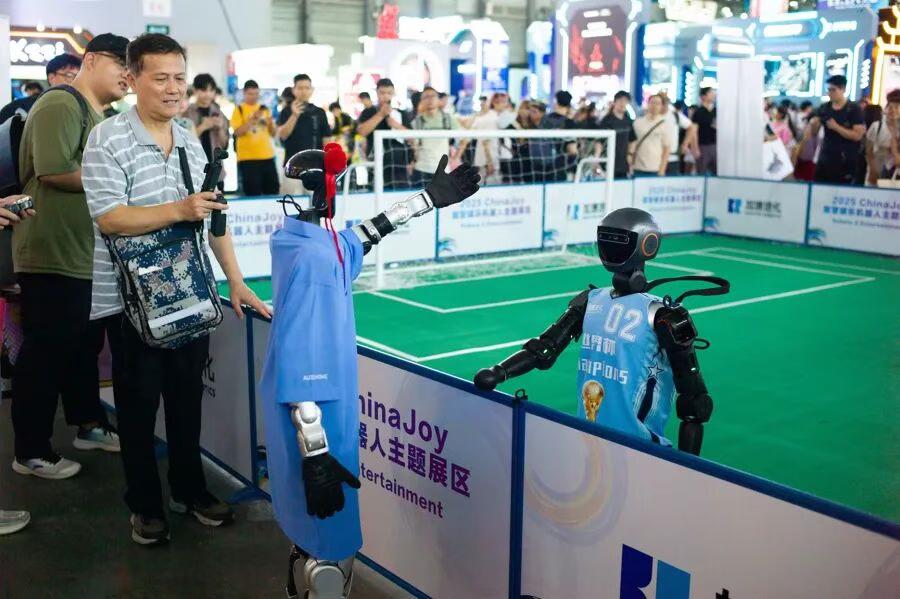
The intelligent entertainment robot theme exhibition area at ChinaJoy 2025. Source: ChinaJoy official WeChat account
For non - gaming enterprises seeking to break into new markets, gaming exhibitions are a fast - track to enter the Z - generation's popular cultural field. Taking ChinaJoy as an example, this year's exhibitors covered nearly 800 enterprises from more than ten sectors, including hardware technology, trendy collectibles and cultural and creative products, gold and jewelry, intelligent transportation, finance and insurance. Traditional brands such as Lao Feng Xiang, Yadea, and BYD successfully entered the Z - generation consumer market and achieved brand rejuvenation by launching cross - border products like "pain gold" and "pain cars" co - branded with gaming IPs. Functional and social applications such as Meitu Xiuxiu and Soul App actively deployed second - dimension scenarios to enhance user stickiness and social vitality through the gaming content ecosystem. The number of non - vertical exhibitor brands at BW doubled compared to last year. The presence of global well - known brands such as Lego, Netflix, and Disney at Gamescom all confirm the economic value of the "gaming +" cross - border model.
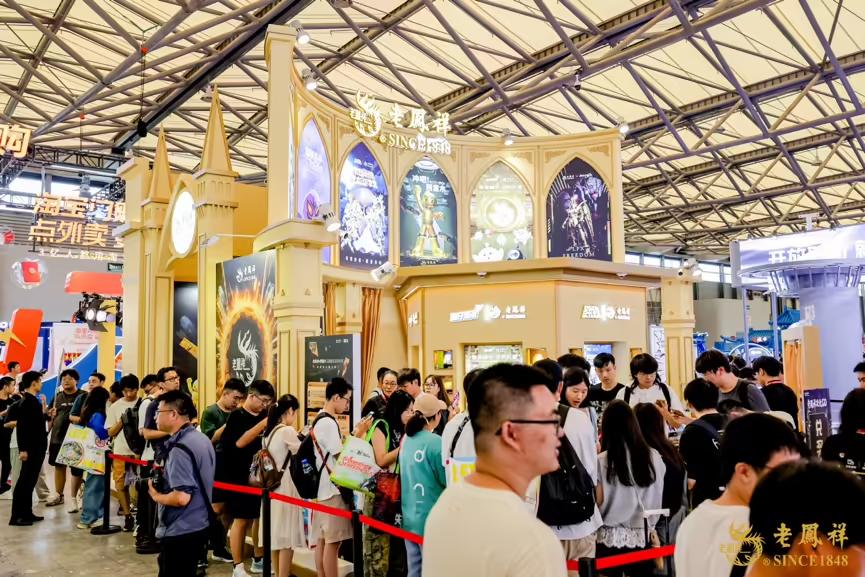
The Lao Feng Xiang exhibition area at ChinaJoy 2025
Gaming exhibitions are immersive entertainment carnivals for players, providing a valuable offline social experience space for gaming enthusiasts. This year, REDLAND, an open - world adventure island created by Xiaohongshu for the first time, closely combined gaming IPs, gamified designs, and offline interactions. Featured exhibition areas such as the Server Potato Franchise Store, the immersive "Good Dream DLC" dungeon, and the Museum of Players' "Stubborn Behavior" met the deep - seated needs of participation, creation, and sharing in a way highly in line with the Z - generation's expression. It became a diverse extension of online sub - culture to a wider audience in the physical space, opening up a high - value - added innovation path for the offline cultural and entertainment industry.

The on - site of the REDLAND exhibition in 2025
Gaming exhibitions are also important arenas for the collaborative competition of Chinese and foreign gaming industries and a "barometer" of global cultural industry trends. At the GDC conference, as many as 750 international conferences and round - table forums promoted the efficient connection of global gaming industry capital, technology, and talent. In the global feast of gaming exhibitions, the collective entry of Chinese manufacturers into overseas markets has become a highlight. From only 45 Chinese exhibitors in 2022 to nearly 110 Chinese enterprises turning the Tokyo Game Show into a "Chinese home - ground" three years later, domestic games are constantly opening up international markets and presenting Chinese - characteristic content on the global stage. At Gamescom 2025, more than 50 Chinese manufacturers including Tencent, miHoYo, Lingyou Studio, and Game Science attended, with the number increasing by 32% year - on - year, and the number of award nominations far exceeding previous years. High - quality Chinese games are increasingly recognized and loved by global users, and they also write the most vibrant footnote for the overseas promotion of Chinese culture and industrial competitiveness.
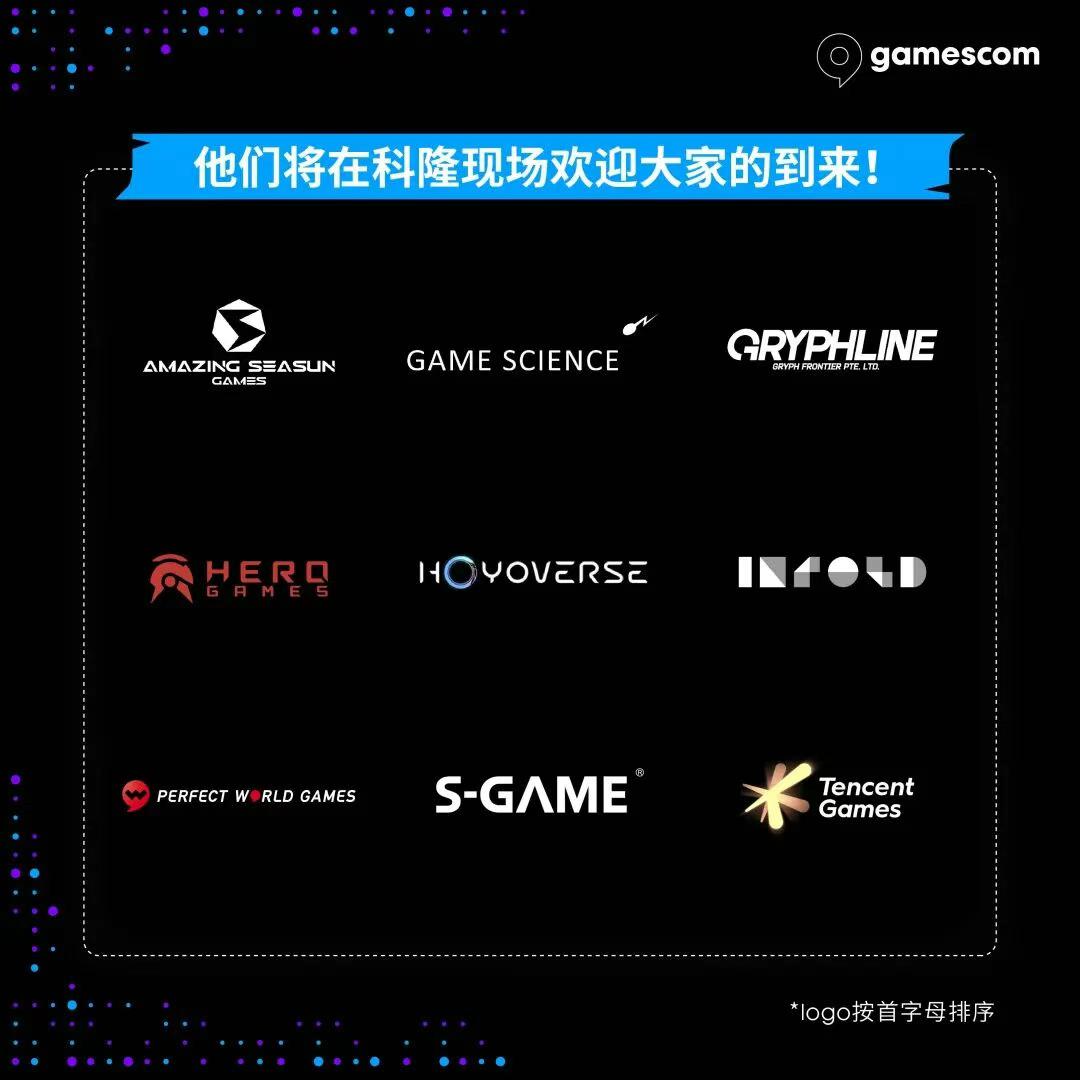
Domestic game exhibitors at Gamescom 2025
Thirty years of gaming exhibitions: From "game - focused" to "multi - faceted players"
(I) The vertical industry foundation - laying period (1990s - early 2010s)
Against the backdrop of the growing public awareness of the scale and potential of the gaming industry, the number of global vertical gaming exhibitions gradually increased. Relying on the development characteristics of local gaming and related industries, a differentiated pattern was initially formed and they influenced each other. The world's first professional gaming exhibition, the Electronic Entertainment Expo (E3), was held on May 11, 1995. At the beginning, only invited industry insiders and the media could participate. In 1996, TGS emerged during the boom of the Japanese gaming industry. Different from E3, TGS was open to all audiences, and the initial exhibits were all Japanese - style games such as the Final Fantasy series and Sakura Wars. In 2002, the Leipzig Games Convention, Germany's first interactive gaming and entertainment exhibition, took the lead with the policy recognition of games in Germany and its hardware and software strength. The Leipzig Games Convention attached great importance to the business function of the exhibition, had a high international level, and its exhibition layout and related reports focused more on the game content itself.
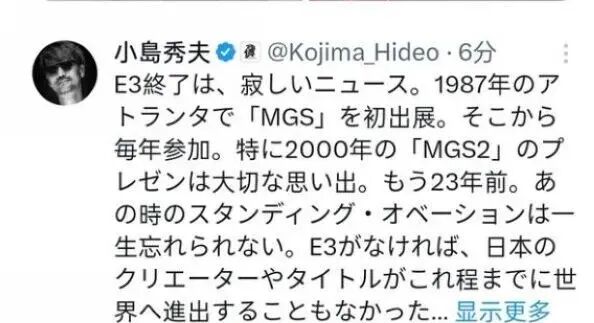
Well - known game producer Hideo Kojima posted: If there were no E3, Japanese creators and games would not have gone global as they do now
For the Chinese gaming industry, early gaming exhibitions were also important opportunities to broaden horizons, learn from others, and accelerate the development of domestic self - developed games. In 2001, a Japanese agent exhibited the domestic game Warriors of Future Past at TGS. In 2004, the first ChinaJoy was held in Beijing, focusing on the vertical gaming community and laying the basic framework of the BOTC + BOTB exhibition model. In the same year, NetDragon and Wei Jing Technology took domestic online games to overseas exhibitions. By 2005, ChinaJoy had risen to become the world's third - largest gaming exhibition. The appearance of excellent domestic online games such as Journey to the West Online and Swordman Online 2 broke the situation where South Korea dominated most of the online game market. Activities such as the "Golden Feather Award" selection and the China Game Developers Conference (CGDC) launched in conjunction with ChinaJoy promoted the development of domestic game development towards high - quality and professional paths. In 2008, ChinaJoy added a B2B business district to build an industrial chain cooperation network. By 2010, it had developed into the largest gaming exhibition in Asia, establishing its position as an industry hub.

People queuing outside the venue of the first ChinaJoy in 2004
From the professionalism and exclusivity at the beginning of E3, to the openness and regional characteristics of TGS, the international vision and business function of the Cologne exhibition, and then to the model exploration of ChinaJoy, domestic games have stepped onto the world gaming stage through gaming exhibitions. Moreover, through introduction, learning, and ecological construction, they have gradually embarked on an independent development path. During this period, the core functions of gaming exhibitions as the core product showcase and industry trend - setter were initially established.
(II) The technological cross - border integration period (mid - 2010s - 2020s)
As the gaming industry entered a new stage, relevant policies became more positive and stable. The new information technology revolution continuously promoted the breakthrough of the gaming industry boundary. The application scenarios of gaming technologies such as game engines and graphics processing spilled over, and gaming exhibitions transformed into cross - border platforms of "cutting - edge technology + mass cultural entertainment". Cutting - edge technologies such as VR "broke the circle" through gaming exhibitions, moving from professional equipment to mass consumer electronics and triggering a cross - industry application boom. In 2016, known as the "Year of Virtual Reality", Sony's PlayStation VR was first unveiled at the Game Developers Conference (GDC). After its launch, this product was in short supply for at least half a year, and its popularity boosted the VR boom in non - gaming fields such as home appliances. In the same year, The Legend of Zelda: Breath of the Wild demonstrated its core gameplay for the first time at Gamescom. The innovative elements such as the open - world concept and physical engine technology it adopted led the mainstream direction of subsequent game development and related technological breakthroughs. With the rise of streaming media and mass culture, E3, which had never been open to non - professionals before, for the first time issued 15,000 admission tickets to the public in 2017. The boundary of the exhibition expanded from the industry to the public culture, evolving into a cultural event for a wider audience.
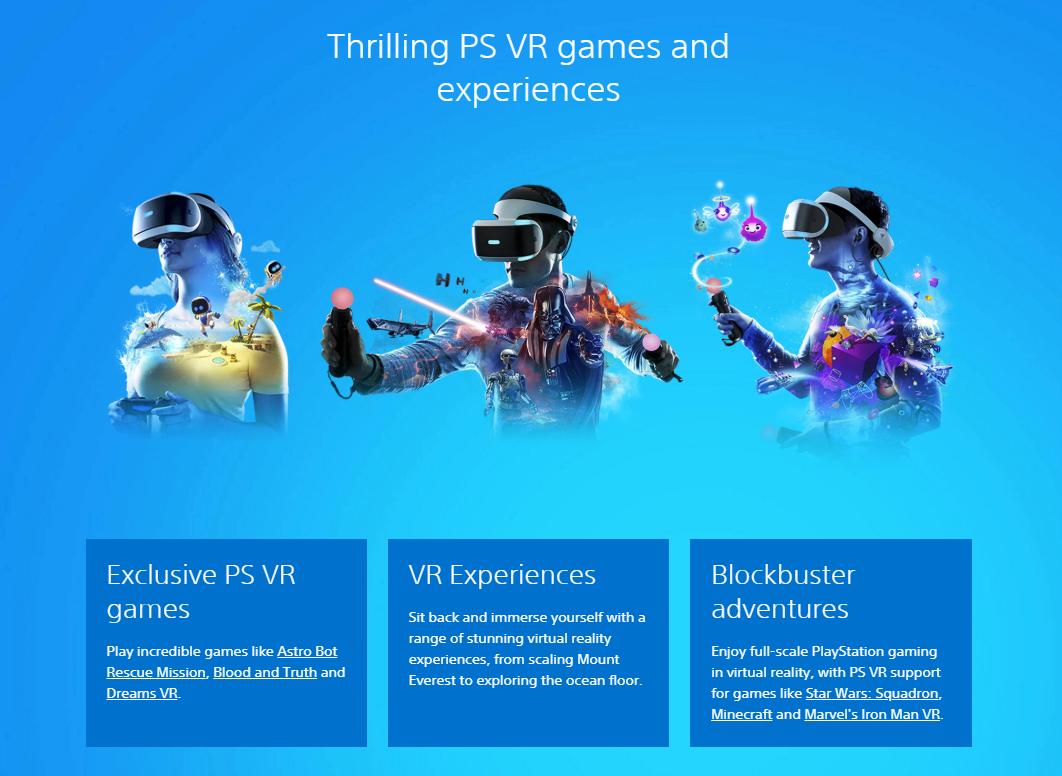
The official promotional image of Sony PlayStation VR
Chinese gaming exhibitions quickly responded to global trends, systematically introducing cross - border themes such as hardware, automobiles, and e - commerce, becoming a window to showcase how games and gaming technologies empower the upgrading of traditional industries. In 2014, ChinaJoy added an exhibition of next - generation game consoles and home digital entertainment products. In 2016, the first International Smart Entertainment Hardware Exhibition (eSmart) was held, adding cross - border theme booths such as Internet video and entertainment, in - vehicle entertainment. After 2018, the word "technology" frequently appeared in the exhibition theme. In 2021, a smart mobility exhibition area was opened for the first time, and ChinaJoy Plus was upgraded to sub - brands of "Super Live" and "Super Shopping", strengthening the "live - streaming + variety show + e - commerce" model, reflecting the accelerated integration of gaming technology and the real - economy scenario.
