Bis zum Knapppreis gewickelt, 20.000 Geräte pro Jahr verkauft, die Robot-4S-Filiale eröffnet in den Einkaufszentrum.
A day in the world of AI is like a year in the human world. Whether it's robots or hardware such as mobile phones and computers, they have all been reshaped by AI. Embodied intelligence, the combination of AI and robots, is entering everyone's life.
Everyone is waiting for the GPT moment of embodied intelligence. Imagine life after embodied intelligence "moves in": There are various robots at home, each performing its own duties and taking good care of the owner's life. There is a room dedicated to large servers, where all the data generated by the robots are processed and stored locally, keeping the data within the domain to protect the owner's privacy.
At the global technology conference for robot developers, ROSCon China 2025, held from November 1st to 2nd, the "robot all - star team" including Tianguang Robotics, Zhiyuan Robotics, Magic Atom, Accelerated Evolution, and Zongshen Technology competed on the same stage. There were intense exchanges of views among the audience, revealing the hopes and confusions of humanoid robots in 2025: Before the GPT moment of embodied intelligence arrives, the crowded robot market has reached a difficult "match point". The prices have dropped to rock - bottom. Where will the orders come from? Facing the situation of a "double shortage" of data and standards, which technological path should be taken?
Annual sales of 20,000 units, robot prices drop to the bottom
Last year, the national sales volume of humanoid robots was only a few hundred units. According to industry forecasts, this year, the sales volume is expected to reach 20,000 units. Even though mass production has just begun and they are not yet on the market in large quantities, humanoid robots have already been involved in a price war.
"Currently, the price is approaching the raw material cost, which puts a heavy burden on many innovative enterprises and leaves them with no chance to explore new application scenarios." Gu Qiang, the co - founder of Guyueju, believes that the current development stage of humanoid robots is similar to the early stage of mobile phones - the "brick phones". At that time, they were often sold for tens of thousands of yuan, and most people couldn't afford such trendy products. After large - scale production, the prices started to drop. Even though there will still be expensive robots, there will also be economical robots that can enter every household.
Humanoid robots are at the dawn. In the manufacturing industry, there are about 400 robots per 10,000 employees, with an overall penetration rate of only about 4%.
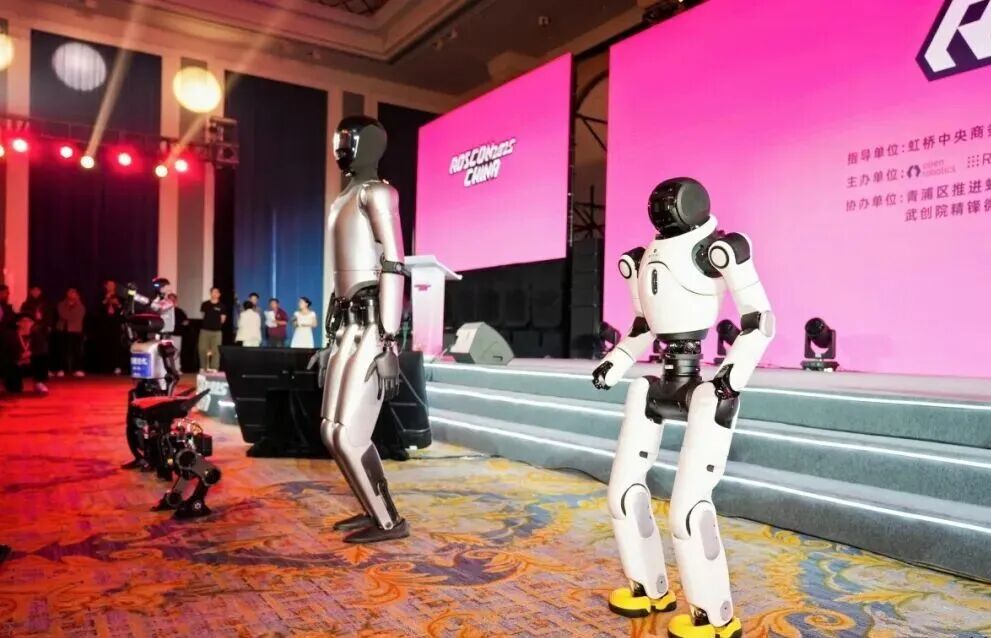
Tan Weijia, the secretary - general of the Shenzhen Robotics Association, said that before the scale effect becomes apparent, the secondary development and implementation costs for robots to enter each field are extremely high. If it is so high that no typical industry customers are willing to pay for it, robots have to enter relatively mature fields, thus falling into a difficult stage of intense price competition.
"Many robots are expanding the market at a loss, and the prices are almost at rock - bottom, which is not conducive to the development of the industry. Humanoid robots can bring added value to our lives, such as emotional value, which cannot be measured by pure hardware costs." Liu Yizhang, the person - in - charge of the joint of the National - Local Co - built Embodied Intelligence Robot Innovation Center and the person - in - charge of Tianguang Robotics, believes.
Laying eggs along the way, waiting for the GPT moment of embodied intelligence
In July this year, the world's first robot 6S store opened in Longgang District, Shenzhen, bringing together hundreds of models of robots. They can not only be rented and sold but also customized. In August, the robot 4S store, Robot Mall, opened in Yizhuang, Beijing. Standing in this more than 4,000 - square - meter space, one feels as if entering a science - fiction world. It gathers more than 50 models of robots from more than 40 domestic manufacturers, including Tianguang, Unitree, and Ubtech, which can be called the "embodied intelligence all - star team".
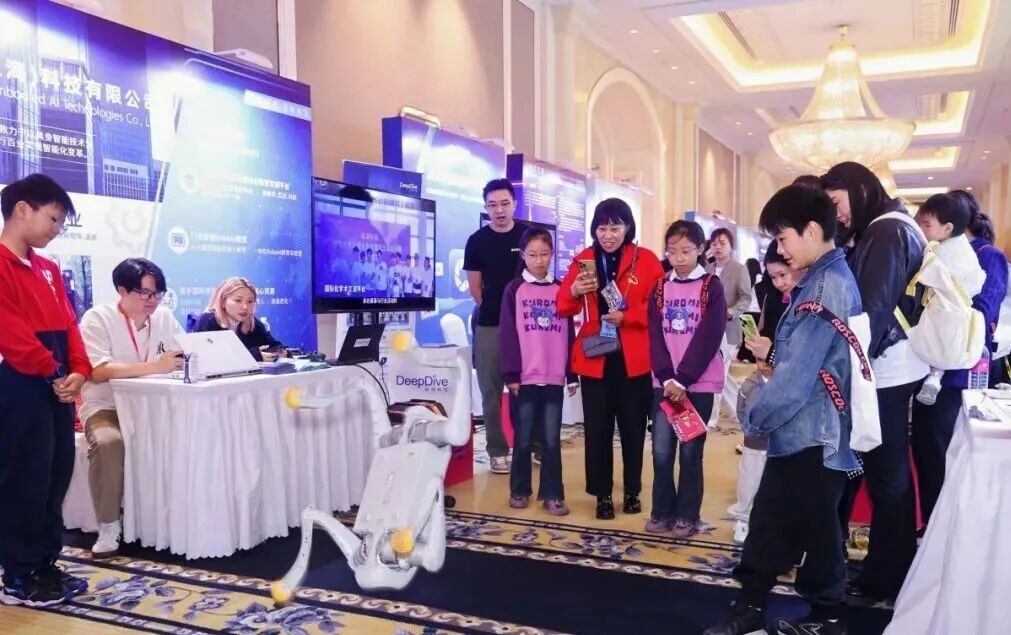
"In the near future, robot 4S stores will gradually become as common as car 4S stores. When shopping in the mall, you will see more and more stores dedicated to selling robots. In the future, there may be more humanoid robots than humans." Liu Yizhang said.
"Before consumers consider whether they can afford a robot, they will first consider whether it is useful." Zhu Huazhang, an expert in perception and autonomous system technology at the National - Local Co - built Humanoid Robot Innovation Center, believes that humanoid robots are still in the "scattered" stage. Kung - fu robots can only perform kung - fu, backflip robots can only do backflips, and clothes - folding robots are only responsible for folding clothes. The large - language models are trapped inside the speakers to have conversations with people. Robots are still not capable of complex tasks like being a "nanny" to help humans handle heavy work.
For a long time, home - based elderly care has been considered a killer application scenario for humanoid robots, which may be realized within 10 years.
Where are the current robot orders? In Liu Yizhang's view, currently, the most popular robots are concentrated in scenarios such as scientific research, education, and secondary development. Next, the scenarios most likely to see large - scale application are inspection and guidance, factory handling, etc., especially helping humans complete dangerous work.
The application scenarios will directly affect the form of robots. Returning to the common industry question: Is the humanoid form a must - have?
Humanoid robots can fit into the human living environment without the need for us to build specific tracks or motion scenarios for them. For example, when conducting outdoor inspections, bipedal robots have better terrain - passing ability. Wheeled chassis robots are prone to slipping on gravel roads and cannot climb stairs.
"Before the GPT moment of embodied intelligence arrives, there is also the possibility of creating commercial value 'along the way'." In Tan Weijia's view, commercial implementation requires the joint efforts of all parties in the industrial chain. For example, system integrators of scenario services and scenario owners are the ones who best understand the know - how of the scenario, rather than relying on robot manufacturers to do all the implementation work.
The battle of paths, the popular VLA is trapped by data and standards
Humanoid robot marathons and fighting competitions have been organized across the country this year. Frequent malfunctions such as robots falling and not getting up and on - site spray cooling have exposed the problems of insufficient abilities of the "cerebellum" responsible for control and the "brain" responsible for perception and decision - making.
How to make humanoid robots stronger and smarter?
Currently, there are mainly two paths in contention. One is the VLA (Vision - Language - Action) path, which involves a large amount of pre - collected data for training, and the other is the path of small - sample high - generalization.
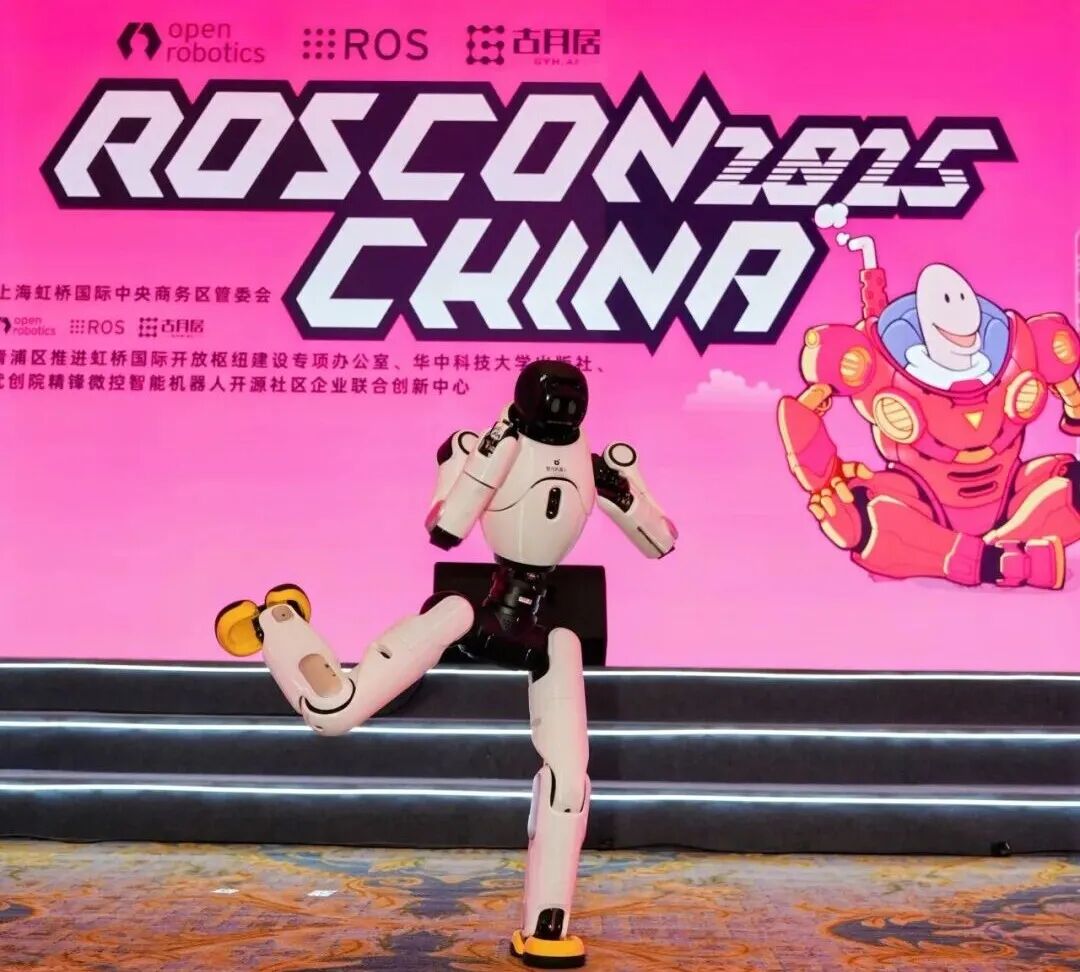
"VLA is the foundation and the first step to make robots move, but it may not be able to solve all problems. In the future, more modal information will be integrated." Shi Fengming, the person - in - charge of the innovative business technology at FeiXi Technology, said. It's like a person with only visual and planning abilities but no tactile or fine - muscle adjustment abilities. When performing tasks, they may damage screws, crush cups, or knock over objects. That is to say, relying solely on VLA may not achieve fine operations, and its generalization ability is limited.
VLA is a path that highly depends on data. Currently, robot data collection centers are being established across the country, and most of them rely on real people to train robots. Therefore, this data collection method requires a large amount of investment. Different companies and industries are reluctant to share data, and there is even a lack of data collection standards.
He Yonghao, the person - in - charge of the embodied aspect of Sweet Potato Robotics, mentioned that the generalization ability and universality of VLA are limited. Compared with the intelligent driving industry, the data scale in the robot industry is smaller, and the hardware configurations are diverse without standards, which to some extent brings great difficulties to data collection.
The robot industry is still in the stage of standard - setting, and regions are actively addressing the problems of insufficient data and lack of standards.
At the 2025 Pujiang Innovation Forum held in September this year, the "Pujiang X Embodied Intelligence Standardized Data Set Platform (DOME)" was officially launched, achieving a full - link closed - loop of data collection, governance, training, and verification. It has taken the lead in completing the standardized production, trustworthy governance, and efficient circulation of multi - modal data, providing a unified interface and quality benchmark, and offering a unified data language for the upstream and downstream of the industrial chain. It provides a Shanghai solution to the global industrial problem of "the disconnection between technological breakthroughs and industrial implementation".
The Beijing National - Local Center where Liu Yizhang works is leading the formulation of process flow, testing standards, performance standards, and key module interface standards for robots.
Tan Weijia also mentioned that as the global hardware capital, Shenzhen will form a paradigm for hardware development and manufacturing based on the flexibility advantage of the industrial chain, helping global developers verify and implement their projects.
Finally, let's return to the ultimate question: When humanoid robots truly enter our lives, will they squeeze the living space of humans?
"The new era should embrace advanced production tools. AI and robots will not eliminate humans, but those who cannot use AI and operate robots." Zhu Huazhang optimistically looks forward to the future.
Photos / ROSCon China 2025
This article is from the WeChat official account "IT Times" (ID: vittimes). Author: Sun Yan. Republished by 36Kr with permission.