Magisches 2025: Das Interesse an Smartphone-Austausch sinkt. Kann das "Springen" von Generationen den Markt retten?
"It's never too late to change." Lei Jun, the founder of Xiaomi, said this during the 2025 annual speech.
This statement later seemed to come true: In 2025, the smartphone market witnessed a series of astonishing "magic events." First, Xiaomi became the first to take the plunge - just five days after the release of the iPhone 17, Xiaomi announced with great fanfare that it would skip the originally planned Mi 16 series and directly launch the Mi 17 series to compete with the iPhone 17.
This move sparked a deluge of controversy in the digital circle: Many people criticized Xiaomi for hyping and riding on the coattails of the trend, believing that excessive marketing made Xiaomi lose its original intention of offering cost - effectiveness and technological accumulation. However, along with the criticism came unexpected market popularity: The Mi 17 series really went head - to - head with Apple. Among them, the unique rear screen design of the Mi 17 Pro Max attracted a large number of users to try it out. In contrast, OPPO and vivo, which chose a conservative iterative strategy, lost their limelight to Xiaomi this year.
According to the data announced by Lu Weibing, a Xiaomi executive, during a live broadcast in mid - October, as of October 14, the overall sales of the Mi 17 series increased by more than 20% compared with the same period of the previous generation, and the sales of the Pro series were about three times that of the previous generation. With this series, Xiaomi became the biggest winner in the domestic Android camp this year.
What's even more amazing is that even Apple seems to have the idea of "skipping a generation" - Multiple foreign media reported that Apple is internally discussing the possibility of skipping the iPhone 19 and directly launching the iPhone 20. For Apple, which has always been known for its high - end and stable image, this is undoubtedly an earth - shattering change. When Apple starts to play the "skipping - generation narrative," it means that the rules of the game in the entire high - end smartphone market are shifting from sequential linear iteration to a more radical game.
What exactly is the marketing logic behind this series of changes?
When innovation no longer brings excitement: The challenges in the stock era
In 2025, the smartphone market seemed calm on the surface, but in fact, it was extremely competitive. The slowdown of the macro - economy made consumers more cautious and restrained. "Changing phones" has changed from an impulsive behavior to a rational calculation. People found that whether it's the flagship chip, top - notch imaging, or the AI - enhanced operating experience, they are already sufficient - changing to a new phone won't bring a revolutionary change to life.
So, manufacturers are in an awkward situation: Technological innovation continues, but consumers' excitement points are no longer in sync. Brands have to answer an overlooked question again: Who is the new phone launch targeted at? Changing phones is no longer a national carnival but has become a delicate psychological game. At this moment, the manufacturers' opponents are not only the competing products next door but also the users' indecisive hearts.
Against this background, Xiaomi and Apple made very different strategic choices almost simultaneously in 2025. Although the two brands seem very different on the surface, they are both trying to solve the same problem - When users become immune to technology, how should brands recreate the "reason to be needed."
The success of the Mi 17 series is largely due to a bit of "accident." Logically speaking, this press conference should have been a regular tough battle: Positioning itself at the high - end to compete directly with Apple, breaking the monotonous appearance of Android with the rear screen design, and creating a buzz with the "skipping - generation" naming. In fact, Xiaomi's preparation was not as sufficient as the outside world expected - Some professional digital bloggers pointed out that except for the rear screen, the Mi 17 series almost replicated the industrial design of the iPhone 16 series in terms of screen size, body thickness, etc.; Coupled with the somewhat opportunistic "word game" in the promotion, the Mi 17 was widely criticized and questioned in the digital circle when it was released.

However, even though the digital enthusiasts rarely praised the Mi 17 series, its unique rear screen design unexpectedly won the favor of another group of users. On Xiaohongshu, the rear screen of the Mi 17 Pro/Pro Max has become a new window for emotional expression - Users have posted how they use the rear screen to display photos of their idols, support signs, exclusive icons, and even create their own "Ani - phone" themes. A search for "Mi 17 Ani - phone" will show a screen full of usage tutorials, customized materials, and notes on fan modifications. This kind of secondary creation around the brand, product, and even identity symbols precisely reveals the real power of emotional consumption at present.
What's more interesting is that Xiaomi's official seemed not to expect this at first. After seeing the craze of the rear - screen Ani - phone on social platforms, Lu Weibing even posted a confused Weibo question: "What is an Ani - phone?" - This reaction actually proves that the popularity of the Mi 17 is not due to accurate prediction but an accidental success "redefined" by users. The rear - screen design language endows the product with a "second personality": It can reflect the brand's technological ambition and provide users with a space for free re - creation.
For Xiaomi, this sales victory also brings an opportunity to promote brand upgrading. Although Xiaomi tried to separate its geeky/cost - effective label by independently operating the Redmi brand, in today's consumption context, the brand image is already a complex product jointly constructed by the audience and the brand, and it's difficult to completely change the brand tone through one - sided separation. The popularity of the rear screen just introduced a new user group to Xiaomi - As long as these users are properly operated, they will become the carrier for brand tone upgrading and provide a solid foundation for Xiaomi to enter the high - end market.

Following this idea, Xiaomi not only announced that it would retain the rear - screen design as a signature feature in the next few years but also quickly laid out its content ecosystem and launched a dedicated short - drama app. Many industry insiders try to interpret this move with the traffic thinking of Internet companies, but in Morketing's view, timing and actions are equally important. The new users brought by the popularity of the rear screen are currently in the early stage of brand awareness. If the relationship is not consolidated through content and interaction in time, this wave of popularity may quickly fade away. Launching the short - drama app is to take advantage of this window period to convert users' attention into stickiness and let users form daily usage habits in Xiaomi's ecosystem.
It can be said that the rear - screen design provides a traffic entrance, the short - drama app is responsible for user retention and conversion, and the AI function and multi - device interconnection ecosystem further deepen users' dependence - This set of combined punches forms a closed - loop from attraction - conversion - precipitation. It opens up new growth space for Xiaomi in the stock market and provides an empirical path for brand tone upgrading. As long as this new user group is continuously operated, Xiaomi has the opportunity to truly reshape its position in the domestic high - end Android market.
Behind the strategy: Cautiously starting a new decade
Looking at Apple again, the way it responded during the same period was not radical, but it accurately reflected its cautious attitude towards market risks.
Facing the environment of declining willingness to change phones, Apple didn't try to create surprises with dazzling appearance or form innovation. Instead, it turned its attention back to a dimension that had been overlooked in the past few years - Cost - effectiveness.
The basic model of the iPhone 17 released this time has such a significant upgrade in configuration that it almost breaks Apple's usual product - stratification logic: It is not only equipped with a high - refresh - rate screen and a larger battery but also doubles the entry - level storage from the "traditional" 128GB to 256GB. This is a very "Apple - style" conservative strategy - not pursuing fancy gimmicks but solving users' pain points in a down - to - earth manner.
In Apple's view, the new growth point in the market is no longer in the ultra - high - end segment at the top of the pyramid but in the mid - end users occupied by the Android camp - They yearn for the Apple brand but have limited budgets; They no longer pay for novel features but are still willing to pay for the "optimal solution." So, Apple chose the most straightforward but effective method: In the dimension of cost - effectiveness, it presented an almost impeccable solution - Acknowledging that rational consumption has become the mainstream with sincere configuration upgrades and redefining the "rationality of high - end" under this consensus.
From a marketing perspective, this is a very insightful "going against the trend." When other brands are busy creating topics and collaborating across industries to attract attention, Apple reduces the emotional intensity and returns to users' most basic question: "Why do I still need to buy a new phone?" It answers this question with a sincere product upgrade, making rationality itself a new emotional selling point.
The subsequent major move - skipping the iPhone 19 and directly launching the iPhone 20 - further reflects Apple's careful consideration of brand rhythm and long - term layout in the stock era. This naming is not only to commemorate the 20th anniversary of the iPhone's launch (just like the iPhone X skipped "9" to commemorate the tenth anniversary in 2017), but also to create a sense of topic and ceremony through the skipped number and send a signal to the market that "the past is history, and the future is the focus."
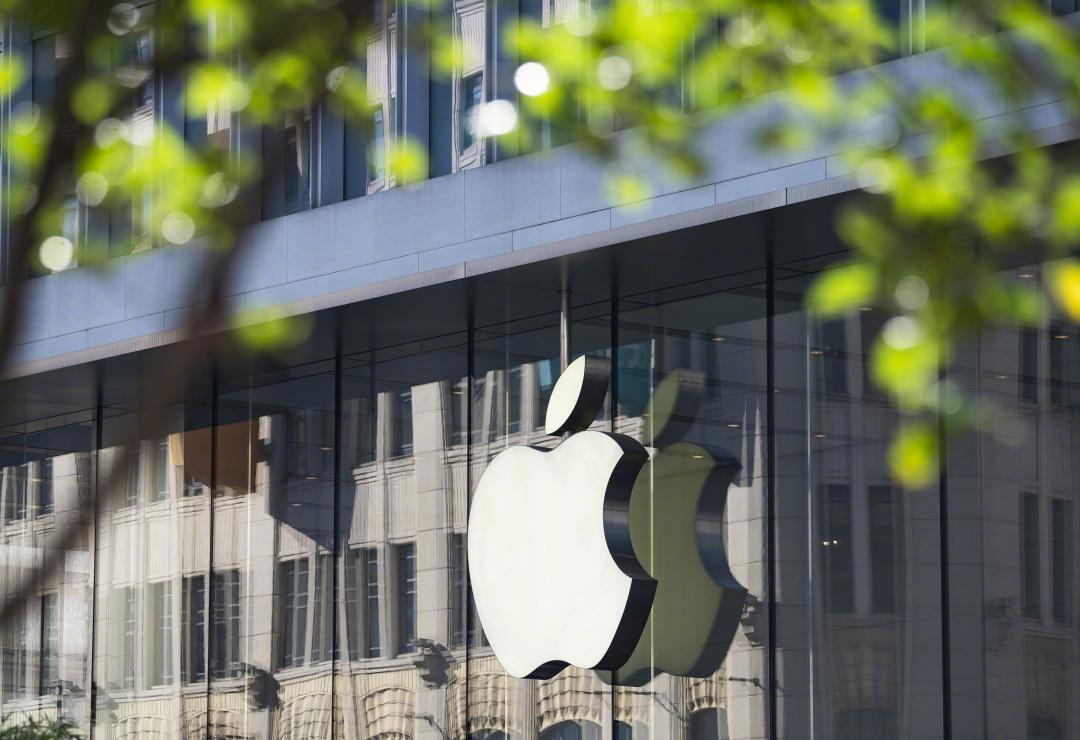
It is reported that the iPhone 20 will be regarded as an important milestone in Apple's technological innovation. The new phone is expected to adopt a number of new technologies, significantly improving the camera's HDR dynamic range and screen display effect. These innovations not only strengthen the product's competitiveness but also demonstrate Apple's continuous leading technological strength in the smartphone field. Meanwhile, Apple also plans to finely split the iPhone release rhythm: It is expected to launch the iPhone 18e and the standard model of the iPhone 20 in the first half of 2027 and release the iPhone 20 Air, Pro, Pro Max, and the second - generation foldable iPhone Fold in the second half. This adjustment aims to avoid market fluctuations caused by the concentrated release of new products in autumn, balance the annual sales performance, and extend the value of the product life cycle. In addition, the phased release also allows Apple to flexibly adjust its strategy according to market feedback, further improving user experience and brand loyalty.
Overall, this series of actions echoes the significant upgrade of the basic model of the iPhone 17: Apple is full of ingenuity while being stable. It not only continuously consolidates the brand's core position in the stock market but also leaves flexible room for imagination for growth in the next decade.
Conclusion
All signs indicate that the incremental space in the global smartphone market is very limited, but the high - end market still has a certain growth potential, and the mid - end users' demand for cost - effectiveness is becoming more and more prominent.
Industry reports show that the global smartphone shipments are expected to increase by only 1% in 2025, but the average selling price (ASP) will increase by 5%, and the total market value will increase by about 6% - This shows that consumers are willing to pay for a high - quality experience, and manufacturers are also shifting to a growth strategy that pursues value rather than just sales volume. At the same time, data from Counterpoint Research also shows that the total revenue of the smartphone market has increased by double - digits year - on - year, with high - end models making a significant contribution. In key markets such as China and India, the competition between local brands and international giants is becoming more and more intense, which forces manufacturers to make bolder attempts and adjustments in brand positioning, product design, and marketing strategies.
Therefore, "It's never too late to change" is not just an old - fashioned saying but an insight into the deep - seated market trends: The smartphone industry is at a critical node where it must break through the existing pattern. Future growth depends not only on hardware specifications but also on how brands understand users, build ecosystems, and combine technology and content to form a closed - loop. For all manufacturers, whether they can accurately understand users' psychology and seize ecological opportunities in the limited market will directly determine the outcome of the next round of the high - end phone market pattern.
Looking back at this series of actions in 2025, they may just be the prologue, but they undoubtedly lay the most important foreshadowing for the transformation of the smartphone market in the next few years. As Lei Jun said, it's never too late for change - Facing the new challenges in the stock era, every brave leap and evolution may become an opportunity to rewrite the market pattern.
This article is from the WeChat official account "wj00816" (ID: Morketing), author: Smaltalk, published by 36Kr with authorization.