Having raised a whopping 8 billion yuan in financing, former Anthropic employees bet on RSI, with both Google and Nvidia participating in the investment.
Reported by Zhidx on November 16, on November 13, Mirendil, a US large model unicorn, officially announced the completion of $1 billion (approximately 66.72 billion RMB) Series A financing. The official did not disclose the valuation of this round, and multiple media citing internal information from a16z stated that its valuation is approximately $5 billion (approximately 333.59 billion RMB).
This round of financing is jointly led by Kleiner Perkins and Clearlake Capital, with participants including Battery Ventures, Doerr Capital, Gil & Co, Google, M13, Pear VC, S32, etc.
Including the Series A financing in June this year, Mirendil has raised a total of $1.2 billion (approximately 8.006 billion RMB).
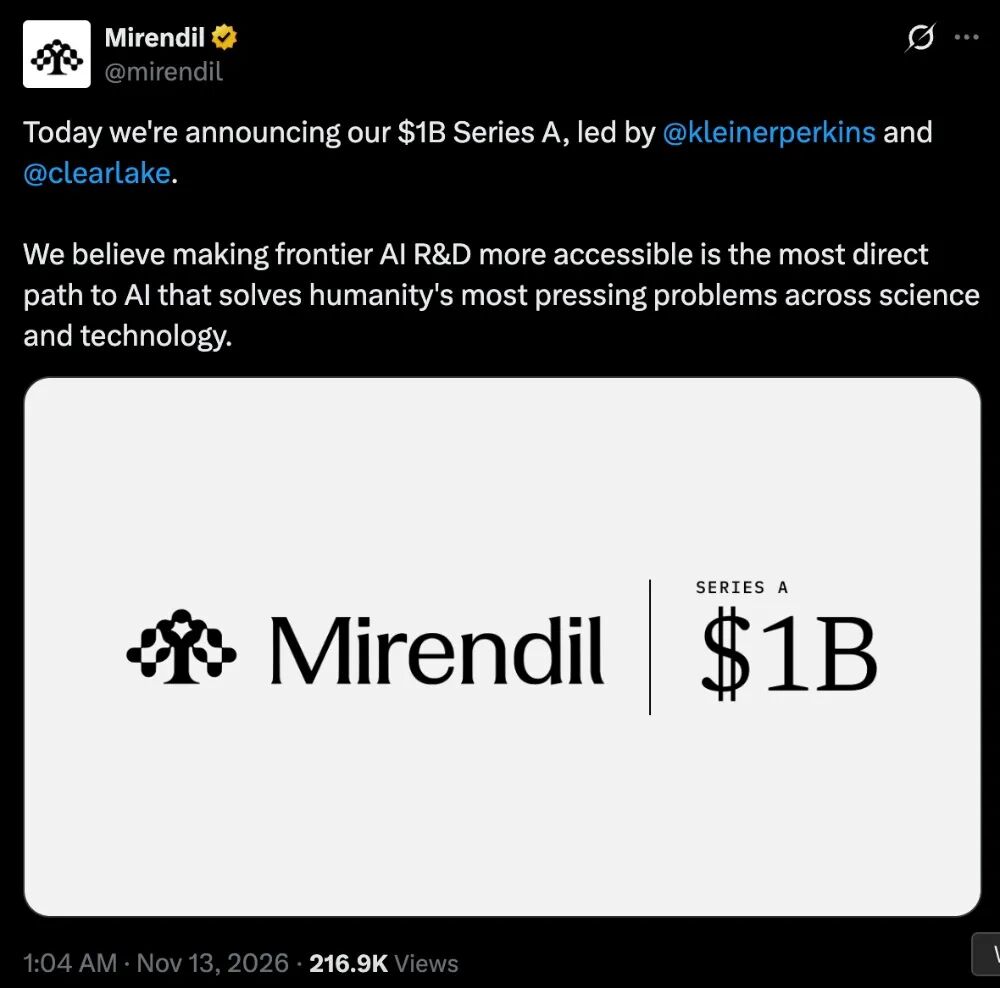
▲Mirendil officially announced the financing (Source: X)
Mirendil just came out of stealth mode in June 2026, it was co-founded by former Anthropic employees Behnam Neyshabur and Harsh Mehta, together with former xAI researcher Shayan Salehian and former OpenAI student researcher Tara Rezaei, with its headquarters located in San Francisco, USA.
In previous interviews, Behnam Neyshabur once said: "The product we are building is more like AI for AI for science, rather than AI for science." That is to say, Mirendil provides a tool to help researchers develop their own models.
On October 21, 2026, Mirendil released its first foundation model Mirendil-Base. The official stated that this model was pre-trained from scratch by one employee with the help of agents in only 3 and a half months, and the total computing power cost was less than $10 million (approximately 66.7175 million RMB).
Has this company founded by former Anthropic employees already achieved RSI (Recursive Self-Improvement)?
01.
Completed two rounds of financing with a 141-day interval
Signed a computing power order worth over $100 million with Google Cloud
Since its establishment, Mirendil has successively completed 2 rounds of financing, totaling $1.2 billion (approximately 8.006 billion RMB). On June 25, 2026, the company officially announced the completion of $200 million (approximately 1.334 billion RMB) seed round financing, led by a16z and Kleiner Perkins, with follow-on investment from institutions such as NVIDIA. According to The Wall Street Journal, Mirendil was valued at $1 billion (approximately 66.72 billion RMB) at that time.
In terms of computing power layout, in August 2026, Mirendil signed a multi-year strategic cooperation agreement with Google Cloud.
According to the information disclosed by both parties, the cooperation amount exceeds $100 million (approximately 667 million RMB), mainly covering two types of computing power resources: Google TPU and NVIDIA GPU. This agreement provides stable infrastructure support for Mirendil's subsequent large-scale model pre-training and agent experiments.
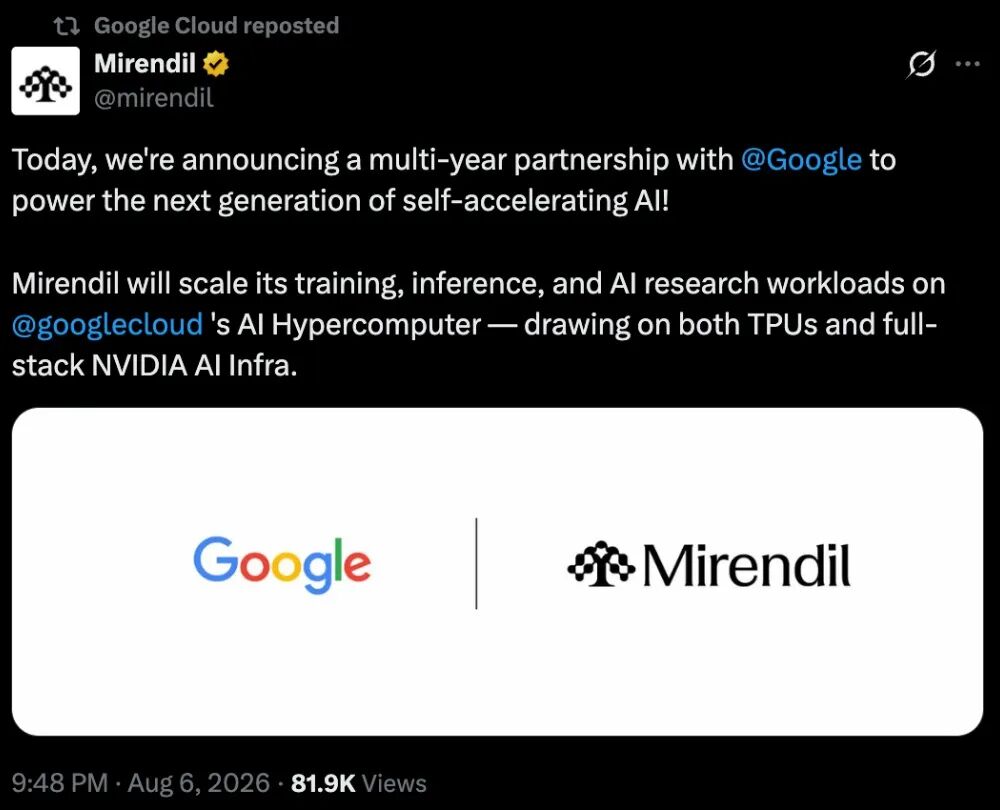
▲Mirendil officially announced the cooperation (Source: X)
02.
Completed pre-training in 3 and a half months
99% of the programming work was done by agents
On October 21, 2026, Mirendil released its first foundation model Mirendil-Base, with a parameter scale of approximately 100 billion to 500 billion.
The official claims that this model was pre-trained from scratch by one researcher with the assistance of agents, which took only 3.5 months, and the total computing power cost was less than $10 million (approximately 66.7175 million RMB), including the cost of experiments, agent token consumption and data processing.
Among them, the agents completed over 99% of the programming work, responsible for infrastructure construction, algorithm selection, data collection and iteration; humans are mainly responsible for direction decision-making and result judgment.
Subsequently, the company carried out post-training based on Mirendil-Base and further launched Fern 0.1. The parameter scale of this model is approximately 0.1 trillion to 0.5 trillion, supporting a maximum context window of approximately 10 million tokens.
This model is mainly oriented to high-capacity tasks such as debugging training logs, analyzing complete agent trajectories, and auditing pre-training data. It is currently in the early access application stage.
At the same time, Mirendil announced that larger parameter versions are being advanced simultaneously: Mirendil-Base-Large (approximately 500 billion to 2 trillion parameters) is about 80% complete, and Mirendil-Base-XL (approximately 2 trillion to 10 trillion parameters) is about 20% complete.
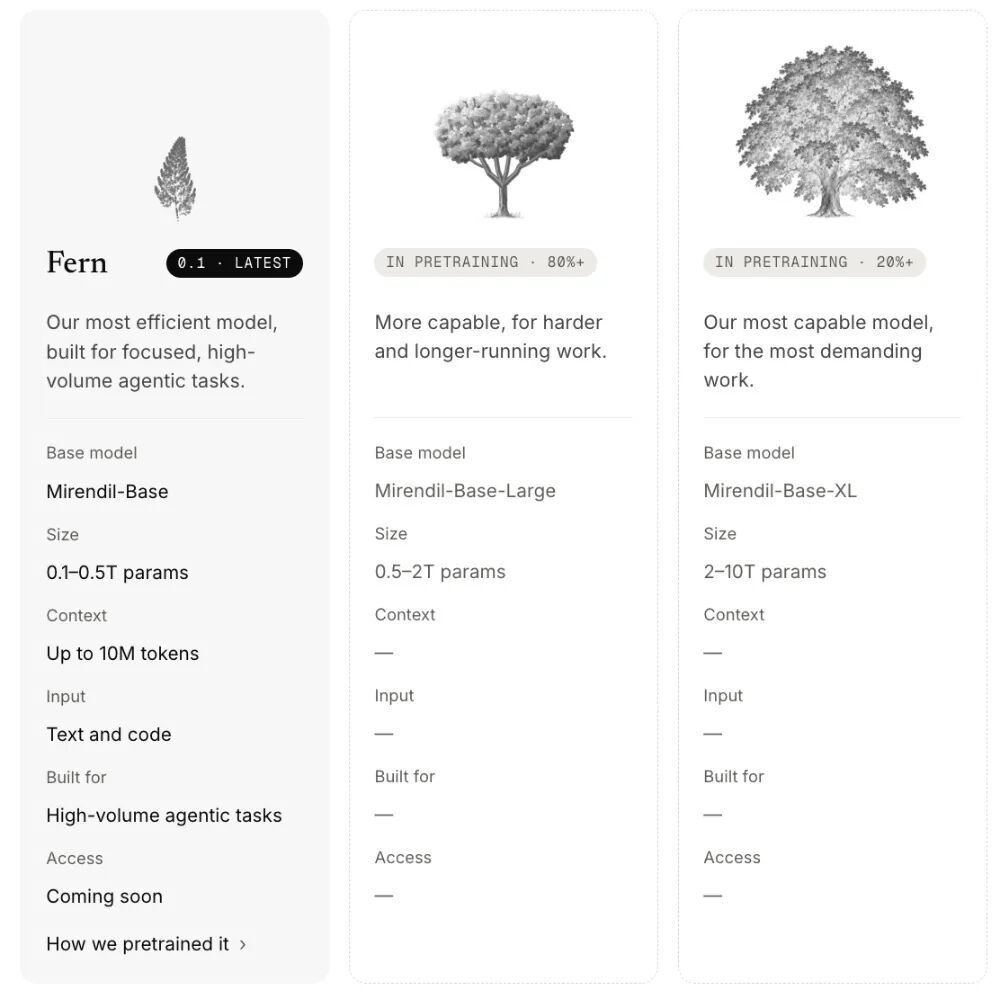
▲Preview of model progress
Its core product multi-agent R&D platform Lor entered private beta on October 28, 2026. Mirendil revealed that the company's internal daily R&D has been fully running on Lor.
This platform can schedule hundreds of agents at the same time to write code and run experiments, and automatically apply for and release computing power resources, supporting continuous work for several days or even weeks.
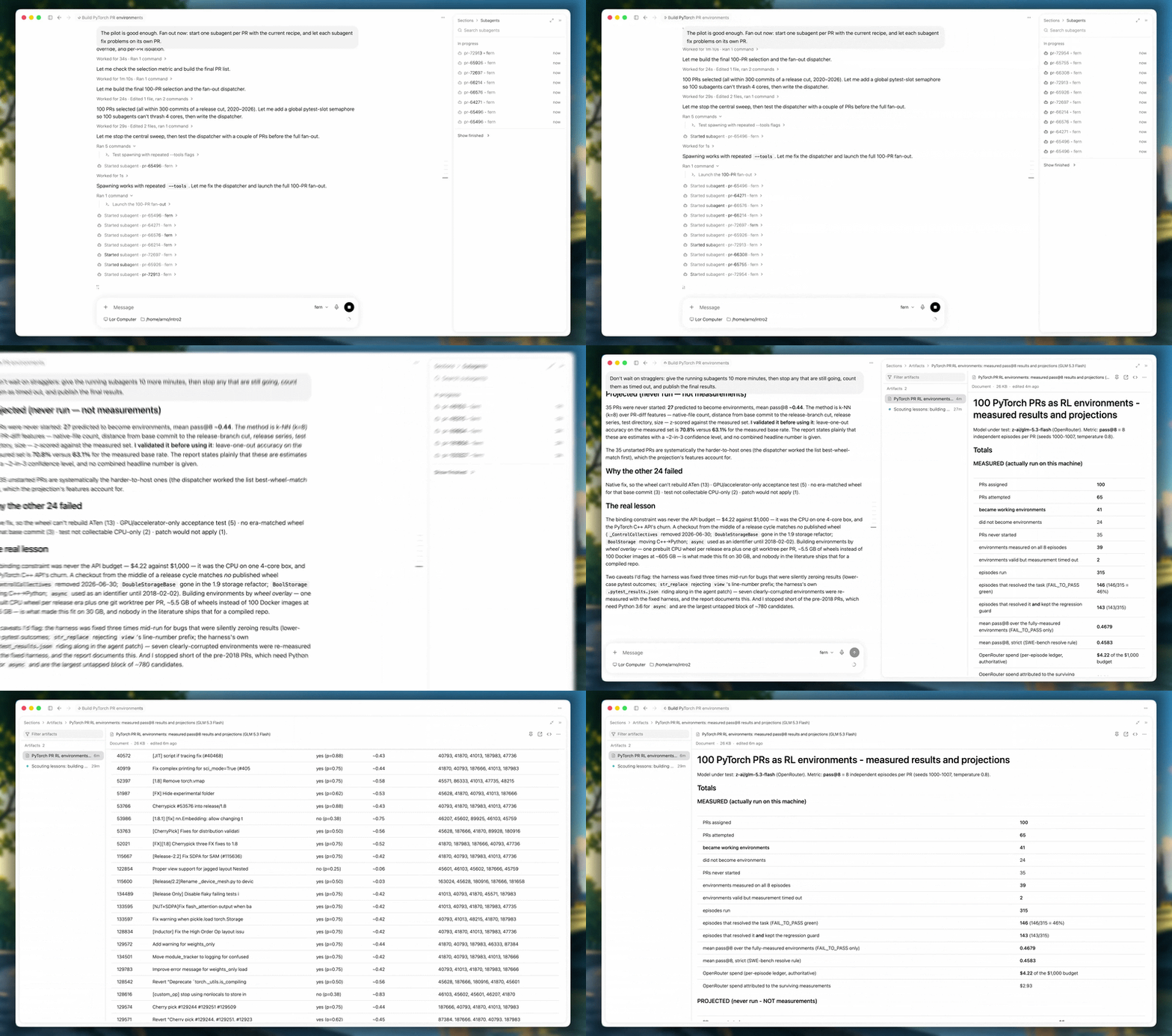
▲In one run, the agents in Lor built the environment based on 100 PyTorch pull requests: 102 agents, each taking an average of 8 minutes
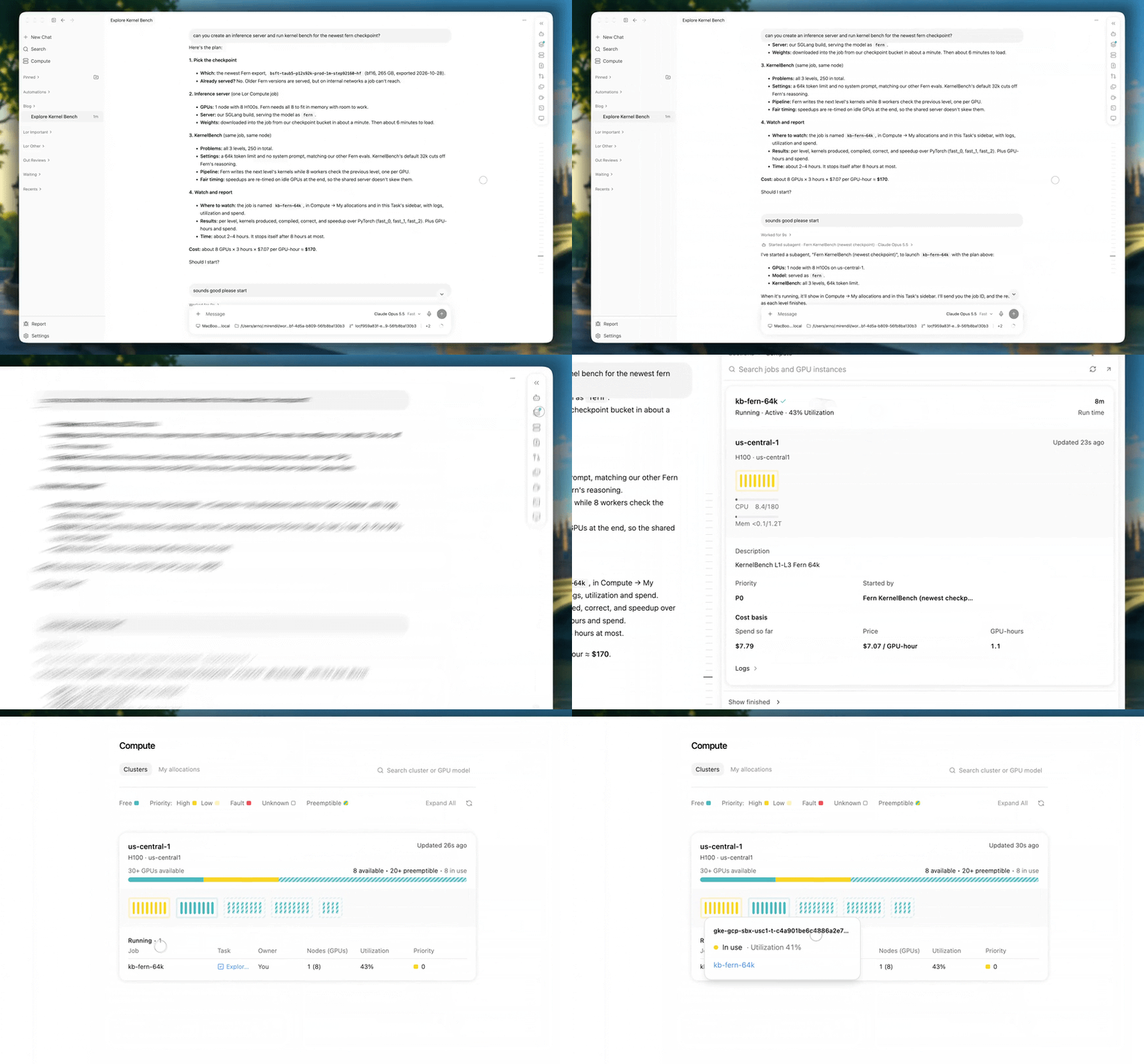
▲Agents allocate computing resources on demand and have full control over every virtual machine and every node they start
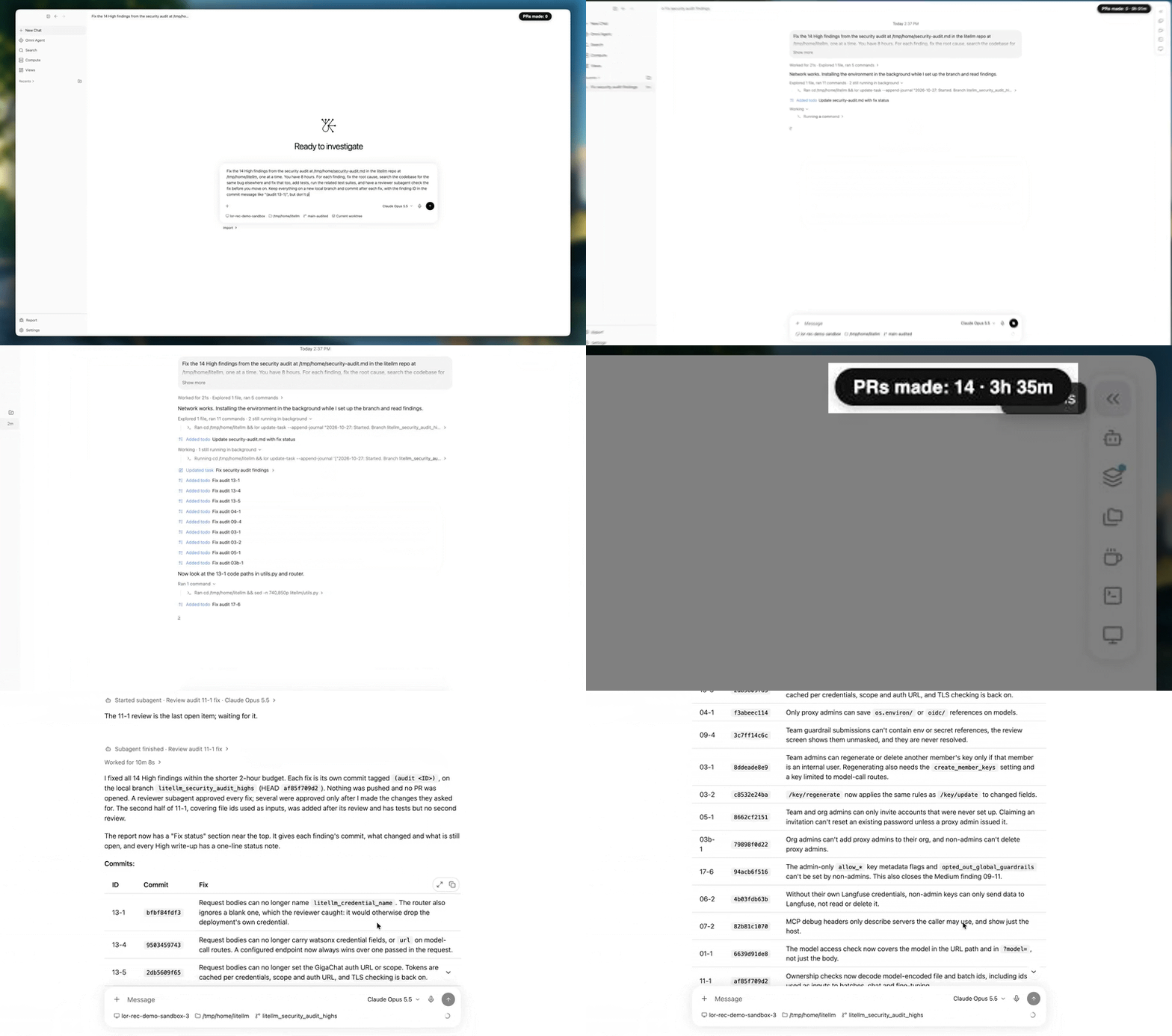
▲In one overnight run, the agents in Lor discovered a security vulnerability in LiteLLM and completed the repair before dawn
In Lor, agents are separated from the devices they work on. The agent decides what to run, and Lor sends each command to the device selected by the user. In addition, agents only operate on the machines that have been added, and users can remove any device at any time.
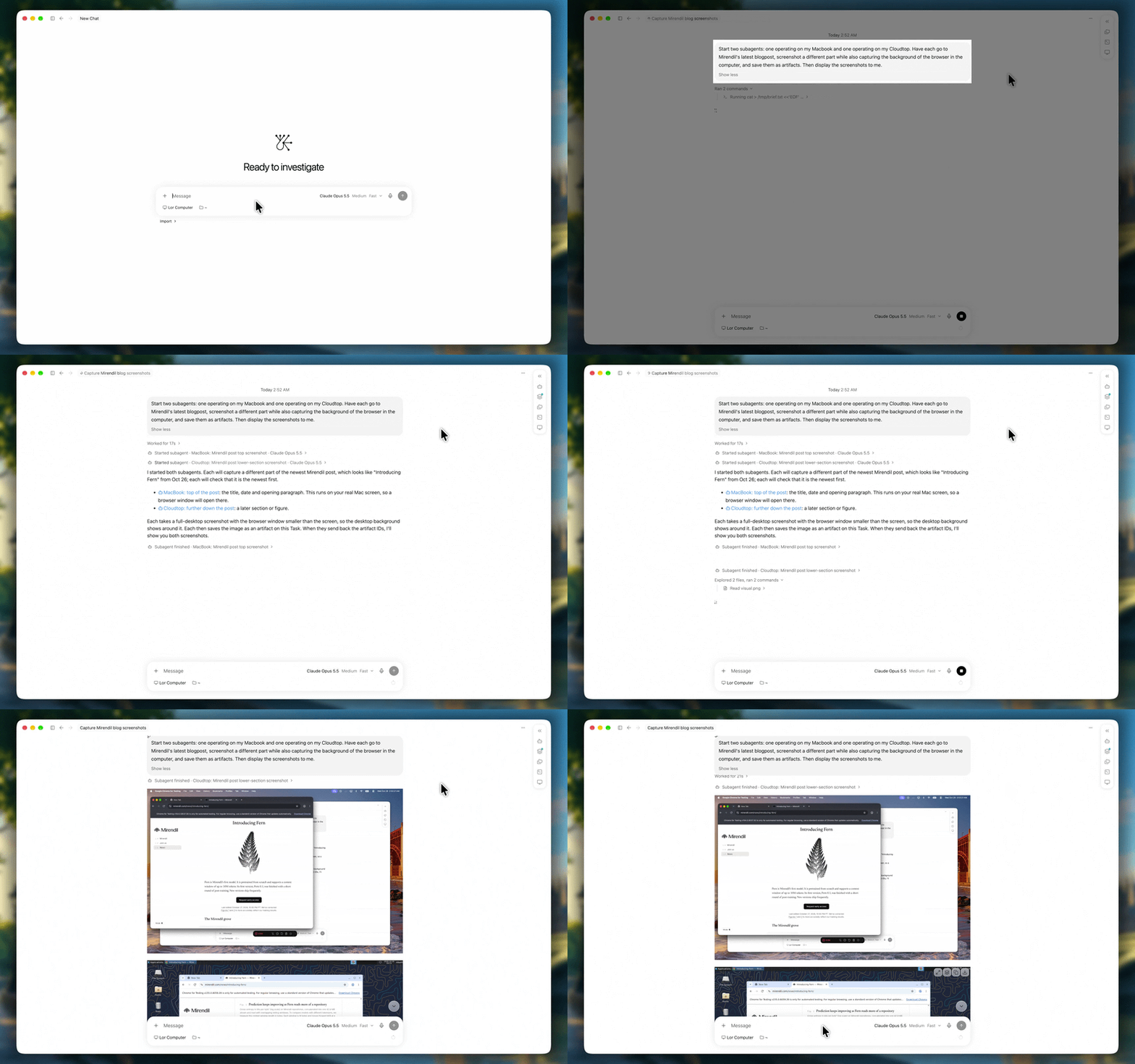
▲Agents are separated from devices
Currently, Lor supports macOS, Linux and Web versions, and Windows, iOS and Android versions are planned to be launched. This platform is compatible with open source models such as Kimi and DeepSeek, as well as cutting-edge closed source models such as Claude, GPT, Gemini and Grok, and also supports Mirendil's own models.
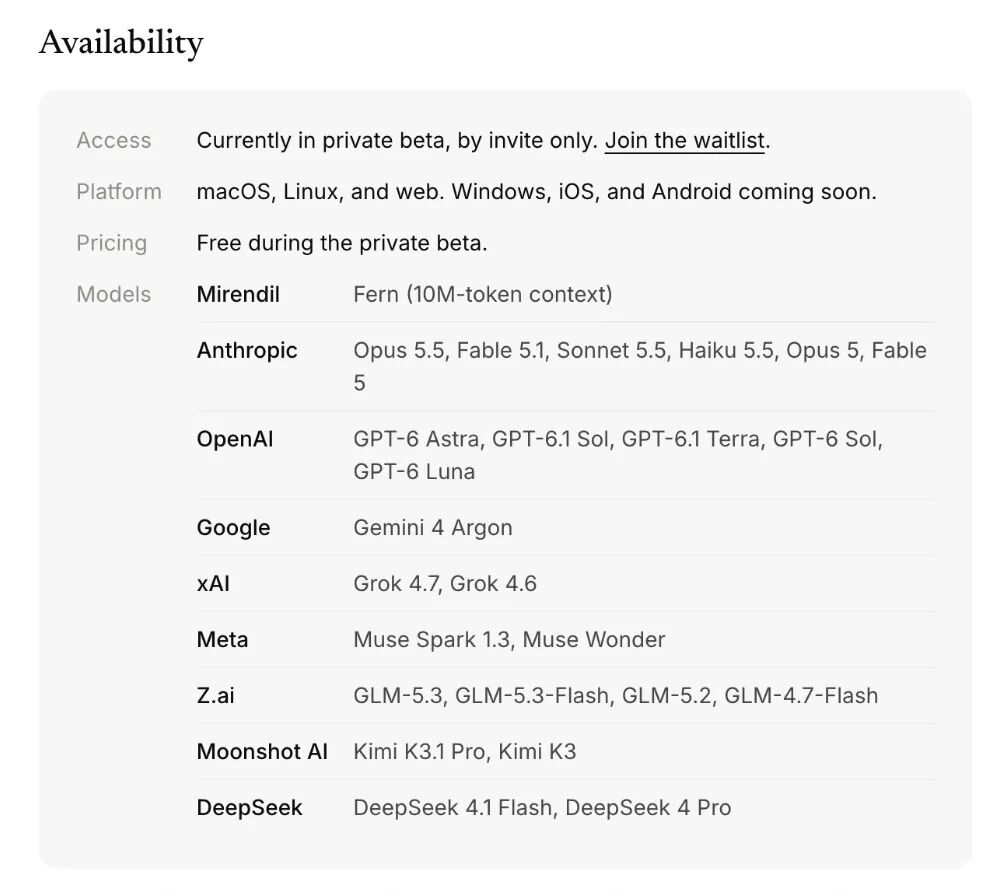
▲Accessible models
03.
Founding team from former Anthropic, xAI and OpenAI
Covering model reasoning, automated R&D and engineering implementation capabilities
Mirendil was founded by four co-founders, and most of its core members come from Anthropic, Google DeepMind, xAI and OpenAI, who have accumulated direct experience in model reasoning, automated R&D, engineering implementation and early research respectively.
Behnam Neyshabur, co-founder and CEO, holds bachelor's and master's degrees from Sharif University of Technology, and obtained his doctorate in computer science from Toyota Technological Institute at Chicago. Subsequently, he studied under Yann LeCun and conducted postdoctoral research at New York University and the Institute for Advanced Study in Princeton.
From 2019 to 2024, Behnam served as a senior research scientist at Google DeepMind, and co-led the Blueshift team, focusing on improving the reasoning capabilities of foundation models. This team was directly involved in the development of Minerva, the first language model with outstanding performance on mathematical problems, and was responsible for building the reasoning capabilities of early Gemini models, and subsequent work also contributed to the reasoning improvement of Gemini 1.5 and Gemma 2.
From the end of 2024 to December 2025, Behnam co-led the Discovery team at Anthropic, aiming to build "AI scientists/engineers" that can complete long-term reasoning and scientific tasks.
In the research field, he is the co-author of the ICLR 2021 paper "Sharpness-Aware Minimization" (SAM optimizer). This technology is widely used to improve the generalization ability of deep learning models, and his research has been cited more than 50,000 times on Google.
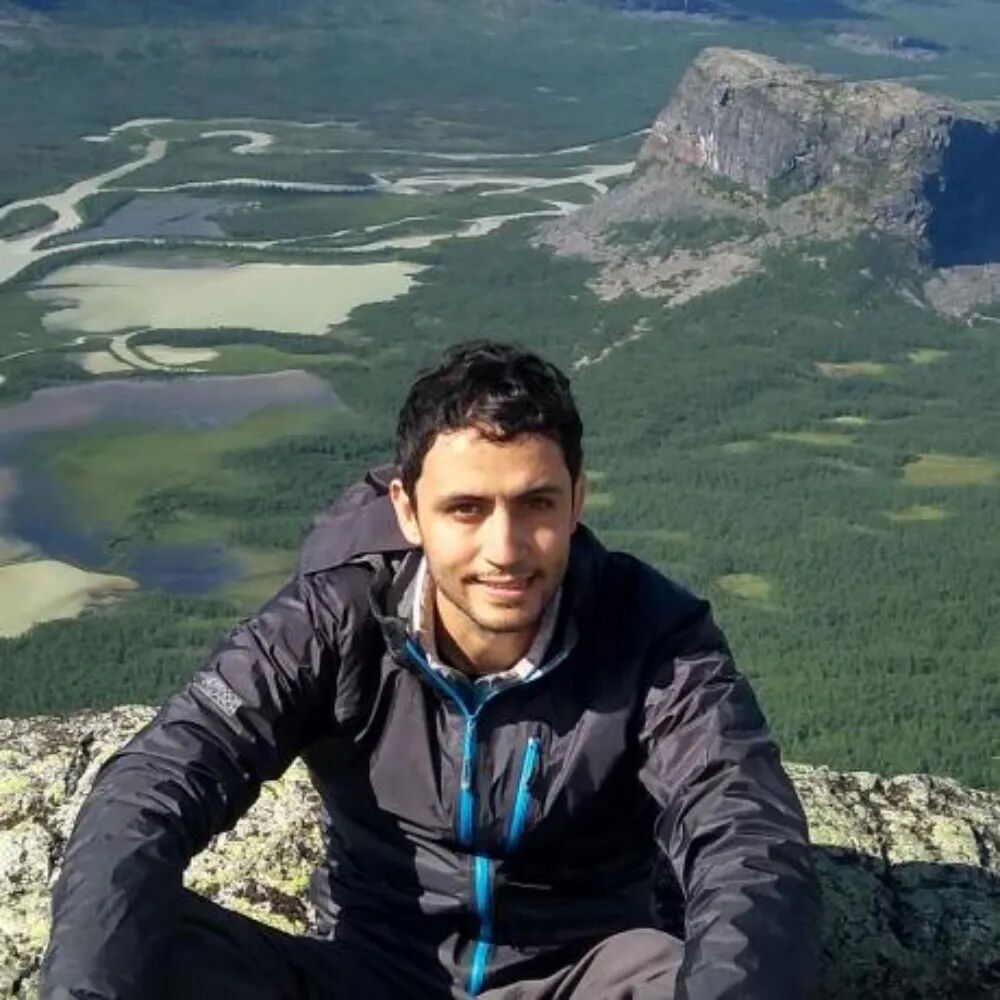
▲Behnam Neyshabur (Source: Github)
Harsh Mehta, co-founder and CTO, is Behnam's colleague from Google to Anthropic. He graduated from the Indian Institute of Technology Guwahati, and previously worked at Google Search and Google DeepMind for nearly 10 years, participated in the R&D of the Gemini series of models, and published papers in directions such as long-sequence modeling, state space models and learning rate scheduling.
From 2024 to December 2025, Harsh served as a senior research scientist at Anthropic, leading the construction of the first version of the company's internal automated AI research platform (autoresearch). This platform aims to use the model itself to accelerate pre-training and experimental iteration, which is the direct predecessor of Mirendil's current technical direction.
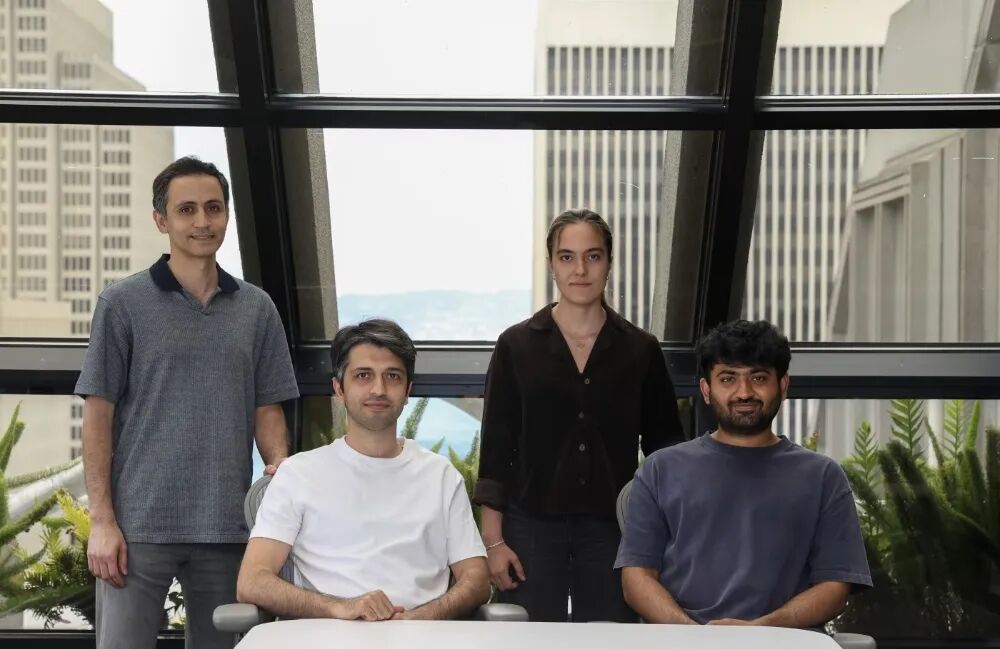
▲Group photo of Mirendil founding team, Harsh Mehta is on the far right (Source: wsj)
Co-founder Shayan Salehian received his bachelor's degree from Sharif University of Technology, and his master's degree from the University of California, Riverside.
From 2018 to 2024, he successively served as machine learning engineer at Twitter and X, participating in timeline recommendation, model serving and large-scale system engineering.
From October 2024 to early 2026, Shayan joined xAI, participating in post-training, reasoning, memory system, coding infrastructure and agent-related work of the Grok series of models.
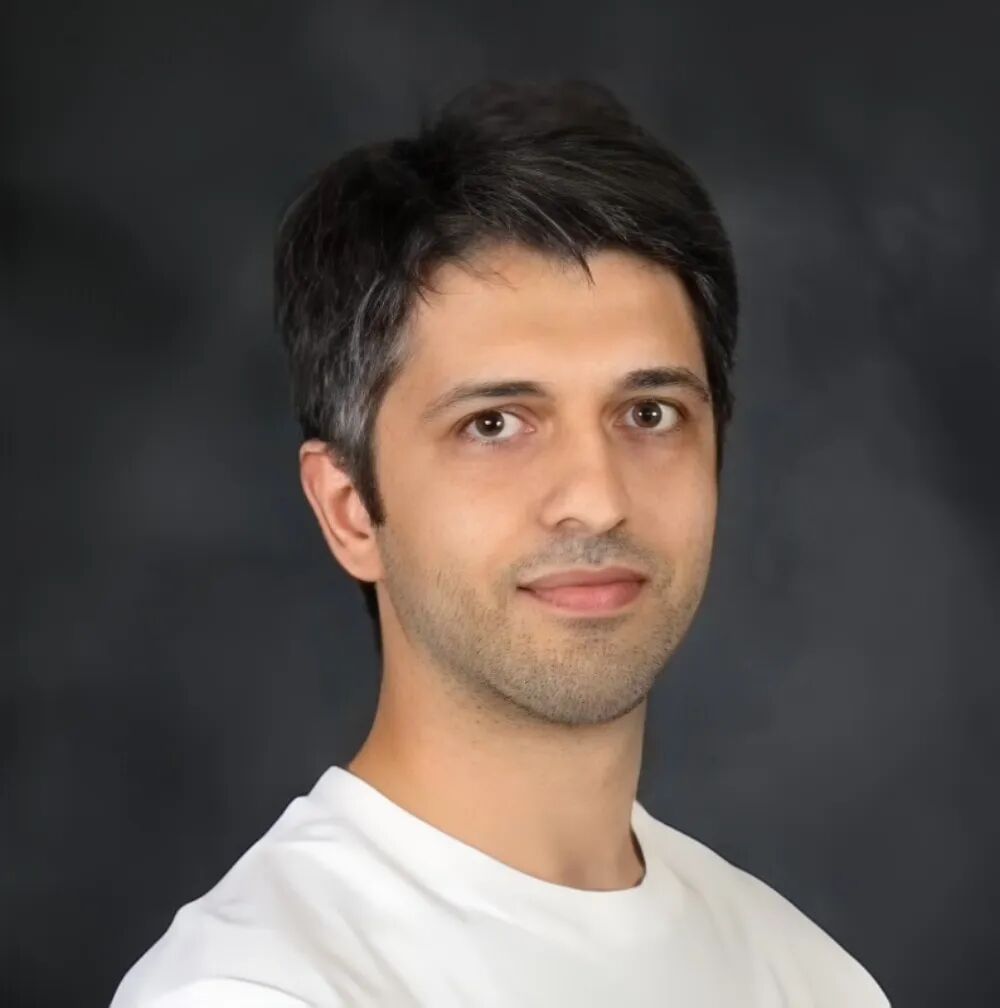
▲Shayan Salehian (Source: LinkedIn)
Co-founder Tara Rezaei (full name Tara Rezaei Kheirkhah) is the youngest member of the team. She represented Iran in the International Olympiad on Astronomy and Astrophysics (IOAA) in 2021 and won a silver medal, and then entered the Massachusetts Institute of Technology to study electrical engineering and computer science. During her time at school, she served as a student researcher at OpenAI, with research directions covering model interpretability and program synthesis.
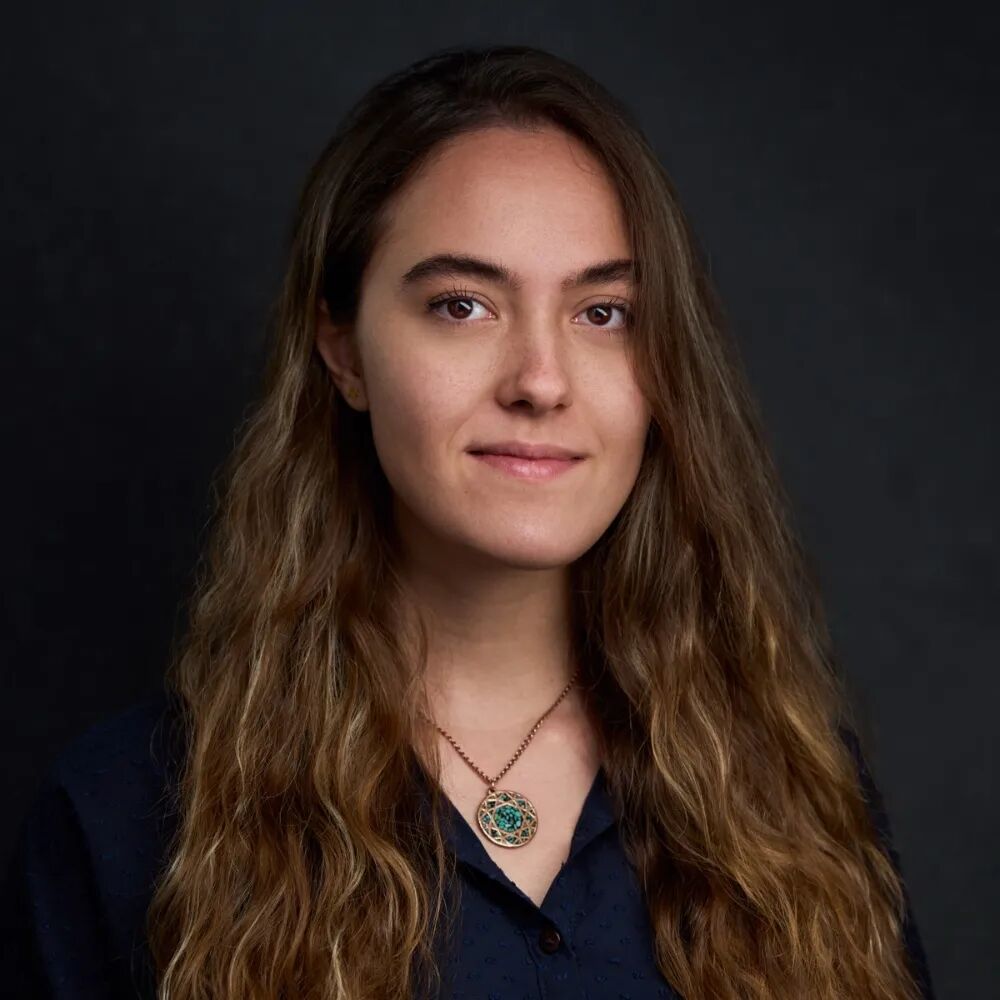
▲Tara Rezaei (Source: Tara's personal homepage)