AI Variety Shows' Six-Month Breakneck Sprint: The Cost-Reduction Myth, Emotional Barriers and the New Mid-Game of the Variety Industry
In 2026, two seemingly unrelated booms are unfolding in the variety show market.
On one side, Mango TV's Friendship Later leverages the 15-year friendship entanglement between Xu Fei and Li Na to achieve a maximum 77.1% effective broadcast market share of its main episode, topping Douban's real-time hit TV show ranking. Related topics have occupied hot search lists for consecutive days, driving Mango Excellent Media's stock price to hit the daily 10% price limit in a single trading day. The drifting-apart friendships among adults and unfiltered emotional tugs once again prove that the sharpest weapon of reality variety shows is always authentic human nature and empathy.
On the other side, on short video platforms, a batch of AI variety shows with no real guests, no recording studios, and a single-episode cost of only several thousand yuan are quietly harvesting traffic and commercial orders. The self-media creator "100,000 Challenges" shifted to AI variety creation and gained millions of followers in half a year, with total views of its works exceeding 300 million and the highest quotation for a single commercial order reaching 150,000 yuan; the AI talent show 12 Star Trainee Competition recorded over 250 million topic views one month after launch, and virtual contestants now have spontaneously organized fan clubs and data support stations.
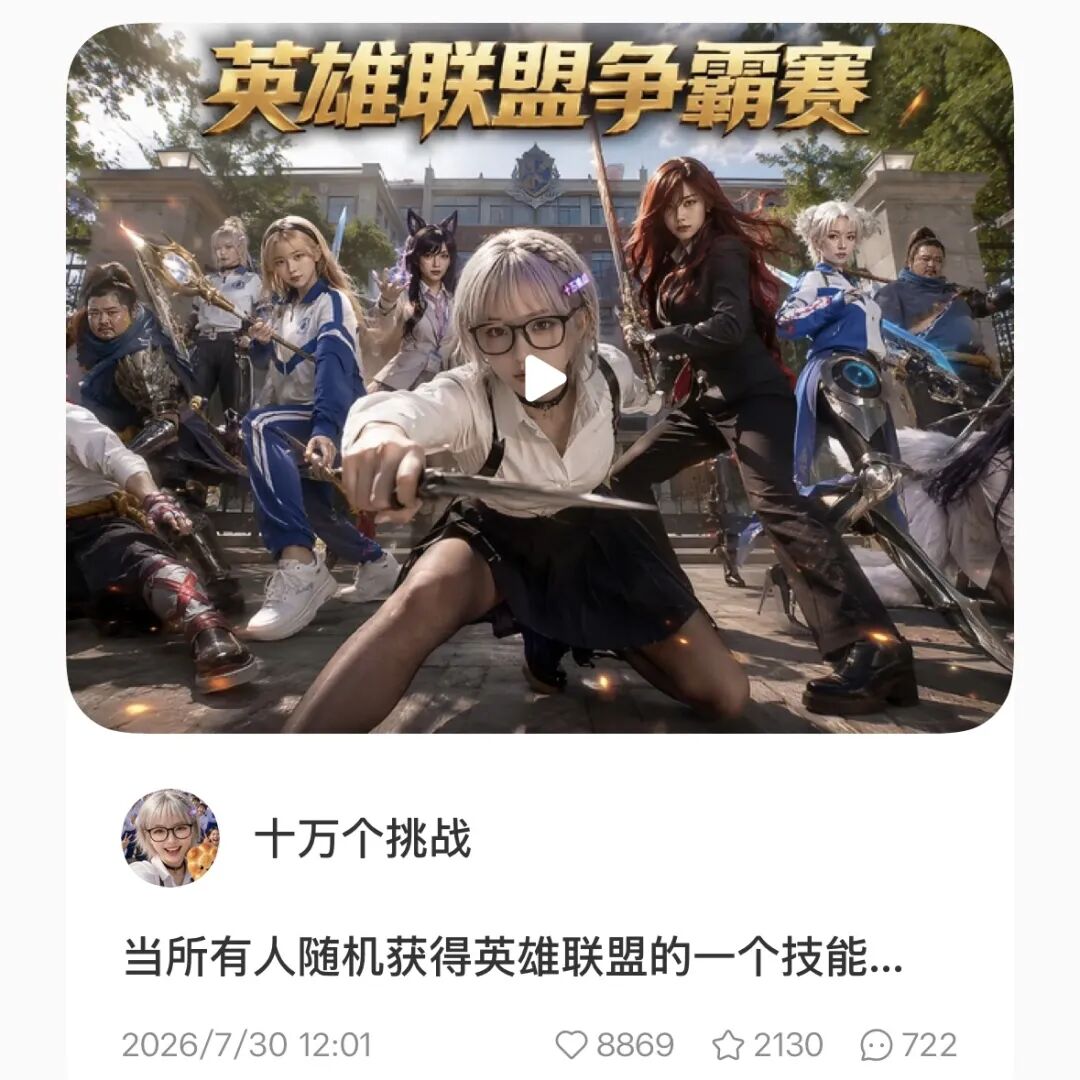
From competitive challenges to talent show group formation, from romance variety interactions to workplace level-breaking games, AI variety shows are rapidly replicating all mature categories of reality variety shows. On one end are top hits with full emotional value, on the other end is an efficiency-first productivity revolution; one side breaks through audience circles with a sense of authenticity, the other fills fragmented time with ultra-low costs. The emergence of AI variety shows is never a simple proposition of "technology replacing real people", but a brand-new supply path spawned by the entire variety industry under the triple pressure of high costs, insufficient production capacity and fragmented user attention.
It will neither replicate the explosive growth myth of AI short dramas, nor shake the core emotional status of reality variety shows, but it is restructuring the mid-game pattern of the entire variety industry. When top reality variety shows are increasingly becoming scarce "emotional luxury goods", AI variety shows are becoming "standardized fast-moving consumer goods" that fill the public's daily entertainment needs.
From Backstage Tool to Frontstage Protagonist: Two Growth Paths for AI Variety Shows
2026 is often called the "first year of AI variety shows", but the AI variety shows that emerged this year are not the same type of product. They grow along two completely different paths, corresponding to different platform demands, business models and user values.
The first path is "AI + variety shows" led by long-video platforms and mainstream media, that is, AI is embedded into the production framework of traditional variety shows as a technical tool and program theme.
China Media Group is a typical representative of this path. In 2026, in the chapter of "AI Empowerment · Win-win New Industrial Ecology", Yangshipin launched 6 AI-related programs at one go, including the second season of documentary venture capital program Win in AI+ focusing on AI entrepreneurship, the world's first AI singer competition program Singing Competition with AI Singers, and AI Endless Challenge that explores the boundaries of AI technology.
In this type of program, AI is more of a narrative theme and display object. Win in AI+ gathered 611 AI entrepreneurial teams, with 36 signed investment intentions totaling 1.23 billion yuan, essentially serving as a "media + industry" linking platform; Singing with AI is a display window for technology implementation, presenting AI's applications in the music field through human-AI joint performances.

Long-video platforms' attempts are also concentrated at the level of "tool empowerment". According to industry statistics, in the production of top variety shows in 2026, the penetration rate of AI in links such as rough material editing, subtitle generation, emotional point recognition, and trailer editing has exceeded 70%, and post-production efficiency has increased by 30%-40% on average. Top variety production teams generally use AI to improve post-production efficiency, and reverse-optimize editing rhythm through audience emotional data, with accuracy improved by about 40%. However, at the front end of content creation, long-video platforms have not yet launched pure AI variety shows with characters and plots completely generated by AI, and most of their applications remain at the partial use of virtual hosts and virtual guests.
The core logic of this path is to use AI to improve the production efficiency of traditional variety shows and expand the boundary of themes, but the core narrative logic, production standards and commercial system of variety shows still follow the rules of reality variety shows. AI is a plus, not a substitute.
The second path is short-video platform-native "AI-native variety shows", that is, everything from characters, scenes to plot trends is generated by AI, which adapts to the short-video ecosystem of vertical screens, short duration and high interaction from the very beginning of its birth.
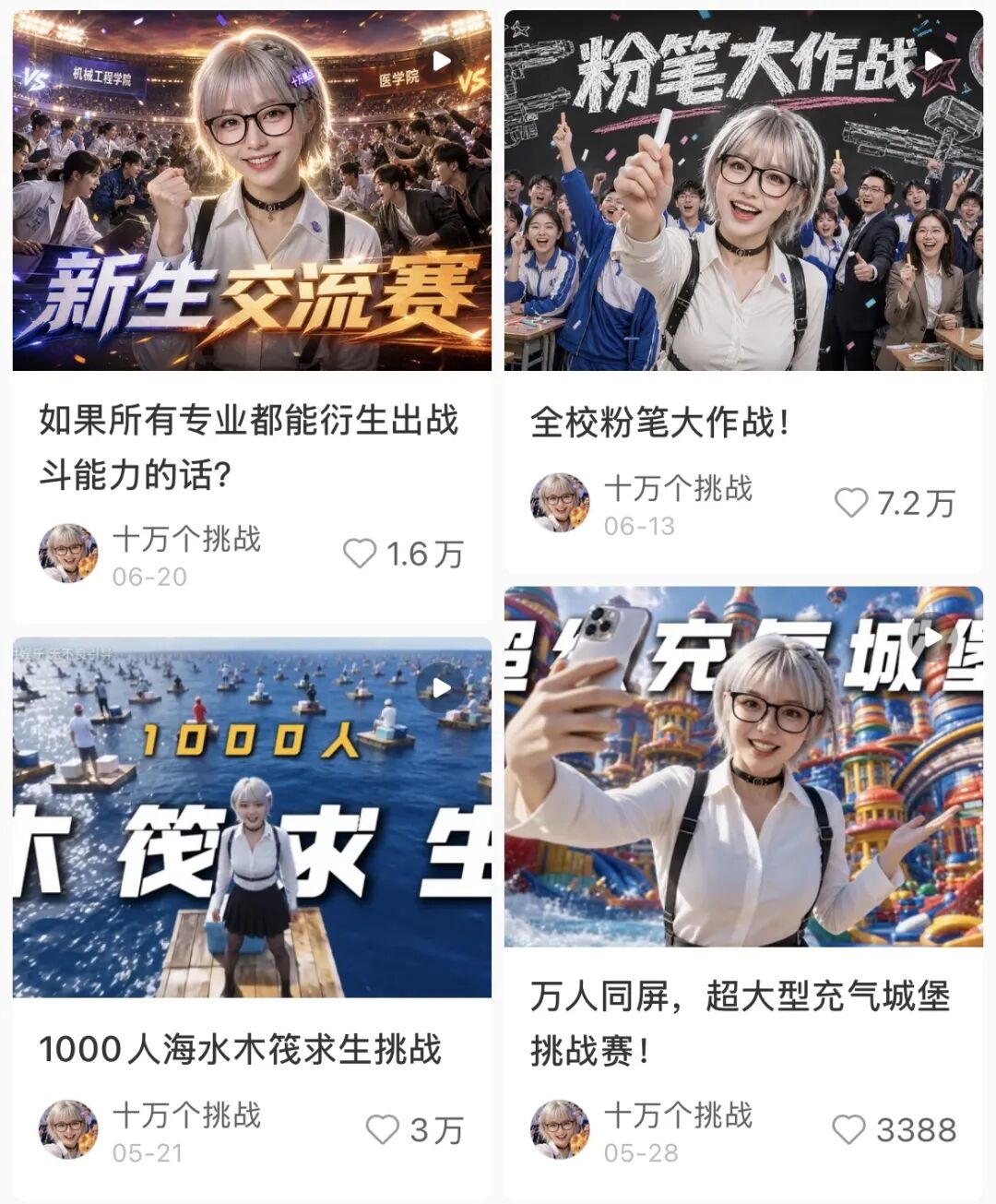
This is also the category that really ignited industry discussions in 2026. In just half a year, the three major categories of talent shows, competitive challenges and romance variety shows have taken shape rapidly. For the competitive category, there is "100,000 Challenges"'s Chalk Battle, whose single video likes exceeded 1.89 million; for the talent show category, there are 12 Star Trainee Competition and Starlight 108, which completely replicate the whole group-forming link of official profile photos, first stage performances, public performances and fan voting; for the romance variety category, trial works such as South Korea's My AI Partner have emerged, and emotional interactions between virtual characters have become a new highlight.
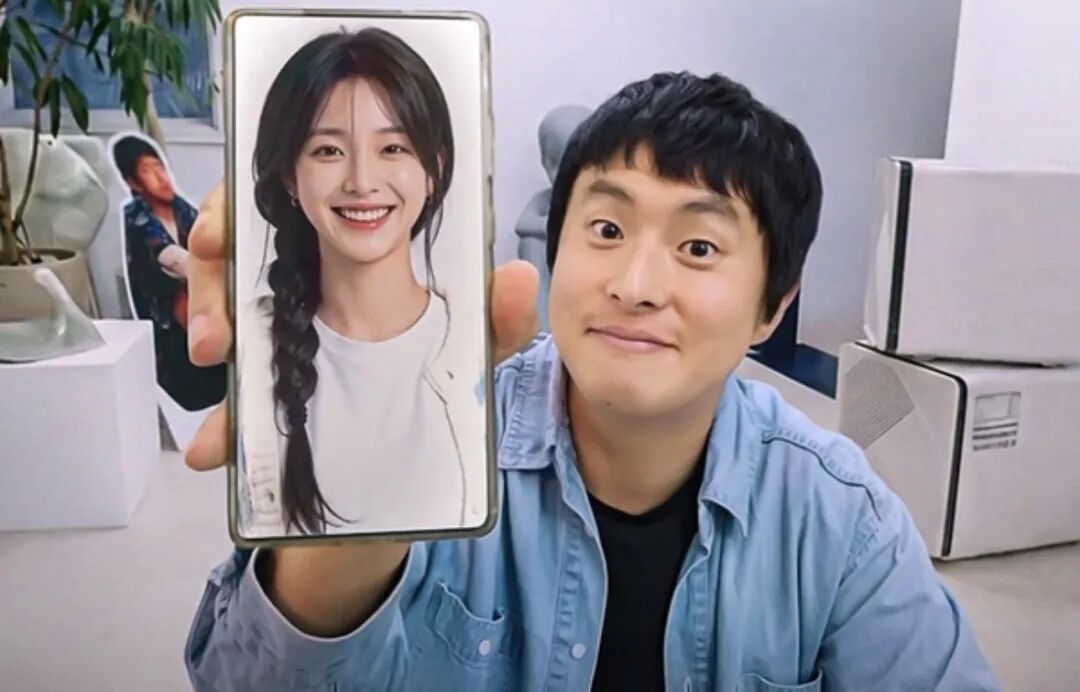
Compared with traditional variety shows, the most intuitive advantage of AI-native variety shows is extreme cost reduction and efficiency improvement. The production cost of a single episode of top reality variety shows is usually millions or even tens of millions of yuan, with a preparation period of several months, and guest schedules, recording venues and shooting execution are closely linked. In contrast, the cost of a single AI variety episode can be controlled at several thousand yuan, the production period is shortened to one week, and the team size is reduced from dozens of people to several people. "100,000 Challenges" produces five or six episodes a month, with an early commercial order rate of 100%, and the input-output ratio far exceeds that of reality micro-variety shows of the same magnitude.
What is more noteworthy is the maturity of its business model. Different from AI short dramas that rely on paid revenue sharing and bet on hits by chance, the monetization path of AI-native variety shows is closer to the brand advertising logic of reality variety shows. The quotation for a single commercial order of "100,000 Challenges" is about 80,000 to 150,000 yuan, covering customers in games, 3C, FMCG and many other categories. For brands, AI variety shows not only have the grass-planting ability of variety content, but also have the communication efficiency of short videos, and there is no risk of real celebrities' public image collapse, making them a highly cost-effective marketing carrier.
The two paths seem parallel, but actually point to the same industry trend: AI is moving from a backstage production tool to the front stage of content production. The only difference is that long-video platforms have chosen a steady progressive integration, while short videos, with lower trial-and-error costs, have taken the lead in running a commercial closed loop for pure AI content.
Three Comparisons: The Potential Boundaries of AI Variety Shows
When discussing the value of AI variety shows, we cannot avoid two reference systems: one is the already booming AI short drama, and the other is the deeply rooted reality variety show. The three seem to belong to the AI cultural and entertainment track, but follow completely different growth logic and market ceiling.
Compared with AI short dramas, AI variety shows have less explosive power but stronger commercial certainty. First look at a set of data verified by multiple parties: in the first half of 2026, the market size of China's AI drama and comic drama sector exceeded 220 billion yuan, and the full-year figure is expected to hit 400 billion yuan with user scale exceeding 600 million; in the first half of 2026, Douyin alone added 221,900 new AI micro-short dramas, but only 1055 of them had views exceeding 100 million, with a hit rate of about 0.47%, and less than 1.3% of the content could recover costs.
While the industry has a 400-billion-yuan market cake, it also faces the cruel reality that 90% of companies are losing money. The growth of AI short dramas is built on massive supply and the extremely low probability of "traffic gambling". In contrast, the current scale of the AI variety track is much smaller, but its business model is healthier.
The core difference lies in content attributes. AI short dramas are plot-driven, one-time consumption content: users leave immediately after watching, the IP value of the account is weak, and monetization is highly dependent on the paid conversion of a single work. Once the plot fails to meet users' satisfaction points, all investment will be lost. Variety shows are naturally endowed with the attributes of "following updates" and "accompanying", users will continue to pay attention for fixed IPs and fixed contestants, and the efficiency of account fan precipitation is higher.
The main account of 12 Star Trainee Competition gained 540,000 followers one month after launch, and the personal account of the most popular contestant has more than 110,000 followers. This precipitation method of "IP + persona" is in the same line as the star-making logic of reality talent shows, which can continuously undertake diversified monetization such as commercial orders and derivative content. However, at present, top talent show projects such as 12 Star Trainee Competition and Starlight 108 have been suspended and removed from shelves, and most related content is no longer visible, adding uncertainty to the short-term trend of the AI talent show track.
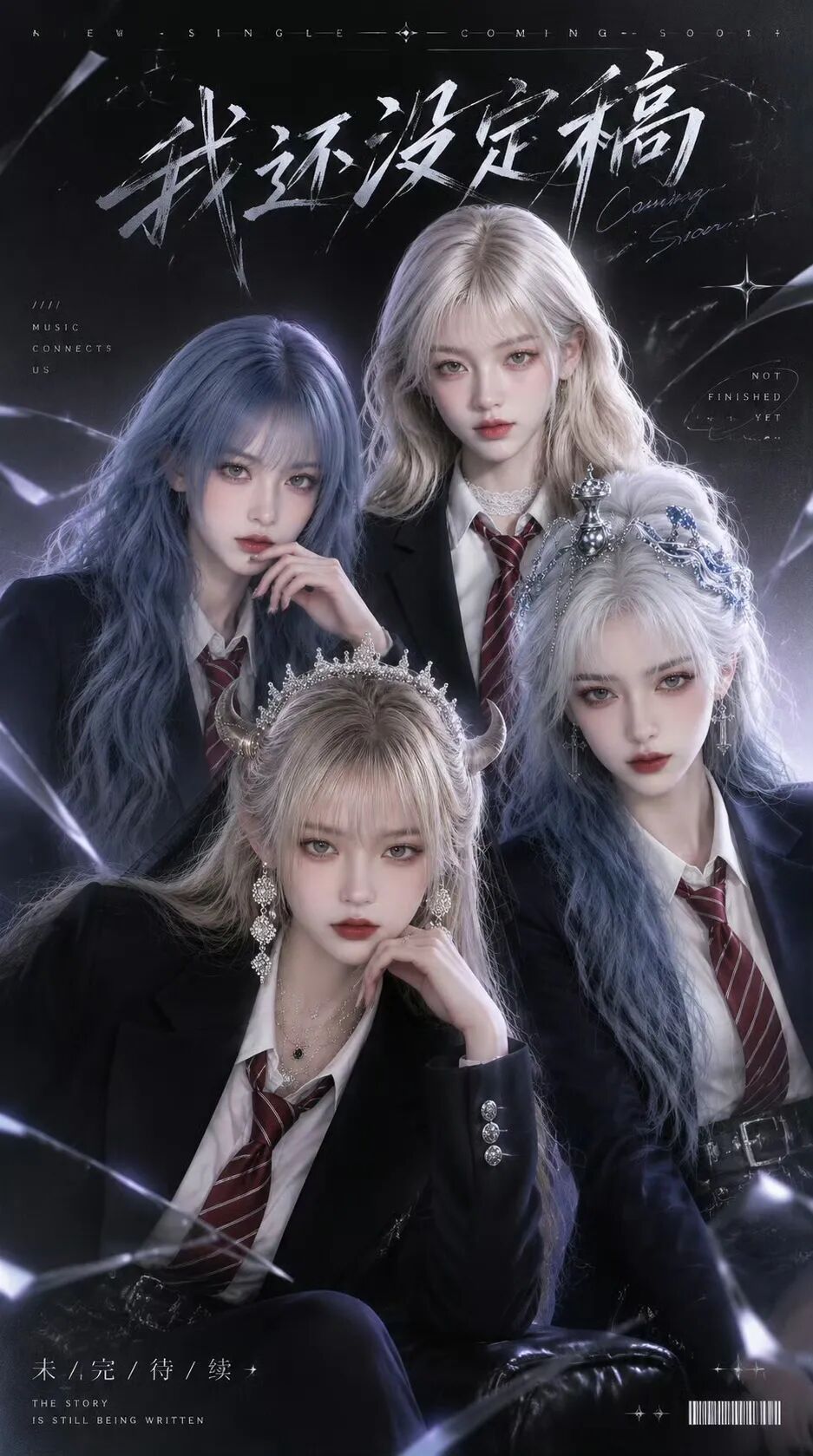
Another difference is the competitive landscape. The threshold of AI short dramas is extremely low, leading to serious overcapacity, homogeneous content piling up, and users' aesthetic fatigue coming extremely fast. The production threshold of AI variety shows is higher than that of AI short dramas: it not only needs to generate images, but also design variety competition systems, shape character personas, create dramatic conflicts, and control interaction rhythms, which is essentially a combination of "content planning capability + AI technical capability". This also means that AI variety shows will not quickly fall into price wars and production involution like AI short dramas, and the planning advantages of top teams can form certain barriers.
Of course, this also determines that it is difficult for AI variety shows to replicate the explosive speed of AI short dramas that multiply several times in a year. Short dramas are a highly universal content form covering users of all age groups; variety shows themselves belong to vertical content, and their user base is naturally smaller than that of TV series. AI variety shows are more like "stable players" in the AI cultural and entertainment track, with slower growth speed, stronger commercial certainty and longer life cycle.
Compared with reality variety shows, AI variety shows crush in efficiency, but there is a generational gap in emotional concentration. If AI variety shows gain the upper hand in "stable business model" when compared with AI short dramas, then their advantages and disadvantages are equally obvious when compared with reality variety shows.
The advantages are concentrated on the supply side. The first is the cost advantage: as mentioned earlier, the gap between several thousand yuan per episode and millions of yuan per episode is of an order of magnitude; the second is the efficiency advantage: the production capacity of weekly or even daily updates is unattainable for reality variety shows; the third is the risk advantage: there are no uncontrollable factors such as celebrity image collapse, schedule conflicts, and recording accidents, and content can be adjusted and iterated at any time; the fourth is theme freedom: AI can realize scenes that cannot be shot by reality variety shows, such as large-scale campus competitions in Chalk Battle, and mythological character brawls in Conquest of Gods Challenge, which would see exponentially rising costs and execution difficulty if shot with real people.
But the disadvantages are equally fatal, the core of which lies in the generational gap of emotional concentration. The breakout success of Friendship Later is essentially the emotional weight precipitated by 15 years of real life experiences. Li Na's line "I was hidden from public view for seven years" and Xu Fei's line "I would never do anything to hurt you" are backed by real life encounters, real misunderstandings and regrets, and this emotional tension cannot be generated out of thin air by AI.
What audiences pay for when they watch reality variety shows is never the competition system or scenes, but the real reactions of real people in specific situations: hesitation, candor, duplicity, tears, and all the "accidents" that cannot be precisely designed by scripts.
Current AI variety shows are still in the "shape-similar" stage. They can replicate the process, competition system and character settings of variety shows, but it is difficult to create real emotional resonance. The "personas" of virtual contestants are labeled, the "conflicts" are pre-set, and the "growth" is written in the script. Audiences can enjoy the lively atmosphere, but it is difficult to invest real emotions. The so-called "fan clubs" are more freshness-driven meme-based participation, rather than the deep emotional projection that real idols can bring.
This also determines that the two are not in a substitution relationship, but in a hierarchical relationship. Top reality variety shows still occupy the top of the pyramid of the variety market, responsible for creating national topics, enhancing platform brands and attracting high-value title sponsorships; AI variety shows fill the middle and lower parts of the pyramid, meeting users' fragmented, lightweight and high-frequency entertainment needs. Users will not stop watching Call Me By Fire and Friendship Later just because they watch AI variety shows; but they may allocate the time they originally spent scrolling short videos and reading pleasure novels to these relaxing and interesting AI contents.

At the present stage, the advantages and disadvantages of AI variety shows essentially point to the two ends of the balance between industrialized