The car that Elon Musk likes the most is unexpectedly going to be discontinued.
The car Elon Musk likes the most is unexpectedly being phased out of production so soon?
We are talking about the Cybertruck.
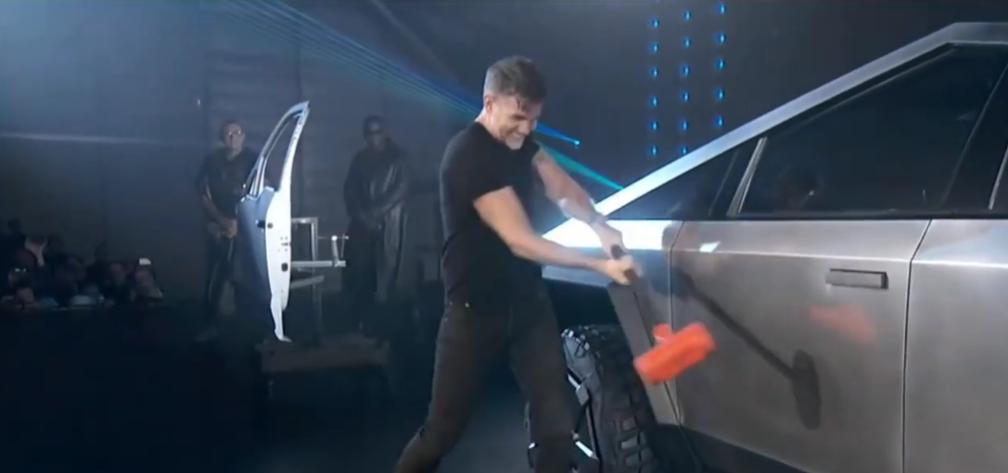
Back in 2019, this uniquely styled Cybertruck made its first public appearance. To demonstrate its incredible durability, Elon Musk directly got several strong men to swing sledgehammers and smash it wildly nonstop.
When they even threw an iron ball at it, they smashed right through its window glass.
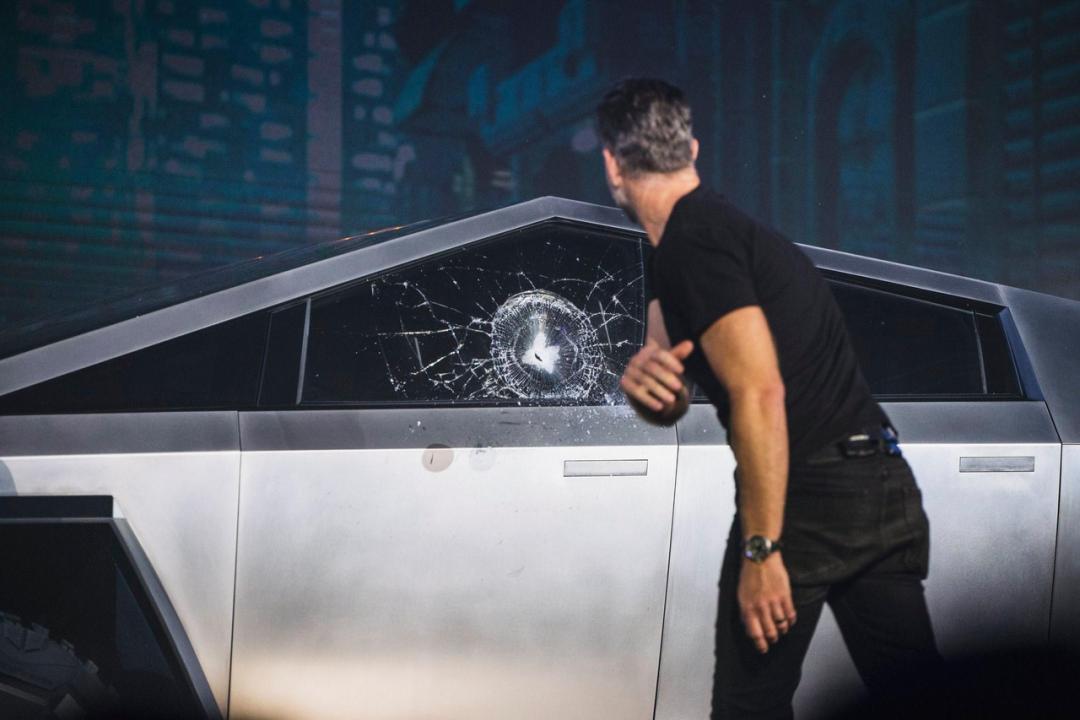
This slightly embarrassing famous scene caused a sensation all over the world.
Just 5 days after its launch, its order volume surged to 250,000. Later statistics even showed that before its official production launch in 2023, Cybertruck's accumulated order volume had reached 2 million, which made Elon Musk extremely excited.
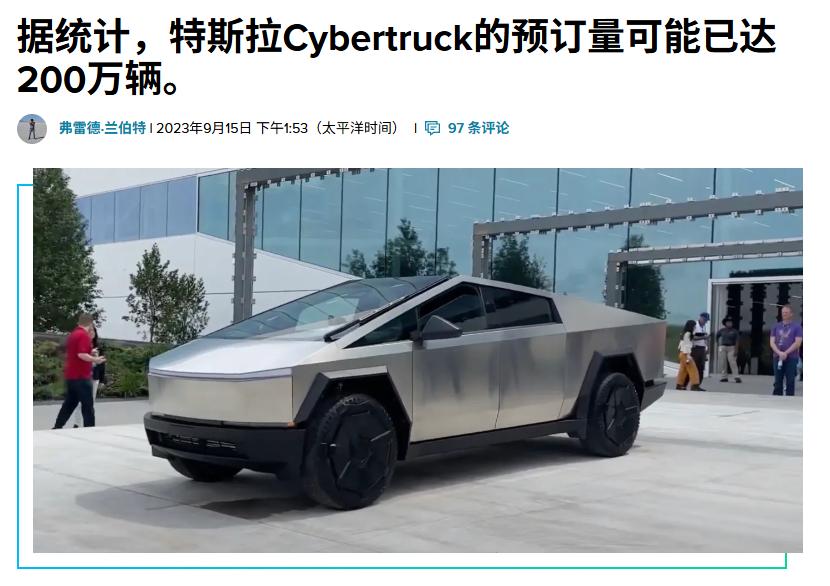
At the 2023 earnings call, Elon Musk called it "the best product Tesla has ever made", and boldly predicted that Cybertruck's annual delivery volume would reach 250,000 units in 2025, which was on par with the Xiaomi SU7 in the same period.
However, what about the reality?
In fact, the problem of launching production alone dragged Elon Musk down for a full 4 years.
According to the original plan, this car should have achieved mass production in 2021, but in reality, it only completed small-batch deliveries in 2023, and some of its parts were even made purely by hand.
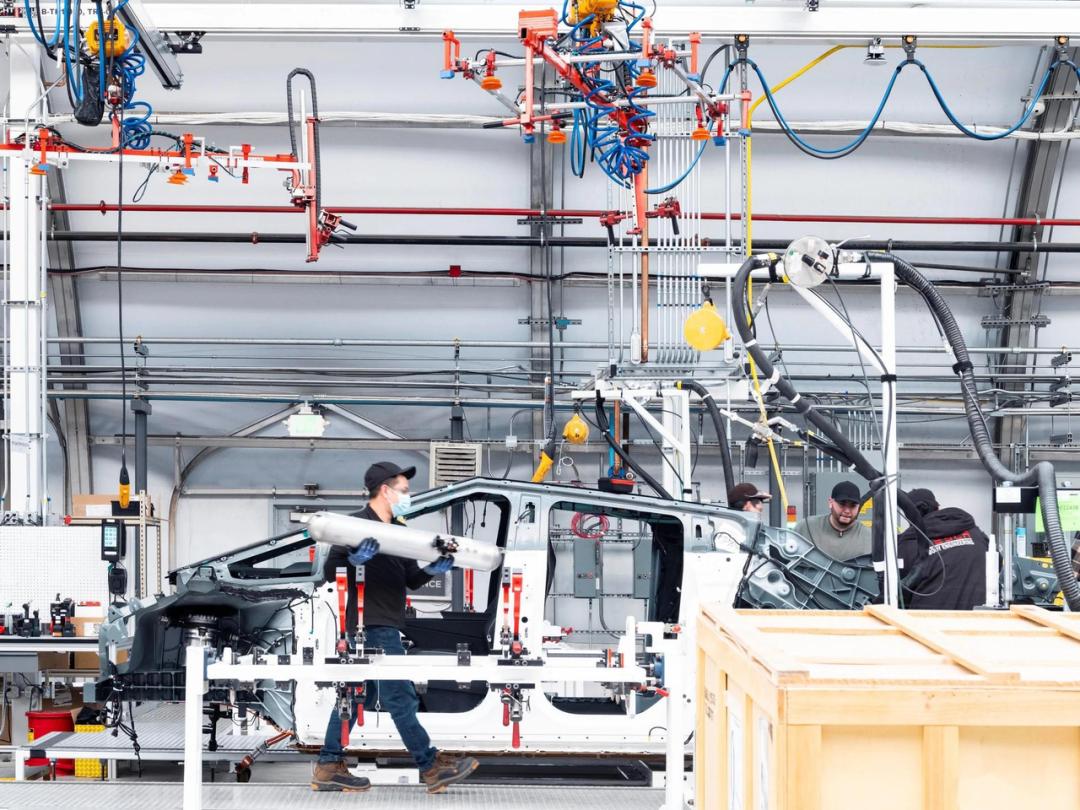
It did not achieve real mass production until 2024, and it took about a year of production capacity ramp-up to fully solve all production problems.
However at this point, Elon Musk awkwardly found that, wait, where did all the orders go?
Judging from quarterly sales, Cybertruck's sales dropped rapidly from the peak of 14,000 units in Q3 2024 to less than 5,000 units. Its total annual sales were only 20,000 units, less than one-tenth of the target.
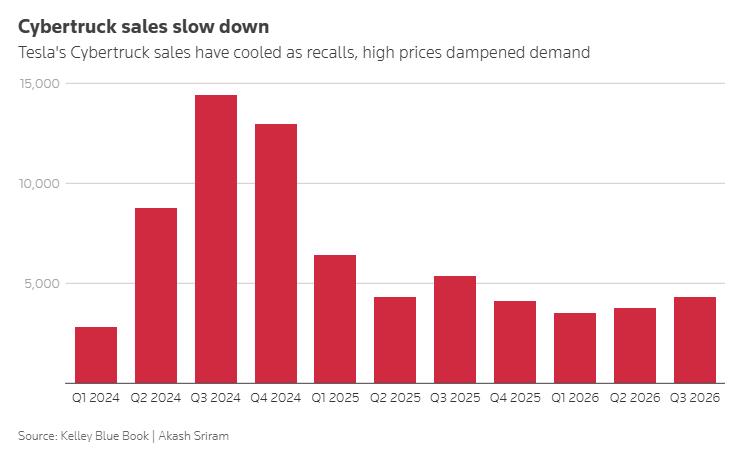
It should be noted that this figure even includes its own big client SpaceX. In 2025, SpaceX spent 131 million US dollars buying Cybertrucks from its sister company, which was just a transfer of assets from the left hand to the right hand.
It seems that the so-called 2 million orders are all fake, and the actual conversion rate is extremely low.
This may be because after 4 years of waiting, even the most die-hard Tesla fans could not wait any longer, or the 100 US dollar deposit attracted a large number of onlookers who had no real intention to buy. In short, the accumulated orders were all exhausted in just one year, and now its monthly sales are hovering at the meager level of over 1,000 units.
Therefore, Elon Musk simply announced that Cybertruck will be discontinued in mid-2027, and all production capacity will be allocated to the fully self-driving taxi Cybercab.

But this matter is very delicate.
Let's think about it, if Cybercab does not have enough production capacity, why not expand the production capacity, but squeeze the capacity directly from Cybertruck?
The key point is, is Cybertruck really selling so badly? You know, this is a car that costs nearly 100,000 US dollars. If it is imported into China through parallel import channels, its price will even be over 2 million RMB.
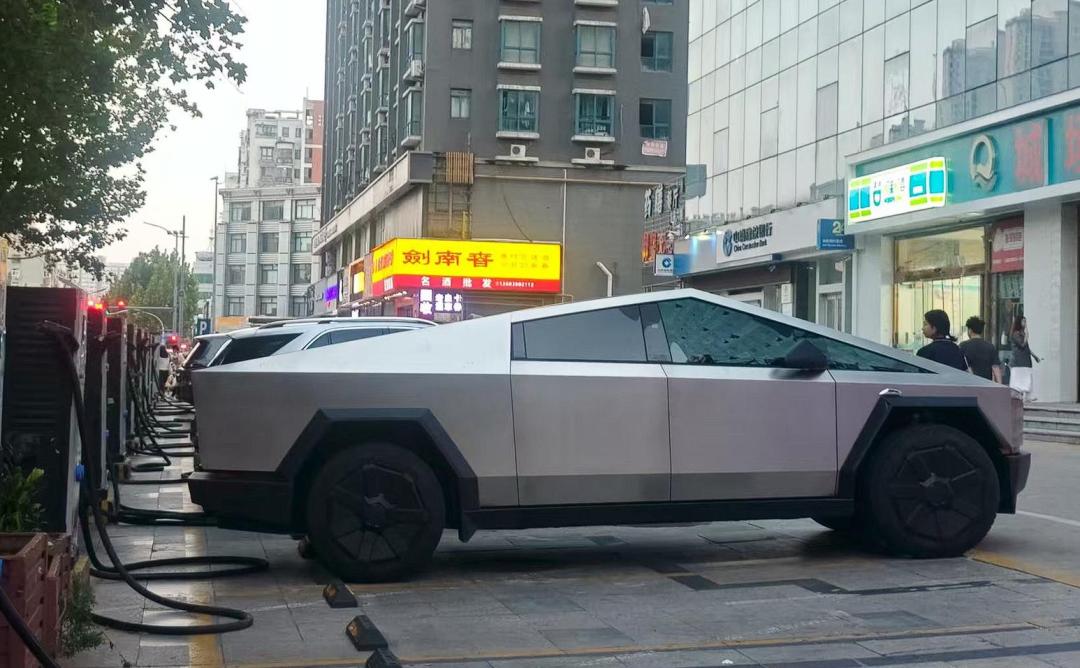
In China, how many cars at this price point can achieve monthly sales of over 1,000 units?
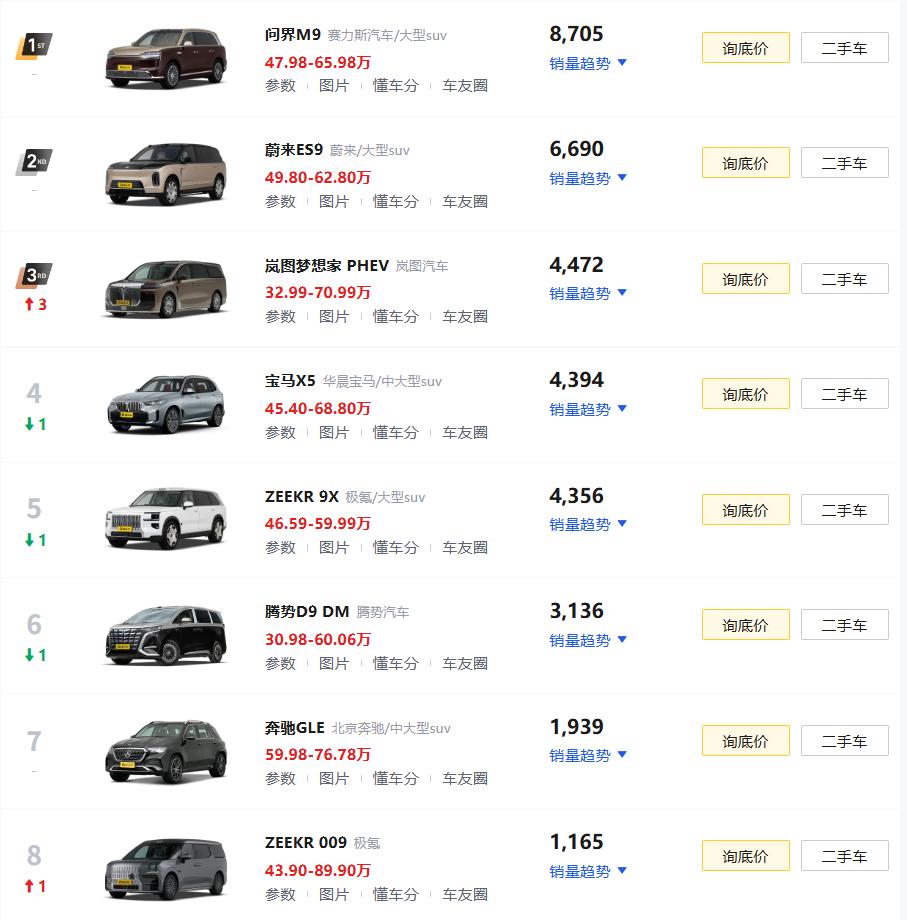
Not to mention that even Li Auto MEGA was able to turn its sales around, if Elon Musk polished the product a bit more, there is no guarantee that Cybertruck would not get a second life. Once you discontinue it, you not only have to refund all the deposits you have collected, but also all the early R&D investment will go down the drain, right?
Therefore, behind this wave of production discontinuation, there are actually two more things to make clear.
The first is the economic calculation. If you continue small-scale production, even if you do not lose money, it may not be very cost-effective.
After all, production does not only depend on the deployment of parts, but on a complete industrial system. The special manufacturing process of Cybertruck determines that it will either succeed completely or fail completely.
For example, its most iconic cold-rolled stainless steel exoskeleton is so hard that ordinary stamping processes are completely useless for it, so Tesla specially developed a set of laser cutting and hot forming equipment.
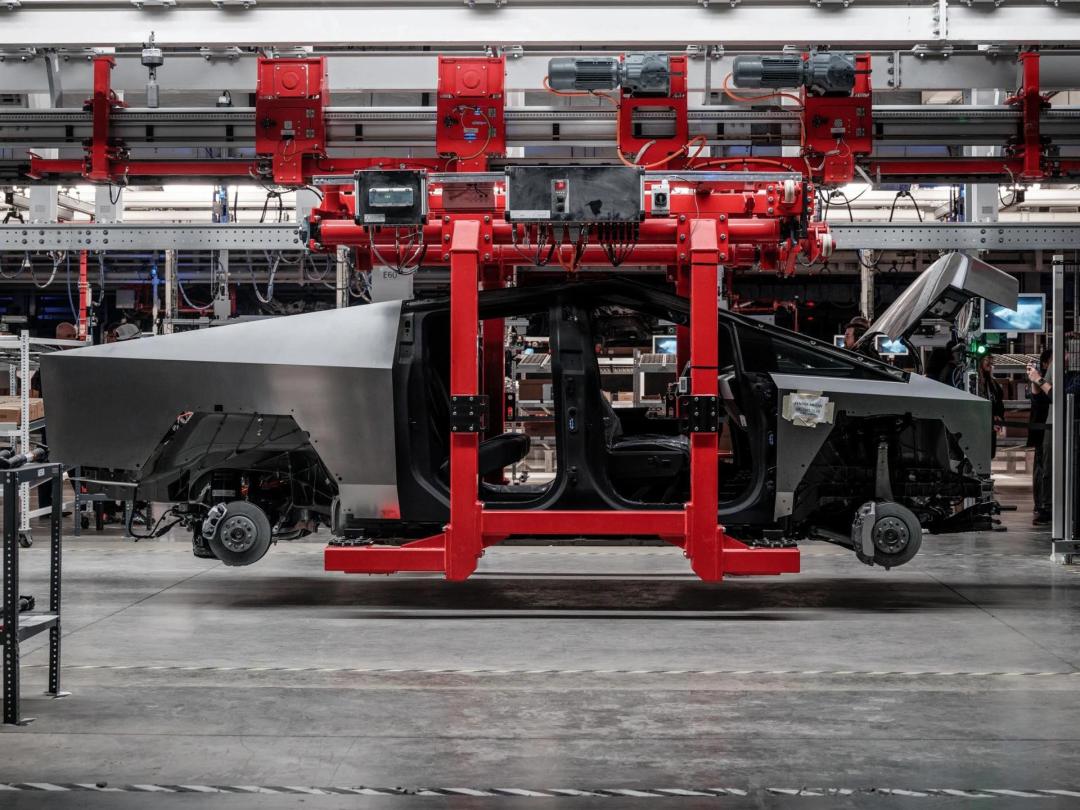
This set of equipment cannot be shared with Model 3 or Model Y, right?
Once Cybertruck's planned production capacity is adjusted from 250,000 units to 20,000 units, most of the time this production line will be left idle.
Even if you don't use it, you still have to invest in personnel and maintenance costs. It is really better to sell the production line directly to make room for other more important products.
The key is that there is more than one such production line, including the 9,000-ton-class die-casting machine, and the high-strength glass we mentioned earlier.
As for why no extra production capacity can be provided for Cybercab, it is also a cost issue. If you build a new factory from scratch, the cost will be extremely high.
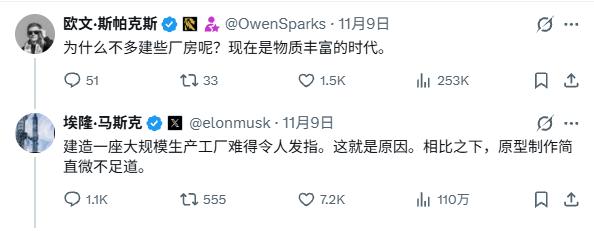
Elon Musk previously admitted that after a large number of employees left, Tesla no longer has enough talent to manage extra car models. To put it bluntly, Elon Musk's control over labor costs is also extremely strict.
Apart from money, there is also an expectation calculation here. I think the main reason for Cybertruck's discontinuation is that Elon Musk has completely lost confidence in this car.
As everyone knows, the reason why Cybertruck's sales are not high is largely self-inflicted.
First of all, this very hard stainless steel material cannot be smashed by strong men with sledgehammers, and even bullets cannot penetrate it. It is indeed very safe for passengers in the car, but what about pedestrians? If it scratches a pedestrian, the consequences will be far more serious than you can imagine.

In fact, most car manufacturers use relatively soft materials when designing the hood or bumper, which can be bent when pressed hard.
This is not that car manufacturers are cutting corners, but to ensure a certain crumple zone to avoid causing harm to pedestrians.
However, Cybertruck not only uses "super solid" materials, but also has very sharp corners on its hood. Coupled with its curb weight of up to 3.1 tons, it is completely a deadly weapon on the road.
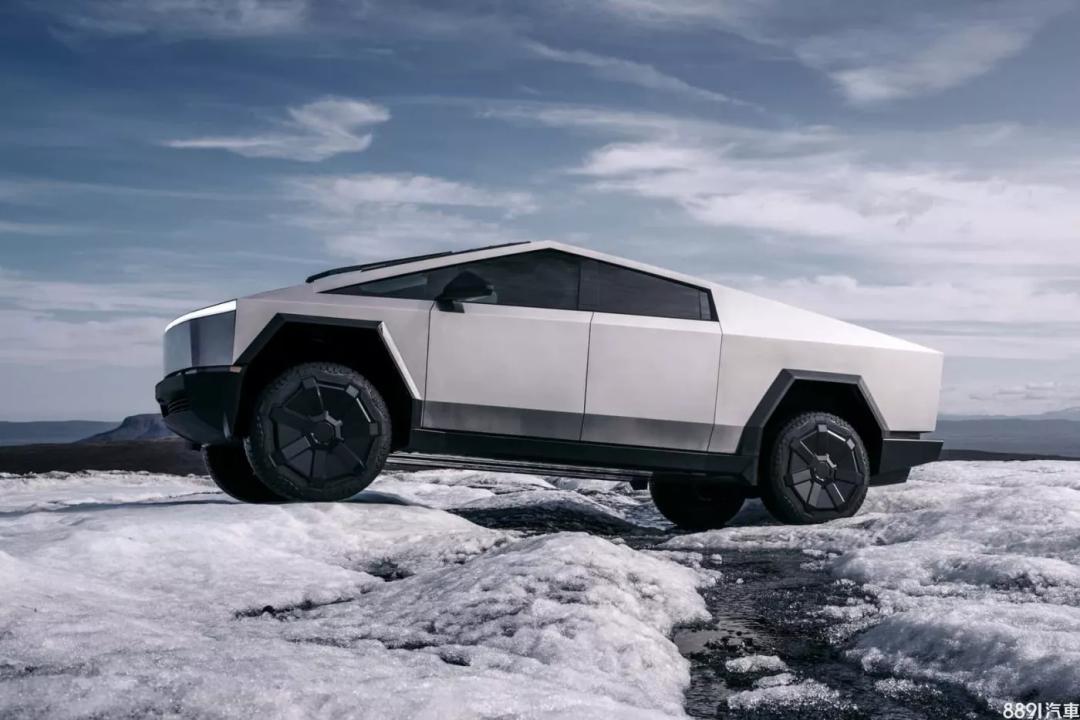
Therefore, most countries with pedestrian safety protection regulations will not allow Cybertruck to drive on public roads normally, and this problem has no solution.
In addition, there is another problem with the manufacturing process.
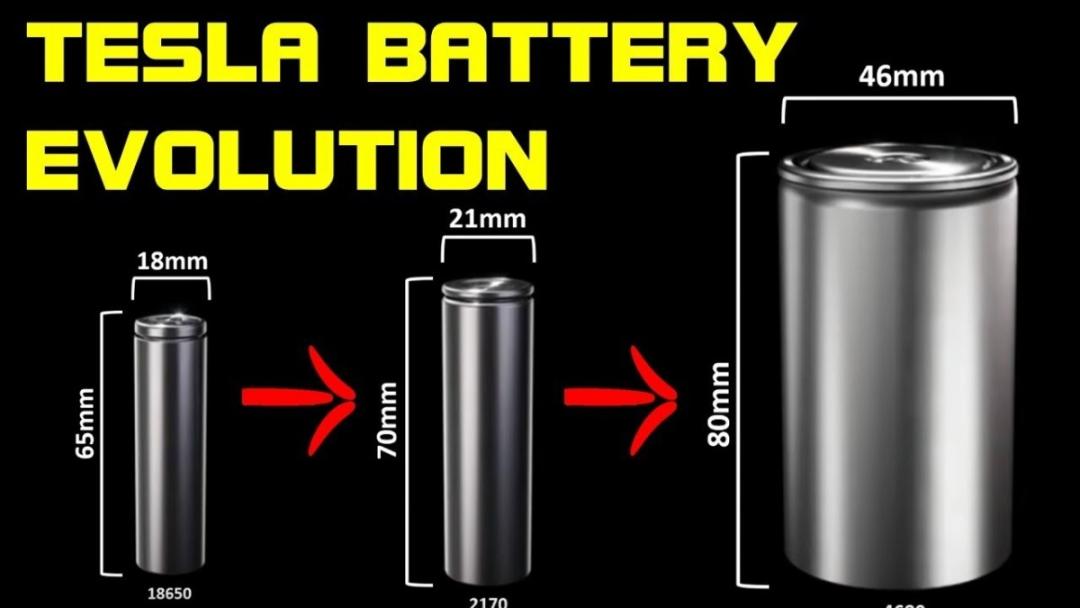
Just like the "flying car" Roadster 2 that Elon Musk has been working on recently, Cybertruck was also ahead of its time back then, equipped with steer-by-wire, 4680 large cylindrical batteries and so on. These technologies are very new, but they have extremely high requirements for the manufacturing process.
The most troublesome part is this 4680 battery, which caused Cybertruck's mass production time to be delayed again and again.
Even now, this car is still full of flaws. It has been recalled 11 times in just 4 years since its launch. Isn't this also a kind of hastily built car?
So I guess Elon Musk must be completely disappointed by now.
Rather than spending huge costs to keep struggling with this car, it is better to bet on more cutting-edge fields such as AI, aerospace, and embodied intelligence.
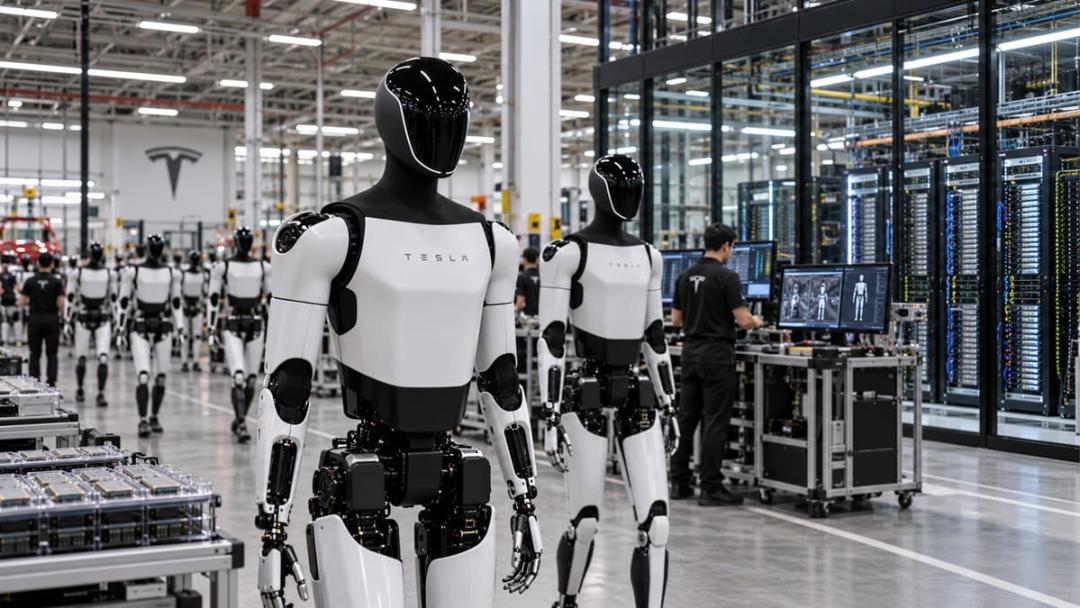
Previously, Model S and Model X have already been discontinued to free up production capacity for the Optimus humanoid robot, and the situation here is exactly the same.
However, I think the discontinuation of Cybertruck does not mean that Tesla has completely conceded defeat.
After all, for Elon Musk, cars have long been more than just vehicles.
From the Model series to Cybertruck, then to Roadster 2 and Cybercab, essentially, the things that represent the future are constantly changing.
Since Cybertruck is no longer new enough, it is time for Elon Musk to find his next new toy.
Image and Data Sources:
Tesla to pull the plug on Cybertruck after years of poor sales
Watch How Tesla Manufactures The Cybertruck’s Door Panels At Giga Texas
Tesla might have 2 million Cybertruck reservations, tally says
Musk admits Tesla doesn’t have enough talent to build more than one car at a time after exodus
This article is from the WeChat official account "X.PIN", author: TC, editors: Bozi Youning & Mianxian, published with authorization from 36Kr.