Forcing the PC version of GTA6 to be released ahead of schedule? The gaming industry has met its match this time.
Have you noticed that game MODs have undergone earth-shaking changes this year.
In the past, when you mentioned MOD, you might think of picture optimization, UI adjustment, and character model modification... In short, it was only fine-tuning based on the original game, and the gameplay did not change much.
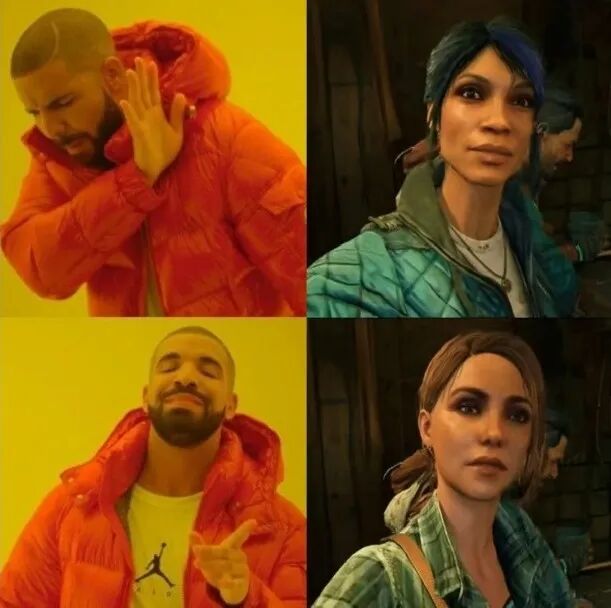
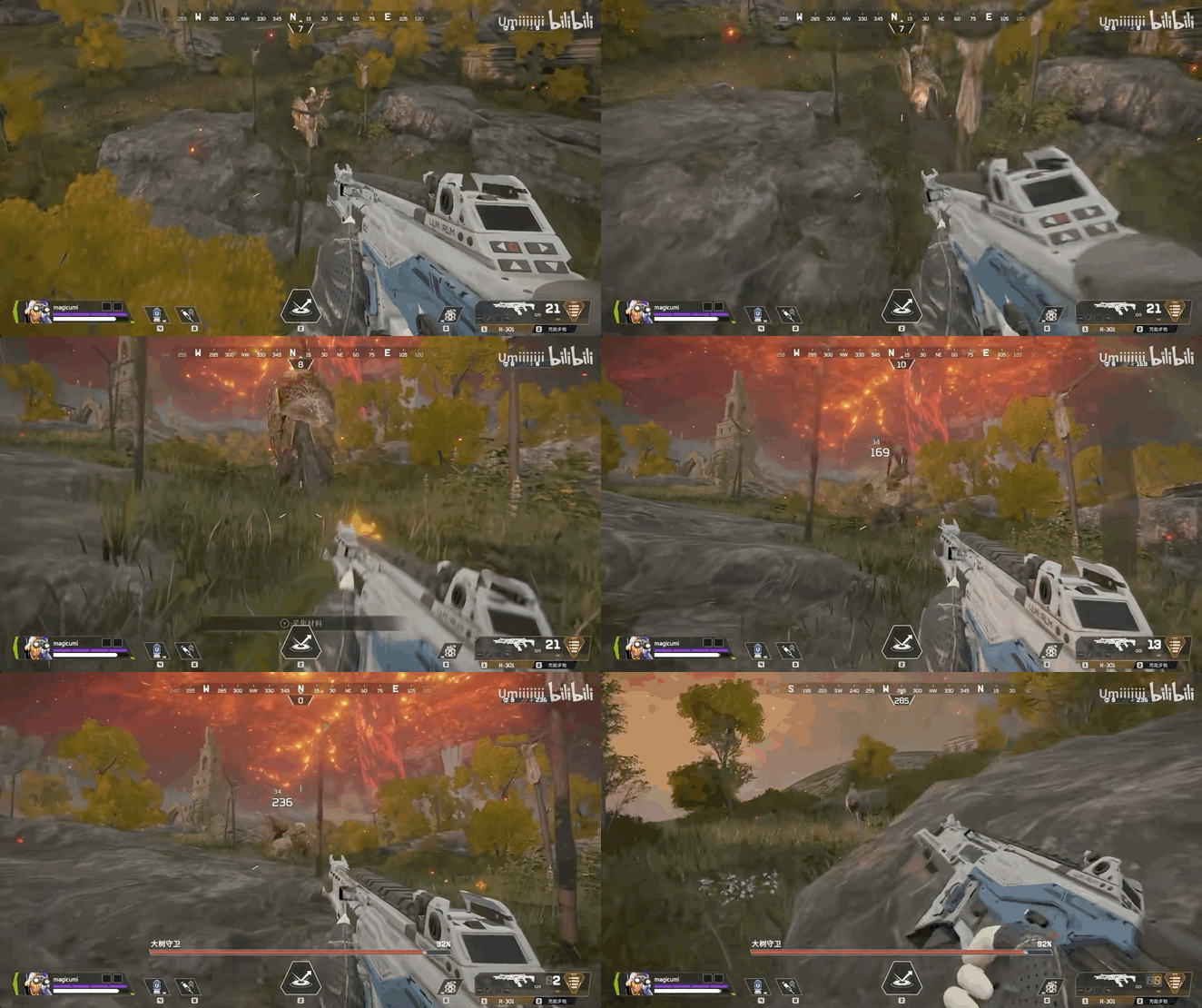
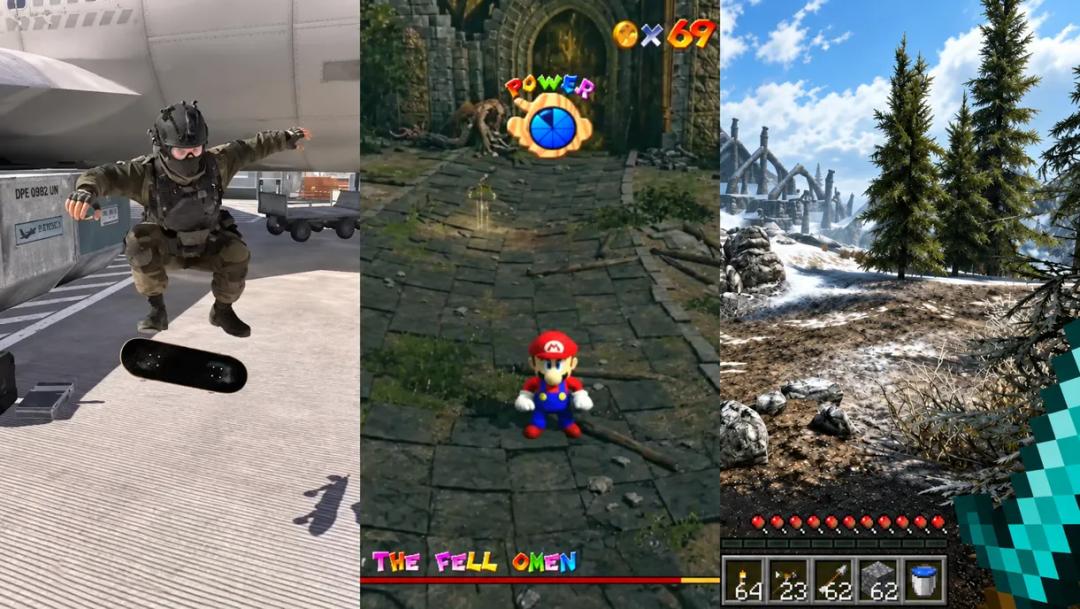
But now if you open Elden Ring and walk into Limgrave, what is more eye-catching than the huge Erdtree in the distance is the player holding a thermal weapon who slides and then makes a big jump, empties a whole magazine at the Tree Sentinel. It tells you with visual language that there is a child born between Elden Ring and Apex Legends.
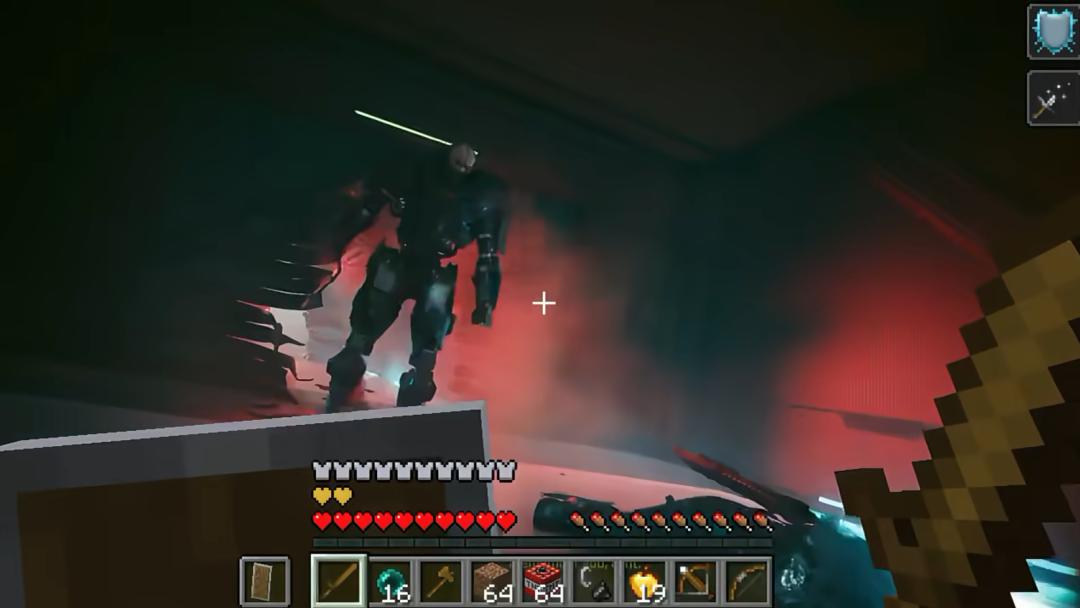
Or when you search for Minecraft, you somehow find that some master has stitched together MC, Left 4 Dead, World of Warcraft, Sekiro, Black Myth: Wukong and a large number of other games.
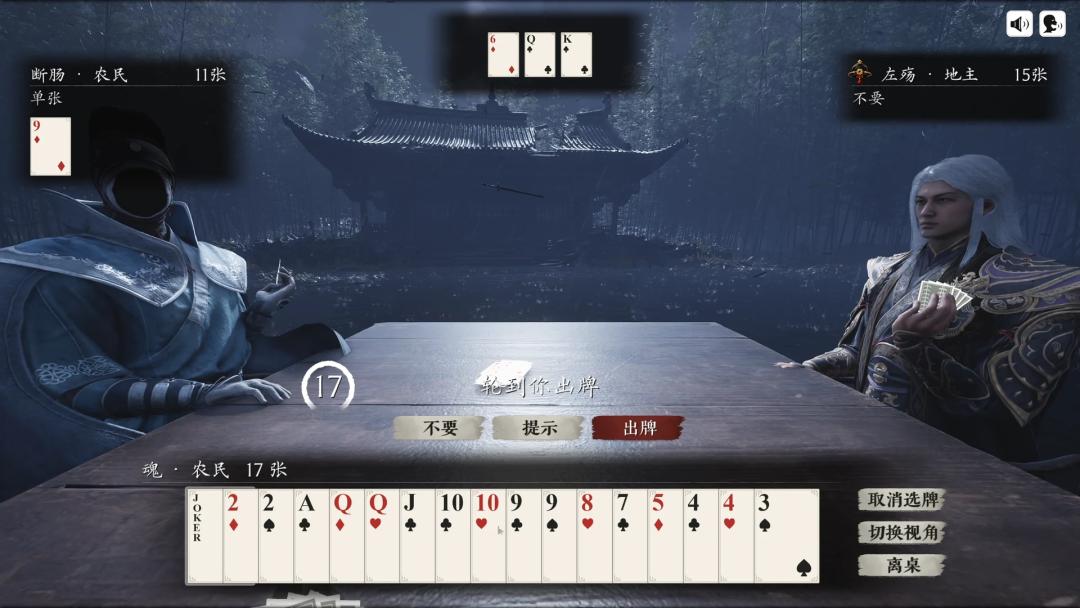
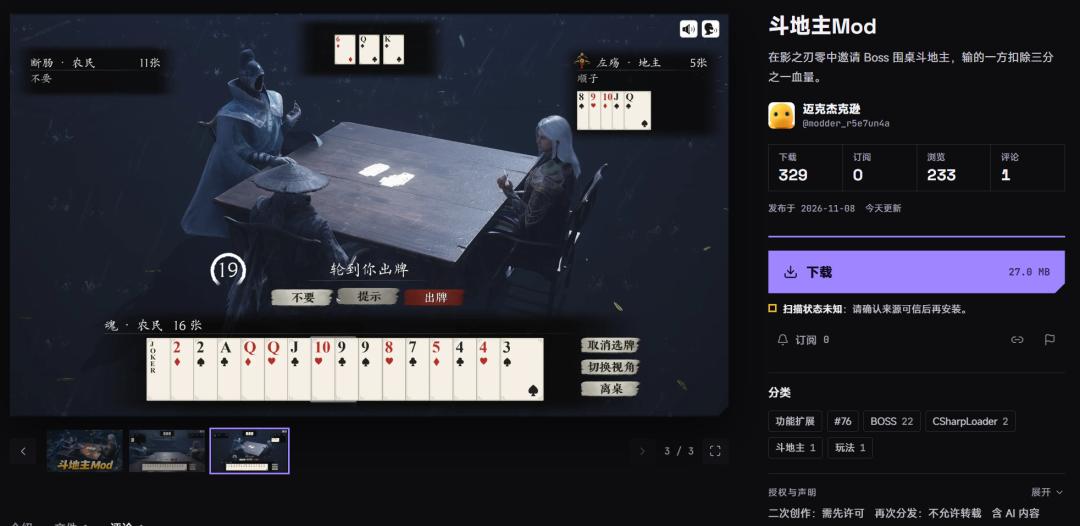
Recently I also came across a more absurd Dou Dizhu MOD for Phantom Blade Zero. As the name suggests, you can have an exciting game of Dou Dizhu with any BOSS in Phantom Blade Zero, and the loser will lose one third of their HP.
To be honest, even if I ate improperly prepared hallucinogenic wild bolete, I might not be able to see the above scenes. Many people thought at first glance that they were AI videos generated by Doubao.
But all these MODs that have brought great changes to the gameplay do exist in reality.
MODs are nothing, what is even more outrageous is that those 3A games seem to have been made into web versions overnight.
A lot of people whose understanding of web games still stays at 4399 and the classic casual web game Tanwan Lanyue are completely stunned.
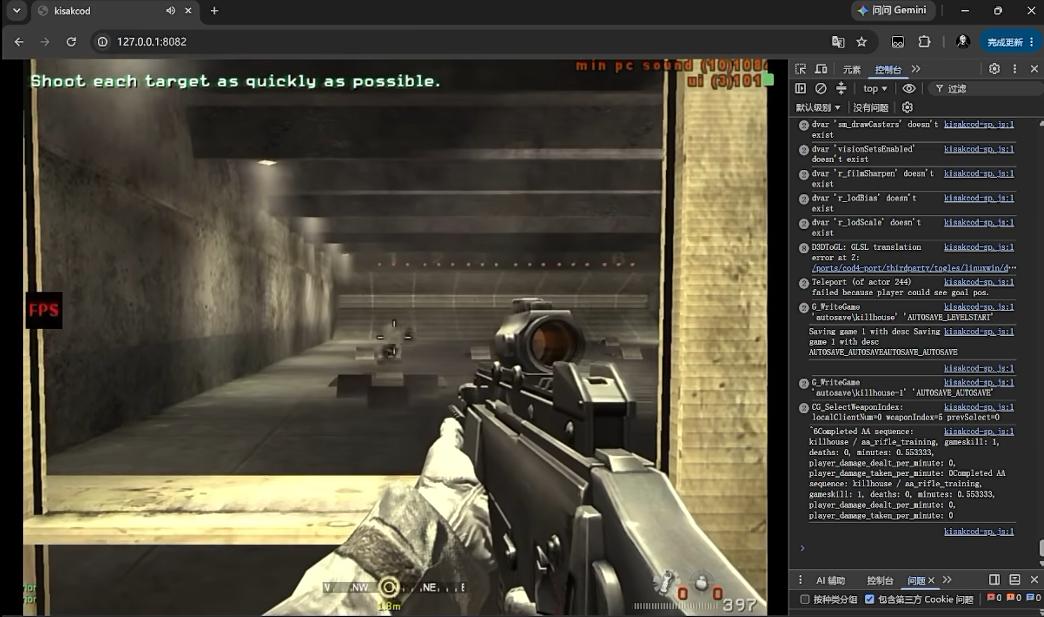
Many people are kept in the dark, wondering where this explosion of technology came from, and why they were left out of the secret evolution?
Some people are tortured to overheating by compiling shaders, while others are already wreaking havoc in the web version of GTA, as if they live in two completely different worlds.
To figure out the truth, we need to understand a concept: decompilation.
Most players will never come into contact with this thing in their entire lives, but it is the core that triggered this wave of private game technology revolution.
What is decompilation? The official definition is to analyze the compiled binary data of the game, and regenerate readable code that can achieve the same operating effect.
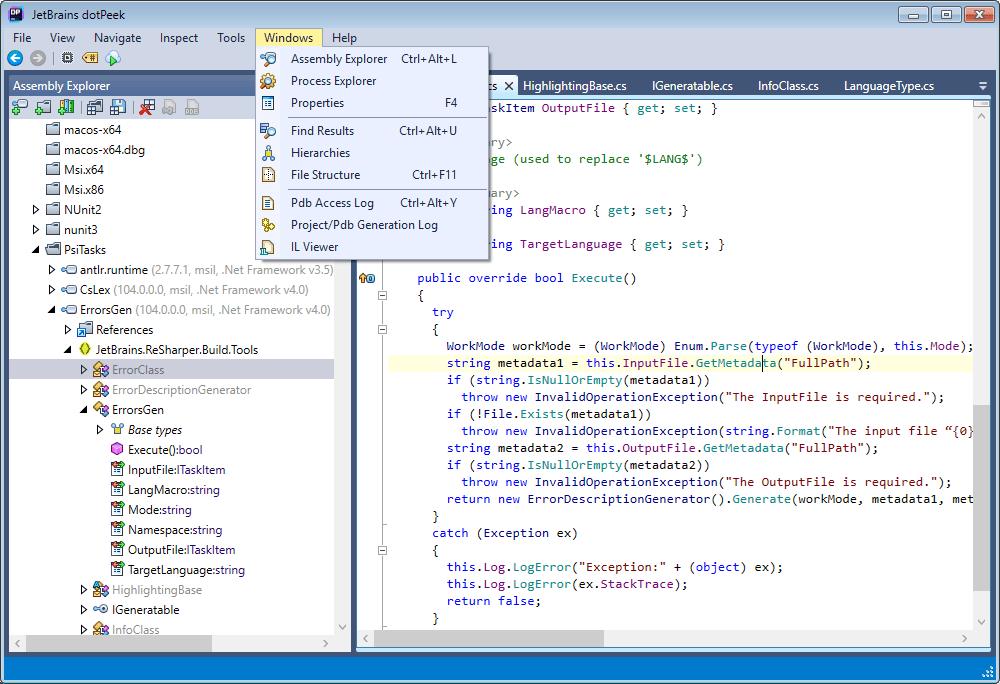
Or in a more familiar concept - this is large-scale reverse engineering.
Developers work out a set of code with logic similar to the source code according to the game files at hand, so that they can adjust any element of the game from the root. All those weird and bizarre MODs mentioned earlier are made in this way.
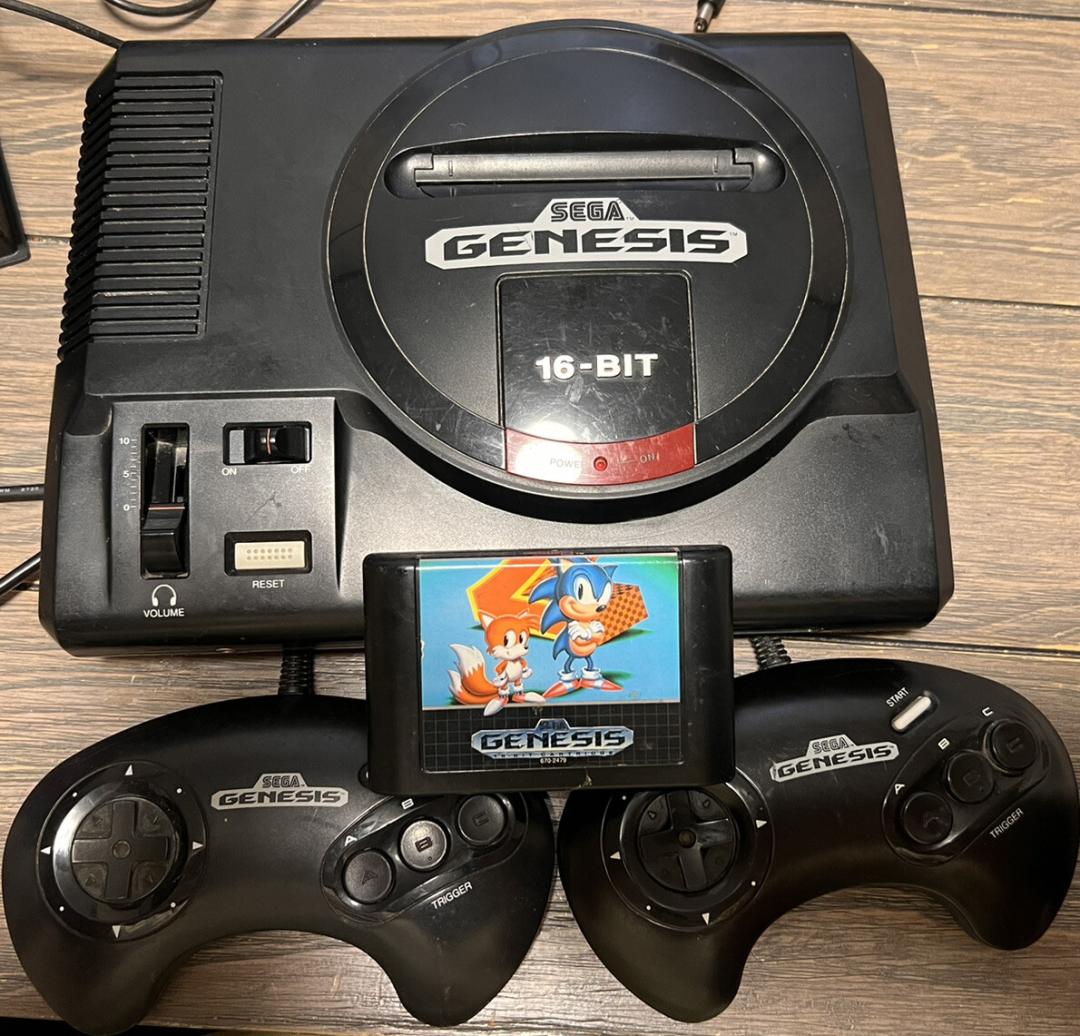
Game decompilation has a long history. Back in 1990, the Sega Genesis console only allowed Sega and its authorized companies to develop games for it. A company in California, USA, wanted to sell games on Genesis, so it took advantage of the loophole to decompile Genesis and released a bunch of games.
Although it was later sued by Sega, the court ruled in favor of the California company, because the decompiled code was different from the source code and did not involve plagiarism, and the court believed that decompilation was beneficial to the public interest...
Perhaps because this case set a good precedent, in the following decades, decompilation never disappeared overseas where copyright management is strict.
But it's not that all game developers are magnanimous, it's just that decompilation is a controversial practice, companies of a certain size will not do it, only some individual developers are willing to mess around with it.
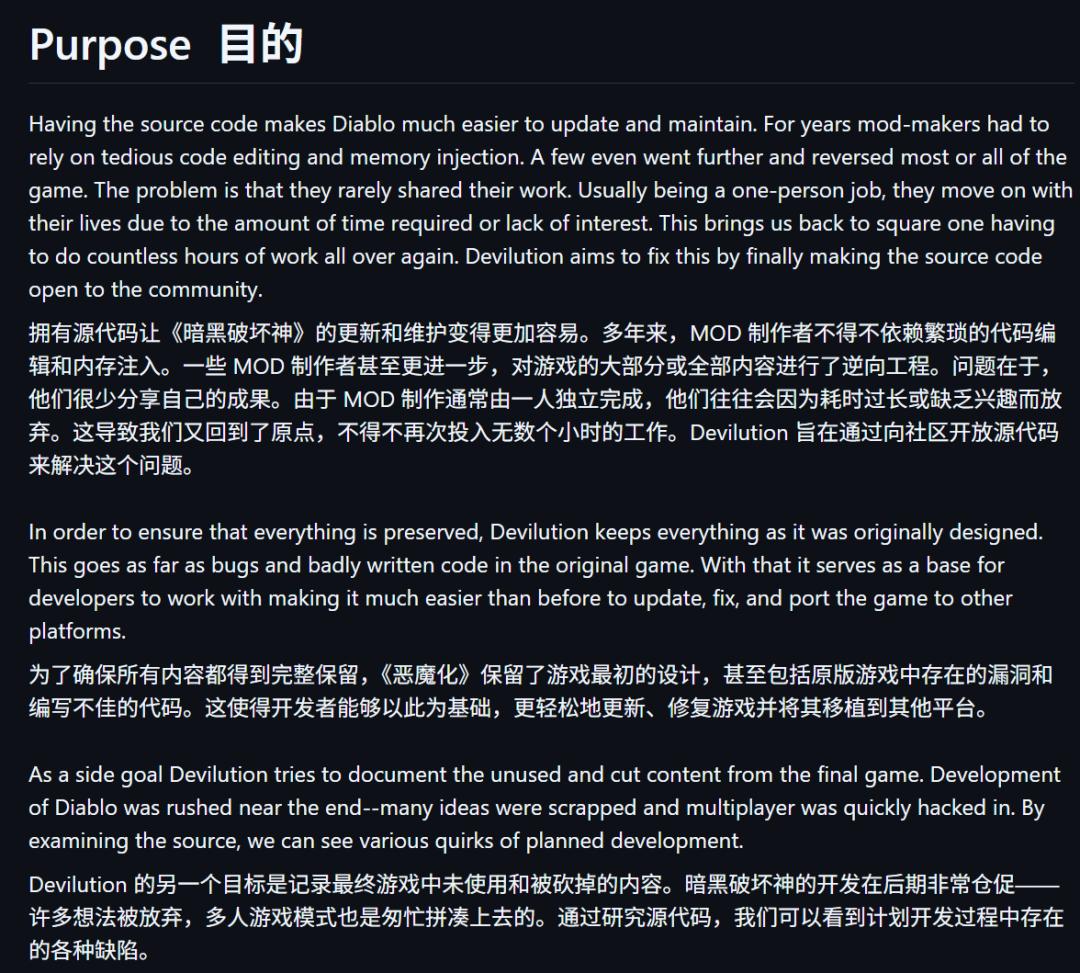
For example, some people on GitHub are decompiling the 1996 game Diablo 1. Their goal is to cross the 30-year gap, find unused and cut content in the game, and make up for the regrets of the past.
Therefore, this project retains the original features as much as possible, even the bugs and messy code back then are deliberately preserved, so that other interested people can make their own desired adjustments to the game.
In addition, this practice requires high technical ability, so it has always been a small circle that can't make big waves. As long as they don't go too far, game developers are too lazy to take care of them.
You might think, come on, even people who make pirated games need such a fancy reason? Is that really necessary?
It's extremely necessary, my friend.
Those who do decompilation overseas don't produce games, nor are they game rippers. They disdain to associate with cracking groups like Empress who focus on game cracking, the two groups are completely different.
If you want to experience the results of decompilation, you can't get the game content directly, you have to prepare the official licensed game resources by yourself.
This kind of thinking may be a bit hard for us to understand, because the purpose of decompilation is to learn knowledge through practice, contribute to the game community, and get spiritual sense of achievement. Right after you finish decompiling an old game, someone else can add online multiplayer function to it, which is the part they are most proud of.
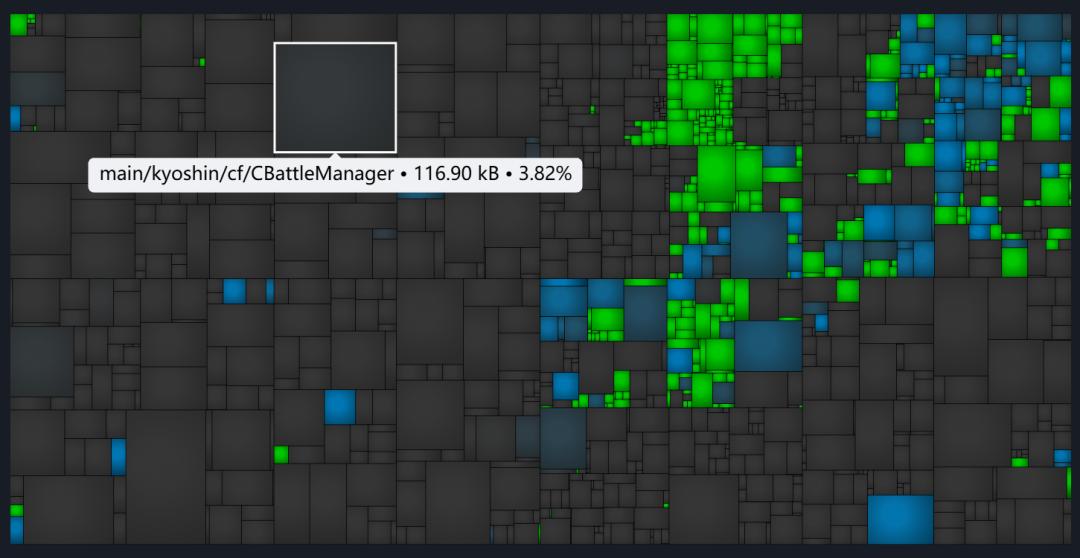
The decompilation community decomp.dev founded in 2024 was born for this purpose.
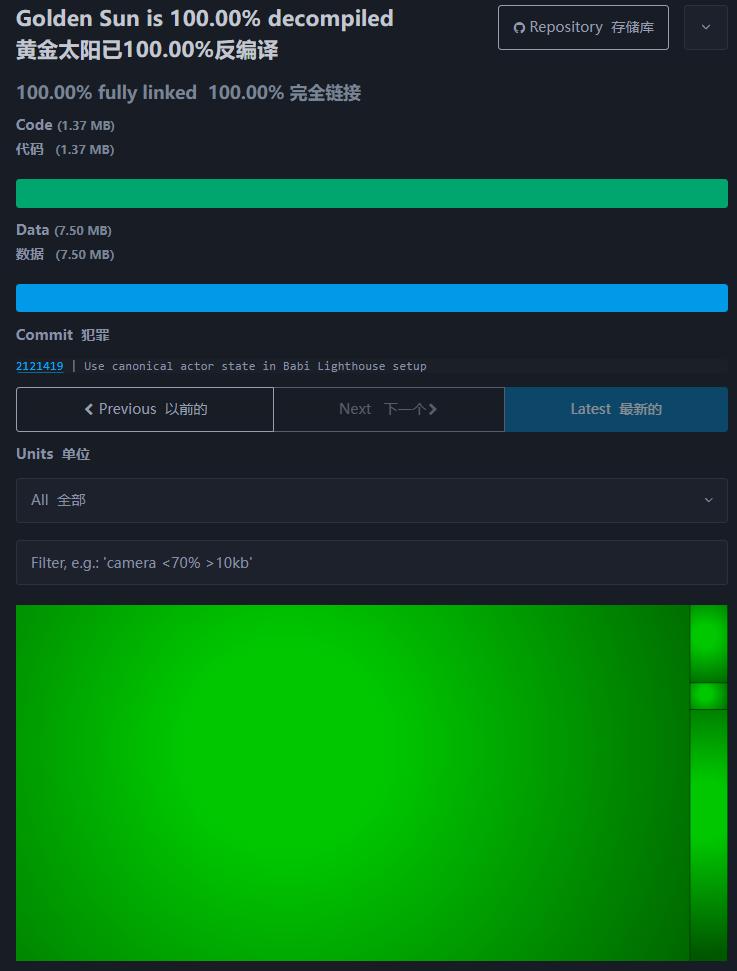
It turns the boring decompilation work into a coloring game, and the visualized homepage allows you to see the work progress at a glance.
Take Xenoblade for example, its decompilation completion rate is 10.77% now, and the parts that need to be solved are all black. When the project progress reaches 100%, the picture will be filled with colors, and the sense of achievement is overwhelming.
As for what practical use it has, actually it doesn't have much, but it's just like ordinary players pursuing platinum trophies and full achievements. The moment you complete all the work, it's like a patient who has been constipated for many years successfully drops a landmine in the toilet, all the gloom is gone, you feel refreshed, and you even dare to exert more force when doing anal contraction exercises.
Just one word: awesome.
Talking about this, it's time to go back to the original topic - why decompilation is now triggering a technological explosion in the private game industry.
According to past experience, niche game decompilation has nothing to do with private technological explosion, but AI can make any niche technology popular to the public.
When we talked about the "Great Revival Era" of the Chinese game industry some time ago, we mentioned AI many times.
For the overseas decompilation circle, the impact of AI is even greater, and the aftershock is stronger.

The word "vibe coding", which was selected as Collins Dictionary's Word of the Year, literally means atmosphere programming. You can understand it as humans describing problems, guiding AI to generate, test and optimize code.
By 2026, with the iteration of AI, vibe coding has become a popular trend. On the decomp.dev website, many people have begun to use AI extensively to speed up the decompilation progress of projects.
All the cases mentioned at the beginning can be traced back to AI.
The highly capable AI has democratized technology and handed it over to every ordinary person, and those ideas that could only be shelved in the past will be produced continuously.
If making MODs in the past was patching and stitching based on the original game, the MODs made now will have less and less relevance to the original game. Now we can even play Dou Dizhu in Phantom Blade Zero, I can't even imagine what we can do in the future.
But apart from these seemingly positive aspects, what AI brings is more of a reshuffle of the decompilation ecosystem.
A large number of AI-decompiled games have begun to explode on the Internet, but many of these games are semi-finished products. The entire decompilation circle has been polluted by AI-generated content, and the amount of valid information is as little as that on Baidu Zhidao.
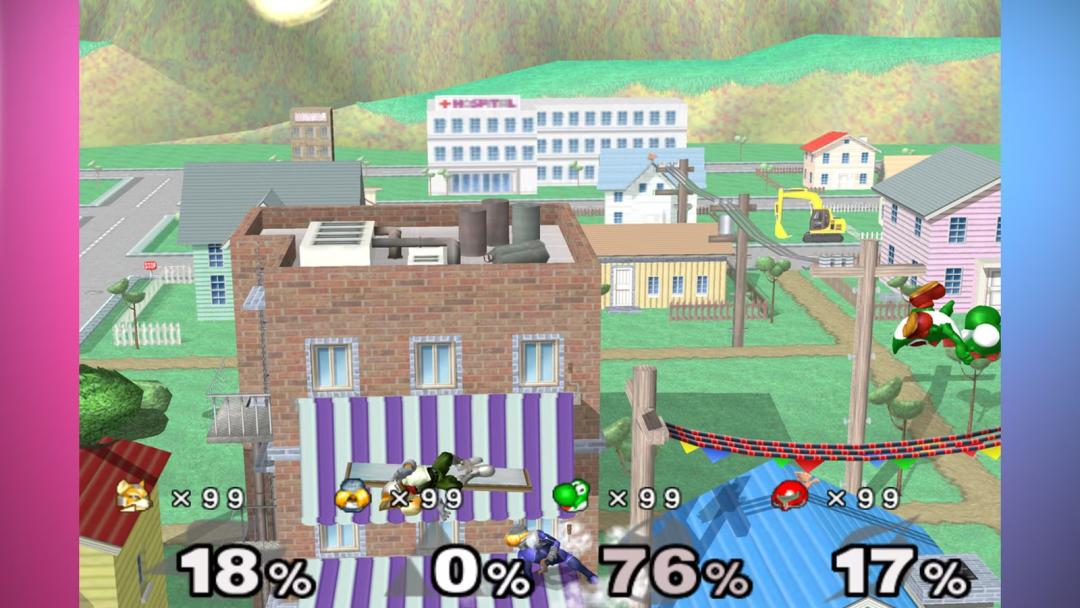
decomp.dev is also very straightforward, the administrators directly closed the community, because this is completely contrary to what they pursue.
Traditional decompilation workers build the community out of passion, for the sake of love, for learning knowledge, and for the continuation of old games.
This is not an empty fancy talk, game developers are sometimes very unprofessional, and cannot take the responsibility of extending the life of games and building game communities.
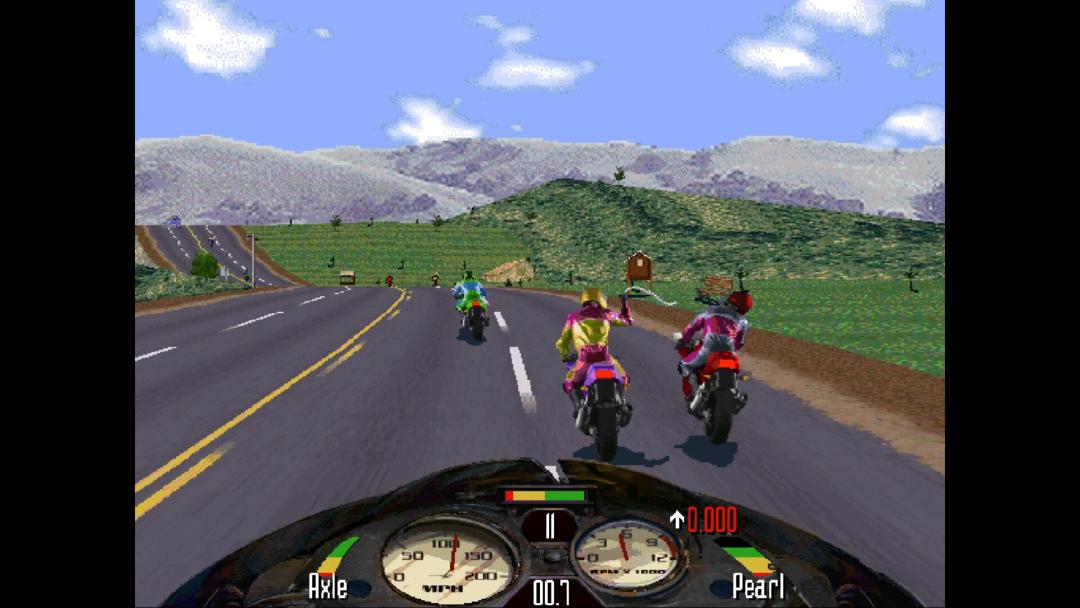
Some friends may not know that EA recently released Road Rash: 30th Anniversary Edition. They didn't not want to earn this nostalgia money in the past, but they lost the high-definition master tape of the game. They didn't find it in the warehouse until more than 30 years later, and spent another 4 years doing restoration and getting music copyright authorization.
But now, the decompilation circle with a history of decades has rotted from the root before most people even realize what is happening.
Many people who use AI for decompilation only care about speeding up the