Breaking: "Yuanshen" MiniMax open-sources H3 Image, the most powerful open-source model is made in China.
Just a few days after OpenAI launched Images 2.6 on November 4, some people are already exclaiming:
GPT is cooked.
GPT-6 is completely done for.
What has everyone so hyped is MiniMax's new model, H3 Image.
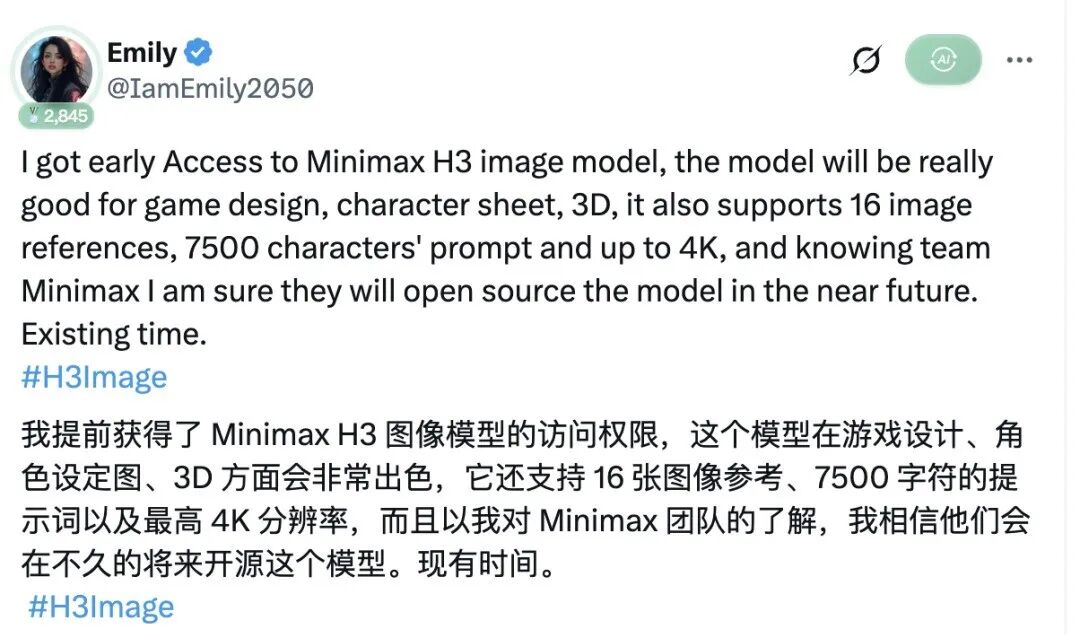
Beta tester Emily shared several hardcore specifications:
Up to 16 reference images, prompts can be up to 7500 characters, maximum output resolution reaches 4K.
She also made a bet: based on her understanding of MiniMax, this model will be open-sourced sooner or later.
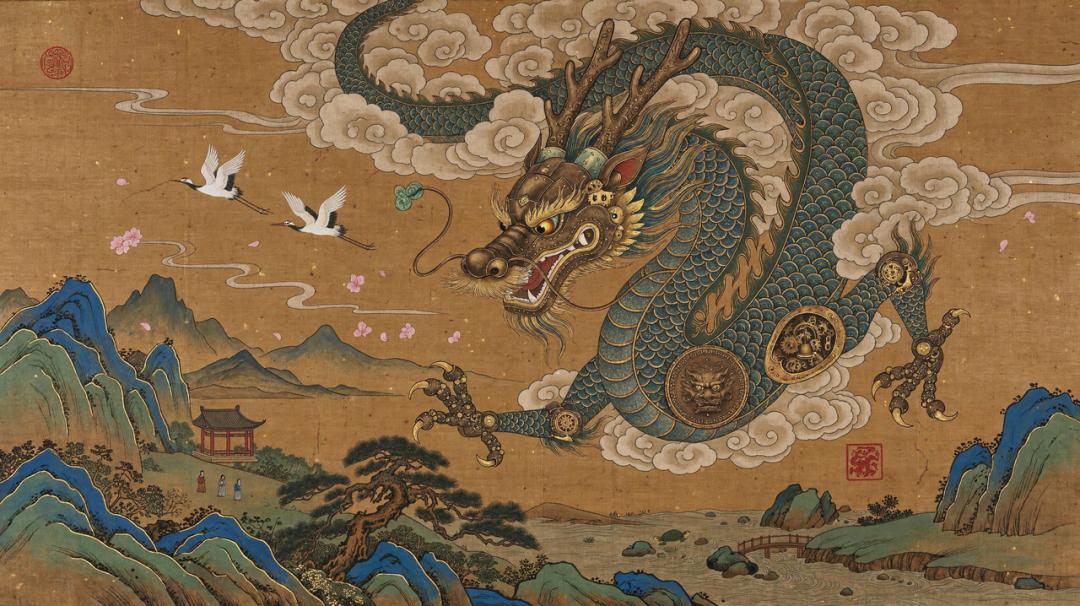
She was right, and it happened even faster than she expected. Today, MiniMax officially released H3 Image, with weights open-sourced on the same day, APIs opened simultaneously, and it can also be used directly in its own MiniMax Code, open platform and Conch AI.
Three months ago, the company open-sourced its video model H3, and research teams from NVIDIA, Pika and fal all trained derivative models based on it.
This time it is the turn of image generation. The official positioning of H3 Image is the SOTA of open-source image models, with overall performance in the global first tier. People are already tired of hearing ranking claims, and another label on it is more noteworthy: strong instruction following capability.
This release focuses on three core advantages: open source, high definition and high speed.
H3 Image can directly generate 4K (4096×4096) images.
For creators, high resolution means more details, larger cropping margin, and expands the applicable scenarios of images. For example, the same image can be adapted to posters and web pages of different sizes, and local areas can also be cropped to highlight a specific character or product.
Most mainstream models on the market have a pixel count between 1 million and 4 million, with generation speed generally at the minute level, and the fastest one takes about 50 seconds. H3 Image only takes 10 to 20 seconds to generate a 4K image, which greatly reduces the time cost of trial and error. If creators need to adjust the composition, color matching or light details, they can also see the results quickly and continue to modify.
In other words, daily 4K creation has become a reality for the first time.
AI Image Generation: More Than Just Aesthetic Appeal
A number of content creators got the beta access yesterday and have shared a batch of generated images.
Creator Muhammad Ayan opened with a line "🚨 China has thrown out another absolute banger", then posted the generated images: input one photo, and a full set of 4K character design sheets are output, including full-body front view, back view and close-up of the face, with pores, freckles and fine villuses all clearly presented.
His conclusion is straightforward: the "plastic-like fake texture" on AI portraits is completely gone.
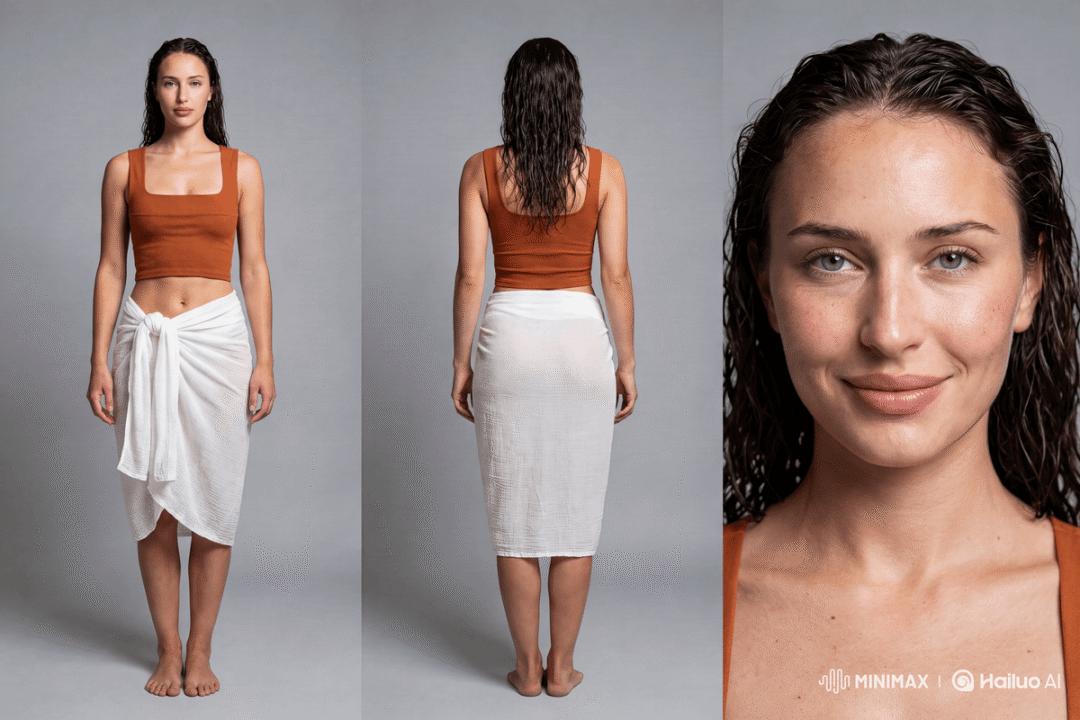
At first, I didn't take it that seriously. The phrase "more realistic portrait model" is claimed by someone every month.
Scroll down, and the style of generated content changes completely.
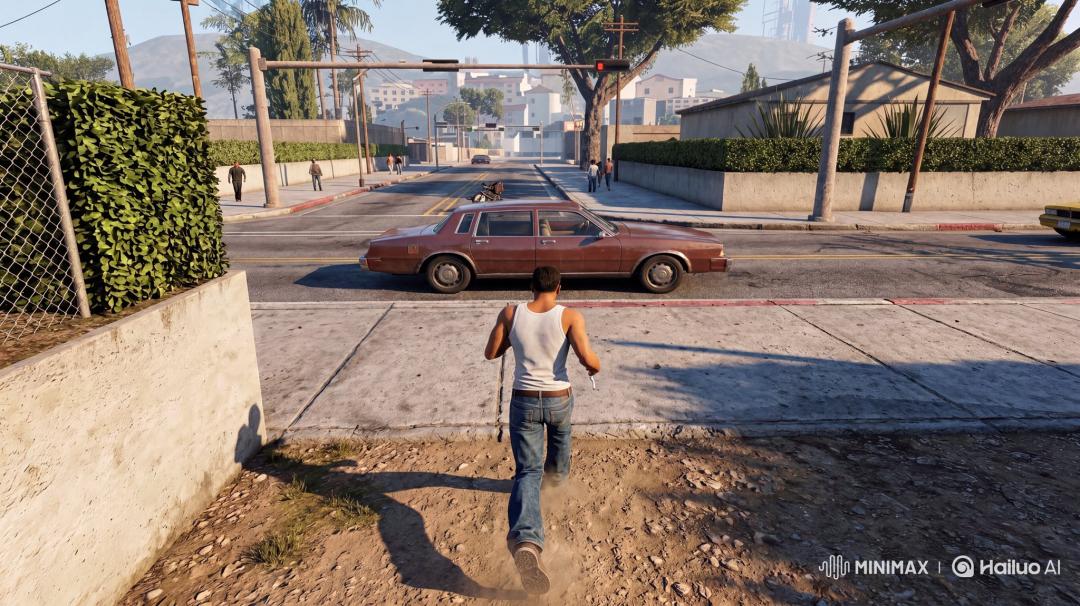
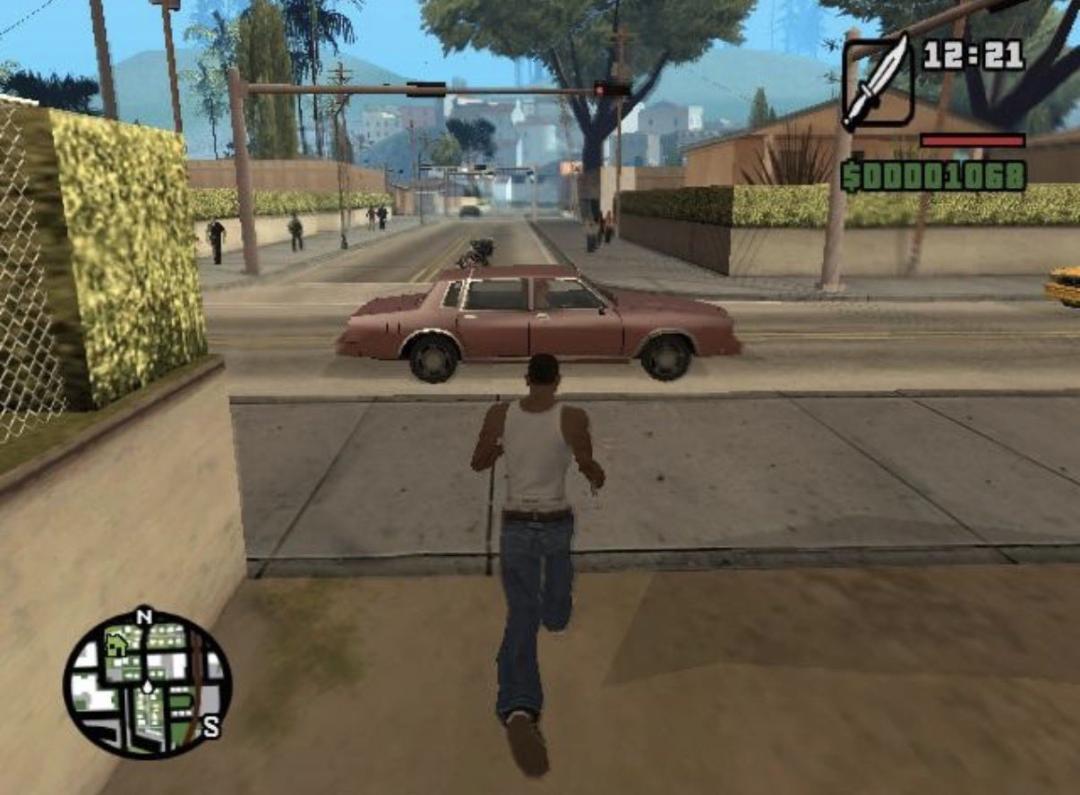
Papillon posted an old screenshot of *GTA: San Andreas*, and asked the model to redraw it as a next-generation 3A blockbuster, with the caption: The graphic quality upgrade CJ has been waiting for 20 years has finally arrived.
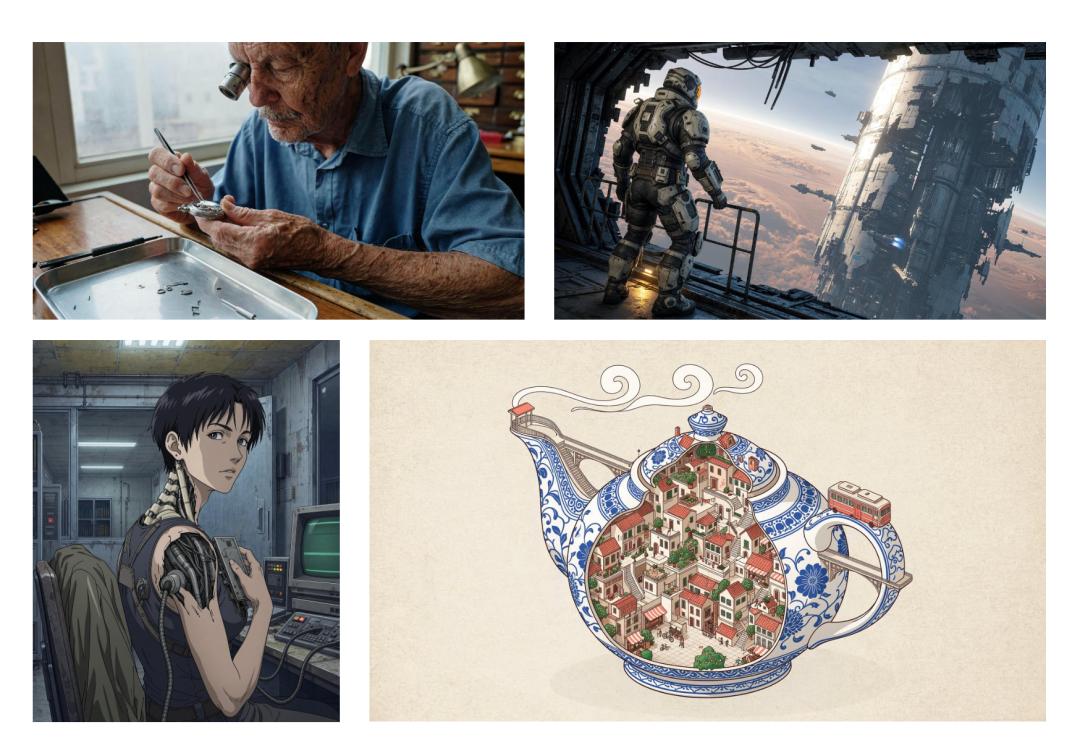
DrSadek tested four art styles in one go, including documentary photography and cyberpunk animation, and invited netizens to vote for their favorites.
Israa Ali, who shouted "GPT is cooked", tested 3A game assets and 3D scenes. His statement is a little overstated, but the excitement he shows is completely genuine.
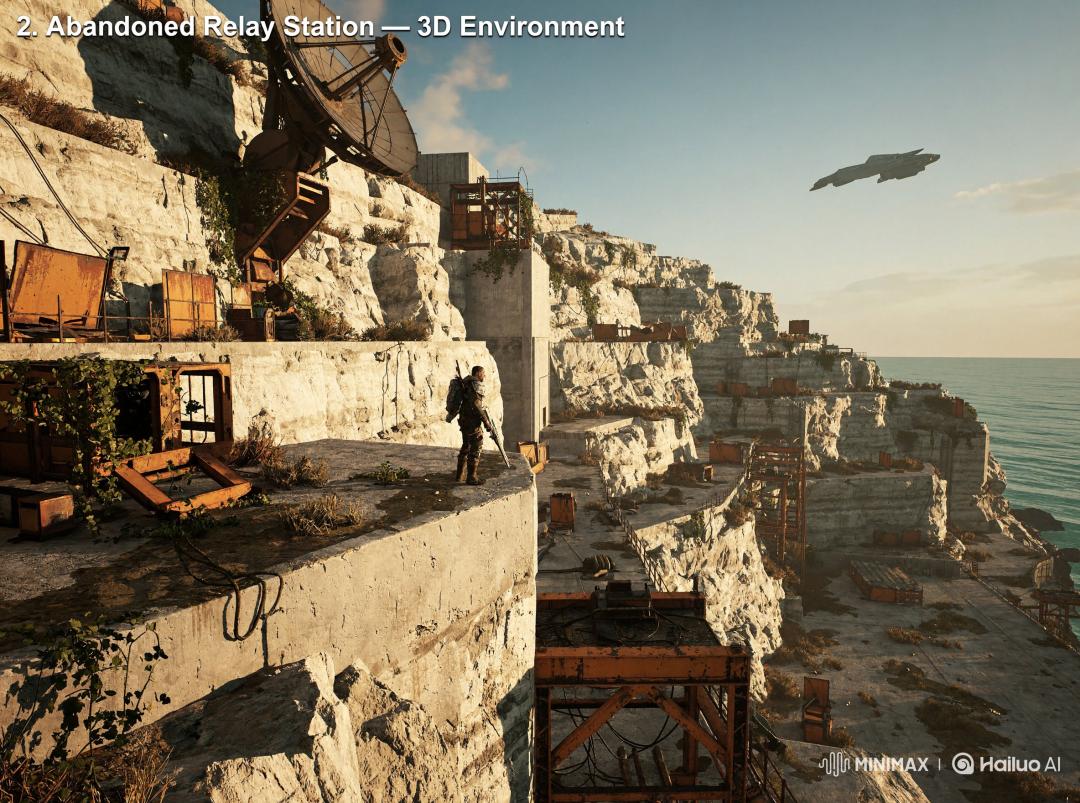
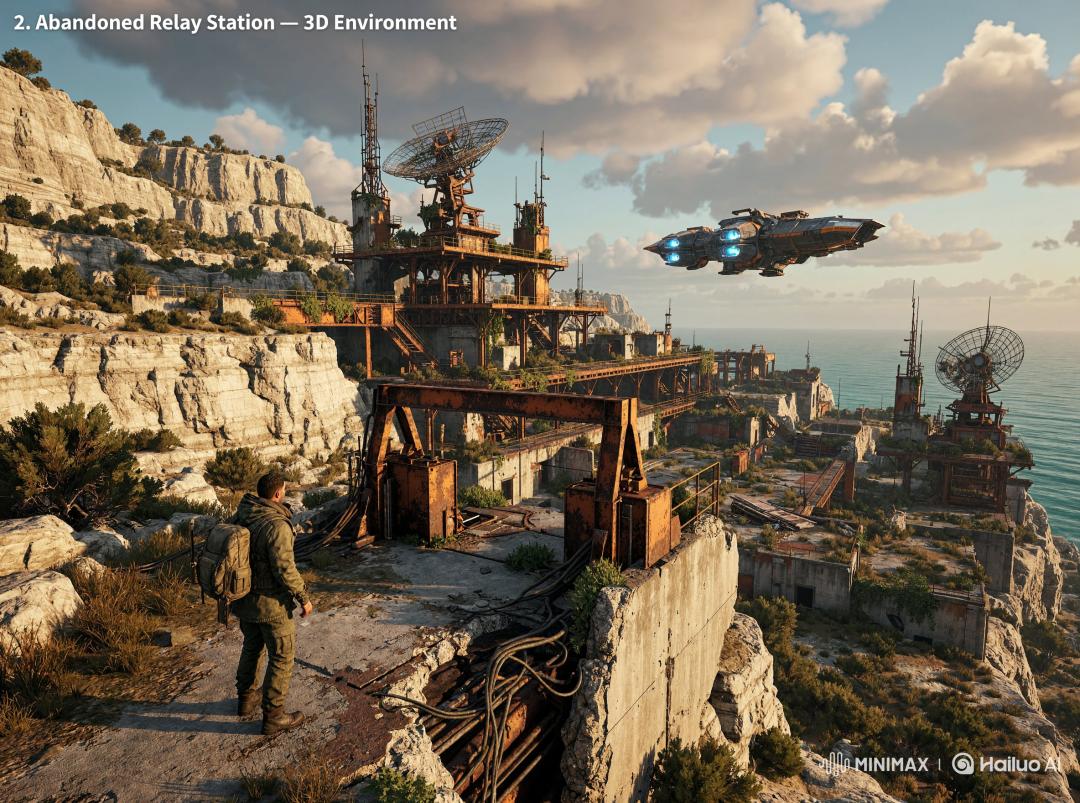
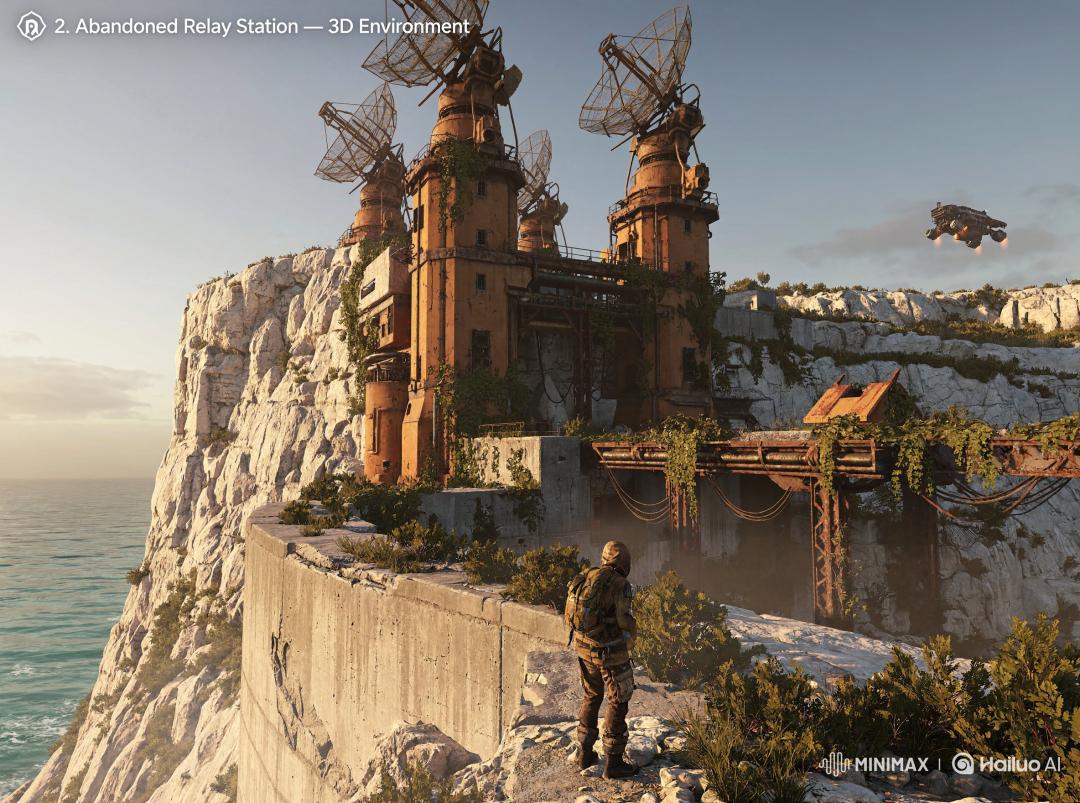
Scroll further down, and the generated content is no longer just "pretty pictures".
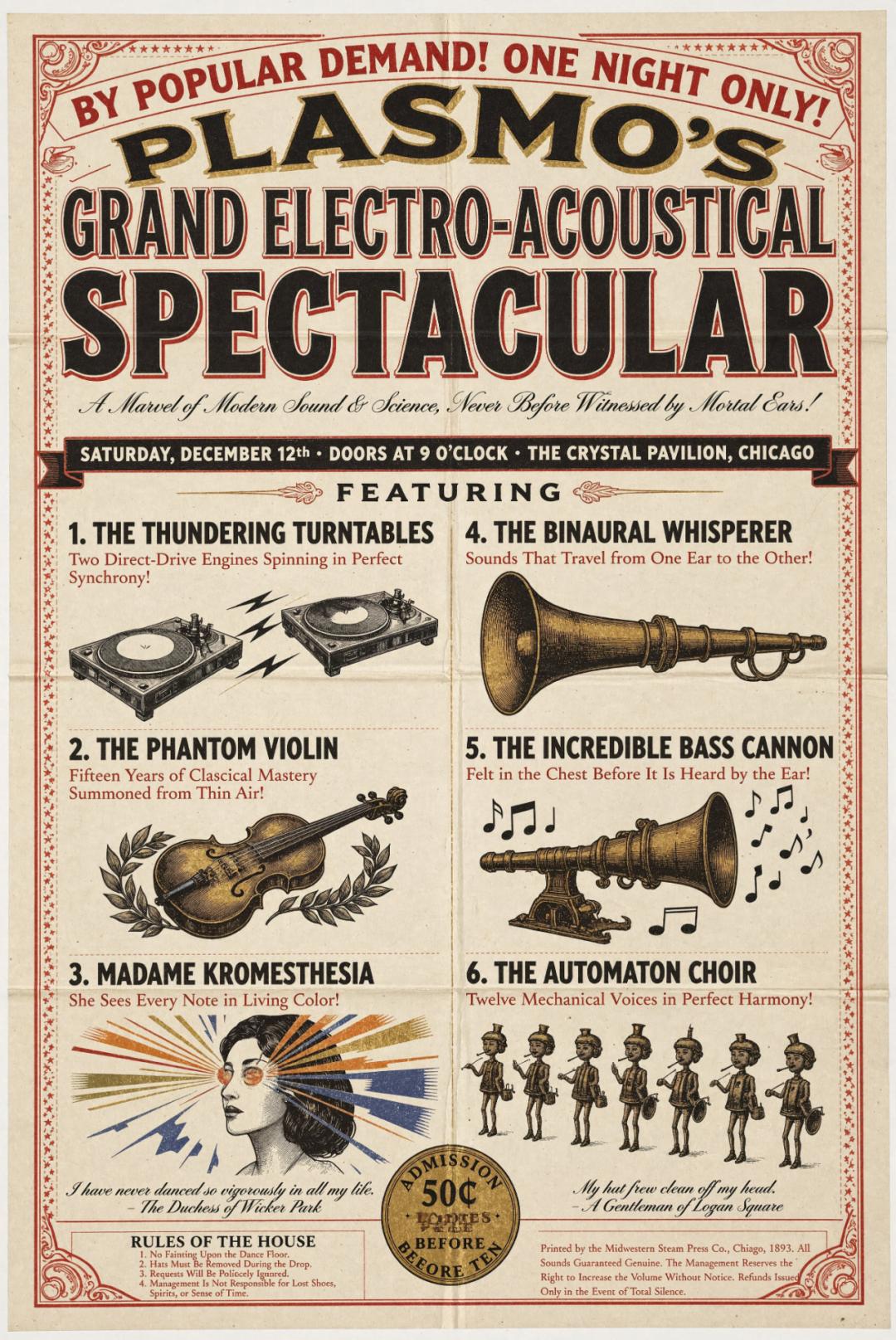
plasm0 used it to make large-character posters, saying that it performs very stably for large characters, and makes occasional mistakes for small characters, but the overall output is correct;
He also tested American Sign Language gestures, and commented that "it's pretty good, much better than Moss."
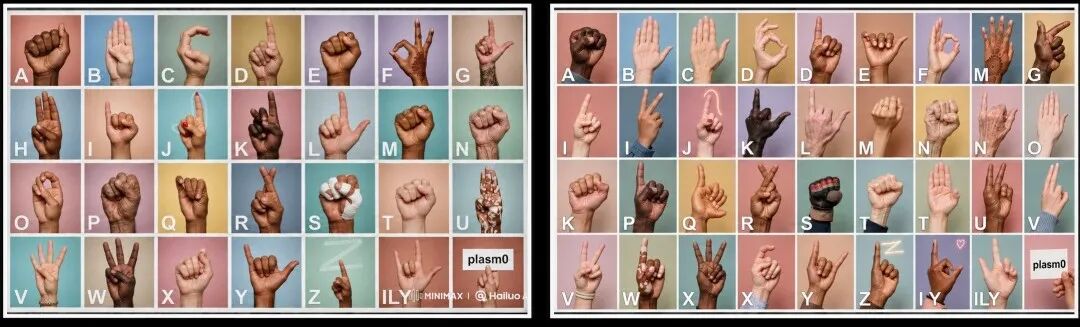
Left: H3 Image; Right: Moss.
Sign language is a very difficult scenario, and almost all AI models make mistakes. According to statistics from ChatGPT-6.1 Sol, Moss only has a 20.0% accuracy rate, for example, it swaps the U and V gestures, and the grid marked as X actually corresponds to W. Although H3 Image also makes mistakes, it has achieved 48.1% accuracy, which fully lives up to the evaluation of "much better than Moss".
Ankit Patel and studio_oneroom went even further, asking it to generate CAD-style drawings and mechanical exploded views, which show all parts disassembled and suspended in mid-air.
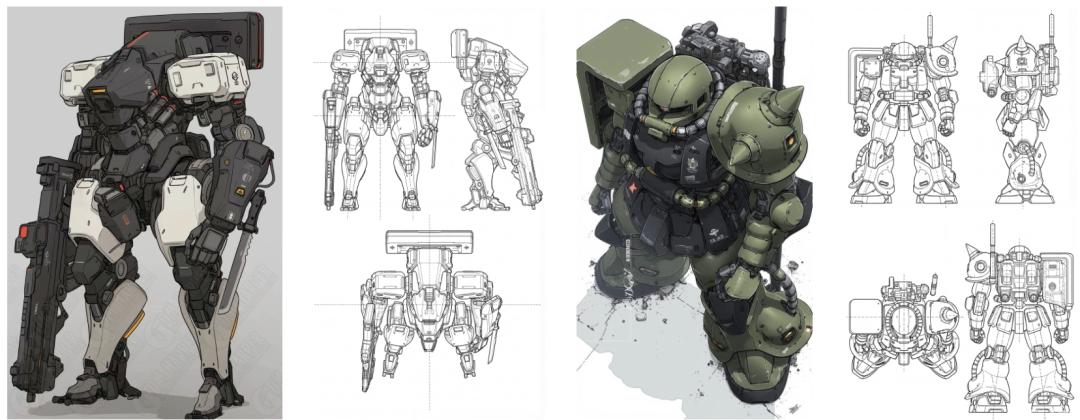
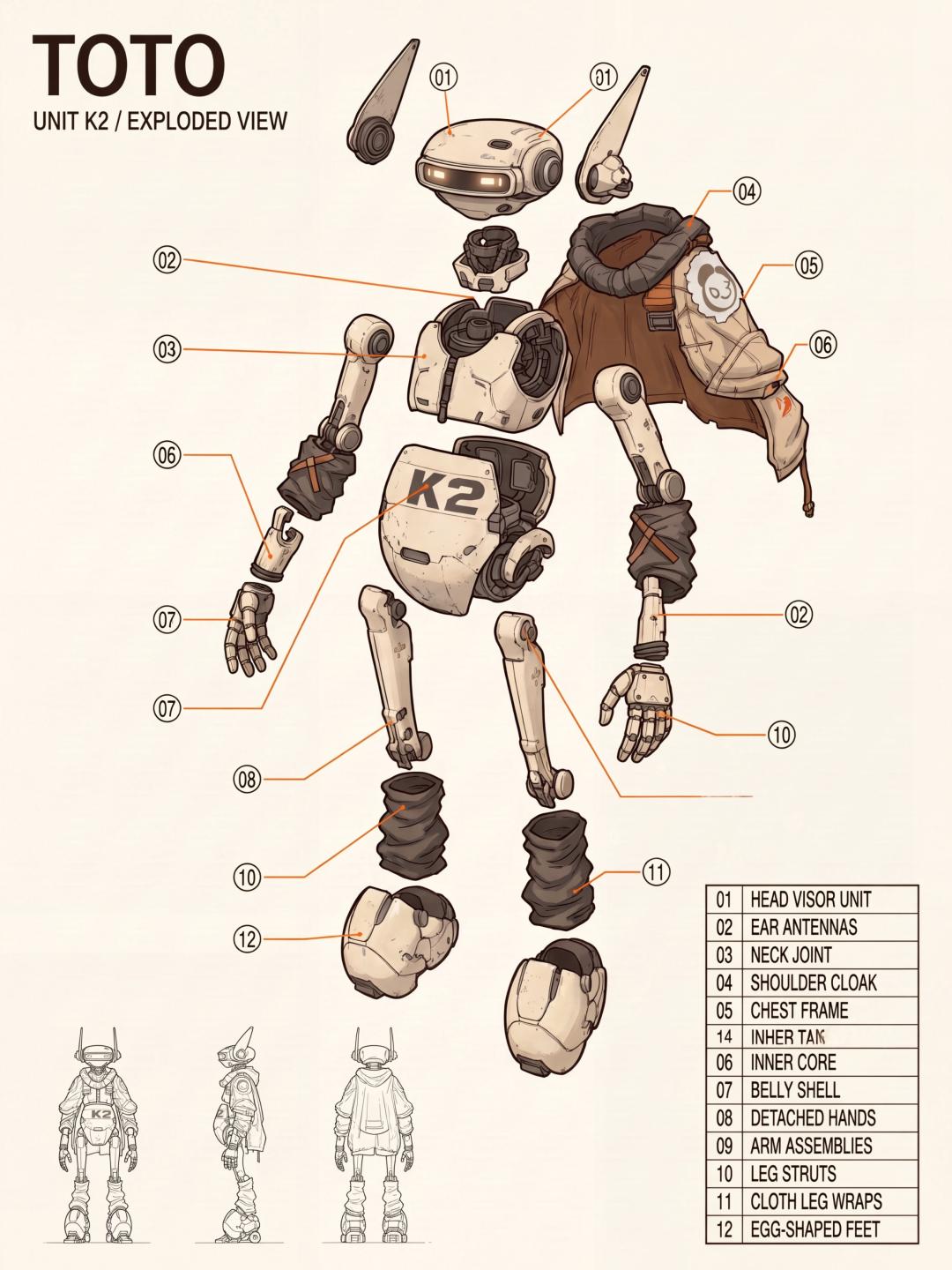
Notice? All these scenarios are the long-standing failure points of image generation models. It is not difficult to generate a visually appealing picture, but the hard part is to make sure no wrong text, no mixed gestures, no reversed parts. This tests not the drawing skill, but the logical reasoning capability of the model.
This Image Generation Model Has No Weak Subjects
Models like Midjourney are like art students, with perfect light and texture performance, but they get confused when dealing with long text and spatial relationships.
Language models like Claude are like science students, with clear logic, and they can write code and draw charts in an orderly manner, but they are not designed for image generation in the first place, so the picture quality cannot be compared with professional visual models.
Strong instruction following capability, fast generation speed and high resolution used to be seen as conflicting advantages that cannot be achieved at the same time. What MiniMax pursues this time is a well-rounded model with no obvious shortcomings.
Actions speak louder than words. After getting the beta access, we did not test portrait photos or landscape wallpapers, but directly set three targeted questions that specifically test the weaknesses of common image generation models.
Question 1: Test the Understanding Capability of the Image Generation Model
Some overseas creators got the trial access to MiniMax H3 Image in advance, and immediately threw out a super difficult test question!
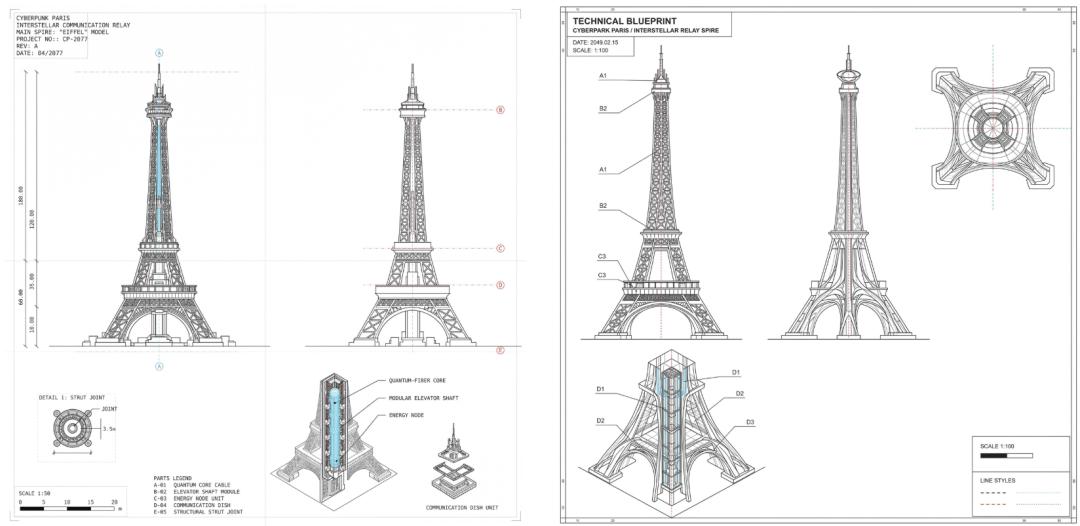
Transform the Eiffel Tower in Paris into a futuristic interstellar communication relay station in a cyberpunk world, and present it in the form of a professional architectural CAD blueprint.
Ultra-fine vector lines, strictly symmetrical architectural structure, complex section design, and even dense engineering details must all be fully presented.
The result surprised the testers!
Facing such a complex prompt, MiniMax H3 Image showed unexpected detail performance, which fully demonstrates its strong instruction following capability.
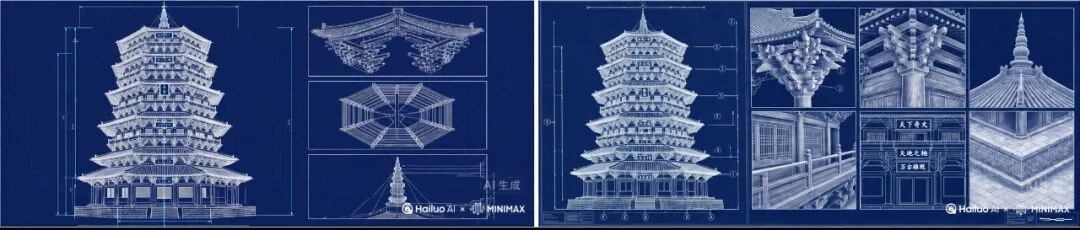
It also handles the Sakyamuni Pagoda of Fogong Temple perfectly, and can generate real blueprints for construction use:
Then we raise the difficulty further to test the spatial perception capability:
A first-person perception interface (HUD) of a quadruped inspection robot dog in the ruins after an earthquake. The foreground needs to show the edge perspective of the mechanical foot, and the middle ground presents the wreckage of collapsed buildings. The picture must be overlaid with a 3D point cloud ranging grid, and a red 3D boundary tracking box (Bounding Box) that fits the edge must be drawn around the specific cement beam and column obstacle in the distance. Symmetric body tilt attitude indicators are placed on both sides of the interface.
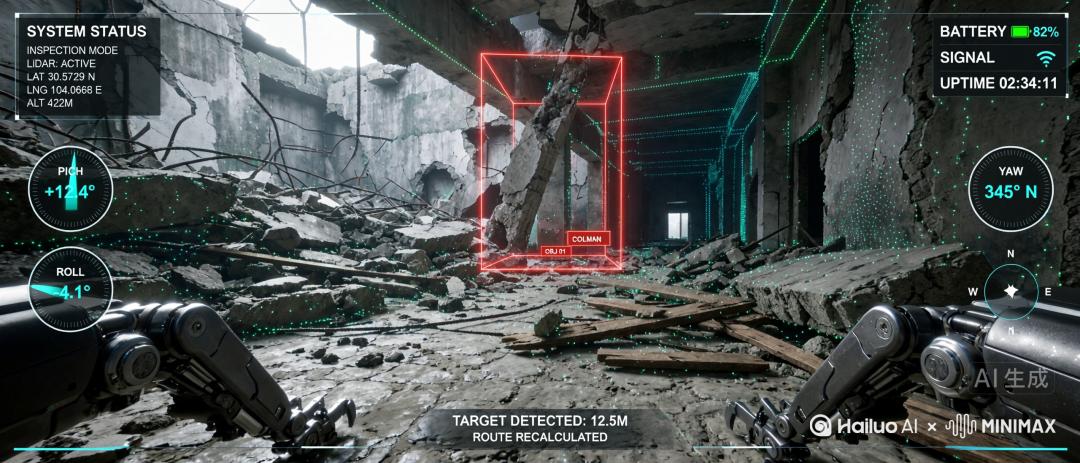
This type of image is most likely to be made into a "sci-fi sticker": the boxes are separate from the buildings, with no logical connection at all. This generated image is different. The red bounding box follows the perspective and fits the edge of the collapsed beam and column in the distance; the scales of the attitude indicators on both sides also match the forward leaning posture of the robot dog. It first builds a 3D space in its "mind", and then places all objects in it.
Tasks that rely on spatial perception and realistic details, such as industrial aided design and synthetic data for embodied intelligence, now have a reliable solution.
Question 2: With Strong Logical Capability, Does It Still Have Good Drawing Performance?
Science students are most afraid of being told that their drawing looks like a rigid engineering drawing. So the second question is pure art creation:
A screenshot of the actual in-game interface of a next-generation dark fantasy action game.
In