"Long-dormant entertainers" always manage to stage a huge career comeback — is there a proven methodology behind landing sought-after opportunities on Mango TV?
The market share of Yunhe variety shows is close to 60%, the effective view count of the full episodes has exceeded 700 million, and the total topic volume across Weibo platforms has reached 8 billion. *Friendship Never Ends* is recognized as a production that has absorbed almost all traffic of the entire market. Many guests including Xu Fei and Li Na have also embraced the second boom of their careers.
We can still clearly recall that before the show premiered, it was once ridiculed as "a full cast of faded celebrities". It only took one month for it to grow into a phenomenal hit. But this is far from the first dark horse variety show from Mango. Mango always seems to have its unique way to turn "faded celebrities" into top-tier public favorites.
Although many variety shows differ in genres and tracks, if creators can consistently invite "sleeping artists" who have a certain level of public recognition but lack fan stickiness, and help them re-emerge as representatives of public sentiment, this is obviously a highly cost-effective product development path that is hard not to make peers envy.
Starting from the breakout success of *Friendship Never Ends*, in the current severely shrinking variety show market, how can creators arouse the audience's attention from the "stock of existing artists"?
Three Paths Lead to Success
First, let's categorize the three main ideas of Mango for developing "stock artists". The first one is "competitive narrative", which highlights the charm of stage competition.
*Sisters Who Make Waves* launched in 2020 and the subsequent *Call Me By Fire* are the most typical representative cases. The logic of artist development under the "competitive narrative" is very simple: there are already a large number of competition shows in the market, but most of them target unknown new comers in the entertainment industry, with higher requirements for competitive physical fitness and professional competence, so older artists are rarely considered. *Sisters Who Make Waves* and *Call Me By Fire* use traditional singing and dancing competitions to bring many "sleeping artists" back to the stage where they can show their charm with professional abilities. This path has certain limitations: it is only suitable for artists who have a foundation in singing and dancing and are willing to accept the high pressure of competition.
In the first season of *Call Me By Fire*, five Hong Kong artists Jordan Chan, Julian Cheung, Michael Tse, Jerry Lamb and Edmond Leung took the initiative to team up, popularized the concept of "Greater Bay Area", and their popularity soared to the point that the program team specially created a new variety show *Night in the Greater Bay* for them.
If the commercial development of "Greater Bay Area" artists still has a little pre-planned packaging, then the breakout of "Sweetheart Icon" Cyndi Wang in 2022 is an unexpected success. In that season of *Sisters Who Make Waves*, Cyndi Wang sang the song *Love You* in the first episode and became a smash hit unexpectedly. Before that, she was not among the "sisters" that Mango favored in the show.
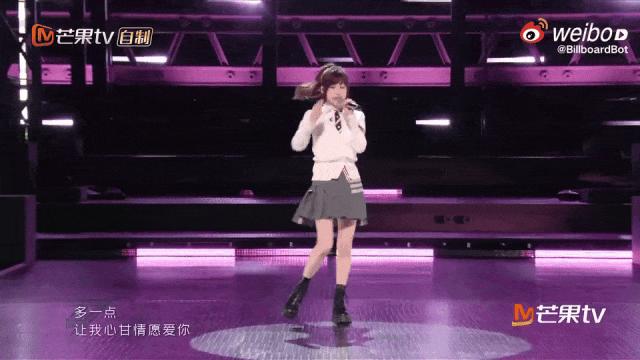
But with Cyndi Wang's sudden rise to fame, Mango quickly extended an olive branch of traffic to her. It launched the #Cyndi Wang Boys and Girls Creation Contest# campaign, encouraging users to post reaction videos with the #Sisters Who Make Waves# topic to get Cyndi Wang's autographed photos, which further strengthened the cross-circle effect.
Later, by adding more footage of her in the program, the team quickly locked in her commercial value. Before the show, Cyndi Wang's commercial performance quotation was only 500,000 yuan per show, which soared to 3 million yuan after the show. Her SUGAR HIGH World Tour expanded from the initial 8 planned shows to 79, covering 31 cities, with all shows sold out immediately, making her a well-deserved "queen of ticket sales".
Although "competitive narrative" always has chances for unexpected success, in addition to its high threshold, as the number of seasons of the shows increases and each season has a large number of guests, it consumes the "stock artist" pool of China's entertainment industry extremely fast, leaving fewer and fewer available artists for subsequent seasons. In the latest seasons of *Sisters Who Make Waves* and *Call Me By Fire*, the age requirement for artists has been continuously relaxed, and this model has hit a bottleneck.
The path with lower threshold is "group portrait narrative", which features warmth, emotion and music.
Four and a half years ago, *Welcome to Mushroom House*, which was originally only made as a warm-up program for *Back to Field*, became an unexpected hit. This show, which was rumored to have a promotion cost of only 48,000 yuan, made the "Re-employment Boys" consisting of Chen Chusheng, Su Xing, Wang Yuexin, Wang Zhengliang, Zhang Yuan and Lu Hu win massive public affection, and the subsequent series of related shows all scored over 9.0 on Douban.
After the show became popular, Mango, responding to the audience's calls, quickly cooperated with Daxian Films to produce the show *Happy Reborn*, and quickly took back the broadcasting right from Southeast TV. After that, they also created multiple shows including *The Summer When You Can Sing If You Want*, *Happy Reborn 2* and *Friends of Happy Life*. Relying on the real daily interaction group portrait of these long-time friends, the six brothers quickly obtained a large number of commercial endorsements, their OST competitiveness increased sharply, and their solo concerts were all sold out.
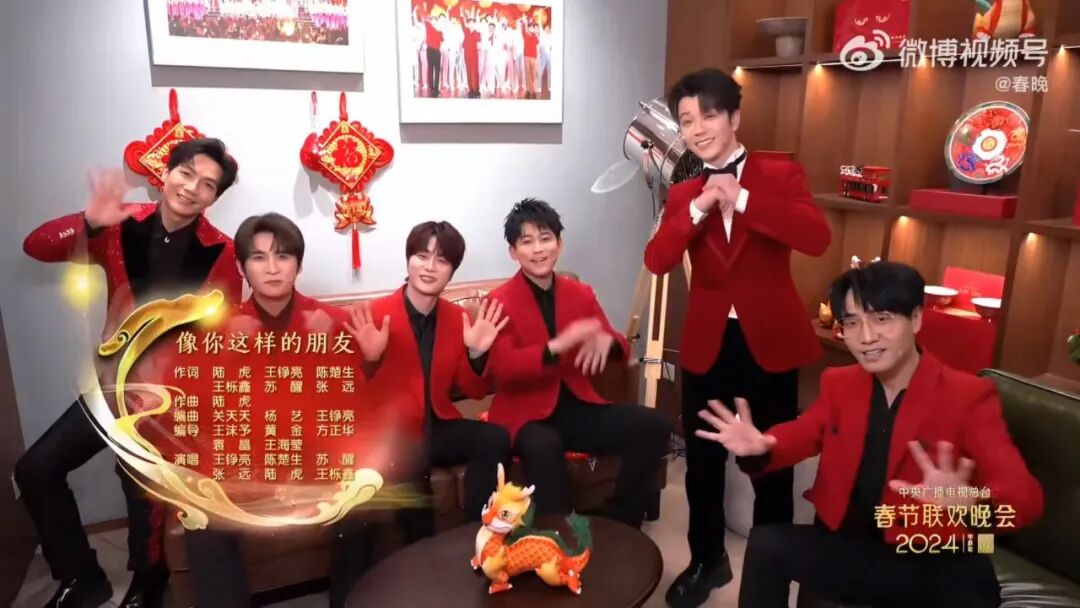
In 2024, the six of them even appeared on the CCTV Spring Festival Gala as a group, making the song *A Friend Like You* widely spread. Later, Mango TV further implemented the commercial model, and the *At Least We Are Happy Today* concert was held in Hangzhou last year with all tickets sold out.
In fact, the idea of slow-paced variety shows is not new. *Back to Field* often attracts the audience by the relaxed atmosphere of interaction between acquaintances. However, a fixed group portrait with real personality charm and real interpersonal relationship bonus like the "0713 Boys" is extremely rare. They share common experiences and memories to support the emotional resonance, have great variety show sense to prevent the slow-paced show from being boring, and have excellent professional music competence to complete commercial transformation after the recording of the show, which can be described as the right time, right place and right people.
Therefore, moving to the third generation, relationship narrative has become Mango's new logic for developing stock artists. The representative of this logic is of course *See You Again* that emerged four years ago. From the open-mindedness of Guo Keyu in the first season to the smoked chicken incident of Mai Lin in the fourth season, the show still remains fresh in the audience's memory.
But *See You Again* also faces the problem of insufficient guests. It requires artists to "have marriage crises and intend to solve them", and the number of artists who meet such conditions is very limited. So later, the show had to expand the scope of "marriage" to "long-term romantic relationship".
In public perception, friendship is more common than marriage, and the scope of available artists is relatively larger. But in fact, *Friendship Never Ends* does not just require guests to be friends. Old friends whose relationship has faded can provide very limited emotional tension. The show requires guests who had conflicts in the past (most likely a misunderstanding that can be resolved), used to be close friends, and are willing to come to the show together many years later.
Before *Friendship Never Ends* appeared, most artists would very likely refuse to record the show if they knew there were people they did not get along with among the guests, and the audience had no chance to see them appear on the same stage. This is the real rarity of *Friendship Never Ends* in the variety show market.
From the private work incident to the he-said-she-said of informant, this show retains the original conflicts and comes with natural gossip attributes. With the breakout of catchphrases such as "I trapped myself in a prison, Li Na", Mango filled the promotion homepage with content for the once popular "Feixue" CP, making their high-density emotional tension known to more audiences, and achieving a dominant fan-gaining effect.
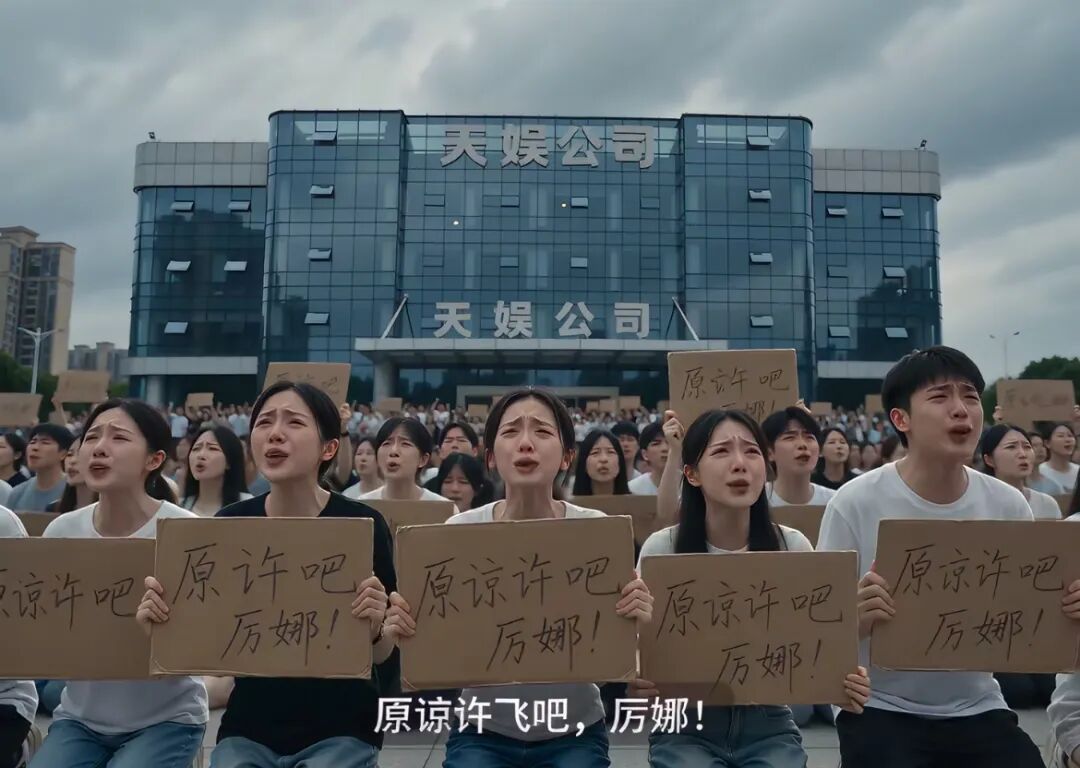
After the show was broadcast, major brands used AI to make kneeling videos, shouting: "Li Na, forgive Xu Fei, I was the one who ratted back then". As of press time, Li Na has obtained four commercial endorsements including Juewei duck tongue, and Xu Fei's performance tickets were all sold out immediately.
It is worth mentioning that Juewei duck tongue recently topped the sales chart with a week-on-week sales growth of over 200%. This familiar scene already appeared two years ago when smoked chicken orders exploded. Up to now, major brands have left messages on Li Na's social media accounts, playing with the memes to cheer for her, and most of them promote their own products through lucky draw campaigns.
If Mai Lin was an ordinary person before the show, and Li Na was "already faded out of the public view", this kind of "stock artist" development based on real relationship narrative has already generated very considerable commercial returns.
Why is it always Mango that succeeds?
Why does the phenomenon of revitalizing stock artists keep happening at Mango?
First, the obvious reason is that Mango has a very solid foundation of stock artists. Back in the TV era, Hunan Satellite TV completed its entertainment transformation faster and more thoroughly than all other TV stations. The "grassroots talent show" genre was almost represented by *Super Girl* and *Happy Boy* back then, which brought a large number of new forces to China's entertainment industry. These artists are also labeled as "Mango-related" at the same time. Even if their exposure drops later, they are artists with inherent public memory, which is a "artist pool" that other platforms cannot replicate.
Second, the courage to "try and make mistakes" is also a necessary condition for the repeated birth of hit shows. From the divestment of a brand for *Where Are We Going, Dad?* and the subsequent opportunity seized by 999, to the development of *See You Again*, the long-running *Who's the Murderer* series, and the breakout of *Friendship Never Ends*, Mango is always the first to try these shows, and many of them still have no competitors on other platforms to this day.
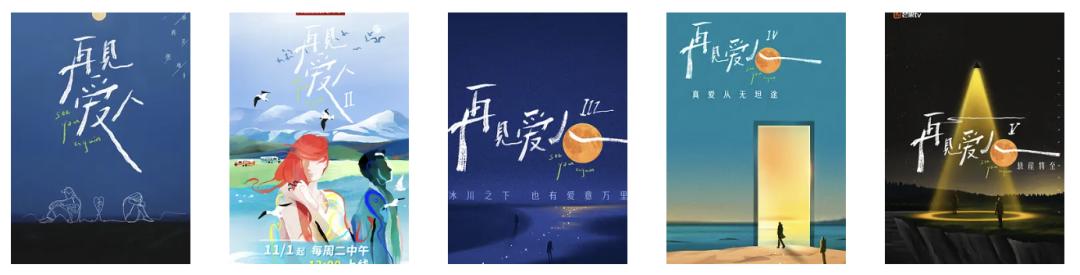
Many shows including *Sisters Who Make Waves* originated from the creative ideas of netizens. Starting a project based on netizens' ideas is a common feature of Mango in the variety show track. In contrast, most other platforms rely more on the "Nth season of existing variety show" model to continue the old IP ideas.
Just like the earlier *The Summer When You Can Sing If You Want* Mango tried did not become a hit, the courage to "try and make mistakes" does not guarantee success, but once you succeed, you can take all the benefits.
The counterattack of *Friendship Never Ends* also reminded many audiences of the resurgence of *Divas Hit the Road Season 2* on short video platforms a few months ago. The common point of the two shows is the emphasis on sense of reality.
But how can reality shows achieve "realness"? The key lies in how to build trust between PDs and guests. Variety show recording is not like filming, where you can yell "cut, do one more take" to adjust. It is mostly established through long-term communication between follow PDs and guests.
For example, in *Divas Hit the Road Season 2*, Xu Qing was a highly controversial figure. But her PD could keenly observe the emotional changes of Xu Qing. From the daily greetings during the show to the fact that Xu Qing still says good morning and good night to her PD after the show ended, we can see the close trust between them.
Similar trust building can also be seen in the recently released footage of Xu Fei's pre-interview before the first episode of *Friendship Never Ends*. When the PD asked her who she most wanted to complain about, she first said it was the PD, then said it was herself. In this series of questions and answers, the PD could also keenly notice Xu Fei's emotional change, and said "You are about to cry, sister, you can scold me as much as you want". This relaxed conversation like between friends immediately makes the audience see that the trust between the two has been fully established.
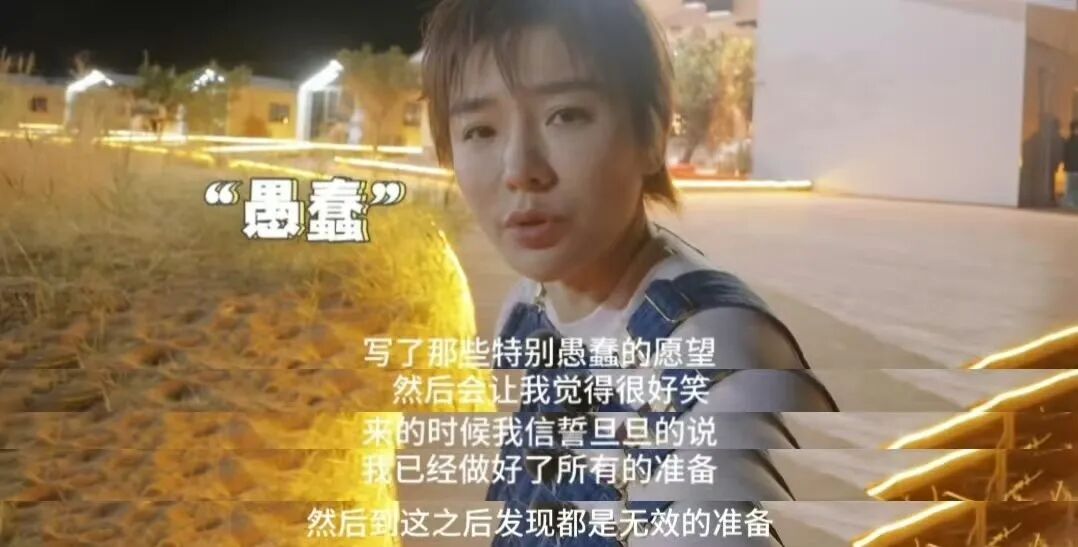
And how can reality shows "move the audience"? Often among hours of footage, there are only one or two sentences that can touch people's hearts. The reason why guests can say these heartfelt words is the trust mentioned above: when they feel safe, they will show their real selves. The most real relationships and high-density emotions can always touch the audience.
This is different from the logic of the "Re-employment Boys" resurgence. Their resurgence relies on the mutual trust and tacit understanding between the guests. The friendship they established through the competition has continued into their daily life, and this natural tacit understanding makes the audience feel envious.
But *Friendship Never Ends* is based on a previously broken "friendship". So Mango needs to build trust between the guests and PDs first, and then this trust will help show more real parts. Although the audience's mentality is full of curiosity for gossip, they can more easily feel the emotions in an immersive way.
In addition to the show itself, there are also tricks in communication. Through "content memes + new media marketing", Mango can quickly turn emotions into phenomenal communication.
The catchphrase "I trapped myself in a prison, Li Na" is short, full of strong emotional impact, and naturally has communication attributes, which was quickly recreated and played with by netizens and various merchants. Just like Xu Fei's habit of putting "Li Na" at the end of every sentence in the show, netizens derived similar sentence patterns such as "I don't want to go to work tomorrow, Li Na".
Mango TV also responded extremely quickly. On the homepage of its own app, it uniformly added "Li Na" to the end of all show copywriting. This low-cost way to amplify the spread of the meme greatly increased audience participation, and directly boosted more "Li Na-style" content to go viral.
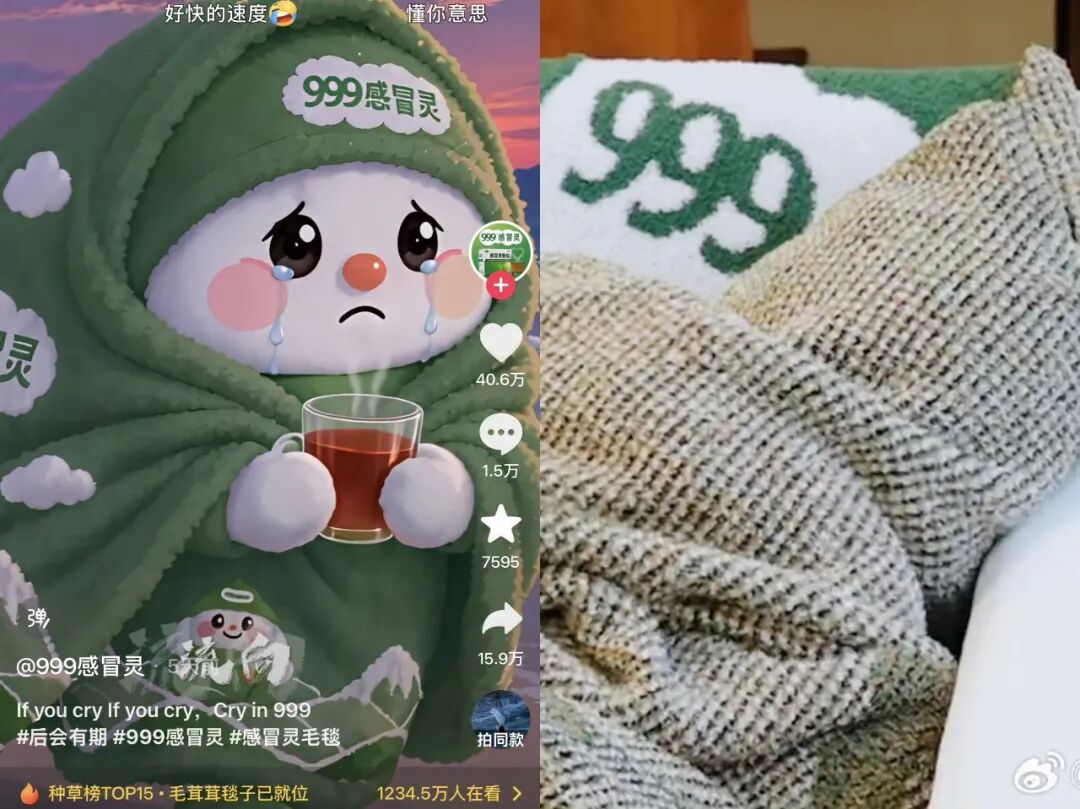
Under the nationwide meme-playing trend, the commercial transformation brought by it is also unexpected. The scene where Qingzhi wrapped herself in a blanket and cried in the show made the audience empathize. With the popularity of the slogan "if you can cry, cry in 999", the audience asked 999 Cold Relief Spirit to put the same blanket on sale in the live stream room. It is hard to imagine that an insignificant item in the footage can achieve a communication effect that even tens of millions of TCV of brand placement cannot achieve, just because of the guest's emotional change.
Of course, marketing is only an amplifier. The premise is that the content itself comes with inherent