Is adding a teleconverter to non-flagship models really an innovation?
For today's imaging-focused smartphones, what is the most popular selling point that is highly recognized and promoted by major brands? Is it the ultra-large sensor main camera, high-magnification periscope telephoto lens, variable aperture, or the device-cloud integrated computational photography?
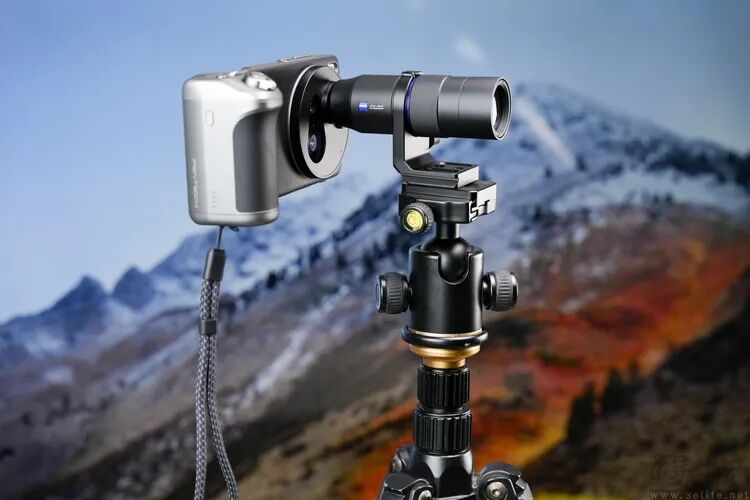
The answer is probably "none of them". If you look through the market, you will find that the latest selling point that has already gained widespread popularity in imaging smartphones and shows an obvious trend of "mass adoption" may be the telephoto extender that most people have never purchased at all.
The emergence of telephoto extenders did solve key practical problems at the early stage
When did the telephoto extender design first appear on smartphones? To be honest, we have not found a very accurate time node for this question. After all, it may initially originate from an operation where a user accidentally put a smartphone right in front of a monocular telescope.
According to public available information, at least in the era when smartphones were only equipped with a single camera, there had already been third-party "telephoto extender" accessories for iPhone back then.
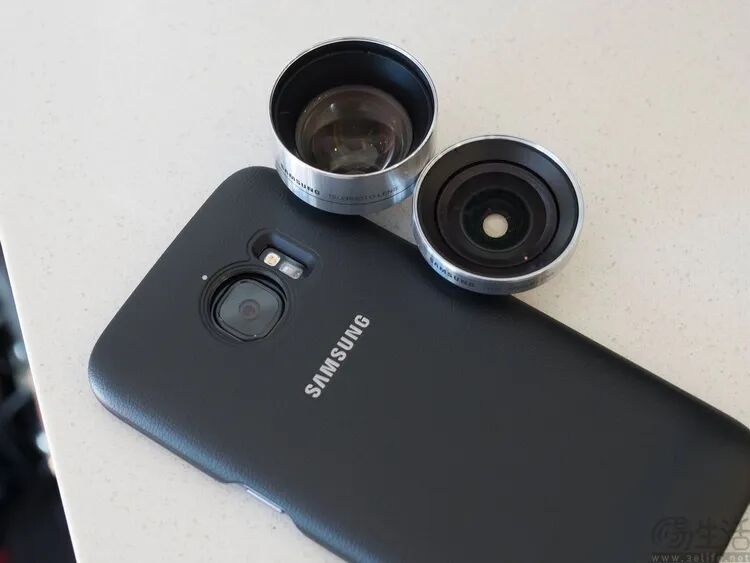
Samsung even launched an official telephoto extender for the Galaxy S7 series, which used a dedicated protective case for auxiliary fixation. Its design can be described as in the same line as the mobile phone telephoto extenders that everyone is familiar with now.
However, early single-camera models needed telephoto extenders because they really did not have "physical telephoto lenses". But two or three years ago, the reason why multi-camera imaging flagships came up with the idea of telephoto extenders might be completely different.
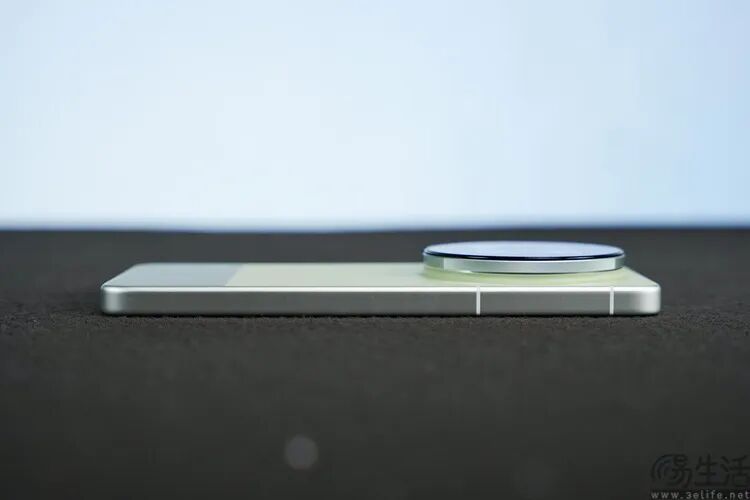
For flagship models equipped with ultra-large sensor periscope telephoto lenses, the rear camera deco has already reached the maximum possible thickness limit
Simply put, at that time, imaging flagship phones began to gradually pursue the "image quality" of periscope telephoto lenses instead of simply competing for focal length. As a result, when the sensor size under the telephoto lens becomes larger and larger, and the aperture of the lens also becomes wider and wider, it means that manufacturers either need to continue to thicken the body (make the lens "longer"), or have to reduce the native focal length of the lens.
Telephoto image quality, or the nominal "10x zoom"? Obviously, for most users, a larger sensor and a larger aperture are more practical. So manufacturers chose to reduce the native telephoto focal length of flagship phones at that time. But at the same time, they also launched the "telephoto extender" as an optional accessory for users who still have strong demand for longer focal lengths.
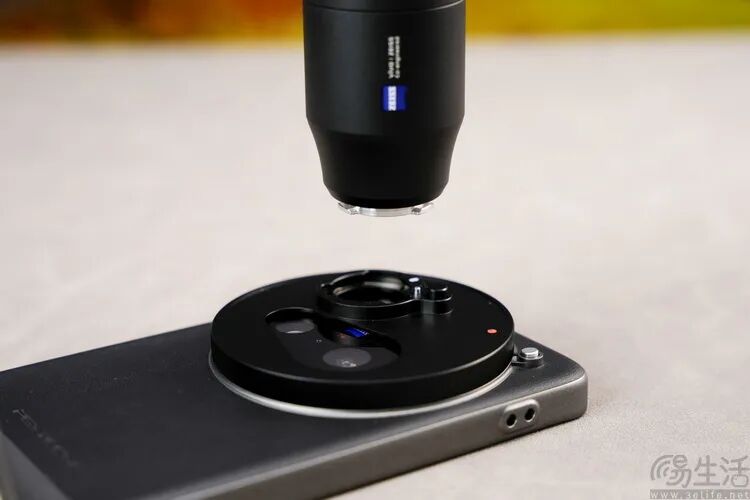
To be fair, this is indeed a very clever design, but probably even the designers at that time did not realize that their creative idea had opened "Pandora's box" from then on.
Is the "mass adoption" of telephoto extenders really a good thing?
Please note that we at 3eLife do not deny that when imaging flagships such as the vivo X200 Ultra use a telephoto extender, it is a clever and necessary design. But does this mean that some subsequent telephoto extender solutions are also "necessary"?
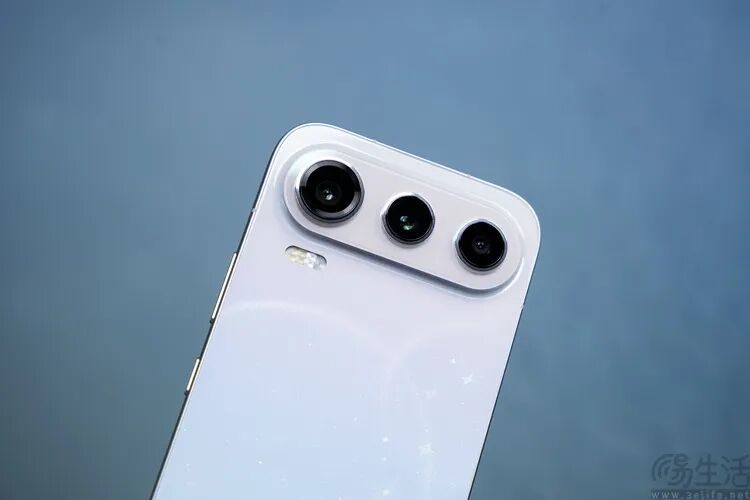
Yes, that is exactly what we are questioning. After all, for some subsequent models, their periscope telephoto lenses have neither "large sensor" nor "large aperture" in hardware. Their sensor specifications are outdated, and the size is often only 1/2 inch or even smaller.
In the past, for such "small lenses", manufacturers could completely fit the entire telephoto lens with native long focal length into the phone body without any problem. But now, even for such a small-sensor telephoto design, manufacturers will design a set of telephoto extender solution for it, instead of directly building a periscope telephoto lens with long focal length inside the device.
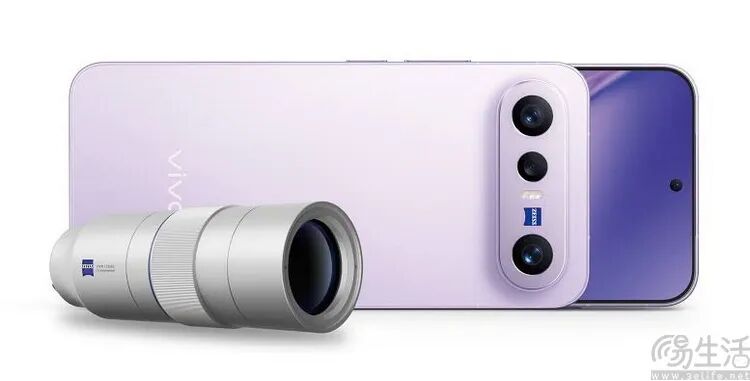
Is such a design reasonable? In theory, it may make the phone body a little thinner, and also help reduce the overall hardware cost (on the premise that users do not buy the telephoto extender). But from the perspective of consumers, are those non-imaging flagship phones that provide optional telephoto extenders really thinner and cheaper now?
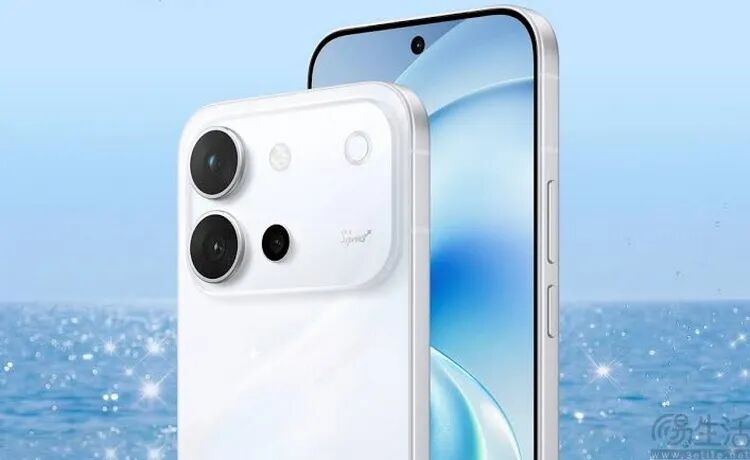
There are current leaks showing that some models equipped with only 1/2.83 inch small sensor periscope telephoto lenses that can be paired with telephoto extenders will appear in the future
That is the core of the problem. On the one hand, for those models that do not have ultra-large sensor telephoto lenses, the telephoto extender itself is not designed to break the constraints of physical laws. It is more like forcibly splitting the native small-sensor ultra-telephoto that should have been integrated into the phone body into a "cut-down configuration + paid DLC (telephoto extender)".
On the other hand, although behind this business strategy there may be factors such as the sharp rise in mobile phone hardware costs (storage chips) nowadays, from the perspective of consumer experience, it does objectively constitute a fact of "reducing configuration while raising prices".
Sometimes the selling points on flagship phones really do not need to be "popularized"
In the final analysis, is it necessary for telephoto extenders to exist in today's smartphone market? This question actually needs to be considered on a case-by-case basis.
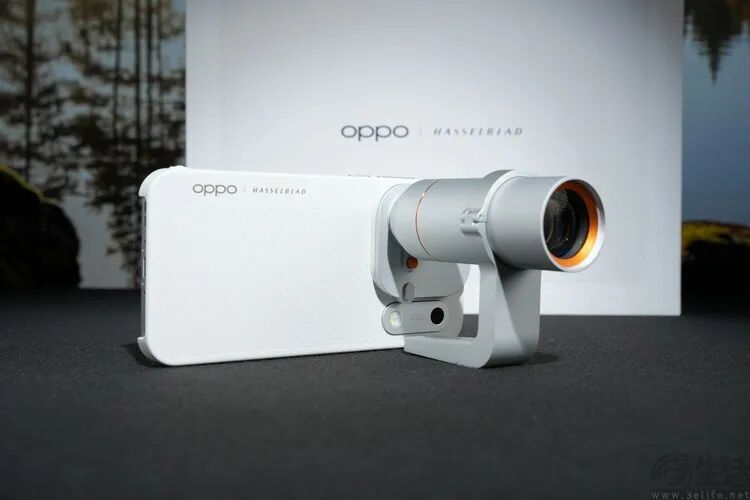
For top imaging flagships priced at seven or eight thousand yuan or even tens of thousands of yuan, the telephoto extender is indeed a "icing on the cake" design, which can solve the problem that large-sensor periscope lenses cannot achieve native long focal length, and can really improve telephoto image quality, so it is very necessary for users in need.
But for light and stylish mid-range models priced at three to four thousand yuan, or even two to three thousand yuan, we really do not think telephoto extenders are a good idea. Its emergence may even provide an "excuse" for these models to further reduce the configuration of the built-in telephoto lens.
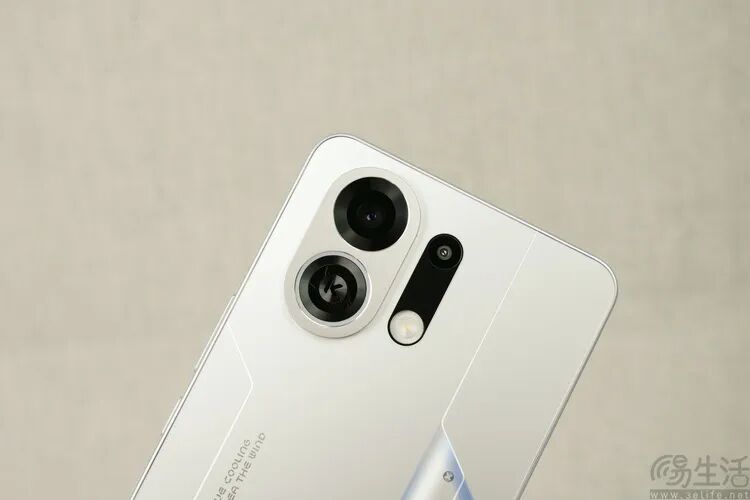
Of course, telephoto extenders are not the only thing worth criticizing. For example, the cooling fans built into top gaming phones are now also used by some mid-range models as a gimmick to "seemingly have strong performance"; the same generative AI, which may be a locally running "assistant" on high-end models, can only become a "bandit" that completely relies on cloud computing power and consumes mobile data on mid-range phones.
To put it bluntly, the name of "flagship technology downscaling" sounds very impressive, but some technologies are really not suitable for all models. When unnecessary configurations and redundant designs are forcibly transplanted to models that are not suitable for them, users will be the ones who suffer in the end.
[All images in this article are from the Internet]
This article comes from the WeChat official account "3eLife" (ID: IT-3eLife), written by 3eJun, published by 36Kr with authorization.