During the Double 11 big promotion, large numbers of young women are flocking to the men's clothing section.
"Girls weighing 40kg can't squeeze into small-sized women's clothing".
"Pockets are too small to hold a mobile phone".
"The workmanship of women's clothing in the same price range is inferior to that of men's clothing".
In recent years, complaints about women's clothing have frequently topped trending searches.
Right in the middle of the Double 11 shopping festival, many content creators started producing content from the perspective of "how to buy men's clothing during Double 11" as early as mid-October. The core reason for their recommendation is: good quality, large pockets, and more practical than women's clothing.
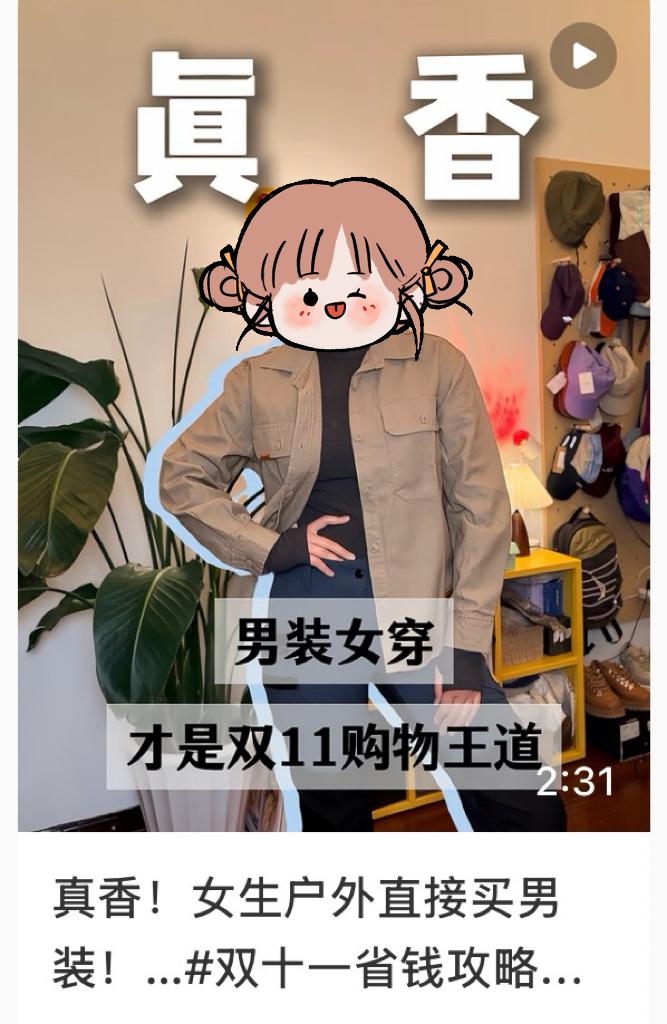
That's right, female consumers are now trending toward buying men's clothing. This new consumption trend of "women wearing men's clothing" is quietly rising among young women.
According to a set of data cited by Yibang Power, the proportion of female consumers in the men's clothing market has now soared from 15% to 28%, with the relevant search volume increasing by more than 200% year on year, of which the post-2000s generation accounts for 62%.
01
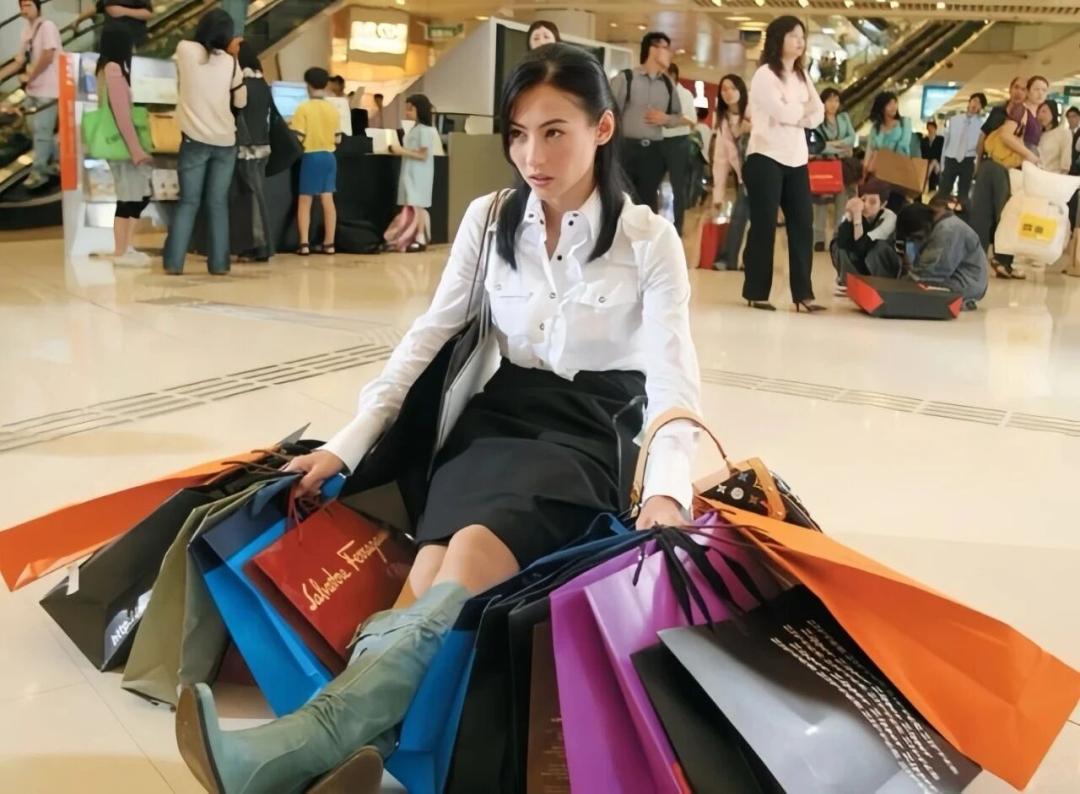
The public has suffered from poor women's clothing for far too long
The persistently high return rate of women's clothing has long been a structural problem in the e-commerce sector.
Some merchants told the media that the daily return rate remains at around 70%. For every 10,000 yuan worth of goods sold, the actual transaction value may only be 3,000 yuan.
Surveys show that the return rate of men's clothing is roughly between 15% and 40%, and the return rate of children's clothing is generally around 15% to 20%. The return rate of women's clothing is far higher than that of other clothing categories.
Since 2024, topics related to women's clothing returns have appeared on Weibo's trending searches for a total of seven times. From "the reasons for the high return rate of women's clothing" to "the mismatch between product and description behind the high return rate of women's clothing", and then to "the shop owner lost nearly 8,000 yuan due to the return of more than 400 dresses", each incident has sparked extensive discussions in the public opinion field.
In the past two years, related discussions on Xiaohongshu have also continued to heat up, and individual consumption complaints have gradually converged into large-scale public issues.


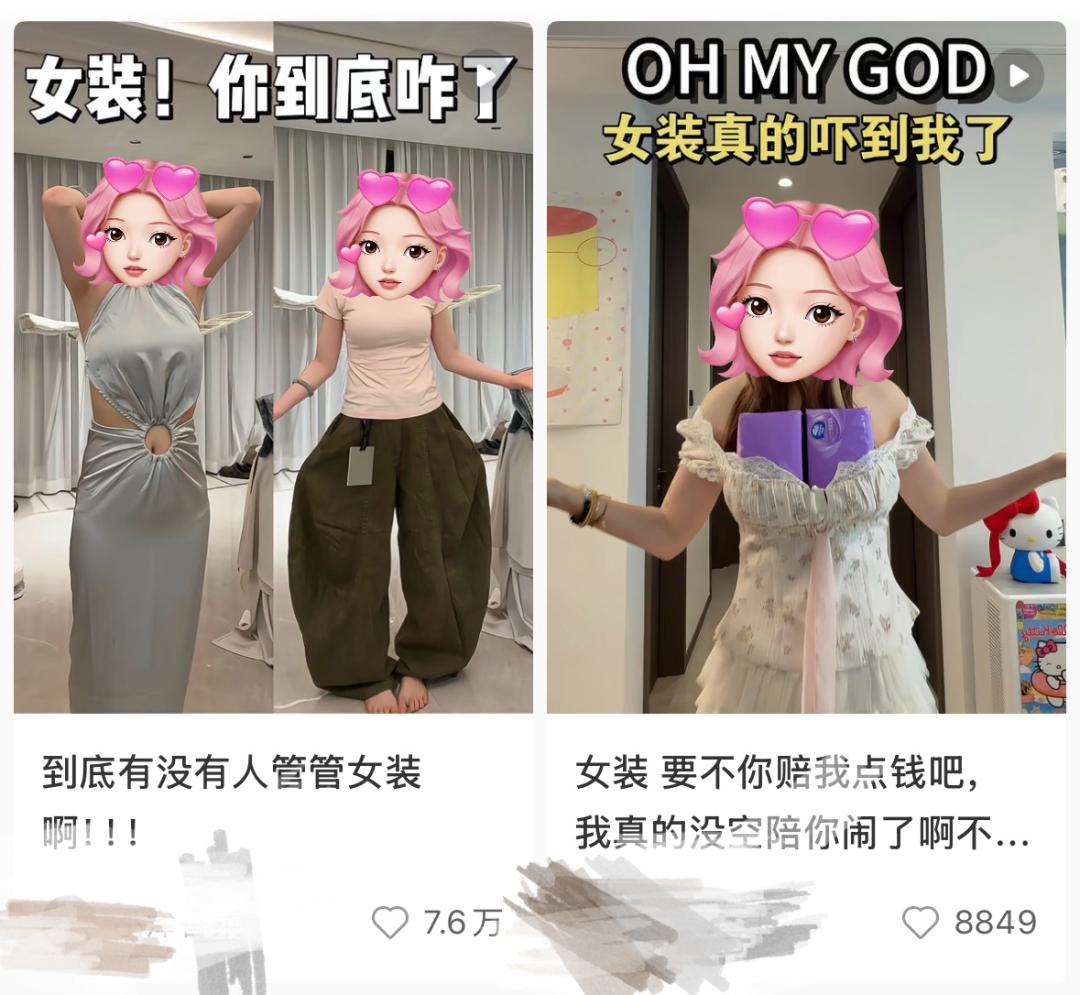
Consumers' dissatisfaction focuses on two levels.
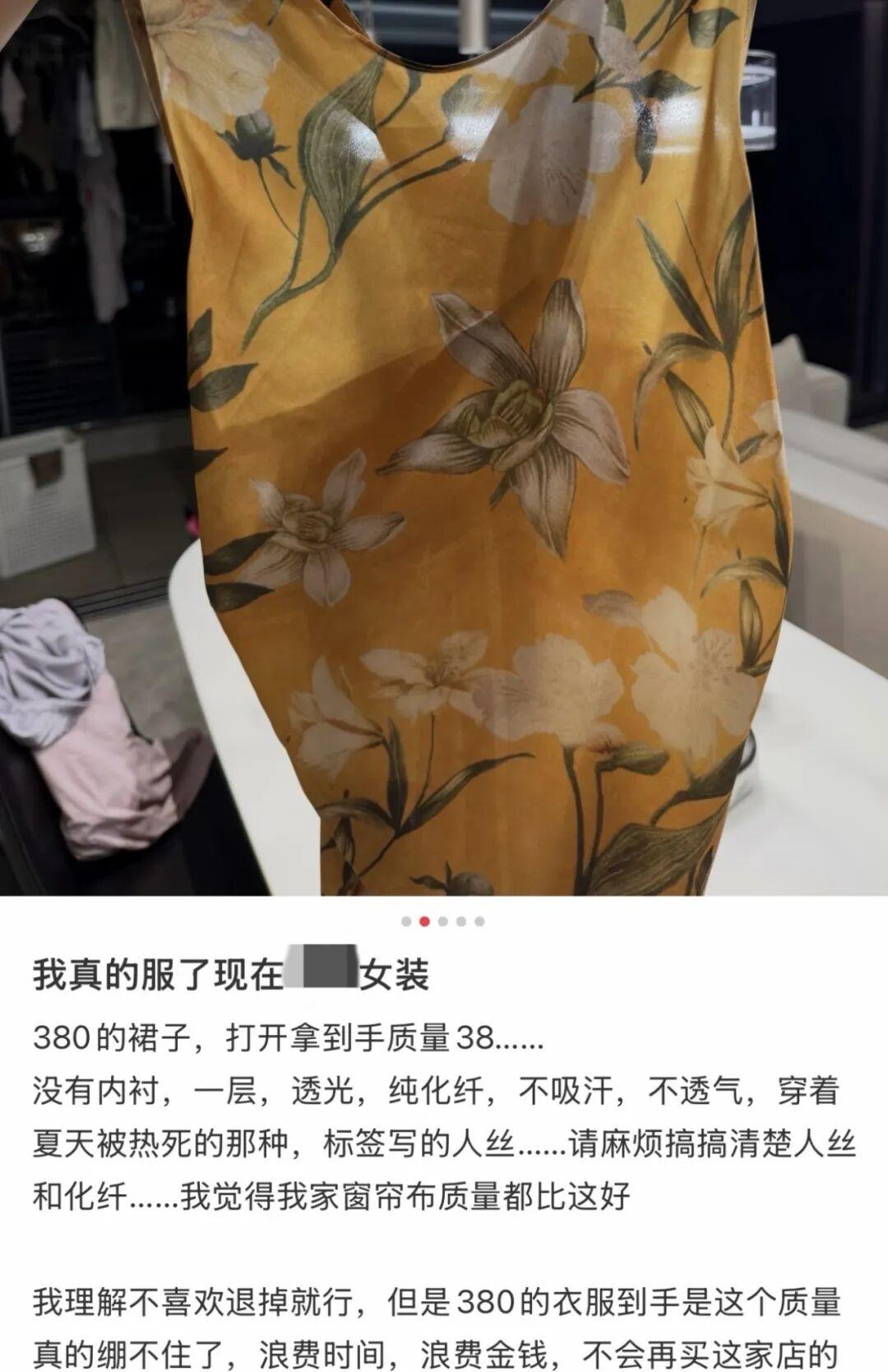
First, there is a serious disconnect between quality and price. Some consumers complain that the dress they bought for 380 yuan "does not even have a lining", and its quality is even worse than the curtain cloth at home.
A more widespread trouble is that the actual product does not match the description. The styles that look extremely high-end in the pictures of online celebrity shops are far different from the model pictures in terms of version, fabric and color after being received.
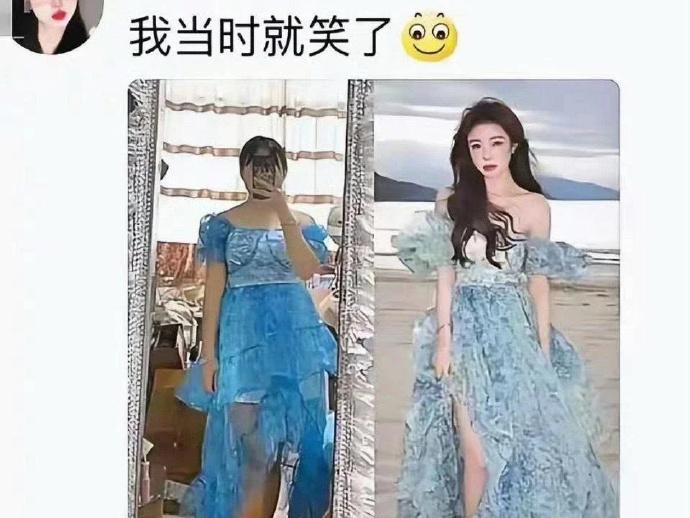
This gap is so large that consumers have begun to summarize avoidance guides. For example, it is recommended to prioritize photos where models stand upright and do not rely on exaggerated poses to cover up the flaws of clothing versions.
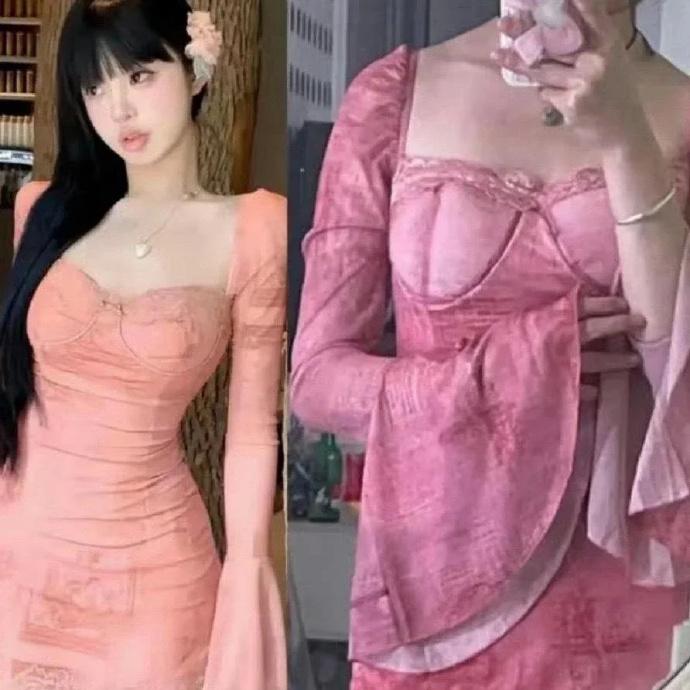
Some comments point out sharply that some online celebrity shop owners would rather spend their budget on shooting abroad than spend an extra penny on quality control.

Image source: Xiaohongshu
Foreign street scenes and atmosphere can indeed create visual scarcity, making cheap clothes look more expensive in pictures. But if the actual product cannot meet the expectations created by the pictures, returns will become an inevitable result.
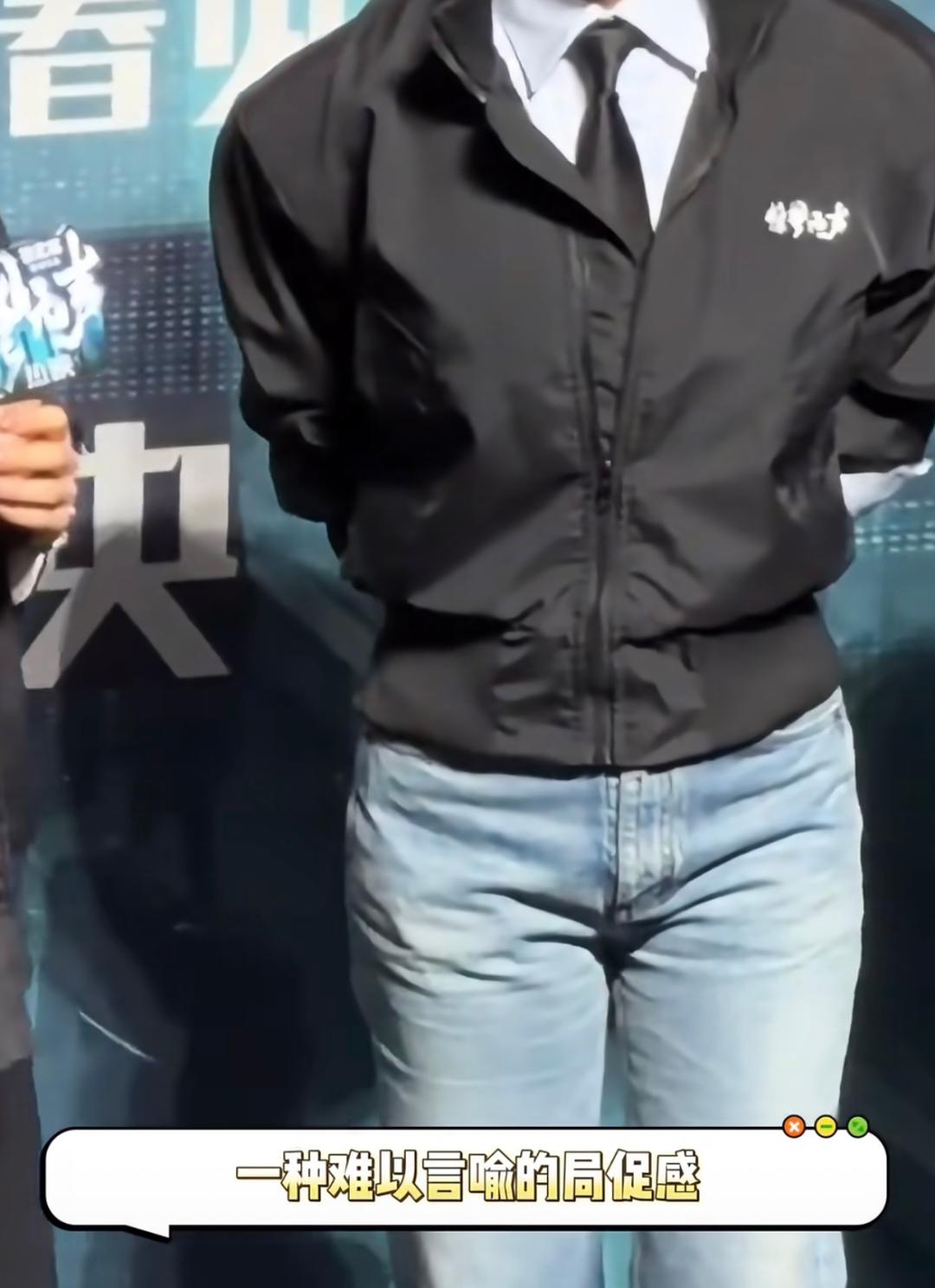
It is worth noting that it is not only ordinary consumers who are let down by women's clothing. Even female celebrities such as Song Jia, Yang Zi and Amy have not escaped this situation.
The pair of jeans Song Jia wore at a certain movie press conference once topped the trending searches.
Netizens complained one after another that even the jeans of female celebrities are made so ill-fitting, which shows how poor the clothing quality for ordinary people is.
The outfits Yang Zi wore in a certain drama were also complained by netizens that the clothes were loose and shapeless.

In the leaked on-set photos of a romance drama, the group of photos that were supposed to show handsome men and beautiful women with a strong atmospheric vibe ended up drawing all people's attention to her coat. The male lead's men's coat was stiff and well-shaped, neat and proper, and the pockets even had linings.
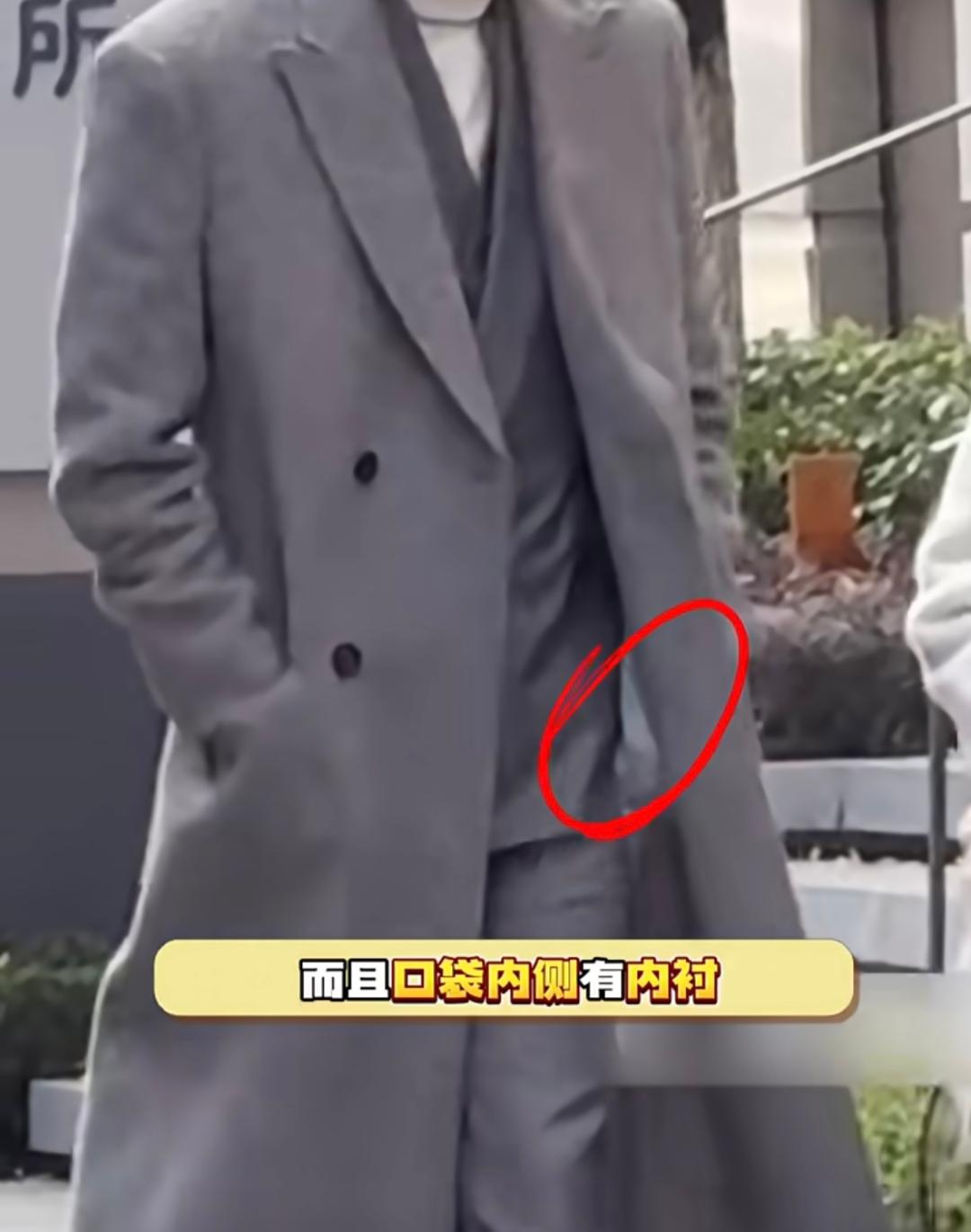
While Amy's coat was described by netizens as "having two bath towels sewn inside the overcoat". And the crew spent almost the same amount of money on clothes for the male and female leads.

Nowadays, even celebrities can hardly pull off women's clothing. To a certain extent, this shows that the problem does not lie in consumers' body shapes or their pickiness, but that the industry-wide decline in quality control and distorted product images have reached a quite common level.
After AI came out, the situation became even worse. Some merchants no longer even use real human models, and a large number of brands and online shops began to use AI model images and promotion videos, including Adidas, CK and many luxury brands.
The key point is that women's clothing is not only about looking good, but also about whether the actual product matches the description. Low-quality AI model images cannot reflect the fabric, version and real upper-body effect of the clothes at all.
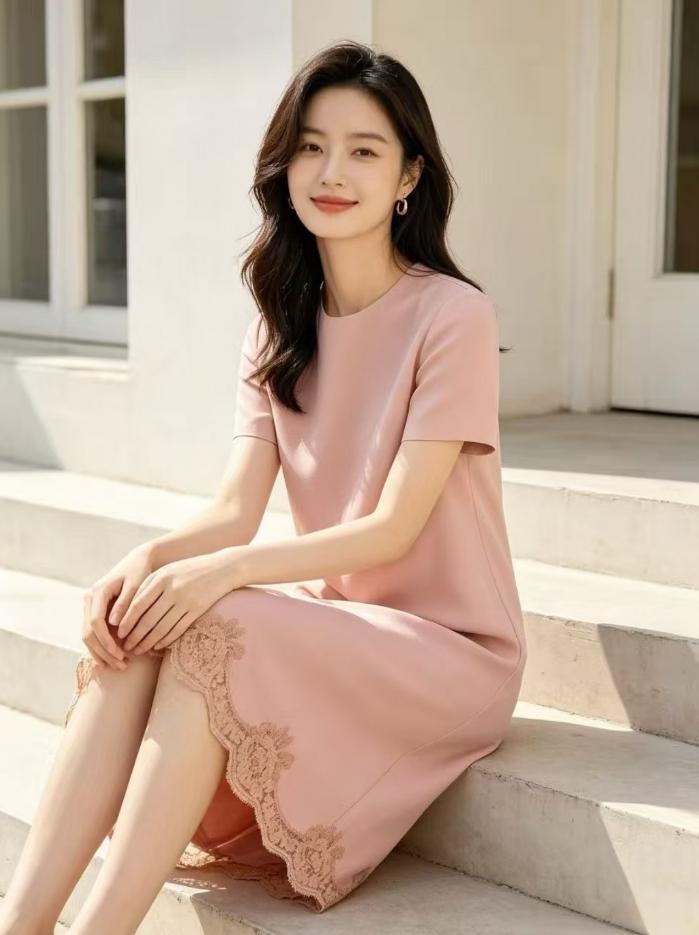
Not only that, women's clothing also has problems such as long pre-sale time and the mismatch between sample and delivered products.
This upside-down practice in turn pushes up the return rate, forming a vicious cycle where merchants complain about returns and consumers complain about mismatched products.
It can be said that the public has suffered from poor women's clothing for far too long.
But what is absurd is that merchants did not take the lead in considering quality problems such as mismatched products, instead they used oversized tags to annoy consumers.
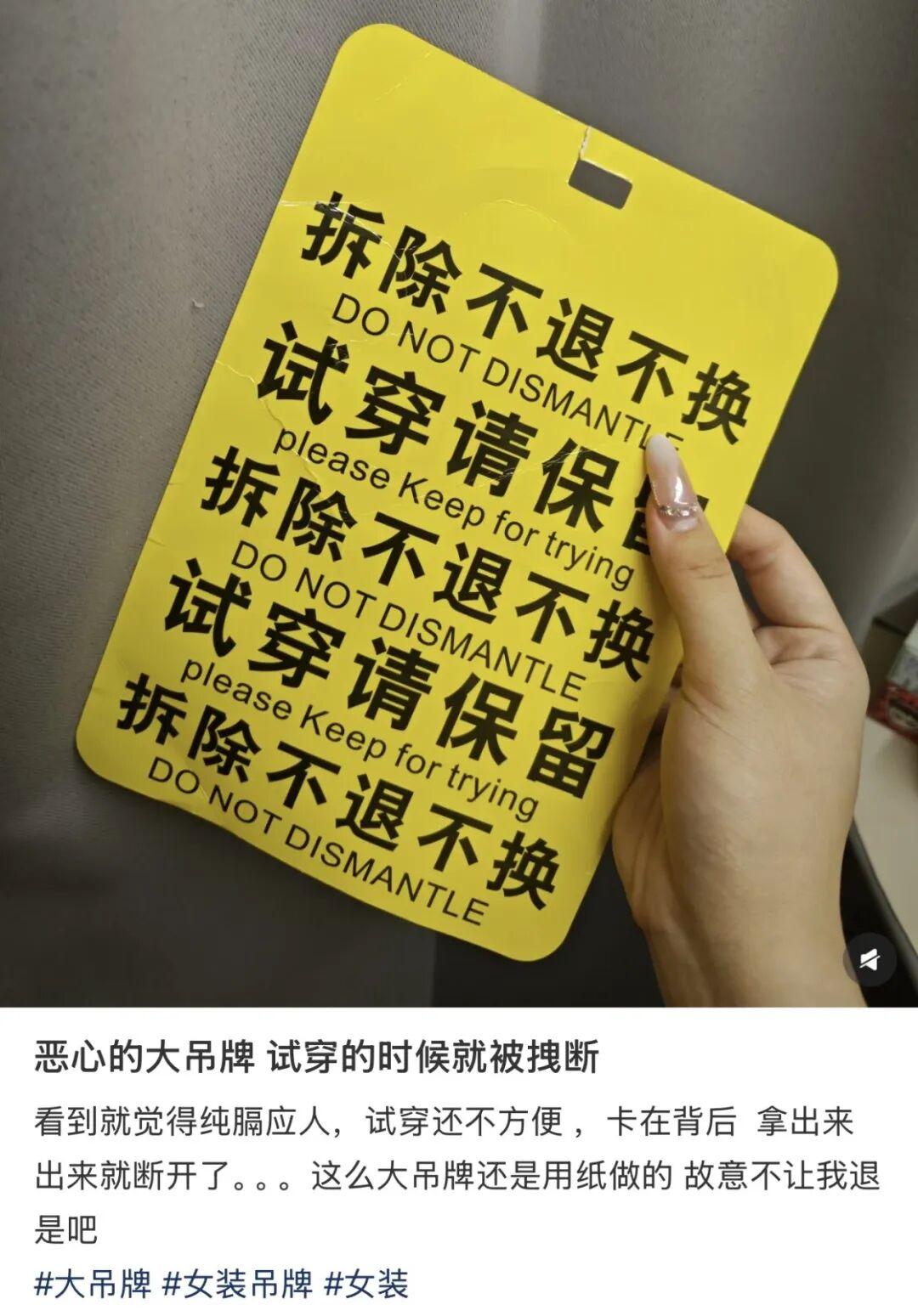

Tags are getting bigger and bigger, but the sizes of women's clothing are getting smaller and smaller.
Some consumers weighing less than 40kg can't even fit into size 2XL.
A consumer weighing 49kg was recommended size M by customer service, but found that the clothes fit perfectly for a two-year-old child after receiving them.
In order to save fabric, the sizes of women's clothing are approaching those of children's clothing, while the "pale, thin and youthful" aesthetic is constantly amplified by merchants, and the deliberately reduced sizes in turn aggravate consumers' body image anxiety.
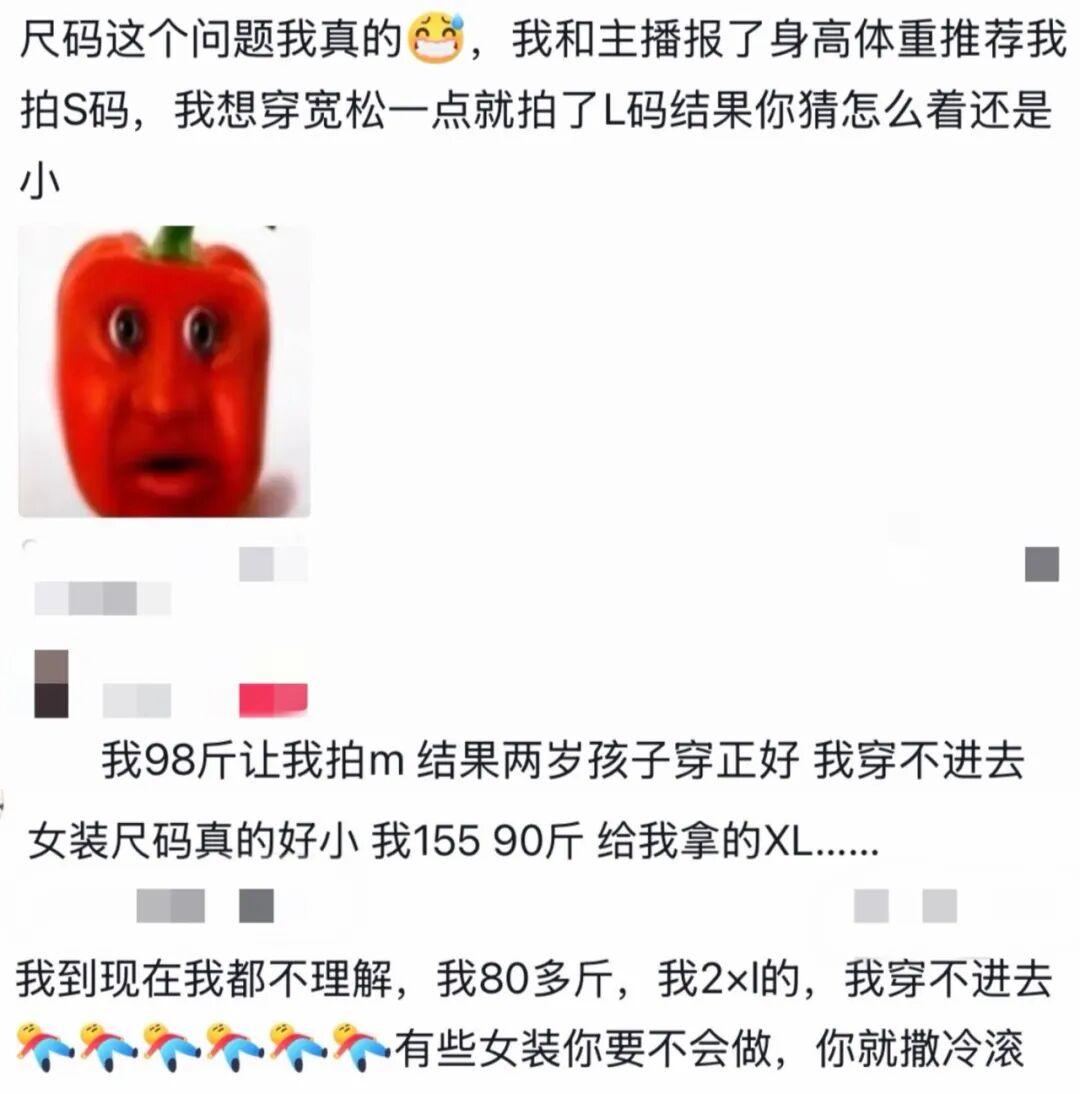
As a result, some women simply gave up on the women's clothing market and flocked to the men's clothing section.
What exactly is so good about men's clothing?
Taobao's 2026 spring and summer data shows that the search volume of keywords such as "women wearing men's clothing" and "small size men's clothing" increased by 68% year on year.
The total number of orders for women buying men's clothing on JD.com and Douyin in 2025 increased by 42%. Female customers account for 38% of the customers in Uniqlo's men's clothing section. The search volume of related content among Generation Z has soared by 180%.
The reading volume of the topic "Reject Pink Tax" on Xiaohongshu has exceeded 100 million, and more than 3,000 notes teach girls how to choose men's clothing sizes step by step.
Because at the same price point, men's clothing almost outperforms women's clothing in terms of workmanship, quality and fabric.
According to media reports and consumer discussions, women's purchases of men's clothing are concentrated in basic styles, functional coats, shirts and trousers, with the core demands of "proper version, solid materials, and actually usable pockets".
Taking the most basic daily styles for comparison, the difference between men's and women's clothing is quite obvious.