Luxury giants continue to plummet. What has happened to the premium belief in luxury goods?
Over the years, a very notable phenomenon has emerged among major luxury giants: on one hand, news of frequent price hikes for luxury goods keeps coming, as if every once in a while a major luxury giant announces a price increase; on the other hand, the performance of luxury brands seems to frequently decline, even showing a continuous downward trend. What on earth is going on?
I. Sustained Sharp Drop of Luxury Giants
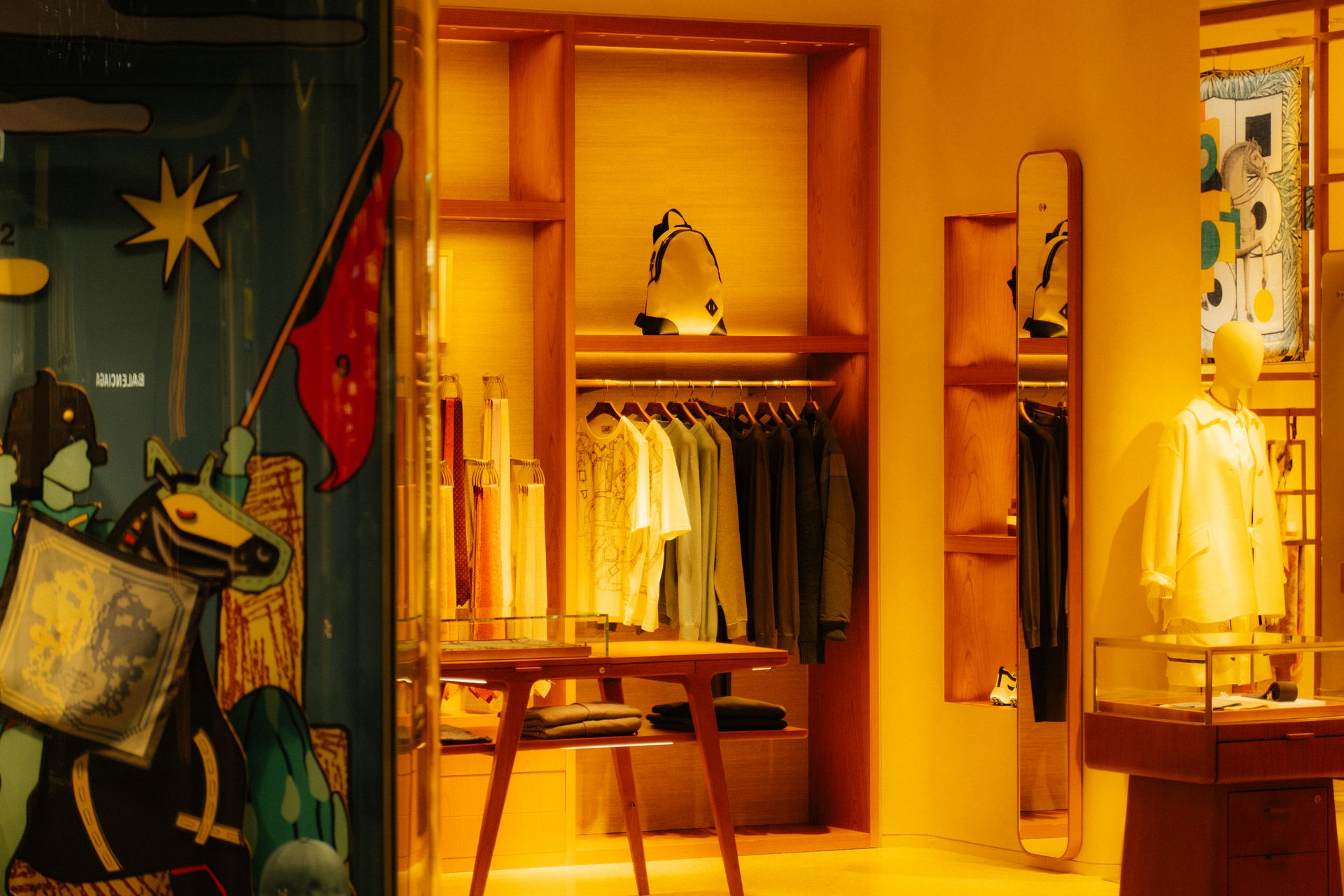
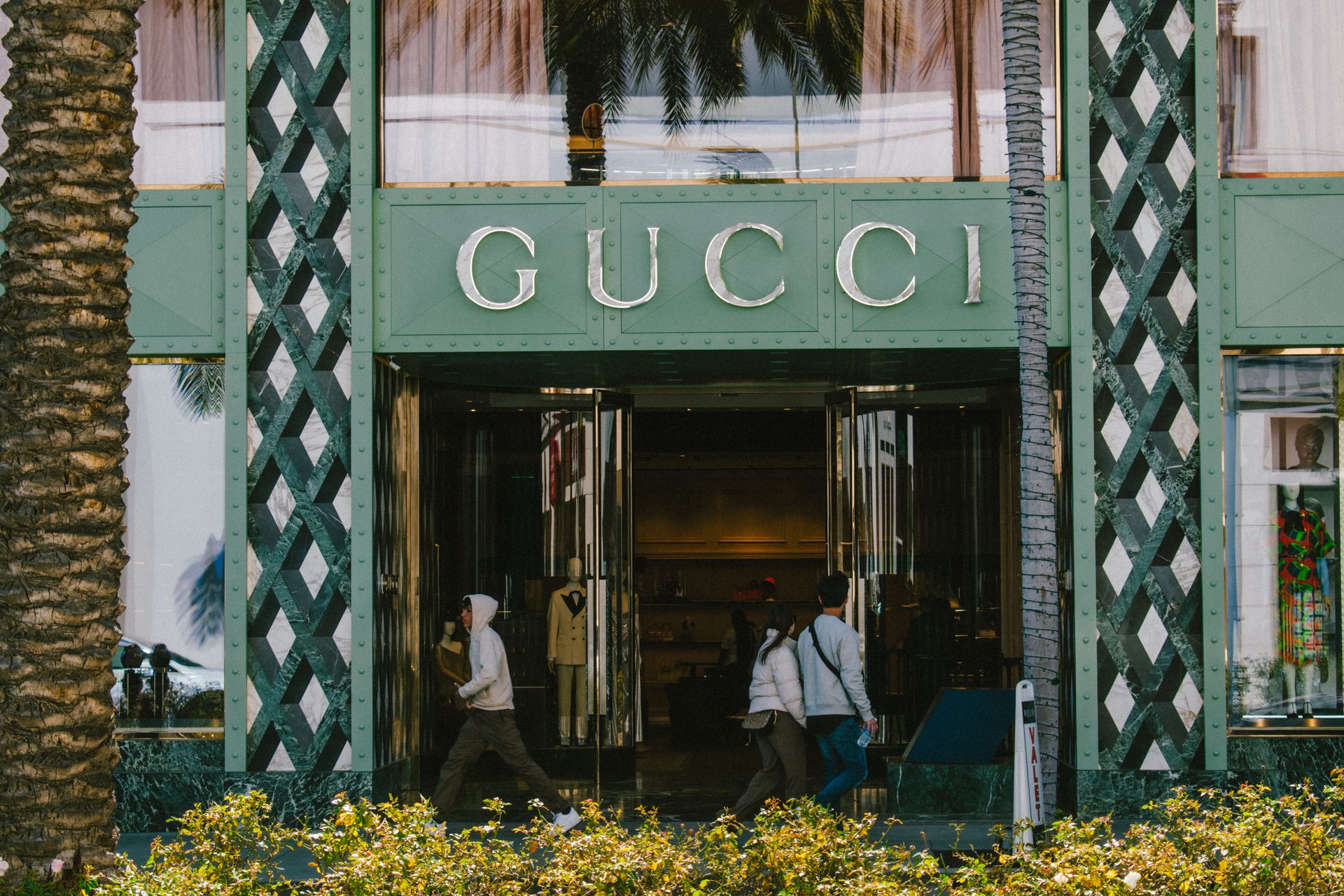
According to Securities Times, recently French luxury giant Kering closed down 16.57% in the Paris market, marking its largest single-day drop since April 2025. Its core brand Gucci posted a 6% year-on-year decline in comparable revenue in the third quarter, far worse than the market expectation of 3.29%, completely shattering investors' expectation that the "worst is over" for the group.
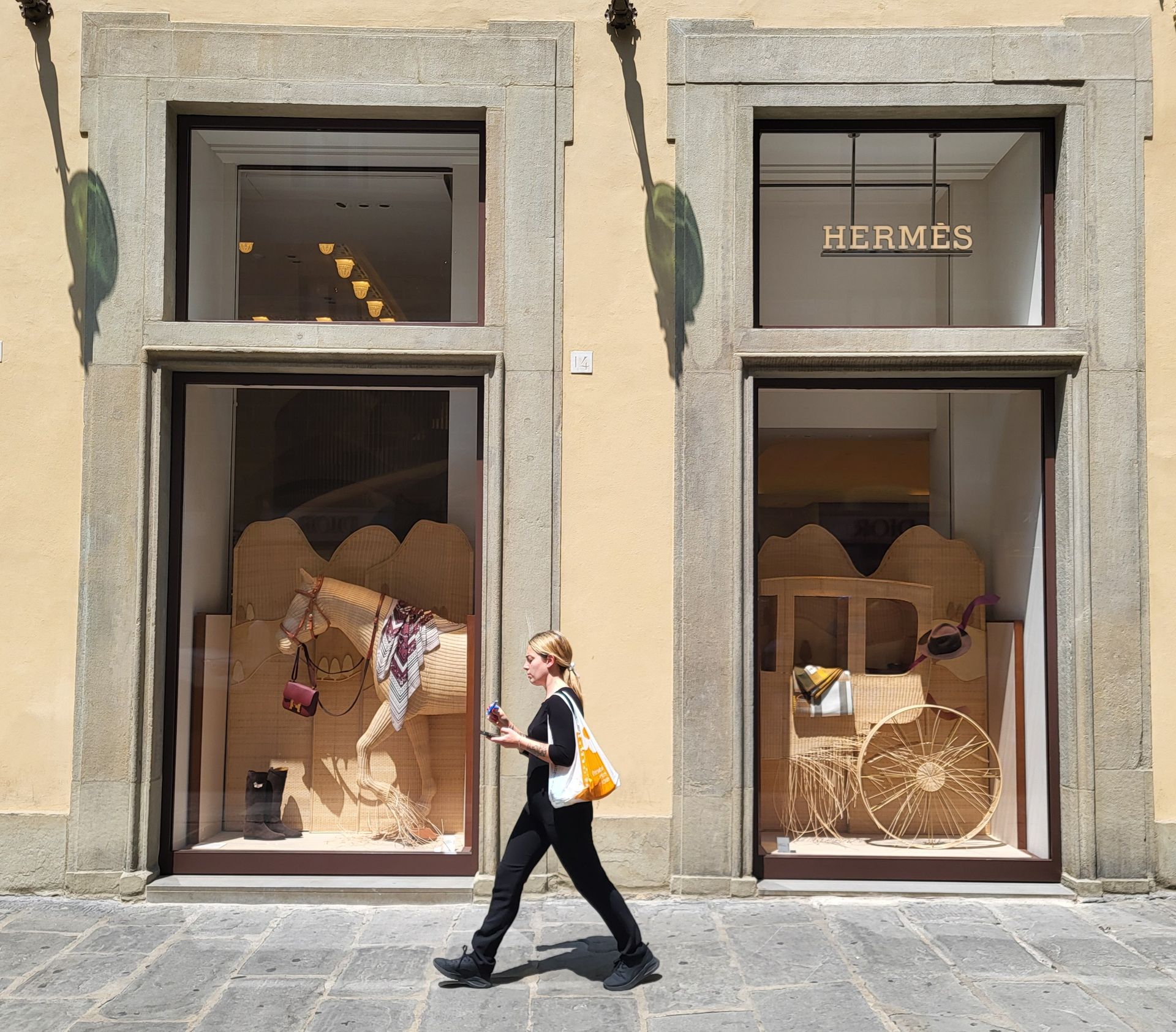
Hermès also extended its downward trend. In the two trading days after releasing its financial report, Hermès fell by 4.94% and 3.96% respectively. Its latest share price has dropped by about 58% from the all-time high of 2,957 euros at the beginning of 2025, and the cumulative decline within the year has expanded to about 41.5%. In addition, Swiss Richemont fell by 6.38% on the same day, and the entire European luxury sector slumped across the board.
Taking Hermès as an example, its core drag comes from the Asia-Pacific market. The Asia-Pacific region (excluding Japan), which accounts for about 42% of the group's revenue, recorded zero growth at constant exchange rates in the third quarter, with revenue of 1.65 billion euros, far below the market expectation of 1.55% growth. The growth in this region is mainly supported by South Korea. Eric du Halgouët, Chief Financial Officer of Hermès, said on a conference call that the sustained pressure on the macro environment in the Asia-Pacific region (excluding Japan) is weakening the consumption willingness of high-net-worth customers.
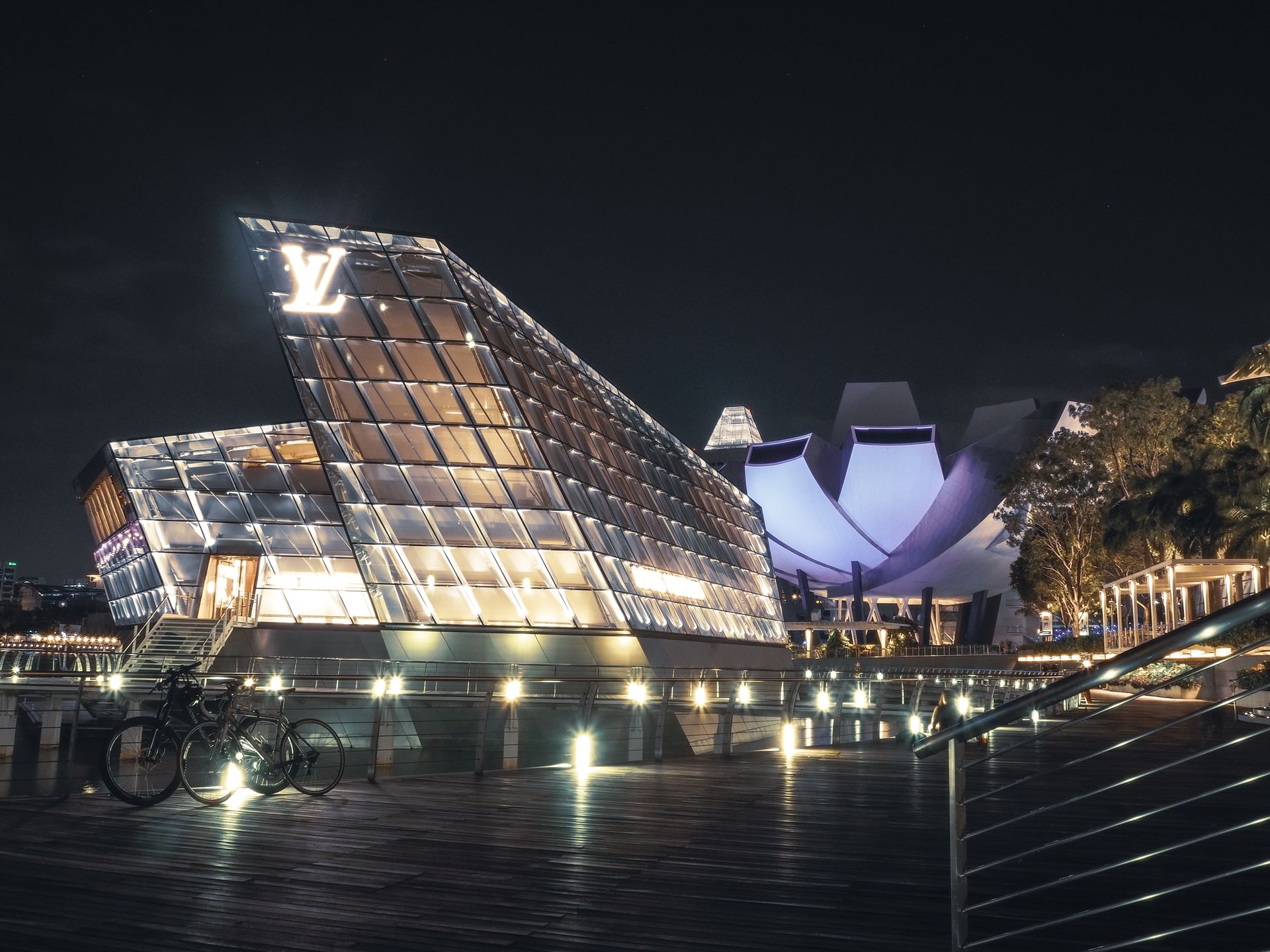
Hermès is not an isolated case. Major international luxury giants that have recently released their Q3 financial reports generally show a slowdown in growth. On October 12, LVMH achieved total revenue of 18.504 billion euros in the third quarter, representing a 1.2% year-on-year increase on a reported basis and a 1% year-on-year increase in organic revenue, with the growth rate significantly down from 3% in the second quarter. On the evening of October 22, Kering released its financial report for the third quarter of 2026, showing that its core brand Gucci continues to face pressure.
II. What Has Happened to the Premium Faith in Luxury Goods?
The luxury industry has indeed had a hard time recently, with the share prices of many big brands falling at a staggering rate. In the past, people always thought that luxury goods were hard currencies that could resist price drops, but now this belief seems to be disintegrating little by little. What exactly happened behind this?
First of all, the problem of luxury goods is more the backlash of the long-term price hike strategy. Previously, in order to hedge against performance pressure, almost all major giants took the path of frequent and substantial price increases by coincidence, with a high average annual price increase as the norm. But if you take a close look at their products, there is no obvious upgrade in materials, no breakthrough improvement in craftsmanship, and even the workmanship details of many new models are inferior to those of old models ten years ago. Consumers may think this is a way for the brand to maintain value and that buying them is not a loss when this operation is done once or twice. However, prices keep rising every year, rising faster than anything else, and the income growth rate of ordinary people cannot keep up at all. Gradually people realize that this is not an upgrade of brand value, but purely selling at a high price relying on the brand's own aura.
In the past, people were willing to pay for brand premium because they thought there was corresponding brand heritage, craftsmanship persistence and sense of scarcity behind the premium. Now these elements are no longer there, leaving only a price tag that keeps rising, so consumers' recognition naturally disintegrates little by little. In the past, many people bought luxury goods hoping to sell them at a good price in the second-hand market later. Now the price hikes are so outrageous that there are not enough takers in the second-hand market. Many new models will lose a lot of money as soon as they are resold after purchase. The so-called value preservation myth has been broken first. When people look at those bags and belts with high price tags, they will only think they are not worth the price. Once this mindset is formed, it cannot be reversed by just a few marketing activities.
Secondly, the pragmatic consumption mindset of consumers is taking the lead. The new generation of consumers represented by Generation Y and Generation Z have far more rational consumption concepts than their parents. They no longer regard the luxury logo as the only symbol of identity, and pay more attention to the value of the product itself and personalized expression. For them, luxury goods are not necessities, but a "nice-to-have" choice.
In the past, people bought luxury goods mostly to show off to others. The bigger the logo on the bag, the more it could prove their consumption power. Young people today do not think so. They care more about whether they like the product itself, whether the material is comfortable, and whether the design fits their daily usage scenarios, and will not pay several times more money for a logo that outsiders can see at a glance. The consumption logic has gradually shifted from paying for identity to paying for real value. This transformation is not a periodic trend, but a fundamental change in the consumption concept of a generation.
In the current consumer market, many young people would rather spend money on a long-distance trip, a high-quality wellness experience project, or a course that can improve their skills, than save several months of salary to buy a bag printed with a large logo. This change in consumption habits directly diverts the purchasing power that was originally concentrated in the luxury track to countless other consumption scenarios, and the environment where luxury brands could make money easily without effort in the past no longer exists.
Third, the rise of domestic local high-end brands has diverted the customer base of European and American luxury brands. In the past, when people mentioned high-end luxury goods, all that came to mind were European and American brands, and people thought only those brands were high-end. Now things are different. Local ancient gold craftsmanship brands represented by Laopu Gold have developed very well in recent years, and many high-net-worth consumers are more willing to pay for these domestic brands. The reason behind this is very simple: cultural identity has risen, and people no longer think that only Western brand narratives count as high-end. Our own traditional craftsmanship and cultural stories integrated into products can even better resonate with domestic consumers.
These local brands have not followed the old path of crazy price hikes taken by European and American luxury brands. Instead, they polish their products little by little in craftsmanship details and cultural experiences, making products that are not only highly recognizable but also make people feel the real dedication of the brands. Many consumers who previously only bought European and American big brands will now turn to buy exquisitely designed ancient gold jewelry. This choice is not a temporary patriotic sentiment, but because people truly feel that the sense of value of local brands is no worse than those European and American big brands. This substitution effect is not a trivial diversion, but directly tearing a big gap in the core high-end consumer market. The advantages that European and American luxury brands built through cultural barriers in the past are being gradually eroded.
Fourth, the luxury industry is bidding farewell to the traditional expansion cycle of the past. In the early years, luxury goods were no longer simple consumer goods, but turned into quasi-financial products. Limited editions, co-branded editions, and celebrity same-style products could be resold at a higher price immediately after purchase. So many people bought luxury goods not for use at all, but for speculation, driving the price far higher than the actual value of the product and blowing a huge bubble. Now this bubble has burst, and people suddenly realize that luxury goods are essentially just items for use, and have no investment attributes at all. The limited-edition bag that people snatched for 100,000 yuan before may not even sell for 30,000 yuan in the second-hand market now. Who would dare to pay a high price to be a sucker?
Therefore, the luxury industry will definitely go through de-financialization in the next stage and return to the value of the product itself. These giants have to make a choice now: either lower their stance, reduce prices to a level that matches the product value, focus on making good products and serve ordinary consumers; or stick to high prices and continue to harvest the remaining loyal fans. But the latter path will definitely not go far. Nowadays consumers are more and more rational, if the price does not match the value, they will naturally not buy it. The market is just this big, if you do not give up market share, other brands will naturally grab it. I think most brands will eventually choose to adjust their prices gradually, but this process will be rather painful. After all, they have made easy money from price hikes for too long, and now they are definitely reluctant to lower prices.
It can be said that the story of the luxury industry is far from over. The current decline is the end of the old cycle and the beginning of a new order. True premium positioning is never supported by price tags, but by things that can stand the test of time. Those who can resist the urge to overharvest will have the chance to survive into the next round.
This article is from the WeChat official account "Jiang Han's Vision Observation", and is authorized for release by 36Kr.