Electric moped, can you cross the river by feeling your way along the motorcycles?
Motorcycles are growing, while two-wheeled electric vehicles are declining. The two-wheeler market is presenting extreme consumption differentiation.
The hidden growth risks sown in the stock era, under the influence of factors such as the new national standard and the food delivery war, have triggered an industry-wide decline in the two-wheeled electric vehicle market in 2026. Even giants such as Yadea and Aima have not been spared.
On the contrary, the motorcycle market that has been silent for 20 years has achieved long-overdue high-quality growth, driven by new business directions including overseas market expansion, high-end large-displacement product layout and all-terrain vehicle transformation, as well as the repeated traffic boom of Zhang Xue Motorcycle.
Can the two-wheeled electric vehicle market cross the river by drawing experience from the motorcycle industry, and find its own new direction in the electric bicycle market with higher growth value?
The crisis did not strike out of nowhere
No one expected that the crisis of two-wheeled electric vehicles would come so unexpectedly.
In the first half of 2026, the cumulative domestic sales of two-wheeled electric vehicles in China reached 28.252 million units, down 12.6% year on year. Under such drastic market fluctuations, almost no one can be spared even the leading enterprises in the industry.
Yadea Holdings (01585.HK), the industry leader, sold 4.1481 million electric bicycles in the first half of this year, down 37.8% year on year, and 3.4842 million electric scooters, up 63.7% year on year. The total combined sales volume of the two categories reached 7.6323 million units, down 13.2% year on year.
From January to June 2026, Yadea Holdings recorded a revenue of 18.236 billion yuan, down 5.0% year on year, and a net profit of 1.201 billion yuan, down 27.2% year on year.
Aima Technology (603529.SH) did not disclose specific sales data for the first half of the year, but some institutions estimated that its sales volume in the first half of the year was 4.79 million units, down more than 20% year on year, with the main decline also coming from electric bicycle business.
The recently disclosed performance shows that in the first three quarters of 2026, Aima Technology's operating revenue was 18.389 billion yuan, down 12.82% year on year, and the net profit attributable to the parent company was 1.104 billion yuan, down 42.13% year on year.
Luyuan Group Holdings (02451.HK) only disclosed electric motorcycle sales data in its half-year report: 402,000 units, up 78.2% year on year, ranking first in the domestic electric motorcycle market, and did not disclose the data of electric bicycles that account for the mainstream of its sales. The financial report shows that its operating revenue in the first half of the year was 2.463 billion yuan, down 20.4% year on year, and the net profit was 75.082 million yuan, down 31.8% year on year.
Previously, Taill, one of the three major electric vehicle brands "Yadea, Aima, Taill", submitted a prospectus to apply for listing on the main board of the Hong Kong Stock Exchange. After the prospectus expired at the end of July, it did not continue to submit the application, which may also be related to this industry-wide decline.
The two-wheeled electric vehicle market still achieved growth in 2025, why did it take a sharp turn for the worse suddenly in 2026?
First of all, it needs to be clarified that the industry-wide crisis of two-wheeled electric vehicles did not start this year. Instead, under the background of the stock era, the industry has maintained "squeezed growth" and "structural market" for several consecutive years.
It is only due to factors such as the advance consumption triggered by the transition between the old and new national standards last year, and the reduction of new riders entering the market this year after the ebb of the food delivery war, that the high growth data of 2025 was distorted, and the industry crisis completely broke out in 2026.
Industry data shows that by the end of 2025, the social ownership of two-wheeled electric vehicles (including electric bicycles and electric motorcycles) in China was about 450 million units, and the trend of declining sales growth has been formed.
The new national standard for electric bicycles implemented on September 1, 2025, is mainly aimed at balancing safety, practicality and cost, but some clauses have caused disputes and misinterpretation, and some manufacturers have made extreme designs to meet the standards, which has impacted market confidence.
Apart from the two-wheeled electric vehicle track, category competition is also eroding the scale of the mobility vehicle market. On the one hand, entertainment-driven consumption has led to a rise in sales of fuel motorcycles, which also covers the commuting function of two-wheeled electric vehicles at a lower price range. On the other hand, entry-level new energy vehicles with diverse product forms and continuously falling prices have captured the upgrading demand of two-wheeled electric vehicle users.
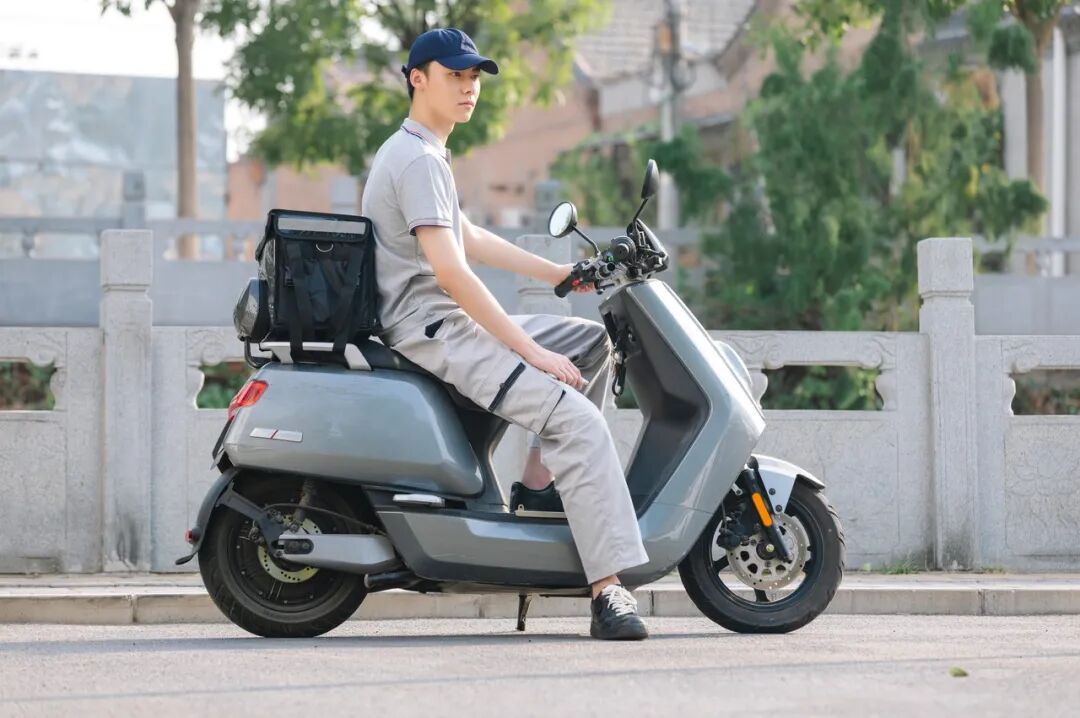
The food delivery war came to an end in 2026, and the number of new food delivery workers decreased, which also curbed the sales growth of two-wheeled electric vehicles to a certain extent.
Two months ago, Yadea Holdings planned to invest 1.02 billion yuan to acquire 100% equity of Jinjian. The latter is known as the "magic vehicle for food delivery", and sold 3 million units last year with an extreme cost-effectiveness strategy. The founder of Jinjian chose to retire at the peak of his career, while Yadea started horizontal integration under the background of market contraction, which also reflects the market expectation of the industry in the next few years.
Tap growth potential through internal and external efforts
In the short term, there is no need to panic about the decline of the two-wheeled electric vehicle market. The phased fluctuations caused by the new national standard and other factors will gradually narrow and smooth out in the next one or two years.
This industry, which has developed for 40 years and gone through several rounds of market elimination, has passed the primary stage of homogeneous competition, and formed a stable leading camp and differentiated development strategies.
Aima focuses on product appearance design: most of the healing, fresh-style two-wheeled electric vehicles and IP co-branded vehicles you see on the roadside are from Aima; Taill focuses on long battery life, with most models having a range of 100 kilometers; Luyuan emphasizes durability, claiming that "one car can be ridden for 10 years"; Yadea, the industry leader, is a well-rounded player with comprehensive strength, and Jinjian, which is about to be acquired, also focuses on extreme cost-effectiveness...
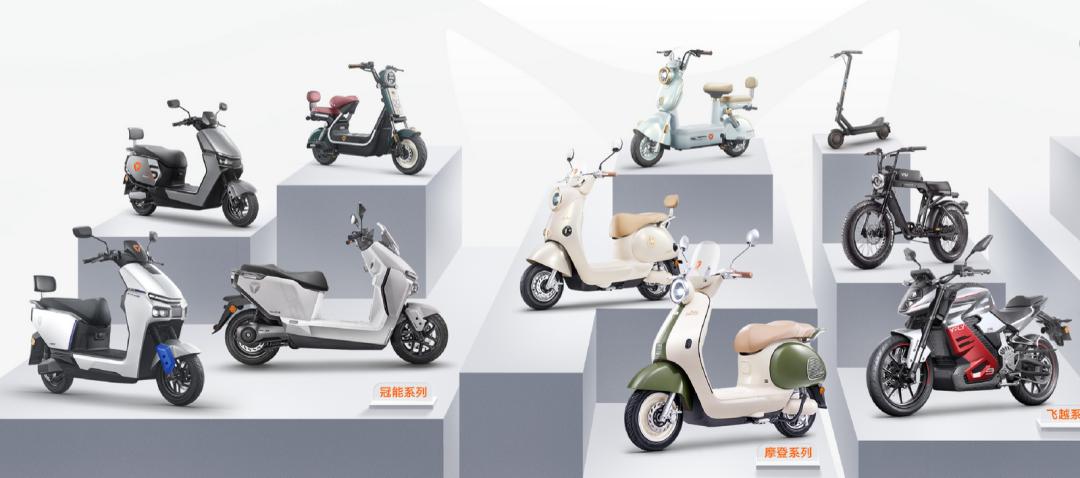
Facing the chronic industry problem that consumers' willingness to replace and purchase new vehicles is declining, the two-wheeled electric vehicle industry is also breaking the deadlock through product upgrading and channel innovation.
Now you spend three or four thousand yuan to buy a mid-range or above electric bicycle, which is equipped with functions such as mobile phone key, GPS positioning and intelligent light system, comparable to domestic new energy vehicles. Some manufacturers even explore functions such as cruise control, autonomous driving and AI voice interaction.
Leading manufacturers such as Yadea are promoting the replacement of lead-acid batteries with sodium-ion batteries, so as to provide longer battery life and a more advanced energy supply ecosystem with lighter weight.
Due to the complexity of after-sales and service, two-wheeled electric vehicles are not suitable for traditional e-commerce channels, and have missed a lot of traffic dividends. In recent years, with the penetration of online-offline integration, local life services and other business forms, two-wheeled electric vehicle manufacturers and distributors have obtained traffic on platforms such as Douyin, helping them improve sales and fulfillment capabilities, and opening up new growth channels.
Apart from internal improvement, the two-wheeled electric vehicle industry is also expanding through globalization and diversification, gaining more growth possibilities beyond its traditional stock market business.
China's motorcycle sales hit a peak in 2008, then declined all the way due to policies, competition and other reasons, and only re-entered the growth cycle in recent years by deeply cultivating overseas markets. China's new energy vehicle industry is also entering this stage now.
The future of the two-wheeled electric vehicle industry will probably follow the same path. Judging from the trend in recent years, whether it can capture the overseas market will become the key to the overall competitiveness of the industry.
At present, leading brands regard the overseas market as a key breakthrough direction. Luyuan stated in its 2026 interim report that its overseas sales increased by more than 40% year on year. In order to better deploy the global supply chain, the three giants Yadea, Aima and Taill have all set up production bases in Southeast Asia.
Luyuan Holding Group, which is lagging behind in overseas layout among the three giants, has taken bigger steps in diversification, targeting the more imaginative embodied intelligent business and taking it as one of the company's three strategic priorities.
As of the first half of 2026, Luyuan has promoted orders for more than 100,000 sets of high-precision planetary reduction joint modules and 10,000 complete units, and its embodied intelligent robot business line is gradually transitioning from technology and product verification to large-scale manufacturing and commercialization.
Bet on the next track
The market tends to amplify emotions, both in the rising period and the consolidation period of the industry. When industry-wide impact hits, a single market will go through painful adjustments, some small and medium-sized participants will withdraw, leading manufacturers will defend and fight back, and eventually some players will cross the cycle and embrace new life.
Therefore, from a long-term perspective, no market that is regarded as a sunset industry should be completely negated.
Take the motorcycle market as an example. After nearly 20 years of dormancy, it has finally returned to the top of the global market by deploying overseas markets, developing high-end large-displacement products and diversifying into all-terrain vehicles.
When an industry crosses the cycle, it will never return in the same way. Every leapfrog growth in the automotive market mostly comes from model upgrading, which is true for motorcycles and new energy vehicles, and now the two-wheeled electric vehicle market is also facing such opportunities.
Previously, in the involution of the electric vehicle market, some brands have tried product diversification. Segway-Ninebot (689009.SH) entered the all-terrain vehicle track in 2023, and achieved stable sales of 18,000 units, 24,000 units and 27,000 units in the past three years respectively.
However, all-terrain vehicles evolved from motorcycles, and the market is relatively solidified. What is really suitable for Chinese two-wheeled electric vehicle brands is still the electric route of electric assisted bicycles, electric scooters, electric balance cars and other products, among which electric assisted bicycles (also known as "electric bicycles", E-Bike) take the lead.
The European and American markets have strict supervision on manufacturers and users of electric motorcycles, including speed limit, weight limit, licensed driving requirements and mandatory wearing of protective equipment, but the requirements for electric assisted bicycles are relatively simple.
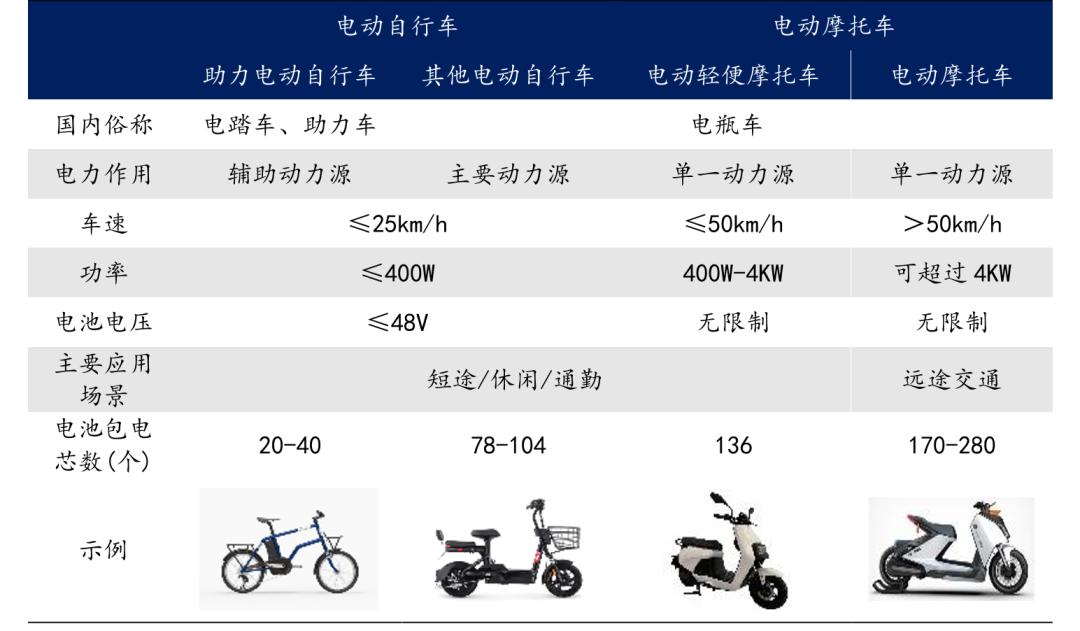
Compared with motorcycles and electric motorcycles, the concept of electric assisted bicycles is closer to traditional bicycles, which is more in line with the carbon reduction trend and lifestyle in European and American markets.
Therefore, most of the two-wheeled electric vehicles more common in the Chinese market are exported to Southeast Asia, Africa, Latin America and other regions. To capture the more valuable European and American markets, electric assisted bicycles are a relatively clear direction.
Many years ago, Luyuan set up three growth curves for itself: two-wheeled electric vehicles, electric assisted bicycles, battery swapping and vehicle ecosystem business.
Taobao, which conquered the US market with all-terrain vehicles, did not choose to stick to this niche market, but turned its attention to the broader low-speed mobility market, targeting new businesses such as low-speed electric vehicles, electric bicycles, electric scooters and electric balance cars.
According to data disclosed by many research institutions, E-Bike is a rising star in the mobility market. The most optimistic Grand View Research predicts that the global E-Bike market size will be about 69.7 billion US dollars in 2025, will reach 77.9 billion US dollars in 2026, and will increase to 144.3 billion US dollars in 2033, with a compound annual growth rate of 9.2%.
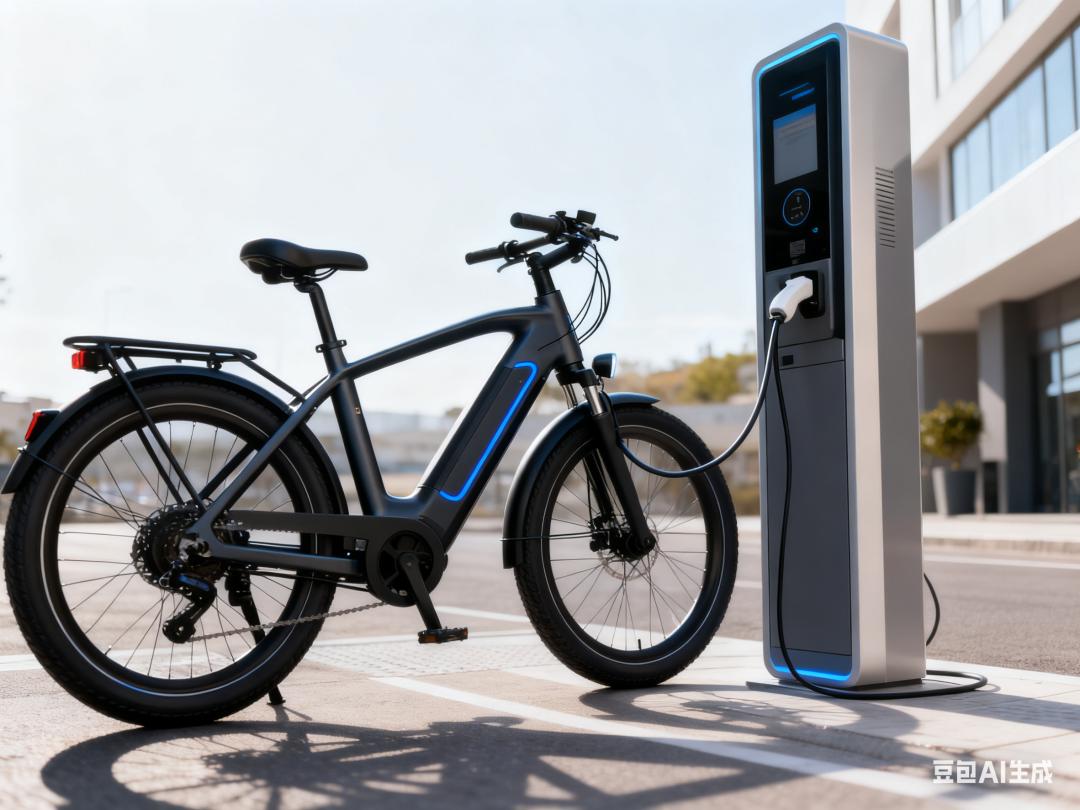
Moreover, in this market that Chinese consumers pay little attention to but has a more thorough globalization layout, Chinese enterprises also have absolute advantages.
Fuji-ta is known as "Foxconn in the bicycle industry", which provides OEM services for many top global brands. Its growth point in recent years has shifted from traditional bicycles to electric assisted bicycles. TENWAYS, a popular electric assisted bicycle brand in Europe, started in Shenzhen, China, with its headquarters in the Netherlands and supply chains concentrated in China and Europe, which has achieved extreme globalization. Both companies are targeting IPOs in their respective markets, and Tianjin Fuji-ta (603468.SH) has been successfully listed.
At the same time, a large number of bicycle, two-wheeled electric vehicle and mobility ecosystem companies are intensively entering the electric bicycle market, indicating that the electric assisted bicycle industry is on the eve of an outbreak.
The current question is whether the penetration rate, total sales volume and price of electric bicycles can support a rising market. This market will eventually be a global competition for Chinese companies. So, between the bicycle faction and the two-wheeled electric vehicle faction, who will finally represent their own camp and win the crown of the electric assisted bicycle track?