The most attractive post-2000s product manager at XPeng Motors ended up issuing a public apology after using the derogatory internet slang term "laodeng", a disrespectful dismissive term for elderly men, to insult others.
A post-2000s female product manager at XPeng Motors recently had to record a dedicated public apology video after repeatedly using the internet slang term "laodeng" during a launch event.
The incident occurred at the pre-sale launch event for the XPeng MONA L05 on October 15.
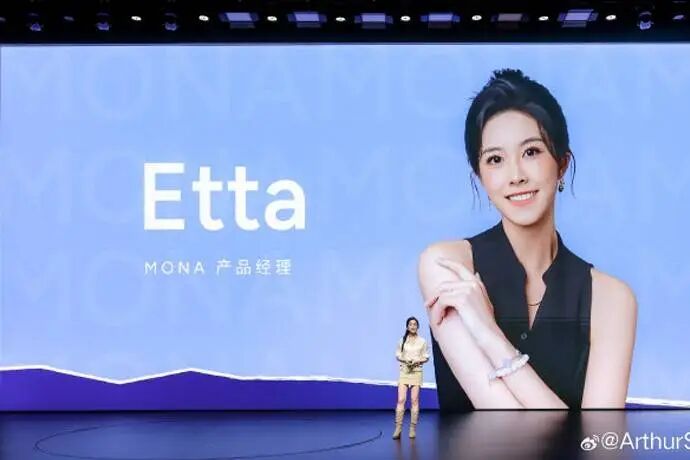



Image source: Weibo user @ArthurShen_Origin
He Xiaopeng was in Paris that day and could not attend the event in person, so he handed over the stage to the young product team. This group of young people did not disappoint their boss: they delivered a lively product introduction, and even took the chance to tease the aesthetic design of traditional automobiles.
Among them, Etta, the post-2000s product manager, used the term "laodeng" multiple times, and even shouted the slogan "reject laodeng-style aesthetics" to mock traditional designs favored by executives such as wood grain and chrome plating.
The original intention was to tell consumers: we young people know exactly what young consumers like, and there is no need for leaders to make decisions for us.
Unexpectedly, these remarks sparked widespread controversy online.
Some netizens thought this expression was very representative of young people's style, and perfectly matched the product positioning of XPeng MONA. But others argued that public launch events should not use derogatory terms to tease specific groups of people.
On October 22, Etta recorded a public apology video, explaining that "laodeng" was just a casual joke used within the team with no malicious intent, but it did make some people feel uncomfortable.
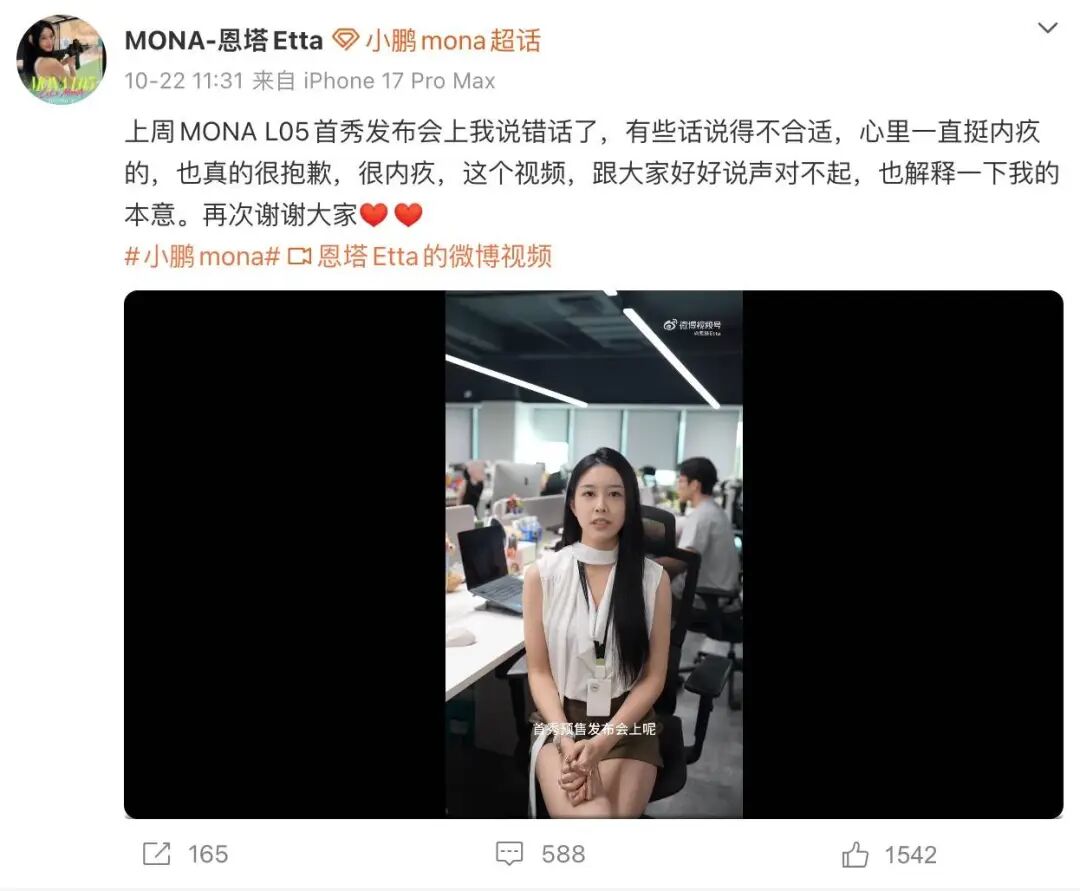
As it turns out, before the new car is officially launched on the market, the product manager has already completed a practical crisis public relations drill.
Presumably she never expected that being a product manager requires not only understanding user demands, design and technology, but also grasping the usage boundary of popular internet buzzwords.
01 How popular is the term "laodeng" exactly?
To be honest, I found this news a little funny when I first saw it.
Because "laodeng" is extremely common on today's Chinese internet.
You can see the term when scrolling short videos, browsing Xiaohongshu, reading complaints on Weibo, and it even appears in various workplace jokes.
Netizens have even developed a complete vocabulary system around it: laodeng, zhongdeng (middle-aged deng), xiaodeng (young deng), deng-style aesthetics, laodeng literature and so on.
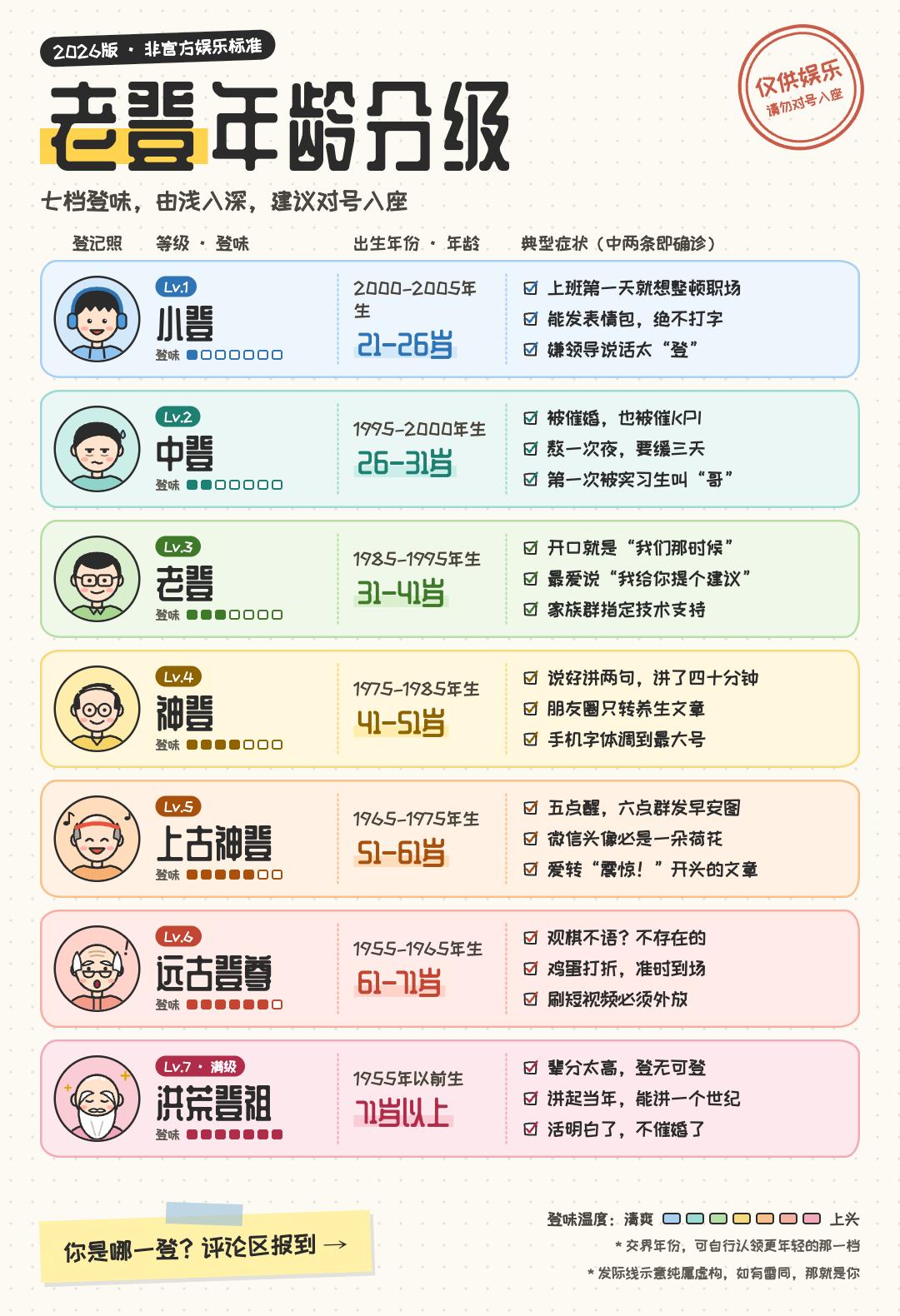
This image is produced based on public online information, only for self-mockery and entertainment with no other malicious intent.
Initially, the term was mostly used to tease elderly people who love to preach. Later, it gradually became a mockery of outdated ways of thinking, and age was no longer the core factor.
Some people are already 60 years old, but they still love to explore new technologies and new products, and are even more adventurous than young people.
Some people are only in their 30s, but they have already developed the habit of talking about their past achievements in every meeting, and always want to lecture young people, acting exactly like old-fashioned bureaucrats.
The "deng-style" atmosphere in the workplace is even more ubiquitous.
When a product manager proposes a new solution, the leader takes one look and says: "I did this 10 years ago, it won't work."
When young people put forward a new user demand, the leader replies: "Young people don't even know what they want."
When the designer finishes a clean and simple page, the leader gives instructions: "This space is too empty, make the logo bigger and add a few more buttons."
Many product managers are very familiar with these scenarios.
Of course, "laodeng" does carry a teasing and even derogatory connotation. Joking between acquaintances may be laughed off, but it is inevitable that some people will take offense when the term is used at a brand launch event facing consumers across the whole country.
Especially for automobiles, whose users cover a very wide age range.
Not all young people hate wood grain design, and consumers aged 50 may also prefer sporty styling.
You can say your car better fits young people's aesthetics, but directly labeling other types of aesthetics as "laodeng" is more than a little simplistic and rude.
However, those online remarks that question Etta's professional competence, or even attack her age and appearance just because she said a few words of "laodeng", are totally unnecessary.
It is understandable to criticize a young product manager for overusing internet memes at a launch event. But launching personal attacks for no reason is even more worth reflecting on than the so-called "deng-style aesthetics".
02 Even Wang Xing has taken the initiative to "get rid of deng-style traits"
In March this year, Wang Xing, CEO of Meituan, actively mentioned the concept of "deng-style traits" at an internal management communication meeting.
He proposed that everyone should work to reduce deng-style traits, starting with himself.
Wang Xing even made a special initiative that no one should call him "Xing Ge" (Brother Xing) inside Meituan anymore, just call him Wang Xing directly.
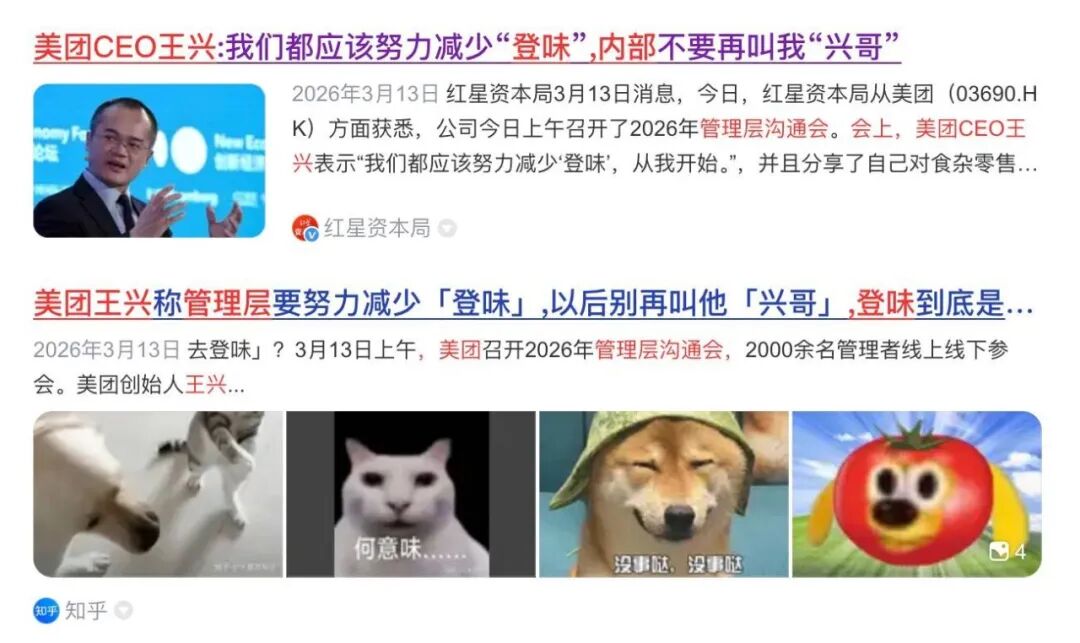
It is quite interesting that the founder of Meituan took the initiative to ask employees not to call him "brother".
In internet companies, job ranks, seniority and sense of authority sometimes quietly turn into invisible constraints.
When everyone discusses issues in a meeting, as soon as the boss finishes speaking, people below rush to nod in agreement. Even if they think the solution is not reliable, they will first praise "the leader has considered everything comprehensively".
After a long time, the boss may really believe he knows everything.
Today, with the rapid development of AI, the experience accumulated by many enterprises in the past is facing new challenges. Young people are more active than many experienced managers in trying AI tools and exploring new ways of working.
If you still put on airs and make judgments only based on your seniority at this time, you will easily be left behind by the times.
Wang Xing's active talk about "reducing deng-style traits" shows that he is alert to this kind of management inertia.
So the current situation is quite dramatic: the boss of Meituan actively calls for getting rid of deng-style traits, while the post-2000s product manager at XPeng had to apologize for shouting "laodeng".
It seems that although the term "laodeng" is very popular all over the internet, the effect of saying it varies a lot depending on who says it and on what occasion.
And no one should rush to mock "laodeng".
The post-2000s product manager of today may become a product director in a few years, leading a group of younger subordinates, and one day he or she may be complained by others: "Boss, your solution is a bit too deng-styled."
03 Large tech companies are increasingly willing to let product managers take the stage
The XPeng incident also reminds me of a phenomenon: nowadays, tech companies are increasingly letting product managers introduce products in person at launch events.
In the smartphone industry in particular, there have been many star product managers.
When it comes to this topic, we can't avoid Song Ziwei, the former product manager of iQOO.
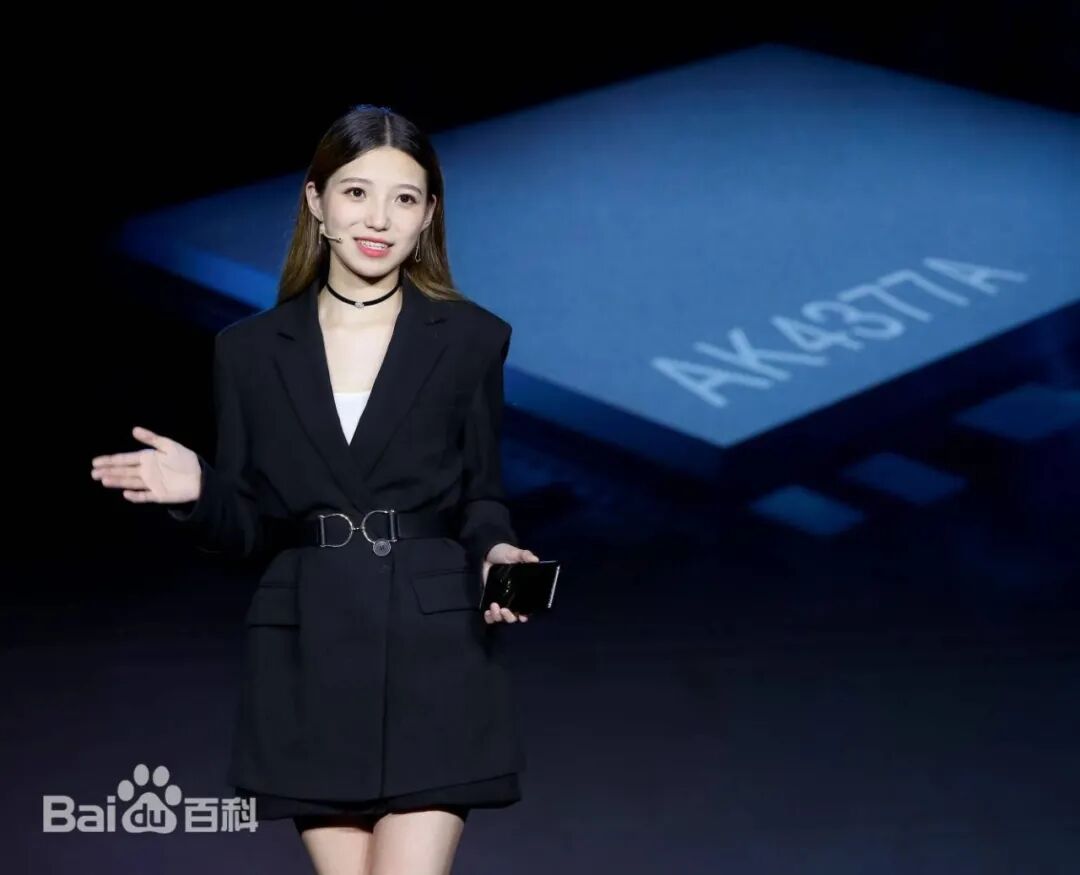
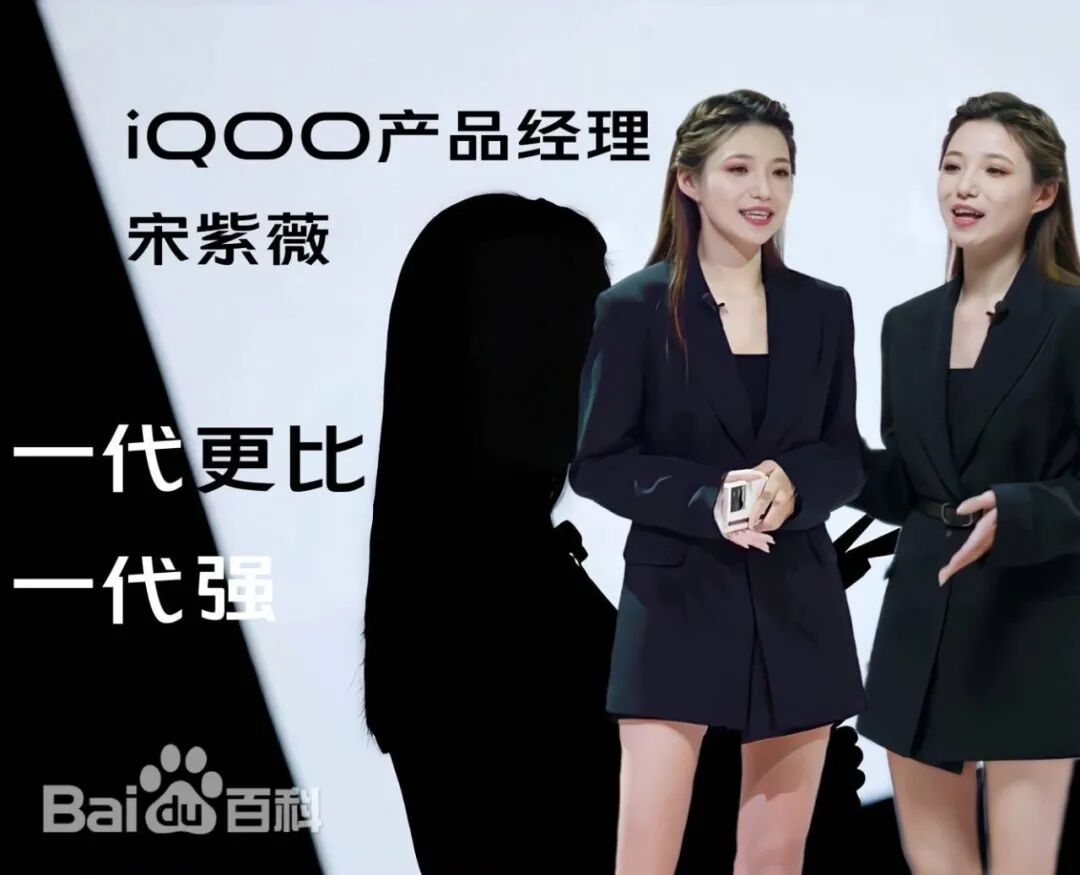

Image source: Song Ziwei's encyclopedia entry
In 2019, Song Ziwei began to appear on the stage of iQOO's new product launch events. With her excellent expression skills and distinct personal image, she quickly gained a lot of attention in the digital circle, and became one of the most recognizable star product managers at that time.
Later, Song Ziwei left Vivo and joined Li Auto, then left to start her own business, founding the AI hardware company "Weiguang Liangdian".
This year, her startup project received investment from institutions including HSG and BlueRun Ventures.
The career path from being a product manager who presents at launch events to leaving big companies to start your own business is very representative.
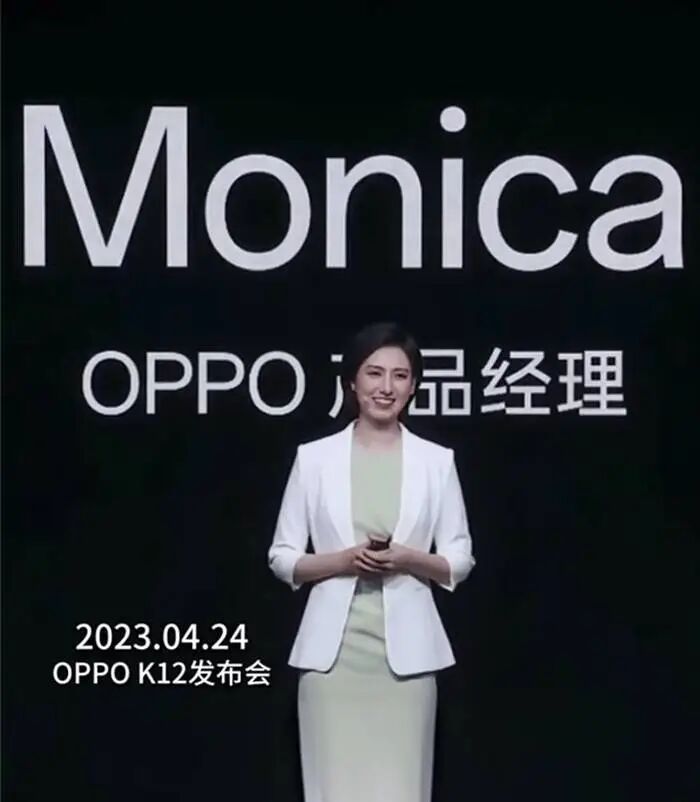
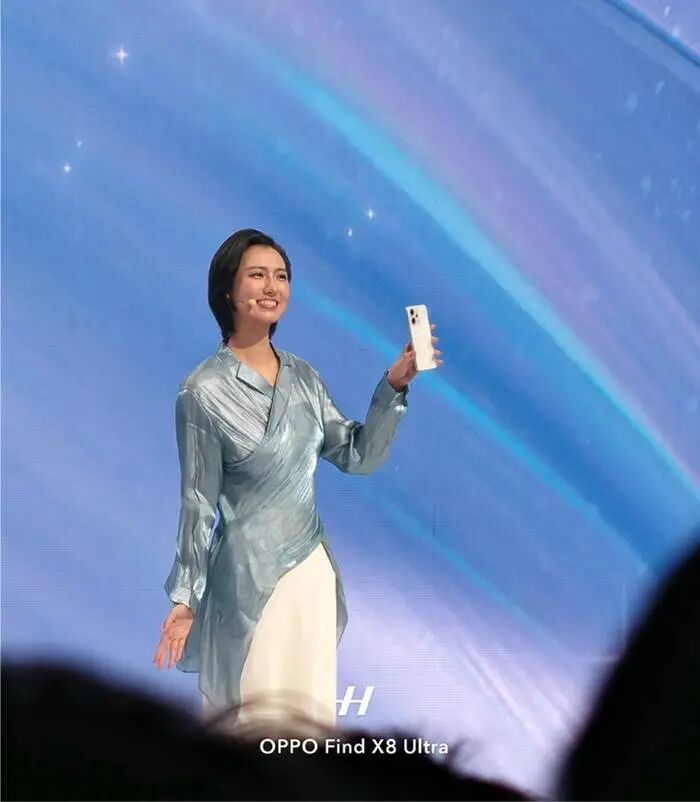
Monica at OPPO is also a well-known star product manager.
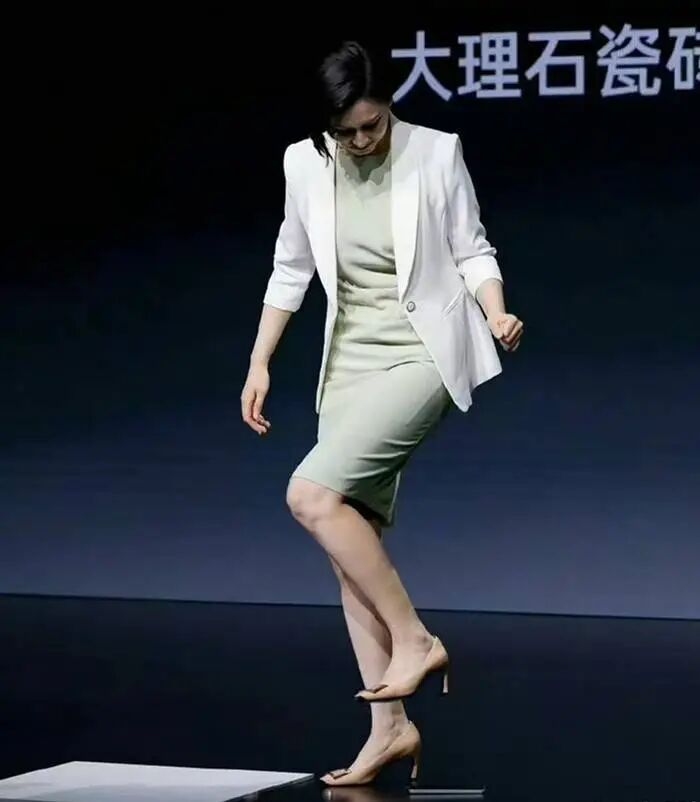
She worked at OPPO for five years, and hosted 9 new product launch events. Her most famous appearance was at the OPPO K12 launch event in 2024.
To demonstrate the durability of the phone, she conducted a series of violent tests on the spot, including stepping on the phone with her high heels.
After this demonstration, users will definitely have a deeper impression than listening to half an hour of introduction about anti-drop parameters.