New product launch day = resignation day? Milk tea shop clerks would rather quit their jobs than take the fall for the recipe.
Recently, there have been more and more posts from employees complaining about excessive material preparation and hard-to-remember formulas, and some even joke that they might as well resign before new products are launched.
Frontline store employees complain about being overworked, and R&D teams share similar feelings: "Products are getting increasingly complicated to make."
When a store sells milk tea, coffee, yogurt and ice cream at the same time, how much effort does it take for a clerk to make a single drink?
1
"How many people will quit after the new product is launched"
Clerks would rather resign than memorize complicated formulas?
The competition for new product launches in the beverage industry is getting fiercer, and complaints from beverage store employees are piling up.
Some are troubled by the endless formulas to memorize: "I haven't fully remembered one yet, and a new one comes along"; some complain that "from top toppings to small additives, every portion has to be freshly cooked on the same day"; some are busy washing and cutting fruits and vegetables, "the violent fruit mashing work has made my arms as strong as a weightlifter's"; others complain that "the equipment has to be cleaned immediately after finishing every yogurt smoothie".
On Xiaohongshu, some employees even posted to ask "How many people will quit their jobs after the new product launch today".

These complaints reflect a reality: the launch of new milk tea and coffee products is becoming more and more complicated at present. The extra workload brought by a new product to physical stores is far more than just adding a few more raw materials.
An employee of a chain tea drink brand said in an interview that the operating specifications of new products are extremely detailed and the formulas are complex. Often before they are fully familiar with the operation of one new product, the next new product is already coming. The production process of fruit and vegetable tea involves procedures such as cleaning, cutting, seed picking, juicing and filtering, which is much more troublesome than that of conventional drinks.
"Products are getting more and more complicated, which has become a common phenomenon in the industry." A R&D staff member said bluntly.
The reason is simple: the competition is so fierce that all brands hope their new products can impress consumers at first sight. "Without fancy tricks, consumers won't buy them."
In the past, how to make products stably and efficiently had always been the default premise for product development, but now this logic seems to be losing its effect.
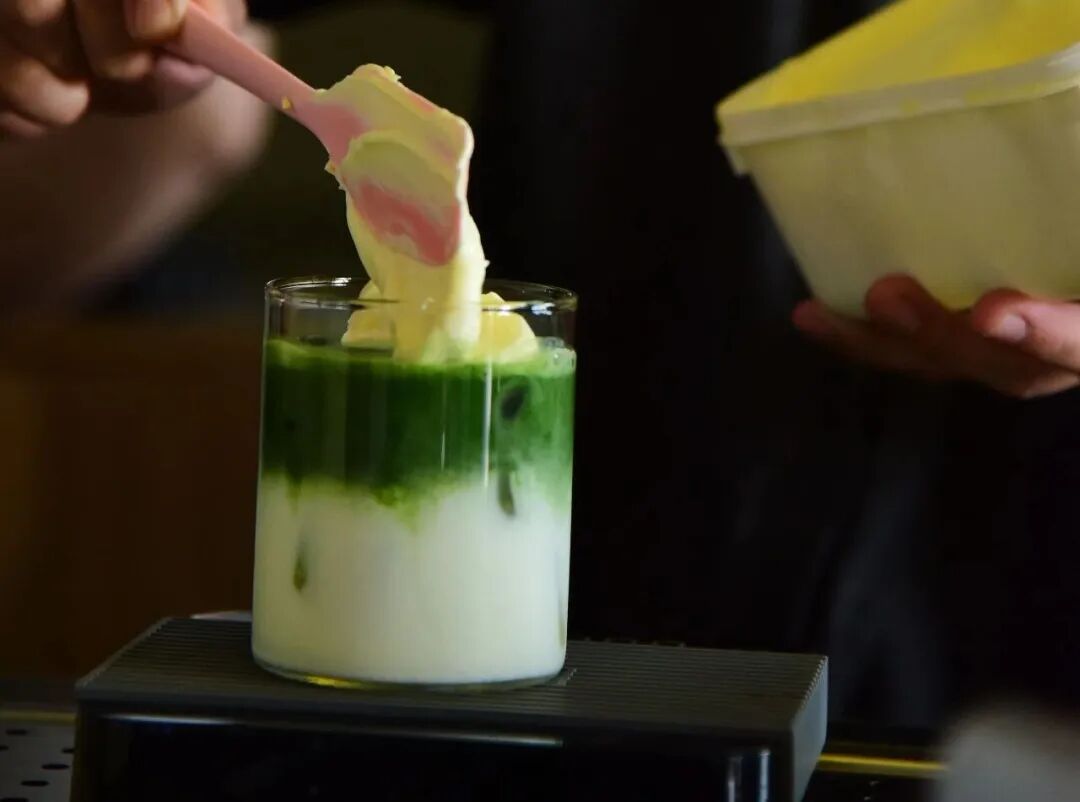
2
Selling milk tea, coffee and yogurt all at once
How troublesome is it to make a drink now?
1. Cross-category operation of tea drinks and coffee expands the range of materials and operation procedures
A noticeable change in the beverage industry this year is that almost all tea drink stores have started to sell coffee, for example, Guming, Cha Baidao, Ayi from Hushang, Bingliwang, Mixue Bingcheng have all launched their coffee lines.
On the other hand, coffee brands are also stepping into the tea drink market: Luckin Coffee has successively launched light milk tea, fruit and vegetable tea, and yogurt smoothie, recently launched brown sugar pearl milk tea, and is preparing to launch peach gum stewed milk.
The gradually blurring of category boundaries means that the same store needs to master more production methods.
"Some raw materials such as tea, milk and fruits can be reused, but if new categories require independent base materials, small additives or pre-prepared materials, the scope of material preparation will be expanded." A R&D staff member said that different categories also correspond to different equipment, production processes and shelf life requirements.
Cross-category operation not only increases the number of menu SKUs, but also raises the complexity of material management and production processes.
2. Handmade and specially adjusted products enrich flavor layers, but also bring more materials and working procedures
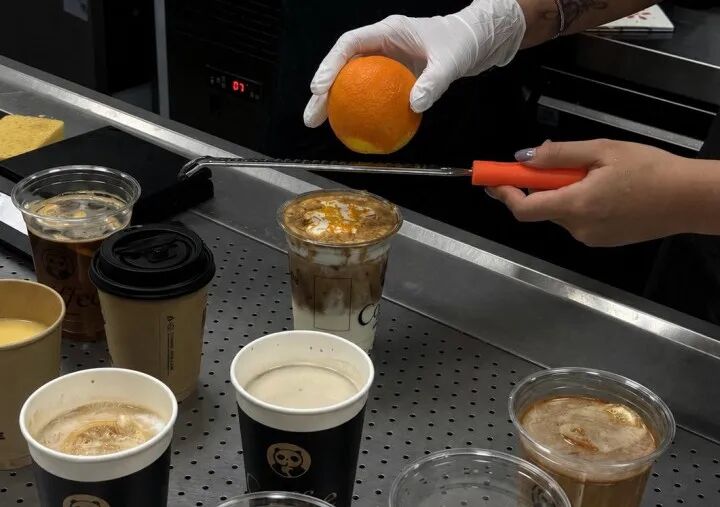
In the past two years, many brands have launched specially adjusted products. For example, Luckin's autumn limited special drink "Tiger Striped Orange" emphasizes that store staff freshly scrape orange peel on site, match it with caramel-flavored milk cap, and form layered flavors with butter, light cream and Yirgacheffe coffee.
Such products aim to present richer flavors, which also means more complicated material preparation work.
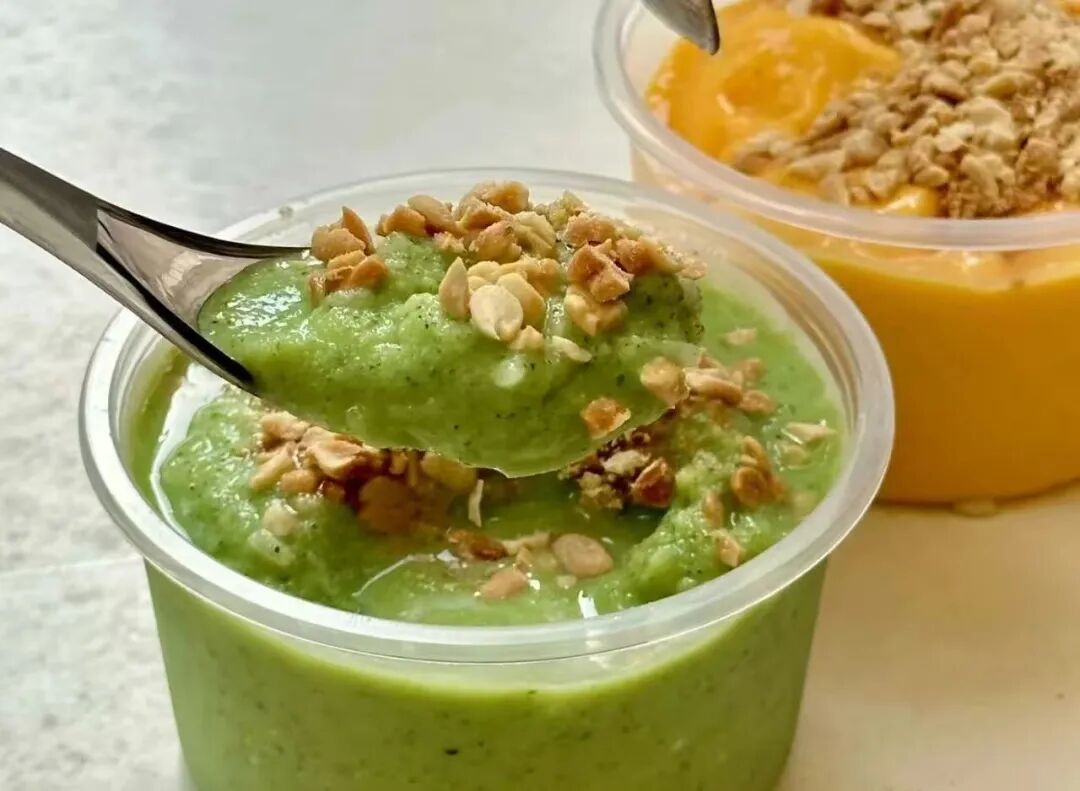
For some other products, brands emphasize the premium value of hand-made work, which means employees need to complete more working procedures.
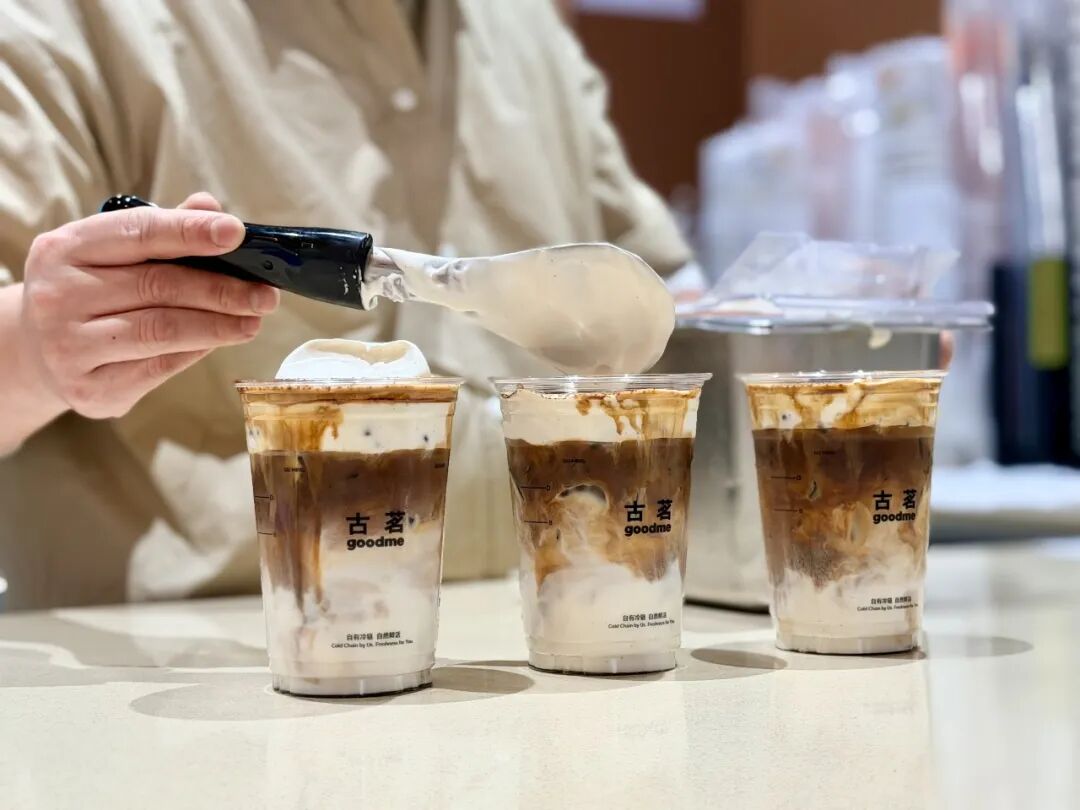
Take Guming's "Vanilla Seed Vienna" as an example, there is a cat-shaped cream cloud on the top of the coffee. The brand introduces that the Vienna cloud top is made of 100% fresh animal cream, whipped more than 1000 times, and blended with Madagascar vanilla seeds.
For consumers, they get a more creative drink, but the store needs to do far more preparation work.
A R&D staff told me that the handcraft feature emphasizes the on-site experience, which adds extra on-site processing procedures; specially adjusted products may superimpose independently produced bases, top materials and small additives, increasing both the variety of materials and the blending steps.
3. Compound materials can reduce the workload of material preparation, but their development is not that simple
Replacing part of the store's pre-prepared materials with compound flavor materials is one of the ways to simplify operations, such as flavored base milk, flavored small additives, pre-mixed liquid, compound fruit juice, etc. But in fact, developing compound materials is not that easy.
"Compound materials can't be developed as easily as you might think, the taste is a big problem." Dai Jianbo, R&D Director of Bingliwang, shared that technically, compound materials need to achieve the expected flavor and taste restoration, and solve the problem of aroma loss at the same time.
This also puts higher requirements on upstream suppliers: while reducing the operation workload of stores, they need to retain the original aroma, flavor and taste as much as possible.
Cost and minimum order quantity also need to be considered. Development investment, procurement cost, and whether the minimum order quantity can match the expected consumption will all affect the feasibility of the plan. For products launched for a short period of time, the gap between the purchase volume and actual consumption may also cause inventory pressure.
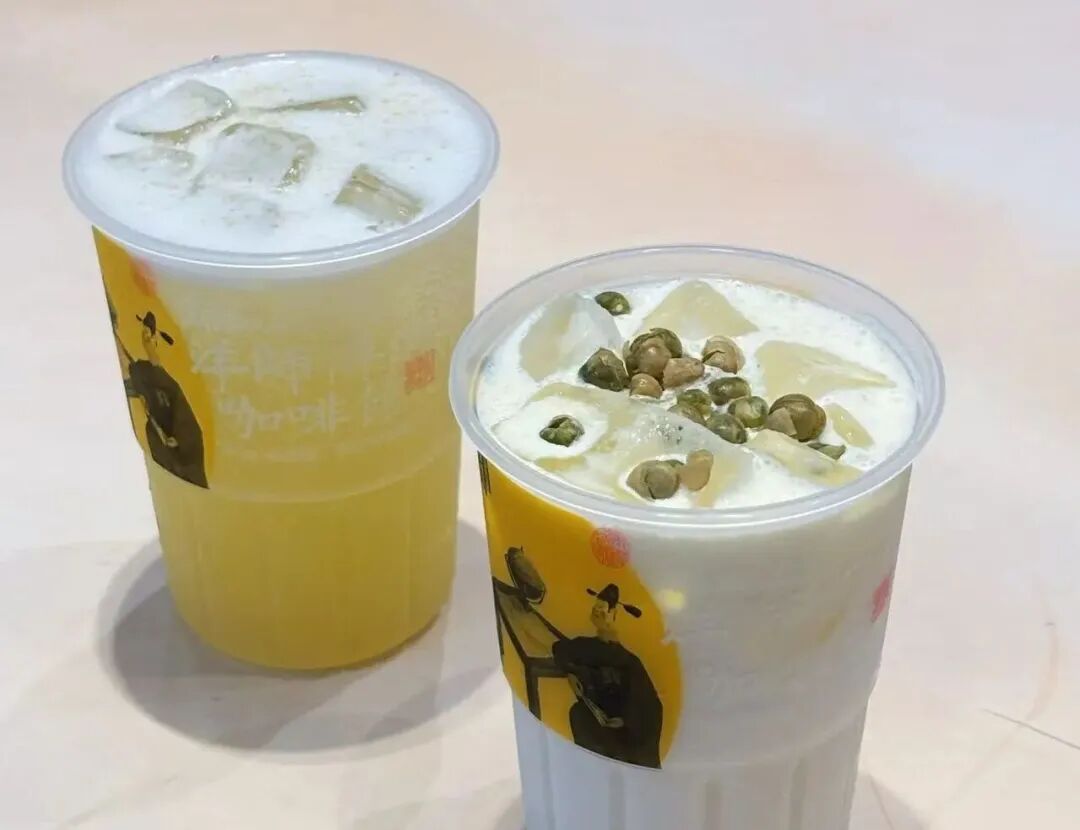
All in all, the increasingly complicated production of drinks is the result of the upgrading of health-oriented demands and continuous product innovation.
Compared with the early products made by mixing tea powder, creamer and flavored powder, the application of whole-leaf tea, fresh milk and fresh fruits is much more widespread now. The pursuit of higher freshness and better taste means that stores need to prepare and replenish materials more frequently, and properly manage storage conditions and service life.
3
While enriching flavors
How can employees work more smoothly?
The value of new products ultimately needs to be stably delivered to consumers through the stores. One extra raw material and one extra process can bring better taste experience, but they should also make employees' work easier and more comfortable.
Prioritize the reuse of existing materials to control the addition of new pre-prepared materials
"Prioritize the creative new products that can be made with existing materials". The R&D team said that even if new materials are introduced, it is necessary to consider whether they can be applied to multiple products, to avoid the situation that a new material is only prepared for one single new product.
For raw materials that require separate boiling, whipping or cutting, it is necessary to further judge whether the improved flavor and taste is worth adding this extra procedure.
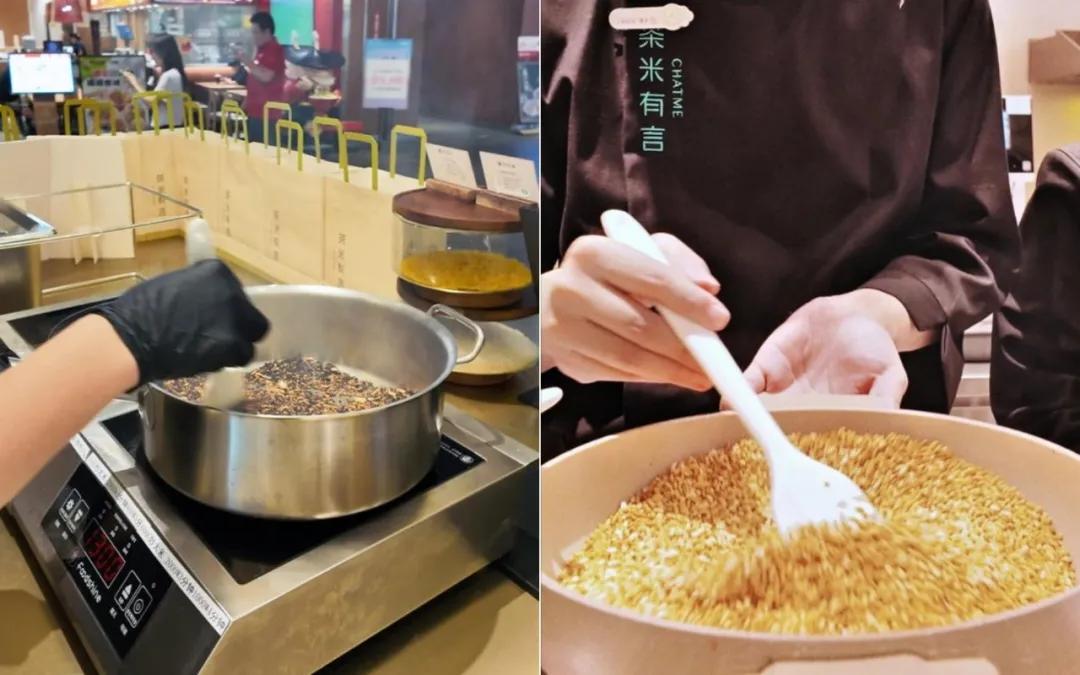
Develop compound materials on the premise of guaranteed flavor and controllable cost
"We can develop compound materials around demands for long-term use, stable consumption, or shared use by multiple products". The R&D team said that for short-term new products, it is necessary to calculate the total consumption in combination with the estimated sales volume and sales cycle.
During the development process, we can also simplify the work by different links, clarify which steps need to be retained in the store, and which basic preparation work can be completed by upstream suppliers, and then test the flavor and taste after simplification.
Include peak hour test in the evaluation before new product launch
"From the perspective of actual store operation scenarios, R&D of new products also needs to test the scenario of continuous production." The R&D team said that if a new product needs to occupy the equipment for a long time, or requires employees to keep operating during preparation, the process should be adjusted before launch, and the scheduling and material preparation arrangements should be confirmed together with the operation team.
When the product is launched, we can also review the sales volume, material reuse rate and preparation burden of old products, to avoid the continuous expansion of the material preparation scope.
This article is from the WeChat Official Account "Kamen" (ID: KamenClub), written by Meng Jie, and republished by 36Kr with authorization.