How lucrative is it to sell all-terrain vehicles that are not used by Chinese people to the United States?
At a time when the global automotive market is mired in cutthroat competition, the motorcycle market is waiting for a turnaround, and the two-wheeled electric vehicle segment has entered a stagnant stock phase, the all-terrain vehicle (ATV) market, which once seemed rather niche, is now witnessing a growth miracle led by Chinese brands.
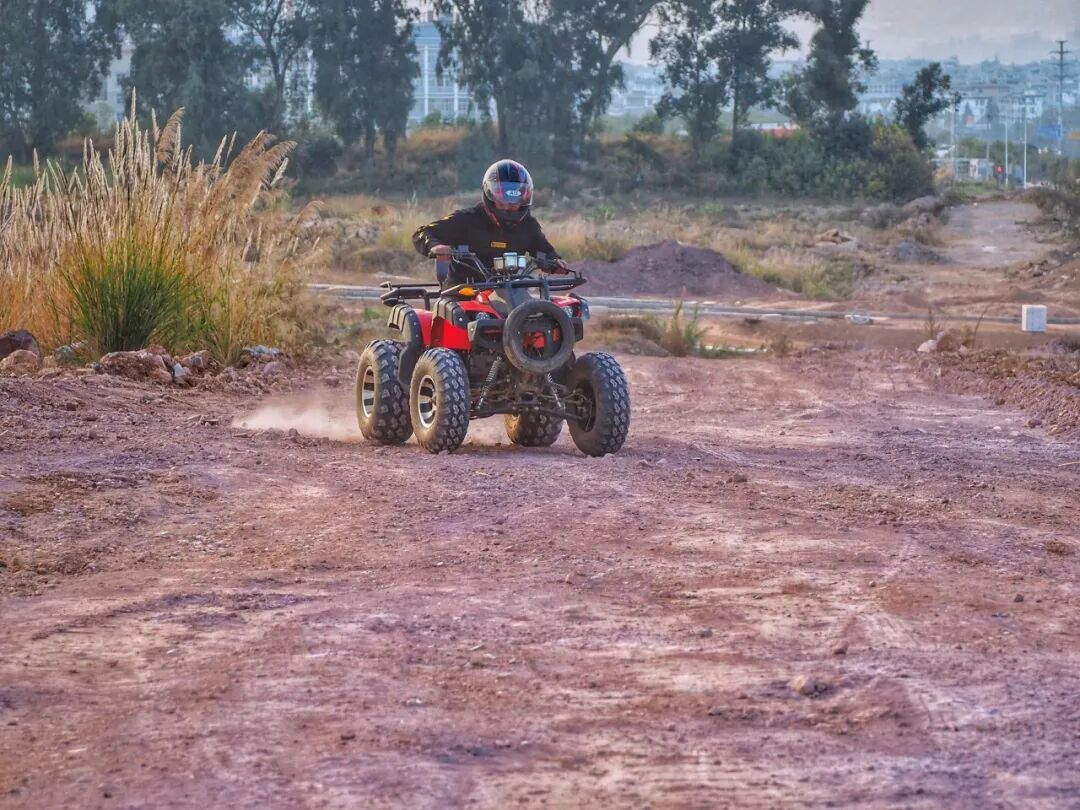
The vast majority of Chinese people have never heard of or driven an all-terrain vehicle. It is a variant of four-wheeled motorcycles, most suitable for regions with vast land, sparse population and complex traffic environments such as parts of North America and Europe.
When the motorcycle ban in the Chinese market interrupted the golden age of the motorcycle industry, manufacturers led by CFMOTO and Taotao Motors took the opportunity to enter the all-terrain vehicle market. After 20 years of polishing, they have finally reached the decisive stage.
All-terrain vehicles: An unexpected start
In 1967, Honda U.S. put forward a request to its Japanese R&D headquarters: "Can we develop a motorcycle that can be sold in winter, can drive on snow, mud and sand, and does not require advanced driving skills?"
At that time, Honda, with its iconic Super Cub C100, ushered in the era of Japanese small-displacement models. It quickly became popular all over the world for its reliability, durability and easy operation, and topped the global motorcycle market.
However, motorcycles have obvious seasonality: sales are good in spring and summer, but in winter, most parts of North America are covered in ice and snow, making two-wheeled motorcycles impractical.
Based on its motorcycle business, after multiple rounds of testing, Honda finally chose a three-wheel structure that balances trafficability, portability and cost. It launched the US90 in the U.S. market in 1970, which became the world's first commercial all-terrain vehicle.
In 1971, the movie *Diamonds Are Forever* (part of the 007 franchise) was released. Sean Connery's version of James Bond drove the US90 to escape pursuit in the desert. This new model made a stunning debut and became an instant hit.
Moreover, all-terrain vehicles, which were originally designed for leisure and entertainment, were soon introduced by American consumers into practical scenarios such as farms, gaining extensive use value and rapidly increasing sales.
Subsequently, Japanese manufacturers such as Yamaha, Suzuki and Kawasaki quickly followed suit. Three-wheeled all-terrain vehicles swept the North American market, reaching a peak of more than 600,000 units in 1985, with Honda taking the leading position.
However, this new model soon suffered a heavy blow. Due to frequent safety accidents that triggered regulatory litigation from the U.S. Consumer Product Safety Commission, the industry agreed to stop selling three-wheeled all-terrain vehicles in 1988.
Japanese three-wheeled all-terrain vehicle brands such as Honda suffered heavy losses, which created space for new brands such as Polaris to achieve overtaking in a curve.
Polaris from the United States launched its first locally manufactured four-wheeled all-terrain vehicle in 1985, which featured an automatic transmission and simpler operation. The upgraded product perfectly caught up with the industry transition and quickly occupied the market.
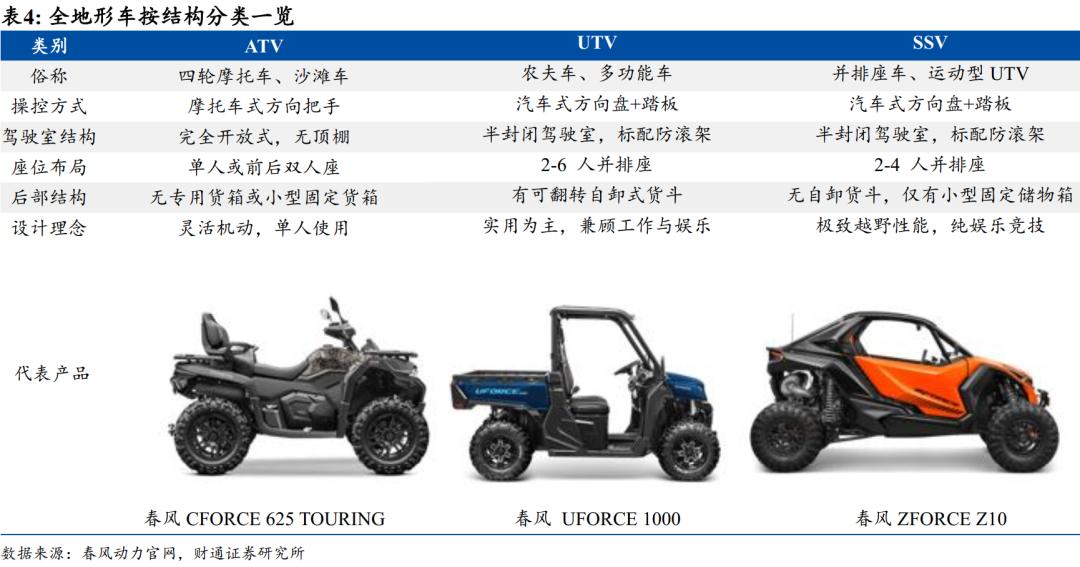
Later, in addition to ATVs, Polaris launched the upgraded UTV, leading the new trend of the industry. In layman's terms, ATVs are four-wheeled motorcycles for daily use, while UTVs are multi-purpose vehicles added with steering wheels, pedals, seats, cargo beds and standard roll cages.
Japanese brands could have caught up by entering the four-wheeled ATV and UTV markets, but leading manufacturers such as Honda still focused on higher-value businesses such as automobiles and motorcycles at that time, and did not attach much importance to the niche all-terrain vehicle market. This allowed Polaris to give full play to its late-mover advantage and become the leader of the global all-terrain vehicle market, a position it holds to this day.
Chinese brands: Passive entry into the game
The competition between Honda and Polaris originally had nothing to do with the Chinese market. China's vehicle usage scenarios and market environment did not leave room for the development of all-terrain vehicles.
However, decades later, Chinese motorcycle companies were unexpectedly passively involved in the global competition of the all-terrain vehicle market.
In 1985, Beijing became the first city in China to implement a motorcycle ban. This regulatory measure spread to major cities across the country after the new century, and a 100-billion-yuan market faced a severe window period for transformation and upgrading.
At that time, motorcycle companies tried their best to explore various transformation directions, and all-terrain vehicles were one of them.
All-terrain vehicles are essentially a variant of motorcycles, with a high degree of overlap in underlying technology, supply chain, sales channels and main customers. It is a natural move for motorcycle companies to transform into the all-terrain vehicle business.
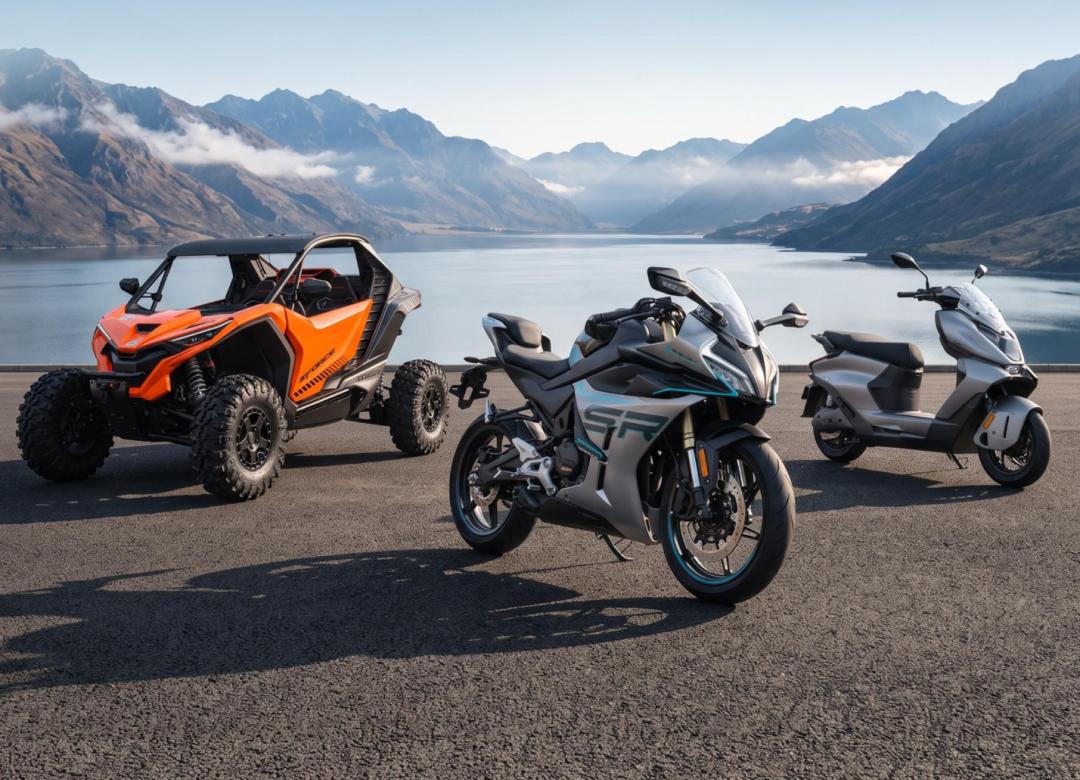
In 2005, CFMOTO, a leading Chinese motorcycle enterprise, launched CF500 ATV, the first domestically independently developed all-terrain vehicle in China, at EICMA, the Milan International Motorcycle Exhibition. In the following years, it continued to give play to its late-mover advantage and successively entered the UTV market and the higher-level SSV market.
Compared with ATVs and UTVs, SSVs (sport UTVs) place more emphasis on off-road performance, with better playability and entertainment.
Different from many traditional motorcycle manufacturers participating in the global competition of all-terrain vehicles, the story of industrial relay and family inheritance of Taotao Motors has its own unique charm.
Cao Guicheng, grandfather of Cao Matao, started his business through trade in Lishui, Zhejiang in the 1970s; Cao Yuejin, father of Cao Matao, founded Taotao Group in 2004 to enter the hardware business, then extended to auto and motorcycle parts, and began to produce beach vehicles, leisure mobility vehicles, all-terrain vehicles and other products in 2010.
Cao Matao did not choose to take over the family business directly, but started his own venture on the basis of the family's foundation. After discovering the market opportunity of all-terrain vehicles during a business trip to the United States, Cao Matao founded Taotao Motors. Cao Guicheng contributed 28.5 million yuan as start-up capital, and Cao Yuejin's Taotao Group transferred patents, trademarks and production lines for free, allowing Taotao Motors to start at a relatively high level.
By selling low-speed vehicles such as ATVs, UTVs and golf carts to markets including North America, Taotao Motors was listed on the A-share market in 2023, and recently obtained the approval for listing on the Hong Kong Stock Exchange. It is about to become the first A+H dual main board listed company in the industry, to better connect with overseas markets.
From 2023 to 2025, Taotao Motors achieved operating revenues of 2.144 billion yuan, 2.977 billion yuan and 3.941 billion yuan respectively, and net profits attributable to shareholders of 280 million yuan, 431 million yuan and 816 million yuan respectively. In the first half of this year, the company's revenue reached 2.751 billion yuan and net profit reached 540 million yuan, up 60.56% and 57.94% year-on-year respectively. The Americas market contributed the vast majority of the company's revenue, profit and growth.
Leading Chinese all-terrain vehicle manufacturers such as CFMOTO and Loncin Motor have similar situations, with only slight differences in their degree of globalization, business scale and proportion.
Among them, CFMOTO, as the leader of China's all-terrain vehicle industry, accounts for more than 70% of China's all-terrain vehicle exports all year round. In 2025, the company sold 197,000 all-terrain vehicles, with an operating revenue of 9.608 billion yuan, a year-on-year increase of 33.26%. In the first half of this year, sales reached 131,100 units, and operating revenue reached 7.146 billion yuan, a year-on-year increase of 51.05%, making it the largest, fastest-growing and most profitable business segment under its banner.
Driven by CFMOTO and Taotao Motors, China's all-terrain vehicle exports reached 475,500 units in 2025, with an export value of 1.394 billion US dollars, a year-on-year increase of 15.39%.
In the past 20 years, the motorcycle market has plummeted from its peak, and the focus of the automotive market has shifted from fuel vehicles to new energy vehicles, never paying enough attention to the motorcycle market.
Most people did not expect that when the global automotive market is mired in fierce competition and Chinese new energy vehicles expand from the domestic market to overseas markets, Chinese brands are reaping huge profits overseas in the all-terrain vehicle segment derived from motorcycles.
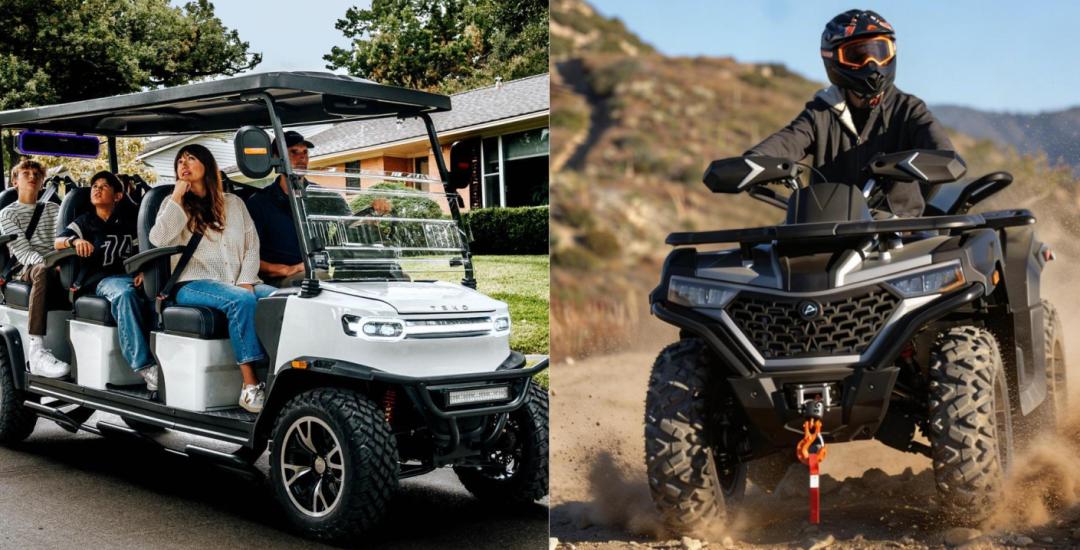
Striving for global discourse power
Although the market size of all-terrain vehicles is smaller than that of motorcycles and automobiles, its growth trend cannot be underestimated.
Industry data shows that global all-terrain vehicle sales reached about 970,000 units in 2025, with a market size of about 19.2 billion US dollars, of which 395,000 units were ATVs, and the total of UTVs and SSVs reached 575,000 units.
According to the forecast of research institution The Brainy Insights, with the simultaneous increase in sales volume and unit price, the global all-terrain vehicle market size will reach 29.5 billion US dollars by 2033.
At present, the global all-terrain vehicle market has formed two main echelons: Polaris, BRP, Honda, Yamaha and CFMOTO are firmly in the first echelon; Kawasaki, Suzuki, and Chinese manufacturers Taotao Motors and Rato are in the second echelon.
With the rapid growth in recent years, the status of Chinese manufacturers in the global all-terrain vehicle market is increasing day by day. In 2023, the world's top five all-terrain vehicle brands were: Polaris with 35% market share, BRP with 25%, Honda with 17%, Yamaha with 13%, and CFMOTO with 6%. By 2025, the estimated market shares of the five giants are: Polaris 18%, CFMOTO 13%, Honda 12%, BRP 11%, and Yamaha 10%, with a very obvious shift in market positions.
According to the performance growth trend of several leading manufacturers in recent years, it is not a fantasy that CFMOTO will surpass Polaris in due course and complete the second giant revolution in the global all-terrain vehicle market.
Then, where exactly are the opportunities for Chinese all-terrain vehicle brands led by CFMOTO and Taotao Motors?
The replacement of the ATV market by UTVs and SSVs will give the newly rising Chinese brands late-mover advantages. The rise of SSV models in the all-terrain vehicle market, as well as the popularity of large-displacement and sport racing models in the motorcycle market, are both driven by entertainment attributes, which is also an opportunity for a large number of Chinese all-terrain vehicle brands with a motorcycle industry background. At the same time, Chinese brands bring their well-known high-configuration and cost-effective strategies to overseas markets, which can form a dimensionality reduction strike at the operational level.
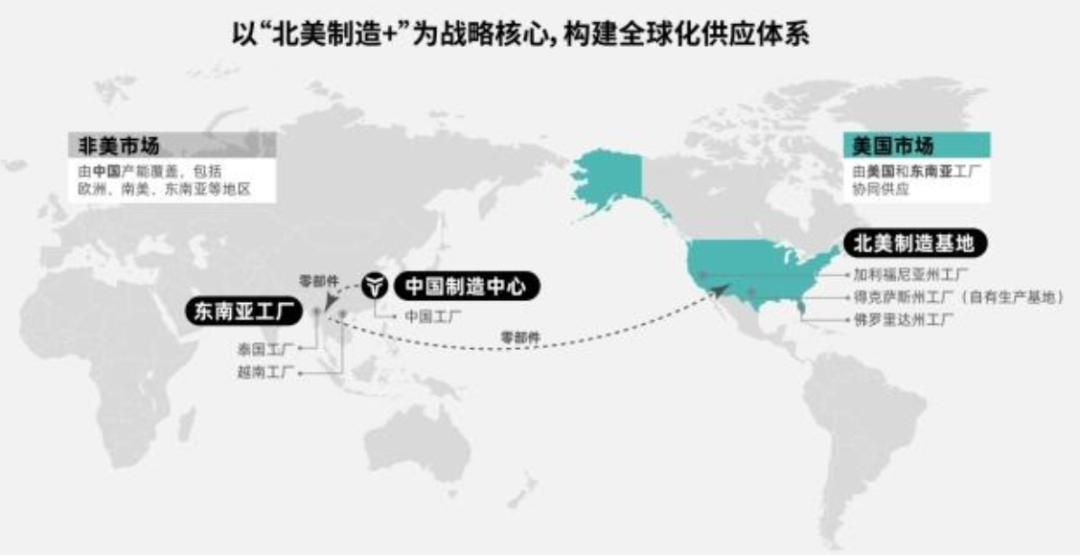
After decades of development, Chinese all-terrain vehicle brands led by CFMOTO have basically no technical and product gaps with foreign brands. With the comprehensive construction of global supply chains, multi-brand matrix, event operation and localized channels, they are rapidly making up for their shortcomings.
Taotao Motors, based on its market advantages in all-terrain vehicles, has taken an ecological and diversified development path.
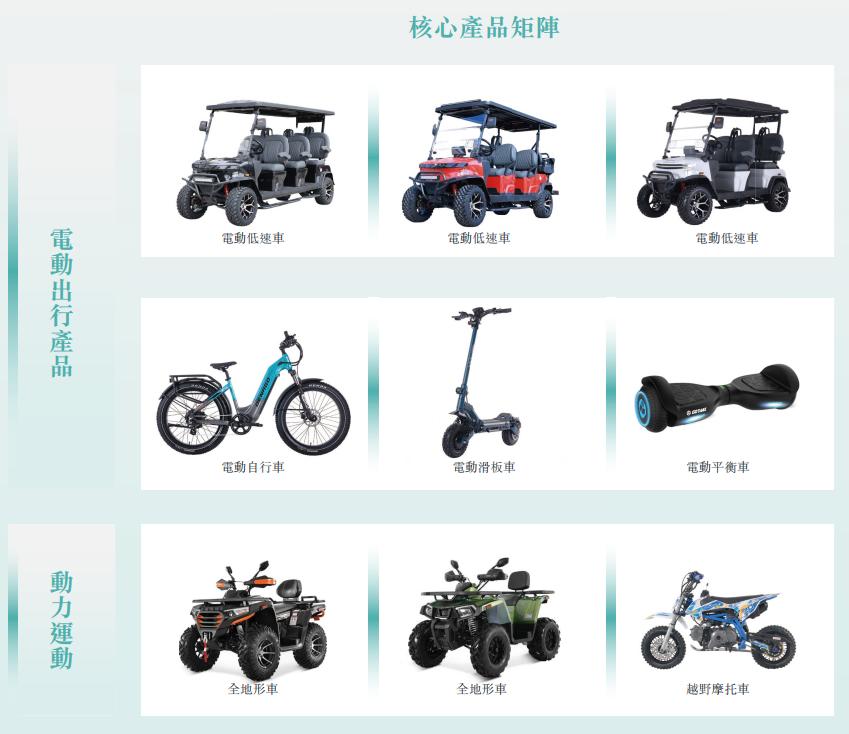
With Polaris leading the market and CFMOTO catching up rapidly, the top camp is full of giants. Taotao Motors, which is in the second echelon of the all-terrain vehicle market, does not blindly chase in this niche market, but has discovered more business growth points, such as off-road motorcycles, electric low-speed vehicles, electric bicycles, electric scooters, electric balance vehicles and other products. Judging from the business trend in recent years, Taotao Motors is very likely to achieve multi-point growth in the "slow-speed mobility" market.
There is no absolute distinction between good and bad in the two development paths of CFMOTO and Taotao Motors. More importantly, the new all-terrain vehicle market has found an excellent breakout direction for relevant Chinese industries, making it a major benchmark for Chinese industrial brands to go global, and it is very likely to reach the top of the global market in the future.
This article is from the WeChat official account "Zebra Consumption" (ID: banmaxiaofei), written by Fan Jian, and authorized for release by 36Kr.