The "worker" behind Mixue Bingcheng is about to go public: a native of Jiangxi based in a small county in Shandong rakes in a staggering 800 million yuan a year.
The golden era of new-style tea beverages has not only spawned leading brands such as Mixue, Luckin Coffee, Heytea and Guming. Over the past five years, while these brands have expanded their footprint from 1,000 stores to 10,000 stores, the dividends of expansion have been passed all the way up the supply chain.
Suppliers providing fruit juices, raw materials, paper cups and straws have successively stepped into the spotlight of the capital market.
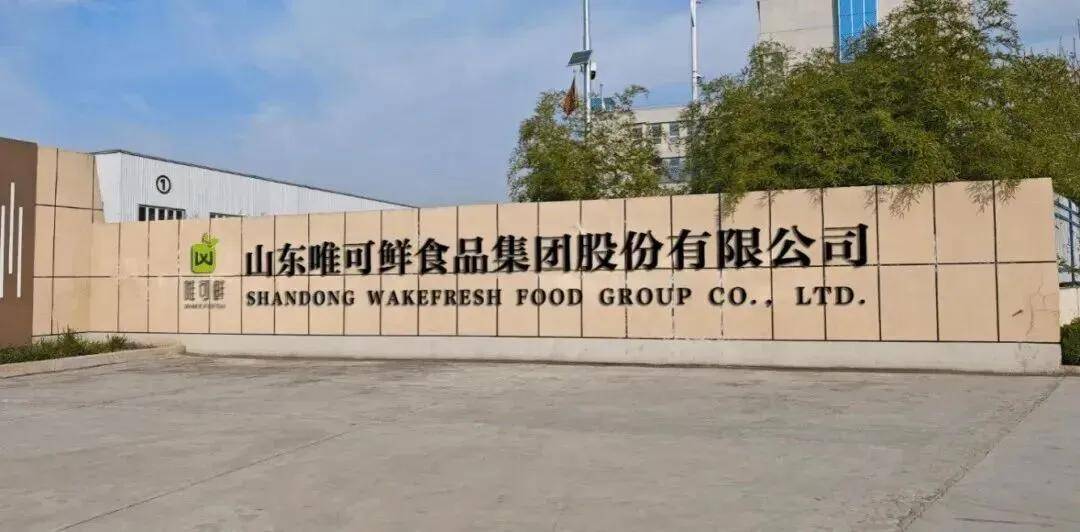
The latest player to enter the arena is Shandong Weixian Food Group Co., Ltd. Public information shows that on September 7, Weixian completed the filing of listing counseling at the Beijing Stock Exchange, only ten days after signing the listing counseling agreement on August 28.
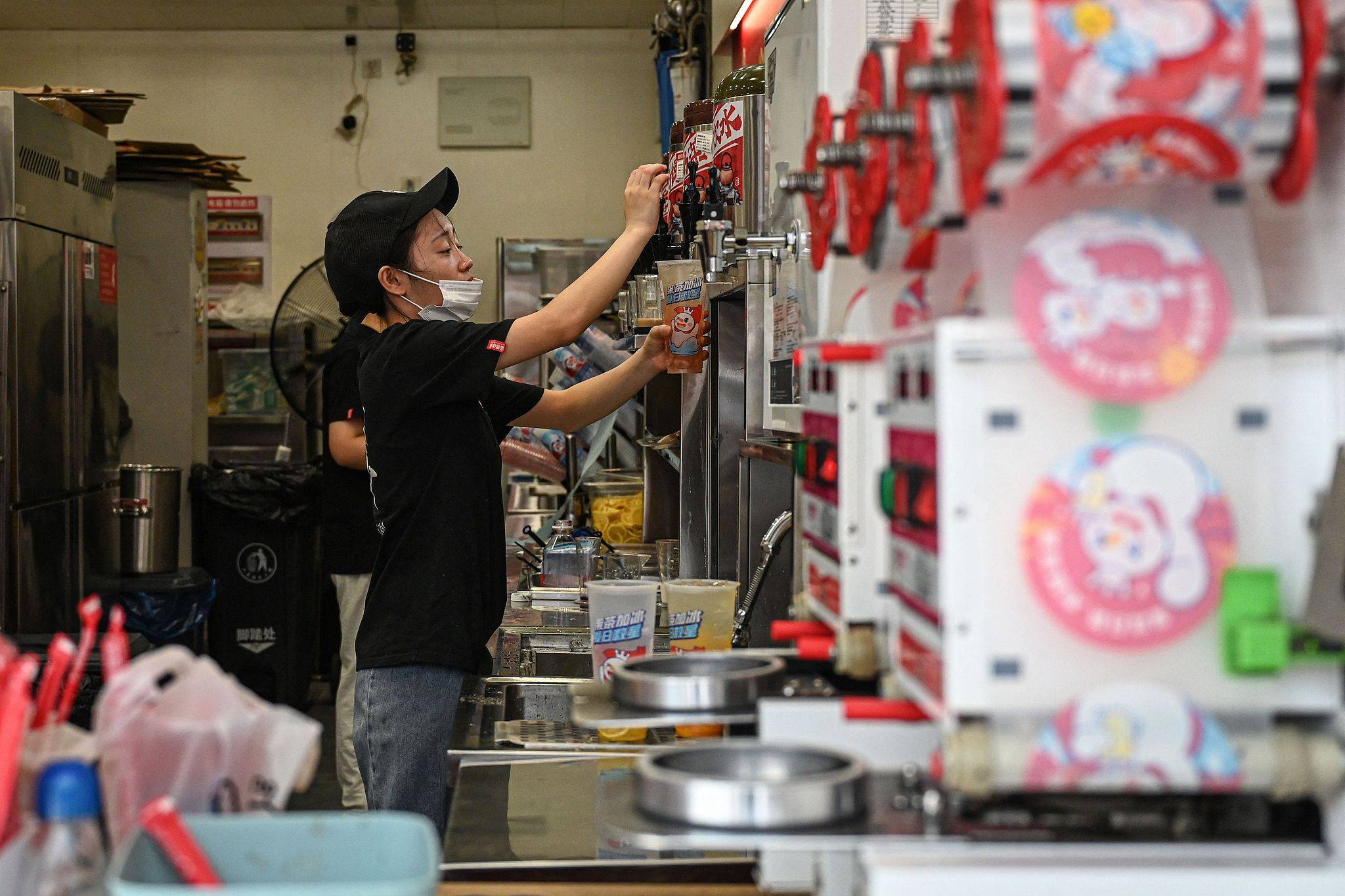
Few people know the name of this company, but the brands it serves are almost universally known. To put it simply, the fruit juice concentrates and jam raw materials in the fruit tea from Mixue and the fruity drink bases of Luckin Coffee that consumers have drunk are very likely to come from its factories.
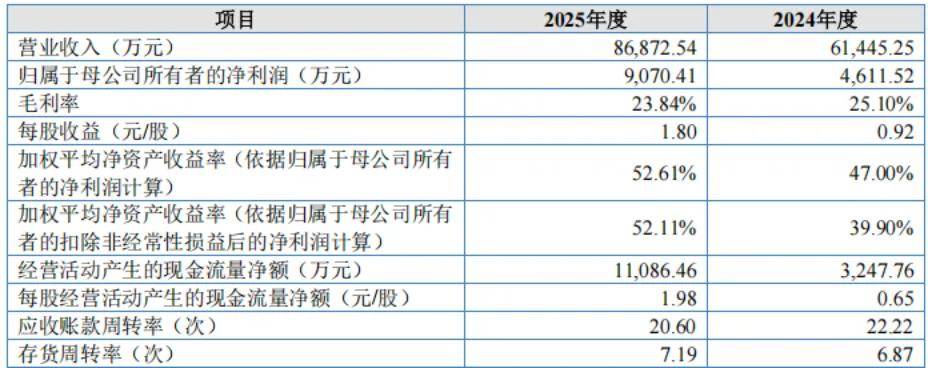
Over the past three years, riding the boom of the new-style tea beverage explosion, Weixian has achieved rapid growth. From 2023 to 2025, the company's revenue reached 419 million yuan, 614 million yuan and 869 million yuan respectively, and its attributable net profit also rose from 31.8725 million yuan in 2023 to 90.7041 million yuan in 2025.
In 2025 alone, Mixue purchased 323 million yuan worth of goods from Weixian, and Luckin Coffee purchased 185 million yuan, with the two contributing nearly 60% of the total revenue combined.
It took the company less than two years from listing on the New Third Board to completing the filing for listing on the Beijing Stock Exchange. However, while advancing at a fast pace, it also faces a question that all supply chain enterprises have to answer: when major customers are highly concentrated and the industry growth rate shifts down, where will the next round of growth come from?
One month before the filing, Weixian just completed a private placement of 116.1 million yuan, with four institutions subscribing for 6.45 million shares at 18 yuan per share. The subscription agreement comes with a repurchase clause: if Weixian fails to complete a qualified listing before December 31, 2031, investors can request the actual controllers, brothers Xiao Zhijian and Xiao Yi, to repurchase the shares, at the cost of the investment principal plus 6% annual interest. For Weixian, the listing timeline is relatively urgent.
With mixed performance, a performance bet agreement, and high reliance on major customers, Weixian's listing story has reached a critical juncture.
B-side business accounts for 80% of revenue, high growth hits an inflection point
To break it down, Weixian's business is not complicated, with two product lines supporting all its revenue.
The first product line is raw materials for freshly prepared drinks, including fruit juice concentrates, jams and tea beverages, which are mainly sold to new-style tea beverage brands, freshly ground coffee brands and chain catering brands as drink bases.
This is the company's core business and also its largest source of revenue. In 2025, Weixian's sales of raw materials for freshly prepared drinks reached 736 million yuan, accounting for 84.89% of the total revenue, with annual sales volume approaching 65,000 tons. In the first half of 2026, this business continued to contribute 404 million yuan in revenue, still accounting for more than 80% of the total.
The second product line is HPP ready-to-drink beverages, such as bottled fruit and vegetable juices and cold-brewed teas, which are currently sold directly through supermarkets and convenience stores including Freshippo, Walmart, Pang Donglai and Lawson, as well as e-commerce platforms such as Tmall, JD.com and Pinduoduo.
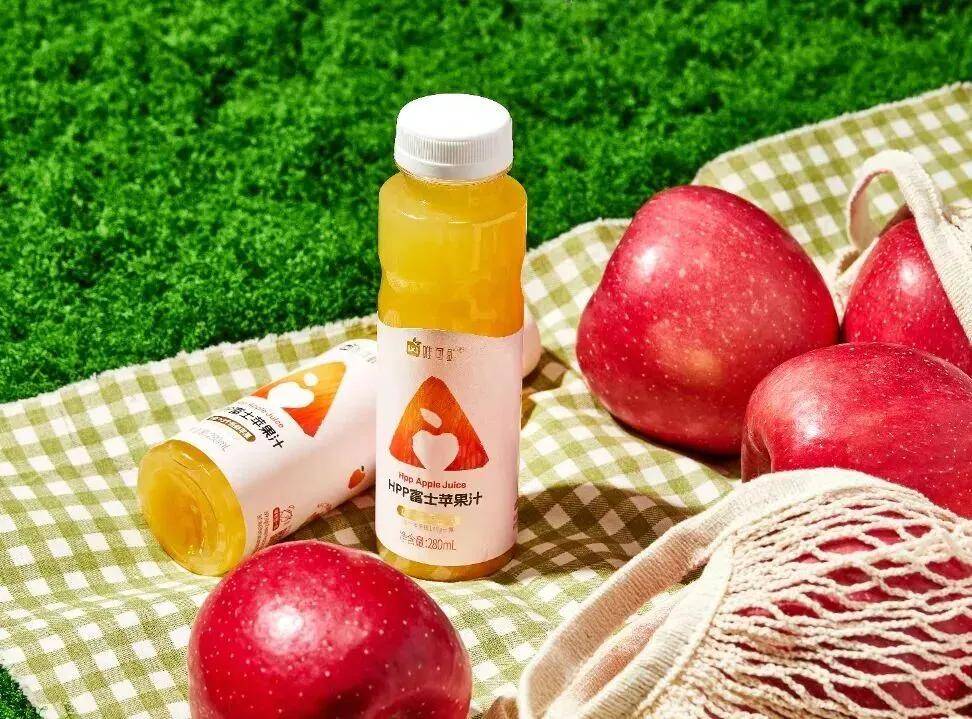
In 2025, the revenue of HPP ready-to-drink beverages reached 131 million yuan, accounting for 15.11% of the total. This product line has a faster growth rate, with ready-to-drink beverages recording a year-on-year increase of 68.07% in the first half of 2026. However, it is worth noting that the revenue scale of this segment is still limited, accounting for less than 20% of the total revenue.
With one main product line and one auxiliary product line, the B-side raw material business has underpinned Weixian's performance in recent years. Looking at the revenue growth rate in the past three years alone, it shows a beautiful upward curve.
However, when you break it down, the structure of growth drivers is changing.
In its prospectus, Weixian attributes this round of growth to three aspects: existing customers including Mixue, Luckin Coffee and Hushang Ayi continue to increase their procurement; in 2025, the company added new tea beverage and catering customers such as Freshippo, Chabaidao and Yoshinoya, with orders expanding rapidly. At the same time, the brands successively launched new products such as frozen kale and green grape compound juice, and apple compound fruit and vegetable juice. The combined effect of these three forces pushed the revenue to 869 million yuan.
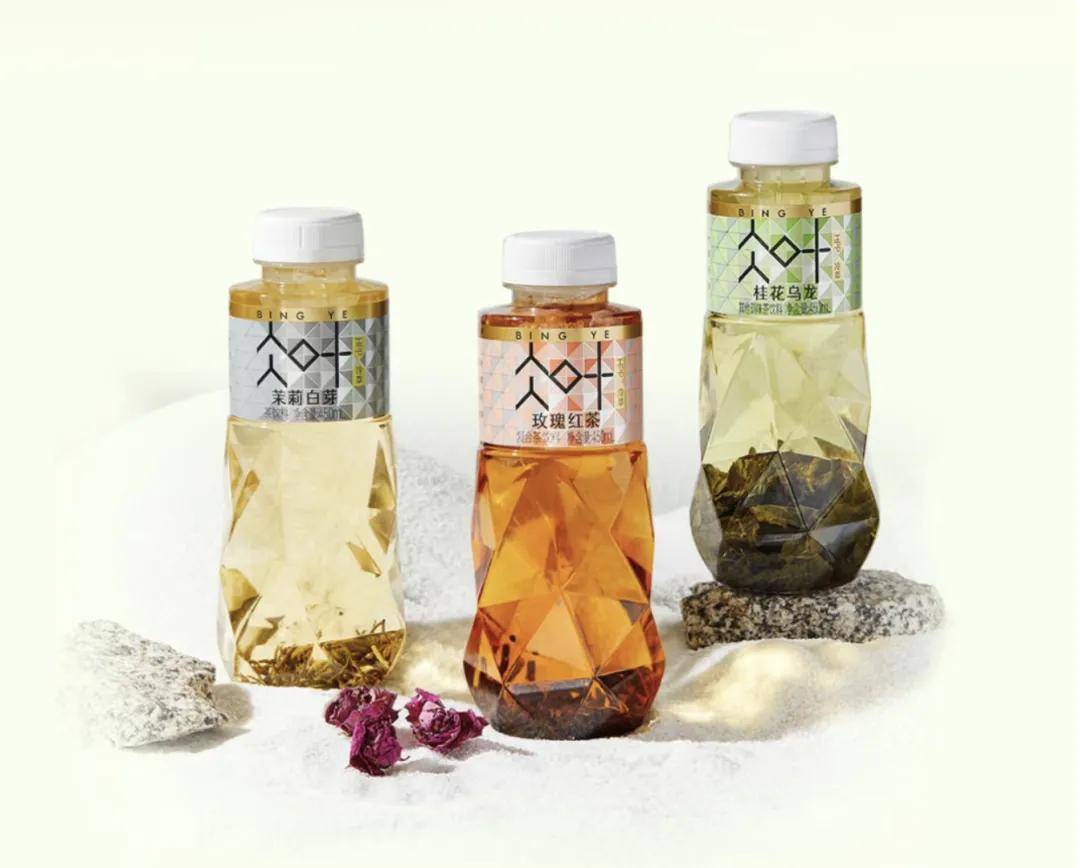
On the profit side, from 2022 to 2025, Weixian's attributable net profit increased from 11.5479 million yuan to 90.7041 million yuan, of which the year-on-year growth rate in 2025 was 96.69%, almost doubling. A large part of this high profit growth in that year came from cost reduction: the company's sales expenses were reduced from 61.12 million yuan in 2024 to 32.18 million yuan, a decrease of 47.34%, which the company attributed to the contraction of market promotion investment for its e-commerce business.
In other words, the high profit growth in 2025 came partly from business expansion and partly from reduced spending.
Entering 2026, the number of areas requiring investment has increased again, and the profit inflection point has emerged accordingly.
In the first half of this year, Weixian achieved an operating revenue of 504 million yuan, a year-on-year increase of 25.23%; its attributable net profit was 33.2 million yuan, a year-on-year decrease of 22.77%. It sold more products, but did not make more profits.
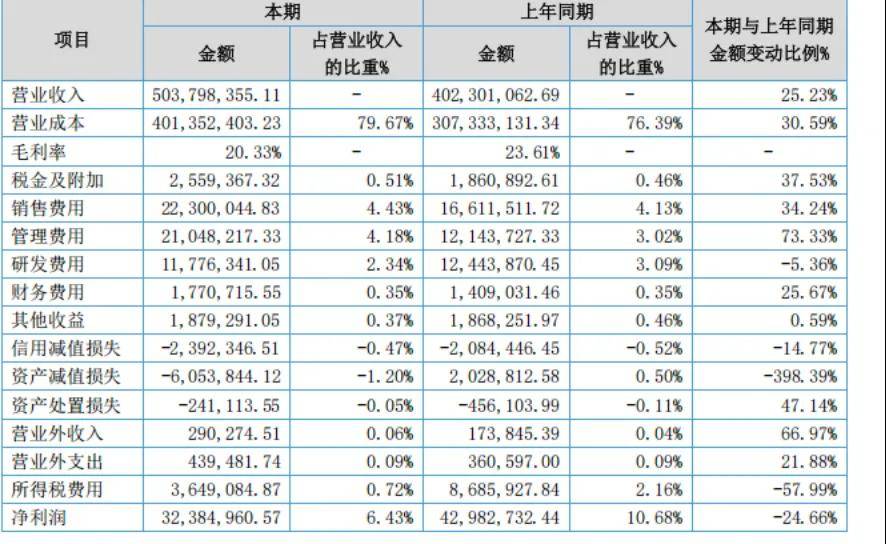
The cost-side data explains this change. In the first half of 2026, Weixian's operating cost increased by 30.59% year-on-year, sales expenses increased by 34.24%, and management expenses increased by 73.33%. While revenue grew at a rate of a quarter, profits dropped by more than 20%.
The deeper pressure comes from product pricing. In 2025, Weixian's average selling price dropped from 11.67 yuan per kilogram to 11.06 yuan per kilogram, a decrease of 5.24%, and its gross profit margin fell from 25.10% to 23.84%. In the first half of 2026, the comprehensive gross profit margin further dropped to 20.33%.
The source of the price cut is in the downstream. Mixue sells lemonade for a few yuan a cup, Luckin Coffee competes closely at the 9.9-yuan price point, and every cost pressure from the brand side is transmitted upstream. The company attributes the price adjustment to active price cuts to drive sales volume. But in the context of the entire industrial chain, as rational consumption continues to rise, brands' sensitivity to prices also increases, and price competition is eventually transmitted to upstream suppliers.
Starting a second business at the age of 41, how did this post-70s entrepreneur from Jiangxi win orders from Mixue and Luckin Coffee?
Weixian's success today is inseparable from its behind-the-scenes operator Xiao Zhijian.
Born in 1977, Xiao Zhijian's first half of life has always been centered on the food industry. He started from the front line of R&D, and rose to management positions in enterprises including Damin Food and Beijing Huanyu United Trading, gaining a full understanding of the entire chain from R&D, process, production to marketing and sales.
Around 2006, he founded his own company in Beijing, focusing on natural and healthy food. Years of operation made him realize a truth: the quality of drinks originates from the place of origin.
In 2018, he reached a crossroads where he had to make a new choice. Many food processing enterprises needed to find new footholds. At that time, Xiao Zhijian was 41 years old, far past the age of taking reckless risks, but he chose to put aside his existing achievements and start all over again.
He traveled to inspect multiple locations, and finally chose Ningyang County, Tai'an, Shandong Province. Located in a suitable zone for fruit and vegetable planting, this place has fresh raw materials at appropriate costs, making it a natural hinterland for juice production.
In October 2018, the new factory was completed in Ningyang and named "Tailaiyuan", starting everything from scratch. He made a pragmatic decision: to put the self-owned brand on hold, focus on serving the B-side, and supply fruit juice concentrates and base raw materials for new-style tea beverage, coffee and catering chains.
This decision put him right at the forefront of the new-style tea beverage expansion boom.
As 10,000-store chain brands gradually expanded, the demand for standardized raw materials surged like a tide. In 2019, he had his first contact with Mixue; in 2021, Tailaiyuan was officially included in Mixue's supplier list, catching up with the fastest period of store expansion. Subsequently, customers including Luckin Coffee and Haidilao also came one after another.
What truly widened the gap between Weixian and its peers was a more risky bet — the HPP ultra-high pressure cold sterilization technology.
The HPP ultra-high pressure cold sterilization technology transfers pressure through water in a closed container, with a force of 400 to 600 megapascals to inactivate bacteria and molds. More than 90% of nutrients such as vitamin C can be retained, the flavor is close to that of freshly squeezed juice, and no preservatives are needed. Of course, its threshold is also very high: a single production line requires an investment of more than 15 million yuan, which is enough to stop most small factories.
In 2021, when most peers were still waiting and seeing, Xiao Zhijian judged that HPP would move from niche to large-scale commercial use, and decisively built the second professional HPP factory in Tai'an.
The following year, Weixian's self-owned brand was launched, with apple juice, fruit and vegetable juice, and cold-brewed tea successively entering Freshippo, Pang Donglai and major e-commerce platforms. At that time, consumers barely knew anything about the three letters HPP, so this decision was a risky move at that time.
Facts have proved that Weixian bet on the right market trend. In the past two years, consumers have been more willing to pay for products with short shelf life, freshly squeezed quality and clean ingredient lists. Freshippo previously took the lead in introducing HPP fruit and vegetable juices, and a red heart apple juice became a hit in 2022, which was often out of stock even at a price of 20 to 30 yuan per bottle.
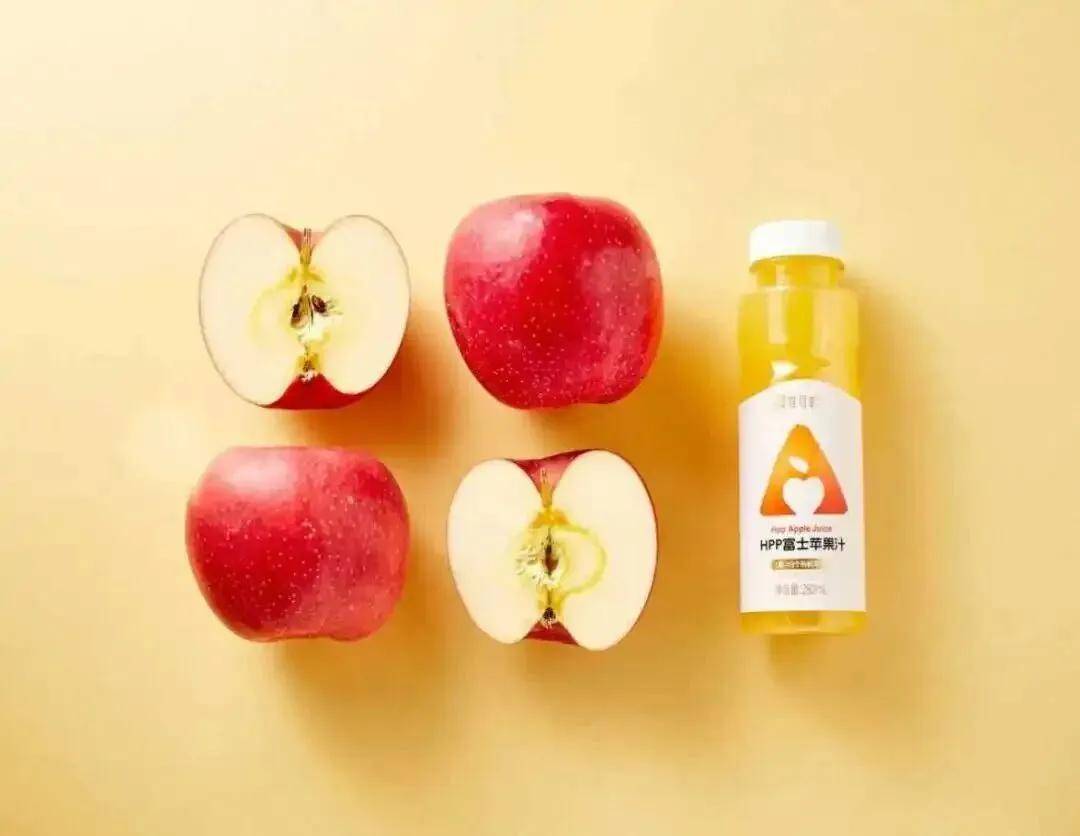
The HPP process is known as the ceiling of the juice industry, and Weixian is one of the first domestic enterprises to scale it up and apply it to both B-side and C-side products.
Looking back, Weixian's performance curve almost completely coincides with the expansion rhythm of its downstream customers. At the end of 2019, Mixue had not yet crossed the threshold of 10,000 stores; by the end of June 2026, Mixue Group had 63,987 stores worldwide; Luckin Coffee had more than 36,000 stores worldwide. Every new store opened by Mixue and Luckin Coffee brings a new order for Weixian's production lines.
"Water sellers" are lining up for listing, and industry competition enters a new stage
Weixian queuing up for listing is backed by the collective rush of the entire track.
Over the past five years, new-style tea beverage brands have expanded from 1,000 stores to 10,000 stores, and the expansion dividends have been passed all the way up the supply chain, with enterprises selling raw materials, ingredients, paper cups and straws flocking to the capital market.
In April 2021, Jiahe Food, which produces non-dairy creamer and coffee,