Huawei has stepped into the battery swapping track, joining hands with CATL to promote the energy replenishment for autonomous driving.
From this very moment, the battery swapping track may truly take off at an unprecedented speed:
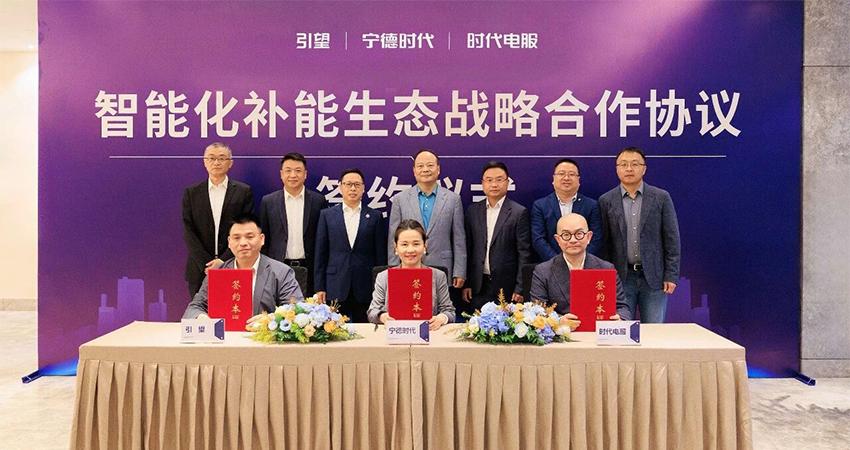
The leading smart tech player Huawei and the top battery manufacturer CATL are joining forces to develop battery swapping services!
The two sides have carried out cooperation before, and Huawei is not the only user of CATL's battery swapping service, but this collaboration is far from ordinary:
It comes with an unprecedented technical chain, innovative and distinctive product solutions, and almost no restrictions on implementation scope...
The combination of these elements is a signal that will subvert traditional business models.
What exactly are Huawei and CATL going to do this time?
First, let's sort out the division of responsibilities of all parties involved.
The entities signing this agreement include Huawei's Zhiyuan Intelligent Technology Co., Ltd., CATL, and its battery swapping business-related entity EVOGO.
Generally, Zhiyuan provides intelligent vehicle solutions, CATL provides battery technology and its chocolate battery swapping system, while EVOGO participates in the construction of battery swapping networks and related operation services.
The goal put forward by the three parties is to promote Huawei Qiankun cooperative models to access CATL's chocolate battery swapping network, and realize the interconnection of the vehicle end, station end and cloud end.
This means that the cooperation is not just adding several battery swapping station locations to the vehicle navigation system, nor is it just equipping a single car model with a swappable battery.
The three parties aim to build a set of collaborative mechanism covering from vehicle demand to station service: when the vehicle needs energy replenishment, the system can plan a suitable battery swapping station; after arriving at the station, the vehicle can connect with the battery swapping equipment; after the battery swapping is completed, the vehicle can resume its normal trip.
The 99-second battery swapping index announced by CATL corresponds to the battery replacement process alone.
This cannot be directly equated with the total time from when the vehicle decides to replenish energy to when it drives away from the battery swapping station, let alone conclude that the entire set of unmanned battery swapping services has been realized solely based on this single index.
What is really worth analyzing is how the intelligent driving system and the battery swapping station cooperate with each other.
After all, there are still many technical details to be solved between the scenario that a vehicle can complete navigation and driving on open roads and the scenario that it can accurately drive into a specific workstation and park at the exact position required by the equipment.
From self-searching for stations to automatic battery swapping, how to get through the technical chain?
If we split the whole process apart, the first step actually happens on the vehicle side.
First, the vehicle needs to judge whether energy replenishment is needed by combining its battery status, remaining driving range and travel plan.
This capability can be provided by Huawei's on-board model, on the premise that the car manufacturer grants Huawei sufficiently high underlying permissions; of course, it can also be independently developed by the car manufacturer itself.
If the user chooses battery swapping, the system will also comprehensively consider the location of stations, supported vehicle models and actual availability to determine which station to go to.
Next, the vehicle needs to switch from road driving mode to station operation mode, which is the core value of Huawei in this cooperation.
On open roads, the assisted driving system mainly deals with road structures, traffic participants, driving routes and dynamic obstacles and other issues.
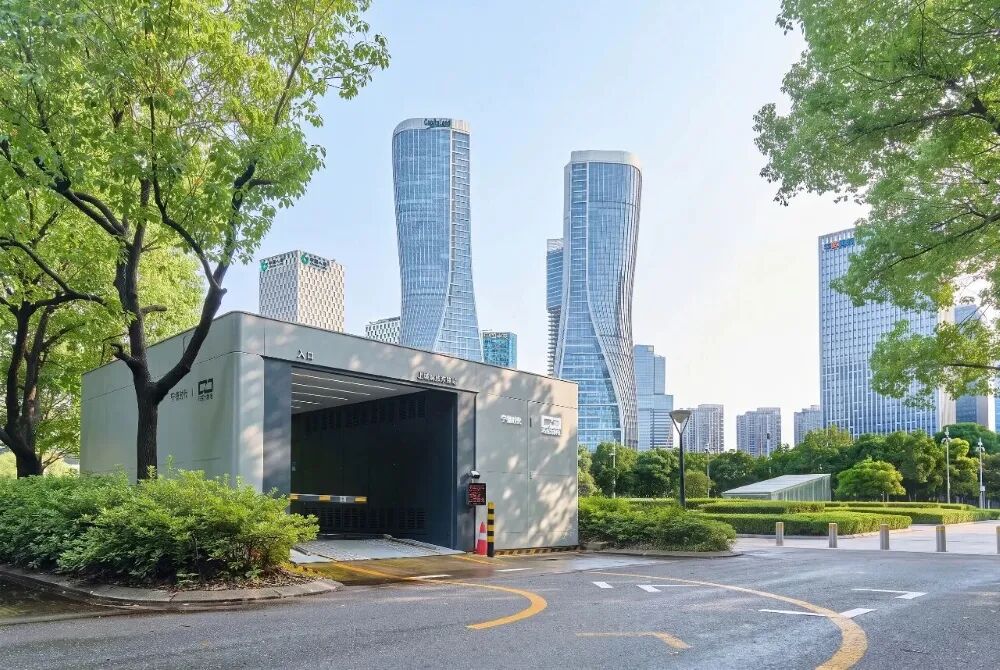
But after entering the battery swapping station, the environment and tasks will change: the entrance may be narrow, the internal passages and parking spaces in the station have clear restrictions, and the vehicle must finally park at the precise position where the battery swapping equipment can work normally.
This puts forward higher requirements for the vehicle's positioning, environmental perception and low-speed control performance:
Navigation that brings the vehicle near the station is only the first half of the whole process; the vehicle also needs to identify the entrance, understand the internal passage route of the station, and complete the parking alignment according to the requirements of the battery swapping workstation.
Of course, the current ADS 5 version can easily handle scenarios such as passing through gates and toll stations, and it can also handle narrow and complex parking spaces with great ease.
The only thing to do is to collect enough scenario data of CATL's battery swapping stations to ensure 100% reliability.
After the vehicle is parked stably, the battery swapping equipment takes over the work, which is the home field of CATL.
CATL's standard battery swapping station is compatible with vehicles with a wheelbase ranging from 2.55 meters to 3.1 meters. Each standard battery swapping station is equipped with 14 to 30 battery compartments, with a 99.99% battery swapping success rate and a 99-second swapping duration.
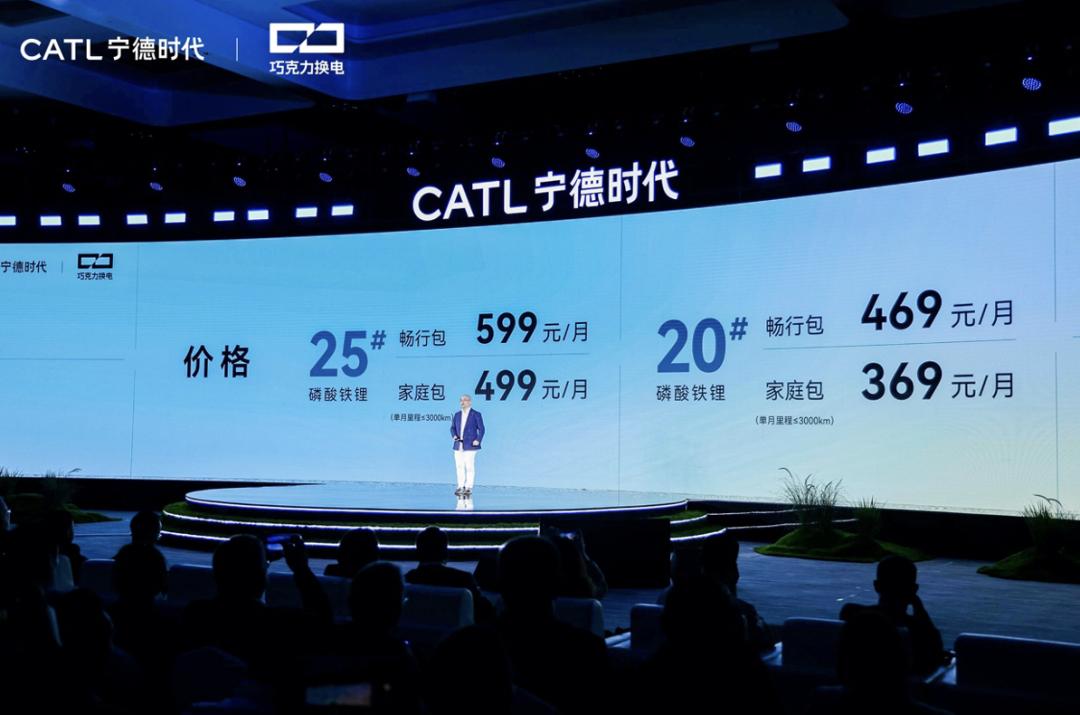
In actual operation, the battery swapping process for users is as convenient as refueling, but the cost is greatly reduced.
After the battery swapping is completed, the whole process is not over.
The vehicle needs to confirm the battery status, safely drive away from the workstation, and reconnect to the navigation and driving tasks. Only when all the links before and after are connected, can users get a continuous experience from the road to the station, and then from the station back to the road.
From the perspective of technical division, Huawei Zhiyuan's intelligent driving capabilities mainly handle the perception, decision-making and control of vehicles, while CATL's chocolate battery swapping system provides standardized batteries and station networks.
Autonomous driving and automatic battery swapping have had their own technical practices before, but connecting them requires unifying the interfaces, status information and operation procedures between vehicles and stations.
This is also the most valuable part of the cooperation between the two "top players" —
The most difficult link of battery swapping has finally been pieced together
CATL does not manufacture vehicles, so battery swapping is naturally not a "car purchase benefit", but aims to establish industry-wide technical standards and industrial norms, and turn battery swapping into a business as common as gas stations.
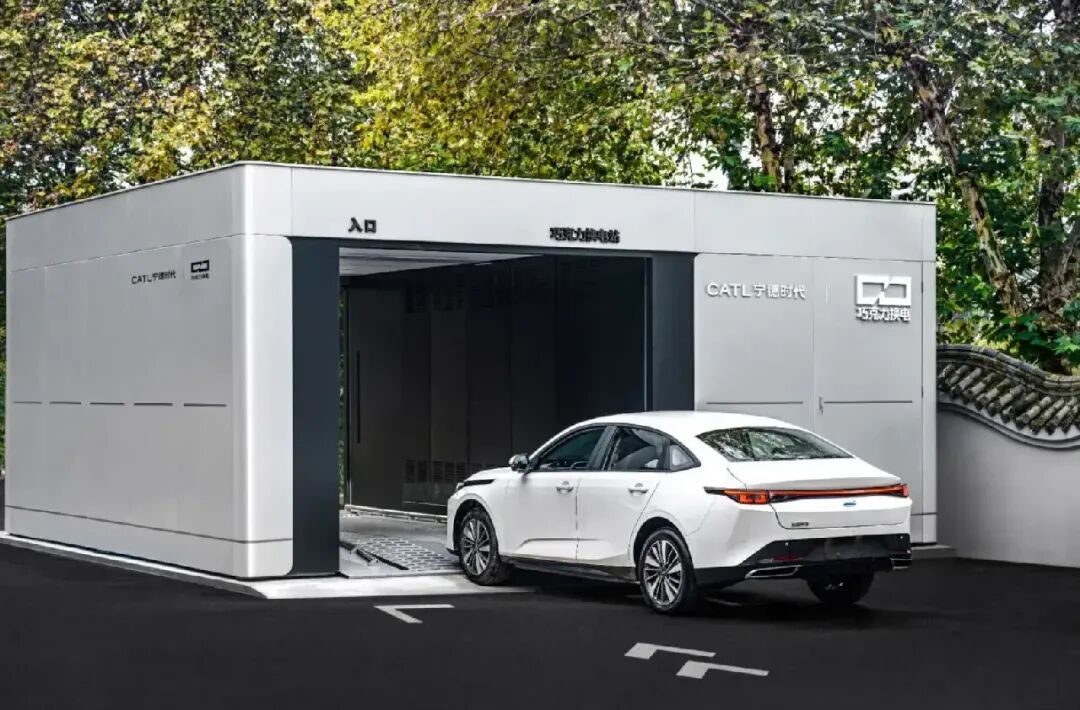
But battery swapping is different from complete vehicles. Its moat does not lie in the battery technology itself, let alone ternary lithium, lithium iron phosphate, solid-state or non-solid-state batteries... CATL has all these products, BYD has them, and battery suppliers of all sizes have them too.
Nor does it lie in capital investment. After all, players who do not have enough cash on hand and cannot leverage extensive resources will not enter the battery swapping track at all.
It is not even in the infrastructure itself. The planning, design, construction and logistics of battery swapping stations pose no difficulty for China's complete manufacturing system.
The real focus of competition in the battery swapping model lies in standards: the standard for battery pack size, voltage platform standard, grid access standard, vehicle chassis interface standard, battery swapping process standard, related financial and insurance service standards...
It involves all aspects beyond the automotive industry itself: car manufacturers, ride-hailing platforms, battery enterprises, energy industry, power grids, insurance companies, urban road administration, infrastructure, industry associations and so on.
Only by getting more players to join the "alliance" and getting more car companies to adopt the standards they set, can the cost of the battery swapping model be reduced sufficiently, the operation scale be expanded sufficiently, and the competitiveness be stronger.
Zeng Yuqun once said a long time ago that "battery swapping cannot succeed if you fight alone".
But the premise for this ecosystem to thrive is that car companies must first recognize and embrace CATL's battery swapping system.
This is Huawei's irreplaceable value.
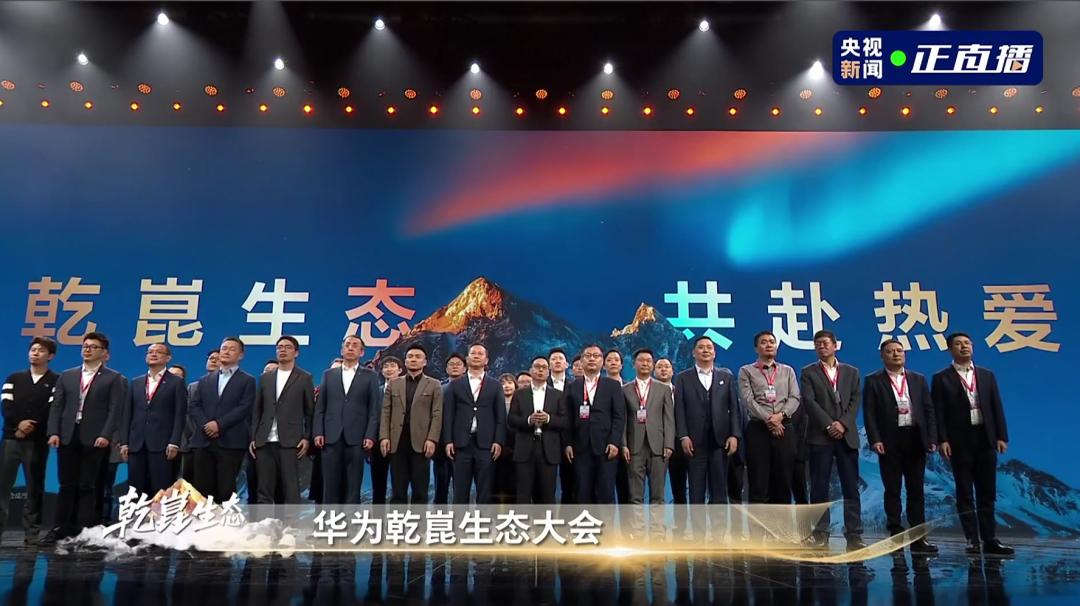
Zhiyuan itself is the front-end to-B role of Huawei's intelligent vehicle technology, and it is the common "technical middle platform" behind Huawei's automotive businesses that we are familiar with, such as Harmony Intelligent Mobility and Qiankun ecosystem.
Of course, Zhiyuan itself also has investment from car manufacturers.
The more core part is Huawei's Qiankun ecosystem.
A brand can start with single-point procurement for trial, and then upgrade to module procurement or even full-stack cooperation if it finds the solution practical.
Conversely, a brand that has carried out full-stack cooperation can also choose only part of the modules in subsequent models. The openness of the Qiankun ecosystem lies here — it does not bind or lock in partners, and car companies can adjust the depth of cooperation at any time.
It is this open attitude of "you can choose whatever level of service you need" that makes the growth curve of the Qiankun ecosystem steeper and steeper.
From 2024 to October 2025, the number of cooperative models increased from 15 to 33, with an average monthly increase of about 1.8 models. This is the initial stage, when car companies are still waiting and testing the water.
From October 2025 to July 2026, the number increased from 33 to 50, with an average monthly increase of about 1.9 models. The growth rate increased slightly, but the change was not significant.
But by the end of 2026, the number of models in Qiankun ecosystem will soon exceed 80, which means 30 new models are added within 5 months, with an average monthly increase of 6 models — more than 3 times the previous growth rate.
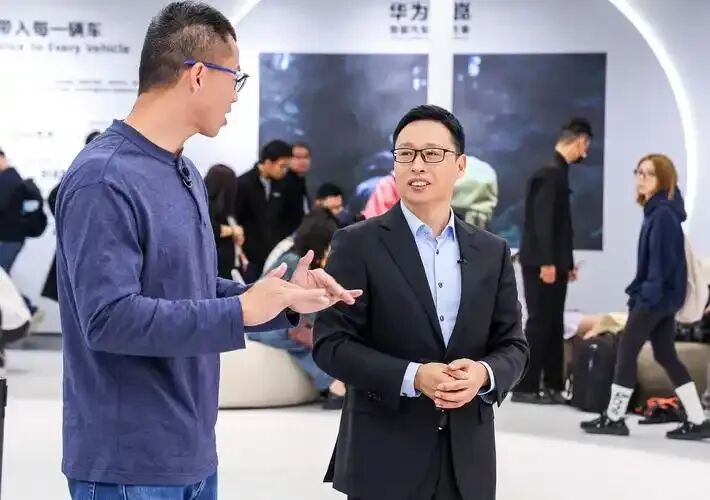
In other words, Huawei Qiankun will almost certainly cover all Chinese car companies in its cooperation, no matter state-owned, private, independent or foreign-funded;
And all car companies cooperating with Huawei now have access to a highly standardized, long-term invested, multi-stakeholder co-invested battery swapping model to choose from — the robustness and certainty that the automotive industry values most are provided by CATL.
For the battery swapping business, the entire chain covering technology, standards, infrastructure and users has been connected for the first time.
Starting from the cooperation between the two "top players", battery swapping will evolve from a "user service" for high-end brands to an infrastructure as common as gas stations.
Li Bin of NIO can also "stand smiling among the blooming flowers" now.

Of course, on the other hand, many traditional business models will be impacted.
According to the latest data, pure fuel vehicles account for less than 1/3 of domestic new car sales. The combination of Huawei and CATL marks the "beginning of the end" of traditional automobiles.
For another example, the combination of battery swapping and Robotaxi will have a huge impact on traditional ride-hailing industry, from vehicle sales to operation management.
Objectively, this also becomes a channel and opportunity for Huawei to enter the L4 and Robotaxi tracks, which is difficult for other players to replicate.
After all, at the technical level, the underlying paradigm of L2/3 and L4 has long been widely recognized and unified...
It seems that Didi's Robotaxi business has to speed up its pace.
One more thing
According to a report by Caixin on October 20, the first cooperative model will belong to the Yijing brand.
Yijing is jointly built by Dongfeng and Huawei Zhiyuan. Previously, media reported that its second model considered launching a battery swapping version, which was still in the pre-research stage at that time.
With the implementation of this tripartite cooperation, Yijing has also become an important reference for observing how the battery swapping solution is applied to mass-produced vehicles.
However, it is still unclear which specific model it is, when it will be launched, what battery specifications it will adopt, and how many battery