Nanjing's hotels have been pushed to the top of the national ranking across the country by concerts.
Who could have imagined that during this year's National Day holiday, Nanjing unexpectedly became the biggest "dark horse".
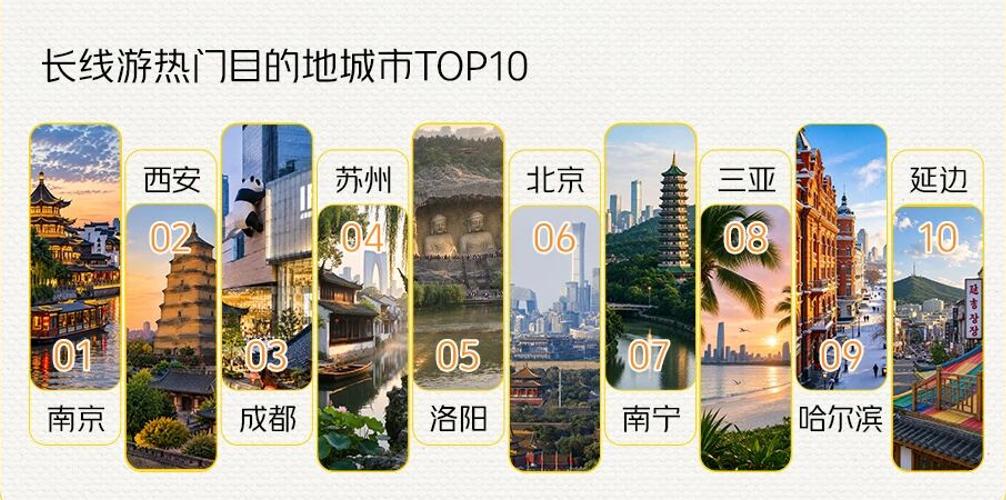
17.956 million visitor arrivals, total consumption hitting 10.97 billion yuan! This National Day holiday, the slogan "Awesome Nanjing" went viral across all platforms. Data from Meituan Travel shows that Nanjing ranks TOP 1 among popular long-haul travel destination cities.
The booking popularity of hotels in Nanjing once surpassed that of Beijing, ranking first nationwide.
Panoramic scan of A-share carbon ceramic disc layout
Source of image: Meituan
People could hardly move an inch at the Confucius Temple, and the entire Wutong Avenue was packed with crowds, which was playfully described by netizens as "Nanjing is experiencing its largest population migration wave ever".
While Nanjing's hotel and tourism market is still immersed in the carnival of millions of passenger flows, another voice poured cold water on it mercilessly: Nanjing's first-place achievement is too much "inflated".
This statement is not entirely unfounded: four of the top five popular booking business districts are concentrated in Tangshan, Jiangning.
This is exactly the venue where Hua Chenyu held 7 consecutive concerts.
Does Nanjing's top ranking in hotel bookings during the National Day holiday stem from the strong growth of the city's cultural tourism and accommodation demand, or is it an unexpected windfall brought by the concerts? After the fans leave after the concerts, what is left for Nanjing's hotels?
01
Who supported the 84% occupancy rate?
In previous years, when talking about popular National Day cities, people mostly thought of established internet-famous destinations such as Beijing, Shanghai, Chengdu and Xi'an. No one expected that Nanjing would make such a big splash quietly and rush straight to the front line this time.
During the National Day holiday (October 1st to 7th), Nanjing's monitored sites including scenic spots, cultural and museum venues, rural tourism destinations, and national-level night cultural tourism consumption clusters received a total of 17.956 million visitors.
The average hotel occupancy rate reached as high as 84%, compared with 79.8% last year.
Real money consumption data is more convincing. Data from China UnionPay Business shows that the total cultural tourism consumption in Nanjing during the National Day holiday reached 10.97 billion yuan.
Nanjing has completely become a smash hit! Data from platforms such as Ctrip and Mafengwo show that Nanjing's hotel order volume during the 2026 Mid-Autumn Festival and National Day holiday ranks high on all lists, further consolidating its position as a top-tier popular tourist city.
The number of received tourists increased by 5.2% on a daily basis compared with last year, the proportion of out-of-town tourists rose by 1.3 percentage points year on year, the cross-regional cultural tourism consumption increased by 7% year on year, and the average hotel occupancy rate increased by 1.4% year on year. The data looks very impressive, but it seems not that rigorous enough.
With 17.956 million visitor arrivals and 10.97 billion yuan of total consumption, Nanjing is firmly in the first echelon among all popular provincial capital cities across the country in horizontal comparison.
However, Nanjing, which seems to be crowded with people, ranks outside the top 30 in the widely spread "National Day Crowd Index Ranking" across the internet.
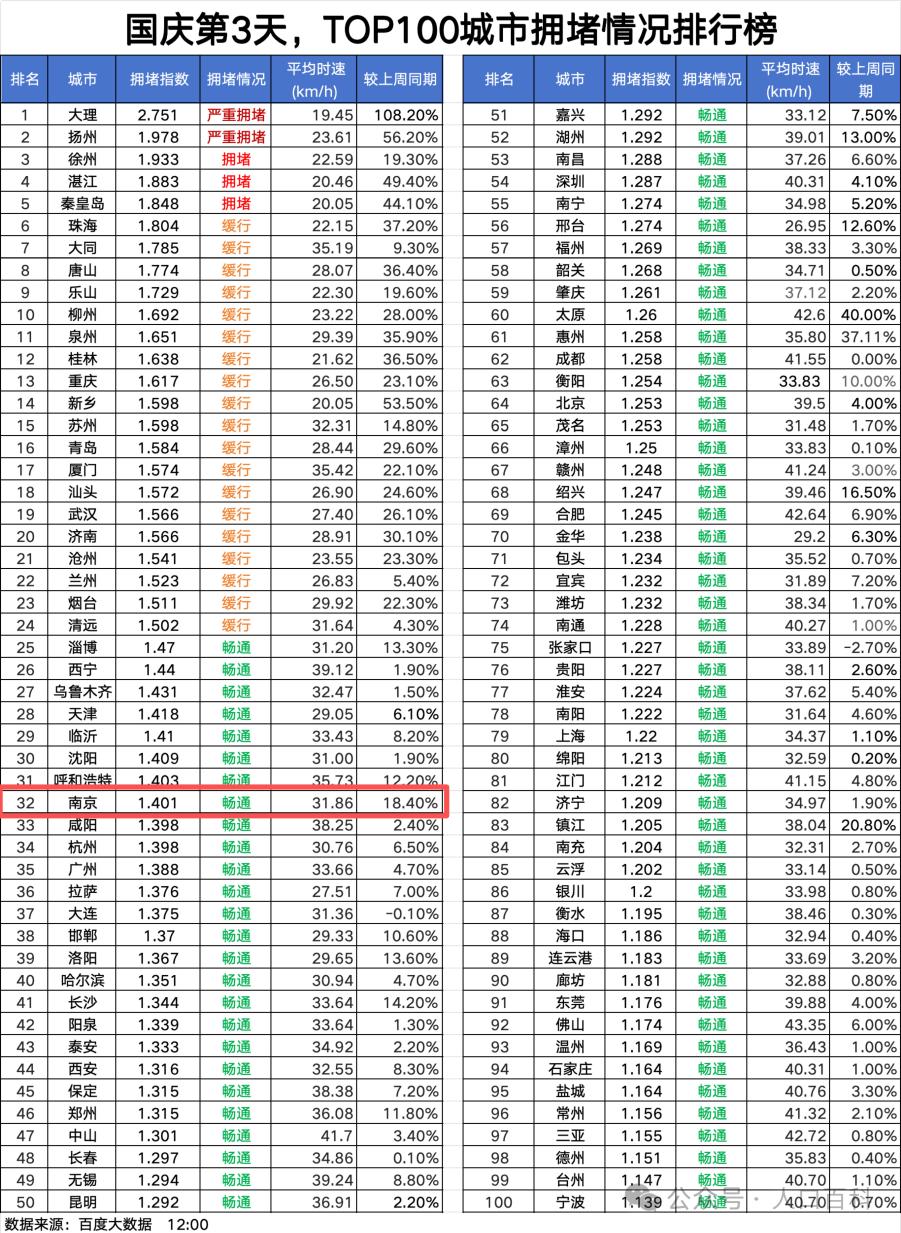
Source of image: The Internet
Certainly we cannot conclude that Nanjing is not a popular tourist city just based on a single ranking, but it raises a question for us: where did the tourists go?
The Tangshan area alone attracted 880,000 visitors, to which Hua Chenyu's 7 performances contributed a lot.
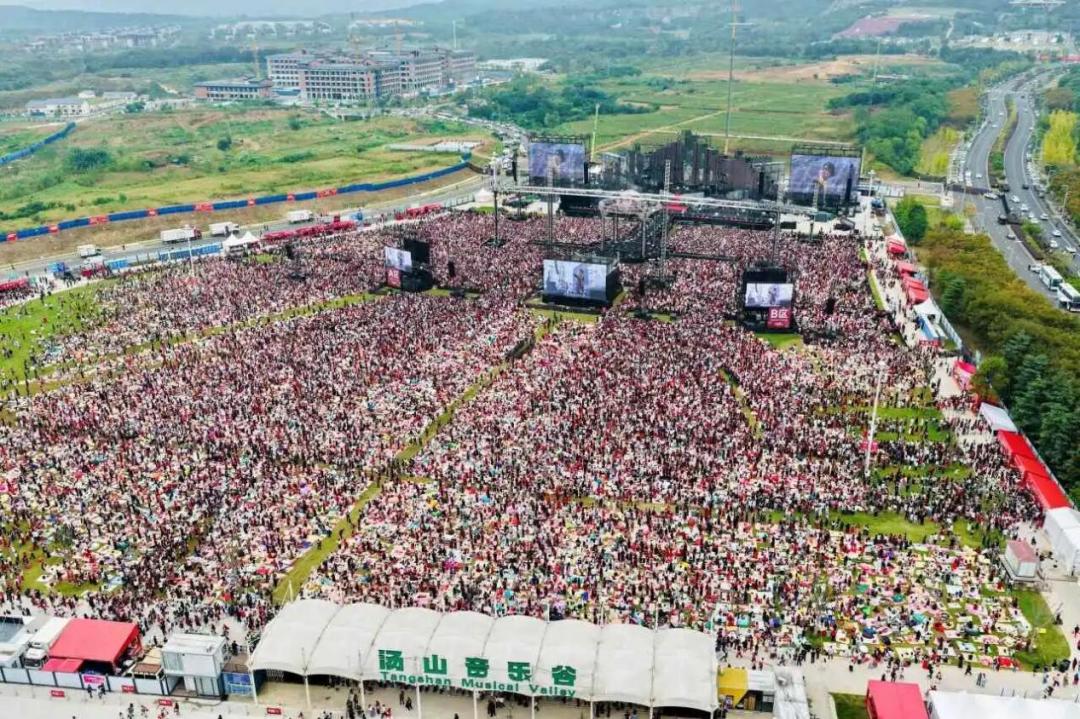
Source of image: Jiangning Release
In addition, there is another contradiction point: during this year's National Day holiday, the number of tourists in Nanjing increased by 5.2% on a daily basis compared with last year, but the per capita consumption dropped instead of rising, reaching about 611 yuan, which is more than half lower than the 1390 yuan of last year.
Although the statistical caliber of cultural tourism consumption was adjusted to a special standard in 2026, and the annual data cannot be directly compared with previous years, such a huge gap still sends out some signals to a certain extent.
Concerts, music festivals, large-scale performance activities mainly drive the growth of passenger flow, rather than the increase of per customer transaction.
Over 70% of the 17.956 million visitors in Nanjing are out-of-town tourists, but the "performance visiting" demand mainly drives the growth of visitor number and the extension of average length of stay, while the per capita spending is still slightly lower than that of traditional sightseeing tourists.
Some people may say: no matter what the purpose of the visitors is, since they have come to the city, they will more or less drive the local consumption.
That is true, but the Tangshan area around the concert venues reaped the largest dividend. During the performance period, the number of tourists in Tangshan area increased by 46.7% year on year, driving the total tourism revenue of the area to reach 280 million yuan, up 66.7% year on year.
All the surrounding accommodation formats such as Tangshan Hot Spring RV Camp were fully booked, with 100% occupancy for all rooms from October 1st to 6th.
If the hotel occupancy rate of a city or area is largely affected by a certain singer or a certain performance activity, such factor has relatively limited reference value for hotel investors.
02
After the concert ends
What is the normal occupancy level of Nanjing's hotels?
Hotel Management Finance believes that for Nanjing's hotel market, what deserves more attention may not be arguing about whether the concert brings a flash in the pan or long-term dividend, but another deeper issue.
What is the issue? The loss of provincial capital dividend.
There is a popular meme online: the 13 prefecture-level cities of "Decentralized Jiangsu" never submit to each other, and Nanjing, the dignified provincial capital of Jiangsu, is even teased by its peer cities in the province as a nominal "big brother" with too low presence.
After all, all the 13 prefecture-level cities in Jiangsu are outstanding with their own strengths, so Nanjing's commercial customer source does not take a far lead over other cities in the province like the provincial capitals in other provinces, and the siphon effect commonly seen in provincial capitals is not obvious in Nanjing and Jiangsu province.
Jokes aside, no matter how competitive the 13 peer cities are, the political and commercial advantage foundation of Nanjing as the provincial capital is unquestionable, which is also the most valuable part of Nanjing's hotel industry.
Take Huangpu Hotel for example, it has a mixed customer structure of "government affairs + business + tourism", with more than 30 government and scientific research institutions within 3 kilometers around. The government and business demand drives its occupancy rate and RevPAR to stay above the city's average level all year round, which is the bottom guarantee for Nanjing's hotel industry.
But this foundation is loosening now.
The office occupancy rate of the Asia-Pacific Business Tower of Jinling Hotel has dropped from 90% at its peak to around 80%; the overall office vacancy rate of Nanjing rose to 35.9% in the third quarter of this year, up 2.5 percentage points quarter on quarter. While the vacancy rate is rising, the rent has been falling all the time.
The office vacancy rate is a leading indicator of hotel business demand. Enterprises move out, travel budgets are cut, contracted customers are lost, and hotel business demand declines, which is not good news for the business segment of Nanjing's hotel industry.
Although Nanjing has gathered many luxury hotels and has certain competitiveness in the business sector, none of the cities in "Decentralized Jiangsu" submit to it, and the competitors nearby are even stronger.
Suzhou has far more five-star hotels than Nanjing, and now it has ushered in a centralized opening cycle of luxury hotels. The new entry of international luxury brands such as Mandarin Oriental, Capella, Waldorf Astoria and St. Regis makes Suzhou firmly rank among the top domestic luxury hotel markets.
From the perspective of the distribution of five-star brands, Suzhou has significantly more hotels in the two high grades of "Luxury" and "Upper Upscale" than Nanjing, which means that Suzhou's high-end hotel market not only has several top-notch properties, but also has a very solid overall reserve, which can provide richer choices for high-end customers with different preferences.
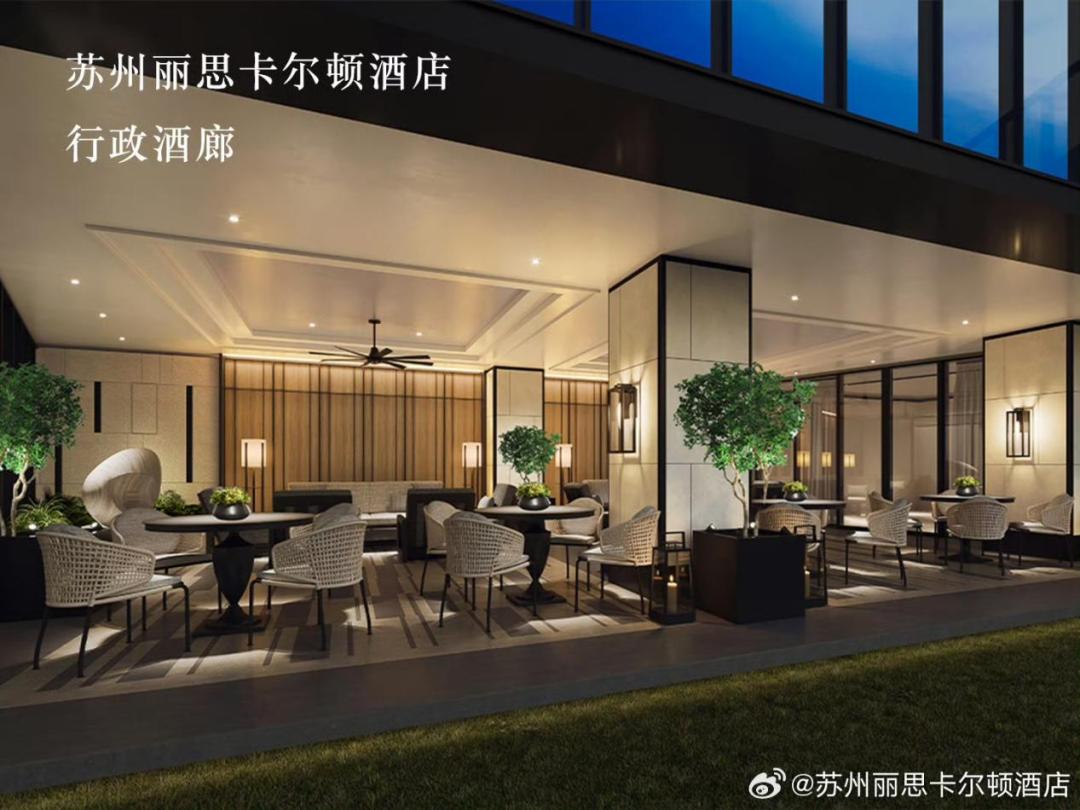
Source of image: The Ritz-Carlton Suzhou
This disadvantage of Nanjing can also be seen from the performance of Jinling Hotel.
As a representative benchmark of high-end hotels in Nanjing, Jinling Hotel's revenue has been under continuous pressure in recent years. The year-on-year change rates of its revenue from 2023 to 2025 are 29.66%, 1.95% and -2.55% respectively. Moreover, the company's gross profit margin has declined for 7 consecutive years, dropping all the way from 59.89% in 2018 to 24.11% in 2025.
Especially last year, against the background that Nanjing's cultural tourism market continued to boom and the number of domestic and foreign tourists after deduplication exceeded 200 million for the first time, Jinling Hotel still failed to get the revenue dividend, which indicates to a certain extent that the tourism increment has been diverted, and traditional high-end hotels can only maintain their basic market.
The high-end hotel market has been overtaken by others, and the total number of hotels is also at a disadvantage.
Now Jiangsu province has more than 40,000 hotels. In terms of distribution across cities, Nanjing, as the provincial capital, only accounts for about 10% of the total number of hotels in the whole province.
If we only look at the total number, the number of hotels in Nanjing is not even at the forefront of the province.
But the small number does not mean less intense competition, the competition is highly concentrated on the limited mid-to-high-end supply, not to mention that it also needs to undertake the rigid government and business demand of the provincial capital, so the competition intensity of individual hotels is even higher, which puts stricter requirements on investors' site selection, positioning and operation capabilities.
The high-end hotel market is suppressed by Suzhou, and the mid-end market is also facing fierce competition with other cities in the province. What should the middle tier of Nanjing's hotel market look like?
03
Where is the "gap" in Nanjing's hotel market?
Of course, the market is not monolithic, and there are also opening "gaps" in Nanjing's hotel market.
Jinling Hotel has an unshakable dominant position in Nanjing's high-end hotel market for many years, and it is a landmark in the eyes of Jiangsu people. At present, Jinling Hotel's VIP members have exceeded 21.26 million, with deeply intertwined government and business resources, so it is very difficult for market-oriented brands to cut into this market.
But Nanjing Commercial Travel is prying this rigid market.
Last year, Nanjing Commercial Travel issued an announcement that in order to further deepen the layout of its hotel segment and strengthen hotel operation and management capabilities, it plans to invest 60 million yuan of its own funds to establish a wholly-owned subsidiary named Nanjing Tourism Hotel Management Co., Ltd.
Previously, Nanjing Tourism Group and its subsidiaries entrusted 7 of their hotels (catering) businesses or equity to the listed company for management, which will naturally be included in the business scope of Nanjing Tourism Hotel Management later.
Industry experts pointed out that Nanjing Commercial Travel's biggest advantage resource at present is that it is backed by Nanjing Tourism Group, the largest tourism group in Jiangsu province, which owns the national 5A-level scenic spot resource of "Confucius Temple - Qinhuai River Scenic Belt".
At the end of last year, Nanjing announced that Nanjing Tourism Group is merging the Cultural Investment Group and the Sports Industry Group, to build a comprehensive operation main platform for culture, tourism, sports and commerce in Nanjing.
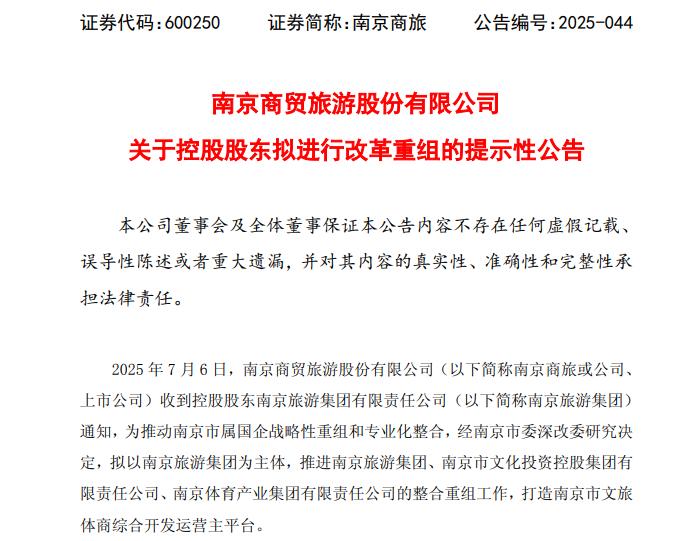
Source of image: The Internet
What does this mean? Nanjing Commercial Travel may hold a large number of hotel assets in the future, but its own short board is exactly "no strong high-end brand". For market-oriented hotel brands, this is undoubtedly the best window to cut into Nanjing's high-end government and business customer source.
If the plan proceeds smoothly, Jinling Hotel's leading position in the government reception market may be impacted, and changes and loosening may also appear in Nanjing's high-end hotel market in the future.
From another perspective, what Jinling Hotel cannot do is exactly the opportunity for other brands.
Jinling Hotel's goal is to become "the No.1 brand hotel for government and business services in Jiangsu", and it focuses on serving government and business customers rather than cultural tourism customers.
But this increment has not been fully undertaken for Nanjing's hotel industry. For hotel investors, if they choose sites around cultural and museum venues combined with the booming cultural tourism trend, and integrate related cultural elements into their products, it may be more effective than simply betting on a single performance event.
Cultural tourism customers and business customers are two completely different groups. One queues for two hours at the Nanjing Museum, the other stays in the meeting room for a whole day, and there is almost no overlap in their demands for hotels.
This is why Jinling Hotel's main hotel business failed to get the revenue dividend while Nanjing's tourism volume increased significantly.
Nanjing is a city of museums and a capital of literature. Cultural and museum venues received 1.425 million visitors during the National Day holiday, and there are more than 150 museums of various types across the city. But what about the corresponding supply of cultural and museum themed hotels?