Chinese carmakers are staging a counteroffensive against the core stronghold of German auto brands, with domestic Chinese brands accounting for 30% of all exhibitors at the Paris Motor Show, and the CEO of Volkswagen has promptly called for joining forces to meet the challenge.
A fleet of Chinese automakers have marched in full force to the doorstep of German car brands.
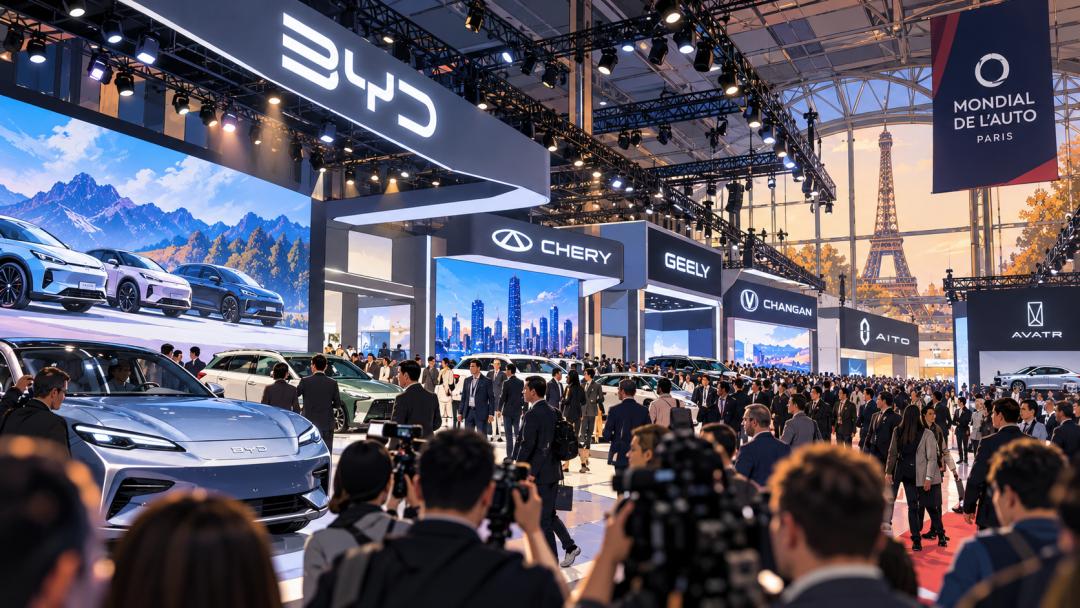
The just-opened 2026 Paris Motor Show has seen BYD, Chery, Geely, Changan, Li Auto, AITO, AVATR... Chinese automakers making their appearances with pure electric, plug-in hybrid and high-end intelligent vehicles. The number of exhibiting Chinese brands even accounts for 30% of all passenger car brands at the Paris Motor Show, marking an unprecedentedly strong lineup.
On the other side, however, BMW, MINI and Porsche, the long-established giants of the German automotive industry, are absent from this year's Paris Motor Show.
20 years ago, this scene would have been almost unimaginable.
The 2006 Paris Motor Show was the first time that Chinese automakers made their debut, with only Great Wall and Landwind crossing the ocean with several SUVs and pickup trucks, painstakingly exploring the path to enter the European market.
At that time, the European automotive industry had a history of more than 100 years, with Mercedes-Benz, BMW, Volkswagen and Porsche renowned worldwide. Chinese independent brands were still in their infancy, lagging behind in technology, manufacturing and branding across all areas.
When the person in charge of Great Wall talked about the purpose of participating in the exhibition, he mentioned the key words of identifying gaps, learning standards and finding partners, and regarded entering the EU as a long-cherished wish for many years. Although Landwind drove its SUV into the Paris exhibition hall, it still faced problems such as certification and failed to smoothly open up the French market for a long time.
Even if the car could drive into the exhibition hall, there was still a long way to go before it could reach the garages of European consumers.
Unexpectedly, 20 years later, Chinese automakers, who tried every means to get an admission ticket back then, have now become the protagonists of the Paris Motor Show, and it is the turn of the established giants to meet the challenge in their traditional home market.
The offensive and defensive momentum of the century-old automotive industry has already shifted.
Chinese automakers head to Paris in groups
At this year's Paris Motor Show, Chinese participants are exceptionally dense.
Veteran players including BYD, Chery, Geely and Changan all made their appearances, and new players such as Li Auto, AITO and AVATR also joined the ranks.
According to statistics from Reuters, about 20 Chinese automotive brands participated in this exhibition, twice the number in 2024, accounting for about one third of the 60 exhibiting passenger car brands.
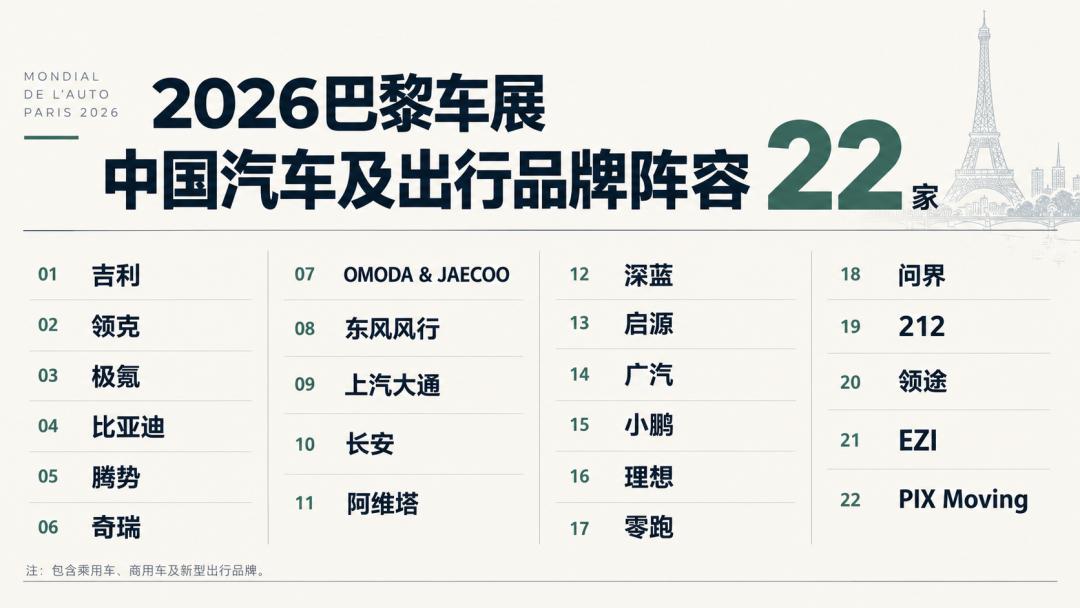
Moreover, this group of Chinese automakers heading to Paris is obviously not satisfied with just displaying a few new cars.
Brands that have been operating in Europe for many years, such as BYD and Chery, are accelerating the expansion of their sales networks and enriching their product portfolios.
Some other Chinese brands are taking this exhibition as an opportunity to further advance their European layout. For example, Changan plans to launch local production in Europe as early as early 2027. Li Auto and AITO, which are participating in the Paris Motor Show for the first time, also announced their respective European plans during the exhibition.
On the first day of the exhibition, Li Auto announced at its European strategy launch event that it will introduce the Li Auto i6 to Europe under the name Li 6, which will be first launched and delivered in the Netherlands and Norway in the first quarter of 2027, then gradually expand to other countries, and plans to introduce range-extended models in the future.
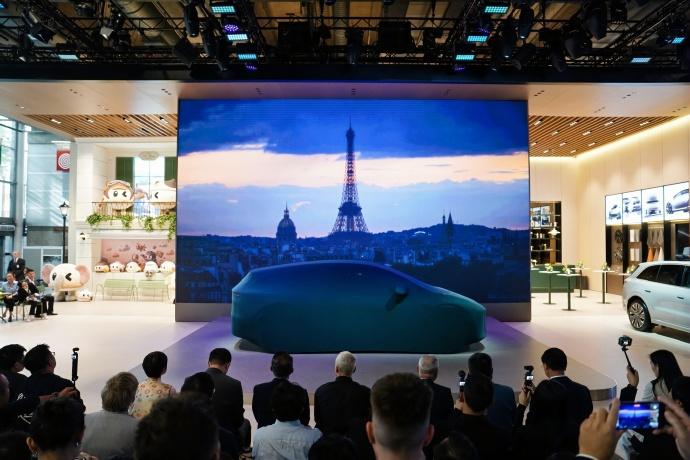
Li Auto also plans to bring its high-end positioning established in China to Europe. Wu Zuoming, head of Li Auto's international business, said that he hopes to continue the Premium positioning in the Chinese market and directly compete with high-end European automotive brands.
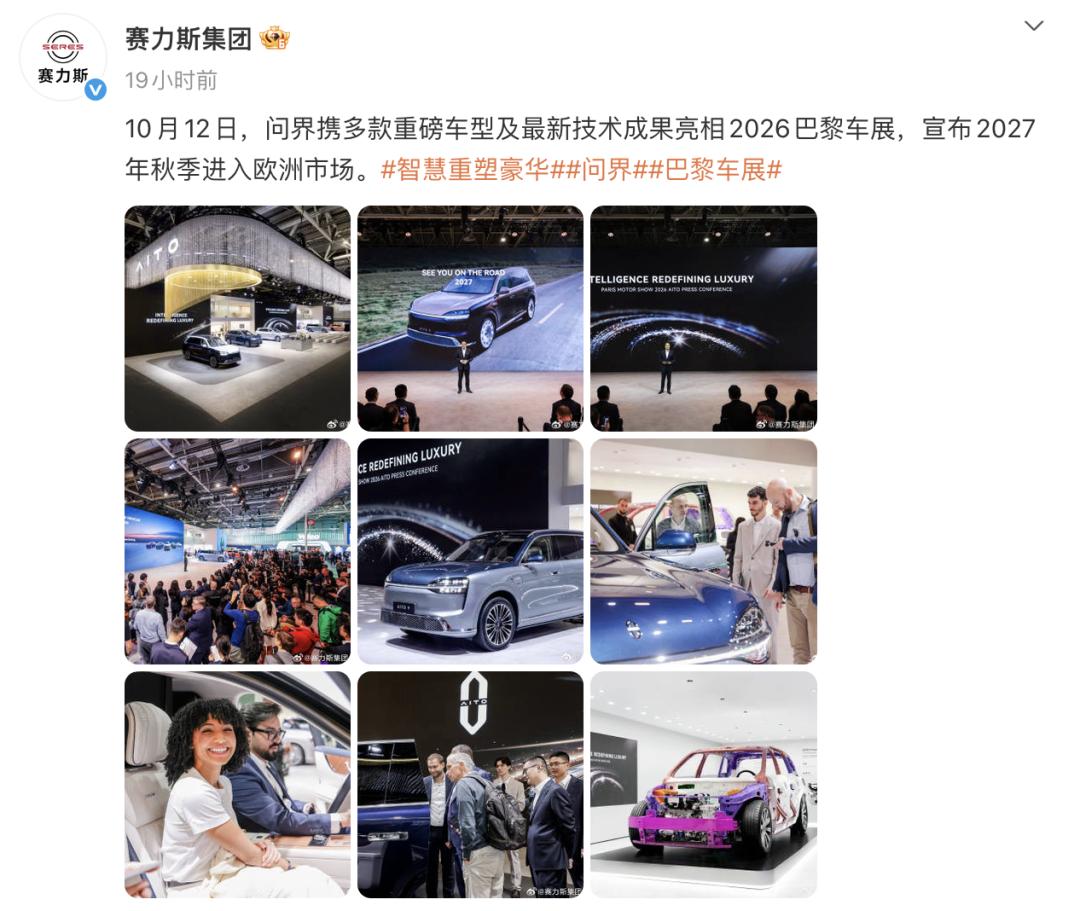
At almost the same time, Seres also announced that AITO will enter the European market in autumn 2027, and has already started the EU whole vehicle type certification work. At this Paris Motor Show, AITO brought four SUV models, AITO 6, 7, 8 and 9, and also plans to enter Europe with high-end intelligent vehicles.
The other side of the bustle is absence – BMW, MINI and Porsche are not present at the exhibition hall close to their home turf.
In particular, BMW, which had originally confirmed its participation, temporarily cancelled the plan in July this year. It is reported that due to lower-than-expected global financial performance, the company adjusted its business priorities and concentrated resources on other forms of activities.
However, the financially powerful Volkswagen Group reappeared at the Paris Motor Show after an 8-year absence.
Volkswagen also held an event called "For Europe" specially before the opening. Group CEO Oliver Blume publicly called on the spot that France and Germany should strengthen cooperation to jointly meet the challenges from China's automotive industry.
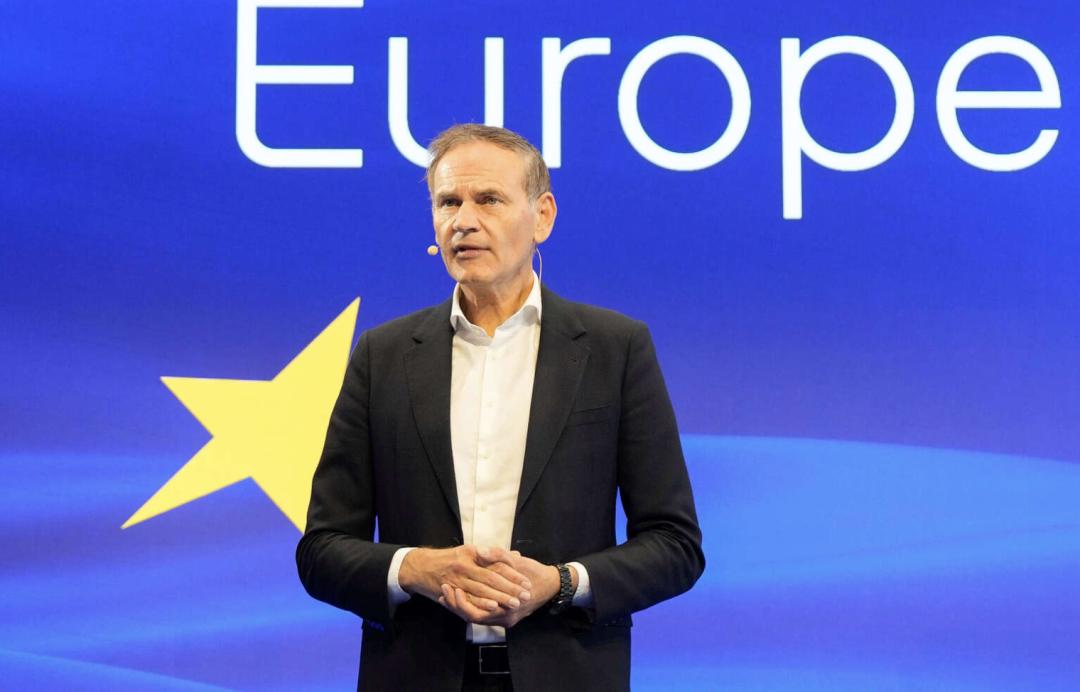
In his view, Germany and France once joined hands to find solutions at critical moments. Now, facing the competitive pressure brought by Chinese automobiles, "it is not too late to act now".
Facing the large-scale entry of Chinese brands, European automakers have responded differently: BMW and Porsche are absent, while Volkswagen has returned in a high-profile manner, calling on Europe to join forces to meet the challenge.
With different postures, the pressure comes from the same direction.
The advance and retreat on the exhibition stand is only a section of the changes in the automotive industry.
The real shift of offensive and defensive positions has already taken place in the two automotive markets of China and Europe.
German automakers under pressure in China, Chinese automobiles rise in Europe
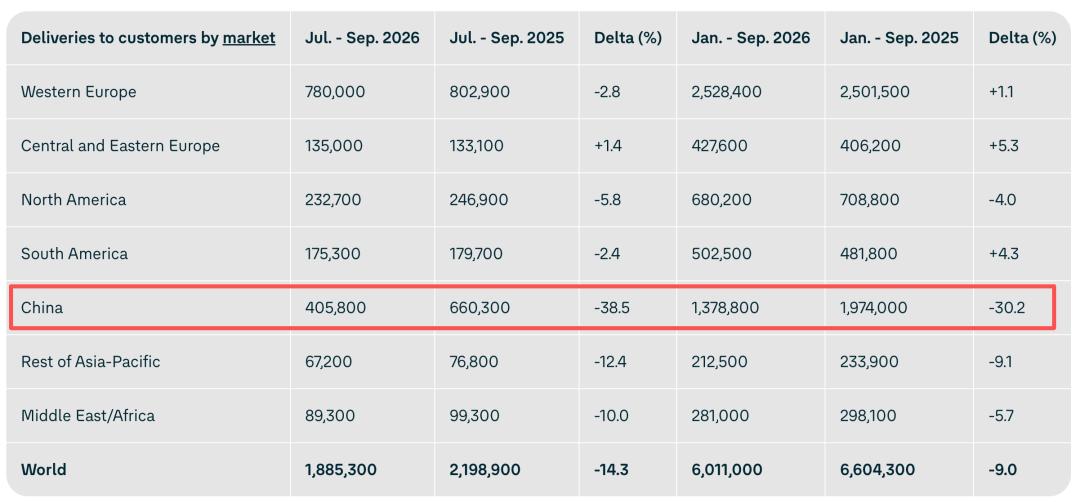
Just on the opening day of the Paris Motor Show, the Volkswagen Group released its latest performance report for the first three quarters of this year —
Cumulative deliveries in the Chinese market reached about 13.79 million units, down 30.2% year on year. Among them, the decline further expanded to 38.5% in the third quarter.
The situation of Mercedes-Benz and Porsche is also not optimistic. In the first three quarters of this year, Mercedes-Benz's passenger car sales in China were about 297,000 units, down 29% year on year; Porsche delivered 21,493 units in China in the same period, down 33% year on year.
This trend is completely different from that more than a decade ago.
China was once one of the most important growth markets for the German automotive industry. Volkswagen, relying on joint ventures and rich product portfolios, has long occupied an important position in the Chinese automotive market; BBA, relying on brand accumulation, mechanical performance and luxury experience, dominated the high-end automotive market.
German automobiles have also profoundly influenced the development of China's automotive industry.
From early joint ventures and technology introduction to the accumulation of engine, gearbox and chassis technologies, Chinese automakers have long taken international giants as their teachers.
However, new energy vehicles have rewritten the original competition order, and power batteries, electric drives, intelligent cockpits and software experience have become the new evaluation criteria.
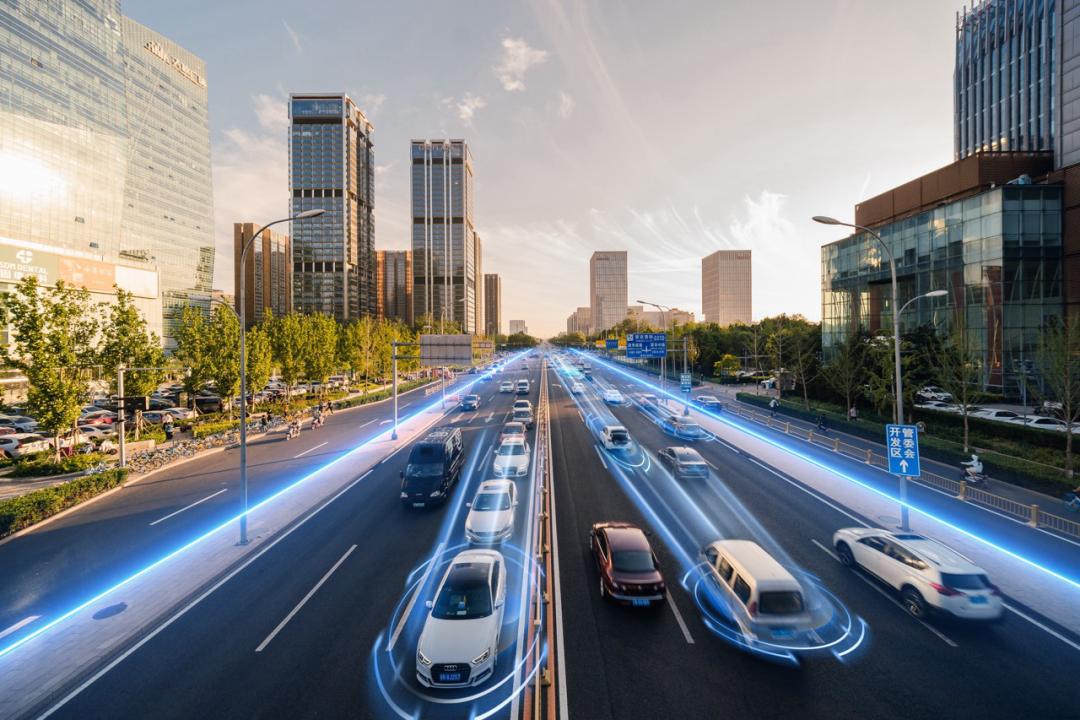
The complete industrial chain built by Chinese automakers through years of investment, coupled with the speed and cost control capabilities honed by fierce domestic competition, has established a firm foothold in the new track.
Now, these capabilities are also flowing to Europe along with vehicle exports.
Data from German automotive consulting firm Schmidt Automotive Research shows that in the second quarter of this year, new car registrations of Chinese automakers in 18 Western European markets reached about 352,000 units, with a market share of 10.7%, almost twice the 5.7% in the same period last year.
At the same time, the market share of Chinese automakers in Western Europe has for the first time been roughly on a par with that of Japanese automakers.
It should be noted that Japanese automakers began to enter the European market on a large scale in the 1970s, and spent decades building local factories, sales channels and brand awareness. It has only been 20 years since Great Wall and Landwind first landed at the Paris Motor Show, and Chinese brands have now caught up with the market share of this camp.
Even in Germany itself, the presence of Chinese automobiles is rising rapidly.
Data from market research firm Dataforce shows that in August this year, the share of Chinese automotive brands in the European new car market was close to 12%, hitting a record high; in Germany, Europe's largest automotive market, the share of Chinese brands also reached 6.4%.
Germany is exactly the home base of traditional giants such as Volkswagen, Mercedes-Benz and BMW.
Not only are Chinese automobiles entering Europe, but Chinese technology and manufacturing are also integrating into the European manufacturing system.
For example, Volkswagen, which has always been known for its German engineering system, has now cooperated with XPeng Motors to develop new cars and electrical and electronic architectures, hoping to speed up the launch of new energy vehicle products with the help of China's local R&D capabilities.
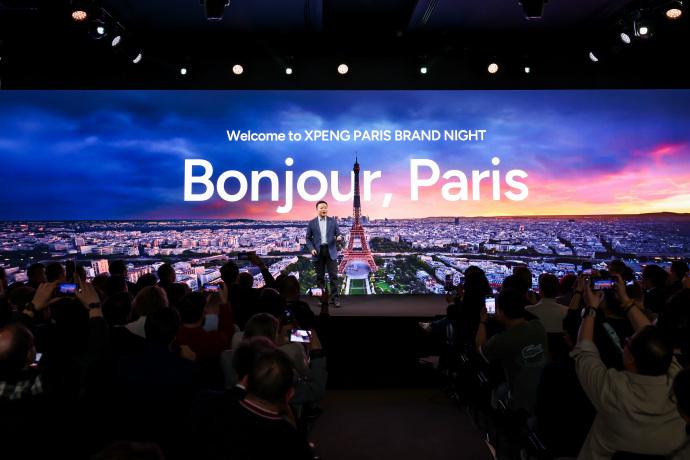
Similar cooperation has also begun to appear in European factories. Leapmotor announced at this year's Paris Motor Show that the Leapmotor B10 pure electric SUV has officially started production at the Zaragoza plant in Spain.
This plant belongs to the European automotive giant Stellantis, and it is also a long-established manufacturing base of the German brand Opel, having produced a total of more than 10 million Opel Corsa units.
Earlier in May this year, Stellantis and Leapmotor also announced their intention to further deepen cooperation, and planned to study the production of a new Opel pure electric SUV in Zaragoza.
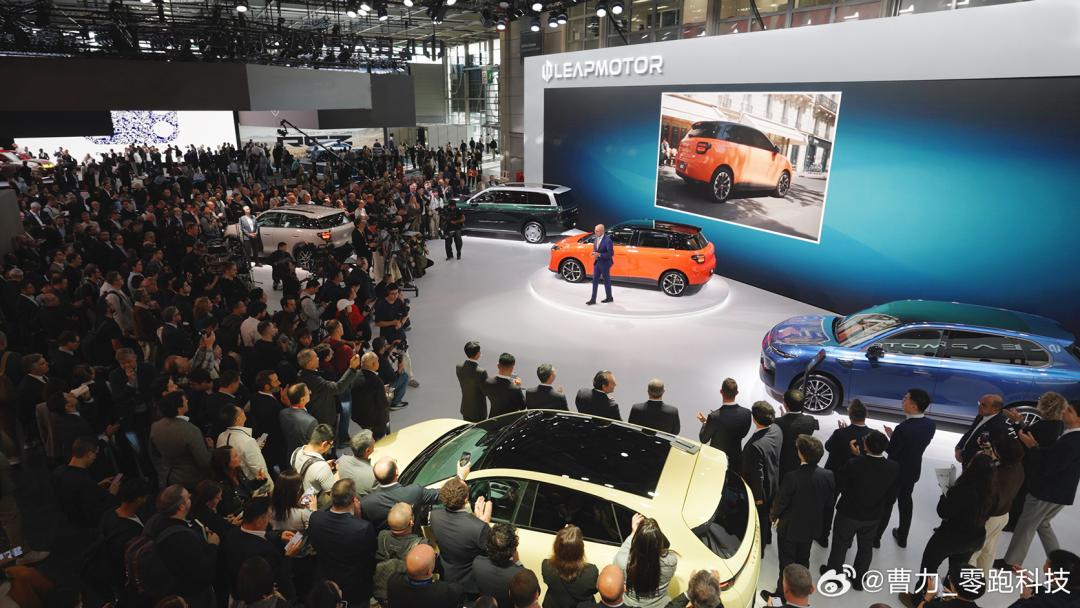
According to the announced cooperation direction, the new car will use the components and procurement resources provided by Leapmotor's international cooperation system to improve price competitiveness, with a potential production start time of 2028.
In other words, a German automotive brand with a history of more than 100 years is considering using China's new energy vehicle supply chain to develop next-generation electric products.
The relationship between Chinese and European automotive OEMs is changing. The one-way catch-up in the past is turning into mutual cooperation and competition, and even a reversal of roles.
However, while cooperating, in the face of this increasingly in-depth competition, Europe is also trying to slow down the pace of expansion of Chinese automobiles.
Europe sets new thresholds, Chinese automobiles enter the market via detours
On the eve of the exhibition opening, Europe has already taken action against Chinese plug-in hybrid vehicles.
The European side said that it will limit the annual import quota of Chinese plug-in hybrid vehicles to Europe to 350,000 units, with an annual growth of 6% thereafter, and this restriction is planned to last for four years.
According to the European estimate, if no new restrictions are taken, the import of plug-in hybrid vehicles from China this year may reach 800,000 units. Taking this expectation as a reference, the new quota will significantly compress the future growth space of Chinese plug-in hybrid vehicles.
The Chinese Ministry of Commerce soon released another set of data: the EU imported 302,000 plug-in hybrid vehicles from China in 2025, and the two sides made upward arrangements based on the actual import scale of last year