Hike today, fish tomorrow: What on earth makes Columbia such a huge hit in the outdoor industry?
Where a person spends their spare time often hides their most genuine expectation for life. Nowadays, outside the fast-paced work, more and more people choose to devote their time to nature, and look for another possibility along the mountain scenery and exploration steps. Actor Jiang Qiming is one of them.
New things in the mountains and wilds always arouse his curiosity. Looking through Jiang Qiming's public updates in the past two years, outdoor activities and sports have long been his daily routine. Every time he walks into a new landscape, the scenery along the way and unexpected discoveries make him full of interest.
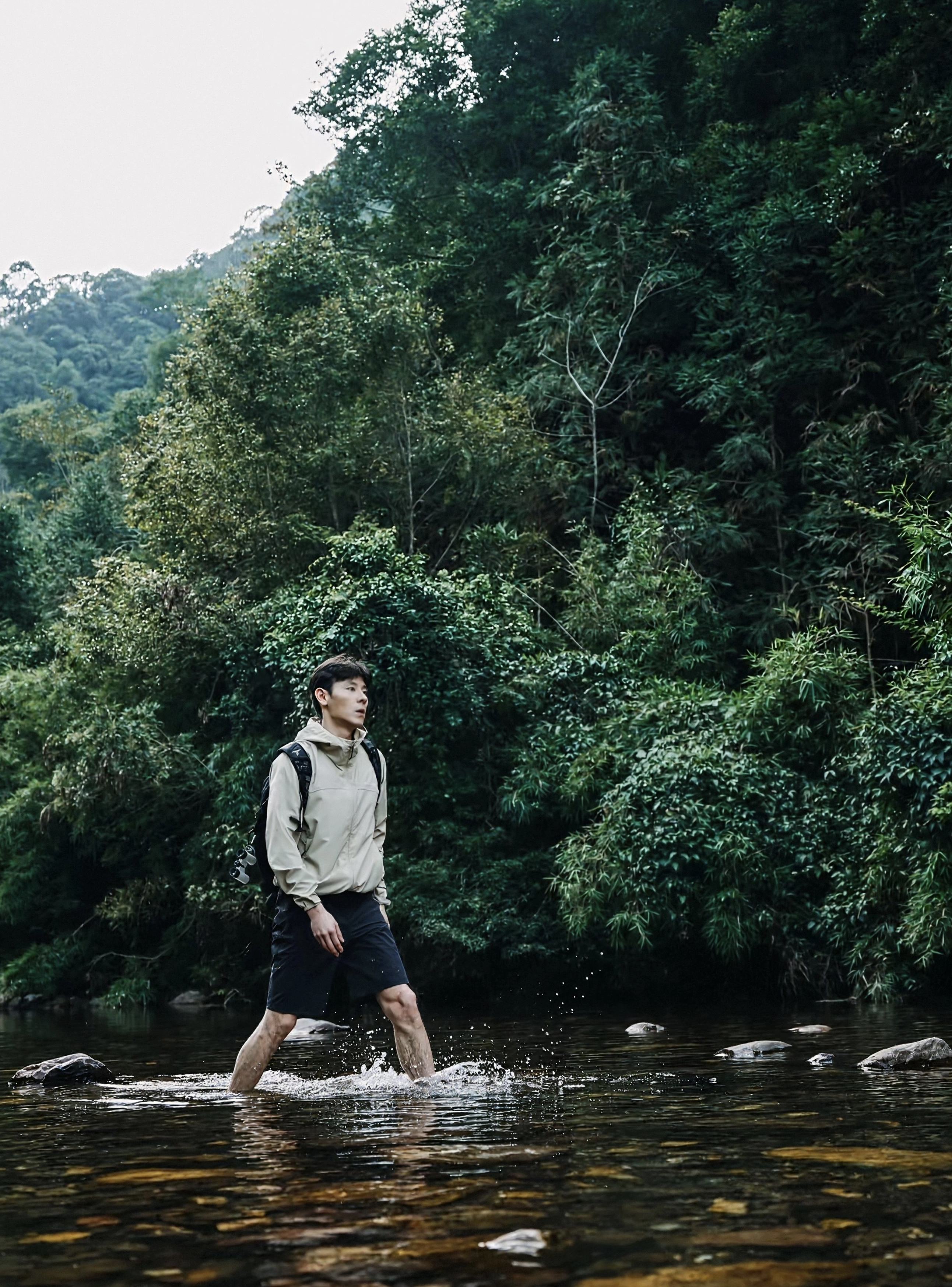
Source: @Jiang Qiming
Zhang Liang, who is well known to the public through "Where Are We Going, Dad?", is another type of outdoor player. As a senior angler, photos of fishing rods, catches and various waters can be seen everywhere on his social platforms. But fishing is not the whole of his outdoor life, and mountain climbing, camping and cycling are also on his interest list.
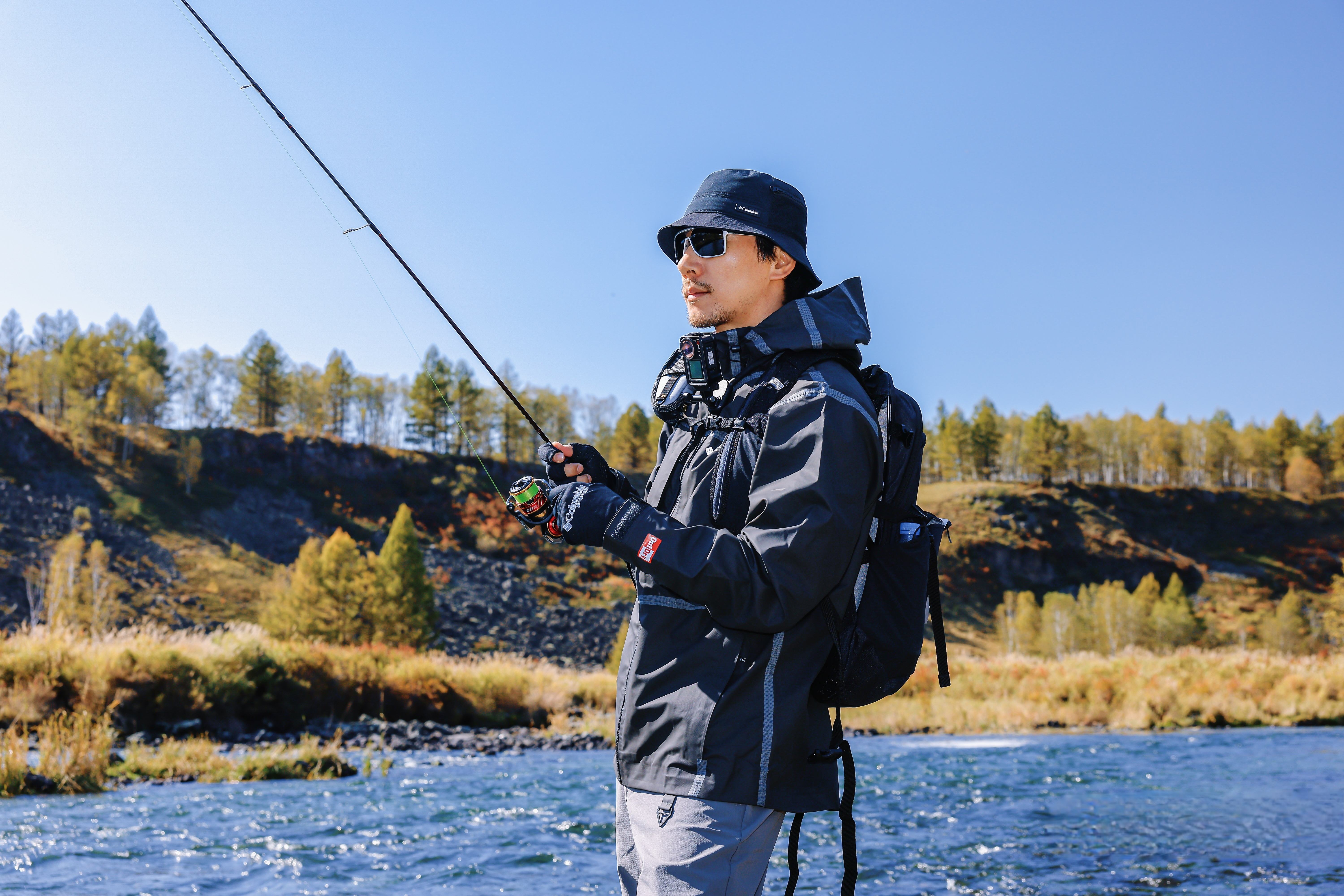
(Source: @Zhang Liang)
One prefers mountains and wilds, the other often goes to waters, their interests have different priorities, but neither of them confines themselves to a certain way of playing.
In September this year, the outdoor tracks of the two intersected in Arxan, Inner Mongolia.
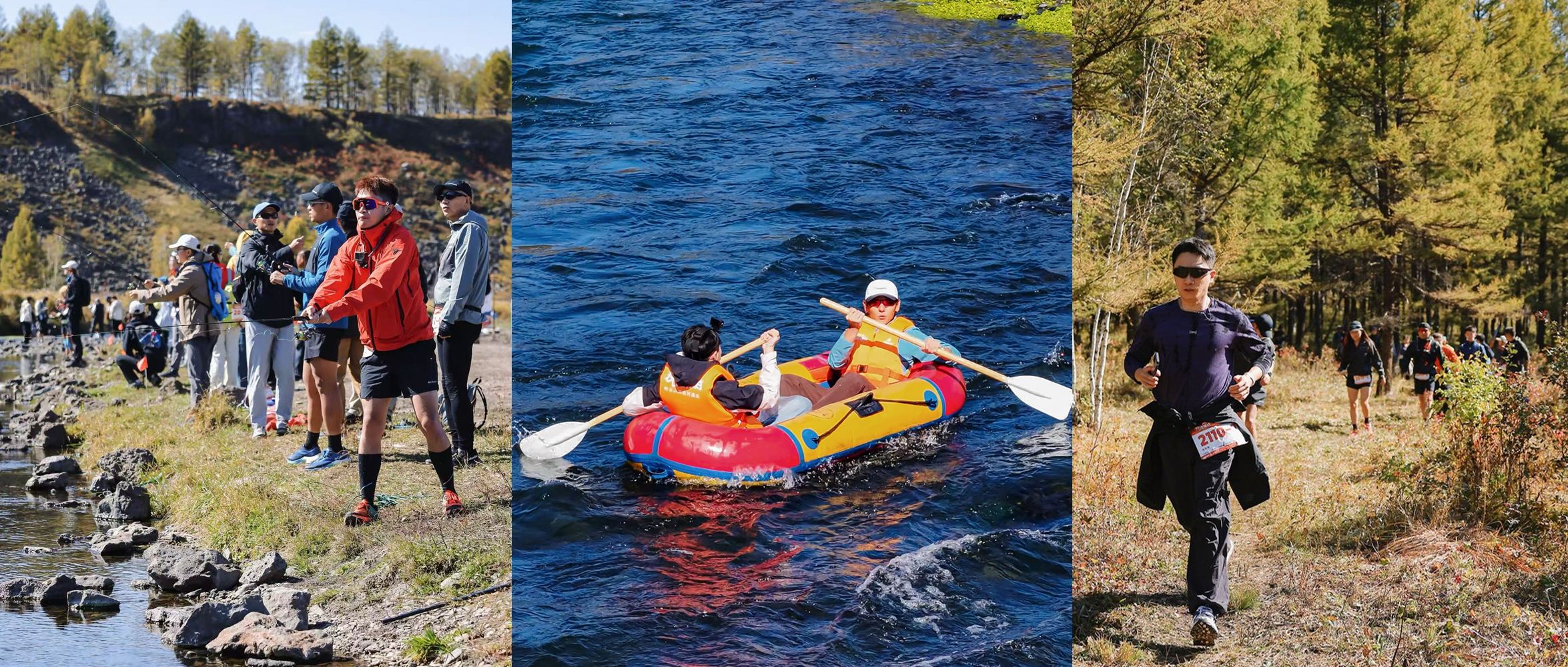
In the same outdoor activity, they and their teammates successively experienced fast forest trekking, river rafting and shallow water exploratory fishing. From mountains to waters, sports that originally belonged to different categories were condensed into the itinerary of the same day.
This picture also provides an entry point for observing the current outdoor consumption.
In the past, when talking about outdoor sports, people used to divide different interest groups by projects such as hiking, cycling and fishing. Nowadays, these sports still have their own professional thresholds, but players' interests do not necessarily stay in only one circle. Hiking enthusiasts may turn to challenge cross-country running, and people who cycle all year round may also start to study camping and lure fishing. One sport opens the door to interests, and new ways of playing bring more reasons for attempts.
Outdoor sports are still constantly subdivided, but consumers' interests are becoming more and more diverse. Rather than defining themselves by a certain project, people are more willing to find fun between different sports and different scenarios.
From "Going Outdoors" to "Playing Outdoors in Various Ways"
In previous years, the most intuitive change in China's outdoor market was the rapid expansion of participants.
Data from the General Administration of Sport of China shows that as of early April 2025, the number of outdoor sports participants nationwide has exceeded 400 million. The report jointly released by Beijing Sport University, Meituan Research Institute and other institutions further shows that in 2025, the number of outdoor sports consumption trips nationwide exceeded 800 million, and the total consumption exceeded 1 trillion yuan.
There is no doubt that the outdoor sector has grown into a considerable consumption market. However, the number of participants and scale can only outline the outline of expansion. After hundreds of millions of people go outdoors, how they play, how they arrange their lives, and what new demands have been generated are more worthy of in-depth exploration than repeatedly emphasizing how hot the market is.
For this question, the "2026 Dewu Outdoor Youth Consumption Interpretation" jointly released by Dewu App and Euromonitor International in September gives some clues: the survey covered 2528 outdoor sports consumers, 83% of the respondents participated in more than two outdoor sports at the same time, and more than 60% of the respondents would use time such as weekday evenings and weekends to participate in outdoor activities.
These data reflect a feature of the current outdoor market: outdoor activities are increasingly integrated into daily life, and players' interests are becoming more diverse.
Maybe today you are still challenging the physical limit on the ridge, and the next weekend, you are willing to sit by the water and spend a few hours waiting for the fish to bite the hook. The rhythm of fast and slow is all part of the same person's life. There is no unified advanced route for the extension of interests. Some people start with camping, and gradually fall in love with hiking and cycling; there are also experienced cross-country runners who, in addition to pursuing speed and results, also enjoy the time of lure fishing.
Behind this is a clear trend: sports events are still subdivided, but players' interests are increasingly cross-border. Cross-country running, mountaineering, and fishing all have professional thresholds, but for consumers, participating in several sports at the same time is not contradictory. A person's outdoor experience can hardly be summarized by a single project anymore.
The expansion of people's boundaries of interest in the outdoors is also changing the way they choose equipment. According to the Dewu report, 59% of the outdoor sports searches on the platform are driven by "scene keywords". Searches such as "Wugong Mountain hiking outfits" reflect that consumers are paying more and more attention to the matching between equipment and usage scenarios: first figure out where to go and how to play, then choose equipment according to the destination, weather and activity intensity. Compared with simply comparing parameters, real travel needs are becoming an important basis for purchasing.
The market is growing, and the demand is becoming more detailed. When walking into the mountains and wilds, some people pursue professional performance in high-intensity sports, some pay more attention to easy and comfortable wearing, and some hope that one piece of equipment can take into account both urban life and weekend hiking. With multiple demands coexisting, brands must not only meet the professional requirements of different projects, but also pay attention to the problems encountered by consumers when switching between scenarios.
This change also puts forward more complex test questions for brands.
In the past, dividing people by projects such as hiking, cycling, and fishing could indeed help brands identify different needs. But when one person has multiple interests, only focusing on a certain performance is no longer enough. Why people choose this sport, what kind of experience they want to get from it, and what difficulties they encounter when participating, are all worthy of further understanding by brands.
For outdoor brands, professional equipment is still the foundation of competition, but consumers' demands have extended to links beyond products.
A playful brand and an "unpredictable" party
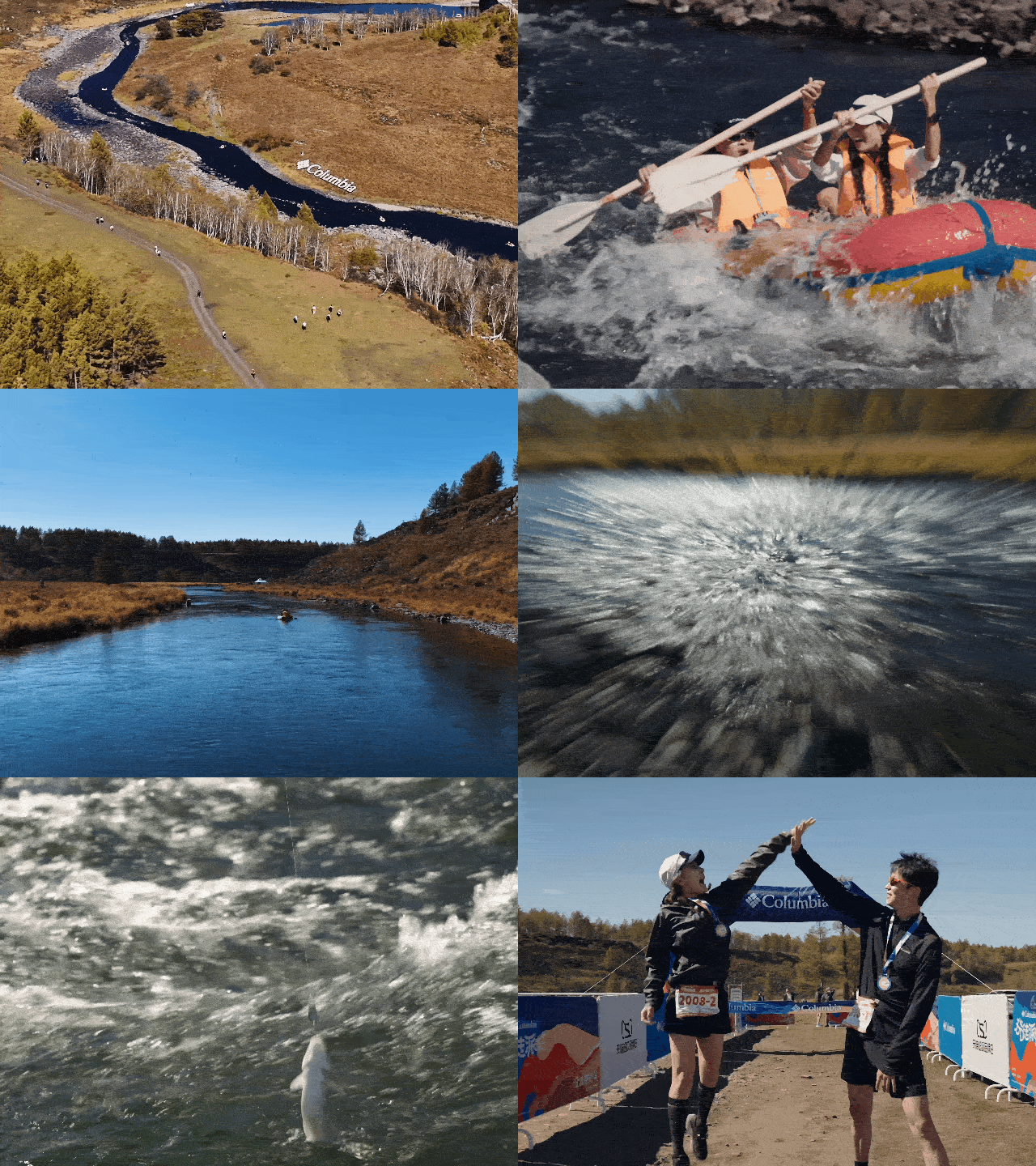
In Arxan, players who were racing in the mountains, paddling in the river, and fishing on the shallow beach during the day gathered on the grass in the evening. After a day of physical challenges, Jiang Qiming, Zhang Liang and others sat around, talking about the episodes and accidents encountered on the way.
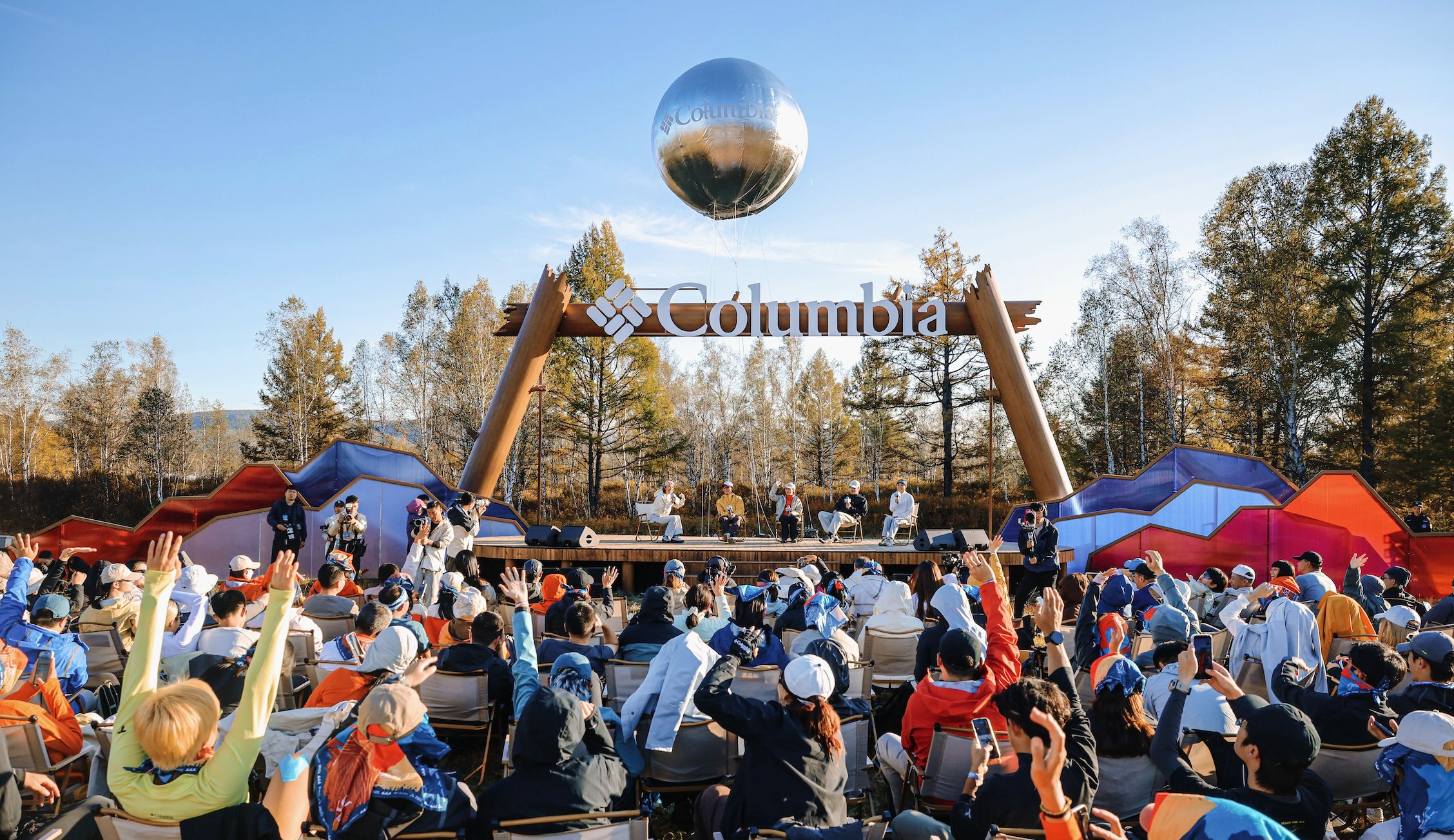
This is the scene of Columbia's third consecutive "Play Hiker Party".
Compared with competitions that only focus on competitive results, the Play Hiker Party is more like a gathering for outdoor people themselves. Some are keen on challenges, some enjoy traveling with others, and some find new interests in communication. Players with different experiences and interests get together, and the originally relatively independent sports circles also have more opportunities for communication.
Long before the rise of China's outdoor boom, Columbia was trying to eliminate the threshold of outdoor activities: outdoor activities do not necessarily equal hardcore heavy equipment, and ordinary people can easily step into the mountains. The Play Hiker Party is a mountain test that puts this idea into practice.
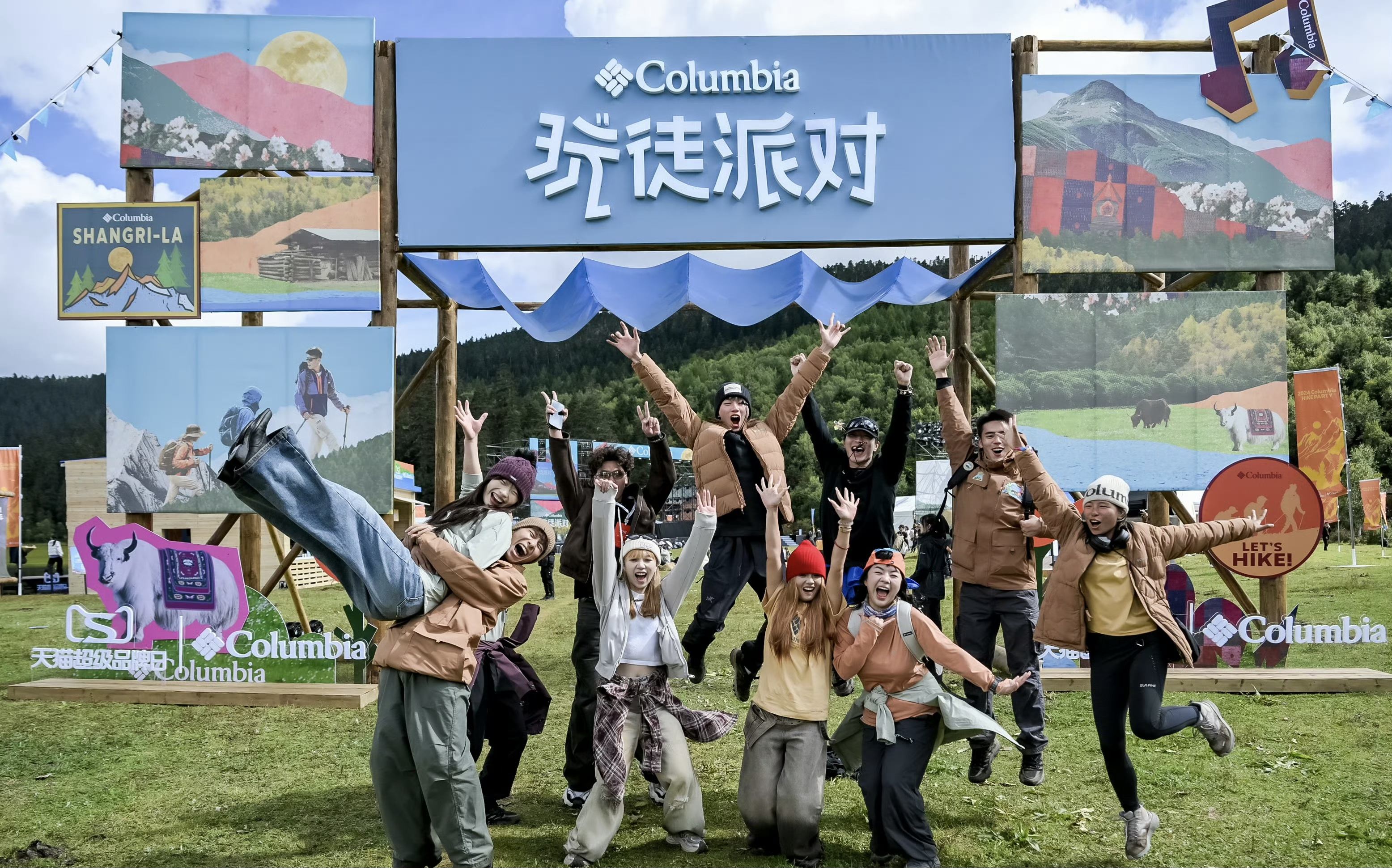
In 2024, the first Play Hiker Party was held in Shangri-La, integrating hiking, music and social interaction, conveying a simple outdoor logic: going into nature does not require complex plans, walking mountain paths with friends and listening to music is the beginning of contacting the outdoors.
In 2025, the event moved to Chongli. Cross-country running and team orientation were added, allowing participants to step out of the familiar hiking routes and find fun in new sports.
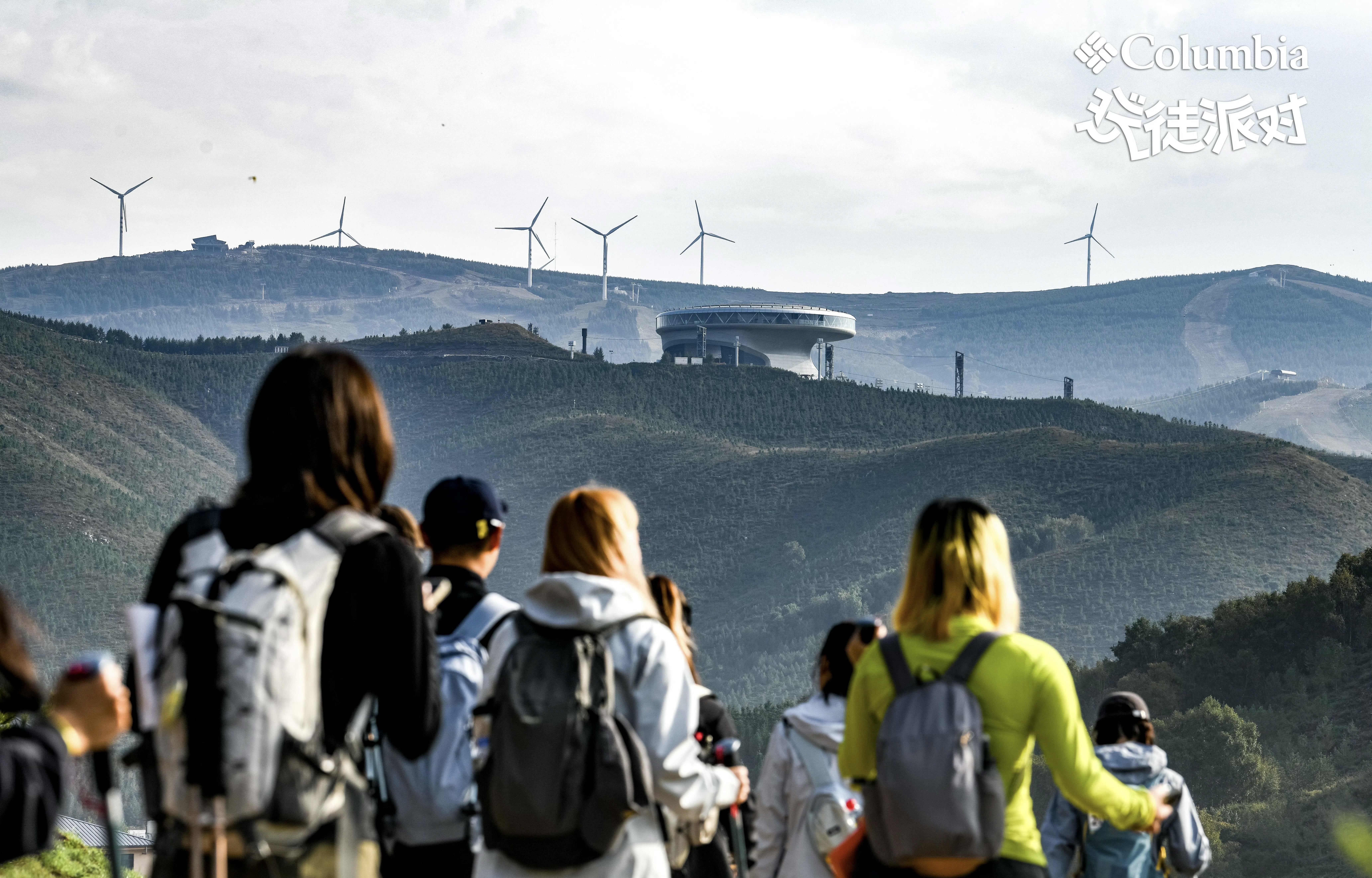
By 2026 in Arxan, the core of the event has taken a further step forward: no longer pursuing everything under control, "unpredictable is more fun", and openly accepting those unexpected accidents in the mountains beyond the plan.
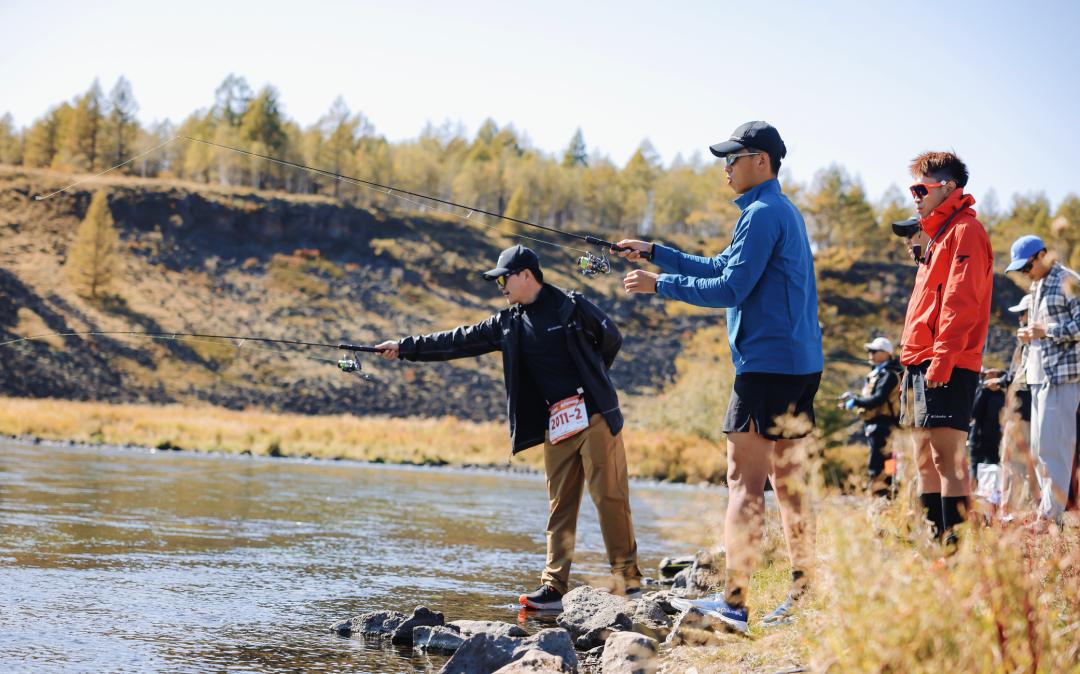
For the first time, Columbia put fast forest trekking, river rafting and lure exploratory fishing into the same two-person team competition. It did not polish this event into a professional competition that pursues the speed of finishing the race, but retained the original appearance of the mountains, did not set strict professional thresholds, players of different foundations can team up, and everyone does not need to have high-level outdoor skills to immerse themselves in the whole schedule. Participants need to switch between different projects and face various variables in the real natural environment: weather, water conditions, cooperation between teammates, even whether the fish bites the hook may change the plan. Compared with completing a challenge step by step, these unpredictable experiences are exactly the unique fun of outdoor sports.
Looking back at the three sessions of the Play Hiker Party, the location, gameplay and theme are changing: from encouraging everyone to go into nature, to trying more projects, and then incorporating the unknown and surprises in real nature into the experience. What remains unchanged is that it always responds to different people's expectations for the outdoors, expands the boundary of outdoor participation, and allows more people to find a way to enjoy the outdoors.
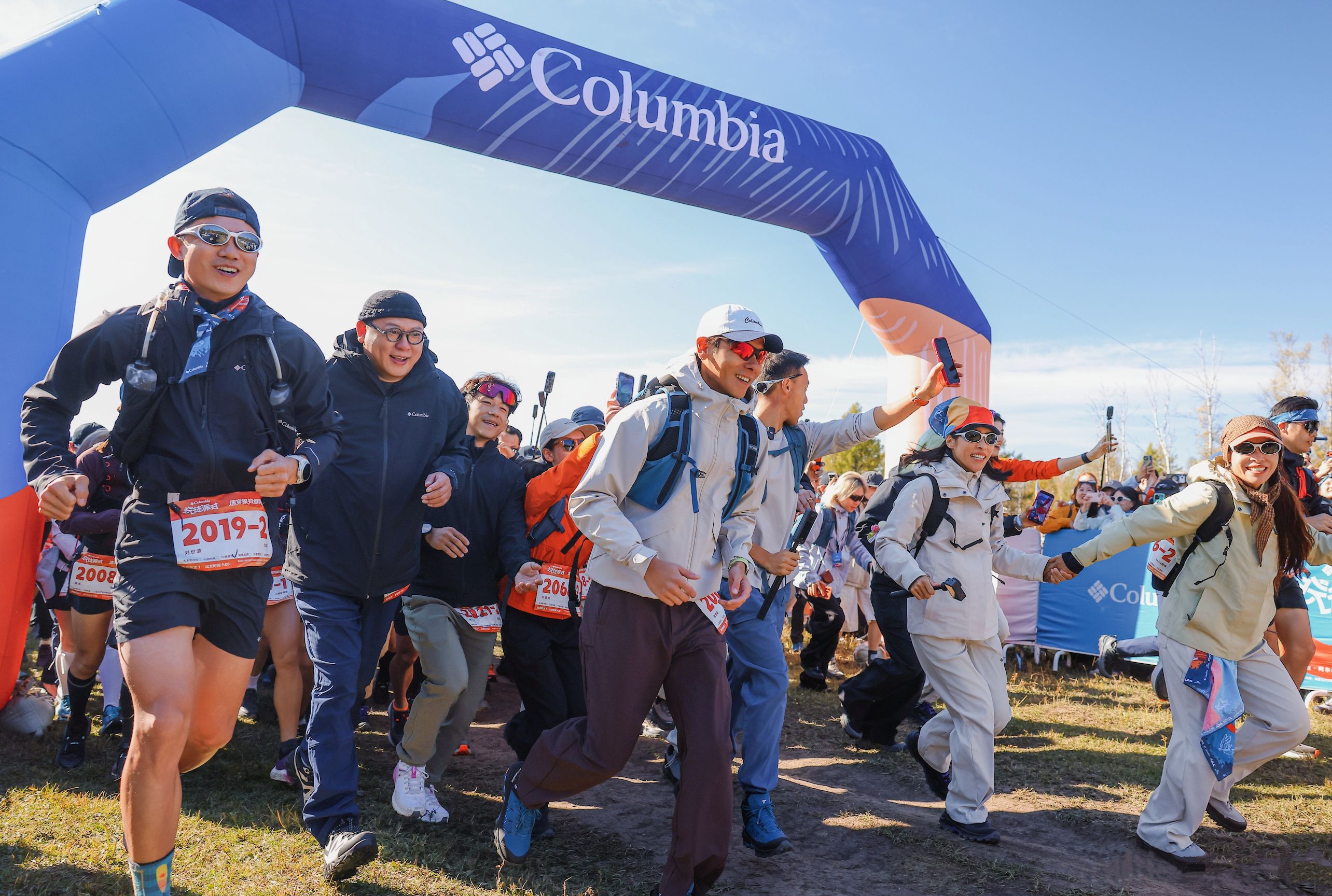
This attitude of being serious and playful has long been rooted in Columbia's history.
In the 1980s and 1990s, Gert Boyle, the head of Columbia, appeared in advertisements with the image of "One Tough Mother". She treated her son Tim as a "human tester" and made him undergo tests in exaggerated situations such as car washes and ice and snow. The originally serious explanation of product protection performance was made into humorous outdoor short dramas.
The reason why these advertisements are impressive is that Columbia has strict requirements for equipment performance, but it never talks about professionalism in a rigid way. Taking products seriously and being willing to communicate with consumers with humor and playfulness, this personality still echoes in today's Play Hiker Party.
Professional accumulation is also reflected behind the diverse gameplay. Columbia has decades of R&D precipitation of PFG professional fishing equipment, and including exploratory fishing in the competition this year is also a response to this scenario accumulation. People who are familiar with fishing can give full play to their strengths here, and players who are curious about lure fishing can also get in touch with another outdoor sport. The scenario experience accumulated overseas has collided with Chinese players to create new sparks decades later.
For outdoor brands, lowering the participation threshold does not mean eliminating the professionalism and challenge of sports. Competition can satisfy the enthusiasm of senior players, and multi-project experience provides different people with an entry point to go outdoors. This is perhaps the value of the Play Hiker Party: allowing players who were originally scattered in different sports circles to meet, and making more people willing to try new ways of playing.
Play freely, and be able to cope with changes
Outdoor gameplay is becoming richer, and consumers' expectations for equipment are also changing accordingly.
A piece of outdoor equipment is usually designed around a specific environment and function. Nowadays, the same person may switch between hiking, cross-country running and camping, and may also experience different weather, terrain and exercise intensity in one trip. Consumers hope that the equipment can provide reliable protection, and also expect it to maintain comfort and flexibility in different states.
But these demands are not easy to balance. Clothing that emphasizes wind and rain protection may not be suitable for long-term, high-intensity activities; if you pursue lightness and softness, you may have to make trade-offs in protection. How to balance protection and comfort is a difficult problem in the outdoor clothing industry.
Interestingly, the 3-in-1 wearing system created by Columbia more than 40 years ago was originally designed to solve similar problems.
