Today, Luckin Coffee officially starts "cooking tapioca pearls" across its 36,000 stores, completely breaking the boundaries of the beverage sector?
Just today, Luckin, which has always been renowned for its extreme efficiency, started "cooking" tapioca pearls across its 36,000 stores nationwide.
From plain drinks to those with toppings, this tiny tapioca pearl marks another step forward for Luckin into the core territory of the tea beverage industry.
How is Luckin's tapioca milk tea actually? What does it mean for the tea beverage sector?
A 9.9-yuan cup of tapioca milk tea, Luckin rolls out the product across 36,000 stores nationwide
This autumn, consumers who crave tapioca milk tea have one more new option.
On October 12, Luckin officially launched its tapioca milk tea series in all 36,000 stores across the country, including three SKUs: Classic Tapioca Milk Tea, Classic Tapioca Milk Tea Large Size, Brown Sugar Tapioca Thai Milk Tea, priced from 9.9 yuan to 12.9 yuan. The day before, the series had been available for pre-order on its mini-program.
Since September 14, Luckin has launched brown sugar tapioca milk tea in some campus stores, which uses black tea, fresh milk and tapioca pearls as main ingredients, with no non-dairy creamer added.
How is Luckin's tapioca milk tea actually?
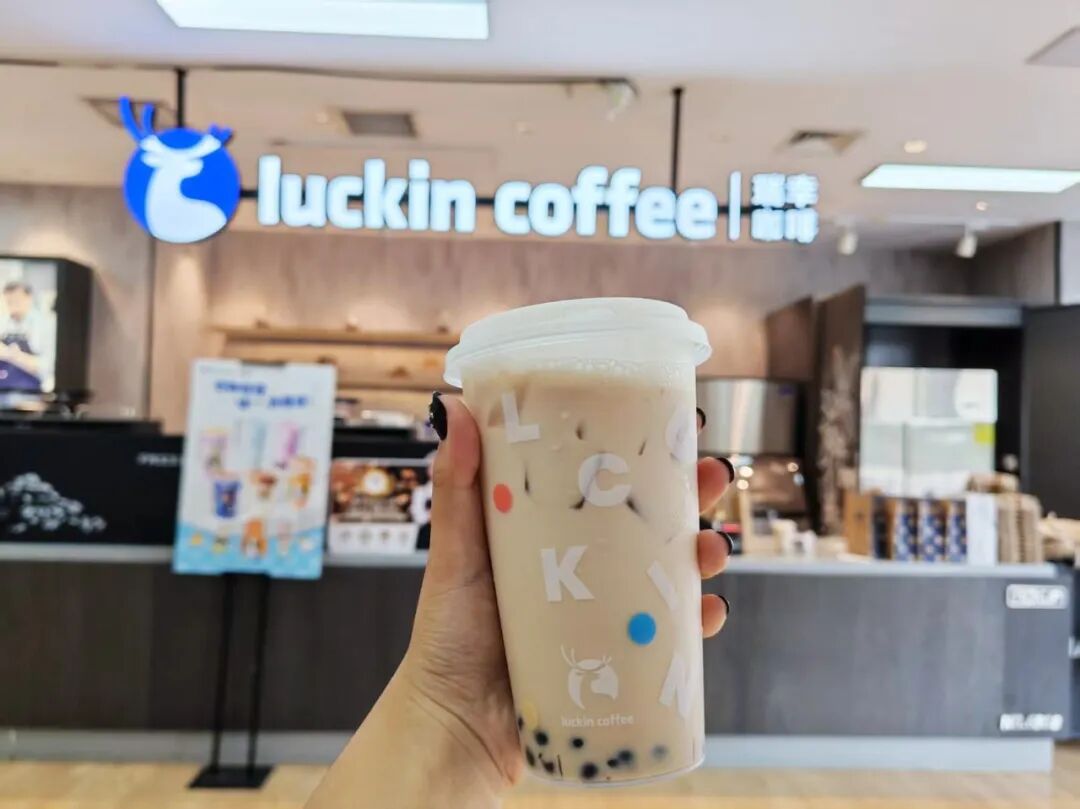
I specifically went to buy a cup. The taste is better than expected: the tapioca pearls are smaller than regular ones, chewy and soft when bitten, the whole cup has restrained sweetness with strong milk flavor, and the tea base is freshly extracted black tea, with rich tea aroma noticeable on the palate.
Frankly speaking, this is a product that is on par with the offerings of professional tea beverage shops.
What surprised me is that no additional tapioca pearl cooker was added to the store operation area. The clerk told me that they use frozen pre-cooked tapioca pearls that only need to be reheated and stored at room temperature.
This means that the challenge of Luckin launching tapioca milk tea is not whether it can make a good-tasting drink, but whether its 36,000-store network built on the model of "small store, quick pick-up, two-person shift, fully automatic equipment" can adapt to the scenario of topping-containing milk tea that requires on-site preparation, timing, heat preservation and discarding of expired products.
Judging from the series of moves Luckin has made since September, tapioca pearls are just the beginning.
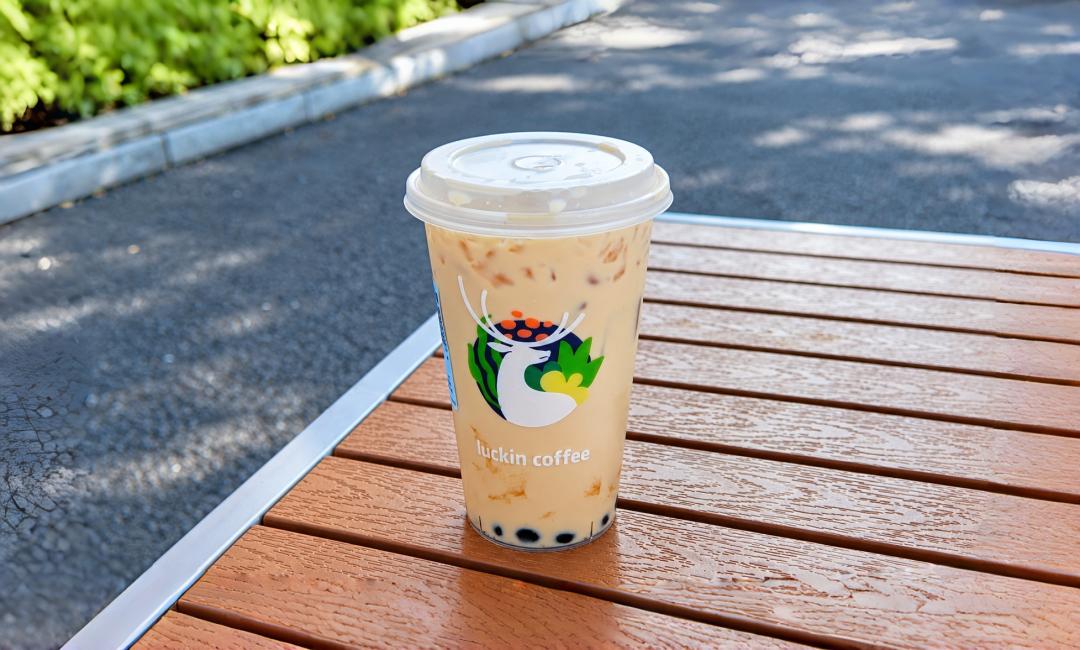
Image from Xiaohongshu @Daimeng Dawanzi, authorized for use
From tapioca pearls to oat popping boba, Luckin is launching a batch of "topping-containing milk tea" products
Luckin is well prepared for making topping-containing milk tea.
On September 14, Luckin tested tapioca milk tea in its campus stores. On the same day, it launched the salty cheese soy milk latte with cheese milk foam and soybean powder in all national stores.
On September 28, the flowing heart cheese latte was launched, with crushed nuts and a flowing heart structure at the bottom. On the same day, it launched high-protein coconut blue yogurt drink and high-protein berry yogurt drink, which added oat popping boba in addition to milk jelly and crystal boba.
In the past month, Luckin has intensively launched about 10 drinks with small toppings.
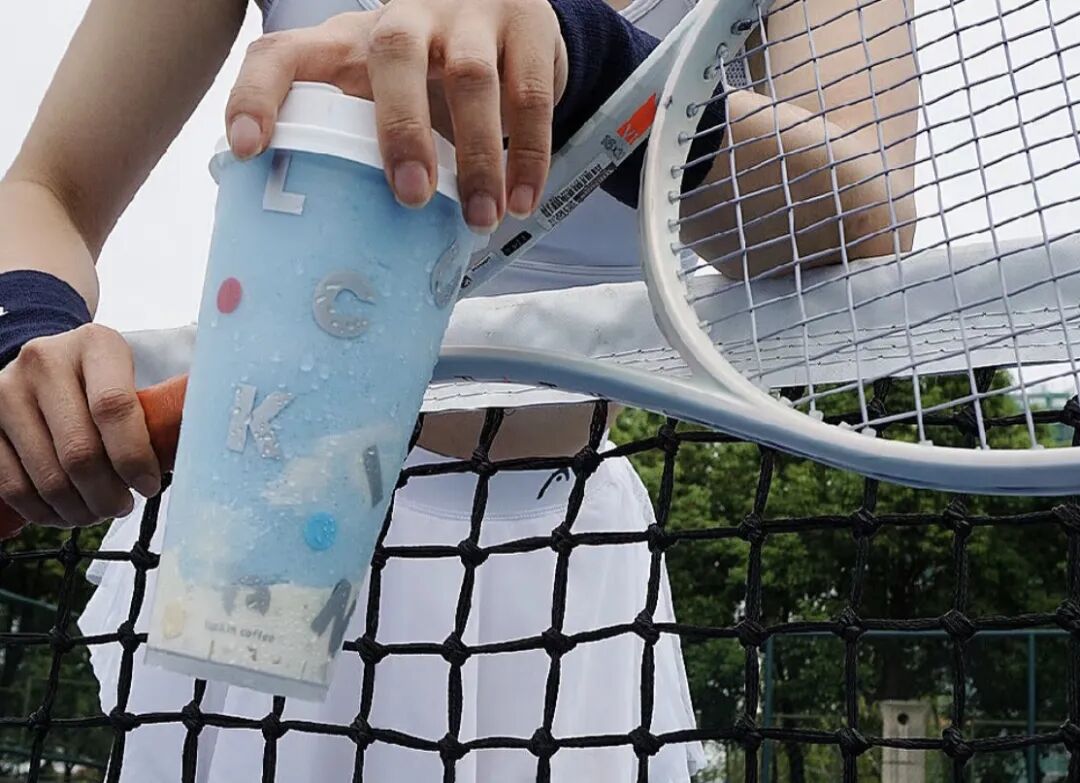
Over the past three years, Luckin has been continuously exploring the tea beverage sector.
It launched "Light Jasmine Light Milk Tea" in August 2024, and officially announced Liu Yifei as its brand ambassador in September 2026, putting forward the slogan "Coffee in the morning, tea in the afternoon".
Starting from light milk tea, Luckin included the tea beverage category in its strategy for the first time, investing resources in equipment, supply chain, standards and marketing. It has verified that a coffee brand can enter the tea beverage market by leveraging its store network.
Public data shows that as of May 31, 2026, Luckin's total sales of freshly made tea beverages and non-coffee categories exceeded 20 billion yuan, and non-coffee products accounted for about 40% of the new products launched in 2025.
But over the past 3 years, all the tea Luckin sold were plain drinks without any toppings. Light Jasmine, fruit and vegetable tea, matcha and iced milk are all permutations of liquid formulas, sharing the same modular cup-out logic and equipment with coffee. Essentially, they are "extensions of coffee techniques" that can be integrated into the existing system without triggering structural changes.
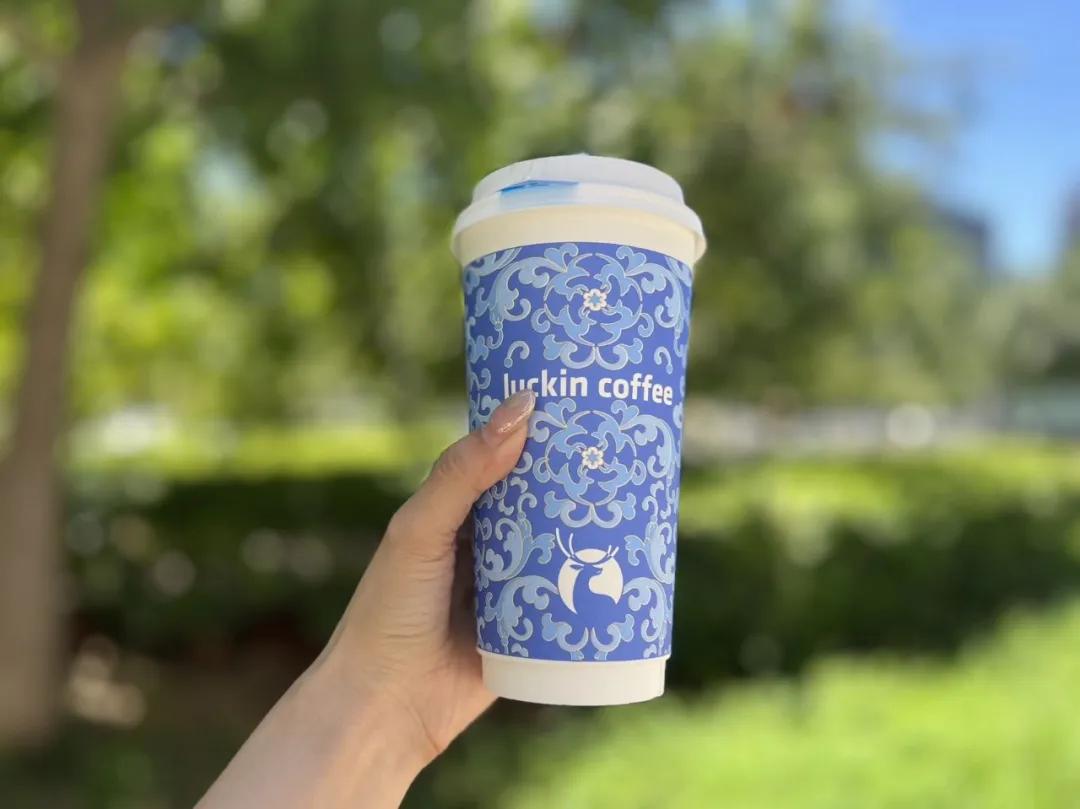
The launch of tapioca milk tea this time pushes the originally relatively simple production process to a more complex scenario.
Coffee beans, milk and syrup can be managed through a mature standardization system, but toppings involve multiple links such as cooking, batch management, heat preservation, loss control and food safety. Insufficient preparation of toppings will affect sales, while excessive preparation will lead to unnecessary loss.
Therefore, this is not simply adding an option to the menu, but to accommodate a new production mode in the operation system of all national stores.
For Luckin, tea beverages are no longer occasional marketing supporting roles, but a business with actual operational value.
The addition of topping-containing milk tea further extends this business line to the core categories of traditional milk tea.
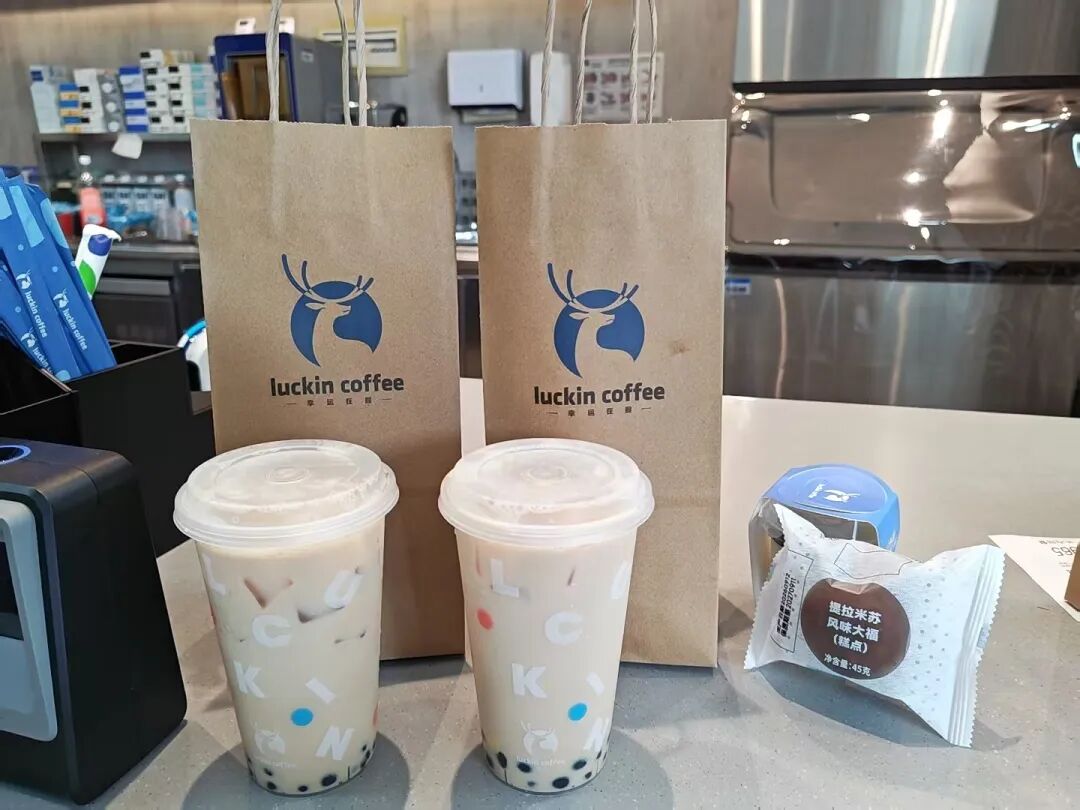
If light milk tea and fruit and vegetable tea cater to the consumer preference for refreshing and low-burden drinks, then tapioca milk tea corresponds to another type of demand: rich taste, sweet flavor, chewy texture, and the familiarity with classic milk tea.
It allows Luckin to not only rely on coffee consumers, but also have the opportunity to attract consumers who do not want to drink coffee at the moment but are willing to buy a cup of milk tea.
From Luckin to Guming, beverage stores are turning into "shelves"
If we look at Luckin's topping-containing milk tea in a broader industry context, we will find that it is not an isolated event.
Freshly made tea brands make coffee, coffee brands make milk tea, and tea beverage stores try bottled drinks, desserts and snacks, all pointing to the same change: Beverage chains are no longer satisfied with selling only one type of drink, but hope to use their existing stores to meet more diverse immediate needs of consumers.
Guming is another case worthy of observation.
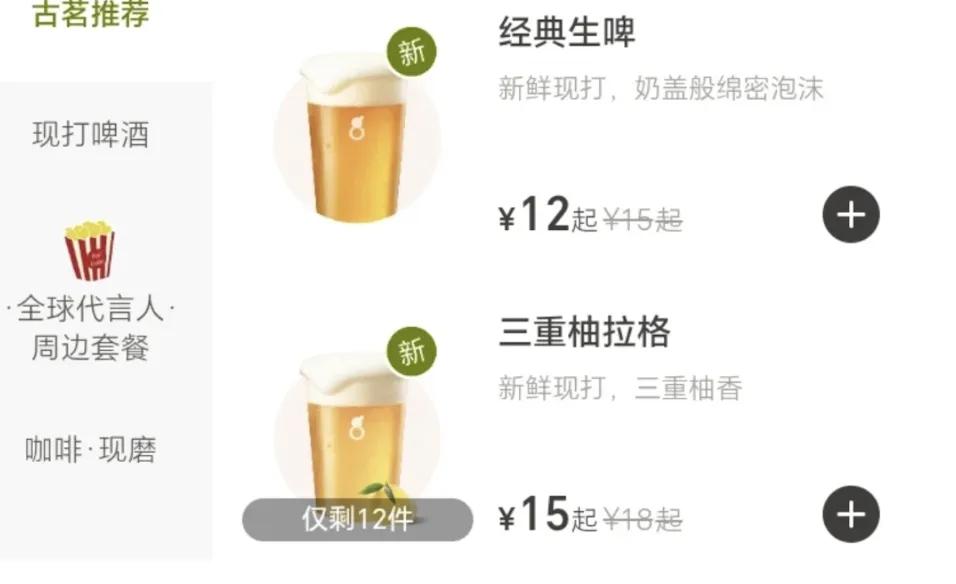
As a brand that started with freshly made tea beverages, Guming has continued to enrich its product matrix in recent years, gradually expanding to adjacent categories such as coffee, ice cream, sugar water, beer, bottled drinks and baked goods.
Luckin starts from coffee and extends to light milk tea, fruit and vegetable tea, and tapioca milk tea; Guming starts from fruit tea and milk tea and expands to coffee and other food categories. One moves into the core territory of tea beverages, the other moves towards coffee and other consumption scenarios. Their paths are different, but their goals are getting closer and closer: Let stores serve more demands, so that the same consumer will choose the brand at more moments.
Because the store network itself is a scarce resource.
A store means an offline touchpoint, a set of fulfillment capabilities, a service radius, and established consumer awareness. Essentially, a store is a channel, a "shelf" on the street.
In the past, brands defined what they were first, and then decided what to sell. Coffee shops sell coffee, and milk tea shops sell milk tea. Product boundaries are often determined by brand positioning.
In the future, this relationship may gradually reverse: brands still need clear core positioning, but stores can continuously add products that match their own capabilities according to the actual needs of consumers.
As a result, beverage stores are increasingly resembling shelves. This shelf does not necessarily display a large number of pre-packaged products, but provides different categories of freshly made drinks and food through on-site production, instant fulfillment and digital ordering.
Its advantage is that it can convert consumers' immediate needs into orders; its challenge is that it must strike a balance between diversified demands and operational efficiency.
The future competition among beverage stores will not simply evolve into who has a longer menu, but who can stably meet more types of demands with less extra cost.
Conclusion
Tapioca pearls are just the beginning, and the store is the real protagonist.
What Luckin and Guming have truly verified is whether a chain brand can extend its business to more scenarios with the help of its existing capabilities.
In fact, the entire freshly made beverage industry is rethinking the value of stores.
In the past, brands competed for consumers with a single hit product; in the future, brands need to rely on a single store to meet more demands from consumers.
This article is from the WeChat Official Account "Kamen" (ID: KamenClub), written by Guojun, authorized for release by 36Kr.