It turns out that the most valuable assets in the AI era are not new technologies, but these long-established core skills.
When it comes to the most valuable workplace skills in the AI era, the truth is far from "discarding all old skills and learning every new one". On the contrary, those long-established capabilities have become highly sought-after.
This is the consensus reached by multiple talent executives and business leaders in an interview with CNBC Make It at the Forbes Future of Work Summit held in New York on October 6.
Daniel Chait, CEO of recruitment platform Greenhouse, put it plainly: "Technology is updating so fast now that workplace competitiveness no longer depends on whether you can use a specific piece of software, but on those more enduring traits and capabilities you possess. In the past, people always thought 'soft skills are vague and unimportant', but now they have become the core hard power."
So which capabilities are most worth polishing for current professionals? Several executives shared their answers.
Curiosity: The lifelong passion for learning is the foundation of all capabilities
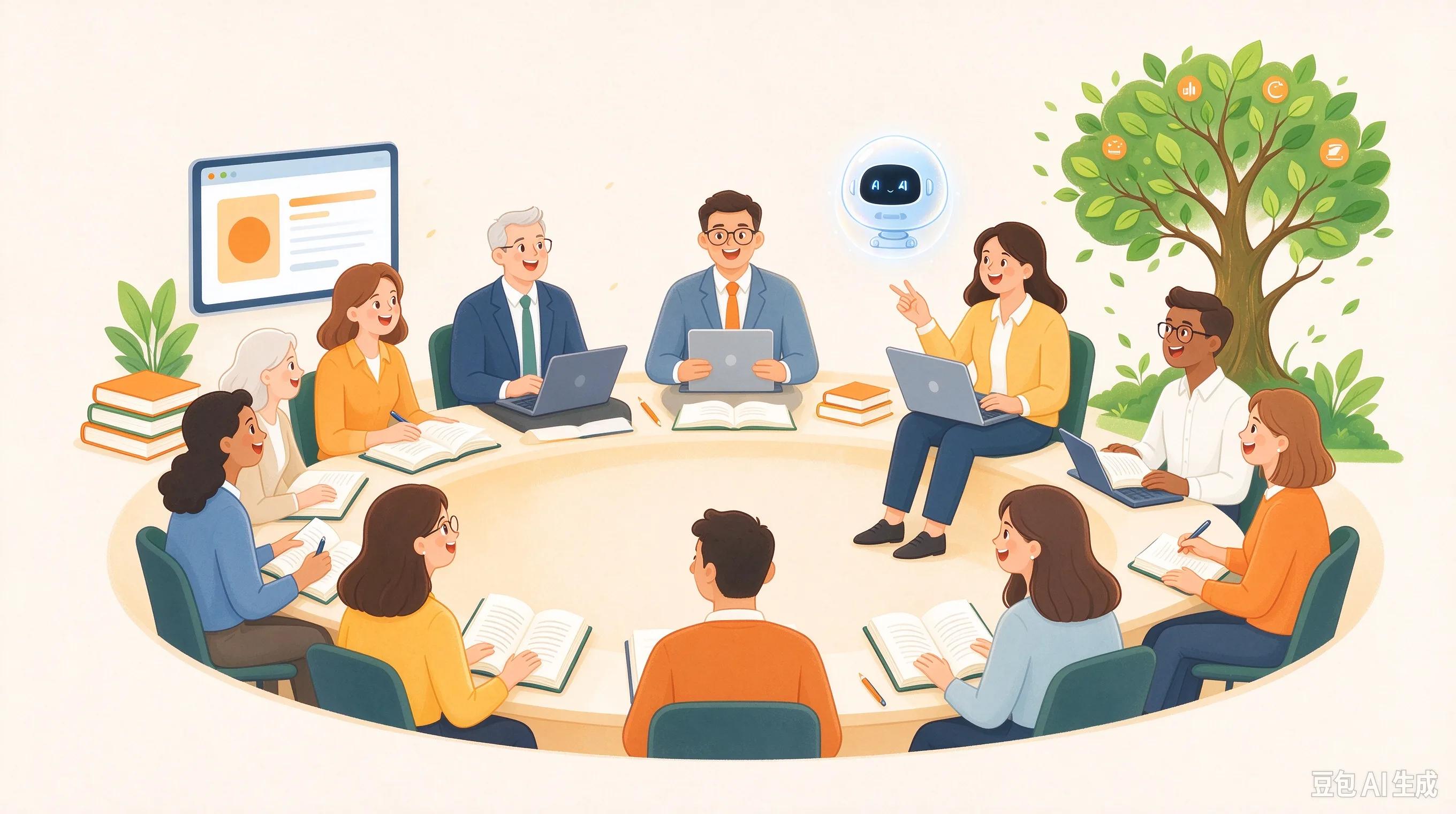
The first and foremost is curiosity, which essentially refers to the awareness of lifelong learning.
Lorraine Stomski, Chief People Officer of Walmart, said that people who consistently maintain learning habits and stay curious about new things can always seize more opportunities in the workplace.
(Source: Generated by Doubao AI)
Ginny Carrier, Chief People & Culture Officer for EY Americas, also strongly agrees with this view, and she even believes that "learning has become a 'meta-skill'".
"It is the underlying foundation of all capabilities," Carrier explained. "Whether you can learn new things quickly directly determines whether you can develop all other skills."
Adaptability and Resilience: Skills may become obsolete, but people who can learn never will
The second key capability is adaptability and anti-frustration resilience.
Chait said this point is particularly important at the moment — after all, new tools and new technologies are emerging almost every day, and companies expect their employees to get started quickly and put them into use immediately.
"In our current era, the so-called 'hard skills' have a very short shelf life," he gave an analogy. "You finally learn a tool, but it becomes outdated after being popular for a while, and tomorrow there are new things to learn from scratch."
But if you can prove that you learn fast and can adapt to changes, it is equivalent to proving that you can keep growing, and you can create value no matter how the environment changes or what tools are used. "This is the trait that every company is eager to get," Chait added.
Critical Thinking and Judgment: AI does the work, you make the call
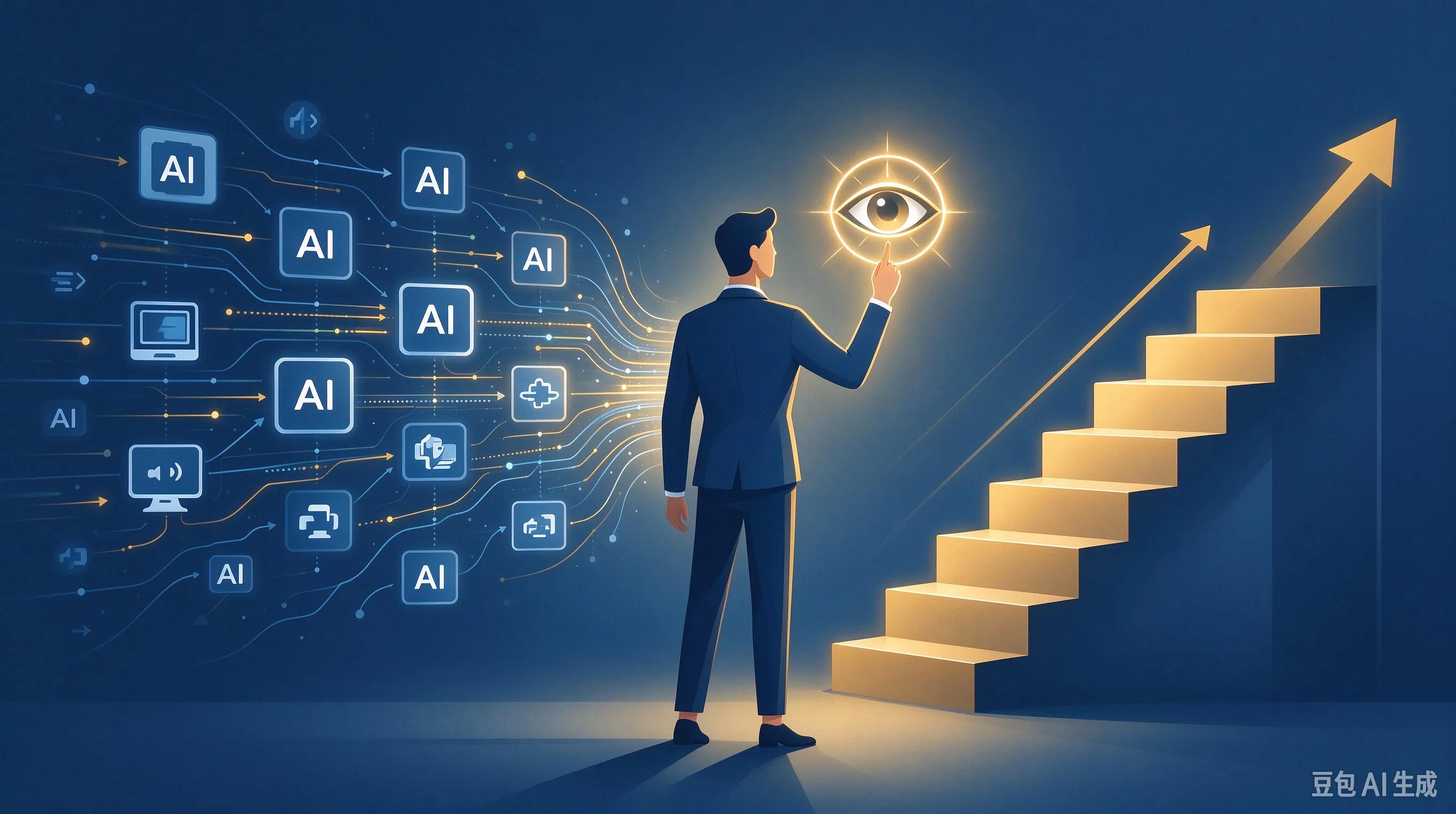
The third capability is critical thinking and judgment.
Stomski mentioned that when recruiting for entry-level positions now, employers have much higher requirements than before. Many traditional basic execution tasks can either be assisted by AI or completed directly by AI, so the responsibilities of these positions have long changed.
(Source: Generated by Doubao AI)
Now companies prefer that you can work from a higher perspective as soon as you join, creating value through thinking and judgment, rather than just doing mechanical execution work.
Carrier also put forward the concept of "AI responsibility": Professionals need to carefully consider whether the information you input into AI is correct, and whether the results output by AI are reliable. You must have the ability to distinguish the final quality and dare to endorse the results.
"This is far more complicated than just typing on the keyboard and moving your fingers," she said.
AI Literacy: Don't just follow the trend, understand the boundaries of AI
Of course, not all capabilities are old ones. There are also some exclusive capabilities for the new era, that is, AI-related skills.
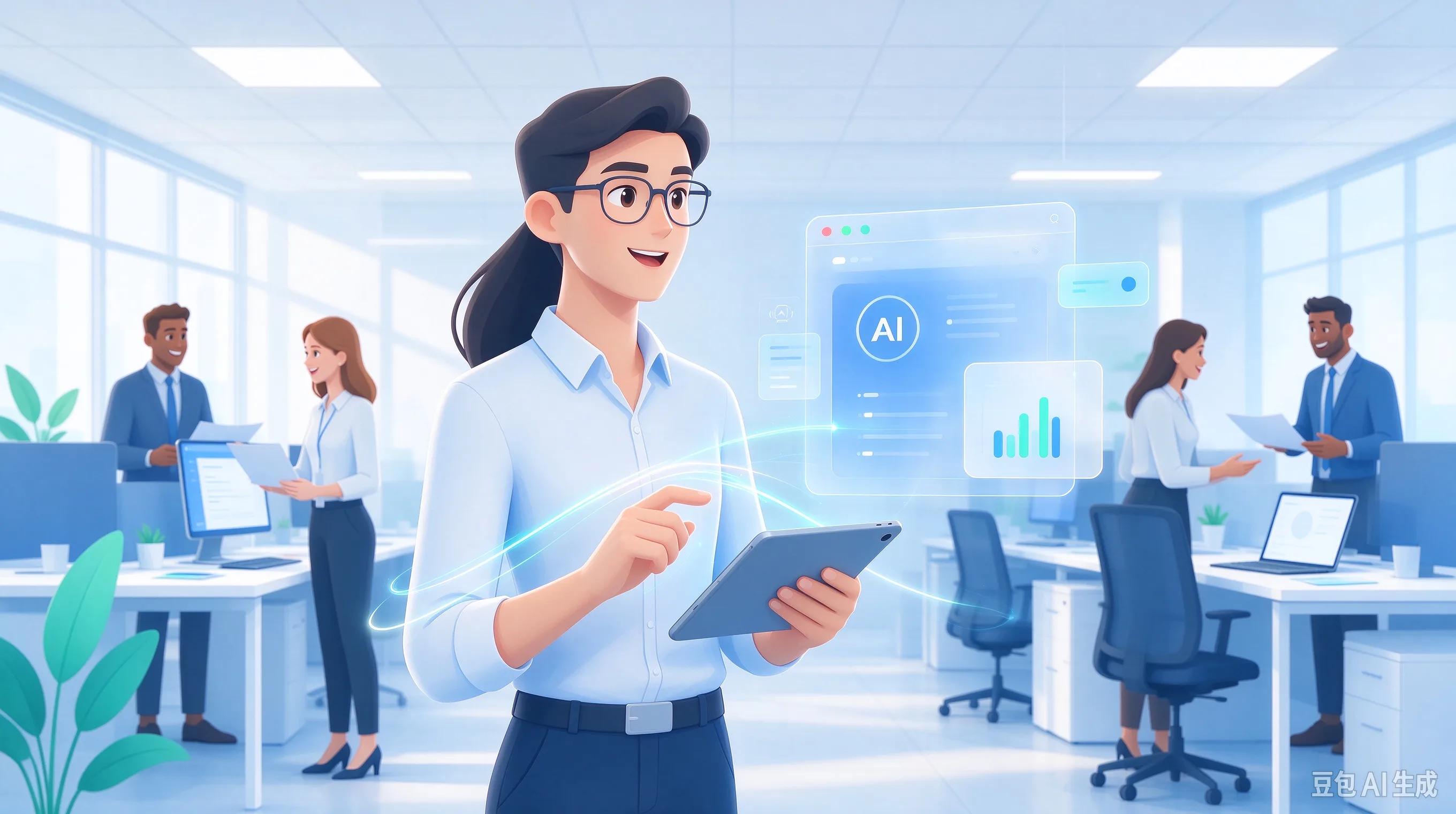
Many companies now talk about "AI proficiency", but Hannah Calhoun, Vice President of AI and Head of AI Innovation at recruitment site Indeed, says that simply mentioning this term has little practical meaning.
"It is just like the concept of 'digital literacy' in the past, sounding very fashionable and being a nice slogan," she explained, but many companies themselves have not figured out exactly what AI skills they expect their employees to master and where to apply them at work.
(Source: Generated by Doubao AI)
As a result, employees work hard towards a vague goal and have no idea where to focus their efforts.
In Calhoun's view, general AI literacy roughly includes the following aspects: having a basic understanding of how AI tools operate, knowing what they are good at and what they are not good at, being clear about the potential risks, and being able to check and even question the answers given by AI.
But this standard varies greatly from position to position.
"Different departments and different positions have completely different requirements for AI capabilities," Calhoun said. Enterprises should actually make their AI requirements for employees clear and explicit, instead of letting people guess blindly.
Final Remarks
At the end of the day, there is no universal skill package that can guarantee you a smooth career path.
The current overall employment environment is conservative, with fewer recruitments and slower mobility. Many people may feel that they have little growth in their current positions, internal promotion is difficult, and there are not many opportunities for external job hopping.
On the other hand, enterprises are also facing the pressure of geopolitics and economic uncertainty, while hurrying to keep up with the pace of AI transformation. The superposition of internal and external factors does bring considerable challenges to ordinary professionals.
(Source: Generated by Doubao AI)
But one thing always works: solidify your original core capabilities, and at the same time keep exposing yourself to new things and learning new skills.
"Show your unique human capabilities and keep investing in yourself, that is your best differentiated advantage," Carrier concluded. "After all, there are things that AI can never do, only humans can."