Laying off 30% of its workforce and returning to fuel vehicles, what exactly is Porsche's "2035 Mid-term Strategy"?
Porsche, which has performed quite well in terms of sales volume and profitability in the luxury car sector, has now launched a cost reduction and efficiency enhancement mode?
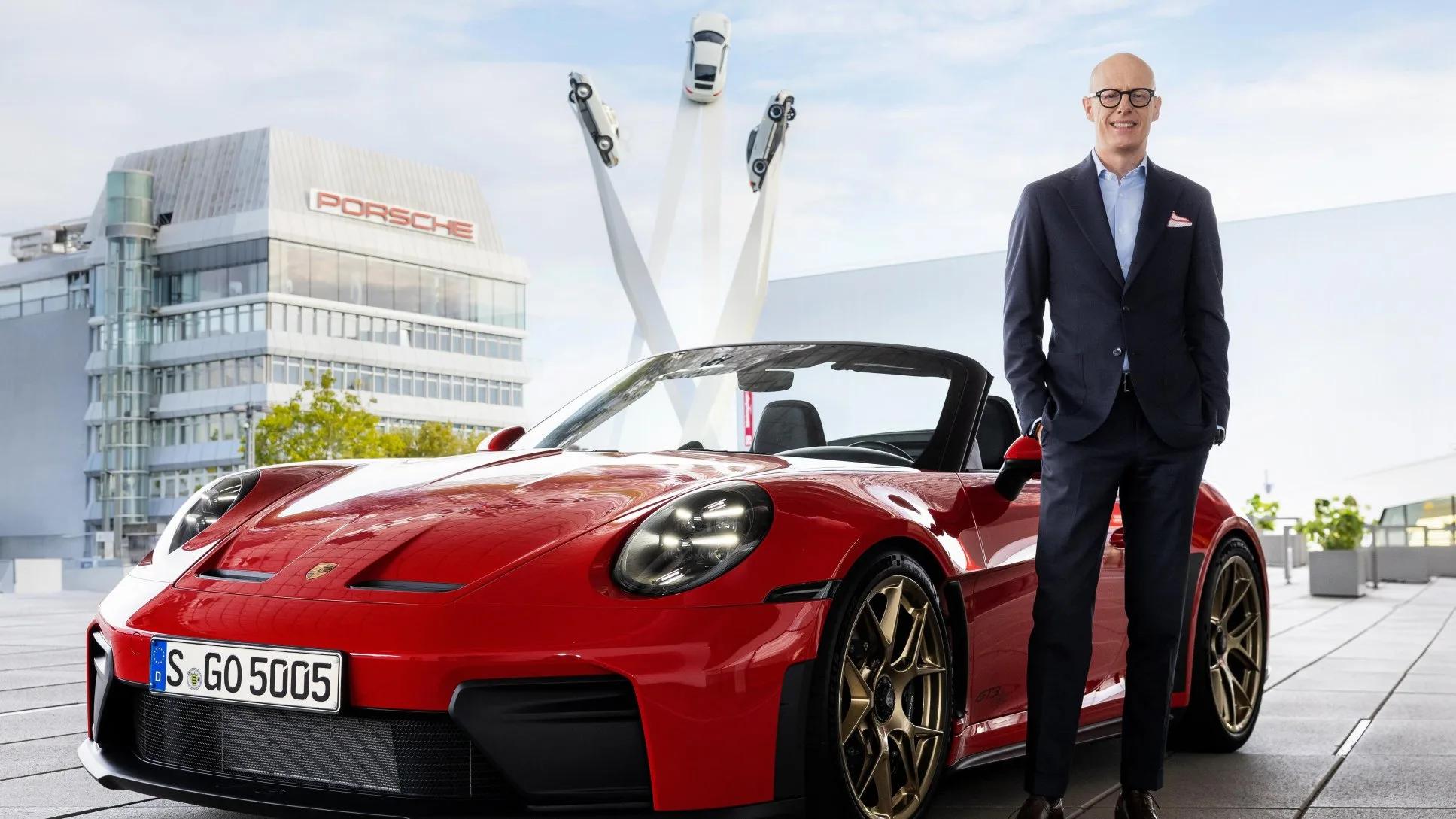
On October 7, Porsche released its mid-term strategy for 2035, "Sportwagenschmiede '35" (literally translated as "Sports Car Workshop 35"), at its Capital Markets Day.
According to official sources, the overall goal of this strategy is to consolidate Porsche's position as the world's most attractive sports car manufacturer, with the core principle of "value over volume".
(Source: Porsche)
As for how to implement this strategy, Porsche will focus on three aspects: product upgrading, cost reduction and efficiency improvement, and organizational streamlining. By increasing the value per vehicle and reducing dependence on sales scale, it will ultimately achieve high-quality growth in profitability and cash flow.
So what exactly does this strategy include? Why did Porsche launch this strategy? Against the backdrop of the global automotive industry gradually shifting to new energy, can Porsche achieve its goals smoothly?
Without further ado, let's talk about it together.
Focusing on Fuel-powered Supercars and Cutting 30% of Staff, Porsche Aims for 2035
The most noteworthy part of Porsche's 2035 mid-term strategy this time is its product layout.
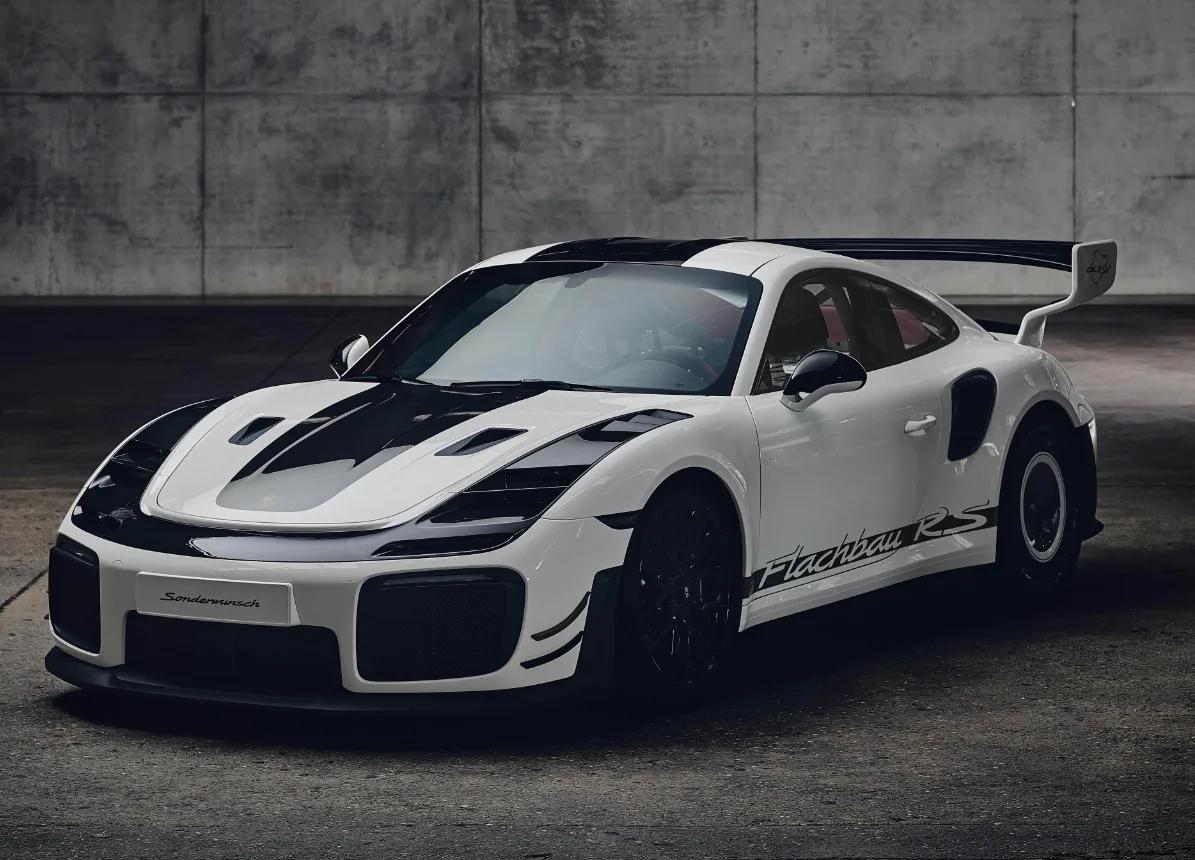
Porsche says it will develop a supercar platform with a mid-engine layout, and the vehicle series built on this platform will be positioned higher than the 911. At the same time, Porsche will also launch derivative models of the 911 and a D-segment SUV positioned higher than the Cayenne.
In addition, Porsche will put into production the all-electric 718 and a fuel + plug-in hybrid SUV model in 2028, and the latter will be sold in parallel with the all-electric Macan.
It can be seen from Porsche's development of new fuel-powered supercars and the subsequent launch of fuel-powered models that Porsche has taken a step backward in the process of electrification transformation.
As early as March 2022, Porsche put forward its electrification transformation goal, stating that by 2025, electrified models (pure electric + plug-in hybrid) will account for more than 50% of global new car deliveries, and by 2030, pure electric models will account for more than 80% of global new car deliveries.
However, in 2025, electrified models only accounted for 34.4% of Porsche's total sales, failing to reach the original target of more than 50% electrified model sales. In the same year, Porsche adjusted its product strategy, slowed down the launch plans of various pure electric models, and extended the production cycle of fuel vehicles.
Porsche's official announcement of the development of a new fuel-powered supercar this time means that it has completely abandoned its previous aggressive electrification goals, and switched to a model led by high-performance fuel vehicles with the coordinated development of fuel, plug-in hybrid and pure electric power forms.
Dianchetong (ID: dianchetong233) believes that Porsche's abandonment of the original electrification goal and re-embrace of fuel vehicles is not only a compromise to its current development status, but also a transformation in line with its operating conditions.
At present, Porsche's R&D progress in the electrification field and the market performance of new energy models have been completely unable to meet its operation and development needs.
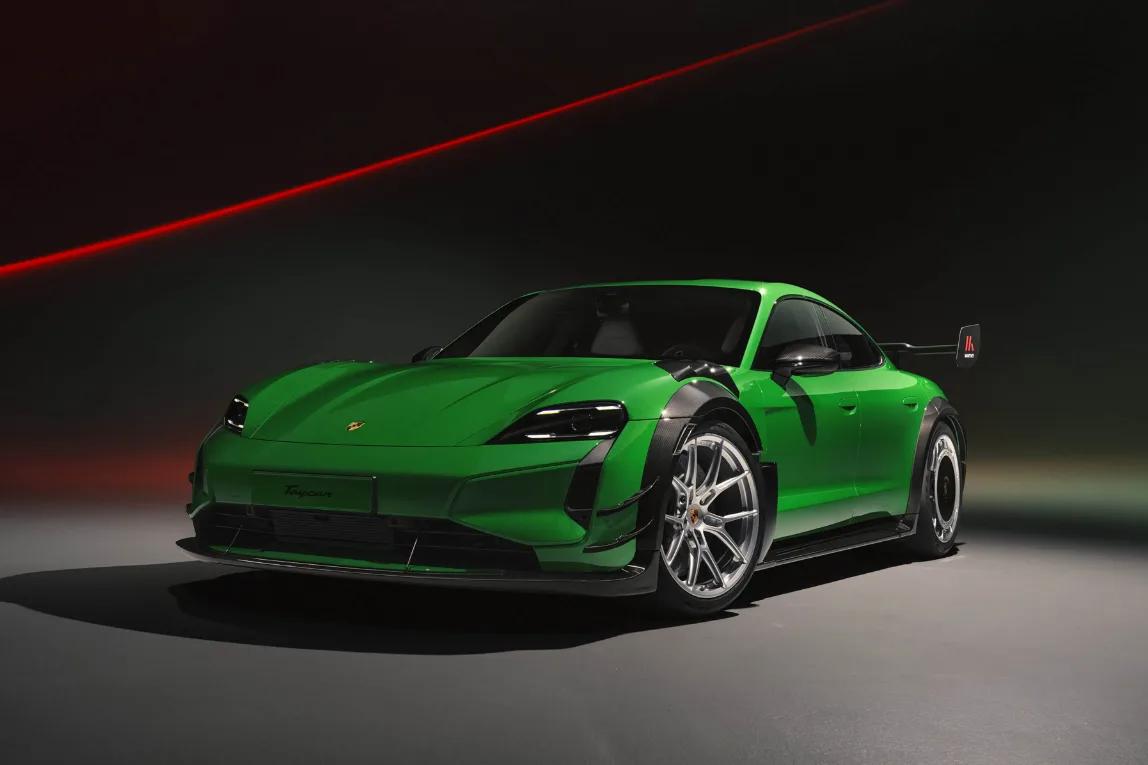
Since the global launch of the Taycan in 2019, Porsche has launched only five new energy models in seven years: the Taycan, the all-electric Macan, the plug-in hybrid Cayenne, the all-electric Cayenne, and the plug-in hybrid Panamera. There is no clear replacement plan for the Taycan since its launch in 2019.
(Source: Porsche)
This means that Porsche's R&D progress for new energy models is not only slow, but the existing several models cannot fully cover the brand's main sales market.
In terms of sales, the two pure electric models under Porsche, the Taycan and the all-electric Macan, sold 6,219 units and 15,620 units respectively in the first half of 2026 (data for the all-electric Cayenne was not released). For reference, Porsche's 911 sold 30,534 units in the first half of the year, more than 8,000 units higher than the combined sales of the Taycan and the all-electric Macan.
For Porsche, at a time when the electrification R&D progress is slow and the new energy market performance fails to meet expectations, it is undoubtedly self-inflicted to stick to new energy models with no visible prospects. Returning to the high-performance fuel vehicle track and competing with supercar brands such as Ferrari and Lamborghini through new platforms is Porsche's comfort zone.
In addition to refocusing on the fuel vehicle sector, Porsche has also announced a series of policies for cost reduction, efficiency improvement and organizational structure adjustment.
In terms of cost reduction and efficiency improvement, Porsche announced that the overall staff size will be reduced by 25% in the medium term, and the long-term strategic target is 30%, with overall labor costs reduced by 10%. In addition, Porsche plans to reduce R&D costs by up to 20% in the future, production-side labor costs by up to 30%, sales and distribution costs by 20%, and the material cost per new model will also be reduced by about 10%.
In terms of organizational structure adjustment, Porsche Engineering and Porsche Digital will be merged into Porsche Technology. Prior to this, Porsche has sold its shares in Rimac and Bugatti Rimac, and shut down non-core businesses such as the R&D and production business of the Cellforce Group and Porsche's eBike Performance division.
From refocusing on fuel vehicles to multi-faceted cost reduction and efficiency improvement, Porsche's 2035 mid-term strategy presents a state that it is no longer as glorious as before but still trying to turn the tide.
How did Porsche, which once dominated the luxury fuel vehicle sector, end up in this situation?
Operating Profit Plunges by 90%, Is Porsche on the Decline?
Before the release of this mid-term plan, the signs of Porsche's decline have actually emerged.
Among them, the most intuitive manifestation of its downward trend is Porsche's financial report data. The 2025 financial report shows that the total revenue of the Porsche Group decreased by 9.5%, operating profit decreased by 92.7%, and the sales return rate plummeted from 14.1% to 1.1%.
Although the reasons for Porsche's profit decline in 2025 include the shutdown of the Cellforce battery business and the divestment of non-core assets, the decline in global deliveries is still the key factor putting pressure on Porsche's performance.
In 2025, Porsche's annual delivery volume was 279,449 units, a 10% decrease compared to 2024. The Chinese market saw the largest decline of 26%, and the proportion of Porsche's sales in the Chinese market to its global sales is also declining. As for North America, the world's largest market, Porsche also saw a 11.5% decline in sales.
As for the reasons for the decline, we will not go into too much detail here. Simply put, the US market is facing rising import customs clearance costs and declining electric vehicle subsidies, while the Chinese market is facing reduced demand for luxury cars and fierce competition from local brands.
So the question arises: Can Porsche, which has briefly embarked on a downward path, stop the declining trend and achieve a rebound again in the future?
In the view of Dianchetong (ID: dianchetong233), the mid-term strategy just released by Porsche is actually stepping on the brakes for Porsche which is on the decline.
It can be seen from Porsche's core principle of "value over volume" that what Porsche pursues at this stage is not the expansion of sales volume, but to stabilize the existing revenue performance and profit margin, and avoid the impact on brand profit and brand tonality caused by the pursuit of sales scale.
(Source: Porsche)
And this is exactly the different approach Porsche has taken in the face of competitive pressure compared with other German brands.
Taking the Chinese market as an example, whether it is Mercedes-Benz, BMW or Audi, when facing insufficient competitiveness and declining sales caused by the trend of increased configuration and reduced prices brought by electrification transformation in the Chinese market, most of these brands have chosen to respond by cutting prices to better maintain sales scale.
For example, a few years ago, the terminal prices of models such as the Mercedes-Benz EQS, EQE, and BMW i3 were greatly reduced. The final transaction price of the BMW i3 even once fell below 200,000 yuan. Now, the prices of the new all-electric Mercedes-Benz CLA and all-electric GLC are also lower than those of fuel vehicles of the same class, and Audi even established the AUDI brand in cooperation with SAIC Audi to lower prices and increase sales.
However, Porsche's terminal prices in China are relatively stable. Although there is a certain range of discounts at the terminals, there has not been a large price drop that breaks through its own brand hierarchy like Mercedes-Benz and BMW.
Such measures are obviously feasible for Porsche to stabilize its global revenue and profit, especially if Porsche's mid-engine layout supercar series is successfully launched, it will make a stable contribution to its future revenue and profit.
However, in the Chinese market, the competitive situation Porsche faces is different. Under the influence of the horsepower parity trend brought by electrification development, a considerable number of consumers' interest in high-performance fuel vehicles has weakened, and Porsche's competitors for high-performance fuel vehicles in China are models such as the Xiaomi SU7 Ultra and Denza Z, which have lower prices and stronger horsepower.
This means that the route Porsche tries to take in its 2035 mid-term plan, which is to bring higher premiums through higher product strength and thus reduce dependence on sales scale, is somewhat unworkable in the Chinese market.
So what should Porsche do?
Has the Chinese Market Become the Hardest Nut for Porsche to Crack?
For Porsche, China is undoubtedly the most challenging market, because since the Chinese market began the rapid development of electrification and intelligence, both market performance and user mindset have undergone great changes.
At this stage, luxury brands represented by NIO, AITO and Li Auto, and high-performance brands represented by Xiaomi, are pursuing "sufficient supply with large volume" for their products, that is, to provide as many configurations and good experiences as possible within their corresponding price range.
However, Porsche still adheres to the strict pricing rules of traditional luxury automakers, not only there are large differences in prices for different performance configurations, but such price differences are even more obvious in the selection of comfort and luxury configurations.
In addition, Porsche's 2035 mid-term plan runs counter to the development trend of China's automotive market. The Chinese market focuses on further technological innovation in electrification and intelligence, and electric high-performance vehicles are also an important development direction. Porsche has chosen to focus its development on high-performance fuel vehicles.
Therefore, there are obvious differences and conflicts between Porsche and the general environment and future development trend of the Chinese automotive market.
For Porsche, in the short term, it may need to reduce its dependence on the Chinese market and find new business growth points in its home European market and the United States and other markets to make up for the decline in sales in the Chinese market. In the long run, Porsche also needs to overcome the conflict with the development trend of the Chinese automotive market, conform to the car purchase needs of Chinese consumers, so as to achieve a rebound in sales.
This tough battle is very difficult to fight, it depends on whether Porsche is willing to take up the challenge.
This article is from "Dianchetong", authorized for release by 36Kr.