Wang Chuanfu said that oil will run out one day, but the IEA states that there will be a daily surplus of 6 million barrels of oil after 2027.
Wang Chuanfu said at a recent press conference: "Fuel vehicles run on gasoline, which comes from petroleum, and petroleum will be exhausted one day. If we keep overconsuming it in this way, we are overdrawing the future of humanity."

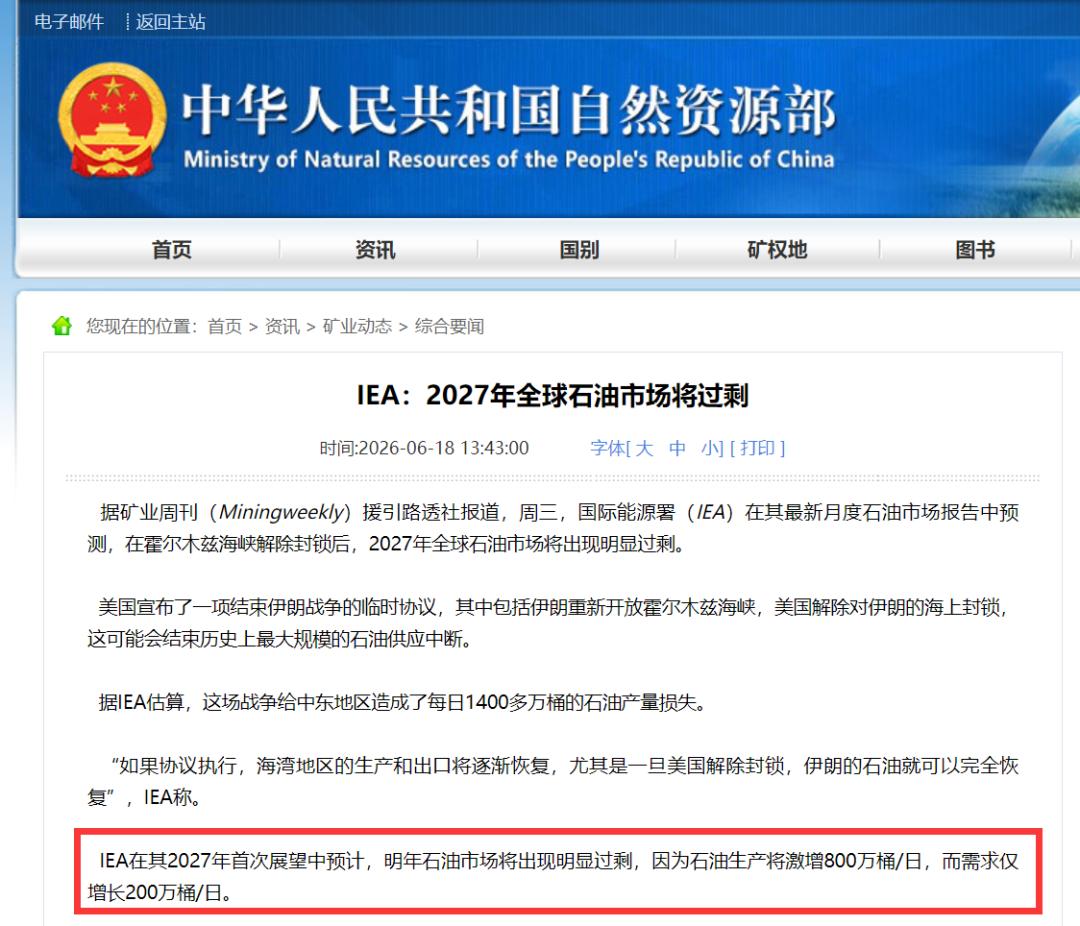
Wang Chuanfu said petroleum would run out, but the International Energy Agency (IEA) gave a forecast in June this year that global oil supply will see a surplus in 2027.
In its first 2027 outlook, the IEA predicts that the oil market will see a clear surplus next year, as oil production will surge by 8 million barrels per day while demand will only grow by 2 million barrels per day, which means a surplus of 6 million barrels per day.
Some people even believe that the interior of the Earth may be like a huge energy factory where petroleum is continuously generated, and its usable time may reach 500 million years.
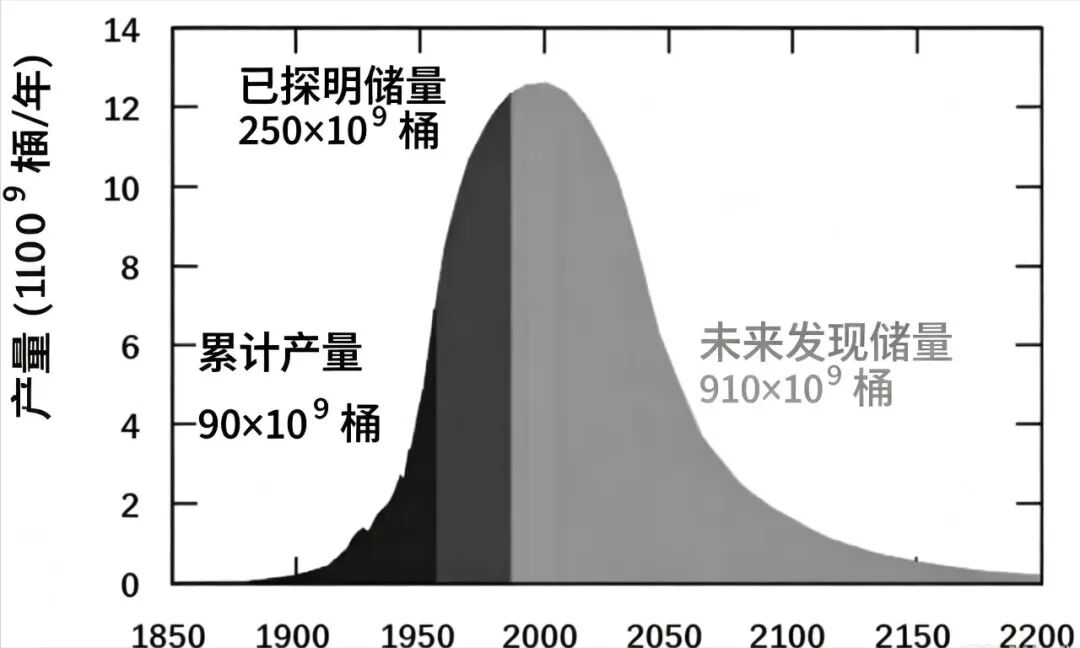
In the 1950s, Shell geologist Hubbert put forward the "Peak Oil Theory" — he predicted at that time that U.S. oil production would peak in 1970, and global oil would be depleted around 2000.
What was the result? With the popularization of hydraulic fracturing technology in the United States, it transformed from the largest oil importer into the world's largest oil producer, and its shale oil output surpassed that of Saudi Arabia and Russia in 2019.
This is rather awkward. Wang Chuanfu says oil is going to run out, while the IEA says oil is going to be in surplus. So will oil really run out?
Will Oil Run Out?
This story dates back 200 years. Back in the 19th century, people were already claiming that oil would run out. In 1914, the U.S. Bureau of Mines stated that U.S. oil reserves would only last for 10 years. In 1939, it said the remaining reserves would only last 13 years.
In 1951, the U.S. Department of the Interior claimed that the remaining oil would last only 20 years. During the oil crisis in the 1970s, people said there was only 30 years of oil left. In the 2000s, the claim changed to 40 years left. In the 2020s, it became 50 years left.
A hundred years have passed, and the figure of "50 years left" has remained unchanged.
Why? Because every time oil is about to run out, new technologies emerge to solve the problem.
In the 1970s, Hubbert predicted that U.S. oil production would peak and then decline all the way. However, when hydraulic fracturing and horizontal well technologies matured in the 2010s, shale oil was extracted from rock formations, and U.S. oil production jumped from 5 million barrels per day to 13 million barrels per day.

This does not even include geologists who support the "abiogenic petroleum origin theory" — they believe that oil is not transformed from dinosaurs, but is continuously generated by hydrocarbons deep inside the Earth under high temperature and high pressure, with theoretical reserves calculated in hundreds of millions of years.
The IEA wrote clearly in its 2024 Oil Report: by 2030, the production capacity of non-OPEC+ oil producers (the United States, Brazil, Canada, Guyana) will soar all the way, and the global oil supply will exceed demand by 8 million barrels per day.
Even if OPEC+ cuts its production capacity to the limit, it cannot curb this surplus.
Humanity's ability to find oil is also upgrading. In the past, people could only look for liquid oil in shallow surface layers, but now with 3D seismic exploration and satellite remote sensing technologies, we can perform "CT scans" on the Earth at any time, and accurately locate oil 10,000 meters underground.
Therefore, you will find that nearly 100-million-ton level new oilfields are discovered almost every year, and the total amount of petroleum is naturally increasing.
China has 719.9 billion tons of oil shale reserves, which can be used to produce synthetic oil through the dry distillation process. Fushun and Maoming have already built relevant production bases, but the refining cost remains high, so large-scale commercial mass production cannot be realized for the time being.
We must clarify a key concept here: the total amount of underground oil resources is not equal to the economically recoverable reserves. There may be a large amount of hydrocarbon substances underground, but whether they can be extracted and whether the extraction is cost-effective is the real practical problem.
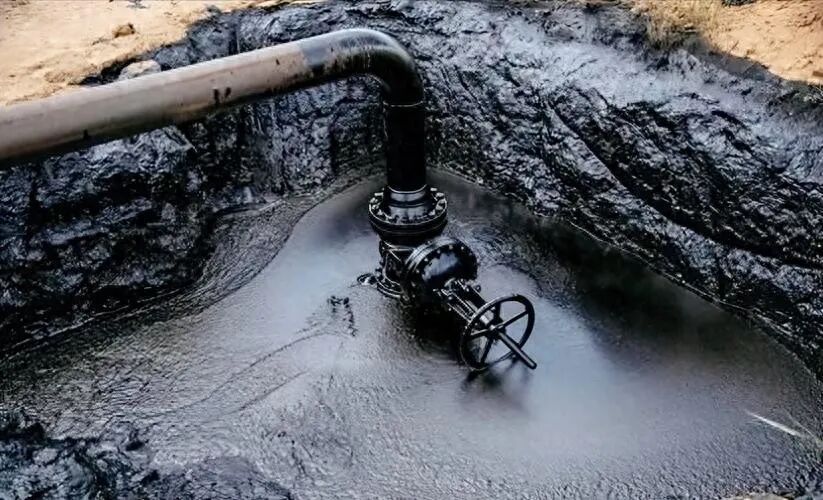
Even if there is a huge amount of oil underground, if the extraction cost is far higher than the market oil price, it can only stay underground and cannot be counted as available resources. Technological progress can continuously expand recoverable reserves, but this does not mean that oil is infinite.
But overall, from a geological perspective, Wang Chuanfu's statement that "oil will run out one day" may not be technically tenable. The oil that humanity can extract now is completely enough for us to use until the next century, and with further technological progress, it is not a problem to use it until the 22nd century.
But What Wang Chuanfu Talks About May Not Be Geology, But The Balance Sheet
However, the global oil surplus is one thing, and we also need to look at China's oil balance sheet.
At that press conference in March 2026, Wang Chuanfu mentioned another set of data: more than 70% of China's oil depends on imports, and a large part of it has to pass through the Strait of Malacca and the Strait of Hormuz. 70% of China's oil consumption is used in the transportation sector.
To put it in plain language: we have very little oil under our feet, and the oil we burn is transported by sea from the coasts of other countries. This is not a problem of whether there is enough oil, but that an oil pipeline is held against your neck by others.
This is the real meaning of "overdrawing the future" — it is not that the oil will be burned out, but that relying on other people's oil is inherently unsafe.
Some people ask, since oil will be in surplus and oil prices will fall, the usage cost of fuel vehicles will decrease, and the economic advantage of electric vehicles will disappear. Should we go back and buy fuel vehicles?
This matter is far from that simple.
Even If Oil Prices Fall, We Can't Go Back To The Era Of Fuel Vehicles
Even if you push the oil price below 5 dollars per barrel today, we can't go back to the era of fuel vehicles. The reason is not whether there is enough oil, but that the entire industrial chain has already turned around.
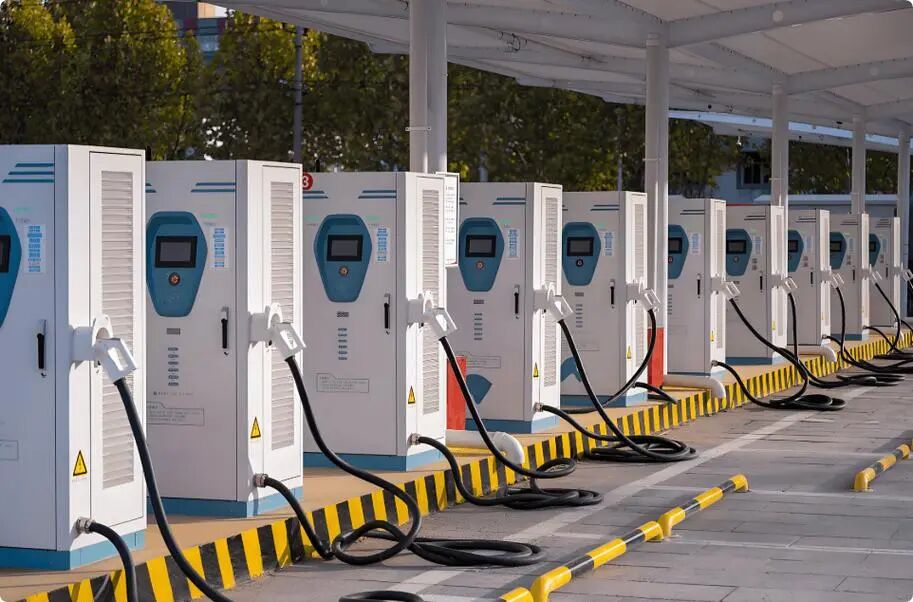
Sinopec has cooperated with BYD by making 30,000 of its gas stations in prime locations available for partnership, and BYD has installed its fast-charging technology in the parking spaces of these gas stations. This is not a situation where one side bows to the other, but a handshake and reconciliation between two eras.
Secondly, automakers and capital are no longer investing in fuel vehicles.
Volkswagen, General Motors, Ford, and Stellantis have seen a cliff-like drop in the number of new fuel vehicle models launched after 2025. More than half of their R&D budgets are invested in electrification and intelligence.
If you go to buy a new fuel vehicle now, you will find that its engine, transmission, and infotainment system have not been upgraded much — because no one is investing money in improving them.
Another factor is that gas stations are shrinking. Oil companies such as Shell, BP, and TotalEnergies are closing gas stations in Europe and the United States faster than they are opening new ones. The number of gas stations in China has also been declining in recent years.
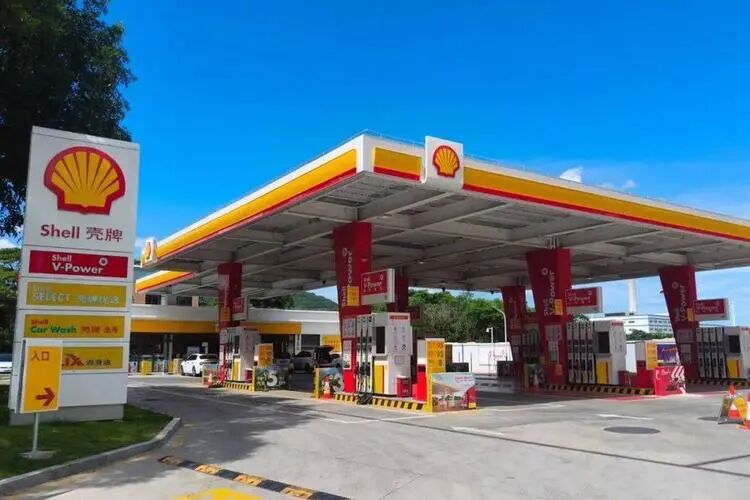
This is the terrifying part of industrial trends — it is not determined by oil prices, but by all participants in the industry turning around together.
Even if there is more and cheaper oil tomorrow, these automakers will not go back to develop new engines for you. The money has been spent, the factories have been renovated, the supply chain has been rebuilt, and the personnel have been trained. There is no turning back.
From the perspective of pure pollution, fuel vehicles overdraw the future and cause air pollution. The issue of battery pollution for electric vehicles still deserves the attention of practitioners, who need to do better from a longer-term perspective, which is also a matter of concern for many consumers.
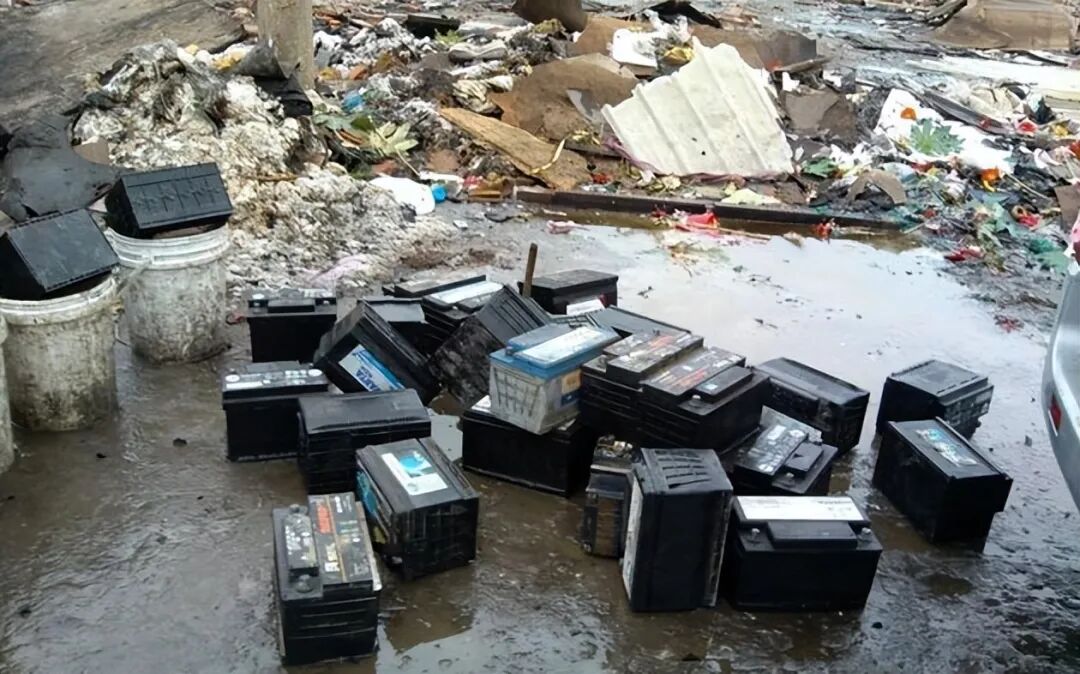
The battery pack of an electric vehicle needs to be retired after 8 to 10 years of use. These retired batteries contain lithium, cobalt, nickel, and manganese, and improper handling will cause heavy metal pollution.
In 2025, about 800,000 tons of power batteries will be retired in China, and this figure will rise to 3.5 million tons in 2030. At present, the country's formal dismantling capacity cannot keep up with the demand, and unregulated small workshops pour acid liquid directly, which pollutes the soil.
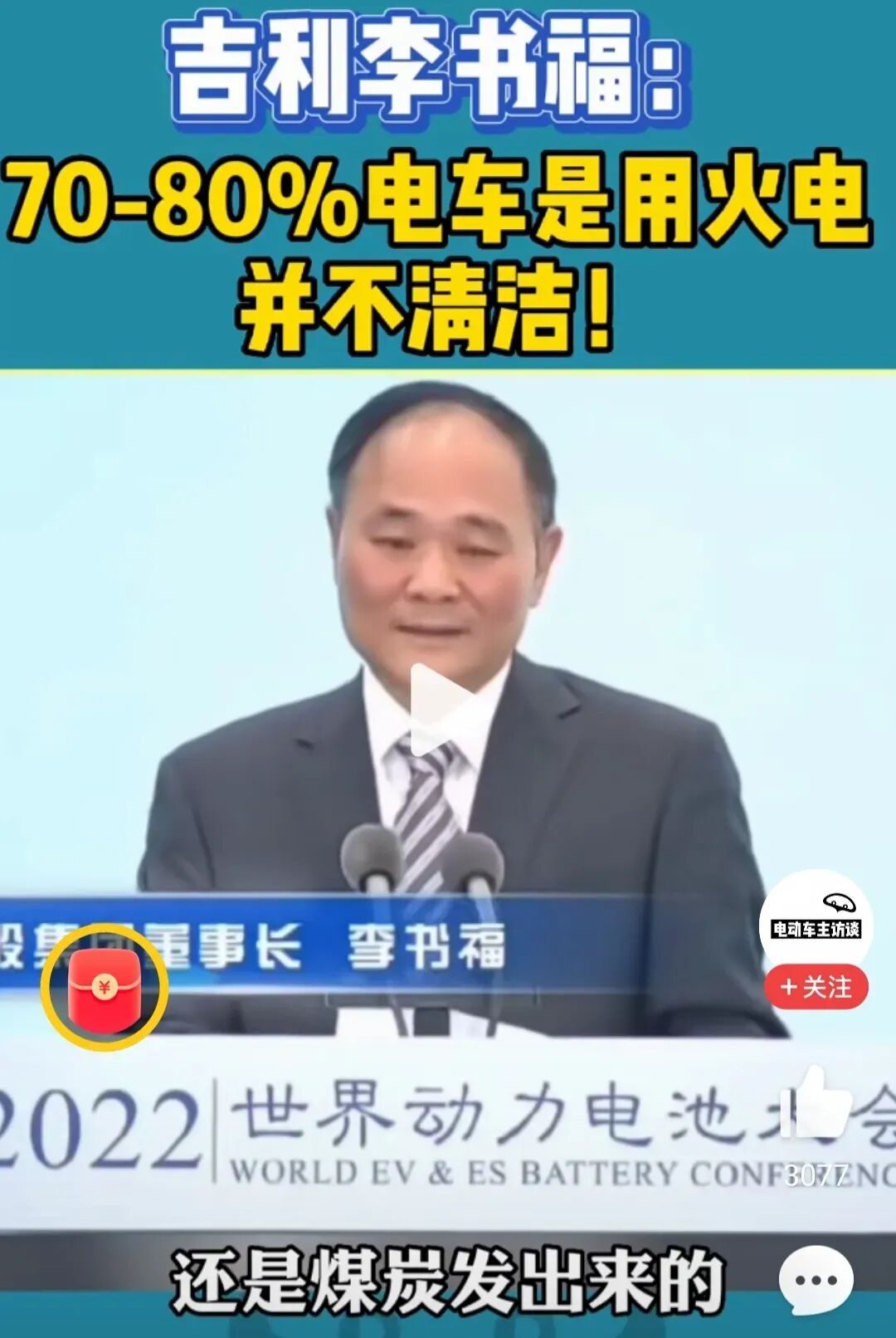
Another problem is where the electricity comes from. At the 2022 World New Energy Vehicle Congress, Li Shufu said bluntly that about 70-80% of the electricity used by electric vehicles now is still generated from coal.
Driving an electric vehicle in Shenzhen is low-carbon, because there is a large proportion of nuclear power and hydropower there. But if you drive an electric vehicle in Shanxi, the electricity behind it is still generated by burning coal, which essentially moves the exhaust emissions from the exhaust pipe of the car to the chimney of the thermal power plant.
When Wang Chuanfu said that fuel vehicles overdraw the future, he may be talking about three things: first, China has little oil but abundant electricity, so relying on other people's oil is unsafe; second, the global industrial chain has already turned to the direction of electrification; third, the intelligent performance and usage cost advantages of electric vehicles are already very obvious.
Will oil really run out? According to the IEA's forecast, there will be a surplus of 8 million barrels per day in 2030, and no end of this trend can be seen in the short term. With the explosion of AI computing power, a large number of data centers continue to consume electricity, and electricity may become a scarce resource in the future, and the usage cost of new energy vehicles will not always be low.
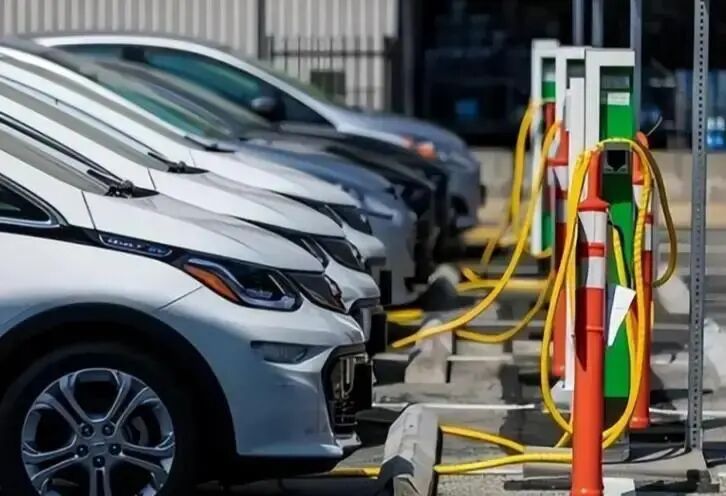
But whether oil will run out has little to do with whether you choose a fuel vehicle or an electric vehicle for your next car. However, the general trend is that every additional electric vehicle will reduce the global demand for oil, and lower the ceiling of oil prices. When oil prices fall, the cost of the entire industrial chain will decrease, and the profit margin of enterprises will naturally expand.
What really determines what car you buy is not how many barrels of oil are left underground, but how to promote the qualitative change of the entire technological transformation trend.
The competition focus of China's electric vehicle industry should not stay on the cost-effectiveness comparison between fuel vehicles and electric vehicles, but on making the products competitive enough with no obvious shortcomings in all aspects, which is what consumers care about most.