The culture of pursuing photogenic social media content has harmed the noble Dyson.
The innovation of consumer electronics has collectively entered a plateau period, and manufacturers have reached a strange consensus: to weld cameras to every object that can be powered on.
However, no matter how sophisticated and elegant the industrial design is, once it runs into the all-pervasive photo-obsessed culture and quirky aesthetics of young people, it cannot escape the fate of being used for meme creation by netizens.
This time Dyson is the one in the spotlight. Its smart toothbrush, which integrates fluid mechanics and micro lenses, has been forcibly treated as a retro fisheye camera with a water spray function.
Your next camera doesn't have to be a camera
Inventor James Dyson probably never imagined that the smart toothbrush, which took 661 engineers 6 years to develop and won 38 patents, would become a viral hit across the whole internet in the way of being mistaken for a retro camera.
A few days ago, Dyson grandly launched its first oral care product in Paris: the CameraJet Microscope Jet Electric Toothbrush, which is priced at 3899 yuan in the Chinese mainland market. Its core selling point is a tiny micro camera with a diameter of only 1 millimeter embedded under the brush head.
Although the lens only has 100,000 pixels, it can scan the gaps between teeth at a speed of 28 frames per second. Combined with the AI algorithm trained by Dyson with 470,000 oral images, it can lock the gaps between teeth in 0.1 seconds and accurately eject a high-pressure water stream to wash away stains.
According to the script set by Dyson, this was supposed to be a dimensionality reduction strike against traditional oral care with fluid mechanics and computer vision. However, the majority of netizens always have unexpected thinking patterns: they ignored the selling points carefully crafted by Dyson, and their attention was completely drawn to the tiny lens on the brush head.
An equipment blogger on Instagram really spent 500 dollars, blatantly took this water-spray toothbrush to the Champs-Élysées in Paris, and created a genuine performance art piece.
"There is an old meme in the photography circle that dentists are the biggest fans of Leica. So when I first saw this toothbrush that looks exactly like a macro camera, I thought it would be a waste not to take it for street photography," the blogger wrote on social media.
To protect oral privacy, Dyson designed the CameraJet to "store no images and upload no data to the cloud", and there is not even a screenshot or recording button in the supporting App.
But this couldn't stop this photography enthusiast at all. The blogger held the toothbrush in his right hand to frame the shot, and frantically pressed the screenshot button on his phone with his left hand. The precision instrument that Dyson spent millions of dollars developing was completely reduced to a low-definition wireless viewfinder at this moment.
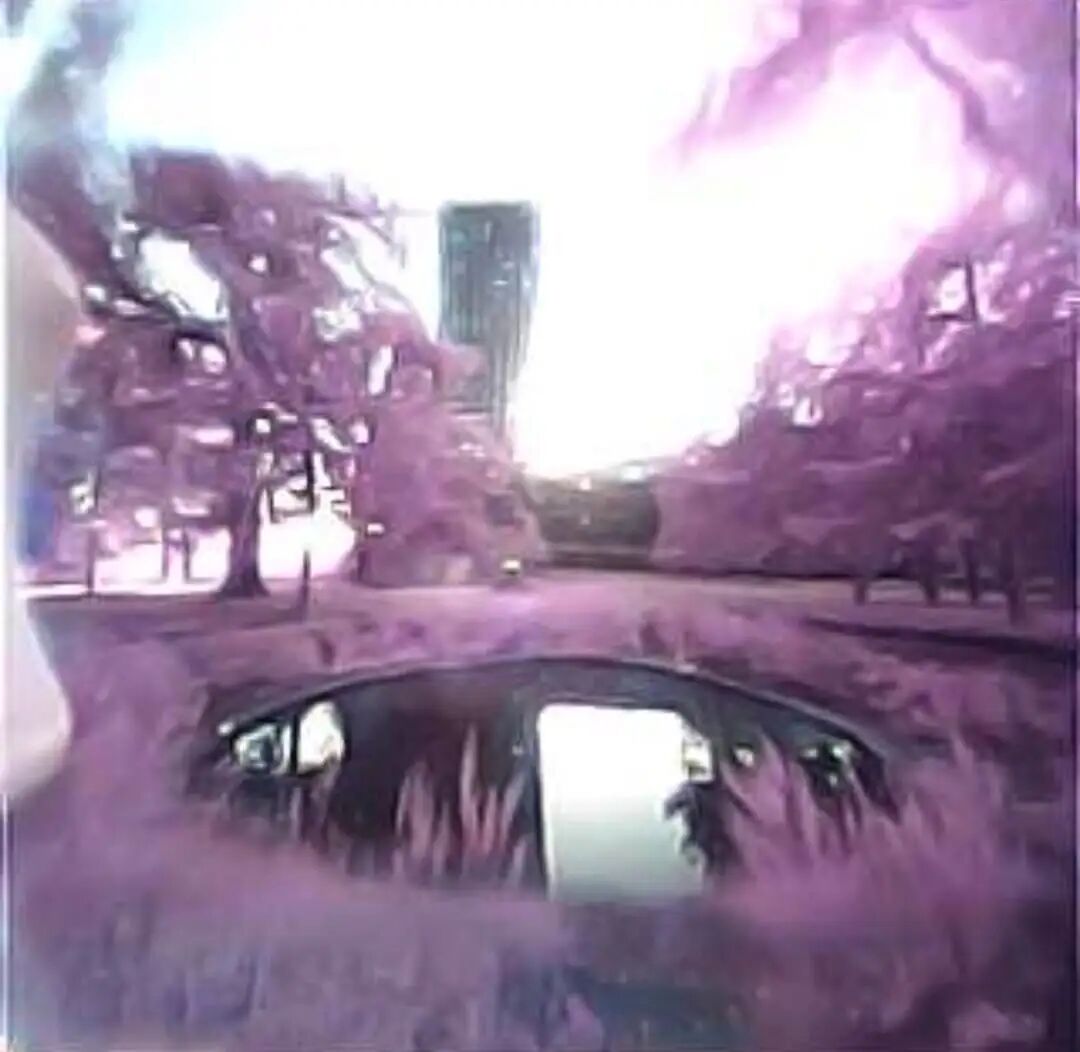
Photo taken by AllGearNoSkill
Judging from the actual street photos, the pictures are full of heavily distorted fisheye effects, greenish infrared night vision vibes, and randomly drifting white balance. Media comments described the footage as "surprisingly similar to the early AI-generated image of Will Smith eating pasta".
Compared with a toothbrush, it is as expensive as a camera; compared with a camera, its shooting quality is as poor as a toy toothbrush. Its terrible imaging quality can even be outperformed by the discarded photos taken by Nokia feature phones more than a decade ago.
However, the blogger known as the "quirky equipment enthusiast" is quite satisfied. In his opinion, the famous maxim in the photography world that "the best camera is the one you have with you" has been verified once again in an absurd way.
Dyson, which usually presents a minimalist industrial style and talks nonstop about fluid mechanics, was thus pushed by netizens into the non-mainstream folk photography track.
When innovation falls short, cameras make up the difference
There is a textbook-level successful case in the hardware history of embedding a camera into a device that was never designed for it: DJI.
When DJI launched the Phantom 1 in 2013, there was only a crude external mount on the fuselage, and users had to screw the GoPro onto it with screws by themselves.
But DJI soon realized that purely focusing on flight control algorithms and brushless motors was just a niche carnival for model aircraft geeks. What ordinary people really want is a pair of eyes that can fly into the sky. So DJI completely reconstructed the entire flight system around this camera, and directly created the new category of "consumer aerial photography".
Later, DJI separated the gimbal and the camera to create the Osmo Pocket, which weighs only about 100 grams. In DJI's logic, the camera is the logical starting point for the evolution of all its products.
However, the story of subverting an entire product category with just one lens is no longer replicable.
When product innovation enters a plateau period, the most labor-saving way for manufacturers to promote products is to install a pair of "eyes" on them, forcibly open up a perception dimension, and use it as a sensor for AI to understand the physical world.
Robotic vacuums and lawn mowers need advanced obstacle avoidance capabilities, new energy vehicles need visual intelligent driving, and even the camera-equipped AirPods that Apple is developing as reported by Bloomberg is designed to feed the physical images of the real world to Apple Intelligence in real time.
Dyson's CameraJet is essentially a radical product born under this trend.
To solve the problem that this delicate lens is easily covered by foam in the mouth, Dyson even specially developed and gives away special foam-free toothpaste and low-foam mouthwash in the product package.
This is very typical of Dyson. The company is born to take daily necessities completely apart: vacuum cleaners are not allowed to use dust bags, hair dryers must remove the fan blades from the main body, and now for toothbrushes, it insists on giving them eyes and a micro water pump.
In the past, Dyson's high pricing was fully accepted by the market, because the technical breakthroughs behind it could be perceived immediately. Whether it was cyclonic centrifugal force or bladeless air tunnels, users could feel the physical experience superiority the first second they used the product.
But a toothbrush is a product where the effect is extremely delayed. No matter how precise the AI visual alignment on the molars is, ordinary people can hardly intuitively feel the benefit of spending thousands of extra yuan after brushing their teeth and running their tongue around the mouth — so they might as well just take it to the street to take funny photos for fun.
This is also a common problem faced by high-end hardware today. Engineers have racked their brains to build extremely complex systems at the nanoscale frontier, but it is increasingly difficult to get a heartfelt "this is totally worth it" from consumers.
The less a device looks like a camera, the more people want to use it to take photos
From an engineering perspective, Dyson's 100,000-pixel lens has made full physical compromises to fit into the oral cavity: an extremely tiny sensor, an ultra-short focal length, and a wide-angle macro fisheye, all of which were originally designed only to capture the gaps between teeth in the dark oral environment.
This "terrible image quality" resulting from engineering compromises accidentally stumbled into the carnival of the reverse aesthetics of contemporary young people.
Today's young people have long been tired of the super algorithms that are precisely calculated by smartphones. When you press the shutter to take a photo, HDR, dynamic noise reduction, and face skin smoothing are all done automatically. Every photo looks as bright and perfect as a plastic mannequin on an assembly line.
While major manufacturers are pouring huge sums of money to eliminate noise and distortion, young people are beginning to hunt for imperfections in a retaliatory way. Vintage CCD cameras have been hyped up as financial products, and moldy tape DVs have become fashion totems. People are getting tired of the uniform perfection ruled by algorithms.
As long as a device can generate images, contemporary netizens can temporarily requisition it as a camera. The less suitable the device is for taking photos, the easier it is to create a contrast effect. Smart door locks and robotic vacuums have all been "victims" before.
The latest popular item is the 19.9-yuan free shipping visual ear pick. Some short video creators used it to shoot promotional videos for restaurant chefs, and with the rough endoscopic perspective, they even turned the footage of stir-fried pork intestines into a detective crime blockbuster.
Dyson's toothbrush happens to hit all the elements of this reverse aesthetic trend: full-screen noise, greenish night vision vibe, natural fisheye distortion, plus a noble price tag of nearly 4,000 yuan. The more unsuitable the device is supposed to be for that scenario, the stronger its absurdity becomes as hard currency on social media.
In an era where attention is extremely abundant, taking photos of Paris with a Leica has long seemed mediocre and cliché; but if you hold a Dyson toothbrush full of DuPont bristles that sprays water mist seriously to focus and frame shots on the Champs-Élysées, the absurd avant-garde artistic sense is instantly maximized.
The more hardware engineers want to build it into a precision instrument, the more netizens want to treat it as a toy.
On the fragmented internet, Dyson's complex technical narrative undoubtedly lost to a simple joke: "Dyson has launched a toothbrush that can take photos."
Ordinary fun-seekers on the other side of the internet only want to find a chance to post on their social media moments. Everything that can generate images will sooner or later not escape the fate of being turned into a camera.
This article is from the WeChat official account "Zhengu Research Lab" (ID: zhengulab), written by Li Yaqi, edited by Zhang Duo, and published with authorization from 36Kr.