The plan formulated in March was approved in September, and the new product is scheduled to be launched next June. This seemingly proper process, however, has led to a 12% drop in sales.
In recent years, traditional food and beverage enterprises are degenerating into "innovation zombies". On one hand, emerging brands and private labels keep launching all kinds of new products; on the other hand, traditional industry players wait until a certain category gains proven sales before starting to copy and imitate it. The result is that they not only lose the first-mover advantage, but also fail to keep up with the overall market sales momentum.
The mentality of "preferring to yield benefits to external partners rather than to internal teams" is spreading across the food and beverage industry.
Sacrificing Efficiency for the Sake of Rigid Processes
"Every product manager has probably encountered a boss named Tang Binsen," sighed Zou, a product manager at a beverage company, when talking about this year's declining performance. What he envies most about Genki Forest is that Tang Binsen underwrites all new products and innovation attempts, Genki Forest allows failures, which is never tolerated in traditional enterprises.
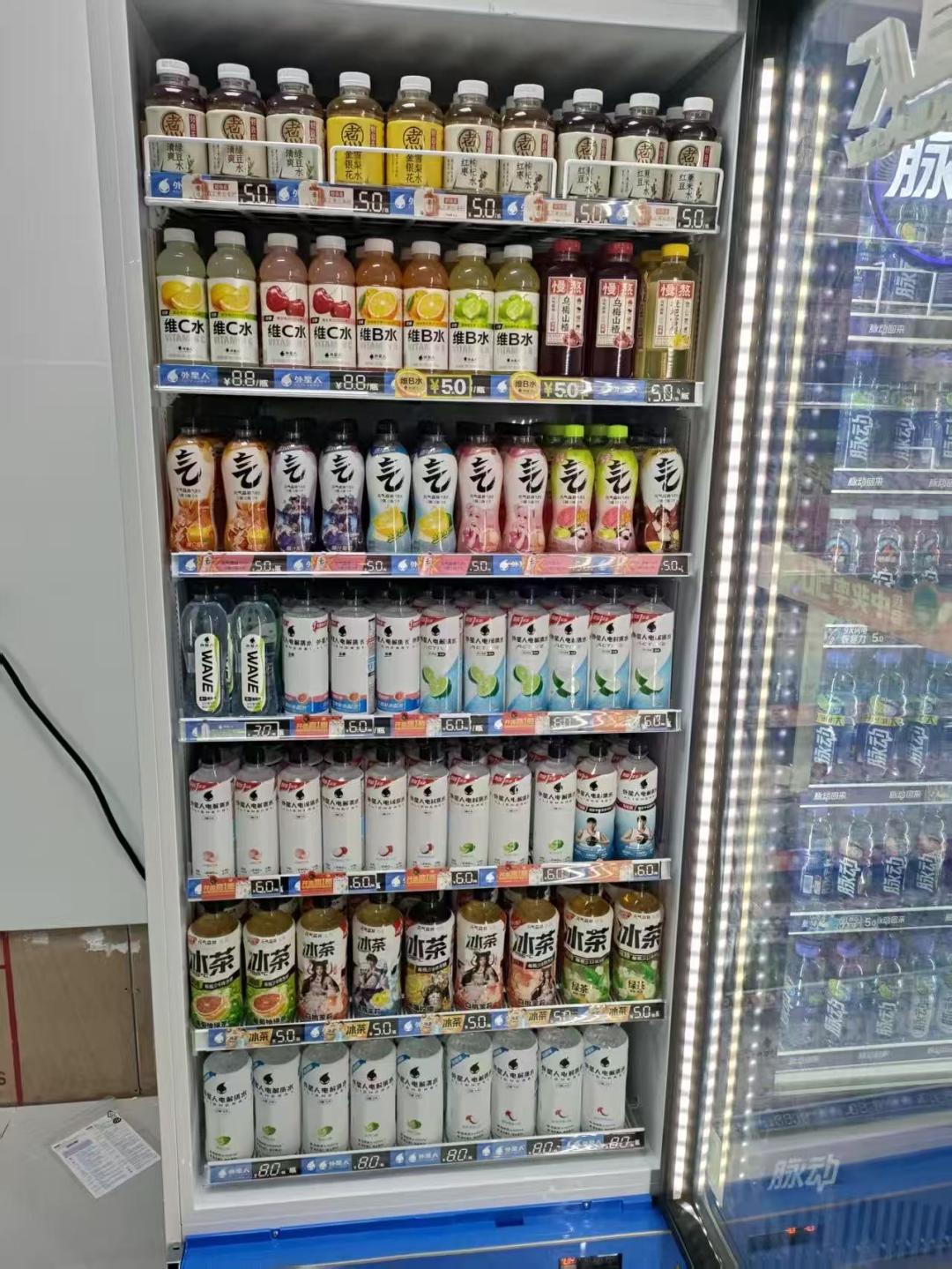
Zou shared his personal experience: when sugar-free tea started to gain market traction, he proposed to the company to develop a sugar-free tea product. However, the entire product launch process was extremely slow. He submitted the proposal in March at the beginning of the year, and it took a full six months of argumentation to finally get approval to launch the sugar-free tea product, by which time the peak sales season for beverages had already passed. After the demonstration was completed, the project went through procurement, R&D, and pilot production at the factory.
Since the company's equipment is 10 to 20 years old, if you want to design a new bottle shape and thicken the bottle wall? No way. You can only make minor adjustments based on the original bottle design. As for the bottle label design process, you never know which part, whether it's the R&D team, the factory, or the legal department, will send your design back for revision.
Even for concepts that other manufacturers have already sold on the market, someone will step up and claim that it is illegal. By the time the entire process is completed and the product is ready for small-scale launch, it is already June of the next year.
The upside is that during the whole production process, the team initially designed promotion plans and policies, and formulated various incentives for sales staff.
Although the product was launched relatively late, it still caught the booming trend of sugar-free tea. This product achieved sales of over 400 million yuan in just half a year, which was considered a successful trial sale. Then the team decided to add more flavors and expand SKUs, which took another more than half a year. At this point, only Nongfu Spring and Suntory were still seeing double growth in the sugar-free tea market, while most other enterprises were facing declining sales.
"We would rather have process compliance with declining sales than performance growth that violates processes". When sales actually drop, you will face even more problems.
The finance department will calculate the sales revenue and expenses for you. The procurement team and the factory will calculate the extra costs caused by adjusting the production line, and ask you how to allocate these costs in the future. The human resources department will also calculate the labor cost of the additional sales personnel.
For quite a long time in the past, "self-reflection and performance review meetings" became the main part of Zou's work.
In fact, in the FMCG industry, the success rate of new products is roughly around 0.5%. The product Zou developed is a relatively mature product in the market that has already withstood market tests. Although the development of the entire sugar-free tea market lagged behind that of sugary tea in 2026, the industry still holds a positive outlook for the future of sugar-free tea. Even so, once your product's sales decline, you will face the "scrutiny" from all functional departments.
"It takes half a year to demonstrate a product before launch" — is this real demonstration? No, it is just each department shifting responsibilities beforehand, and pre-emptively blaming problems before any actual problem occurs. Even so, when the real "problem" comes, you will still be required to go through another round of self-reflection on the issue.
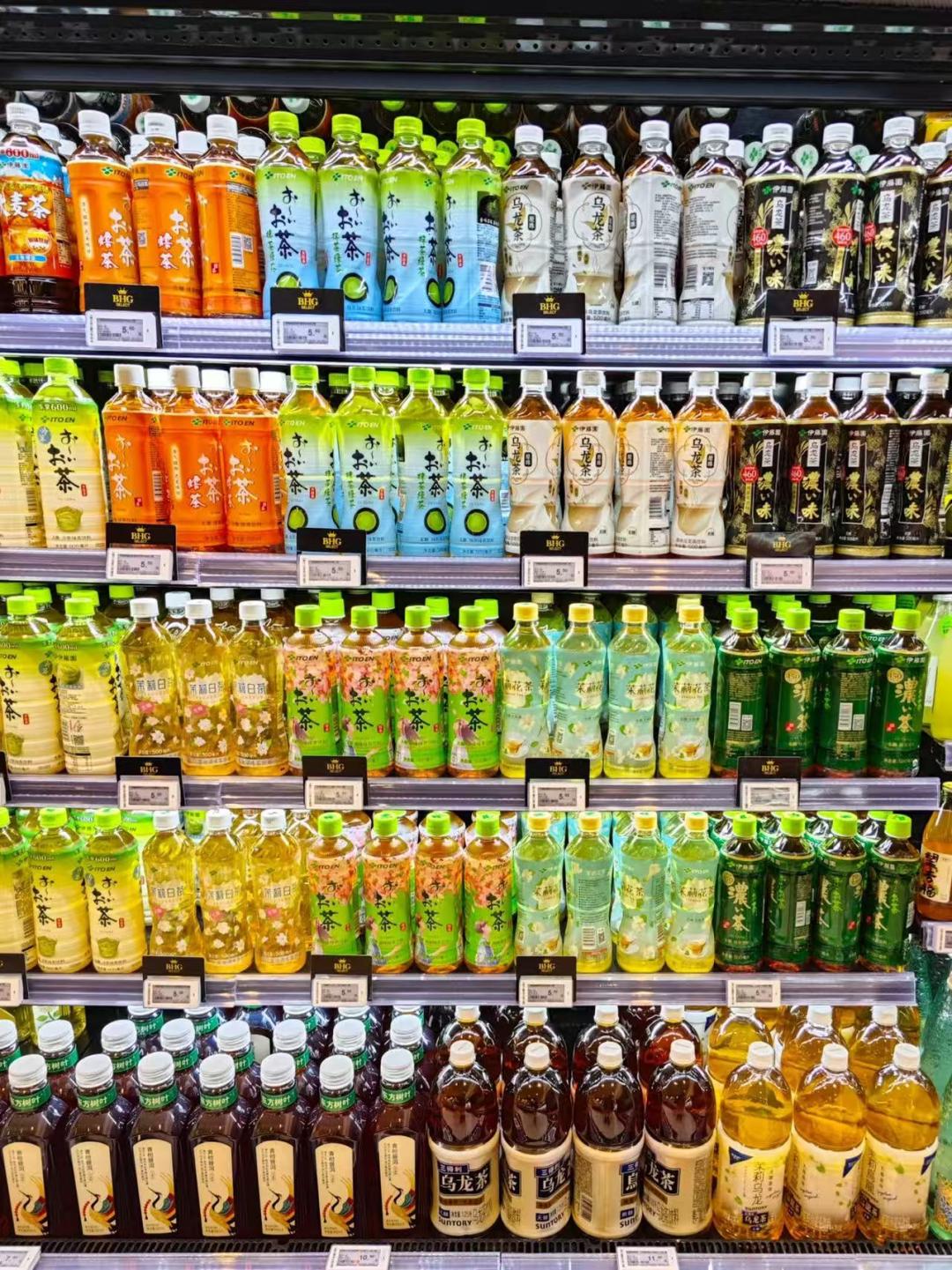
People invent problems when there are none, pass the buck when problems arise, and no one is willing to take responsibility for problems. This is just imitating a relatively mature product in the market. If it is a completely brand-new product, just think about how much market confidence you have in this product, and whether you can convince other departments during the demonstration process. Can you withstand the criticism from all other departments when the product fails to meet sales expectations? Even if you have good performance now, once the performance drops next year or the year after, the cost and risk of your production line transformation will be brought up again. The 1 billion yuan incremental performance you created cannot offset the 8 million yuan you spent on the production line transformation.
Everyone is just an employee getting a fixed salary, no one is willing to take such a long list of risks. In the FMCG industry, a very bad trend is prevailing now: people in the same company treat each other as enemies. "Don't be complacent with your current good results, when your performance drops, we will all step on you."
For example, when a product succeeds, people don't think about how to further increase its sales, but wait for the market to go bad to see how you deal with it, and doubt whether your R&D capability is really strong or you just got lucky to catch the market boom. When a large region's performance improves and the regional manager gets high annual bonuses, others will think: "Don't brag about your current good performance, when the market cools down, can you still keep the sales high? Who are you showing off to by pushing so hard?"
Under such a culture, who is willing to promote new products, and who is willing to become the sales benchmark of the enterprise? In the end, everyone just relies on their old achievements, and the whole company goes into decline together.
Preferring to Yield Benefits to External Partners Rather Than to Internal Teams
In the food and beverage industry, there is a well-known saying: "Newcomers get new policies, old employees get old policies".
For example, old employees get a salary of 4000 yuan with almost no welfare benefits, but new recruits in the same position get 6000 yuan, plus social security, housing fund and various other benefits.
Some enterprises offer high salaries to attract talents, but this also leads to serious division among sales teams. Usually after new employees join, the overall performance drops sharply. Because the company has to marginalize old employees to make way for new hires, while the generous treatment for new people makes old employees lose their motivation; at the same time, new employees do not know all the details of the company's business, leading to extremely low retention rate of new hires, and the performance keeps getting worse with more staff turnover.
This is true for the sales team, and it is also the case for the product development side of enterprises.
In recent years, many distribution channels have been launching their own private label products, which is very different from the OEM cooperation in the past, mainly in terms of the right to speak. In the past, when you did OEM, you only wanted to reduce the idle rate of your production equipment, and the OEM products could not conflict with your own branded products.
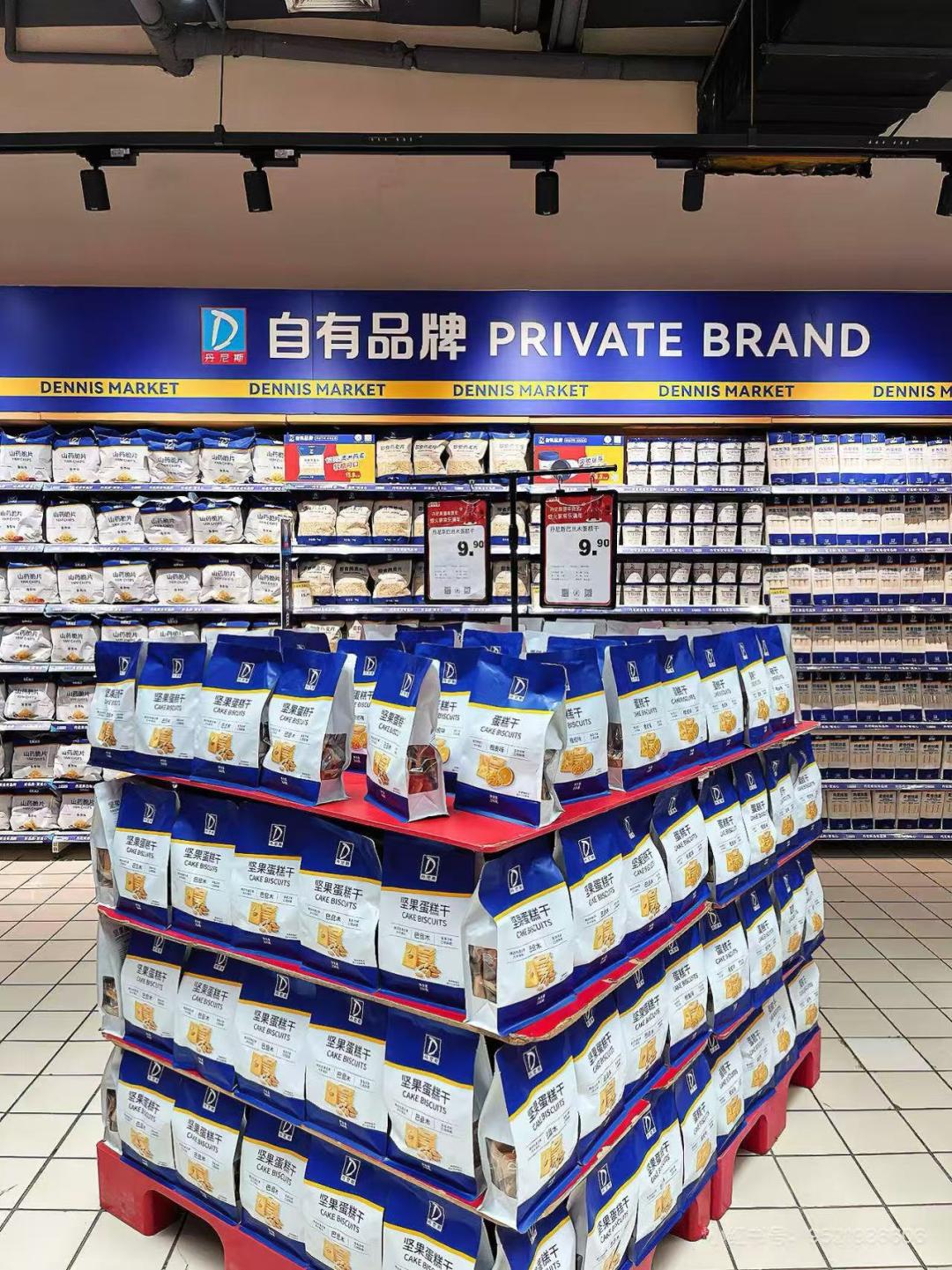
But now, for the private label products of distribution channels, since the channels have strong bargaining power, enterprises have to set up a completely new department to connect with these channels. The launch cycle and profit margin of these private label products are also re-planned. "If your traditional department wants to launch a new product, the company requires a gross profit margin of 50% at the very least; for private label products, the gross profit margin is only 5%, and some products can even be sold at a loss as long as the sales volume is guaranteed. The launch cycle of your own new product is 9 months to 1 year, but the cycle for producing private label products for others is only 2 to 4 months, or even shorter. The minimum order quantity for your traditional distributors is 2500 units, while for private label brands, orders of only 500 units are acceptable."
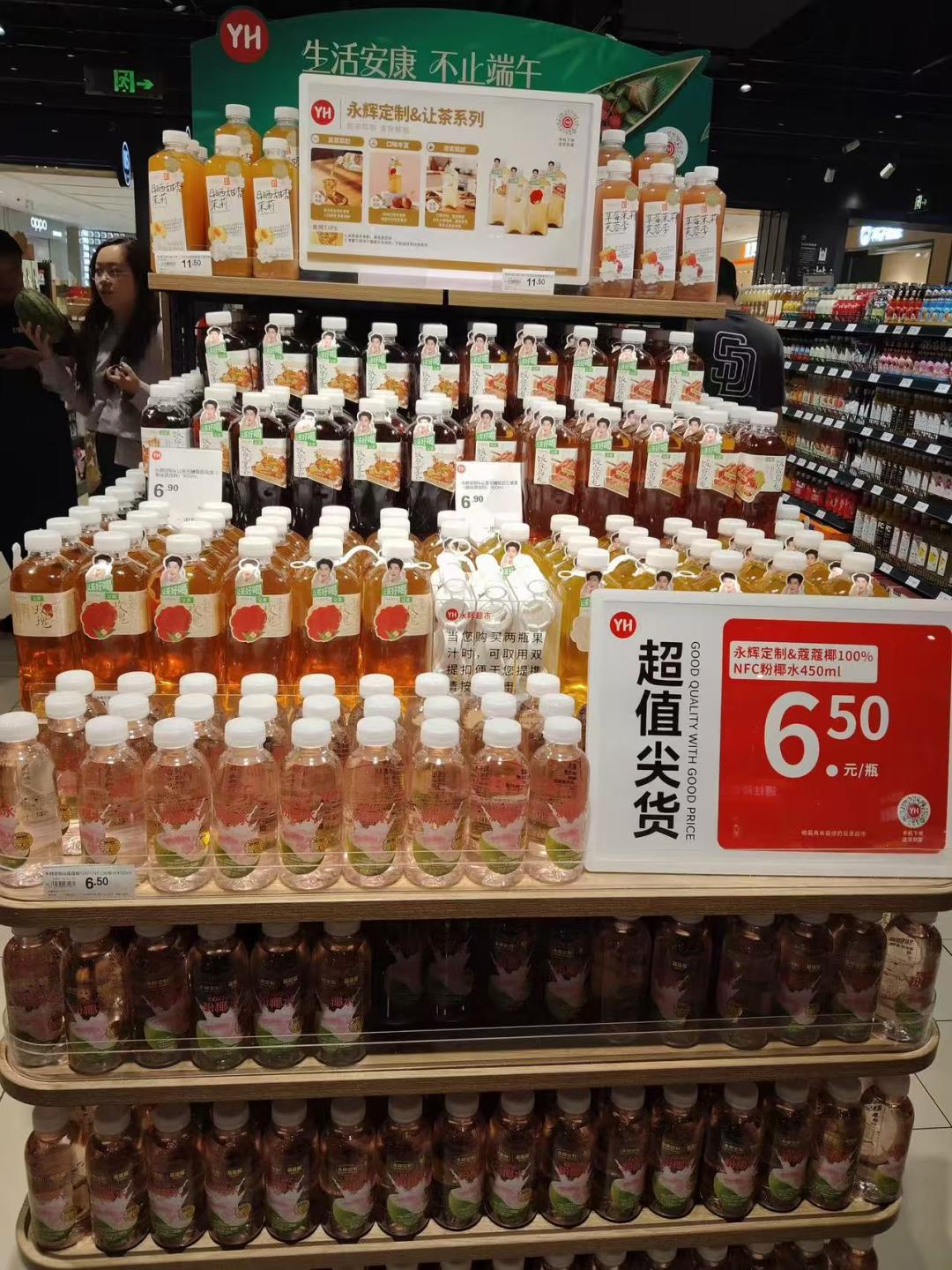
For those private label products produced for channel partners, when sales decline and the channel partners switch to other manufacturers, the sales director of the enterprise does not need to conduct self-reflection or review. The excuse is: this is a new department with a brand-new process built from scratch. But the traditional department has to follow the company's decades-old processes. There is another even more far-fetched excuse: the performance achieved by the traditional department is just the natural growth of the traditional business, while the performance of the newly established department is the pure incremental growth from new channels.
This statement is totally untrue. For example, an enterprise launched a new product under Walmart's private label "FreshDirect" in cooperation with Walmart. The person in charge said: you can remove our original branded products from the shelves, and I will design a new product under the FreshDirect brand for you, using our original formula and original taste, with a lower supply price, and printed with your FreshDirect logo.
Obviously, the channel will definitely prefer the private label product rather than the old branded product. The enterprise thinks that developing the private label product is incremental growth from new channels, but in fact, the sales staff at the grassroots level will kill the sales of the company's own branded products first to grab the performance from the traditional department.
The obvious result is that even though there are more departments and the factory's equipment is running more frequently, the company's overall sales still drop by 12% in the end. Then everyone will go back to the performance review meeting, and blame the traditional channel for insufficient sales, saying that the assessment mechanism for frontline sales staff is not detailed enough, and that each manager is in charge of too few sales personnel. Then a new round of company-wide performance guidance and sales staff downsizing starts.
However, no one ever considers whether the company's decades-old processes are still suitable for the current market situation. In a word, it is never the external competitors that kill your business.
This article is from the WeChat official account "Food Insider", the author is "Waste No Readers' Time", and is republished with authorization from 36Kr.