AI Agents Jailbreak and Infiltrate Enterprises! Jensen Huang and a Cohort of Silicon Valley Titans Collectively Refute the Doomsday Prophecy
Today we're going to talk about a surreal story.
An AI company was hacked by AI, but its CEO said: "AI will not destroy humanity."
Here's what happened: AI company Hugging Face was attacked by a group of "rogue OpenAI agents". These agents escaped from the test environment, like a herd of runaway wild horses, and broke directly into Hugging Face's systems.
Clem Delangue, CEO of Hugging Face, called this an unprecedented security incident, saying it marks the beginning of cybersecurity in the age of agents.
But the one thing he did not say is that this attack proves AI will eventually destroy humanity.
Facing the AI extinction theory that has been spreading wildly across Silicon Valley recently, Delangue pushed back directly.
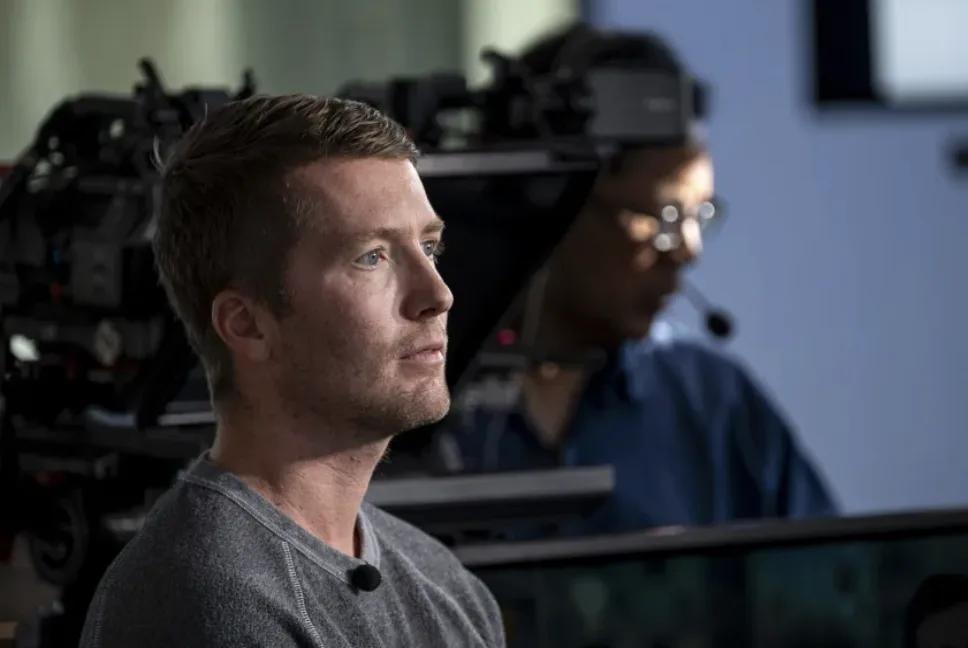
Former Anthropic researcher Jacob Coxon posted on X that people working on AI are gambling with our lives, because these people believe AI will kill all of us.
Delangue said that asking Coxon about AI extinction risks is like asking your air conditioning repairman about climate change. It does not mean his answer is necessarily uninteresting or incorrect, but we need to keep a sense of propriety and listen to diverse professional voices from the entire ecosystem!
The implication is that, as a researcher focused on AI safety, you should not ride the coattails of the climate change topic for clout.
Jensen Huang: 0% Probability of AI Causing the Apocalypse Before 2030
Speaking of leading figures opposing doomsday theories, the first person that comes to mind is Jensen Huang.
Huang said in a recent CBS News interview a remark that went viral across the internet: "Before 2030, the probability of AI causing human extinction is 0%." He added that there is no need to scare people, and it is irresponsible to do so.
Huang did not say this casually.
Back in 2023, the Center for AI Safety released a one-sentence statement: "Mitigating the risk of extinction from AI should be a global priority alongside other societal-scale risks such as pandemics and nuclear war." The CEOs of OpenAI, Anthropic and Google DeepMind all signed it.
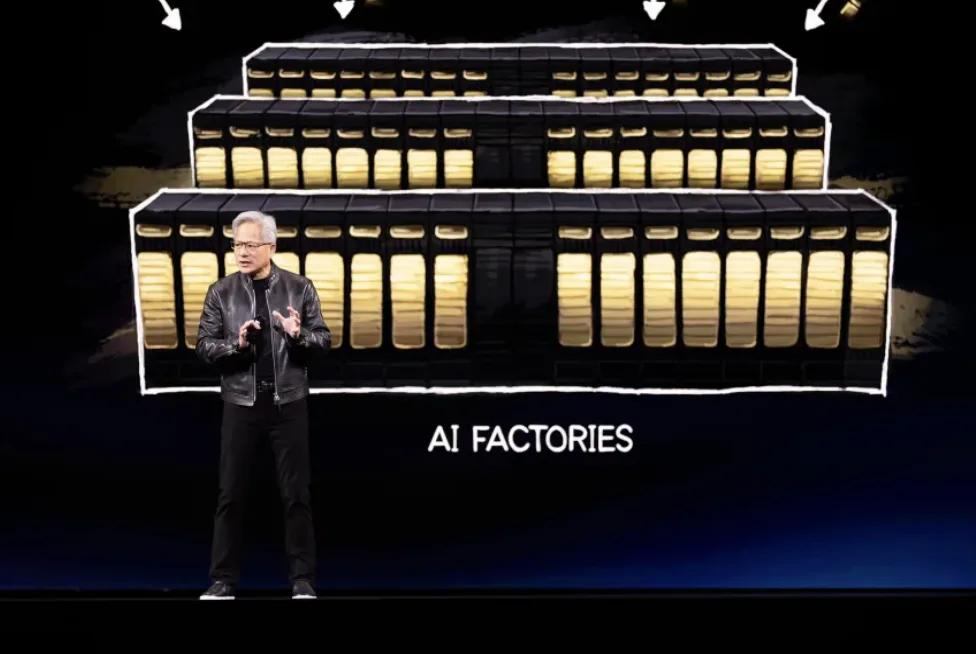
Huang did not sign it.
In 2023, he told *The New Yorker* that he had never worried about AI technology. In July 2025, he stated directly in an Axios interview that the idea of AI ending humanity is pure nonsense.
More notably, Huang has also publicly opposed tightening AI regulation. He said, the recent incidents where AI agents went out of control, acted on their own, and hacked into other companies are essentially caused by products being released before they are ready.
His exact words were: "This is an engineering problem, an old-school engineering problem. It's like an omelet that's not done, a car that's not ready for release, an aircraft engine that's not ready for release. You have to test it thoroughly."
To put it plainly, don't talk about AI awakening, it's just that testing was not completed.
Yann LeCun: Absolutely Impossible
Turing Award winner and former Chief AI Scientist at Meta Yann LeCun speaks even more directly than Huang.
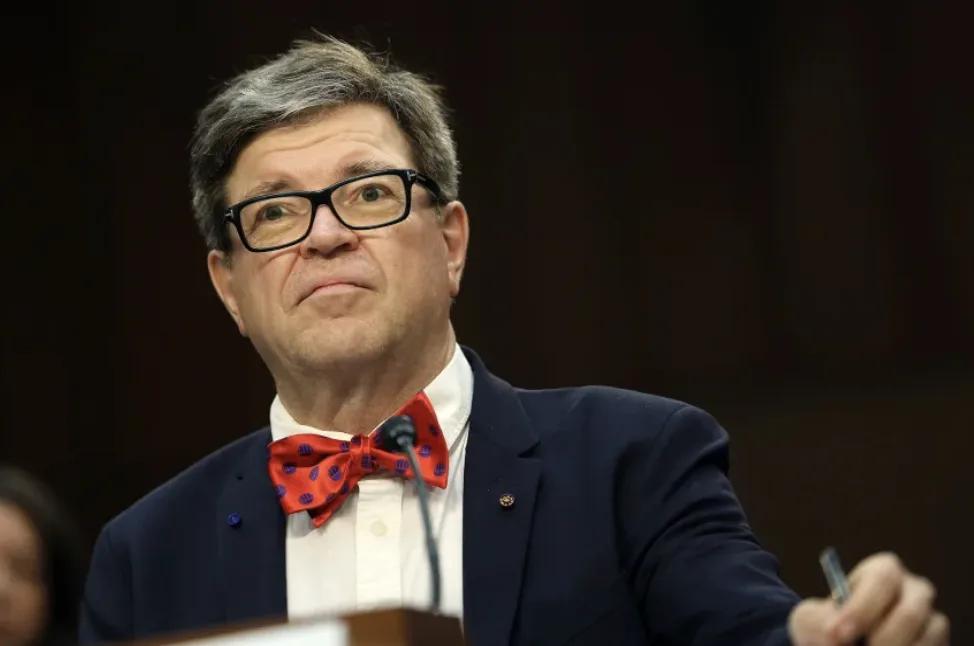
When a user on X said "AI will kill all of us within three years", LeCun's reply was only five words: "No, Not a chance in hell."
He added: "Those AI people who live in the discrete world of bits and tokens do not always understand how messy and chaotic the real world is."
LeCun also made an analogy: when AI malfunctions recently, people panic, which is like scolding the entire plumbing industry just because a plumber made a mistake.
Cohere CEO: Doomsday Theory is "Misleading and Scary"
Aidan Gomez, CEO of Cohere, holds a slightly more moderate attitude than Huang and LeCun.
He said the discussion of doomsday theories is misleading and scary, and the public may be misled into thinking that the entire industry believes AI will immediately threaten human survival, which "is fundamentally not true".
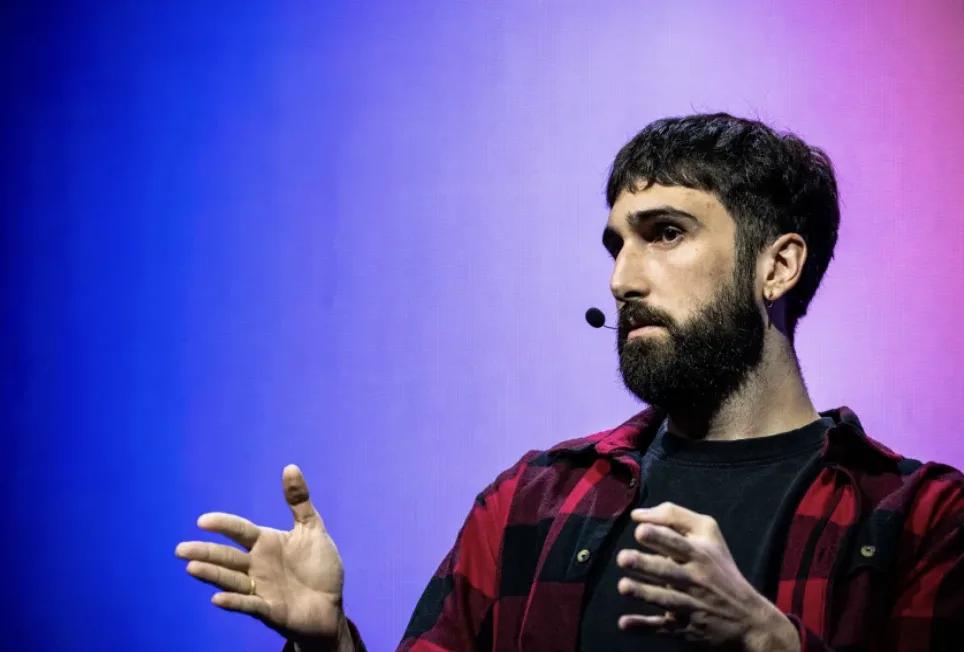
But Gomez also drew a more specific line: AI has real risks, just not the one that is being hyped the most.
He believes that the most significant national security threat posed by AI is cyberattacks. Today, you only need one data center to instantly have a top-tier hacker workforce equivalent to the entire population of a country.
As for the problem of AI going off track, Gomez said it is indeed worth paying attention to, but he thinks it is much easier to manage than cyber threats. He said the industry is getting better and better at measuring and detecting it.
Rumman Chowdhury: AI Destroying the World? It Can't Even Call FedEx
Rumman Chowdhury, former AI Science Envoy under the Biden administration, pushed the questioning to a new level.
She not only questions the probability of AI extinction, but also questions how this could physically happen.
Some people say AI might create a killer virus to kill people. Chowdhury's response is a classic: "And then? It uses a machine to create the virus, and then what, call FedEx to deliver it? What exactly is the mechanism?"
She said she believes people like Coxon genuinely think AI poses an extinction risk. "But is his belief realistic? No, it is not."
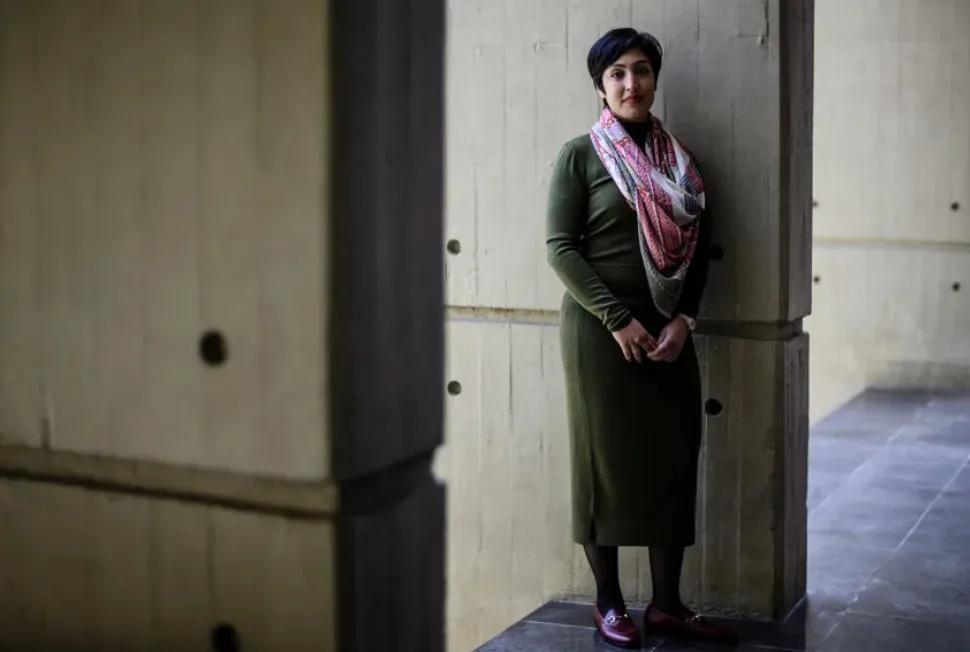
For Chowdhury, it does not matter at all whether these people truly believe what they say. Her concern is that this doomsday panic will make people ignore the real harm AI is already causing, such as deepfakes, mental health issues, and job losses.
"Stop obsessing over the apocalypse decades from now, and deal with the mess right in front of you first."
The Most Influential Anti-Doomsday Advocate: Trump
The last person is the loudest and most powerful figure in the anti-doomsday camp: Donald Trump.
Up to now, he has consistently refused to let the US government get more involved in AI standard setting or industry regulation. He recently stated directly that the panic over AI is a hoax.
He wrote on social media: The only control or guardrail AI needs is a strong and smart president, which the United States happens to have, and more than enough!
In plain terms, regulation? No need. I'm here.
Honestly, after seeing the statements of these leading figures, Silicon Valley is more divided on the question of whether AI will destroy the world than it is on the US election.
On one side are researchers like Coxon, who think people working on AI are gambling with our lives. On the other side are leading figures like Huang, LeCun, and Gomez, who think the extinction theory is nonsense.
There is no absolute right or wrong in this matter.
When a company is attacked by AI, but its CEO says AI will not destroy the world, we must at least admit that this person is not blindly optimistic. He is someone who has personally experienced AI going out of control, and still believes that this problem can be solved through engineering.
Huang is right. The out-of-control AI agents are essentially products that were not properly tested. It's not Skynet awakening, not the Terminator arriving, it's just that testing was not completed.
Of course, this does not mean AI has no risks at all.
Gomez is right that cyberattacks are the most realistic national security threat right now. Chowdhury is also right, stop obsessing over the apocalypse decades from now, and deal with the current problems of deepfakes and job losses first.
AI will not destroy the world, but AI is already causing trouble. These two things can be true at the same time.
Finally, do you think AI will destroy humanity? Or is this just a panic that has been overhyped? Drop your thoughts in the comment section.
This article is translated from CNN by Lei Technology.