A T-shirt is sold for merely 2 yuan apiece, and people from Hebei have left Yiwu completely stunned.
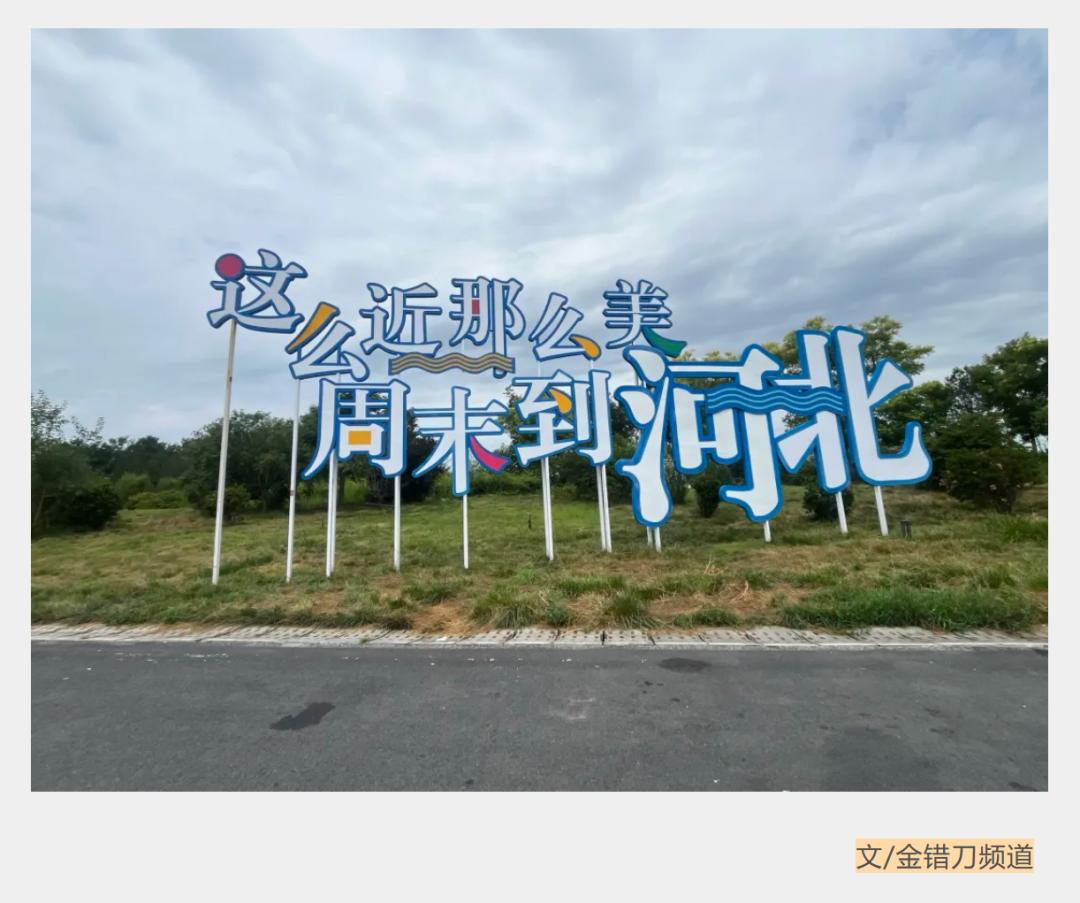
Following the viral slogan "So close, so beautiful, spend your weekend in Hebei", Hebei has brought a new "local specialty" to users across the whole internet.
In late August, the owner of a furniture factory in Renqiu, Hebei, spent 40 yuan to buy 100 sets of disposable tableware in a neighboring village, which is 0.4 yuan per set, half the price on e-commerce platforms.
He shot a video: Factories in Hebei can make products at such low prices, why don't we people in Hebei build our own platform?
He even gave this non-existent website a name by the way: Hebei Involution Network.

The view count of this video quickly rose to nearly 10 million, and the joke soon became a reality. In more than 20 days, seven or eight websites with the same name popped up, and domain names related to "Hebei Involution" were speculated to sell for 56,000 yuan.
Among these websites, one has received over 60 million visits, with more than 300,000 verified enterprises registered on it.
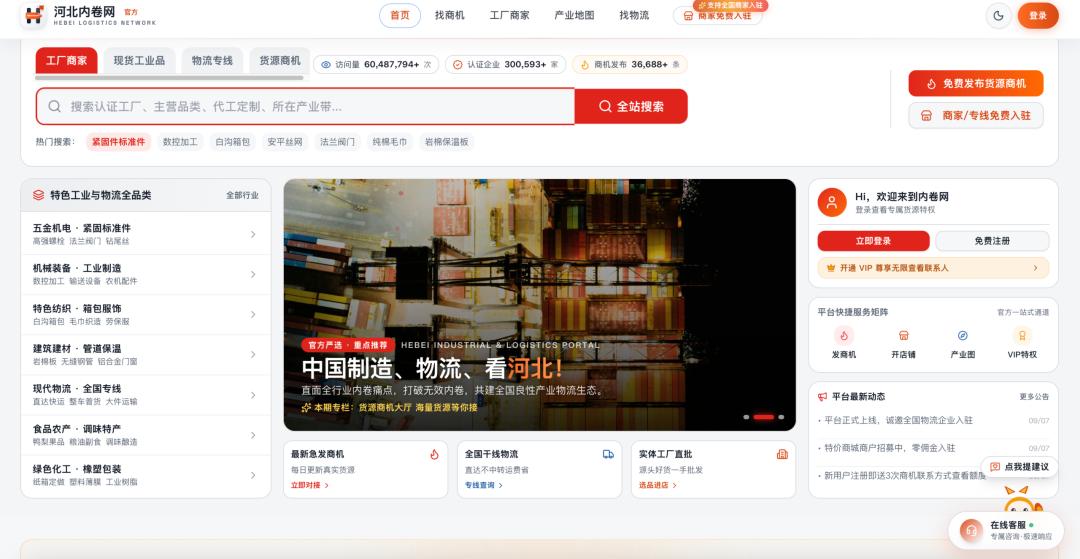
The birth of Hebei Involution Network was not originally meant to fuel involution, but rather that local businesses had long been worn out by fierce price competition.
The furniture factory owner said that for an antique-style tea table priced at over 1,000 yuan, the profit could reach 30% in the early days, but now they only earn dozens of yuan for each set sold.
Military overcoats for 50 yuan, T-shirts priced at 1.7 yuan with free shipping, 85-cent iced black tea, teddy bear plush pendants at half the price sold in Yiwu... These products are so cheap that even Pinduoduo is shocked, and their delivery addresses all point to Hebei without exception.

Netizens joked: "No wonder people say that the land of Yan and Zhao has many generous and heroic people, folks here are really generous!" "They don't aim to make profits, they just want to keep working." "So close, so beautiful, go to Hebei to restock!"
Facing these jokes, people in Hebei can only sigh.
Hebei business owners who pursue "high sales with zero profit": cut prices even with no margin left
Hebei business owners never follow conventional rules when selling products.
When e-commerce sellers in other provinces run their businesses, they sell a product that costs 5 yuan for 50 yuan; while Hebei sellers dare to sell a 5-yuan-cost product for 4.9 yuan.
Some people shared their shopping experiences: "I spent 1 cent to buy a phone stand, and got 1 yuan cashback, making a net profit of 99 cents." Some other merchants said, "I competed with a Hebei seller once. My cost was 40 yuan and I sold it for 98 yuan, but he directly priced it at 38 yuan. I followed to 38 yuan, then he cut it to 28 yuan, which completely defeated me."
This is no longer "small profits but quick returns", it is "high sales with zero profit", focusing on earning nothing at all but getting tens of thousands of orders.

Many merchants used to find it hard to understand the mentality of their Hebei peers: "Do they just love the feeling of packing and shipping parcels?"
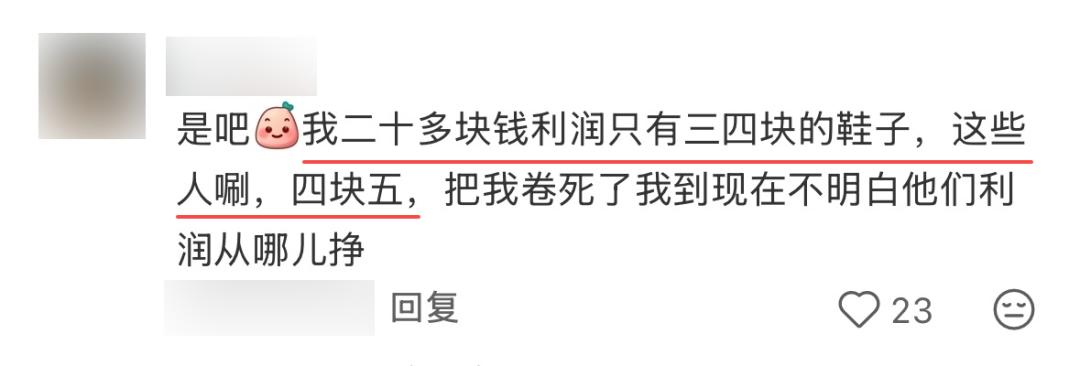
In fact, selling products even without making profits is related to two aspects.
The first aspect is where the cost savings come from.
The first factor is the venue. Many factories in Hebei are built in the owners' own homes, using residential homesteads as factory buildings. In some areas, even the wells are dug by the owners themselves, they pay electricity fees at residential rates, and it is even cheaper to start work after midnight. A Zhejiang merchant who went to Pingxiang for inspection calculated that the rent of the best factory building in the local county development zone is only 1/3 to 1/4 of that in the coastal areas of Jiangsu and Zhejiang.

The second factor is labor cost. According to media reports, the people working in Hebei's workshops are often villagers from surrounding villages, even the owners' own family members. When they need to hire extra workers, they mostly recruit women from nearby villages, who do not require high salaries, but only want flexible working hours so that they can pick up and drop off children and take care of their families. When orders are not large, the whole family will join in the work - the employees are all "born by the boss himself", how can peers from other regions compete with that?
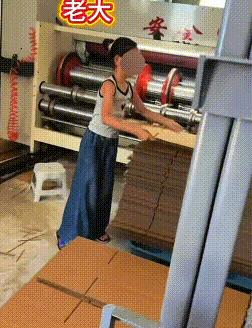
In addition, various industrial clusters reduce procurement costs; and the ever-increasing shipping volume dilutes logistics costs. In 2025, Hebei's express delivery business volume reached 119.6 billion pieces, a year-on-year increase of 25.4%, firmly ranking in the first echelon across the country.
They use their own land, labor available during agricultural off-seasons, accessories made in the neighboring village, raw materials purchased in groups at lower prices, and discounted express fees brought by huge order volumes... All cost links are tightly "clipped" to cut expenses.
The other half of the reason for selling even without profits lies in platform rules.
The lower the price, the higher the ranking of the product on the display page; in order to get free traffic, merchants can only keep cutting prices again and again. Some people specially design "traffic-draining products" - users see a pen priced at only 1 cent, but after clicking in, they find that the 1-cent product is only a pen cap, and the pen itself costs 1 yuan.
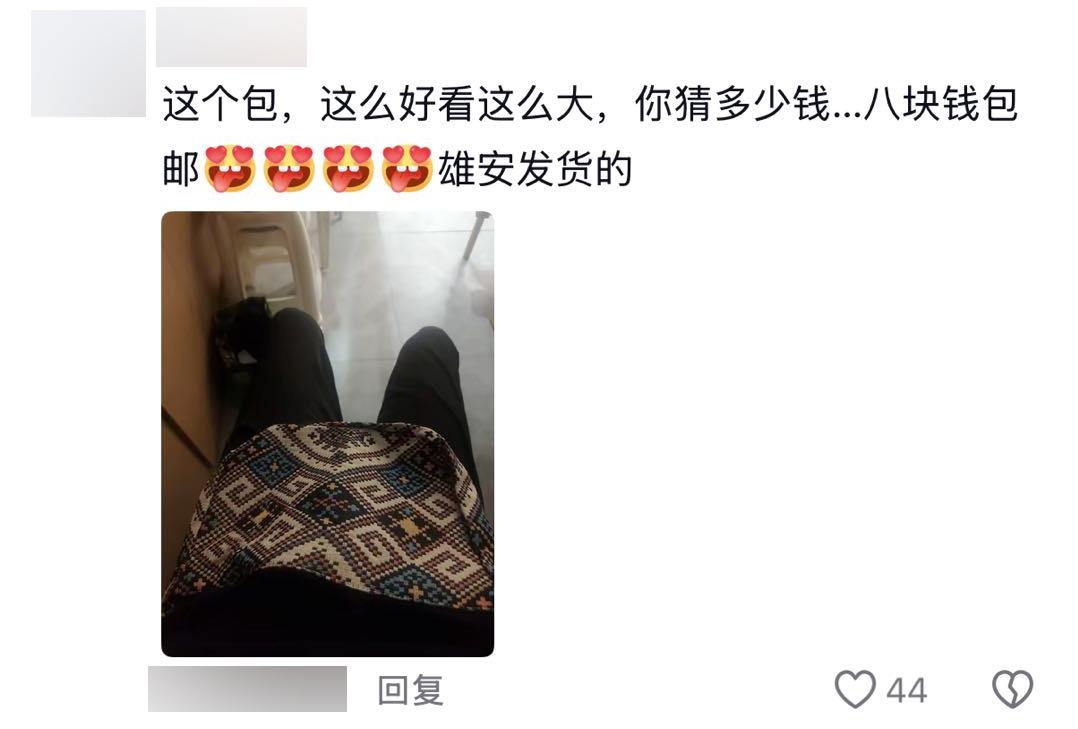
Positive review cashback works the same way. It looks like doing charity, but in fact it is to cope with the platform's service evaluation score, which is directly linked to the ranking, and it is safer than fake transactions.
But the most direct cost of doing so is that their profit is as thin as a cicada's wing.
An owner of a fishing rod factory in Cangzhou said that they could earn several yuan for a set of fishing rods in the past, but now earning a few cents is still profit, as long as it is enough to pay the workers' wages. In some highly competitive industries, the profit of the owner is even less than the income of the senior workers they hire.
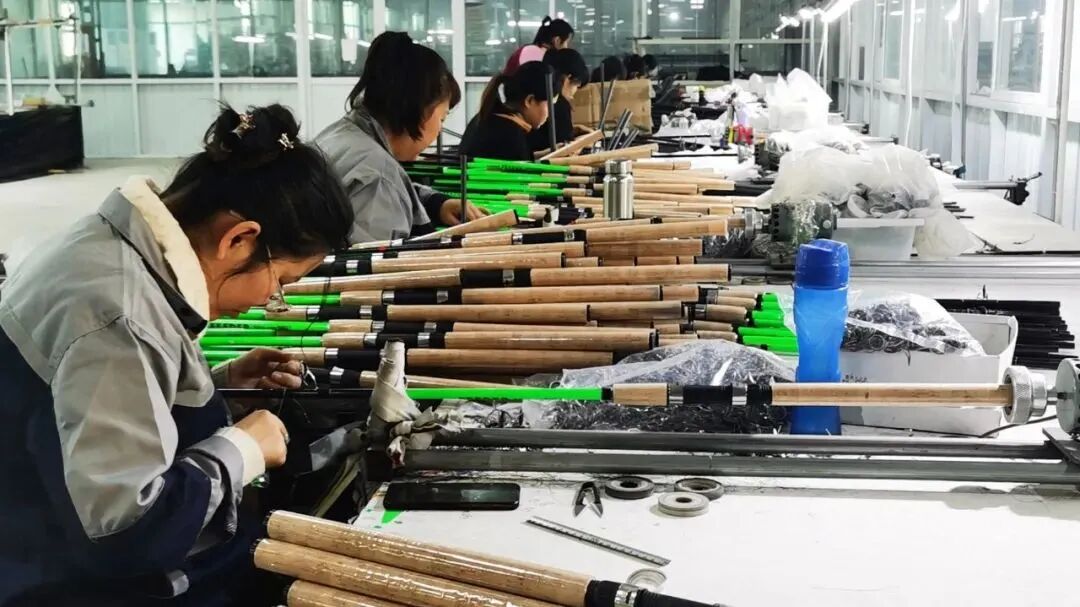
Some merchants whose products were copied and surpassed by their Hebei peers went to Hebei for on-site inspection, and then were completely convinced, giving up the idea of competing on prices with them entirely.
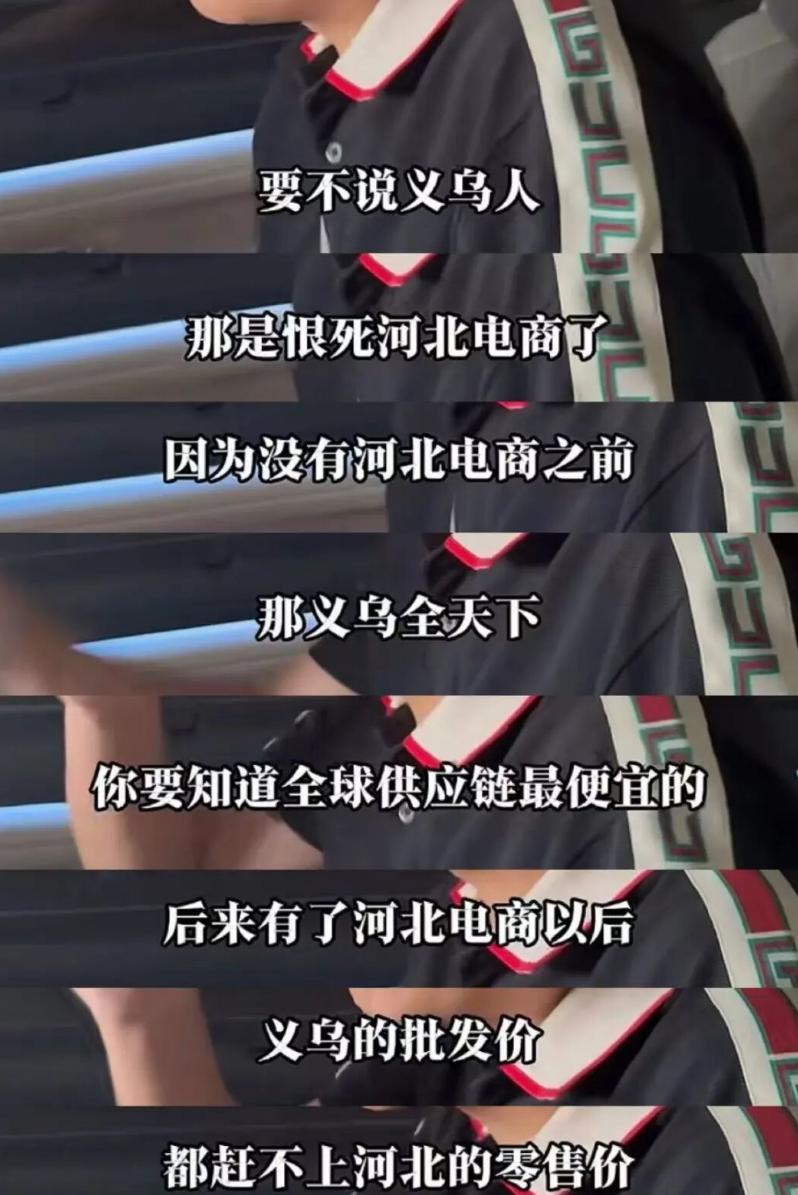
After all, in addition to ultra-low costs, Hebei peers also have an almost invincible underlying logic.
The rule "as long as it is better than farming" pushes Yiwu to become an intermediary
The amazing development of Hebei's e-commerce industry has some historical reasons.
Compared with some coastal regions, Hebei's e-commerce industry started relatively late as a whole. One practitioner said, "The earliest people around us who entered the e-commerce sector did not start until around 2015." "Some peers in the south started very early, and when their stores already had two crown ratings, we just got started."
Pioneers have rich operational experience and platform support. As latecomers, Hebei, which has few advantages, had to join the price war to break the existing market pattern and get a share of the profit.
Price competition is cruel, but people in Hebei take it easy.
Facing all kinds of difficulties and risks in the process of trying different businesses, they share a common underlying standard: as long as it is better than farming, it is acceptable.
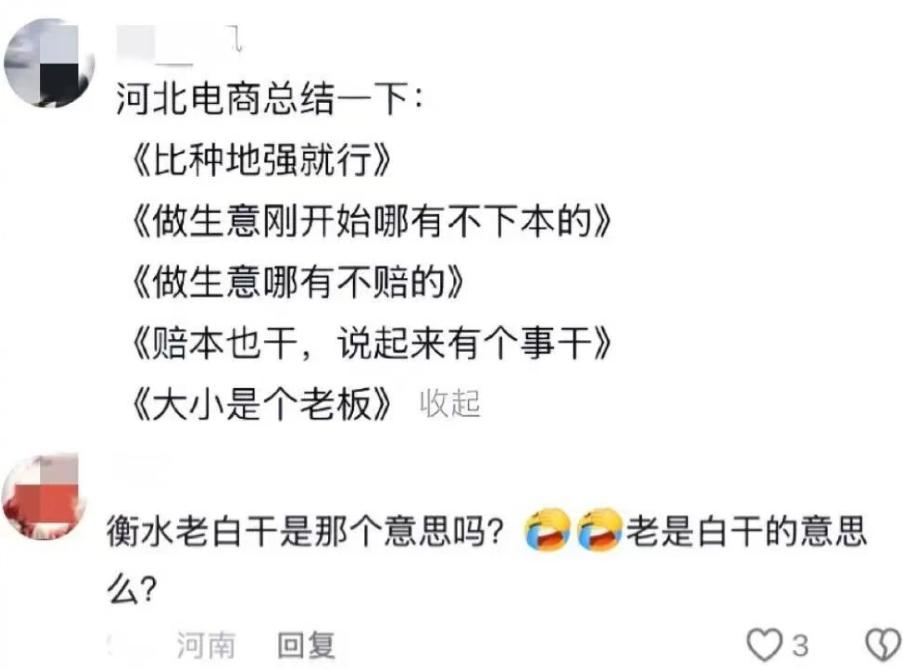
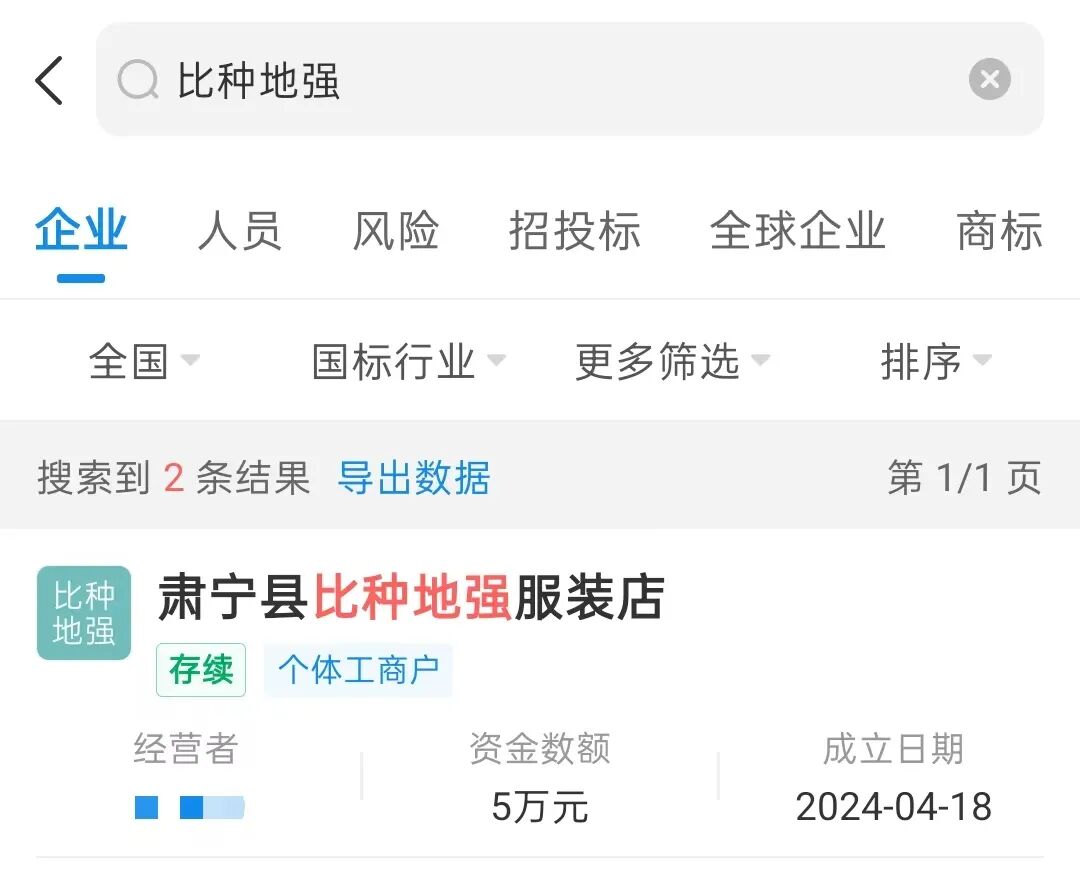
A furniture merchant in Hengshui said: "When selling a table, some business owners in other regions want to earn at least 1,000 yuan, but we think earning a few hundred yuan is enough, as long as we can keep the business running for a long time." Some netizens did the math: planting one mu of corn can make a net profit of about 800 yuan a year, while running a small commodity business can earn 100 to 200 yuan a day. Enterprise information from Qichacha shows that in Suning County, Cangzhou, Hebei, there is even a self-employed business named "Better Than Farming Clothing Store".
The extremely low profit expectation allows them to quickly overtake forerunners.
And the idea of "as long as it is better than farming" can be supported by the strong industrial foundation of Hebei - almost every county has its own featured industrial cluster.
Hebei has 333 county-level featured industrial clusters with annual revenue exceeding 500 million yuan, covering 66 segmented fields in 9 major categories, including 6 clusters with revenue over 100 billion yuan and 113 clusters with revenue over 10 billion yuan. By 2024, 107 provincial key county-level featured industrial clusters achieved an operating revenue of 3.6 trillion yuan, a year-on-year increase of 9.3%.
For example, Pingxiang County produces 145 million bicycles, children's bikes and toys every year, accounting for 50% of the domestic market and 40% of the international market; the pet food industry in Nanhe District supplies more than 60% of pet dogs across China; the wire mesh industry in Anping accounts for 80% of the national market, with annual revenue exceeding 100 billion yuan; Baigou produces about 1 billion bags every year, and one out of every 4 bags sold in the market comes from here.
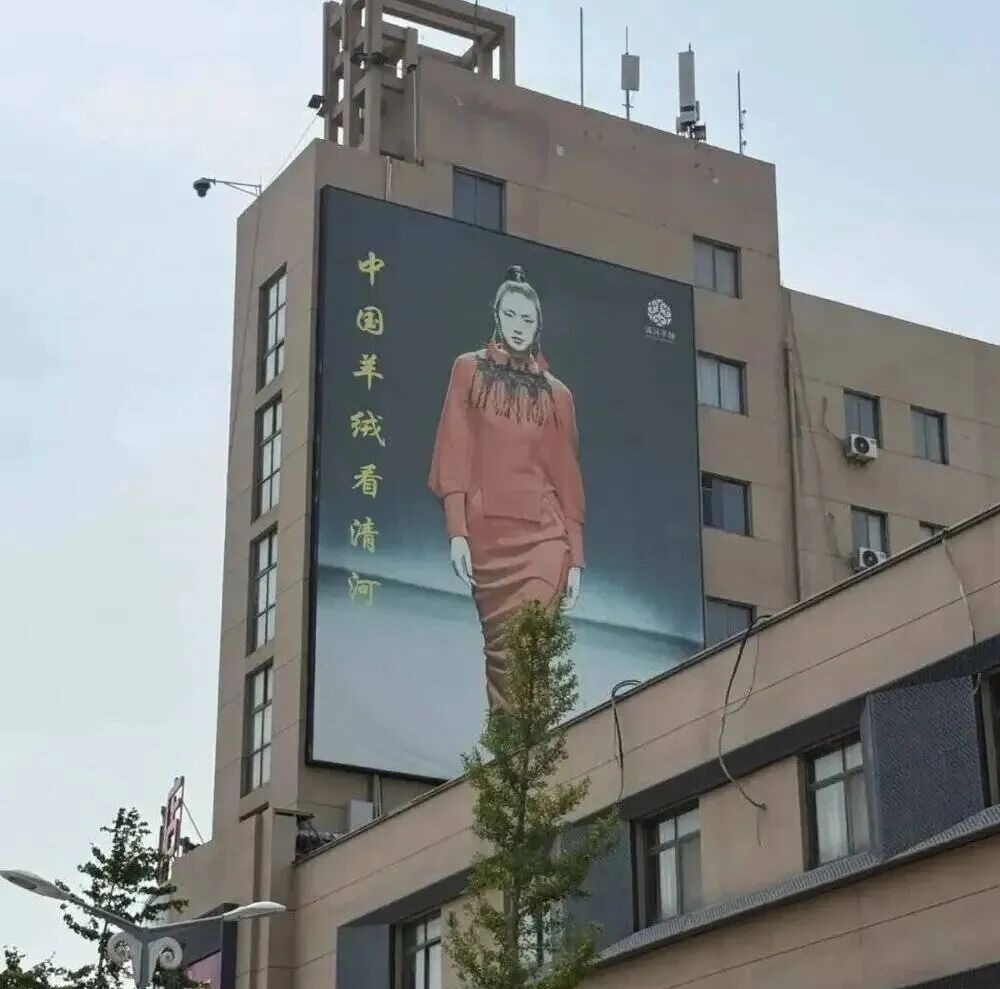
The general manager of a textile company in Gaoyang once revealed in an interview: "Our biggest advantage is the industrial cluster." All supporting links from spinning, weaving, printing and dyeing to packaging and logistics can be found within a 5-kilometer radius.
In Huangzhuang Village, Gaocheng District, Shijiazhuang, there are 113 mooncake manufacturers in this single village.
In Hebei, a whole street can be a complete production line scattered among local residents.
