India is set to roll out subsidies for Chinese-funded automakers. With no new fish allowed into the fish tank, they have no alternative but to bait the fish that are already inside.
According to reports cited by Observer Network from The Economic Times of India, India's Ministry of Heavy Industries recently signaled that it is considering allowing automakers with Chinese investment background to apply for the PLI (Production Linked Incentive) scheme.
This PLI policy does not reopen PLI applications to all Chinese-funded enterprises, but targets projects that have previously submitted applications and whose related Chinese investment has been approved by the Government of India under the Foreign Direct Investment (FDI) framework. This move by India is not opening the door, but throwing bait to the fish that are already in the fish tank.
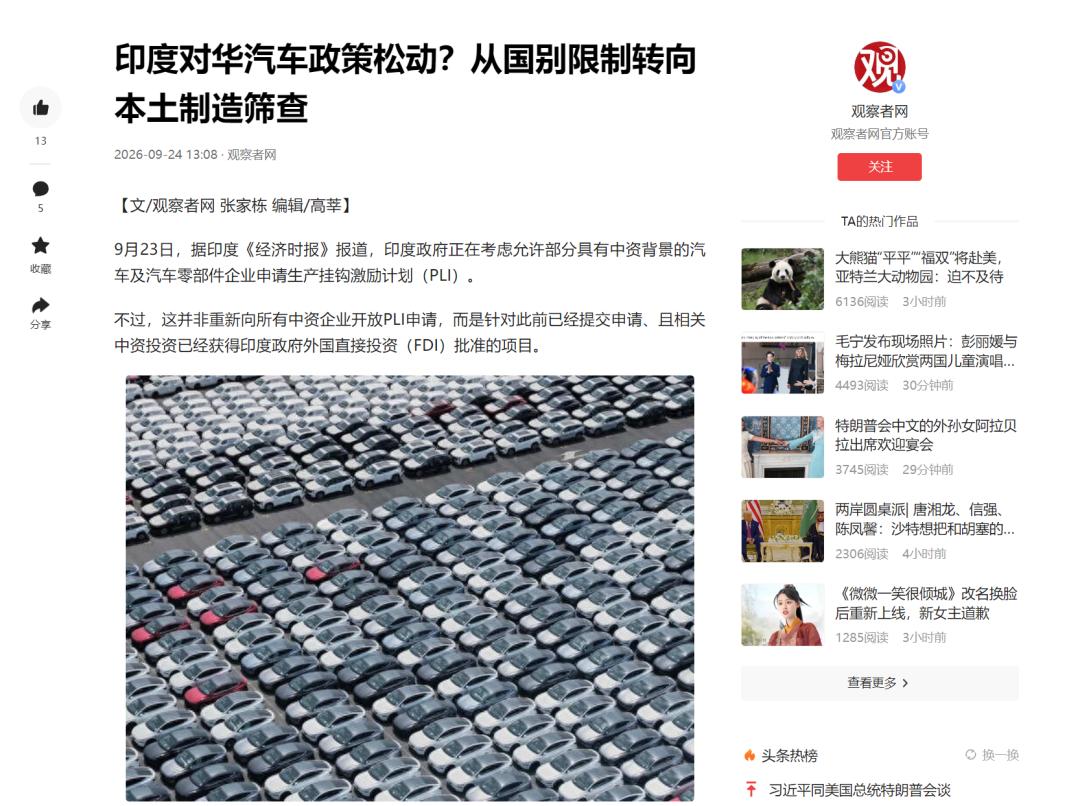
What is PLI and how much funding has been disbursed?
The full name of PLI is Production Linked Incentive. The automotive PLI approved by India in September 2021 has a total budget of 259.4 billion rupees, which was equivalent to about 20.7 billion RMB at the exchange rate at that time.
Its operation rule is not complicated: if you build a local factory in India, produce new energy vehicles and advanced components, and meet the local value-added requirements, the government will give you cash subsidies based on sales revenue for five consecutive years.
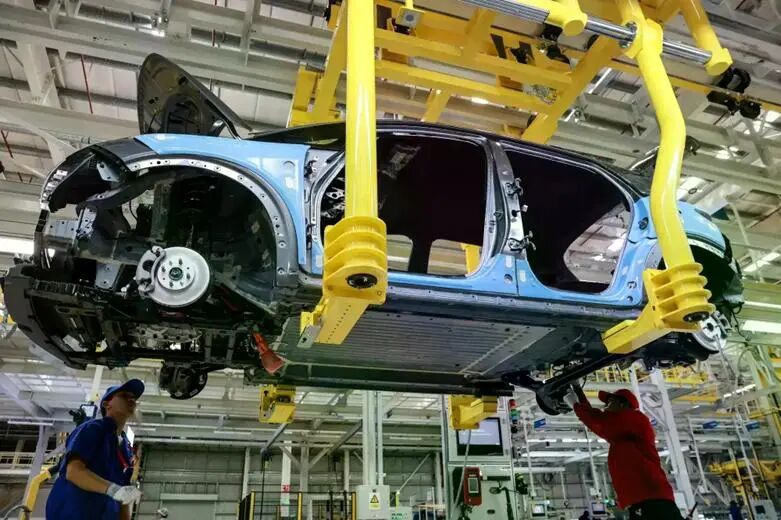
It sounds pretty good. But how is the disbursement of funds going?
Public data from the Parliament of India shows that as of March 2026, the automotive PLI has been in operation for almost five years, with a total of 237.8 billion rupees disbursed, accounting for less than 10% of the total budget. The remaining 90% of the budget is still lying unused on the accounts.
Of the disbursed funds, Bajaj Auto received 62.5 billion rupees and Tata Motors received 40.3 billion rupees, all of which are local Indian enterprises. Chinese-funded enterprises have not received a single penny.
Why can't the funds be disbursed? Because the PLI has extremely strict threshold requirements: it must be controlled by local Indian entities, the local value-added rate must be at least 50%, simple assembly of imported knocked-down parts is not recognized, national security review is set as a pre-procedure, and each case is reviewed individually.
Behind this "relaxation": fish from outside no longer come, so bait is cast to the fish already inside
There are three key points in the Indian government's statement of "allowing automakers with Chinese investment background to apply" this time:
Chinese-funded joint venture projects that have already obtained FDI approval can enter the PLI review process, while the window for new applications will not be opened. In plain language: We will leave a loophole for those old projects that have been stuck halfway; the door is still closed for new projects that want to enter.
It is not welcoming all Chinese automakers, but specifically targeting the few old projects that have been forced to a half-way joint venture situation where they can neither withdraw nor stay smoothly.
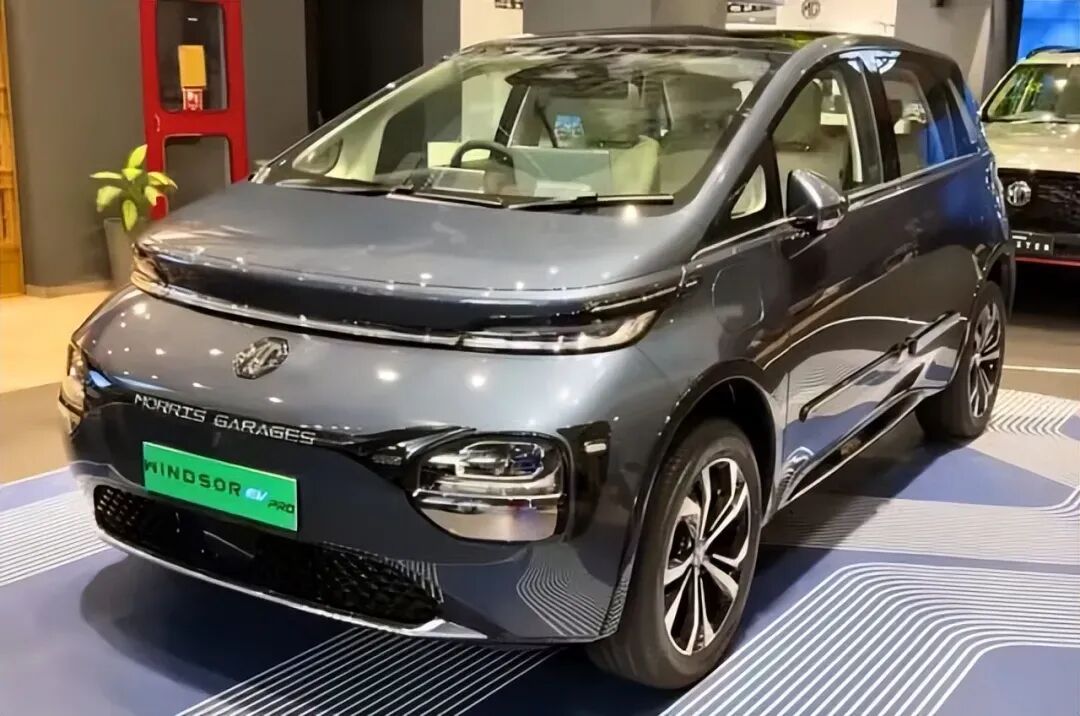
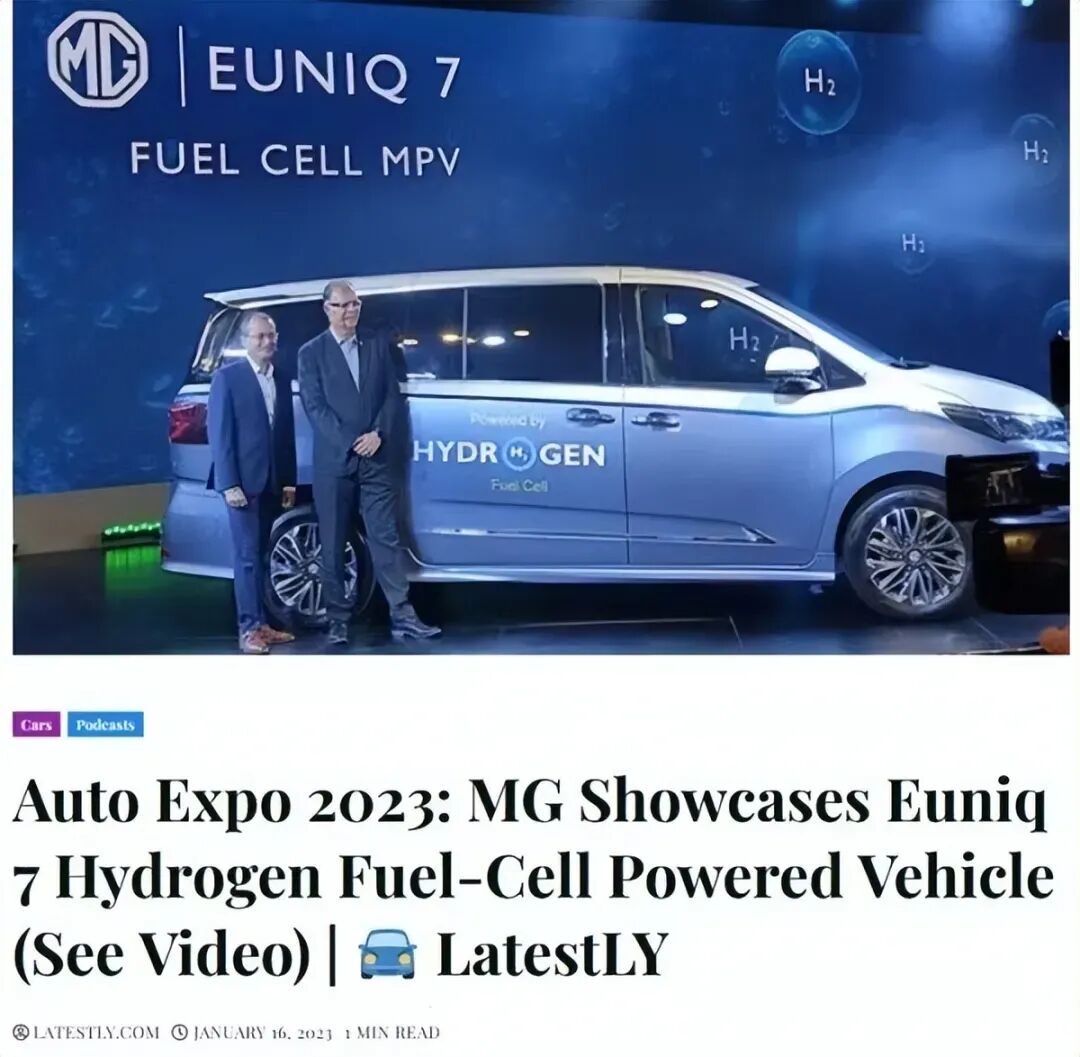
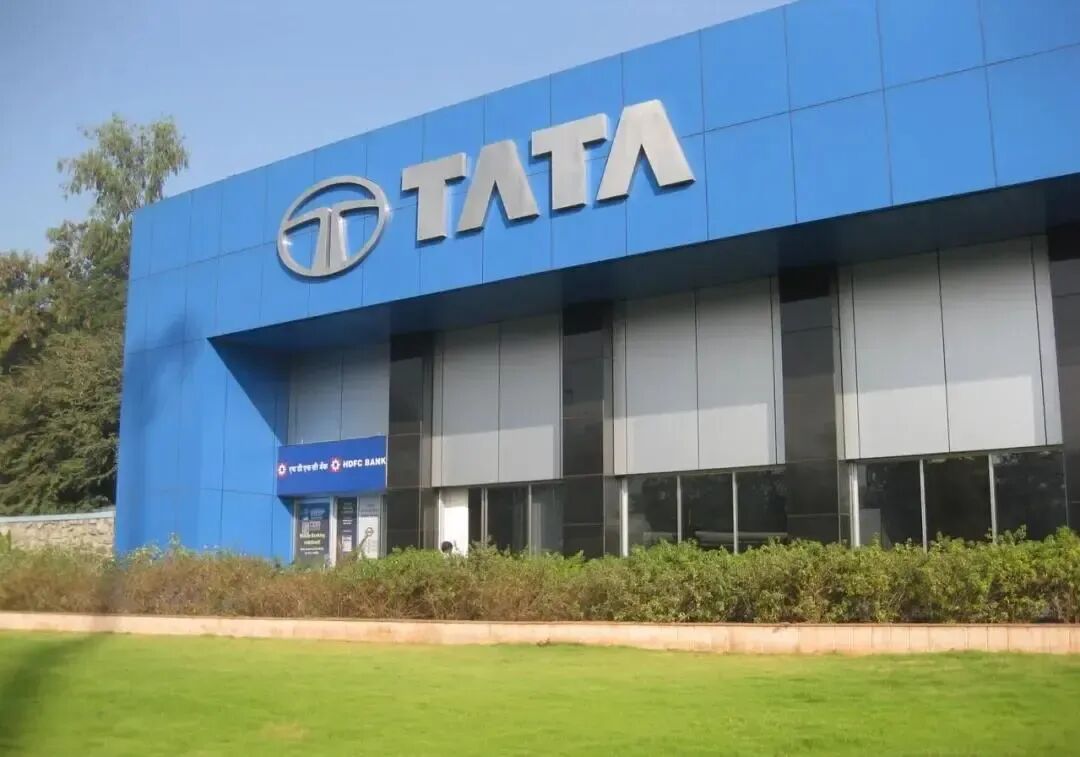
According to reports, projects that may be subject to further review at present include JSW MG Motor India, as well as two joint ventures under Tata that were established with Chinese enterprises.
Among them, JSW MG Motor India is a joint venture established by India's JSW Group and China's SAIC Motor. TACO Prestolite under Tata AutoComp Systems cooperates with Beijing Prestolite Electric Co., Ltd., and the other joint venture TACO Air International cooperates with Air International (Shanghai) Co., Ltd.
India has opened up approval channels on multiple occasions before, calling on Chinese capital to build factories in India, but Chinese enterprises have maintained a high degree of caution and refused to enter, so India no longer holds much hope for this.
Therefore, the Indian side may believe that it is difficult to lure fish from outside, so it simply shifts the target to potential customers, that is, the enterprises that have already laid out their business in India, which are the most likely to take the bait.
SAIC, the enterprise named in the report, entered India in 2017, and initially operated MG India as a wholly-owned subsidiary.
Later, as India's review became stricter, SAIC could not withstand the pressure and introduced JSW Group, a local Indian steel giant, at the end of 2023. After the transaction was completed in April 2024, the equity structure became: 49% held by SAIC, 35% by JSW, 8% by financial institutions, 5% by employees, and 3% by dealers.
SAIC issued a special announcement at that time stating that the 5% equity held by employees and the 3% equity held by dealers have no voting rights, SAIC has locked in the majority of voting rights through agreements, and the brand and technology are still in the hands of SAIC.
But from India's perspective, for this Chinese automaker that was 100% wholly-owned before, now a local Indian giant holds 35% of its shares, there are Indian members on the board of directors, the factory has been built in India, and the supply chain is bound to move to India.
Now India says: your kind of old projects that have already completed joint ventures can apply for PLI subsidies.
The condition is that the local value-added rate exceeds 50%. What does local value-added mean? It means you can no longer ship knocked-down parts from China for assembly, you have to move core links such as batteries, motors and electronic controls to local India, hire Indian workers, and use Indian suppliers.
Subsidies are distributed based on sales revenue, but to get the subsidies, you have to truly implement your manufacturing capabilities locally.
Modi's plan: exchange 2 billion subsidies for China's core technologies
This routine of using subsidies to exchange for technologies has been staged in the mobile phone industry, photovoltaic industry, steel industry, and power industry.
In the mobile phone industry, India launched the PLI scheme for electronic manufacturing in 2020, distributing subsidies to enterprises that build factories. In April 2022, India's Enforcement Directorate directly froze 4.8 billion RMB in the accounts of Xiaomi India, on the grounds of "illegally remitting funds overseas in violation of foreign exchange management laws".
Xiaomi stated that the funds were patent royalties paid to Qualcomm, with contracts and audit reports, and the remittance was processed through bank channels authorized by the Reserve Bank of India. But Indian courts have maintained the freeze for three consecutive years.
After Xiaomi, India targeted vivo at the end of 2023.
In the photovoltaic industry, India initially imported modules from China while providing subsidies to local module manufacturers. Later, it imposed anti-dumping duties, forcing Chinese enterprises to build factories and set up cell production capacity in India. Now that India's local photovoltaic manufacturing has developed, it has turned around and raised tariffs on Chinese products.
In the steel industry, Tata and JSW learned steelmaking technologies from Chinese enterprises, purchased Chinese equipment, and hired Chinese engineers back in the days.
After mastering the technologies, India directly imposed a 12% safeguard tariff on Chinese steel in December 2025 for a period of three years, and local enterprises took the opportunity to seize the market share that originally belonged to Chinese enterprises.
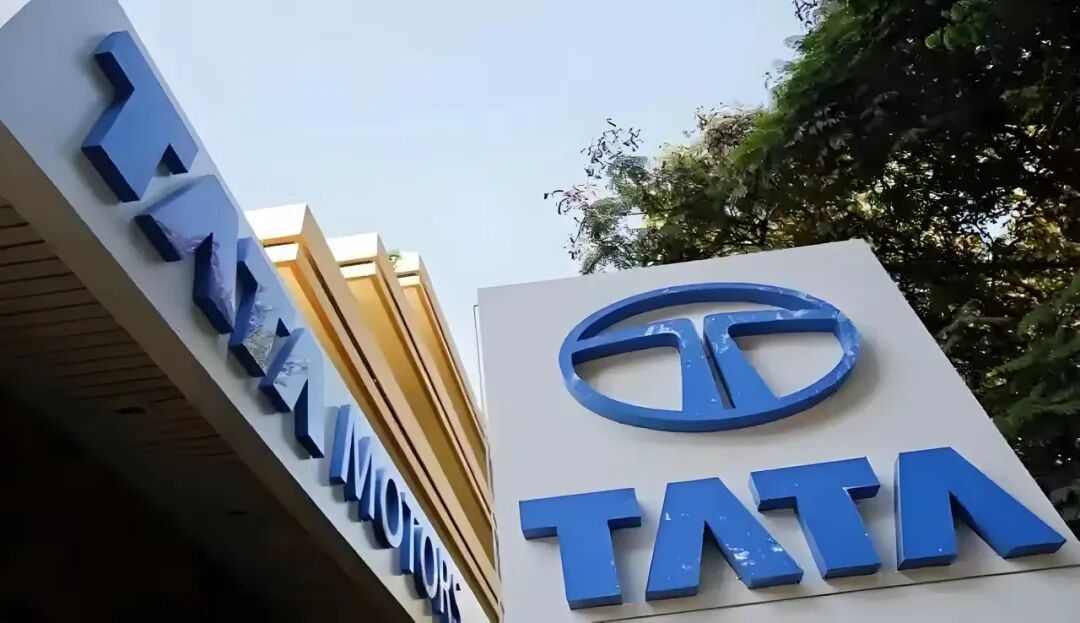
In the automotive sector, India is following the exact same plan: PLI subsidies are bait, aiming to lure Chinese automakers to move core manufacturing links such as batteries, motors and electronic controls to India. Once the joint venture is established, local Indian partners hold shares, and the technologies will naturally be "localized". If you want to get my subsidies, you have to leave your core assets here.
Why Chinese enterprises have collectively become cautious this time
But when it comes to the battery sector, leading Chinese enterprises are not buying this script at all.
Reliance Industries, owned by India's richest man Mukesh Ambani, invested 2 billion US dollars to acquire land in Gujarat to build a super battery factory in 2025, and negotiated with CATL for cell technology transfer, trying to buy the formula and production process. CATL directly rejected the request.
Reliance then turned to negotiate with Hithium Energy Storage, but still failed to reach an agreement. Finally, Reliance spent 1.1 billion US dollars to purchase complete production line equipment from China, but due to the lack of core process licenses, the equipment can only be downgraded to perform simple assembly work.
Where are CATL's overseas factories located? Indonesia, Hungary, Spain — but not in India.
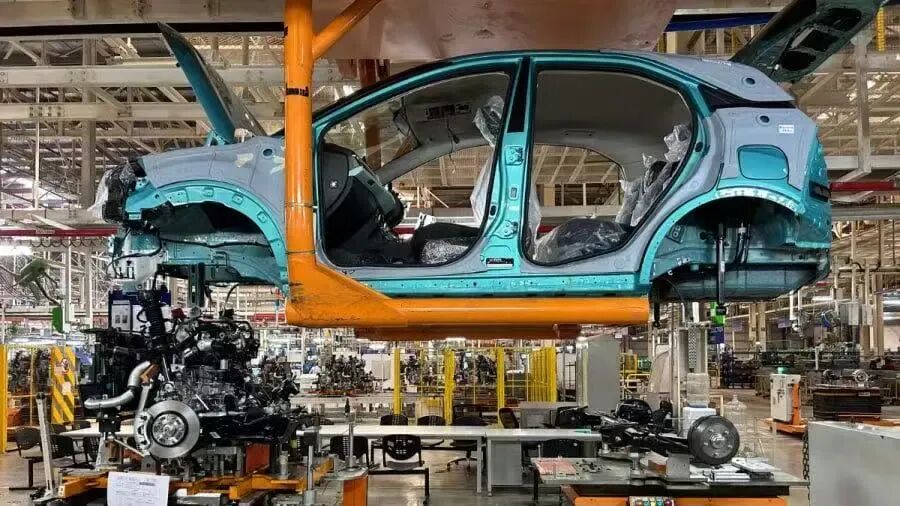
In 2026, an Indian business delegation specifically traveled to Guangzhou, trying to bring the full set of battery production equipment, core processes and complete production lines back to India. The unified stance of Chinese enterprises is that they only sell finished batteries, not technologies or production lines, full advance payment is required, and there is no room for negotiation.
Last year, Tata approached Chery for authorization of a complete vehicle platform, and Chery issued an official statement stating that the cooperation between the two parties is limited to parts supply, and there is no platform authorization or technology transfer.
The reason why enterprises refuse to take the bait is that on the one hand, they have suffered losses before, and on the other hand, in July 2025, the Ministry of Commerce and the Ministry of Science and Technology adjusted China's Catalogue of Technologies Prohibited or Restricted from Export, and the preparation technology for battery cathode materials and the manufacturing technology for high-performance lithium battery positive and negative material equipment are all included in export control.
India's Ministry of Heavy Industries itself admitted in March this year that due to this Chinese regulation, Indian electric vehicle manufacturers that rely on China's midstream processing have extremely fragile supply chains.
Local Indian automakers cannot get the subsidies, and no Chinese enterprises are falling for the trick anymore
Back to the 259.4 billion rupees total budget. Less than 10% of the funds have been disbursed in five years, because with the strength of local Indian enterprises alone, it is very difficult to meet the requirements to get the funds. But the kind of cooperation India wants — Chinese enterprises provide technologies and production capacity, Indian enterprises provide land and market, and then the technologies are gradually mastered by India — is rejected by Chinese enterprises.
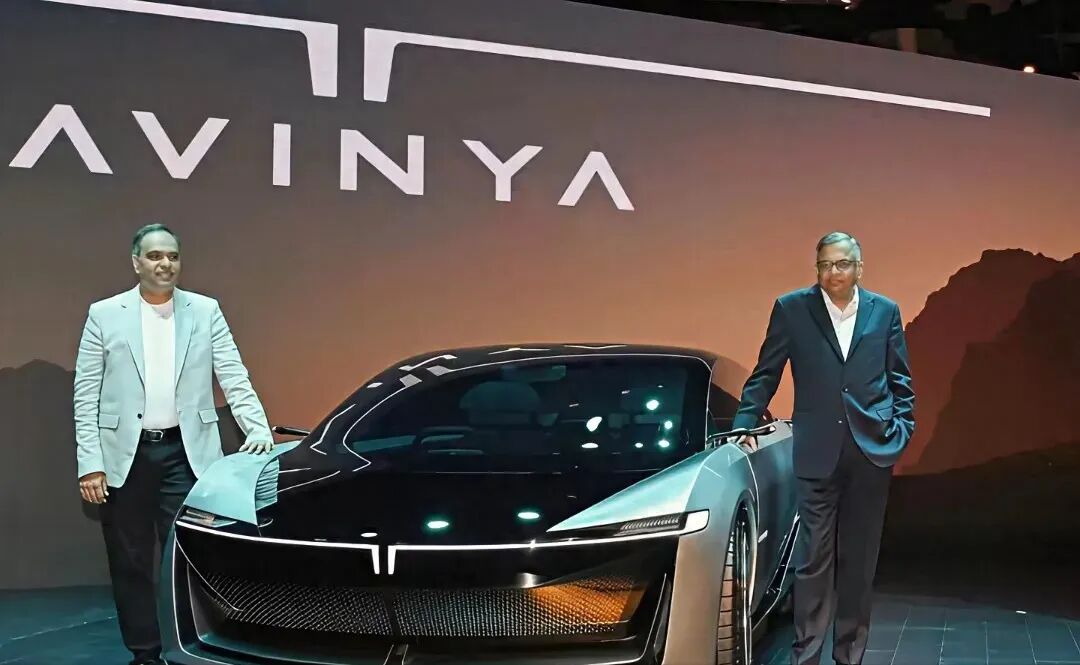
This time India's signal of "allowing Chinese-funded enterprises to apply for PLI" sounds like a relaxation of restrictions, but it is actually a fishing operation.
It does not welcome new players, but only targets the old players that are already trapped in the game. It will give you a small amount of subsidies, but the precondition is that you have to truly move your core manufacturing links to India and raise the local value-added rate to more than 50%.
The problem is that after being "educated" by India for a round, who dares to move their core assets there? Xiaomi's 4.8 billion RMB has been frozen in accounts for three years, CATL does not even open the door for technology transfer, Chery refuses to transfer its platform, and even SAIC, which is already trapped in the joint venture, is firmly holding on to its voting rights and core technologies.
The Modi administration probably did not expect that the PLI subsidy script, which had worked perfectly in the mobile phone, photovoltaic and steel industries, would suddenly fail when it came to the automotive and battery sectors. It is not that Chinese enterprises have become conservative, but that the incident of turning hostile after mastering technologies has happened too many times and left too deep a lesson, no one wants to be the second teaching case.
India's previous predatory harvesting of foreign capital was too aggressive, which left a psychological shadow on foreign investors. Now it has tried every means to obtain technologies but failed, which is also a kind of price it has to pay.
This article is from the WeChat Official Account "Hotspot Micro Review" (ID: redianweiping), written by Wang Xinyu, and published with authorization from 36Kr.