Who should take the blame when the celebrity endorsement backfires?
Author | Liu Xiaotu
Editor | Li Chunhui
When a brand is looking for a spokesperson, there are three options on the table: a top-tier star with high commercial value, a middle-aged actor with wide public recognition, and a small entertainer/internet celebrity with high cost-effectiveness.
If this question is raised on social media, gossip-loving netizens may not hesitate much: they will prioritize the star they like; if there is no such one, they will pick someone with no negative history and good public reputation. Of course, more people now suggest that brands stop making unnecessary moves and save the money to give back to consumers.
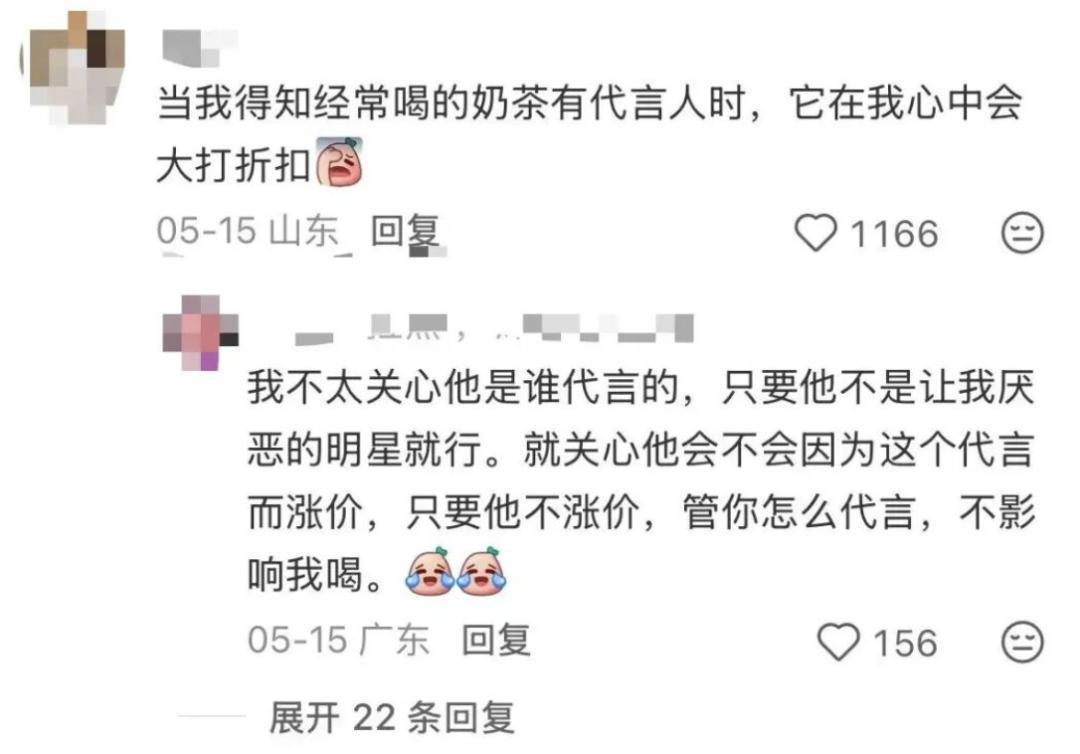
But for the office workers in charge of this project, they have to analyze every single detail ——
First of all, what exactly is the "certain brand"? What is its scale? How long has it been established? What is the age group of its core users?
Secondly, what is the level of this "spokesperson recruitment"? Is it a global chief spokesperson, a brand friend, or a business role such as recommendation officer or experience officer? How long will the cooperation last roughly? How high are the requirements for the spokesperson's cooperation? Do they need to cooperate in new product launches, pop-up activities, and festival meet-and-greets?
Thirdly, who is the final decision-maker: the boss, the group's senior management, the department head, or someone else? When it comes to the execution stage, are there any special requirements from departments such as business, marketing, brand promotion, and public relations? If so, who among them has the real decision-making power?
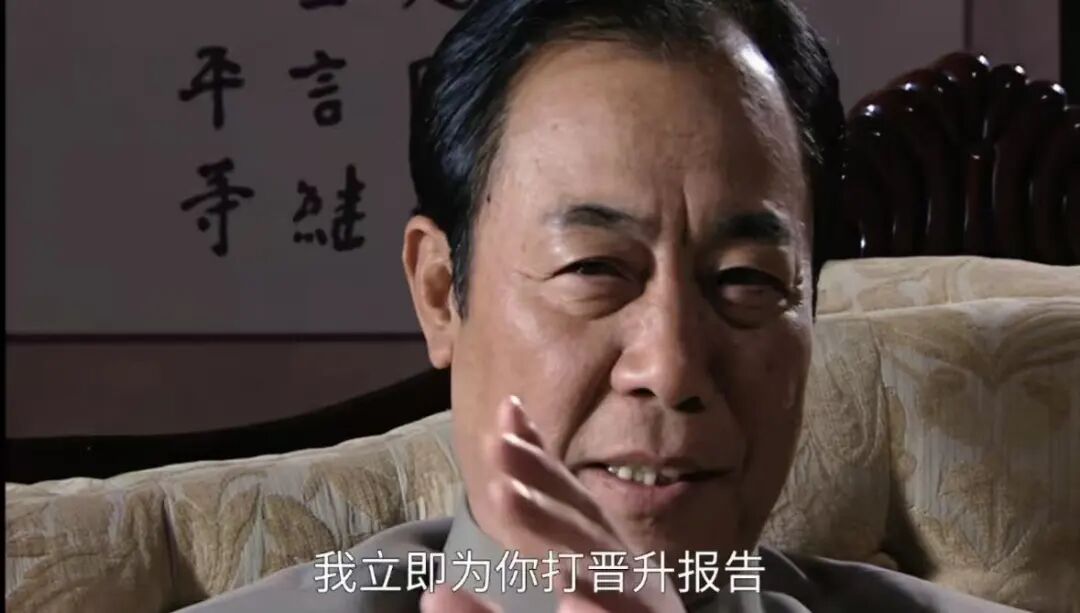
These are only some of the key links. If you want to implement all the conditions, demands and details properly, even a ten-thousand-word article cannot cover everything clearly.
This is the current situation of brand marketing. In the past two years, many brands have encountered public relations crises related to their spokespersons, including new generation "marketing masters" such as Luckin Coffee and Mixue Ice Cream & Tea. Every time a marketing failure happens, the most common criticism from netizens is "amateur team". But in fact, the office workers who led and participated in these projects may not necessarily understand the market, but they definitely understand workplace rules.
Who makes the final decision on spokesperson cooperation
Behind every failed spokesperson campaign, there is often a group of office workers who dare not speak up, plus a big boss who likes to "make arbitrary appointments".
Big bosses who like to "arbitrarily appoint" spokespersons are mostly found in large traditional companies in the catering, home appliance, jewelry, and Baijiu industries, as well as emerging brands in the fields of cosmetics and skincare, new-style tea drinks, and pet supplies. These two types of bosses have one thing in common: they attach great importance to their absolute dominance. Compared with market research, commercial evaluation and matching analysis, they trust their own vision and judgment more.
Of course, it does not mean that they do not look at data at all. Instead, they only see and only want to see the parts that can confirm their choices are correct.
Speaking of this, Shen Di (pseudonym) has a lot of experience as a "veteran". For the past 8 years, she has worked in the marketing department of an old Baijiu enterprise, participated in two spokesperson implementation projects, and was the lead of the latest one.
The first one was five or six years ago. At that time, the company's contract with the previous spokesperson expired and was not renewed. The big boss was just impressed by the "real" and "tough" persona of a tough-guy male star, and proposed to cooperate with him. Logically, the company was preparing to vigorously expand first- and second-tier cities and target young consumers at that time. The tough-guy star, who had a large number of consumers from lower-tier markets and older age groups, had too little overlap with the target users, which was definitely not a good choice.

At that time, Shen Di was still very young, and did not understand that the boss's "proposal" was actually a work arrangement. She submitted a full-score analysis report demonstrating that "the star's tonality does not match the brand", only to get a sentence from the department head: "Do you know better than the boss?" Shen Di began to realize: if the boss has already given the answer, what you need to do is to demonstrate the rationality of this answer to satisfy the boss.
Later, when the company changed its spokesperson again, the boss proposed another middle-aged idol who was "sentimental", "down-to-earth" and "culture-confident". By then, Shen Di, who was already a department head, directly arranged the implementation. During the process, they found that this star had certain public opinion risks due to his lack of cultural literacy and short temper. "It's not a big problem. When we submitted the project proposal, we just attached some screenshots of negative comments from anti-fans and reports from marketing accounts as a 'disclaimer' to let the big boss know the potential risks, and the final plan would definitely be carried out according to his idea."
Shen Di told Hard Candy that her big boss is a bit old-fashioned, but at least he is steady and does not act recklessly. "A junior I used to supervise switched to a new skincare company. The boss is young, impulsive, and does not listen to others' advice. He even insisted on taking out a loan to hire a young idol as the spokesperson. However, before the cooperation even started, the fans got the gossip and got upset. They spread rumors everywhere saying that the idol would not take this bad offer, and even asked the agency to issue a statement to clarify."
The young founder was dumbfounded. Especially hurt by comments like "the brand is not good enough" and "the brand is a low-profile reseller trying to leech off the idol's fame", he frantically searched for related posts on social media and fought with the fans for more than half a month. In the end, the spokesperson campaign failed. Out of anger, he said internally, "It would be better to give the good resources to our competitors."
In Shen Di's opinion, the boss's "one-man rule" when looking for a spokesperson may not be the best choice, but it can reduce work troubles. The real trouble is that the company requires assessment of indicators such as sales conversion data, conversion effect, and the synergy between brand promotion and performance, and even includes these indicators in the team's KPI. Now the brand department of many companies has been renamed "Brand Growth Department", which fully shows how high the pressure is.
In this case, spokesperson cooperation becomes a collective project of the product, marketing, brand promotion, public relations and other departments. Office workers need to ensure that the task is easy to implement, and at the same time strive for as many resources as possible for their own departments.
For example, the marketing department is responsible for the signing work, while the brand promotion department requires the spokesperson to cooperate in publicity and event appearances. The total budget is fixed, and each additional link brings extra expenses. As for how to implement the project, it is the time for department heads to compete for the right to speak.
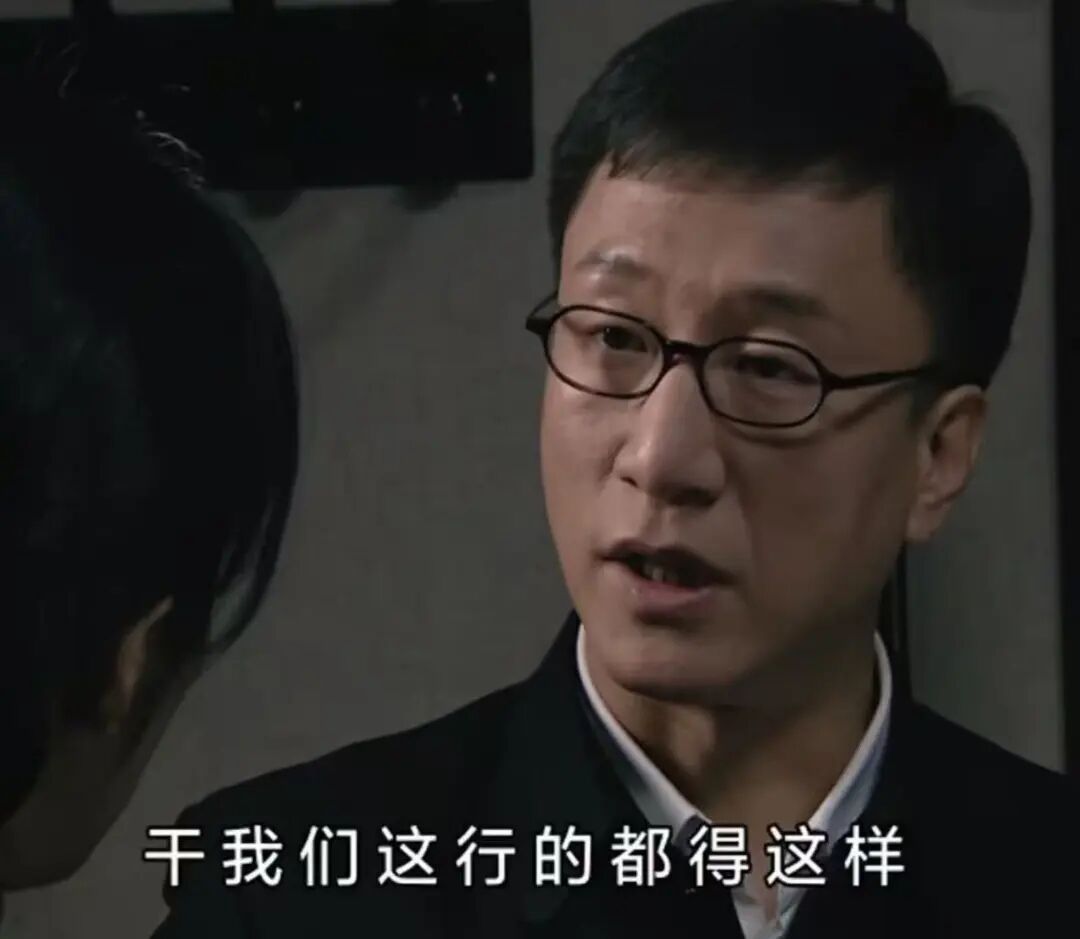
"Whose opinion we can follow is a matter of power, while whose opinion we should follow is a matter of professionalism." Shen Di concluded.
After deciding to sign the middle-aged idol in compliance with the big boss's "proposal", the product department and marketing department both strongly opposed it: first, the performance assessment pressure is increasing year by year, and they all expect the spokesperson to drive sales and achieve good conversion results. Second, a large number of new products targeting young people will be launched in the next few years. Hiring an older male star to build momentum will bring low exposure and weak effect.
Shen Di then adjusted the plan: instead of signing a long-term contract with the middle-aged idol at a bundled price, the cooperation period was changed to one year; the remaining budget was used for sub-line promotion with internet celebrities and young idols. "In this way, we do not go against the boss's will, can cooperate with the work of various departments, and can also make flexible adjustments." In addition, she also tried her best to get more resources from the star's team, including but not limited to creating an original catchy song that caters to young people.
The public often complains that brands do not care about consumers' feelings. But for office workers, the person who pays their salary, the big boss, is the one they absolutely cannot defy, rather than the netizens who talk big online.
Spokesperson budget: to save or not to save
A logic that is increasingly recognized by the public is that as long as any brand cooperates with stars, internet celebrities or popular IPs, extra costs will be generated. The wool comes from the sheep, and the cost will eventually be passed on to every consumer.
Ou Shi (pseudonym), who works in the marketing department of a snack brand, was once hit by this logic. He is mainly responsible for docking with platforms for resource swap, cross-border cooperation, and festival marketing. "My job is to figure out how to spend no money or as little money as possible to get more platform traffic and exposure opportunities for free. As long as there is an activity that we are eligible to participate in, we will definitely sign up for it at the first time."
Once, an e-commerce platform held a festival marketing campaign. In order to attract more merchants to settle in, it built a platform to connect resources, calling on brands and internet celebrity creators to integrate resources. The venue, materials and exposure slots were all ready-made. The brand only needed to put limited-edition materials and themed packaging on its products, which was a very cost-effective deal no matter how you looked at it. Ou Shi accepted the platform's arrangement without hesitation. Unexpectedly, a netizen took a photo of the pop-up scene and posted a complaint saying "the brand is getting arrogant", "why do you need an internet celebrity as a spokesperson", "it's no longer the xxx I used to know"...
From the user's perspective, there is no obligation to distinguish between spokesperson partnerships, cooperative promotions, and resource swaps. But from the office worker's perspective, this is an activity with almost zero investment, and it comes with its own traffic and topics. As long as we can get a good data result, it is a blessing that can be written into the year-end summary. Is there any reason not to do it?
This kind of misunderstanding may become more and more common. Hard Candy once saw an unfamiliar "internet celebrity" printed on a snack package, but after searching, found no information about this person online. After contacting the brand's official WeChat account, they learned that it was just an ordinary model they hired. The brand staff explained: "We wanted the package to look more festive. The model shooting and authorization only cost tens of thousands of yuan. If the boss wants, he can even print his own big headshot on the package."

The "curator culture" of snack stalls in Guizhou
At present, most netizens hold the view that the spokesperson fee should be saved, thinking that hiring a spokesperson is useless. However, relevant practitioners will all stick to this part of the budget. In their view, hiring a spokesperson is a defensive market move. Even if the brand does it, it may not get huge success. But if the brand does not do it, it will miss more opportunities to expand the market.
Since this is a fixed budget of the company, no office worker is stupid enough to ruin their own job unless the boss insists on cutting it. Shen Di said bluntly: "If you cut this sum of money, it will be very difficult to apply for it again later. Without money, it means that everyone can do fewer things, and in the end, the company will cut a group of employees."
At least for now, hiring a spokesperson is not a waste of money that brings trouble. In large traditional companies, spokesperson cooperation is generally in the classic mode: after selecting a star spokesperson, the brand signs a multi-year contract, and the fee will not be adjusted no matter the effect is good or bad. If the brand terminates the contract to cater to the new consumption concept of users, it will instead cause unnecessary public relations crisis.
Emerging brands that prefer short-term spokesperson partnerships do not have deep cooperation with stars and internet celebrities, and the cooperation duration is even calculated by months. In case of negative public opinion, the crisis will pass after a while.
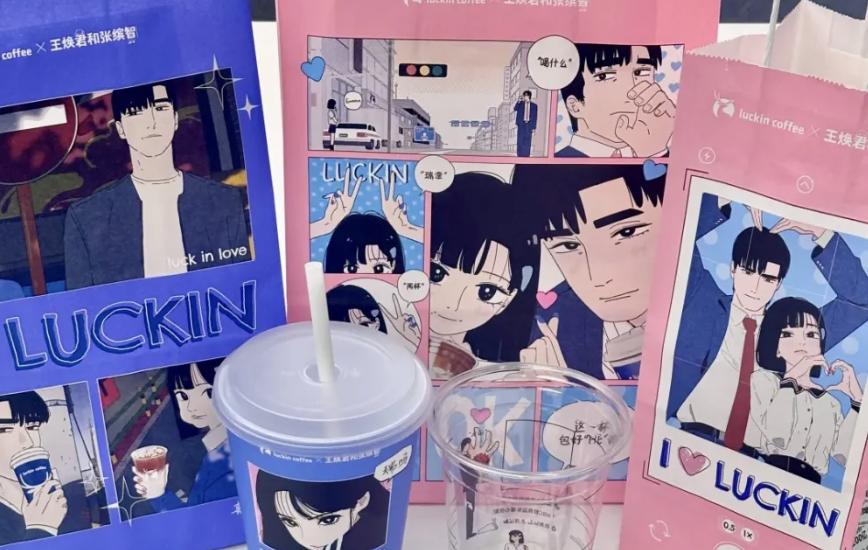
Even if the spokesperson fee is saved, the money will most likely not be used for product R&D, price reduction, or giving back to consumers. Brands that want to survive for a long time cannot avoid marketing. If the money is not spent on spokesperson partnerships, it will be spent on ad placement and business cooperation.
Spokesperson crisis, the "growing pain" of brands
Seeing that the sky for marketing office workers has collapsed again and again, a friend who works in divination told Hard Candy that the number of marketing and public relations practitioners he received this year has increased significantly. It is also said that after a new-style tea drink brand experienced a spokesperson crisis, the relevant team immediately went to the temple to worship the Buddha.
As the saying goes: "People who are obsessed with beauty look at photos, and people who are unlucky go to fortune-telling stalls". We need to rely on luck, but also on careful human planning.
Emerging brands, especially new consumer brands, are high-incidence areas of spokesperson crises. The reason is that this kind of brand pursues trends, hot topics, and internet vibes, and the spokesperson cooperation ecosystem is highly flexible. The more frequently they take actions, the more likely they are to make mistakes, which will accidentally trigger large-scale public criticism.
Zhang Li (pseudonym), who works in the new consumer sector, told Hard Candy that almost every popular brand now has to carry out dozens of small and medium-sized promotion activities every year, and there are large-scale marketing campaigns almost every quarter. "Such a frequency will definitely reduce the richness of marketing creativity, and over time, it will also cause aesthetic fatigue among users. More and more people have a worse impression of the brand, and their evaluation can easily slide from one extreme to another."
As more and more materials need to be launched in a hurry, a large number of small projects cannot go through multi-level approval procedures at all. The relevant departments have to start working immediately once they find a suitable direction, otherwise the popularity will fade after two or three days of delay.
For example, the clip of "Xue Zhenzhu Catching the Mistress" from the TV series *The First Half of My Life* became a hit on short video