Is AI comic drama not profitable? That's a good question. Let's take a look at how Japanese animation in the 1980s and 1990s broke through the impasse.
AI manhua dramas have covered the 40-year development path of Japan's animation industry in just one year, and are inevitably bearing the growing pains.
According to the data released by the National Radio and Television Administration on September 17, more than 380,000 AI manhua dramas were launched across the country in the first 8 months of this year alone. The massive supply, combined with the decline in platform playback revenue, left a large number of teams losing all their investment and exiting the market in dismay — in the first quarter of this year alone, the number of active contracted production teams plummeted from 1216 to 698, with an exit rate of 42%.
Losses, cost reduction, and insufficient commercialization have become three major mountains standing in front of AI manhua drama entrepreneurs.
These three mountains once stood in front of Japan's animation industry in the 1980s and 1990s. With the burst of the bubble economy, the procurement fees from TV stations dropped sharply, and the production cost per episode of animation decreased drastically; highly anticipated big-budget productions flopped one after another, a number of animation companies declared bankruptcy, and even Hideaki Anno was burdened with huge debts. Directors, screenwriters and painters looked at each other in dismay, "Apart from selling finished animation works, what else can we rely on to make money?"
Standing at the threshold of the 1990s, Japanese animators shouted the same cry as today's manhua drama creators.
However, only a few years later, Japan's animation industry achieved overall profitability, with its production capacity doubled; ACG culture jumped from a niche aesthetic to become a representative of Japanese national culture, reaping both fame and fortune.
What did they do right?
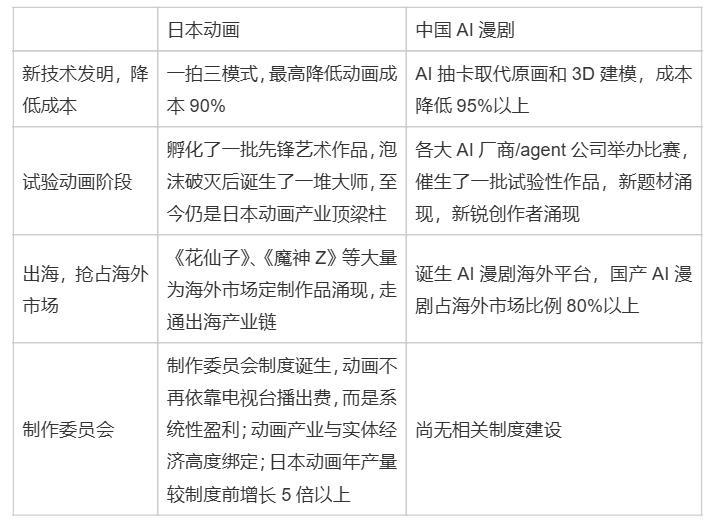
(Phase comparison between the two)
AI Manhua Dramas Are Repeating the Trilogy of Japan's Animation Rise
It seems difficult to understand the development stage if we only discuss AI manhua dramas. But if we regard it as an ultra-low-cost animation, the situation becomes very simple — AI manhua dramas are repeating the trilogy of Japan's animation rise, namely technology-driven development, experimental animation and internationalization.
Just like AI manhua dramas, the starting point of Japanese animation is also technology-driven. In the 1960s, Osamu Tezuka greatly improved the limited animation technology. With technologies such as "shooting one frame for three frames of action", static shots, and reusing original paintings, Japanese animation greatly improved its efficiency: the production cost of animation was reduced to 1/10 of that of Hollywood in the United States; the production cycle was greatly shortened, changing from annual updates to weekly updates.
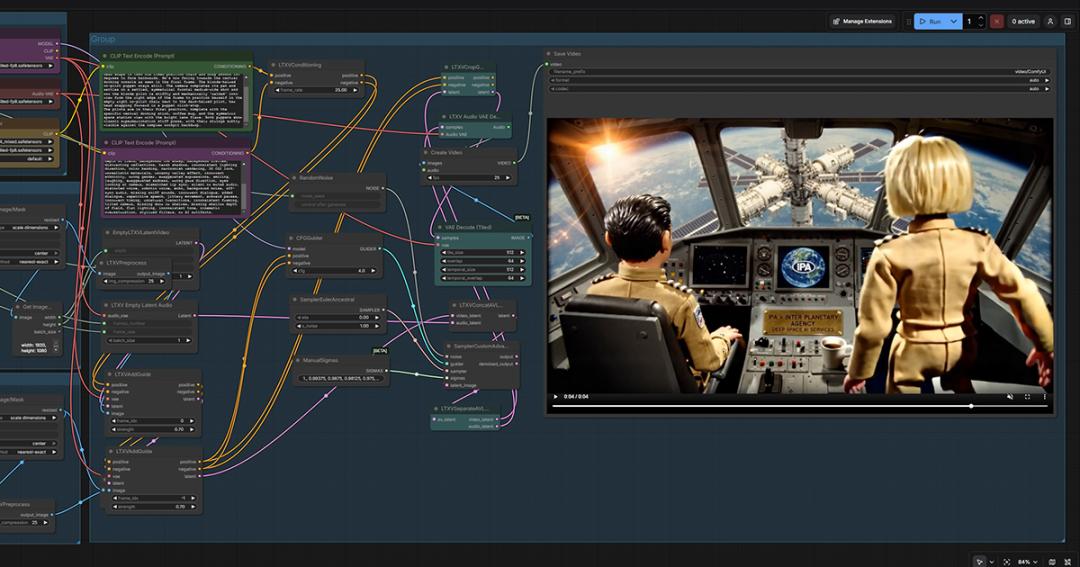
(AI manhua drama workflow)
Today's AI manhua dramas are following the same path. The application of AI technology has greatly improved the efficiency of the industry. AI card drawing has replaced original painting and 3D modeling, reducing the production cost per minute by 90%; on the basis of the previous stage, the production cycle has been further shortened, and updating a season of manhua drama within one month has become the standard efficiency of the current industry.
In terms of experimental animation, Chinese companies are also crossing the river by learning from their Japanese counterparts. In the 1980s, experimental animation rose in Japan. The significance of experimental animation is to explore more possibilities of the animation industry through plots, art styles, huge projects and other methods when the cel animation technology is in the plateau period. For example, Mamoru Oshii's *Angel's Egg* integrates religious theology into animation, verifying the feasibility of artistic animation; for example, Gainax's *Royal Space Force: The Wings of Honnêamise*, with a huge investment of 800 million yen, tried to take the path of making animation films into large-scale blockbusters.
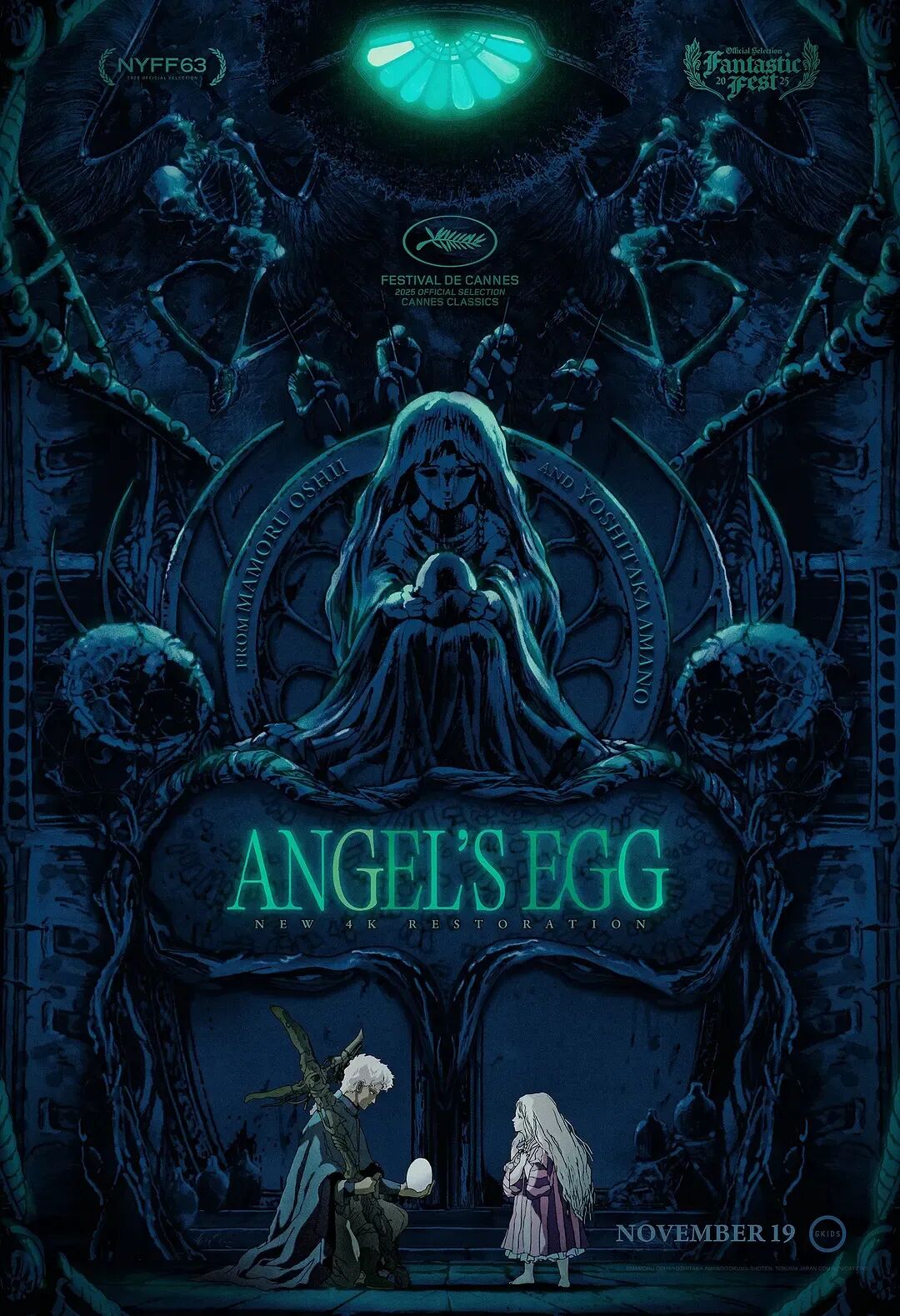
(Poster of *Angel's Egg*, Mamoru Oshii)
In this process, a number of animation producers who later became top international figures emerged: Mamoru Oshii directed *Ghost in the Shell* in 1995; Hideaki Anno later led EVA, the most profitable animation in Japan; Katsuhiro Otomo's *Akira* became a classic in the history of cyberpunk films.
The current enthusiasm of Chinese AI companies for holding various creation competitions is essentially a repetition of this behavior, that is, attracting contestants to participate through competitions and bonuses to tap seed teams; and then further "distilling" them through experimental projects.
Going global is to earn money from the incremental market, and it is also the biggest difference between China and Japan in different historical stages. When Japanese animation went global in the 1970s and 1980s, it was pure content export, that is, developing works for overseas TV stations on a customized basis. At that time, it was still the Cold War period, TV stations had both economic and political value, and the channels were monopolized. When it is the turn of Chinese AI manhua dramas to go global, the mobile Internet era has already built all the infrastructure. Chinese companies not only supply 90% of the manhua drama content to overseas markets, but also 9 of the top 10 apps for overseas audiences to watch dramas belong to Chinese companies.
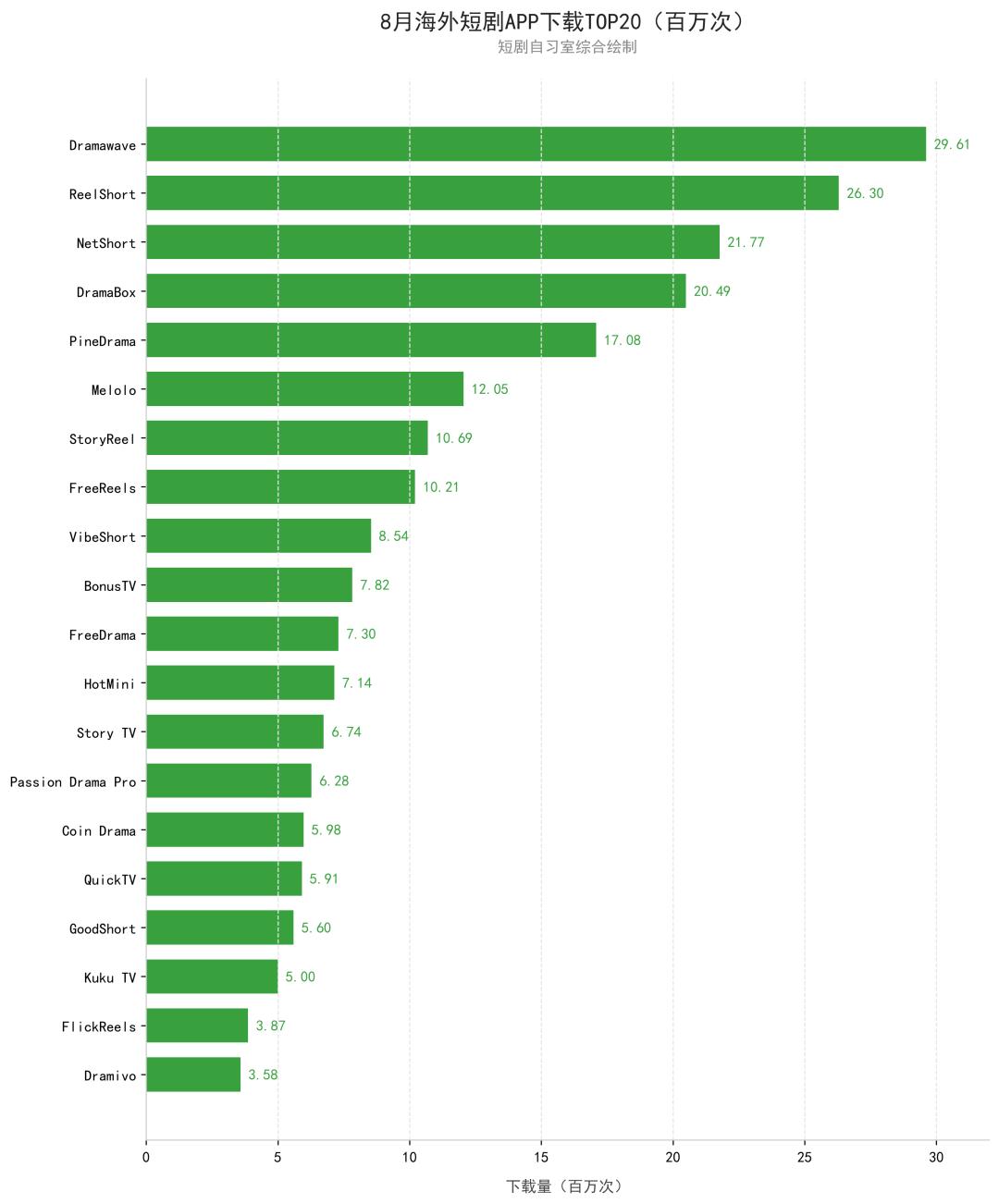
(Data source: Short Drama Study Room)
The Missing Link: The Domestic Production Committee System
Comparing the development stages, AI manhua dramas have covered the first 40 years of Japan's animation industry in just one year, and there are still 20 years of development left to go.
In the 1990s, Japan's bubble economy burst, major TV stations cut expenditures and announced that the production fees for animation companies would be further reduced; at the same time, they reduced the broadcast time slots for non-children-oriented animations, and if you wanted to broadcast your works, you had to pay for the time slots yourself.
Translated into current terms, it means reducing content procurement expenditure and increasing traffic placement costs. Isn't it exactly the same?
So, how did Japanese animators back then break through the predicament?
The logic is very simple, which is to bring more industries in to form a community of shared interests.

(EVA is the earliest animation project that applied the production committee system)
The animation industry back then, just like today's AI manhua drama industry, was an emerging industry with natural advertising effects. Therefore, it attracted a series of merchants from books, toys, DVDs, games, pachinko machines, beauty, clothing and other fields to form a production committee. In the production committee, all parties contribute funds together, share profits and share risks. In the later period, local governments also joined in and became important supporters of the IP industry chain.

(Tottori Prefecture, the hometown of Gosho Aoyama, has been sparsely populated under the influence of low birth rate and aging population, and 80% of its tourists are Conan fans)
The birth and operation of the production committee system brought more social commercial resources into the industry, and also distributed the media value of animation to various social industries. Animation is no longer a highbrow literary work, but a media commodity closely related to social business. There is no longer the traditional principal-agent game between animation producers and TV stations; even in late-night animation slots, the production committee is the party that the TV station serves.
The operation of the production committee system brought Japan's animation industry from 10 to 100 in terms of development. In the 1980s and 1990s, the annual output of Japanese animation was 100 episodes per year. By around 2000, the number had exceeded 200; at its peak, the annual output exceeded 800 episodes, which expanded the industry capacity by 8 times.
For China's current AI manhua drama industry, building its own production committee system is on the horizon. AI manhua dramas have accumulated a huge amount of traffic. How to combine this traffic with the real economy to stimulate greater commercial value may be the focus of the next stage.
However, it is worth considering that compared with the annual output of hundreds of Japanese animations back then, how to match the production capacity of 300,000 AI manhua dramas per half year in China is a huge problem. Perhaps it will not be feasible until the industry produces leading IPs and forms a practical operation path.
This node may arrive in the next half year.
This article is from WeChat official account "Zhenjian", author: Dou Jiaoshou, authorized by 36Kr for release.