From Europe to the Greater Bay Area: How Hong Kong builds a "super corridor" for global hard technology talents
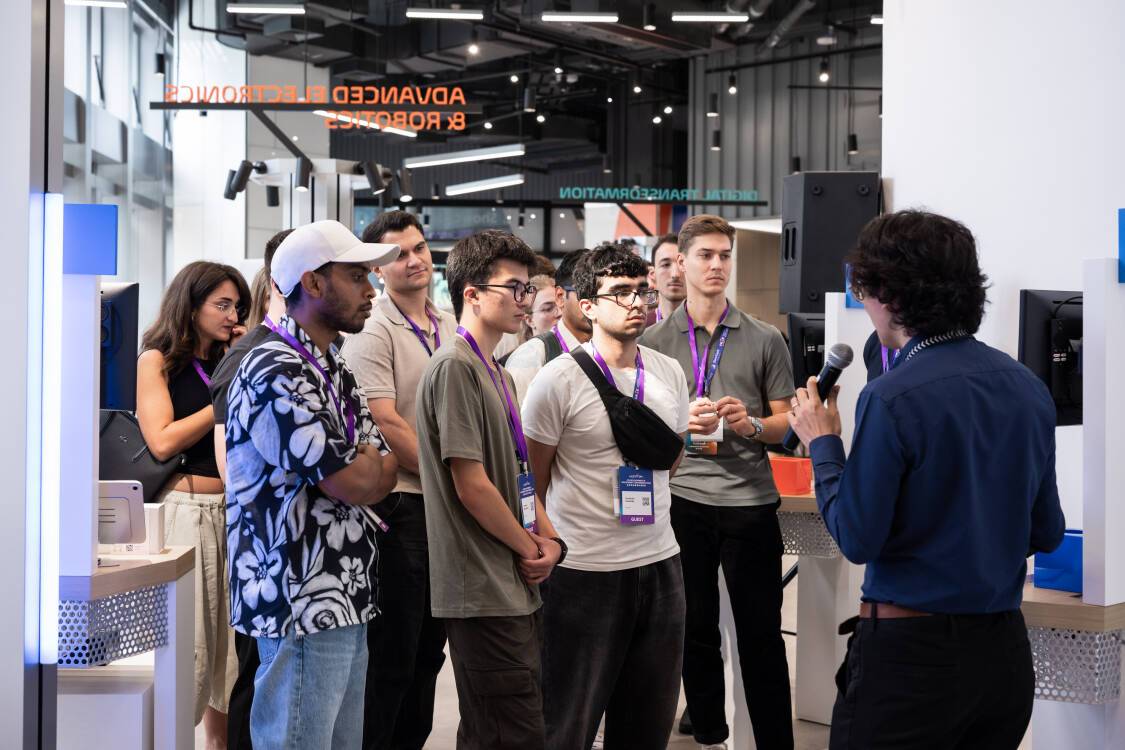
In early September, Aleksandr Gorbunov traveled all the way from Germany to Hong Kong, China to join a study tour of the Guangdong-Hong Kong-Macao Greater Bay Area. On the third day of his visit, he interacted with robots in Qianhai, rode in a driverless taxi through the streets of Shenzhen, and got a first-hand experience of the implementation of cutting-edge technologies in the Greater Bay Area.
Three months ago, he was still at a venue in Munich, Germany, designing innovation and technology solutions for a city he had never visited. By September, he had embarked on the trip, spending five days visiting Hong Kong, Qianhai and Nansha.
This is the second half of the International Innovation and Technology Marathon co-organized by the Talent Hong Kong (HK Talent Office) and the EuroTech Federation. Twenty delegation members, including competition winners, arrived in Hong Kong and other Greater Bay Area cities in September to carry out an in-depth field visit.
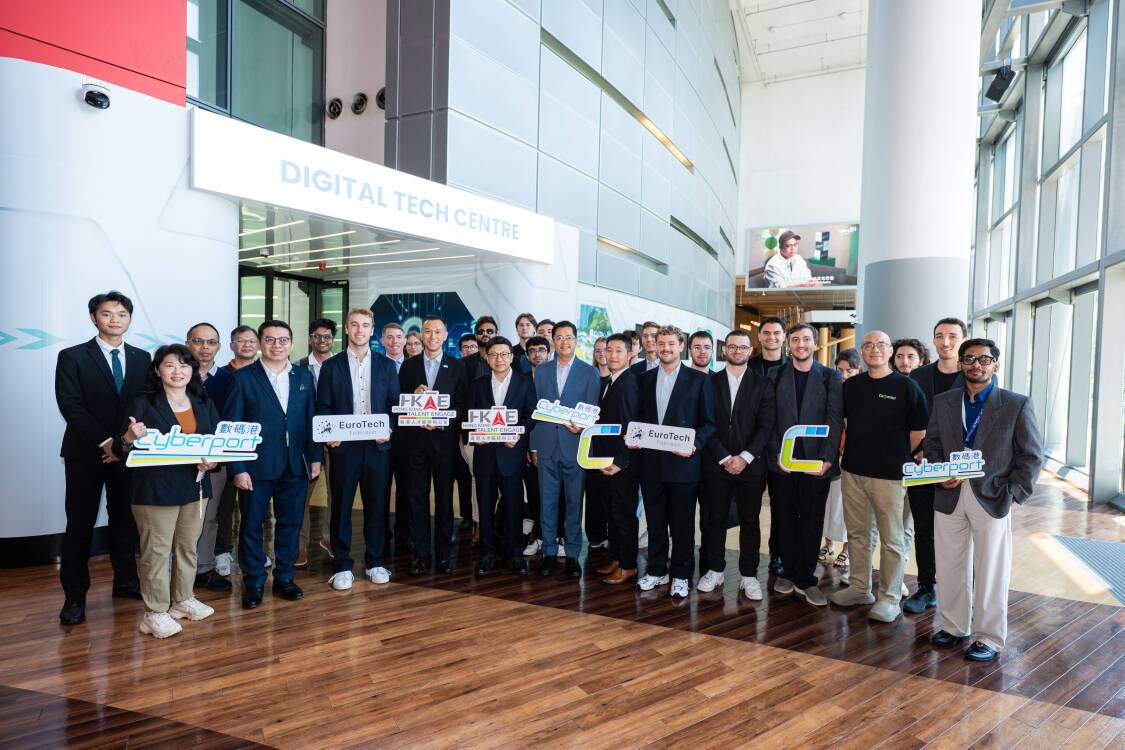
A European competition themed on Hong Kong
This international innovation and technology event was held in Munich, Germany from June 6 to 7, 2026, attracting more than 1,200 applicants from over 25 countries and over 100 universities. 250 finalists competed in teams for more than 30 hours, and 16 winners were finally selected.
The competition topics are closely aligned with real-world scenarios: the solutions must combine Hong Kong's actual needs, market environment and regulatory conditions, and put forward innovation and technology proposals in four tracks: fintech, health tech, smart city, as well as artificial intelligence and robotics, which prompted contestants to take the initiative to study the city. During the event, some teams had already contacted more than 200 Hong Kong clinicians to understand their situations and needs, and received positive responses from them.
Clément Sporrer, Co-founder and Former President of the EuroTech Federation, said: "What we are most looking forward to in this cooperation is to learn about Hong Kong and other cities in the Greater Bay Area. Before that, there was information everywhere on the Internet, but actually participating and understanding how things happen is the best way of education for Europeans."
In Hong Kong, the delegation successively visited the Hong Kong Science Park, the Hong Kong-Shenzhen Innovation and Technology Park and Cyberport, and learned about the overall innovation and technology planning of the Northern Metropolis. Subsequently, the team went to Qianhai and Nansha for inspection, exchanged views with local innovation and technology institutions and tech enterprises, and learned about the industrial applications of the Greater Bay Area in artificial intelligence, robotics, smart transportation and biotechnology.
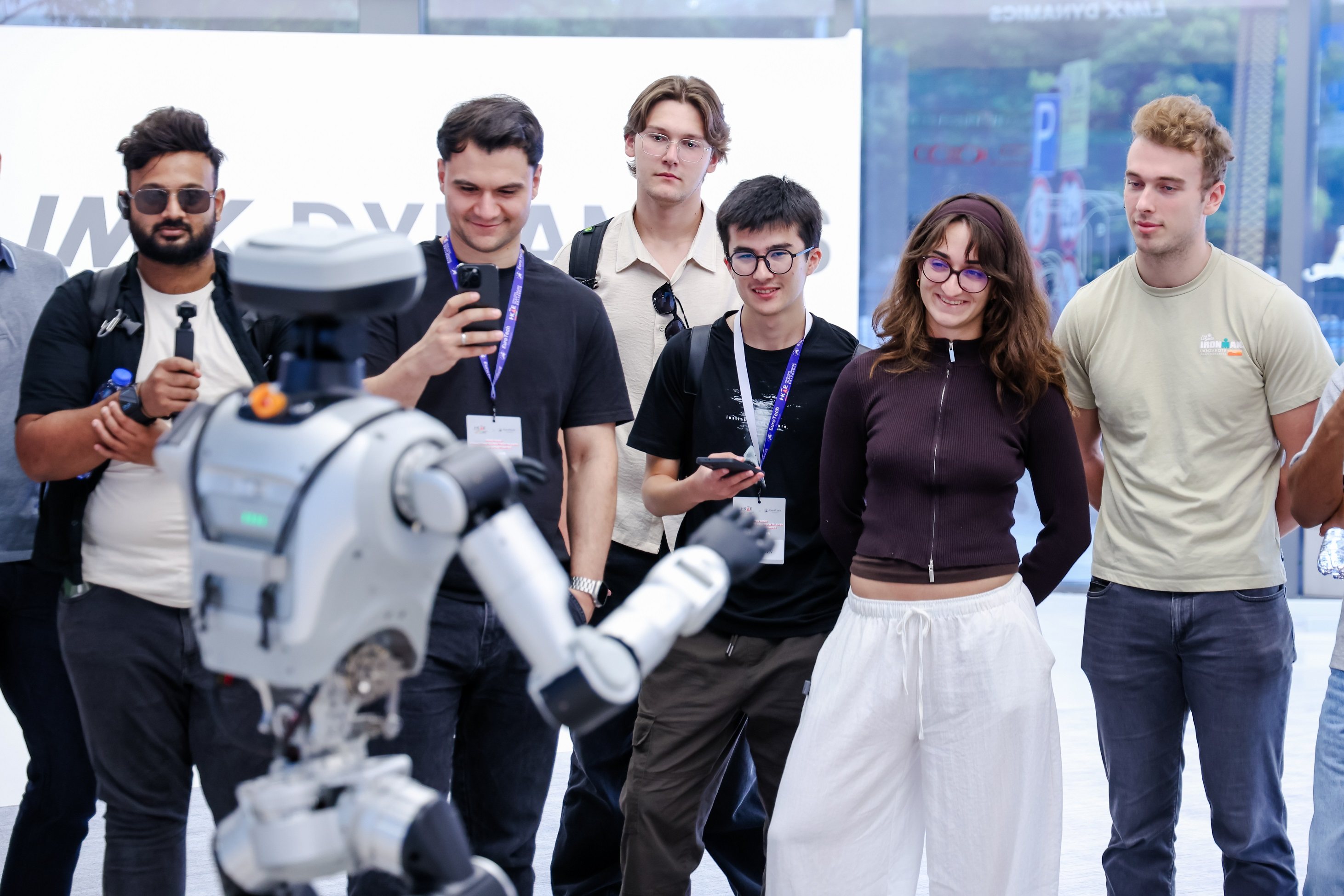
Chen Haijing, Director of Talent Hong Kong, explained the purpose of this route. "They (the delegation) came from Europe. In Europe, the cycle from a prototype to manufacturing and then to mass production is very long, which usually takes at least months or even years," he said, "In the Greater Bay Area, the implementation from prototype to manufacturing can often be completed in just a few weeks or even days."
This efficiency was personally experienced by Aleksandr Gorbunov on site. He runs an artificial intelligence company in Munich, Germany, which focuses on automating the paperwork processes of medical institutions, belonging to the pure software sector. After the five-day study tour, he recalibrated his understanding of the innovation ecosystem. "I know some biotech teams in Munich, and it is very difficult for them to find a laboratory that can make prototypes," he said, "But here, relevant institutions told me that as long as you join the incubation program, you can get support in relevant hardware and laboratory resources."
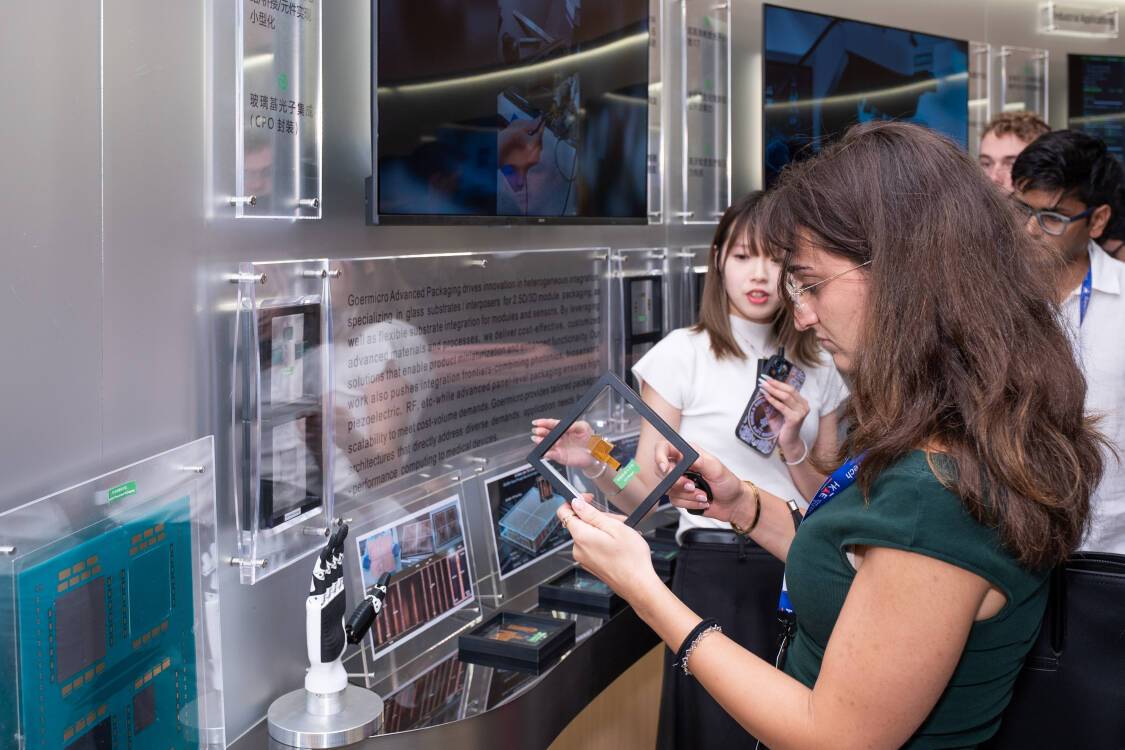
At the innovation and technology institutions in Hong Kong, Aleksandr Gorbunov experienced surgical robots for precision surgery in person; in Shenzhen, he took a ride in a driverless taxi. He exclaimed: "My background is software and machine learning. I used to think that making physical products is too complicated and requires a lot of time and money, but here, how rapidly the project progresses from concept to physical entity."
For Clément Sporrer, the most eye-opening part of this trip to the Greater Bay Area is the density of industrial clusters. "Major industries such as finance, manufacturing and robotics are all gathered in the same place," he said, "Cities in continental Europe are highly specialized, each strong in one specific field; while here is a hub that connects many different tracks."
Before the competition, Aleksandr Gorbunov's understanding of Hong Kong, in his own words, was only "from a photo", but now, coming to Hong Kong has become an option on his mind. "It used to be abstract, and I couldn't make any plans based on that; but now, I at least know who to contact for collaboration." When asked what the first thing he would do after returning to Munich, Aleksandr Gorbunov said he would share what he saw and heard during this trip to the Greater Bay Area with friends in the local innovation and technology circle.
"Everyone knows that Hong Kong is a financial center," he said, "But they don't know its rapid development in fields such as biotechnology and robotics. What may take ten years to build in Munich can be completed in one year here."
Why Hong Kong: From Attracting Talent to Retaining Talent
Hong Kong's innovation and technology ecosystem is closely linked with Shenzhen and other Greater Bay Area cities, and continues to expand through large-scale projects such as the Northern Metropolis. The Northern Metropolis covers an area of about 300 square kilometers, of which the Hong Kong Park of the Hetao Hong Kong-Shenzhen Innovation and Technology Cooperation Zone focuses on R&D, and the San Tin Technopole provides large-scale advanced manufacturing space, which will create a large number of high-value-added jobs.
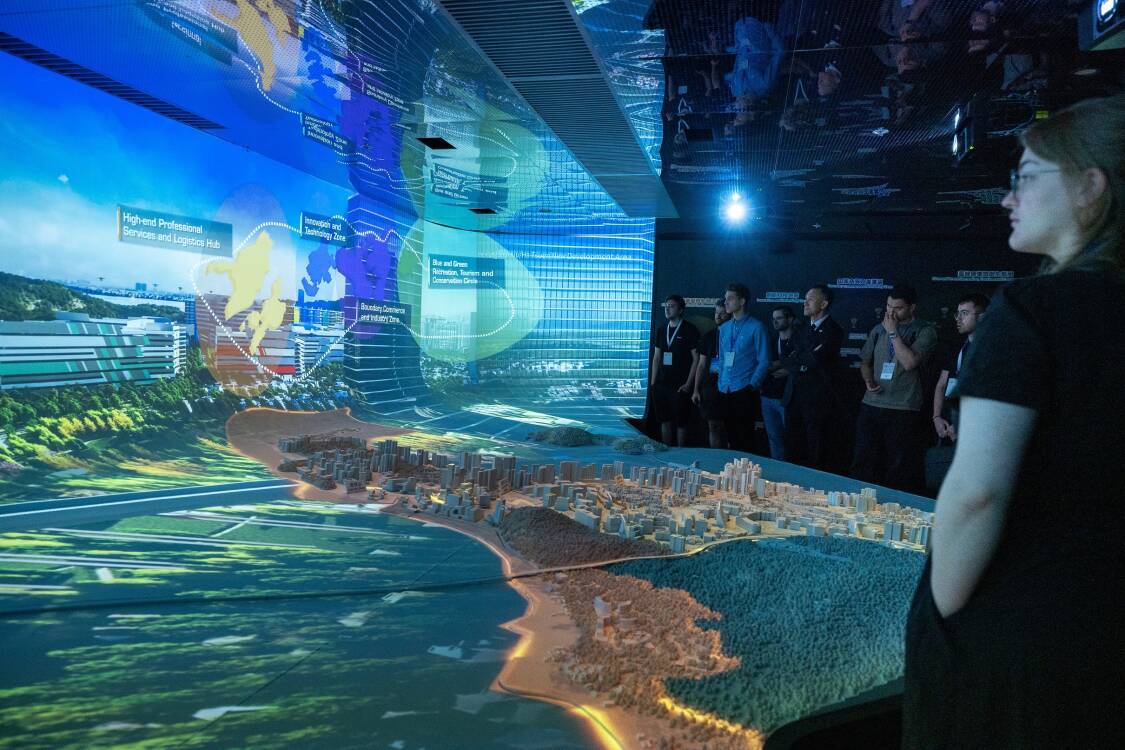
The regional innovation capacity has been internationally recognized: the Shenzhen-Hong Kong-Guangzhou innovation cluster has ranked first in the world for two consecutive years in the World Intellectual Property Organization's Global Innovation Index; Hong Kong has risen to 4th globally and 1st in Asia in the 2025 Global Talent Ranking.
Chen Haijing enumerated Hong Kong's fundamental advantages: the only city in the world with five top 100 universities; ranking first in Asia according to the Global Financial Centres Index; under the "one country, two systems" framework, common law and intellectual property protection constitute stable institutional expectations.
Chris Sun Yuk-han, Secretary for Labour and Welfare, said that the national 15th Five-Year Plan supports Hong Kong in building an international I&T center. The government is continuously improving the innovation and technology ecosystem, aligning with the overall deployment of Hong Kong's five-year plan to promote high-quality development, and cooperating with other Greater Bay Area cities to provide more development opportunities for innovation and technology talents at home and abroad.
Established at the end of 2023, Talent Hong Kong is committed to promoting the development opportunities of the Greater Bay Area and various talent recruitment measures of Hong Kong around the world, while providing comprehensive settlement support services for talents coming to Hong Kong. Chen Haijing added, "No matter talents from all over the world want to start a business or find a job in Hong Kong, we will cooperate with different government departments and partners to help them solve problems in employment and entrepreneurship. If you want to land a project, a partner network is very important."
The work of Talent Hong Kong includes attracting talents, retaining talents, and jointly recruiting talents with mainland cities. The attraction work is based on the Hong Kong government's regularly updated Talent List, targeting fields with insufficient local talents with precise efforts. Retaining talents focuses on specific aspects of daily life — Talent Hong Kong has partnered with more than 100 organizations across different sectors, covering needs such as entrepreneurship, job hunting, children's education and housing rental.
As of July 2026, various talent admission schemes in Hong Kong have received more than 650,000 applications in total, and more than 300,000 talents have arrived in Hong Kong. The official website of Talent Hong Kong displays about 5,000 job vacancies in innovation and technology, finance and other industries in Hong Kong every day, making it easy for talents to understand the job market demands in Hong Kong. Meanwhile, various online and offline activities are held every year, covering themes such as job hunting, entrepreneurship, family integration and Cantonese learning.
The third part of the work is oriented to the Chinese mainland. When overseas talents come to Hong Kong for development, their careers are not limited to Hong Kong, but extend to the Greater Bay Area and even the whole country. Last April, Talent Hong Kong visited Kuala Lumpur, Malaysia together with Greater Bay Area enterprises to recruit talents in the information technology and finance sectors; from October 17 to 18 this year, it will also organize more than 50 enterprises from Hong Kong, China and the Chinese mainland to hold the Global Talent Opportunities Exhibition in London, UK, to promote regional development opportunities and jointly recruit talents.
"We will continue to promote Hong Kong's role as an international talent hub and the national talent gateway, so that overseas talents can see the development opportunities of Hong Kong, the Greater Bay Area and even the whole country," Chen Haijing said.