2026 East Forward Going Global Summit: As Globalization Reaches Its Next Stage, How Can Chinese Enterprises Go Further on Their Overseas Expansion Journey
In 2026, the core keyword of overseas expansion is shifting from "pursuing incremental growth" to "focusing on sustainable operation". Enterprises are no longer prioritizing seizing opportunities, but building a full set of long-term capabilities covering local teams, supply chains, channels, brands and compliance. 36Kr hosted the 2026 East Forward Overseas Expansion Summit under the theme "Ride the Tide, Meet at the Shore", inviting overseas-oriented enterprises from consumer, technology, manufacturing and other sectors, as well as investment institutions and global service providers, to jointly discuss how enterprises can build more solid operational capabilities in the complex and volatile global market after going global, and find paths for long-term operation and growth.
In 2026, the overseas expansion of Chinese enterprises is evolving from "seeking incremental opportunities" to longer-term global operation.
In the past few years, more and more Chinese enterprises from sectors including automobiles, new energy, cross-border e-commerce, AI applications have entered the global market. However, a single market breakthrough or one round of performance growth does not mean the completion of globalization. When overseas expansion shifts from trial operation to normal practice, the real challenge also begins to change from "how to go global" to "how to stay and thrive". Rules and market environment keep changing, supply chains, channels and local teams need to be rebuilt, and brands also have to face tests from different cultures and consumption habits. The industry has repeatedly discussed "whether to go global" in the past, while today the question that needs to be answered is: after going out, can enterprises survive, take root, operate stably, and finally form their own global competitiveness.
On September 17, the 2026 East Forward Overseas Expansion Summit themed "Ride the Tide, Meet at the Shore" was held in Shanghai. Enterprises from new energy vehicles, cross-border e-commerce, AI and smart hardware, content export, consumer electronics and new consumer brand sectors, together with investment institutions and global service providers covering logistics, finance, marketing, human resources, M&A and other fields gathered at the scene, to discuss the next stage of Chinese enterprises' globalization, on how to move forward more steadily, deeply and further, from common operational challenges to the respective overseas expansion paths of different industries. At the opening of the summit, Xie Zuoqiang, Vice President of 36Kr, mentioned in his opening speech that overseas expansion is not new for Chinese enterprises. Chinese enterprises have been able to handle the traditional "selling goods overseas" maturely for decades, and the real current challenge is whether brands can gain a firm foothold overseas, calculate accounts clearly at the moment, and cope with various governance and compliance challenges in operation.
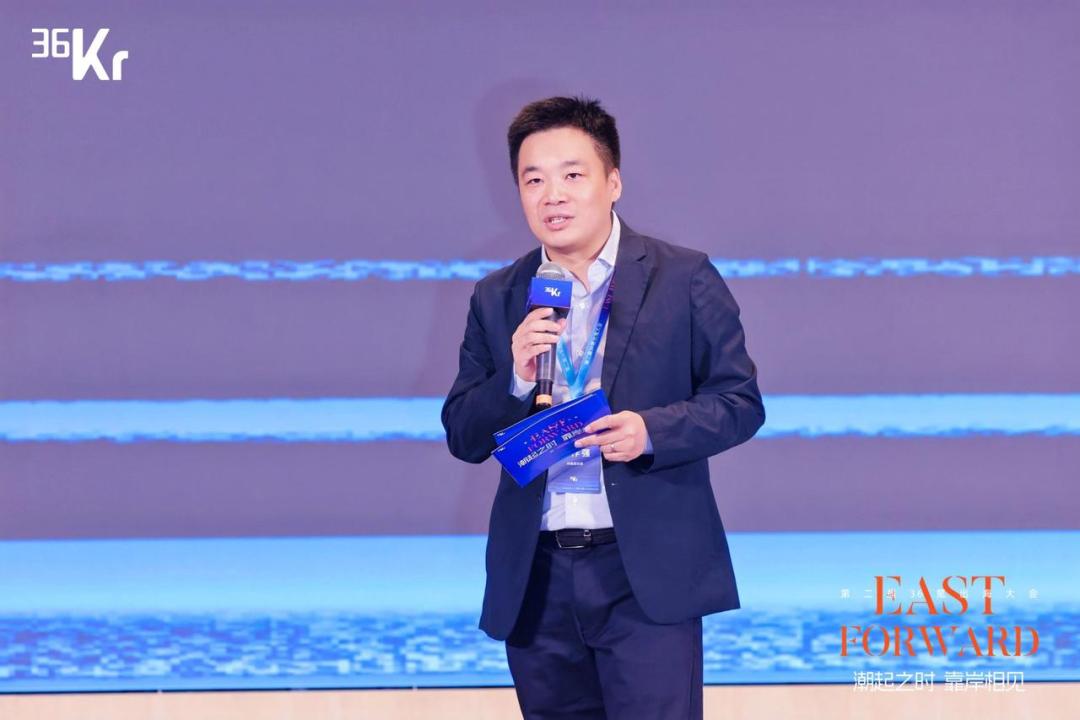
Xie Zuoqiang, Vice President of 36Kr, delivering the opening speech
From "Going Global" to "Staying Alive": Overseas Expansion Enters the Era of Long-term Operation
After enterprises truly enter overseas markets, the first unavoidable challenge they encounter is often not growth, but operation.
Teng Bingsheng, Professor of Strategy and Associate Dean of Cheung Kong Graduate School of Business, delivered a speech themed "From Going Global to Staying Alive", re-examining Chinese enterprises' overseas expansion in the context of "Globalization 2.0". The previously relatively stable global industrial chain is evolving into a more complex network structure. Enterprises should not only export products, but also find clear positioning, diversify risks under trade barriers and geopolitical situations, and build long-term operational capabilities in terms of entry path, core competitiveness, local ecosystem, innovation capability and compliance based on their own characteristics.
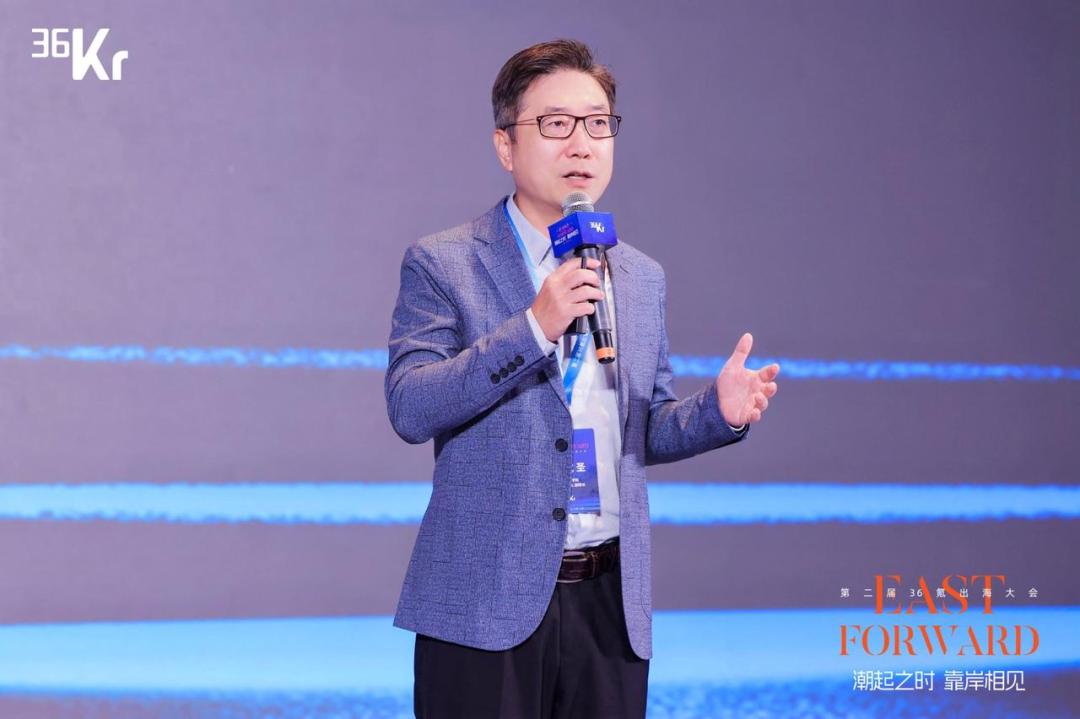
Teng Bingsheng, Professor of Strategy and Associate Dean of Cheung Kong Graduate School of Business, delivering the speech themed "From Going Global to Staying Alive"
This topic was also extended to the roundtable discussion of "From Export to Local Rooting". The fact that products can be sold overseas does not mean that enterprises have truly entered the market. How to understand local users, build local supply chains, form brand awareness, and manage cross-regional teams are the unavoidable issues for enterprises after entering overseas markets. Xie Huiqi, Director of Products and Solutions and Head of Overseas Business of Dun & Bradstreet China, mentioned that enterprises tend to underestimate the changing speed of local markets when expanding overseas. When the team is initially established, they can track customer information, but as the scale expands, the scattered sales, finance and after-sales information in various departments lacks integration, which will lead to operational misjudgment and resource misallocation. From target market selection, partner identification to customer credit, account period and payment collection risk management, enterprises need to build continuously updated and credible business data instead of relying on personal judgment.

Xie Huiqi, Head of Overseas Business of Dun & Bradstreet, speaking at the roundtable "From Export to Local Rooting: How Chinese Enterprises Complete Overseas Localization?"
As enterprise operations gradually mature and markets and channels keep expanding, AI is becoming a new entry point in the business system. Vivey Wan, Head of Asia Business at Shopify, shared around how AI changes the way consumers discover products and complete purchases. She mentioned that it took about 15 years to evolve from e-commerce to mobile commerce, 9 years from mobile commerce to social commerce, while it may only take 7 years to evolve from social commerce to today's agent commerce powered by intelligent agents. Channel iteration is accelerating significantly, and overseas enterprises need to adapt to new consumer entry points faster. For merchants, AI is not a simple replacement for traditional search, but adds new reach and transaction channels beyond advertisements, search and emails. Everything Shopify is doing now is essentially helping brands be more easily discovered, understood, trusted and purchased through AI channels.
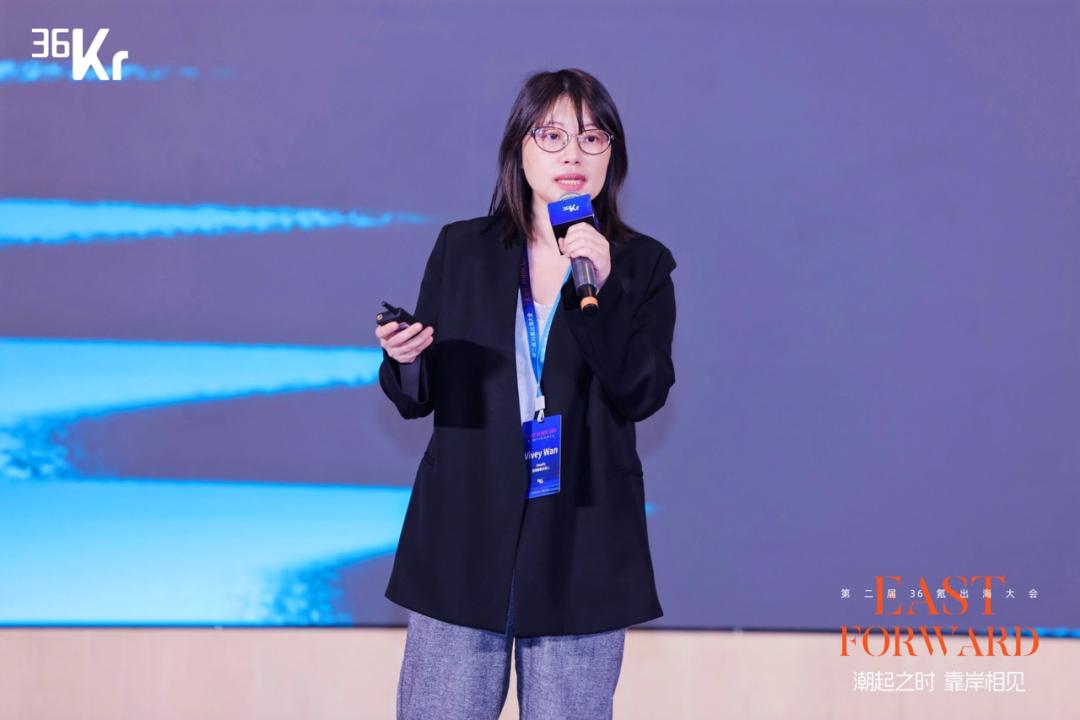
Vivey Wan, Head of Asia Business at Shopify, delivering the speech themed "AI as a New Business Entry Point: Building a Future-oriented Foundation for Global Growth"
However, facing the same AI empowerment, the currently popular content export industry is confronted with another set of challenges. Sun Kai, CEO of IReader Technology, shared the new changes of content products entering the global market around "AI short drama overseas expansion". In the past three months, the average production cost of AI short dramas has dropped by 75%, and the supply volume has increased by about 300% within half a year. But the reduction of production threshold and efficiency does not mean that all creators can benefit. Instead, hits and profits are further concentrated on high-quality content. Sun Kai believes that AI short dramas are not a simple branch of traditional short dramas, and domestic content cannot be directly copied and exported overseas through translation. What determines whether the content can succeed is still the IP, storytelling capability, and the grasp of payment habits and content demands in different markets: "Short dramas in 2026 are just like short videos in 2016: the market space has just been opened."
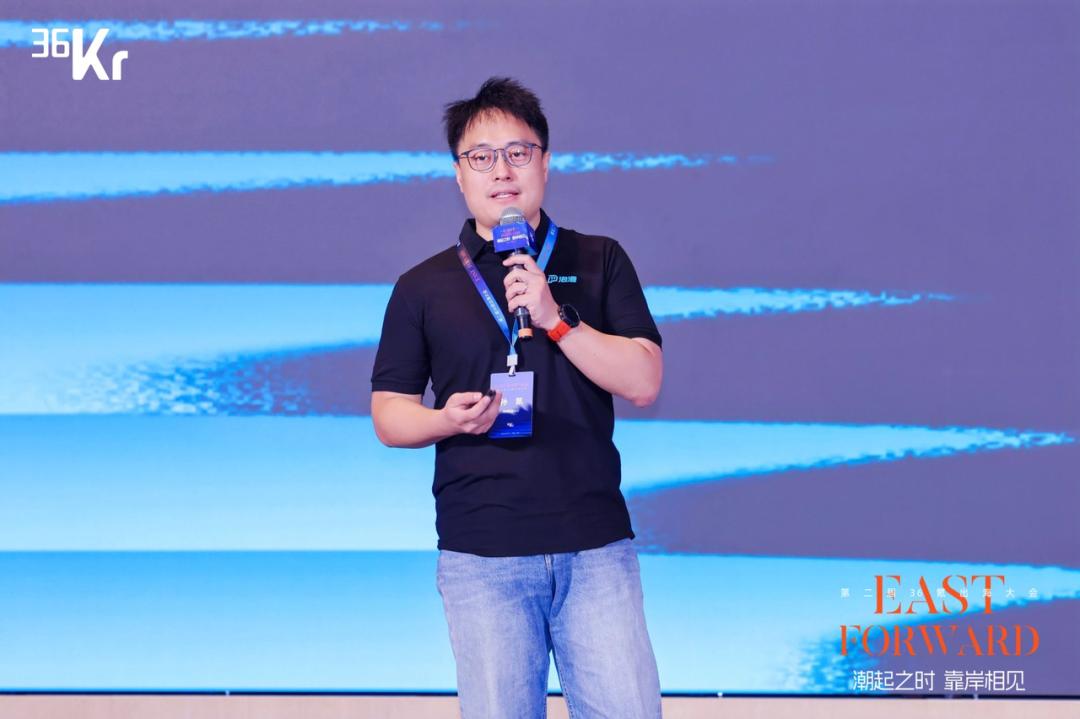
Sun Kai, CEO of IReader Technology, delivering the speech themed "IReader · AI Short Drama Overseas Expansion"
From market cognition to digital entry points, from operational foundation to content localization, when overseas expansion goes deep enough, the capabilities that need to be supplemented are far more than "selling products out". At the roundtable themed "Brand Globalization", guests from Alibaba Cloud, Ocean Stone and Xiaoman Technology further focused on long-term growth: the success of a single hit, one channel or even one market cannot be directly equated with globalization. Enterprises also need to truly connect brands, customers, data and operation systems, keep core judgments in their own hands, and make up for capabilities with the help of external ecosystems. In the AI era, repetitive work can be handed over to tools more, while human cognition, judgment and aesthetic appreciation have become more important instead.
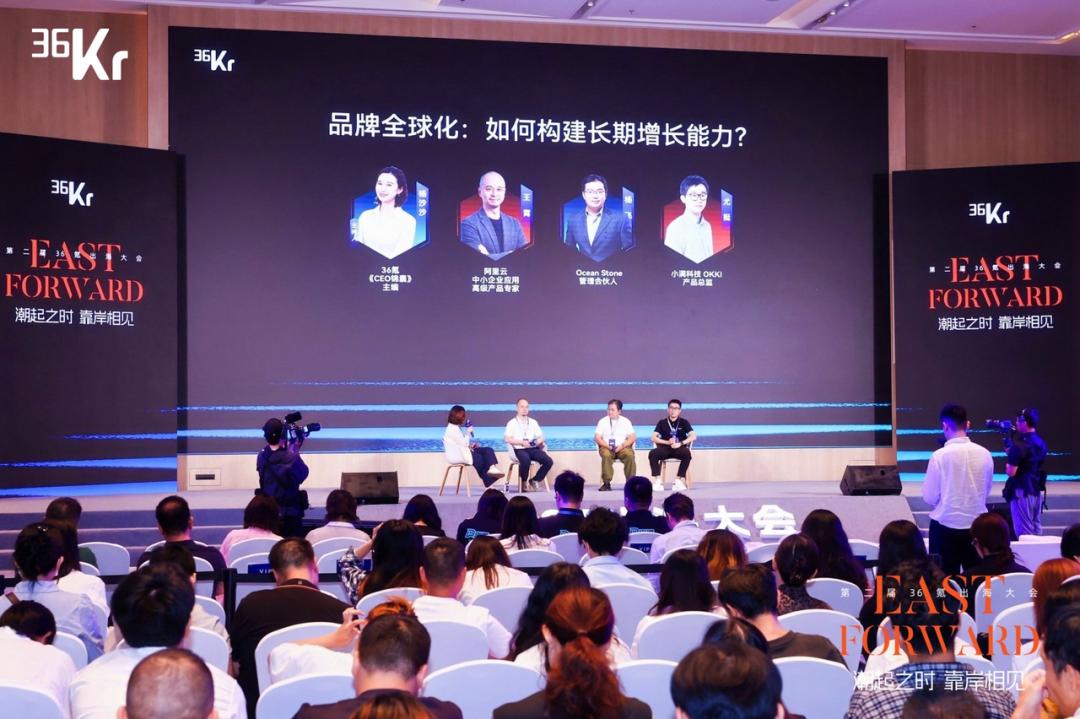
Roundtable of "Brand Globalization: How to Build Long-term Growth Capability?"
Different Tracks, Different Strategies: Globalization Starts to Compete in Operational Capabilities
Apart from common challenges, different industries are also forming their own respective globalization paths.
For enterprises that have established manufacturing and scale advantages, the next step is no longer just increasing export volume, but how to truly integrate into local operations. In the speech themed "From 30 Million to World-class: How Changan Automobile Translates Speed into Global Trust", Changan Automobile shared its experience of evolving from product trade to a global operation mode that integrates manufacturing, investment, service and brand collaboration. Its products are further shifting from "global synchronization" to "global original, regional customization", and truly enter different markets through local teams, service networks and cooperative ecosystems.

Peter Larko, Overseas Brand PR Director of Changan Automobile, delivering the speech themed "From 30 Million to World-class: How Changan Automobile Translates Speed into Global Trust"
Many mature overseas enterprises are also shifting from single-point breakthrough to systematic construction when facing growth issues. At the roundtable themed "How AI Reshapes Business", the guests discussed around the complexity of global markets, internal data collaboration of enterprises, and how AI capabilities can truly enter the operation system. Liang Yan, Senior Solution Engineer of Shopify, focused on the unified foundation of global operation. She mentioned that after enterprises enter more markets, they first need to find a unified data source to truly connect products, inventory, channels and regional operations. After entering the AI era, they also need to further open up different AI channels, so that products can be understood, discovered and converted by AI. AI scaling is not simply adding more tools, but running through the complete link of "problem identification - judgment - action - review" first, then replicating it to more markets and teams. Through Shopify, merchants can manage one set of products and operate an independent site covering different countries and markets on the same platform, and at the same time, with the help of AI channels that have been connected by the platform, they can avoid the tedious work of docking, deploying and maintaining one by one, so as to expand the global market more efficiently and seize the first-mover advantage of overseas expansion.

Roundtable of "AI Reshaping Global Business: How Brands Build Future-oriented Growth Advantages"
AI is rapidly changing the production and distribution methods of content export. At the roundtable themed "Speed and Public Sentiment", enterprise guests from Kunlun Tech, Linmon Pictures and 41Caijing further discussed issues beyond content efficiency: when AI continuously reduces the cost of production, testing and localization, and content supply becomes more and more sufficient, what is really scarce is the judgment of "what is good content", as well as the understanding of different market cultures, emotions and user demands. AI can amplify efficiency, but from topic selection, storytelling to localized expression, what ultimately determines whether the content can impress users is still human judgment and market insight.

Roundtable of "Speed and Public Sentiment: With AI Generating Unlimited Content, Who Takes Charge of 'Impressing People's Hearts'"
As enterprises go further and further, the role of capital and service systems is also changing. At the roundtable themed "New Route of Industrial Capital", guests from Sevens, Joyoung Industrial Fund, PMI (Project Management Institute) China and LianLian Pay discussed around "where the money should be invested". Compared with the past when traffic and short-term conversion were more valued, enterprises are beginning to invest more budgets in localization, brand building, organizational capability, compliance and risk management. The value of capital is no longer just providing funds, but helping enterprises reduce the cost of judgment and trial and error, and connect long-term resources such as channels, supply chains and professional services.
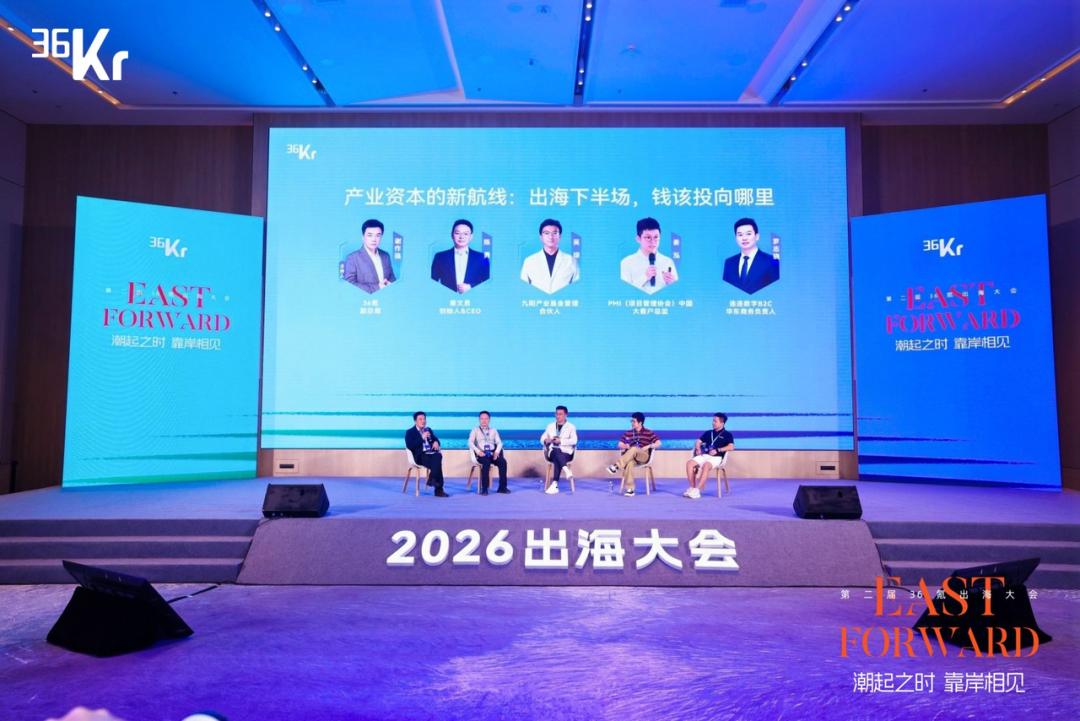
Roundtable of "New Route of Industrial Capital: Where Should Capital Be Invested in the Second Half of Overseas Expansion"
Different tracks have different strategies, but the judgments behind are converging: Globalization can hardly win by relying on a single-point advantage anymore. Products can help enterprises open up markets, but what really determines whether an enterprise can stay for a long time is whether it can continuously connect products, organizations, supply chains and markets.