The "airfare price gouging traps" that drive people on tight budgets crazy have unexpectedly catapulted a new top-tier internet celebrity to widespread fame.
It's only two days before the Mid-Autumn Festival holiday, and many office workers at their workstations can't sit still at all.
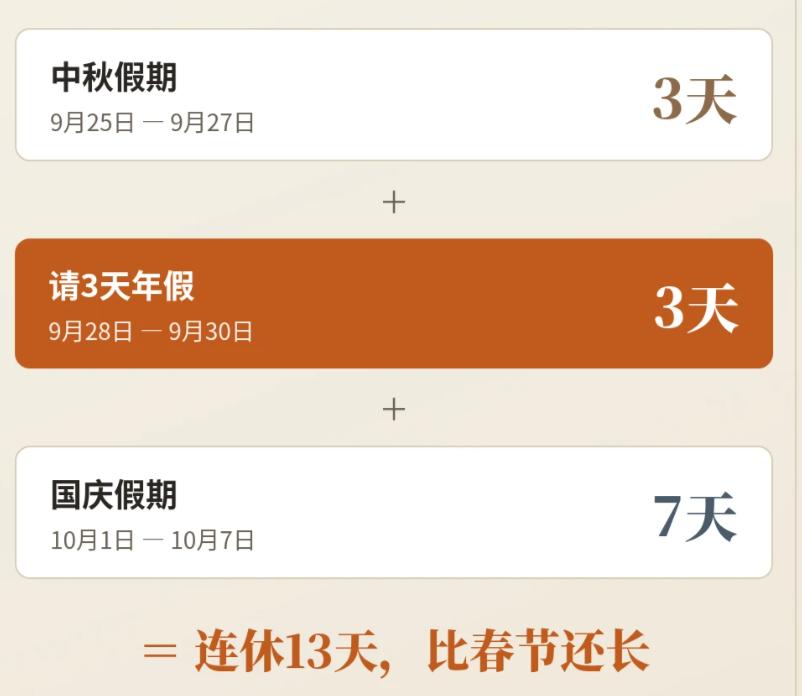
This year's combined Mid-Autumn and National Day holiday has made the work rhythm of office workers extremely magical due to compensatory leave arrangements: work 5 days, rest 1 → work 5 days, rest 3 → work 3 days, rest 7 → work 3 days, rest 1.
If you are bold enough to take 3 days of annual leave, you can get a continuous 13-day break directly, which is basically equivalent to achieving a "major milestone" in your working career.
Unfortunately, most people haven't got that long vacation yet, but they have already suffered heavy losses from the successive "hotel price gouging" and "flight ticket price gouging".
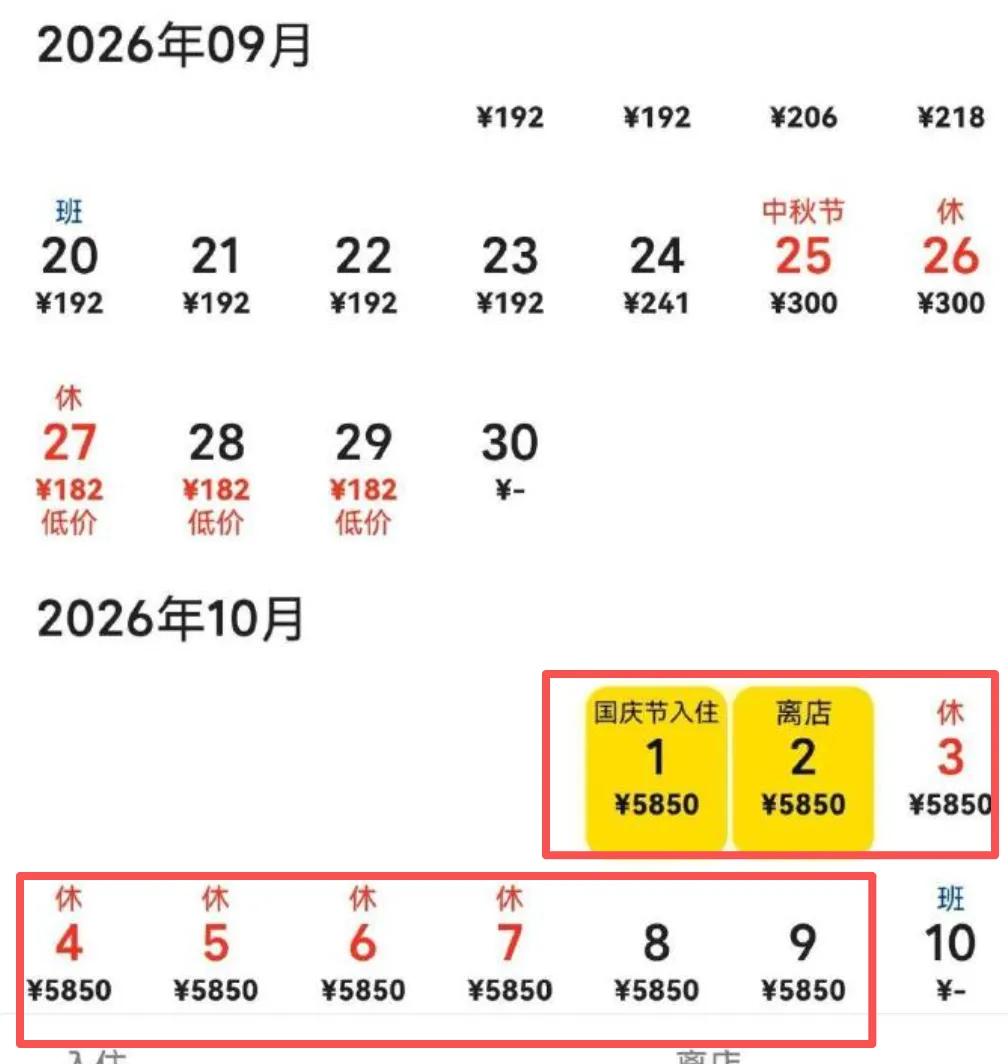
The closer the holiday is, the harder it is to book flights and hotels. The price of some small-town hotels that usually cost more than 300 yuan has risen to 700 or 800 yuan during the National Day holiday.
High-speed rail fares on popular dates are also rising sharply. Some train routes that usually offer discounts have returned to their original prices, and fares on some routes have even increased by 500 yuan compared with usual times.
When flight tickets, high-speed rail and hotels start raising prices arbitrarily, a "past internet celebrity" that has been rejected by young people for more than ten years has suddenly made a comeback — intercity coach.
In the past, young people took coaches only because they failed to grab high-speed rail tickets and had to settle for the second best option.
Now, young people have become "absolute practical life lovers", and can't help praising the coach fares, which are less than half of the high-speed rail and bullet train fares, as extremely cost-effective.
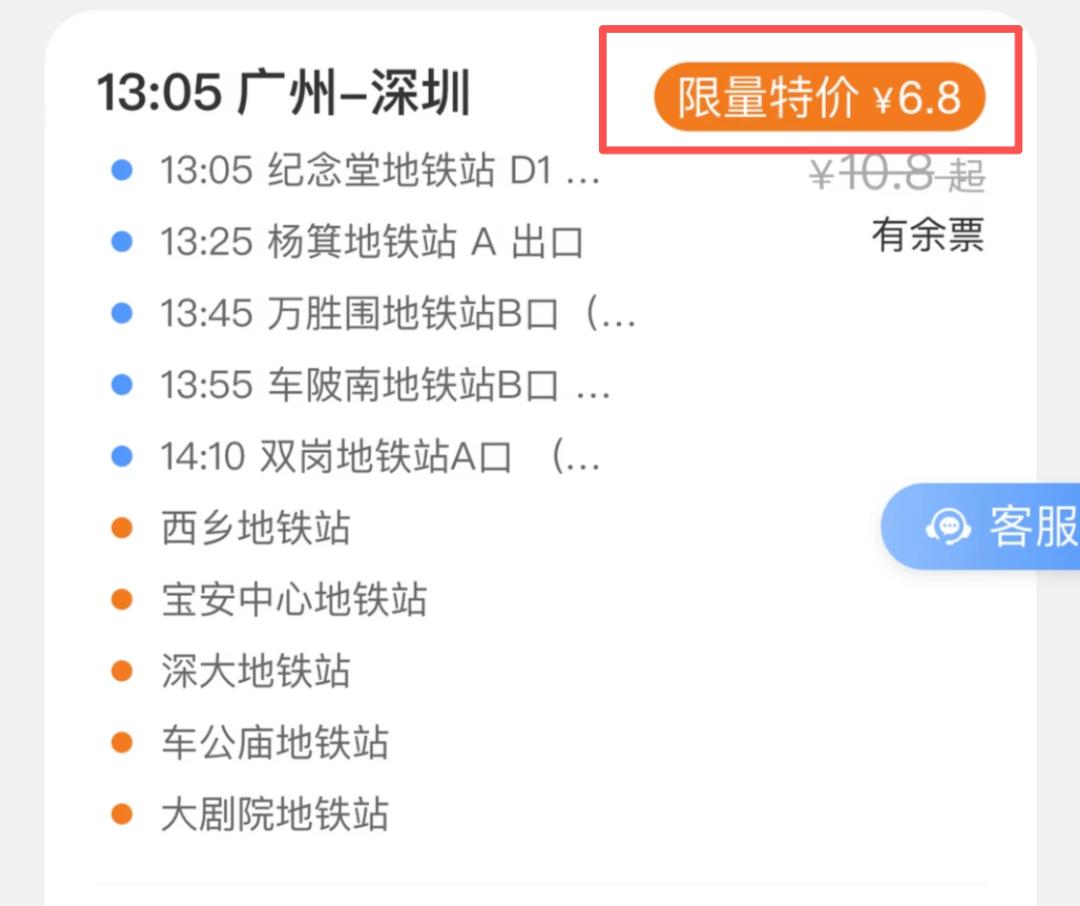
How cheap are coach fares? Some are even less expensive than a cup of milk tea.
The intercity coach connecting Guangzhou and Shenzhen usually costs about a dozen yuan, and the discounted fare is only 9.9 yuan.
Some people even once grabbed an ultra-low fare of 6.8 yuan after stacking holiday discounts.
At the same time, Chinese coaches have become extremely popular in overseas markets.
Chinese coaches can be seen in the markets of the UK, Uzbekistan and Finland.
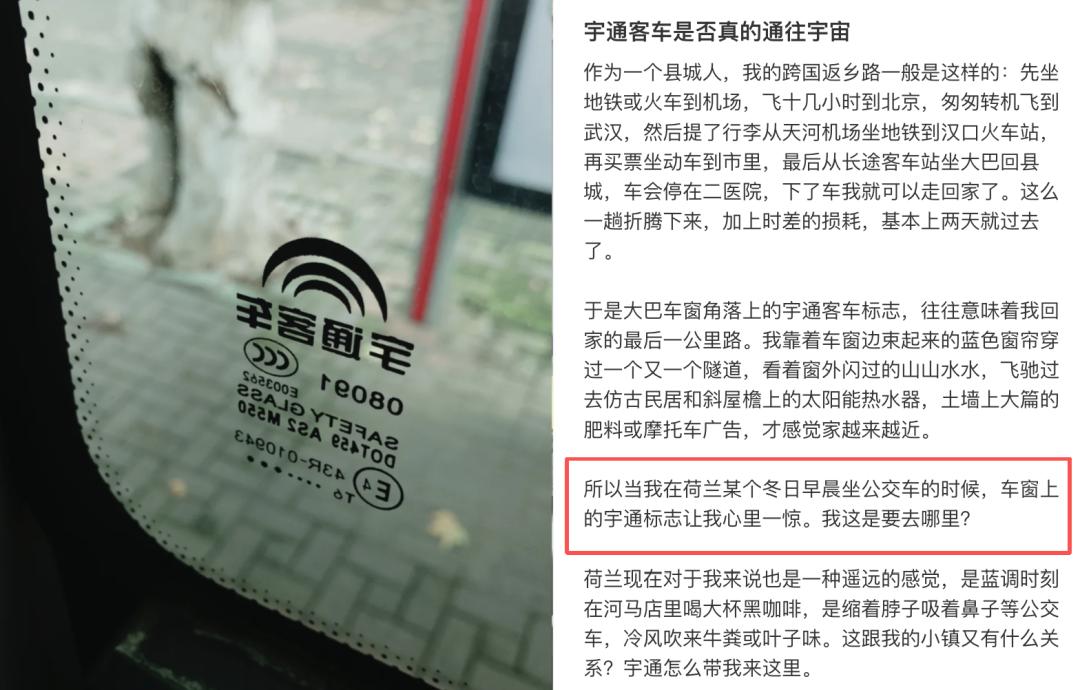
Why has this "past internet celebrity" that disappeared for 10 years become popular again?
The coach, which was once crushed by high-speed rail, has come back to life
A tiny grain of sand of the era, when falling on an industry, becomes a huge mountain.
Coaches, which were once all over the country and carried countless people's memories of the Spring Festival travel rush, went from peak prosperity to massive withdrawal from the market in just over ten years.
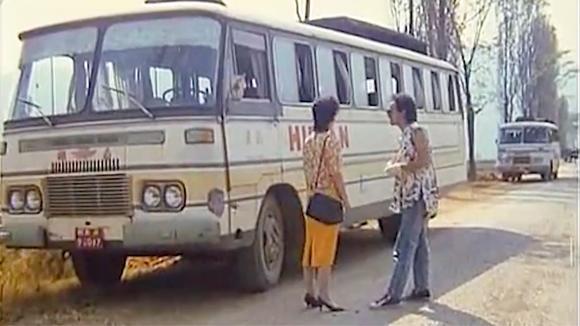
Around the year 2000, high-speed rail and bullet trains were not widely deployed across the country. For ordinary people to travel across cities, they basically chose between green-skin trains and coaches.
Green-skin trains were cheap, but grabbing tickets during the Spring Festival travel rush was as difficult as surviving a disaster. In addition, there were few routes at that time, and a large number of counties and towns could not be reached directly at all.
Coaches are more flexible, covering all demands across provinces, cities and even counties, sometimes you don't need to transfer 2 or 3 times, and you can sleep all the way to your doorstep when you arrive home.
According to data from the Ministry of Transport, from 2000 to 2015, the total length of national expressways surged from 16,300 km to 123,500 km, more than seven times the original figure.
Passenger coaches running on highways naturally benefited from the first wave of infrastructure dividends, and ushered in their golden decade.
Industry data shows that in 2005, the number of passenger coaches nationwide surged to 640,000, and sleeper coaches even became "money printing machines" in many regions.
On high-demand routes, sleeper coaches cost more than 100,000 yuan than ordinary coaches, but the cost can be recovered in about two years. In some places, there were even scenes where customers waited for vehicles with cash in hand, and newly produced sleeper coaches were immediately snapped up as soon as they came off the production line.
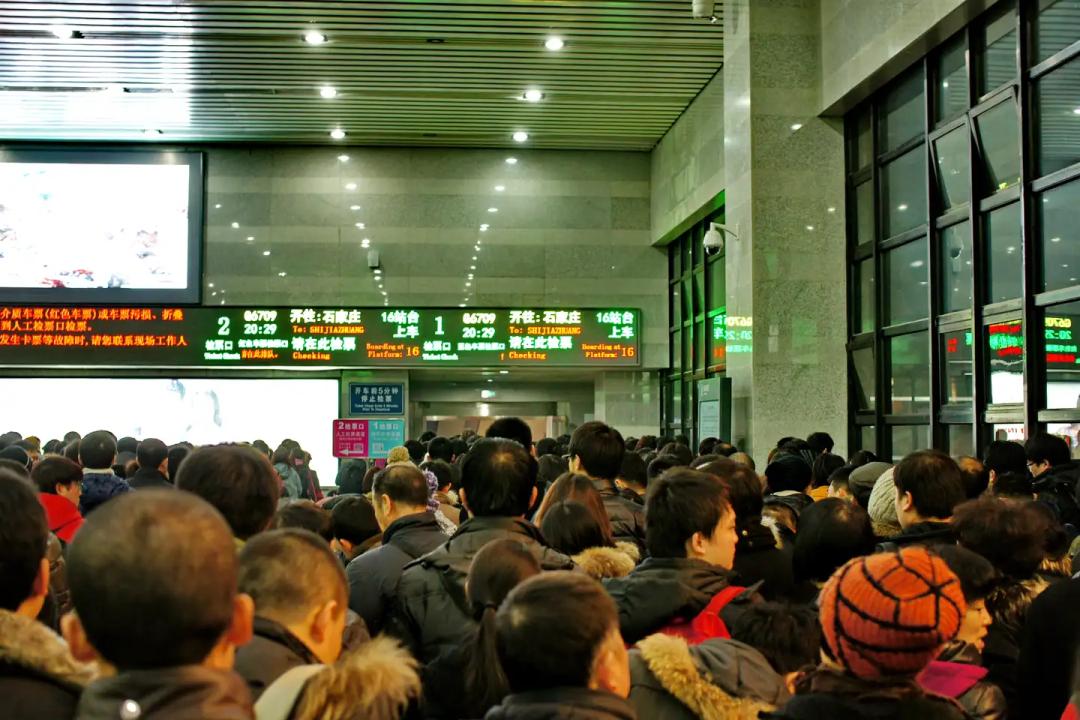
No one expected that the last thing that defeated coaches was not their old rival green-skin trains, but the latecomer high-speed rail and bullet trains.
According to data from the National Bureau of Statistics, high-speed rail rapidly formed a connected network after 2008. By the end of 2015, the operating mileage of high-speed rail across the country had exceeded 19,000 km.
In the same year, the passenger turnover of railways exceeded that of highways for the first time.
At the same time, people's standards for travel are getting higher and higher, and comparisons are inevitable: for the same journey, coaches often take 7 or 8 hours, while high-speed rail only takes 2 or 3 hours, and high-speed rail crushes coaches in almost all aspects including speed, punctuality rate and comfort.
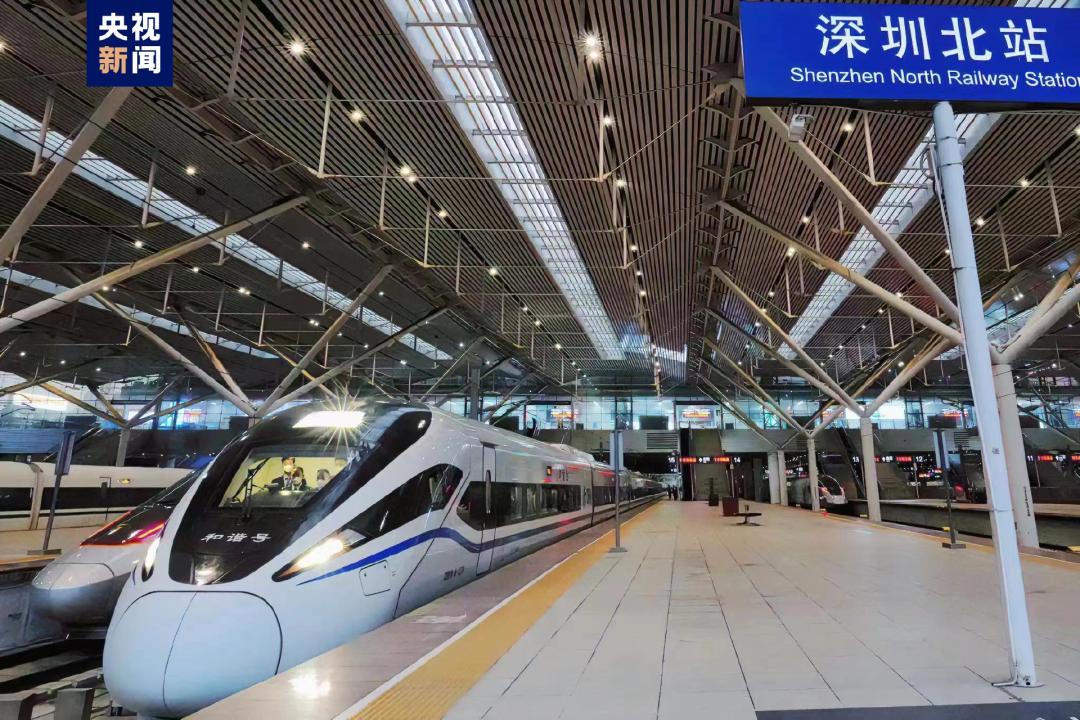
High-speed rail and bullet trains took away the market of medium and long-distance coaches, while the rise of online ride-hailing and private cars took away the main passenger source of short-distance coaches.
In 2013, the number of private cars nationwide had reached 109 million, and it further rose to 323 million by 2025.
In the past, taking coaches was the only option to go back to hometown, but now people have far more choices including driving by themselves, taking shared rides, and taking online ride-hailing services. Coaches can only gradually retreat to counties and towns that are not covered by railways.

At the same time, the user experience of coaches also declined.
Many people's impression of coaches can be summed up in four words: spending money to suffer.
Passenger stations are usually far away from the city center, and you have to drag your luggage to transfer between buses and subways for a long time to get there.
After getting on the bus, the seats are narrow and the carriage is stuffy. During festivals, traffic jams can last for hours, and you can only wait until the next service area to solve the problem of using the restroom.
All kinds of chaos that emerged around long-distance passenger transport in those days also ruined the reputation of coaches.
Scalpers squatted at the entrance of the station, shouting "depart immediately", but they would never leave until the bus was full. Some coaches that pick up passengers outside the station do not provide formal tickets, and even raise the price temporarily after passengers get on the bus, leaving passengers stranded halfway.
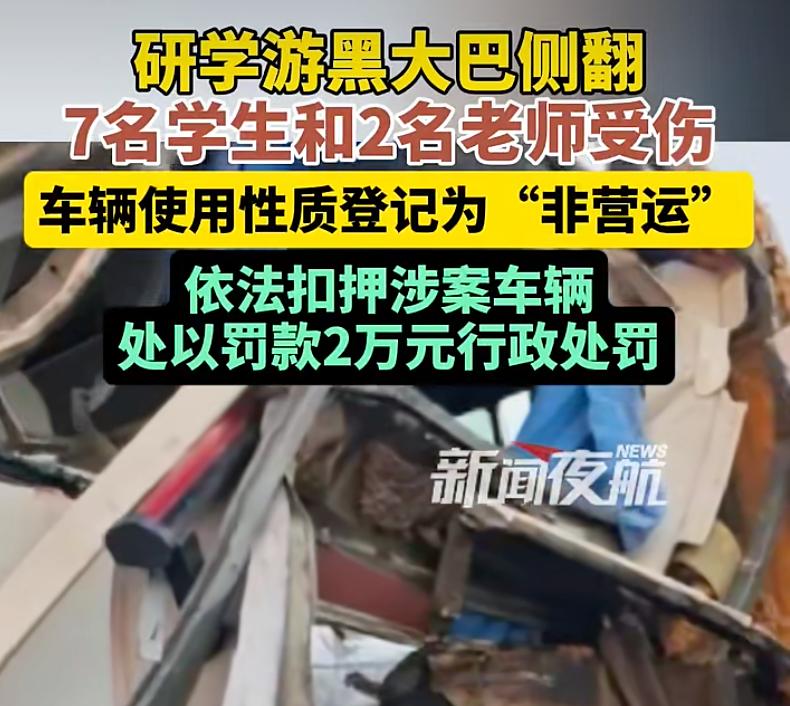
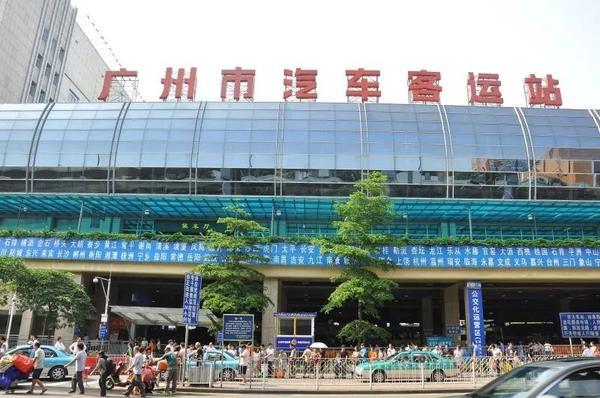
Under successive heavy blows, coach passenger stations began to close down in batches. According to statistics from CCTV, from 2023 to 2025, as many as 1200 passenger stations across the country were forced to close or transform, with 33 stations closing every month.
However, coaches that seemed to be about to exit the historical stage unexpectedly made a collective comeback more than ten years later.
Coaches that made a grand comeback have been completely upgraded
When passenger stations across the country closed one after another, coaches quietly staged a grand comeback.
In Beijing, commuter express coaches connecting Yanjiao and Xianghe are full of office workers again, and intercity routes in Guangzhou, Shenzhen, Zhaoqing, Meizhou and other places in Guangdong have become lively again.
According to data from the Beijing Municipal Commission of Transport, as of October 2024, the customized commuter express buses for the Beijing-Tianjin-Hebei region have opened 9 main lines and 35 branch lines, with an average daily passenger volume of about 7,000 passengers, and the average actual load rate reaches 80%.
This is obviously not an accidental phenomenon. According to data from the Ministry of Transport, by the end of 2025, about 3600 intercity passenger transport enterprises across the country have launched customized passenger transport services, representing a year-on-year increase of about 25%.
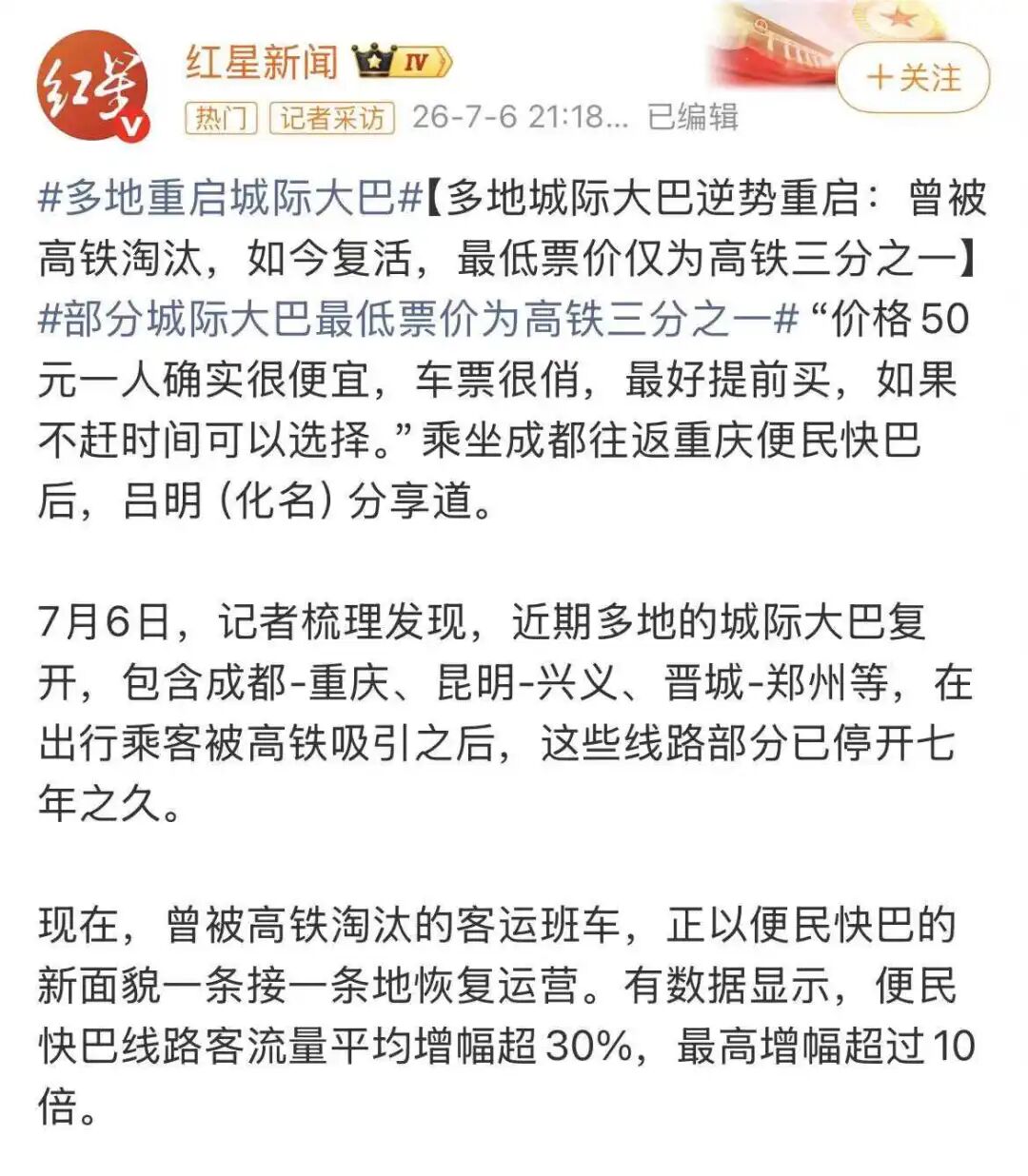
What on earth makes the coach that was once abandoned by the era come back to life again?
The first step is to completely renovate the vehicle configuration, turning it from a "road green-skin train" into a "moving first-class cabin".
When many young people take a coach again after several years, their first reaction is: is this still the coach I knew?
In the past, coaches were crowded and smelled bad, and you could only resign yourself to fate if your mobile phone ran out of power.
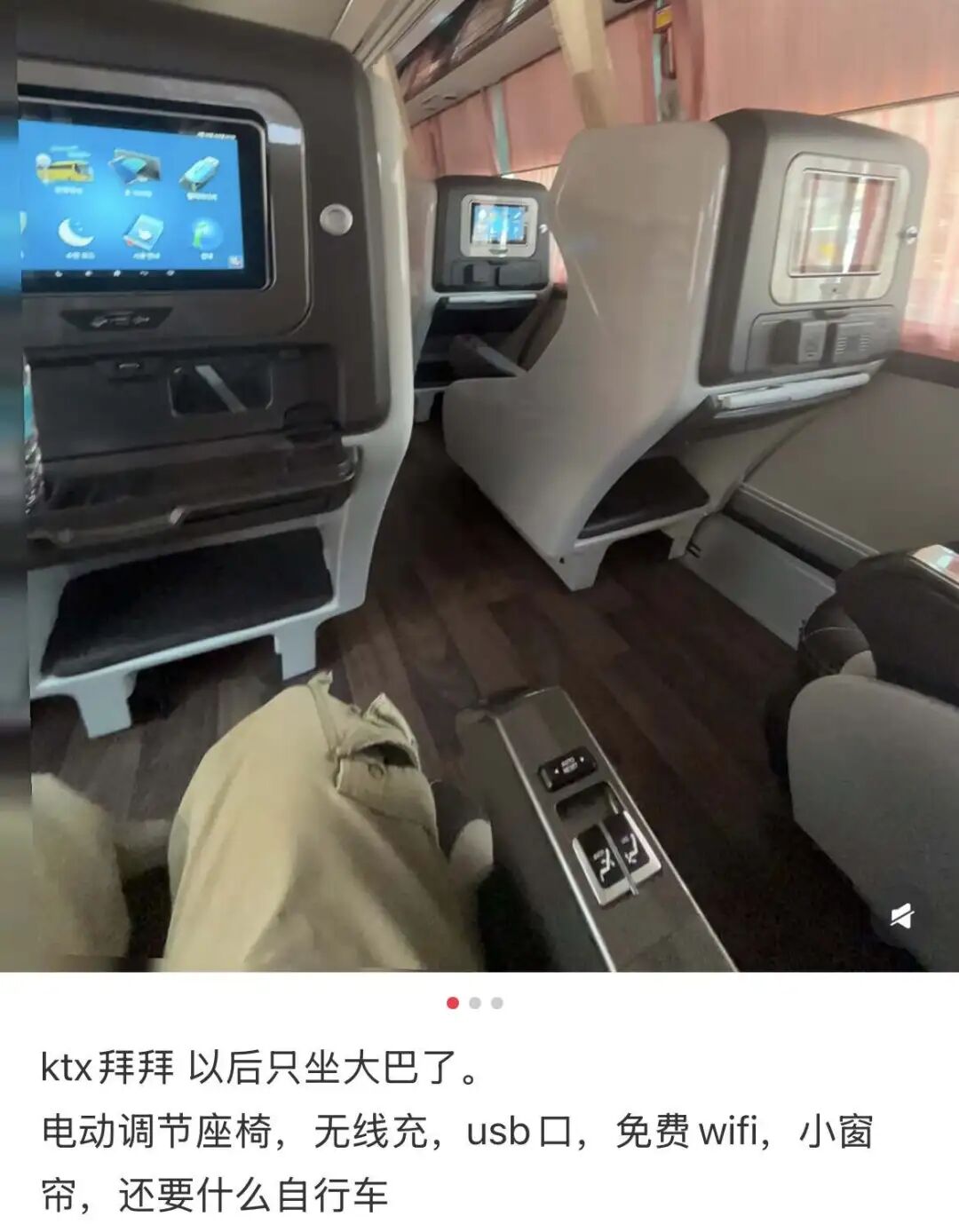
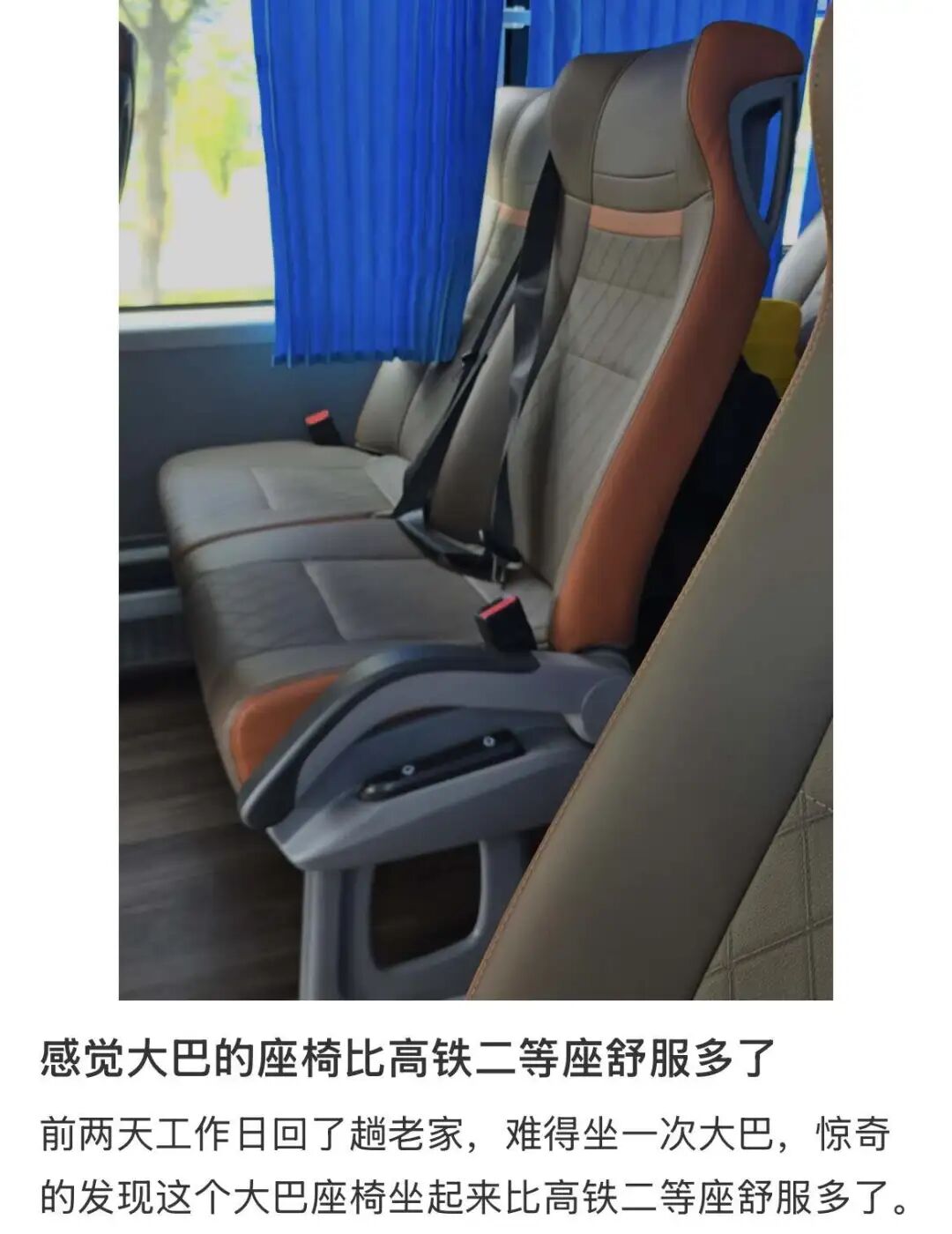
Now many customized passenger coaches are equipped with adjustable soft seats, USB charging ports, air conditioners, and some routes even provide WiFi, which is a complete upgrade from the past.
An even bigger change is that passengers no longer need to carry large and small luggage to the passenger station.
Many customized routes now have stations directly set up at subway entrances, communities and business districts, and you can even get on the bus right at the entrance of your residential compound.
For example, the coach from Xinyi to Guangzhou picks up passengers at 7 stations in Xinyi, and there are as many as 4 drop-off points in Guangzhou, 3 of which are right at subway entrances.
The effect is immediate. In the past five years, the passenger load factor of this route has increased from less than 30% to 70%-80%.
