Anti-aging injections made from the skin of deceased people? Uncovering the full story behind the Re2O controversy in South Korea
The "Cadaver Skin Needle" controversy is not just an ethical dispute over a single product, but another concentrated exposure of the "concept first, regulation lagging behind" phenomenon in the medical aesthetic injection market.
In recent years, South Korea's medical aesthetic industry has continued to gain popularity, with viral injection products such as whitening injections, glowing skin injections, lipolysis injections and PDRN injections constantly going viral. Benefiting from the maturity and high cost-effectiveness of the local medical aesthetic industry, a large number of overseas consumers are also attracted to South Korea to experience light medical aesthetic projects, but under the appearance of industry prosperity, there are numerous irregularities.
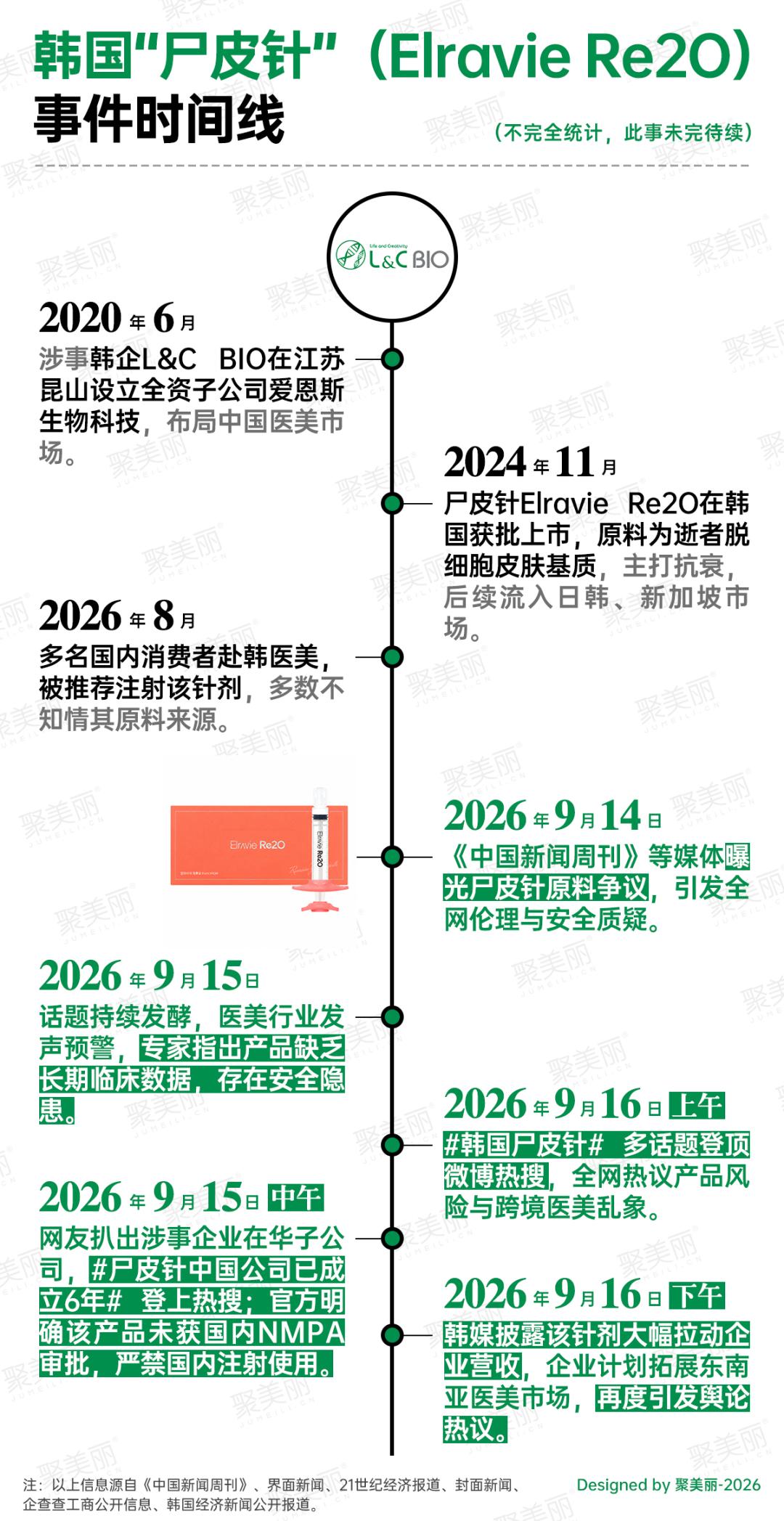
Yesterday (September 16), search terms such as "South Korea cadaver skin needle price", "I only found out the raw material of the anti-aging injection I got in South Korea is dead human skin after the injection", "South Korea cadaver skin needle is mired in controversy hit the top searches on Weibo.
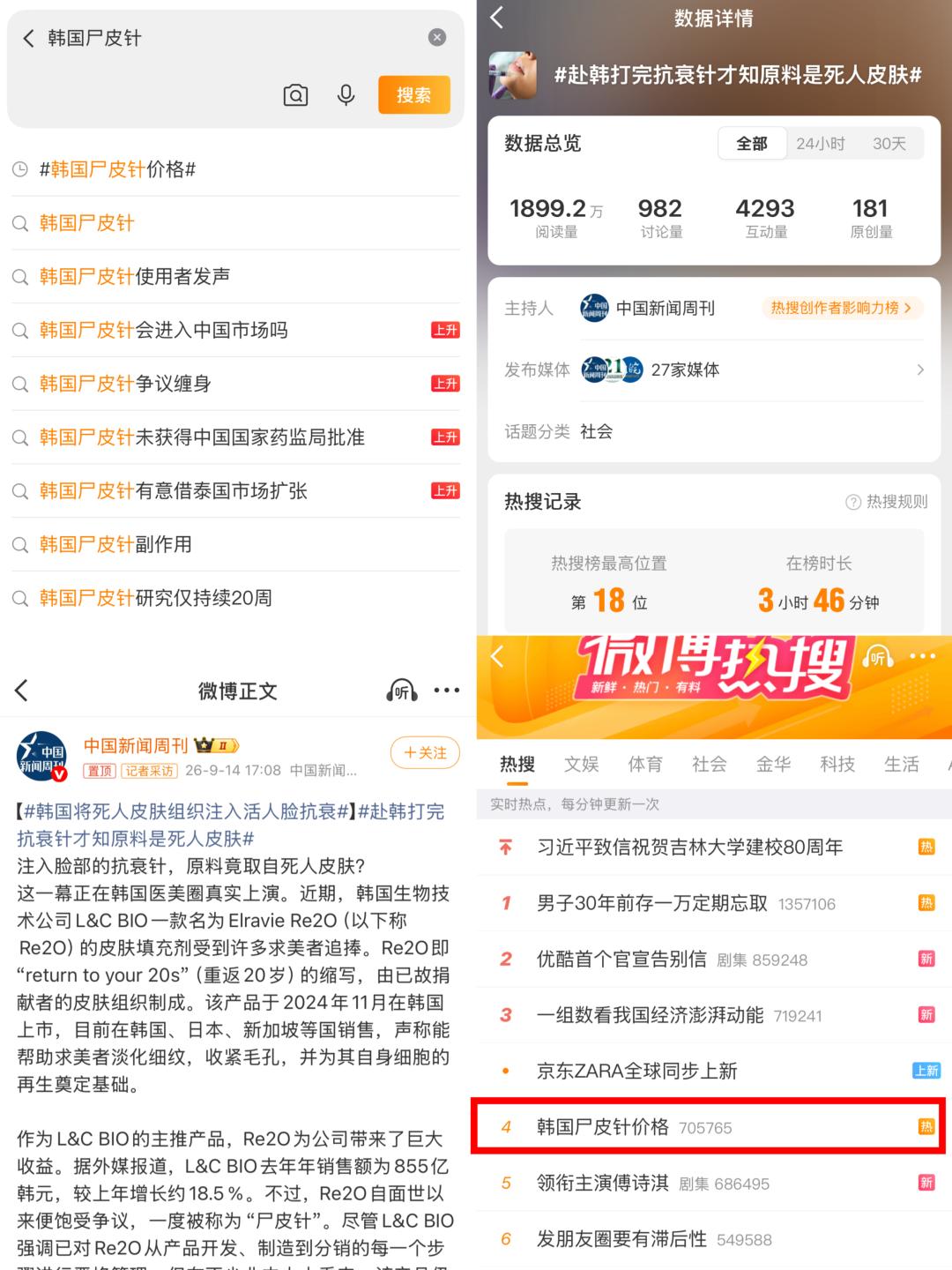
Source: Screenshot from Weibo
It should be noted that this injection has not obtained the medical device registration certificate of China's NMPA, and carrying out relevant injection operations in China is an illegal act.
Re2O has been controversial since its launch. Although its parent company L&C BIO emphasizes that it has strictly managed all links from product development, manufacturing to distribution, many people from all walks of life believe that the product has potential safety hazards and ethical risks.
On X (formerly Twitter) and Threads, some overseas netizens questioned: "You cannot donate blood after injecting this product" "My friend was not informed of the risks when getting the injection in South Korea" "This violates Japan's view on life and death" and so on.
On China's Xiaohongshu platform, some users also said: "Many high-potency skin care products and beauty injections are extracted from the human body" "The high revenue of illegal institutions is for this, you didn't believe it before" "Could it be from deceased donors? Who would want to become a beauty raw material after death? It is estimated that South Korea is also doing similar things like selling corpses from crematoriums to make bone meal." As of press time, the incident is still continuously fermenting.
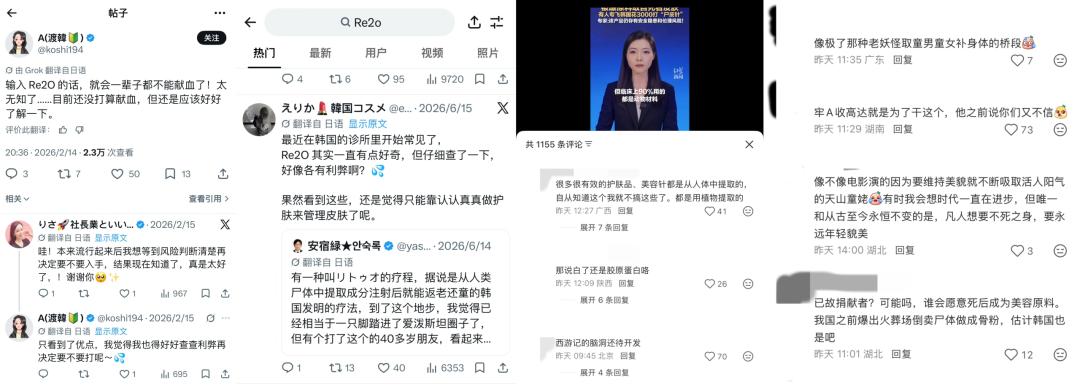
Figures 1 and 2 are screenshots from X and Threads, showing views of overseas netizens; Figures 3-4 are screenshots from Xiaohongshu, showing views of Chinese netizens.
Popular anti-aging injection, raw material turns out to be the skin of the deceased?
It is reported that "Cadaver Skin Needle" is actually an anti-aging injection Elravie Re2O launched by South Korean biotechnology company L&C BIO in 2024 (hereinafter referred to as "Re2O", short for Return to Your 20s), which means returning to the age of 20.
Its raw material is the extracellular matrix obtained by decellularizing the skin donated by the deceased. The single injection of this product is priced at about 3000‑4000 RMB, and it claims to reduce fine lines and shrink pores. It has now entered markets such as Japan and Singapore[1].
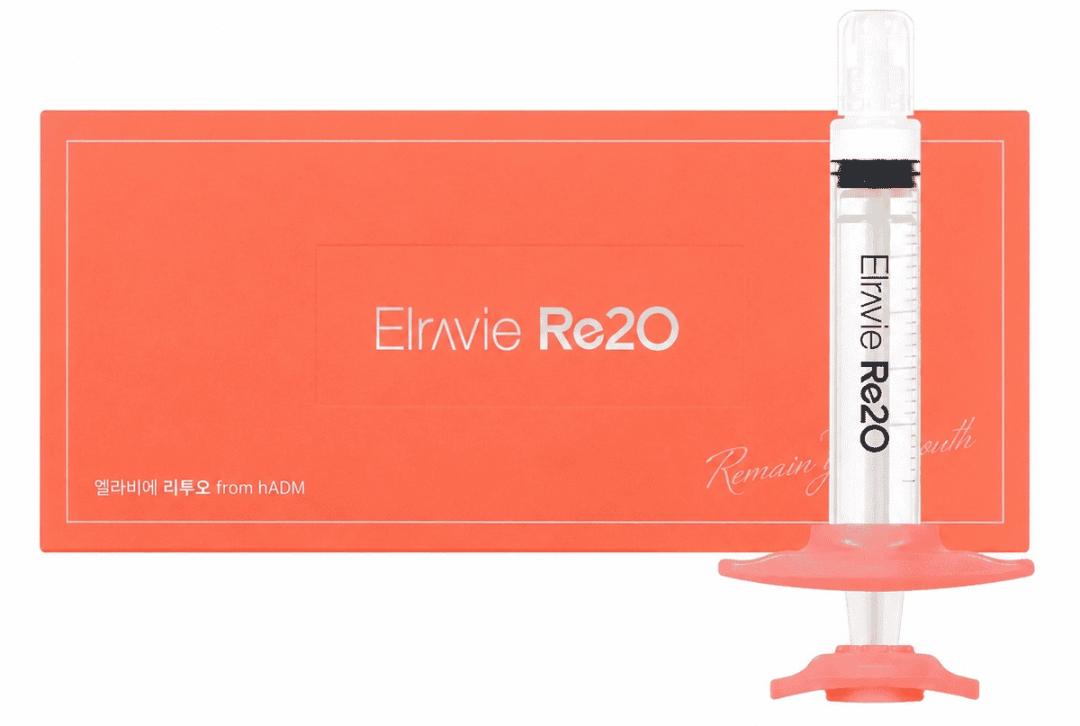
Source: Google, showing the controversial cadaver skin needle Re2O
According to public information, the incident broke out on September 14, many media outlets[1] published reports disclosing that the raw material of the popular Re2O injection in South Korea contains skin donated by the deceased, and some beauty seekers who went to South Korea received the injection without knowing the situation.
Among them, consumer Fu Na told *China Newsweek* that she received Re2O injection in August this year on the recommendation of a South Korean dermatologist. "The local doctor claimed that it can inject nutrients deep into the skin. The cost of a single injection was 750,000 won (about 3,675 RMB), and the post-operative facial cleansing and makeup effects were improved."
Another consumer Feng Xun also revealed to the media that its effect is more obvious than that of glowing skin injections, and it makes the skin delicate and stable.
Jumeili learned that the production of Re2O is divided into three core processes: first, decellularize the skin donated by the deceased to remove cells and genetic materials; then retain the extracellular matrix (ECM) skeleton composed of collagen and elastin; finally, process it into injectable micro-particles to provide a growth attachment scaffold for the body's own skin cells.
ECM is one of the 14 anti-aging markers recognized by the academic community. Experts such as Richard Leroux, Chairman of the French Cosmetics Association (SCC), and Professor Zou Ying from the Dermatology Hospital Affiliated to Tongji University, once pointed out at Jumeili "China Anti-Aging Industry Integration Conference" that the functional decline of extracellular matrix is the core mechanism of skin aging, and it is also an important global research direction. Historically, many popular beauty projects will be combined with the latest academic frontiers to attract consumers.
As public opinion fermented, many experts in the medical aesthetic industry spoke out one after another, pointing out that the product has been on the market for a short time, lacks long-term human clinical observation data, and has potential safety risks.
Xue Ke, academic leader of the Department of Plastic Surgery at Shanghai Pudong New Area Gongli Hospital, publicly stated: "The skin tissue of deceased donors belongs to 'allogeneic skin', and the industry currently lacks relevant clinical data. Generally speaking, at least 5-10 years of long-term observation and follow-up are required after injection to verify its actual effect."
Chen Youbai, member of the Plastic and Reconstructive Branch of the Chinese Association of Plastics and Aesthetics, raised questions about the ethics of this behavior, "L&C BIO should not only obtain the informed consent of the family members of the deceased donors, but also fully inform the beauty seekers of the product ingredients."
Approved in South Korea, but circulating in China without a license
During the evolution of the incident over several days, the corporate background behind Re2O and its development status in the Chinese market have gradually come to light.
Public information shows[2] that Re2O's production and operation enterprise L&C BIO was founded in 2011, which focuses on human tissue regenerative medicine, with business covering human tissue transplant materials, medical devices, aesthetic products and dermatological skin care products.
The company was listed on South Korea's KOSDAQ in 2018, with its core technology being the decellularization process "AlloClean®". In the medical aesthetic and skin care fields, L&C BIO also has products such as Re2O®Fine[3], ATO series, and Perfect Care Replica Pack.
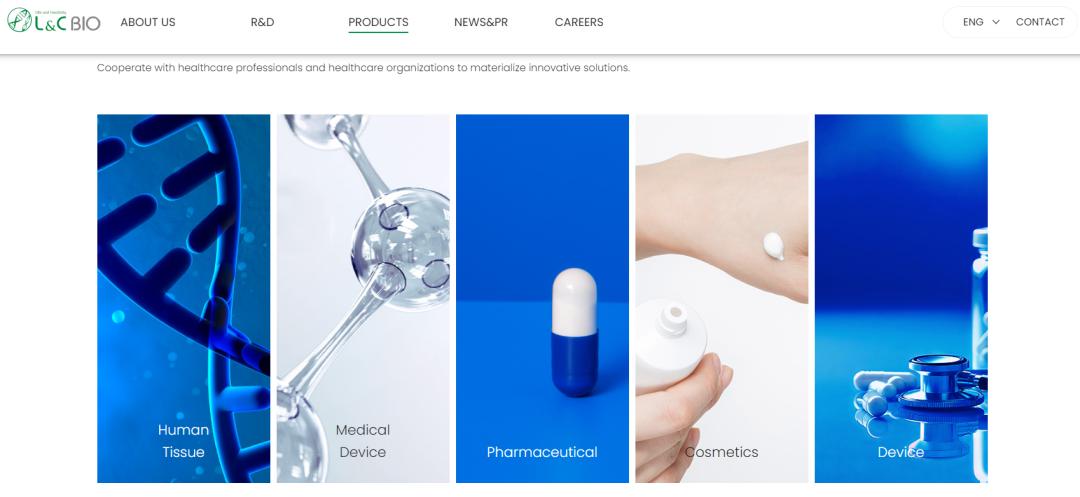
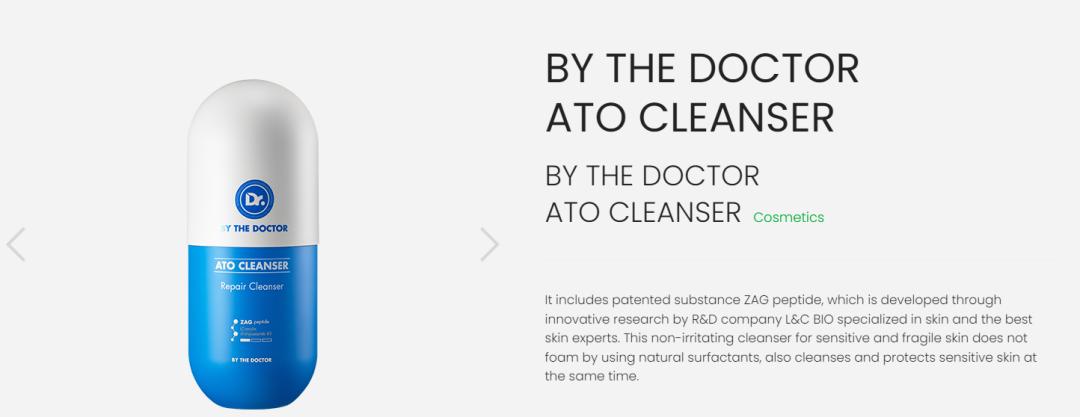
Source: Screenshot from L&C BIO official website
It is worth noting that L&C BIO has achieved considerable revenue in recent years. Financial reports show that L&C BIO's annual sales last year were 85.5 billion won (about 419 million RMB) a year-on-year increase of about 18.5%.
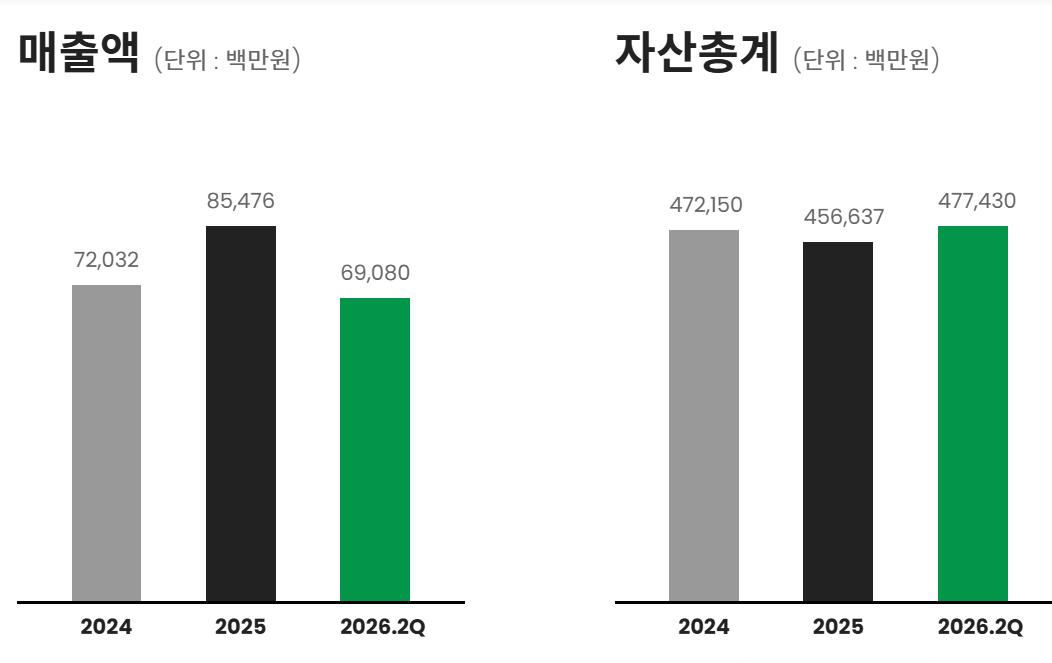
Source: Screenshot of the financial report disclosed on L&C BIO official website
In addition, Qichacha shows that L&C BIO has set up two subsidiaries in China: one is Aiens Biotechnology (Kunshan) Co., Ltd. (hereinafter referred to as "Aiens (Kunshan)"), and the other is the Beijing branch which has now been deregistered.
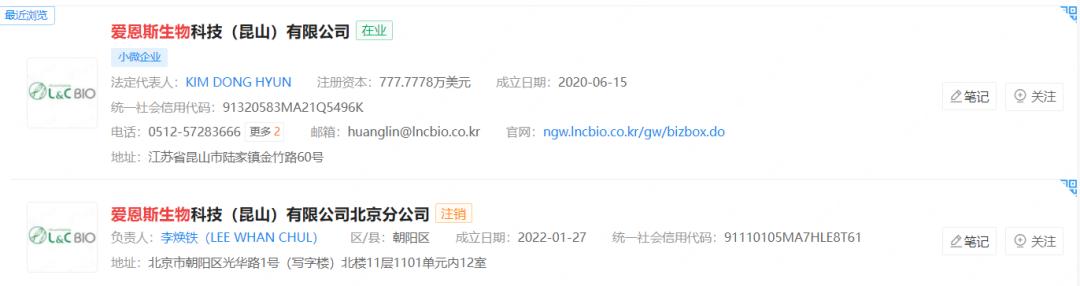
Source: Screenshot from Qichacha
After inquiry by Jumeili reporters, it was found that Aiens (Kunshan) has a certain reputation in China's medical aesthetic industry, has attended many industry conferences, and has been reported by local official media.
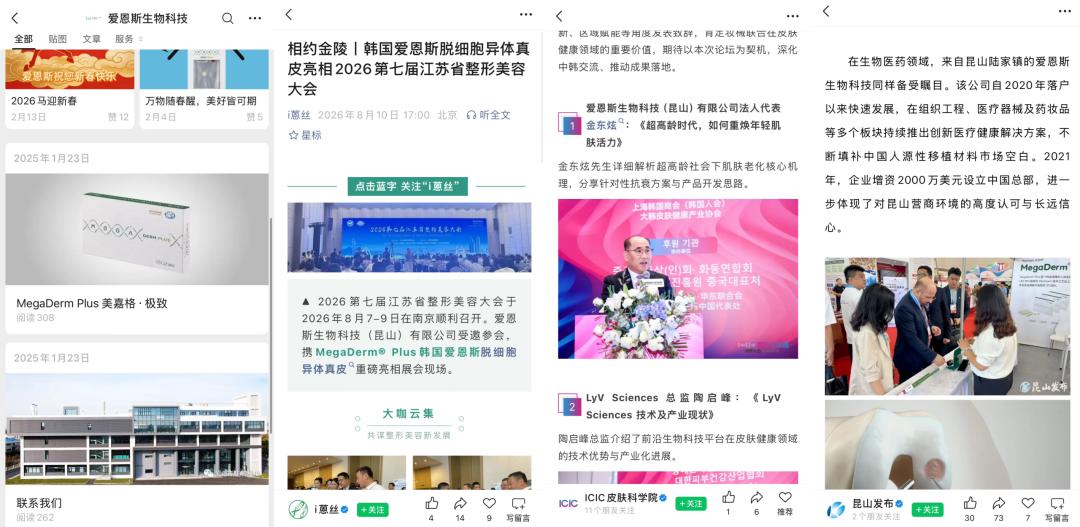
Source: Aiens Biotechnology, i Congsi, ICIC Dermatology Academy, Kunshan Release (local official media)
At the same time, the company has also exhibited MegaDerm®Plus (non-facial injection) which is the only Class III medical device with import registration certificate obtained by the company in China.
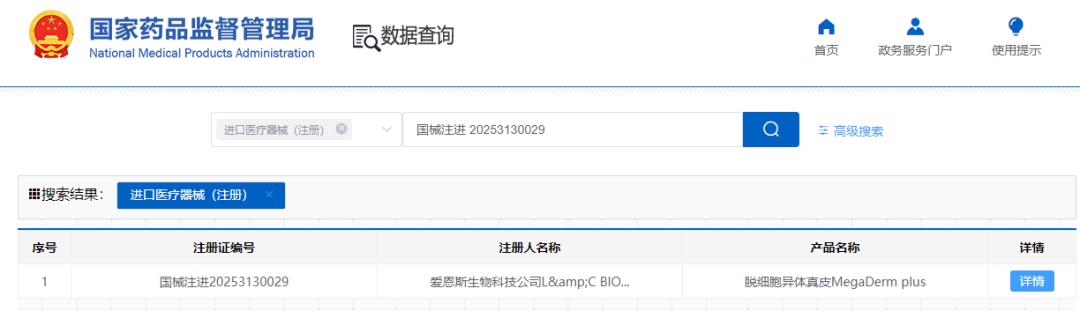
Source: Screenshot from the NMPA Medical Device Registration Query System
However, Jumeili reporters noticed that on e-commerce platforms such as Taobao and Xianyu, some Re2O products are secretly circulated in the form of parallel imports, and some merchants revealed that the injection is generally used in the form of glowing skin injection.
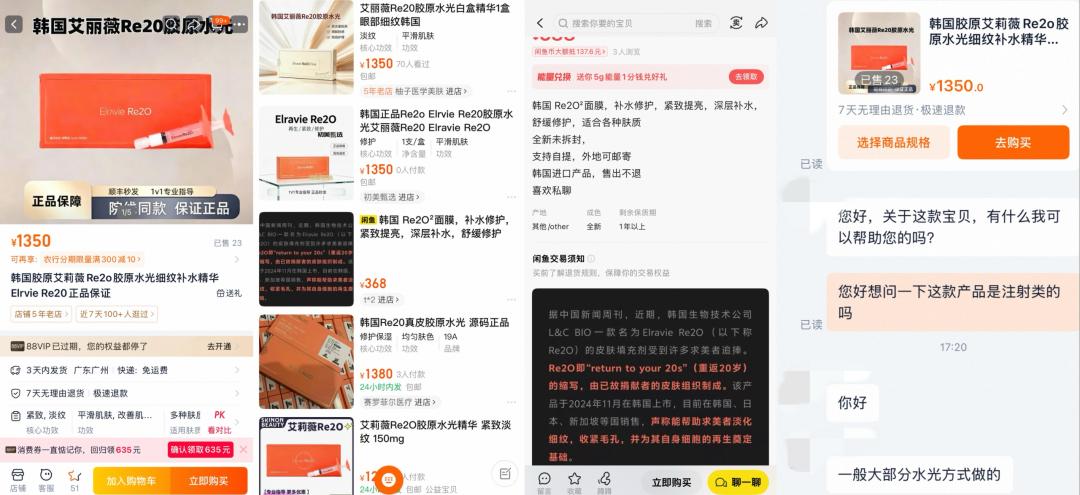
Source: Screenshot from e-commerce platforms such as Taobao and Xianyu
Behind the injections: numerous irregularities in medical aesthetic injections
Behind the "Cadaver Skin Needle" controversy, it is actually a true portrayal of the booming South Korean medical aesthetic industry today.
In the post-pandemic era, South Korea's medical tourism has exploded rapidly, and the demand for overseas beauty seekers, especially Chinese consumers, to go to South Korea for light medical aesthetic projects has risen sharply. Data from South Korea's Ministry of Health and Welfare shows that the number of foreign patients who went to South Korea for medical treatment in 2025 exceeded 2 million, including 619,000 Chinese patients (ranking first among overseas patients), a year-on-year increase of 137.5%.
In terms of injection projects, in addition to Rejuran glowing skin injections, botulinum toxin and hyaluronic acid, new injections such as PDRN, ECM skin enhancers and liquid PCL are also growing rapidly.
This trend is also related to the increasingly mature and more cost-effective South Korean medical aesthetic industry. A friend around the reporter revealed that going to South Korea for a single Rejuran injection in the off-season only costs a few hundred yuan, and the price is the driving factor for him to go to South Korea for medical aesthetic treatment.
However, under the hot market, irregularities in the field of medical aesthetic injections emerge in endlessly. The core problems can be summarized as: illegal circulation of unapproved products, off-label use of approved products, and gray operation modes such as "injection under a third-party platform".
These non-compliant injections are essentially based on the underlying logic of "concept first, regulation lagging behind", mainly involving the following categories:
First, lipolysis injections: illegal products run rampant, and tissue adhesion is irreversible.[4] The only lip