Justin Sun spent 190 million yuan to travel to space, while the space ticket sold by Trip.com is priced at only 5.1 million yuan, with wealthy people queuing up to place orders.
Recently, Trip.com has listed the "once in a lifetime" Virgin Galactic space travel ticket at 5.1 million yuan per ticket, which is currently the most expensive space tourism product sold through public channels in China.
According to Trip.com's customer service response, two orders have been sold on the platform so far, while around 700 people worldwide have paid deposits and are on the waiting list.
It should be noted that a deposit of 150,000 USD (about 1 million RMB) is required for booking, and the deposit is non-refundable once the trip is cancelled.
The customer service stated that the activity has no restrictions on age or gender. If a customer has underlying health conditions, an online assessment with the medical team can be arranged before payment.
At present, many people are sharing their orders online, but most of them have only submitted their demands and not made payments yet. The customer service team will call back customers for a second contact after screening.
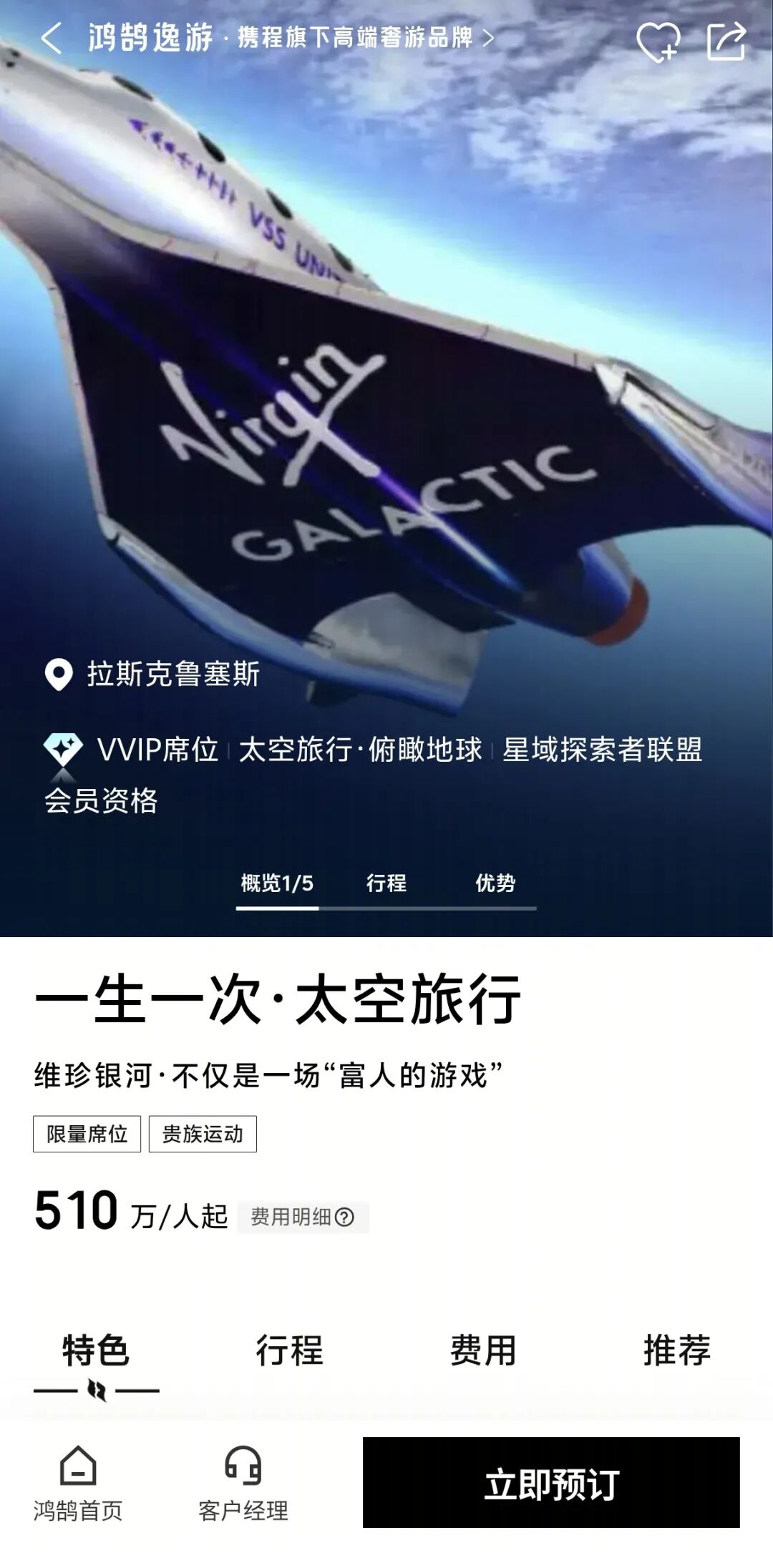
The trip lasts 6 days and 5 nights, the 5.1 million-yuan ticket covers accommodation and meals but excludes airfare
The entire trip lasts 6 days and 5 nights in total. After arriving at El Paso Airport in Texas, the United States, customers will be picked up by a dedicated car and transferred to the Virgin Astronautics Base Resort.
Here, customers will first receive 3 days of astronaut training, during which they can have in-depth exchanges with senior astronauts, learn detailed flight plans, experience the process of putting on a spacesuit in person, and undergo physical examinations and basic training.
On the 3rd and 4th day, customers will carry out practical operations and rehearsal drills in the simulator, including high-gravity centrifuge training, G-force tolerance training and other related items.
The first 4 days are all preparation work on Earth, and the 5th day is the highlight.
Customers will board Virgin Galactic's spacecraft to experience a suborbital flight of about 90 minutes, during which they will feel weightlessness leaving their seats for several minutes, and can overlook the arc of the Earth through 17 portholes.
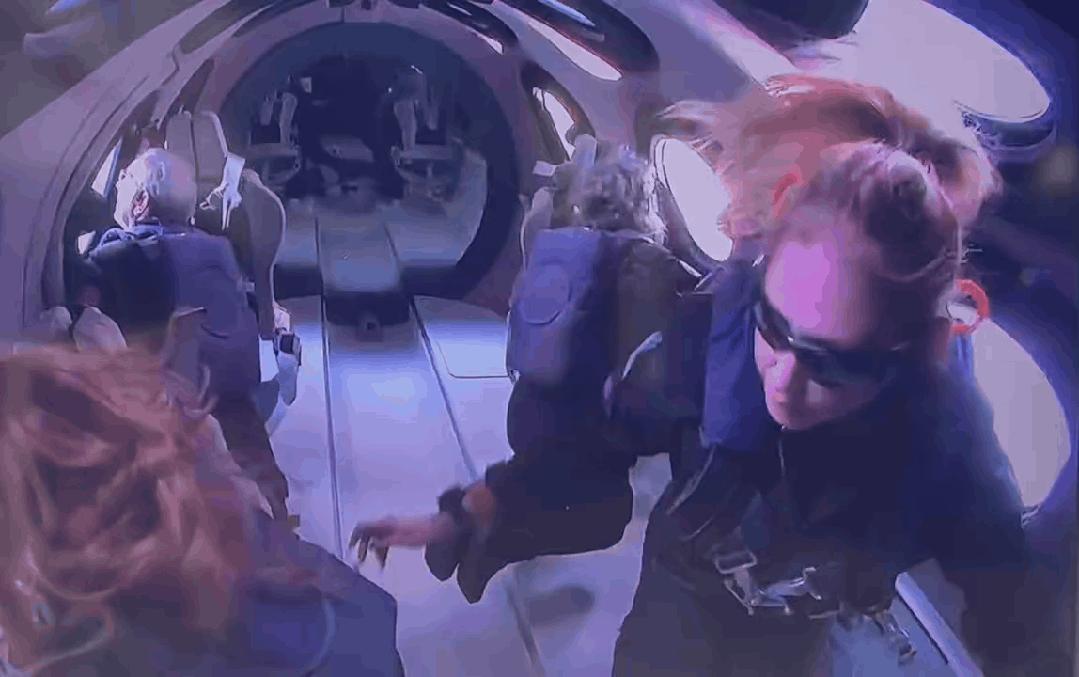
After the flight, customers will be certified as "commercial astronauts" by the Society of Space Explorers and awarded the "Astronaut Wings" medal.
Meanwhile, the package allows one family member or friend to enter the base, stay in the same room, and participate in activities at the Virgin Astronautics Base. Although they cannot go to space, they can sit in the VIP viewing area to witness this historic moment.
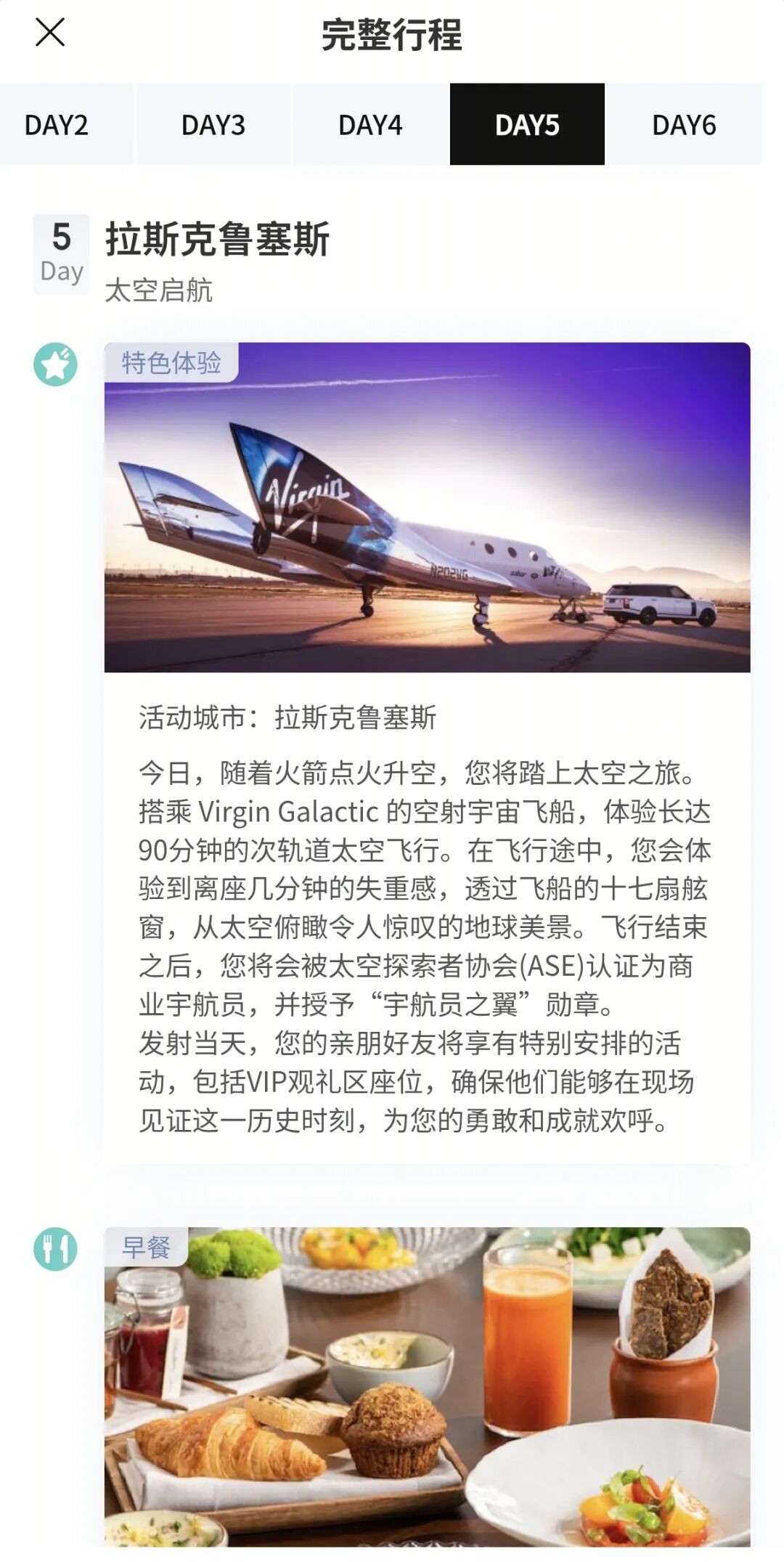
Hotel accommodation, meals, airport transfers, custom spacesuits, astronaut badges, and video and photo souvenirs throughout the training and flight are all included in the 5.1 million-yuan ticket price.
However, round-trip air tickets, visa and passport fees, and insurance need to be paid by customers themselves.
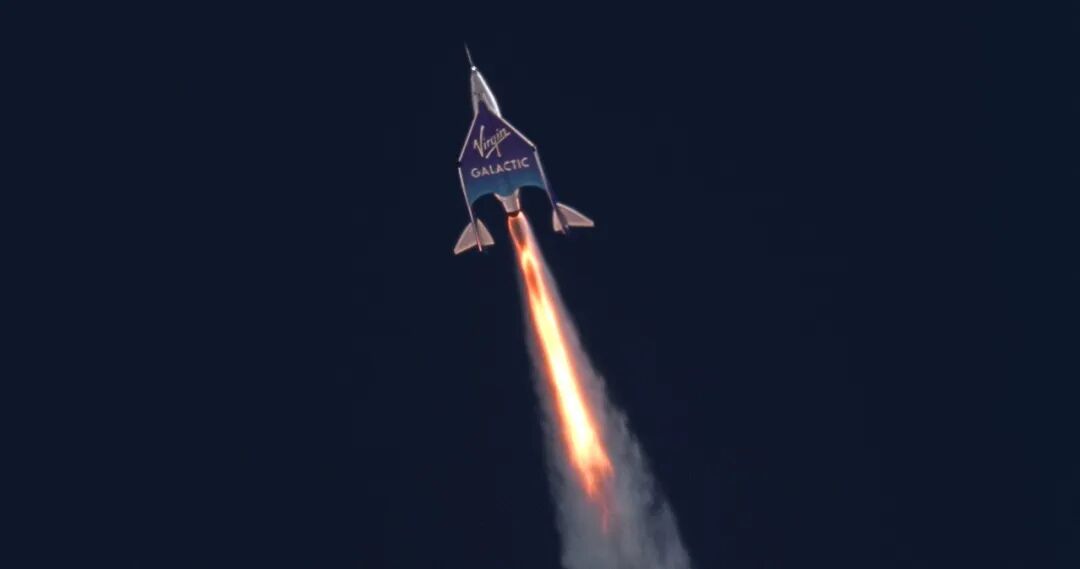
Virgin Galactic's previous-generation VSS Unity was retired after completing its last commercial flight in June 2024, and the spacecraft to be taken this time is the new-generation Delta-class ship.
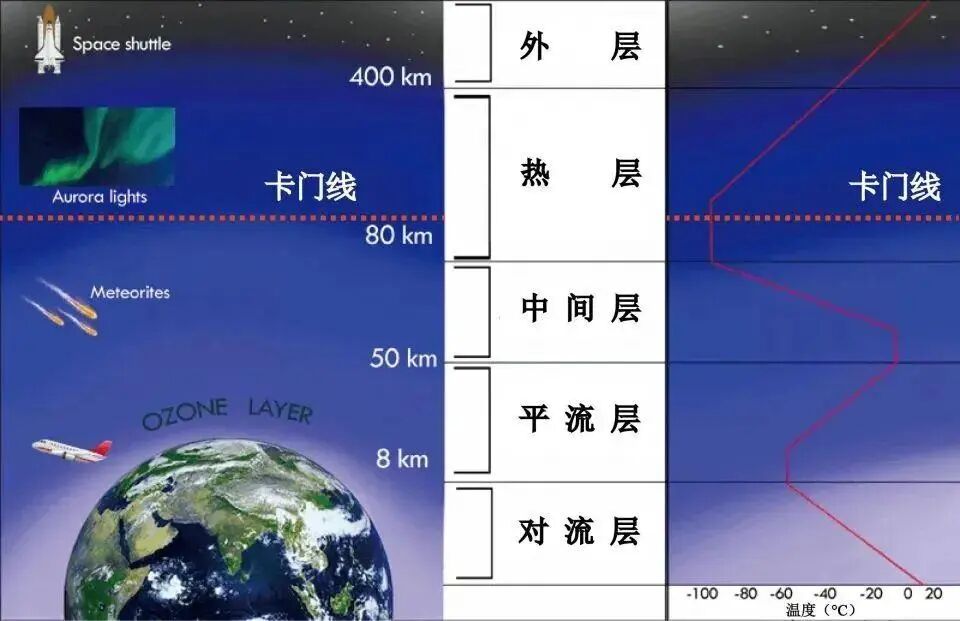
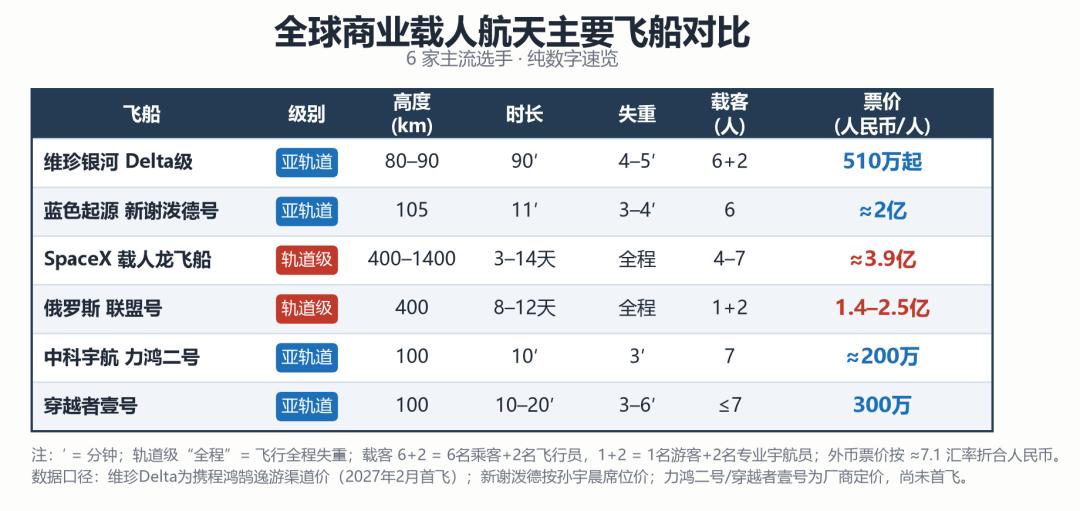
With 6 passengers and 2 pilots, the spacecraft takes off from an ordinary runway carried by a mothership, separates at an altitude of about 15,000 meters, and the rocket ignites to climb to an altitude of 80 to 90 kilometers.
According to the 100-kilometer "Kármán Line" standard defined by the Fédération Aéronautique Internationale, this altitude can only be regarded as the edge of space, but according to the 80-kilometer standard of the US FAA, it already meets the criteria of having been to space.
The Delta was originally scheduled to resume flight at the end of 2026, but the latest timeline has been postponed to February 2027, and the second ship is expected to be delivered in March 2027.
Its biggest selling point is that it operates like an aircraft, with a maximum of 8 flights per month per ship. The company plans to achieve more than 10 flights per month by the end of the second quarter of 2027.
In March this year, Virgin Galactic began selling space travel tickets at a price of 750,000 USD (about 5.03 million RMB). It originally planned to sell 50 tickets, but the demand was so strong that the total reservation amount has exceeded 50 million USD.
Justin Sun once spent 200 million yuan to go to space, and celebrities are scrambling to complete space check-ins
Prior to this, many celebrities and wealthy people have already completed their space check-ins.
Last April, Katy Perry and Lauren Sanchez, the fiancée of Jeff Bezos, formed the first all-female crew in history and took Blue Origin's New Shepard to space.
The spacecraft reached an altitude of 106 kilometers, successfully crossing the international 100-kilometer Kármán Line, with the whole process lasting about 11 minutes.
In August of the same year, Justin Sun, the founder of Tron, also took the New Shepard to complete a suborbital flight.
As early as 2021, he won the chief seat of the maiden flight of New Shepard with 28 million USD (about 190 million RMB), but he waited for a full 4 years to realize his dream, becoming the youngest Chinese commercial astronaut in history.
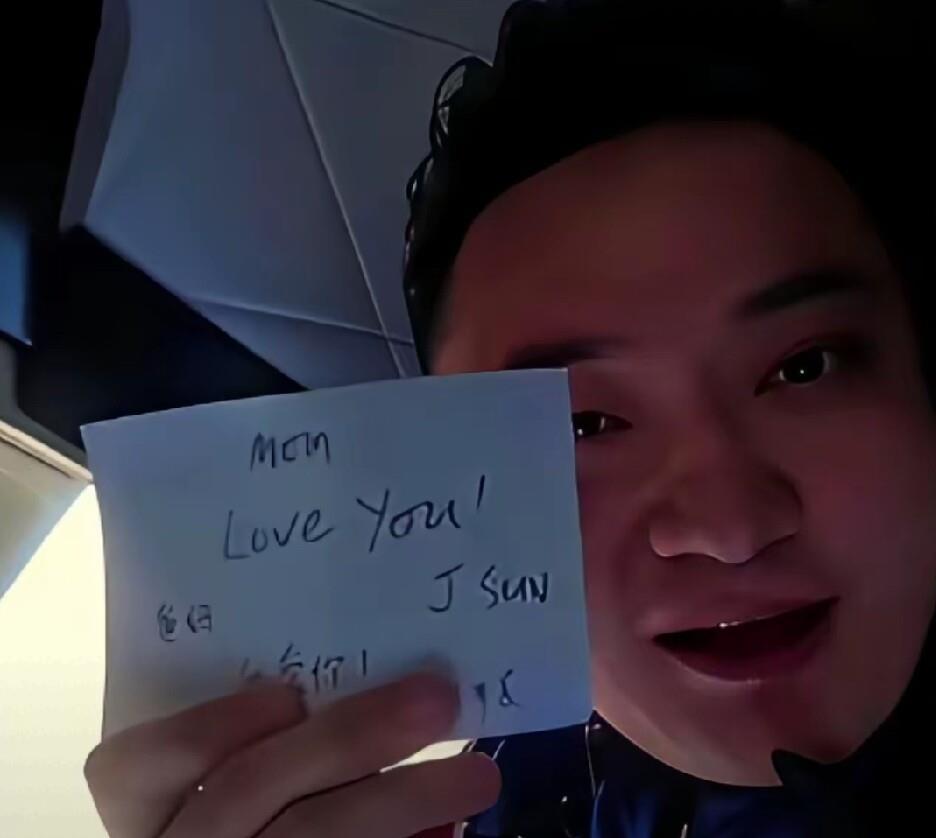
The 5.1 million-yuan space ticket on Trip.com can be regarded as a "good price" compared with his cost.
Although both are suborbital space trips, there are great differences between Virgin Galactic's Delta and Blue Origin's New Shepard.
The New Shepard is a vertical rocket plus a capsule, which goes straight up and down through the Kármán Line, finishes the flight in about 10 minutes, and lands with a parachute. It has about 4 minutes of weightlessness, which is short, intense and pure, just like riding an ultimate roller coaster.
The Virgin Delta is an air-launched spacecraft. It has to climb to high altitude slowly first, then the mothership releases it at high altitude, the rocket ignites, and finally it glides to land on the runway. The whole trip takes longer and is more comfortable, just like taking an airplane.
Although the weightlessness time of the two is similar, in terms of experience, the New Shepard has extremely strong impact during vertical launch, and there is obvious vibration when landing with a parachute, so the feeling will be very intense.
Virgin's launch is gentle and landing is smooth without severe bumps, which is more of a leisure experience. The advantage is that customers have more time to view the Earth, and there is no need to worry about taking good photos.
In January this year, Blue Origin announced that it would suspend the New Shepard tourism business for at least two years to fully devote itself to the lunar landing program.
When Virgin Delta resumes flight in February next year, it is likely to become the only remaining suborbital space tourism option in the world in the short term.
However, Chinese commercial aerospace companies are also working hard to promote their suborbital space travel plans.
Beijing Traveler Manned Space Technology's "Traveler No.1" plans to complete its maiden manned space flight in 2028, with a ticket price of 3 million yuan, and reservations are already open.
CAS Space's Lihong No.2 plans to complete its manned test flight in 2027 and its commercial maiden flight in 2028.
At the orbital level, SpaceX and Roscosmos have already realized commercial manned spaceflight long ago.
Compared with suborbital flight, orbital flight can reach the first cosmic velocity (7.9 km/s), can fly around the Earth continuously for several days, and the whole process is in a weightless state.
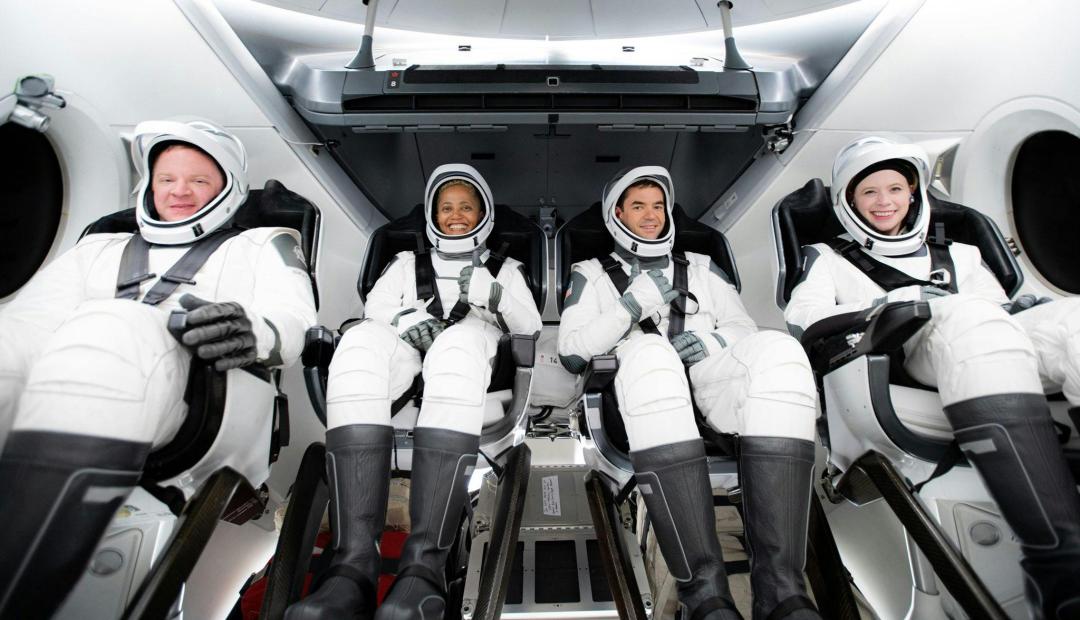
In 2021, SpaceX's Crew Dragon spacecraft sent 4 ordinary people to space. The subsequent "Polaris Dawn" mission even reached a flight altitude of 1400 kilometers and completed the first commercial spacewalk.
As early as 2001, Roscosmos launched private space travel through an intermediary company. At that time, the first space tourist spent 20 million USD and achieved 8 days in orbit.
Conclusion
The "Hhtravel" that launched this sky-high priced space travel product is a top-tier high-end luxury travel brand under Trip.com.
It was founded in 2012 by Trip.com in cooperation with Hong Kong Wing On Travel and Taiwan Eztravel, focusing on high-end private travel, where customers can enjoy exclusive 1-on-1 private VIP customer service and 7x24 hour service support.
The early launched "80 Days Around the World" detonated China's high-end travel circle as soon as it was launched, and was praised as the real-life version of *Around the World in Eighty Days*.
In 2014, the tour was priced at 1.18 million yuan, with a total of 10 seats, which were sold out in only 15 seconds.
Currently, in addition to space tours, the luxury tours on sale also include an 8-day 7-night South Pole expedition at 795,000 yuan per ticket, and a 151-day cruise around the world covering 31 countries at 679,900 yuan per ticket, etc.
Once upon a time, space exploration was the exclusive domain of national aerospace projects, and ordinary people's space dreams only existed in advertisements and science fiction works. Now with the rapid rise of commercial aerospace, space travel, which was once unreachable, is becoming a "purchasable" commodity.
It is undeniable that the 5.1 million-yuan price tag is still a game for the top rich.
But the rich are not foolishly wasting money. In fact, they are the first batch of paying users who provide prototypes for the technology.
In the early days, civil aviation tickets were so expensive that only political and business celebrities could afford to take planes. When mobile phones first entered China, they were sold for 20,000 yuan each. It was all because a small number of high-net-worth individuals shared the R&D costs that the subsequent cost reduction curve was achieved.
China is also replicating this curve. In 2024, Deep Blue Aerospace has already listed suborbital tickets at 1.5 million yuan per ticket in the live streaming room, the price of which is less than one third of Virgin's ticket.
Perhaps in the coming decades, today's sky-high priced space travel will gradually become popular and enter the vision of the general public, just like the once popular around-the-world travel and polar travel.
This article is from the WeChat official account "Tech Daily Push" (ID: apptoday), author: Zhao Zhishan, editor: Zhou Weipeng, published with authorization from 36Kr.